For wolves to be abundant enough to be hunted would be a victory(?)

The eventual goal in Washington is to remove wolves from the critically endangered list so they can become a game species. While it may seem hypocritical, for wolves to be abundant enough to be hunted would be a victory.

http://dailyuw.com/archive/2014/11/13/science/washington-wolves-after-80-year-absence-pack-back#.VG4nhWd0y1s

Washington wolves: After 80 year absence, the pack is back

November 13, 2014 at 12:01 AM | Jessica Knoth

A wolf howl is the call of the wild. But for decades, that howl was muted.

Gray wolves once covered North America, but ruthless hunting nearly drove them to extinction in the United States by the 1930s. However, strong conservation efforts brought them back from critical endangerment. UW researchers have been monitoring the state wolf population and are currently in the process of analyzing the ecological and economical impacts these animals have. While wolf packs have been shown to drastically improve ecosystems, like in Yellowstone National Park, their effect on Washington state remains to be seen.

“You can’t have a one-size-fits-all approach,” said Aaron Wirsing, head researcher of the project. “We want to see if these documented effects in parks also occur in managed landscapes.”

A managed landscape is an area that has a lot of human influence. Hunting, logging, ranching, and recreation alter the natural ecosystem. In Yellowstone, human activity is restricted, so the ecosystem can develop and change naturally. But Washington’s wolf population lives in a highly trafficked area.

“Human influence may be so pervasive that wolves don’t have an effect on the environment,” said Justin Dellinger, a researcher on the team.

In Yellowstone, the reintroduced wolves were a top predator. The return of the wolves slowly brought elk and deer populations under control, which in turn allowed vegetation to flourish. This brought smaller animals back into the area, as well as foxes, eagles, and even bears. Deer began avoiding the lowlands where wolves hunt, which allowed the plants by rivers to replenish themselves, strengthening the banks of the rivers and resulting in new wetland habitats.

Wirsing and his team have been monitoring the wolves’ movement in Washington state with GPS tracking collars, but have also been capturing deer to watch their behavior. By attaching a camera to a deer, they can watch the animal’s actions 24 hours a day. They back up the video footage with GPS data to see whether the deer are starting to avoid wolf hunting grounds, which sparked habitat regeneration in Yellowstone.

“It’s not to say that cougar, coyote, or bear don’t have an impact on the deer, it’s just now there’s potential for deer to have to account for another predator on the landscape,” Dellinger said.

The researchers have also been working with the Confederated Tribes of the Colville Indian Reservation, who have begun to encounter wolves on their tribal lands.

“They are really interested in knowing how the wolves are changing the ecosystem on the reservation,” UW researcher Carolyn Shores said. “They especially want to know how wolves will impact game species because the tribes depend on deer and elk for sustenance.”

The members of the Colville tribes aren’t the only people impacted by the wolves.

“They conflict with people by eating their livestock, but they also can bring in tourism dollars, like they have in Yellowstone,” Wirsing said.

Controversy seems to be the standard when it comes to wolves. Humans tend to have an ingrained fear of wolves, but researchers say that fear is unfounded.

“They are actually very timid animals when it comes to encounters with people,” Shores said. “In fact, if they see you, they will run away as fast as they can.”

The eventual goal in Washington is to remove wolves from the critically endangered list so they can become a game species. While it may seem hypocritical, for wolves to be abundant enough to be hunted would be a victory.

“Ultimately, public outreach will be the key to shaping policy here in Washington,” Wirsing said. “We hope to get the word out there that it’s a good thing to have this wolf recolonization effect, and will do so by getting the public involved in the research.”

The researchers are not sure if wolves will have an impact on Washington’s ecosystem, but that doesn’t mean people shouldn’t try to help them repopulate their old habitats.

“There are few animals more polarizing than the wolf,” Wirsing said. “But that’s what makes them so fascinating.”
Controversial Idaho wolf CONTEST hunt approved, angering conservationists

SALMON Idaho Thu Nov 13, 2014

(Reuters) – U.S. land managers approved a recreation permit on Thursday allowing a controversial hunting contest open to children to take place on public lands in Idaho, where contestants will seek to kill the most wolves and other wildlife for cash and prizes.

The hunting group Idaho for Wildlife requested the permit for the so-called predator derby to take place each January for five years on millions of acres (hectares) overseen by the federal Bureau of Land Management (BLM) in east central Idaho near Salmon.

In granting the permit, the BLM found the event posed “no significant conflicts” in its management of natural resources.

“We are aware of the social controversy regarding the event,” Joe Kraayenbrink, BLM district manager in Idaho Falls, said in a statement. “However, from our analysis, we could not find significant conflicts with other environmental resources that would prohibit the competitive event from occurring.”

Approval of the hunt comes as animal-rights advocates mark an increase in such competitions in Western states including Oregon, New Mexico and California, where wildlife commissioners in December will vote on a proposal to ban such events.

The competition, which targets wolves, coyotes and other quarry and is expected to draw up to 500 hunters annually, is opposed by conservationists as a “killing contest.”

The contest also invites children as young as 10 to pair with an adult to kill animals including jackrabbits, starlings, skunks and weasels for an event promoted as a form of family recreation.

Derby opponents pledged to file suit asking a federal judge to order the BLM to revoke the permit for failing to adequately assess the event’s impacts on the environment and public safety.

“The BLM abdicated its responsibility as steward of our public lands. A cruel and dangerous killing contest has no place on lands held in trust for all Americans,” said Bethany Cotton, wildlife program director for WildEarth Guardians.

The BLM received tens of thousands of letters criticizing the event during a public comment period. Fewer than 20 letters favored it.

Steve Adler, head of Idaho for Wildlife, could not immediately be reached for comment but has previously said critics were seeking to restrict gun rights spelled out in the U.S. constitution and tarnish a decades-old hunting tradition in the American West.

“We’re stereotyped as a bunch of Idaho rednecks out to kill as many animals as we can,” he told Reuters last month.

(Editing by Cynthia Johnston and Sandra Maler)

_____

Defenders of Wildlife to Challenge BLM’s First-ever Approval of Wolf Hunting Derby on Public Lands in Idaho

Printer-friendly version

FOR IMMEDIATE RELEASE

Contact:

Suzanne Stone: sstone@defenders.org; (208) 861-4655

Laird Lucas:  llucas@advocateswest.org; (208) 342-7024 ext. 209

BOISE, Idaho –  Defenders of Wildlife will ask the courts to reverse a Bureau of Land Management (BLM) decision granting a permit for an Idaho anti-wolf group to hold a predator killing contest annually over the next five years on over 3 million acres of public land in eastern Idaho.

The court challenge will allege that, by allowing the predator derby targeting wolves, coyotes and other predators on public lands around Salmon, ID, BLM has undermined the Northern Rockies wolf recovery program that began in 1995 with reintroduction of wolves in Idaho and other states, and has violated the management standards set in place for potential and designated wilderness within the permit area. Defenders and other conservation groups have asserted that such commercial predator-killing derbies are a reflection of 19th century thinking and hatred towards predators and have no place on federal lands in the 21st century. They also say this persecution of predators flies in the face of modern day science that recognizes the valuable role that predators play in maintaining healthy ecosystems.

BLM received over 100,000 comments from Defenders of Wildlife members and other conservationists, strongly opposing the proposed Idaho wolf derby. But rather than fully assess the proposal through an Environmental Impact Statement as required by federal law, BLM “fast-tracked” its approval and failed to address the many potential adverse impacts from such an event, including impacts on local and regional wolf and other predator populations and on 17 areas specially managed to preserve their wilderness characteristics.

“Commercialized killing contests to slaughter predators are something right out of the 1800s. It’s the same archaic tactic that pushed wolves toward extinction in the first place,” said Suzanne Stone, Idaho resident and Defenders of Wildlife Senior Representative for Rockies and Plains. “These events also show that Idaho’s state-sponsored war on wolves is spreading to federal agencies. By issuing the permit, BLM is reinforcing the belief among local residents that wolves should be treated like unwanted vermin. It is shocking that BLM is willing to embrace the 19th century anti-wildlife tactics that led to the demise of wolves and other native predators across the West.”

“BLM’s action approving the Idaho Wolf Derby on Idaho public lands over the next five years is contrary to the federal government’s commitment to recover gray wolves in the Northern Rockies,” added Laird J. Lucas, Director of Litigation at Advocates for the West, which is representing Defenders in the lawsuit. “Human persecution of gray wolves is the reason why they were listed under the Endangered Species Act more than forty years ago; yet BLM’s action puts the federal government’s stamp of approval on further persecution and anti-wolf sentiment, which is a wrong step for the government to take.”

Defenders will be represented in this case by Laird Lucas and Bryan Hurlbutt of Advocates for the West, a public interest environmental law firm based in Boise, Idaho.

Defenders of Wildlife is dedicated to the protection of all native animals and plants in their natural communities. With more than 1.1 million members and activists, Defenders of Wildlife is a leading advocate for innovative solutions to safeguard our wildlife heritage for generations to come. For more information, visit www.defenders.org and follow us on Twitter @defendersnews.

Wolves: Hunting Affects Stress, Reproduction, and Sociality

Harassed wolves show elevated levels of stress and reproductive hormones

Wolves Belong to no one but Themselves

One of the hazards of sending a letter to the editor of a newspaper is that the paper generally gets to choose a title for it…, and the title often reflects their attitude on a given issue rather than the writer’s. For example, in this letter, recently published in the Methow Valley News, the paper chose to use game department jargon, rather than quoting what I personally believe about who wolves belong to “…no one but themselves.” Here’s what they came up with for a title:

Wolves belong to everyone

Dear Editor:

I recently attended a Washington Department of Fish and Wildlife (WDFW) wolf management hearing to find out how far they ultimately plan to go with wolf hunting, once wolves are inevitably removed from the state’s endangered species list. It turns out the department was only there to talk about a few cases of sheep predation, and the WDFW’s subsequent collusion with aerial snipers from the federal Wildlife “Services” for some good old fashioned lethal removal.

For over 20 years I lived in a cabin well upriver from Twisp, but moved away before the whole poachers’ bloody-wolf-hide-bound-for-Canada fiasco. Since then, I’ve had numerous positive experiences with the wolves themselves. I photographed them in Alaska and Canada as well as in Montana, where I lived a mile from Yellowstone National Park, and got to know the real nature and behavior of wolves.

I’d like to think that if ranchers knew the wolves the way I do, they wouldn’t be so quick to want to kill them off again. Folks shouldn’t have to be reminded that wolves were exterminated once already in all of the lower 48 states, before the species was finally protected as endangered.

Although I personally believe that wolves belong to no one but themselves, to use game department jargon, wolves and other wildlife “belong” to everyone in the state equally — not just the squeakiest-wheel ranchers and hunters. Most of Washington’s residents want to see wolves allowed to live here and don’t agree with the department’s wolf “removal” measures, that no doubt include plans for future hunting seasons on them.

What’s to stop Washington from becoming just like Idaho, Montana and Wyoming in implementing reckless wolf-kill programs that eventually lead to the likes of contest hunts (as in Idaho), or year-round predator seasons that ultimately result in federal re-listing (as in Wyoming)? What guarantee do we have that Washington’s wolves will be treated any differently?

Food for thought: If we don’t speak out now, the next disgusting dump you find deposited along a hiking trail well might belong to a legal wolf hunter.

Jim Robertson

Text and Wildlife Photography©Jim Robertson

Text and Wildlife Photography©Jim Robertson

Wolf Hunting in Washington?

WDFW also should open discussions about setting an upper limit on the wolf population. “There’s got to be a top number. We can’t let an apex predator grow unchecked,” he said…

http://www.capitalpress.com/Washington/20141031/washington-peeks-ahead-to-life-after-wolves-recover

Washington peeks ahead to life after wolves recover

Capital Press

Published:October 31, 2014 1:56PM
 
With Washington’s wolf population growing, talk about delisting the species has already started.

Washington will have a plan by 2018 for managing wolves after they’ve been taken off the state’s endangered species list, according to a Department of Fish and Wildlife proposal.

The agency sets the date in its 2015-21 game management plan, which has yet to be approved by the Fish and Wildlife Commission.

The document outlines objectives for managing game animals. WDFW received comments urging it to address wolf predation of deer and elk now.

Instead, the game management plan defers to the state’s wolf recovery program, which calls for establishing wolves in Washington before considering the effects on deer and elk.

The agency did for the first time set a time frame for developing a plan in anticipation the wolf population will outgrow endangered species status.

The department projects wolf-recovery goals could be met by 2021, the year the game management plan expires.

Washington Cattlemen’s Association Executive Vice President Jack Field said he was disappointed wolves didn’t get more attention in the game management plan.

“We’re going to achieve our recovery objective in Washington state,” said Field, who’s on the state’s Wolf Advisory Group. “There’s going to be an impact on ungulates.”

Field said WDFW also should open discussions about setting an upper limit on the wolf population.

“There’s got to be a top number. We can’t let an apex predator grow unchecked,” he said.

WDFW Game Division Manager Dave Ware said wildlife managers have not seen a decline in deer and elk populations in northeast Washington, where the state’s 52 wolves are concentrated.

The state projected in 2011 that once the population reached 50, wolves would take up to 630 elk and 1,500 deer a year, a fraction of the 7,900 elk and 38,600 deer killed by hunters annually.

Ware said the 2018 deadline will ensure the department has a plan ready if recovery-goals are met sooner than expected.

The head of a wolf sanctuary in Tenino, Wash., said WDFW appears set to start working on a post-recovery plan prematurely.

“It doesn’t make any sense to us,” said Diane Gallegos, executive director of Wolf Haven International. “Our focus should be on recovery and working with people who are most effected by recovery.

“We don’t know what the impacts of wolves are going to be in Washington,” Gallegos said. “We’re going to know so much more in five years that anything we do know, we’re going to have to redo.”

Conservation Northwest Executive Director Mitch Friedman agreed talks on managing an established wolf population can wait.

“It’s not a bridge we have to cross now,” he said. “It would create more smoke than light in the near term, and we would have to repeat it in the long term.”

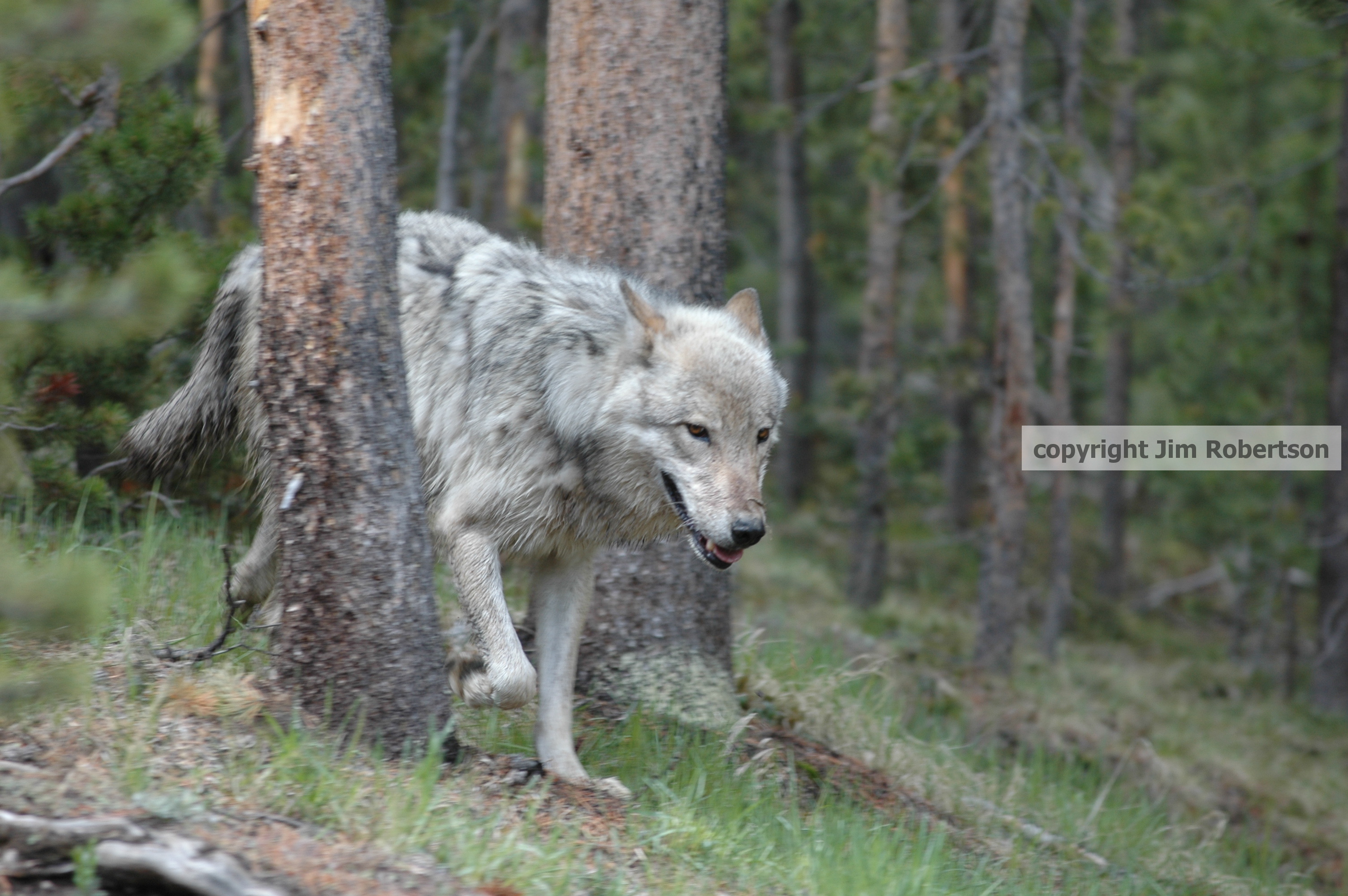
copyrighted Hayden wolf in lodgepoles


Nearly 40,000 oppose Idaho wolf-hunting contest

PC_logo_vector_3_line_tagline2
Donate-button 2 Email button You Tube button Twitter button Facebook button
  COYOTE_Killing_Contest_Coyote Bodies FAIR USE
“Nearly 40,000 oppose Idaho wolf-hunting contest”
~Reuters, Oct. 28, 2014

Reuters is reporting nearly 40,000 citizens opposed proposed “Predator Derby” in Idaho targeting wolves, coyotes, bobcats, foxes and other predators as part of a killing contest for fun and prizes on more than 300 million acres of public lands in Idaho this coming January (and for 4 more years after that!).

Thanks to all who responded to our call to action to write to the Bureau of Land Management (BLM) in opposition to this slaughter. We are making progress because of YOU!

Project Coyote is doing everything that we can to stop this proposed wildlife massacre. And we are on the brink of winning our battle to ban this practice in California (final vote by the California Fish and Game Commission will be December 3rd).

But we need your help to win this war against wildlife. Please make an emergency gift to our Ban Wildlife Killing Contests Campaign today.

Please join our monthly giving program by becoming a committed donor to support this critical work to defend the coyotes, wolves, foxes, bobcats and other animals who have no voice.

What’s to Stop Them?

I attended the Washington Department of Fish and Wildlife (WDFW) wolf hearing last week to find out how far the WDFW ultimately plans to go with wolf hunting, once wolves are inevitably removed from the state endangered species list, and when Washington residents can expect to hear that hunting groups are holding contest hunts on wolves like our neighbors in Idaho have already done.

It turns out the department wasn’t ready to come clean on their ultimate plans to implement hunting seasons on wolves (starting in Eastern Washington). They were only willing to talk about the few cases of sheep predation (a few dozen out of a flock of 1,800 animals grazing on public forest land), and the WDFW’s collusion with areal snipers from the federal Wildlife “Services” for some good old fashioned lethal removal. Here are some notes on what I was planning to say, had it been on topic:

Over the years spent living in rural Eastern Washington, I’ve gotten to know how ranchers think and feel, and what they’re capable of. For over twenty years I lived in a cabin outside the Okanogan County town of Twisp, where rancher/convicted poacher Bill White is currently under house arrest. Exploiting his then-good standing and local influence to get permission from the WDFW to gather road-killed deer, under the guise of distributing them as meat to members of the Colville tribe, he used some of the deer as bait to lure wolves from the Lookout pack to within shooting distance. He and his son are credited with killing several members of that pack—the first wolves to make it back into Washington. Their sense of entitlement was so overblown they thought they could get away with sending a blood-dripping wolf hide across the Canadian border.

On the plus side, I also have a lot of experiences with wolves themselves. As a wildlife photographer I’ve photographed them in Alaska and Canada as well as in Montana, where I lived a mile away from Yellowstone National Park. I got to know the real nature and behavior of wolves. I’d like to think that if ranchers knew the wolves the way I do, they wouldn’t be so quick to want to kill them off again. I shouldn’t have to remind folks that wolves were exterminated once already in all of the lower 48 states, except Minnesota, which had only six wolves remaining before the species was finally protected as endangered.

Although I personally believe that wolves belong to no one but themselves, to use game department jargon, wolves and other wildlife belong to everyone in the state equally—not just the squeakist-wheel ranchers and hunters. By far most of Washington’s residents want to see wolves allowed to live here and don’t agree with the department’s lethal wolf removal measures (that no doubt include plans for future wolf hunting seasons, which are currently being downplayed by the WDFW).

What’s to stop Washington from becoming just like Idaho, Montana and Wyoming in implementing reckless wolf-kill programs that eventually lead to contest hunts (as in Idaho) and the subsequent decimation of entire packs? Or year-round predator seasons that ultimately result in federal re-listing (as in Wyoming)? What guarantee do we have that Washington’s wolves will be treated any differently?

Text and Wildlife Photography ©Jim Robertson

Text and Wildlife Photography ©Jim Robertson

Washington game managers criticized for wolf shooting

http://www.capitalpress.com/Washington/20141015/washington-game-managers-criticized-for-wolf-shooting?utm_source=Capital+Press+Newsletters&utm_campaign=3b0a939af2-Daily_Ag_Update&utm_medium=email&utm_term=0_4b7e61b049-3b0a939af2-69631657

Don Jenkins

Capital Press  October 15, 2014   

The Washington Department of Fish and Wildlife hosted a meeting in a Seattle suburb and heard the shooting of a wolf to protect sheep criticized.

LYNNWOOD, Wash. — The east-west divide over how Washington should manage conflicts between ranchers and the state’s growing population of wolves was apparent Tuesday at a meeting in this Seattle suburb.

Speaker after speaker told state Department of Fish and Wildlife officials that game managers shouldn’t have OK’d the shooting of a wolf in August to deter a pack from preying on sheep in Stevens County in northeast Washington.

A week ago at the Stevens County Fairground in Colville, game officials were accused of being slow to stop livestock predation. At the Lynnwood Convention Center, they were charged with being quick to kill wolves at the bidding of ranchers.

Denise Joines, representing a Seattle-based philanthropic conservation group, the Wilderforce Foundation, said the economic contribution of “wildlife watchers” dwarfs that of ranchers who graze their animals on public lands.

“The Department of Fish and Wildlife should focus on serving the interests, both recreational and economic, of the majority of our state’s citizens, not a small extractive industry,” she said.

A sharpshooter from a helicopter killed a breeding female in the Huckleberry Pack on Aug. 23. The department called the Lynnwood and Colville meetings to give residents a chance to vent.

Ania Pastuszewska, of Seattle, called the wolf a symbol of the American West and the August shooting “plain lazy” and an act of “cowardice.”

Hank Seipp said he drove across the state from his home in Spokane because he didn’t have a chance to speak in Colville.

He held prepared remarks laying out his belief that non-lethal means can deter attacks on livestock. Instead of referring to his paper, he turned to look at three department officials and spoke through clenched teeth.

“We, you, have to do better,” he said.

Afterward, Seipp said he was surprised by his vehemence. “My emotions got the better of me over this subject,” he said.

About 100 people came to the Lynnwood meeting and heard the department’s assistant director, Nate Pamplin, defend the shooting.

He said the Huckleberry Pack had killed 34 sheep grazing in rugged terrain. He said non-lethal efforts to protect the sheep, including patrols by state employees around the flock, didn’t stop wolves from killing and injuring livestock.

The state spent an estimated $53,000 in first tying to protect the flock and then in shooting one wolf.

Many in the audience accused game managers of failing to do enough before resorting to lethal action. The same managers were criticized in Colville for allegedly failing to take action against the wolves.

Tricia M. Cook, of Glacier, said a rancher at the Colville meeting slipped her an unfriendly note accusing her of being a “wolf lover.”

“I’ll take that accusation as a compliment,” she said.

In Lynnwood, south King County resident Bill McCorkle stood out when he applauded the shooting of the wolf.

“These guys are just trying to make a living. They are American farmers,” McCorkle said. “I’m not a wolf-hater. I don’t want to see them all dead. I just don’t want things to get out of hand.”

Washington lists the wolf on the state’s endangered species list. Game officials estimate there are 52 wolves in the state, mostly in northeast Washington.

Game officials say the population is growing rapidly and spreading. They anticipate the wolf population will recovery as soon as 2021.

“Wolves in Washington are here to stay,” Pamplin said to applause.

The department’s carnivore manager, Donny Martorello, said conflicts between wolves and livestock likely will increase.

The Huckleberry Pack caused the department the most trouble last summer.

In Ferry County, the Profanity Pack killed a cow and calf. “This is a pack we’ll have to closely monitor next year,” Pamplin said. “This will be a challenging area for 2015.”

10172782_486237174810952_1604406170771652512_n

Group demands return of federal wolf protections at Capitol protest

http://helenair.com/news/local/group-demands-return-of-federal-wolf-protections-at-capitol-today/article_f26cfaea-576b-5185-a950-0da100a42bd5.html

October 20, 2014 6:52 pm  • 

Saying that Montana’s wolf management policy violates the United Nations Charter for Nature, members of the Wolf and Wildlife Action Group delivered a “violation notice” to Gov. Steve Bullock’s office at the Capitol Monday.

Montana’s wolf policy allows for a landowner to kill up to 100 wolves, using what WWAG called cruel and barbaric methods such as aerial gunning and trapping, the violation notice said.

The policy is an attempt to exterminate the gray wolf, and WWAG demanded that wolves return to federal protection under the Endangered Species Act, said member Jeanne Rasmussen.

Bullock was not at his office at the time WWAG delivered the violation notice.

“They are being shot and trapped and gut shot, and they burn baby pups out of their dens,” Rasmussen said. “Hunters just want them eliminated.”

WWAG described itself as an “international grassroots organization” at the Capitol on behalf of 80 percent of Americans who want wolves protected.

Madison County resident Diane Nelson-Steiner spoke passionately about wolves killed near her home along the Big Hole River. She recalled an entire pack shot by government officials flying a USDA plane, and seeing the animals left to rot.

“To see those wolves killed and laying in a field is horrible,” Nelson-Steiner said. “They killed most of the Big Hole pack, and since then we’ve been overrun with elk and deer. It’s getting absolutely ridiculous with the herds getting to be overly large.”

Wolves also kept coyote numbers in check, which have increased dramatically since elimination of the wolf pack, she said.

Nelson-Steiner and her husband, Tim Steiner, brought several foothold traps they said were found illegally set on their property by trappers after wolves. They have found or heard of multiple animals caught in traps including domestic cats and dogs, an eagle, a badger and coyotes, but no wolves, Steiner said.

Yes that’s cruel and inhumane,” Steiner said while holding a trap. “Animal cruelty is against the law in all 50 states. It’s not just wolves they’re catching; it’s everything else.”

“Why are these psychopaths allowed to torture animals in this country, yet 86 other countries have banned trapping?” asked WWAG member Michelle Domeier.

The group held posters showing wolves dead in both foothold traps and snares identified as legal means of killing wolves in Montana. More than 2,600 wolves had been killed since being stripped from federal protections, they said.

After speaking on the Capitol steps, WWAG member Karen Wells delivered the violation notice to the governor’s office, which was taken by staff in Bullock’s absence.

“Montana has a highly-effective wolf management plan, developed through collaboration with stakeholders and based on scientific principles and thorough research,” said Kevin O’Brien, Bullock’s deputy chief of staff, in an email. “While some on the far left and far right may take issue with the management plan, it has resulted in healthy wolf populations in Montana.”

Within the violation notice, WAGG made the following statement:

“One Montana landowner deems a wolf a ‘problem’ wolf (and) they can legally kill it, and may ‘legally’ kill up to 100 Wolves in any cruel method, including cruel and barbaric leg hold traps and snares, poisoning, gassing and burning alive pups in their dens, stomping, clubbing, gut shooting, chasing down and shooting from the air, with no restrictions or quotas. In addition, wolf ‘hunting’ and trapping is allowed from Oct. to May.”

That statement contains several inaccuracies in reference to seasons and new regulations for landowners, said FWP spokesman Tom Palmer. Hunting and foothold traps are legal methods of take, while other methods are prohibited by hunters or trappers, he said.

Montana’s general wolf hunting season runs from Sept. 15 to March 15. The archery only season runs from Sept. 6 to Sept. 14. The trapping season runs from Dec. 15 to Feb. 28, according to regulations. Landowners can kill wolves threatening livestock or people out of season and without a permit under FWP rules.

“Most of this isn’t allowed,” he said. “Snares aren’t allowed. You can’t bait or poison them. You can’t burn them alive. Gut shooting isn’t allowed.”

Landowners also do not have special regulations allowing aerial shooting, he said.

The Fish and Wildlife Commission approved rules that allow up to 100 wolves per landowner, authorized at 25 at a time, he said. Landowners have harvested four wolves under the rules, he said, and baiting is not allowed either in hunting or trapping.

“They (wolves) have to be actively threatening you or your livestock,” Palmer said. “The chances of a landowner seeing a threat and setting out a trap immediately is almost nill.”

When told of FWP’s response, Nelson-Steiner insisted that the regulations allow landowners to use “any” means of killing wolves.

Violations of existing regulations have run rampant, and FWP and the sheriff’s office have failed to enforce state laws in her area, Nelson-Steiner said.

On the issue of international law, Bullock was in direct violation of several items within the UN’s charter, Wells said.

“We demand that these violations be corrected forthwith or these violations will be brought before the International Court of Justice,” the violation notice said.

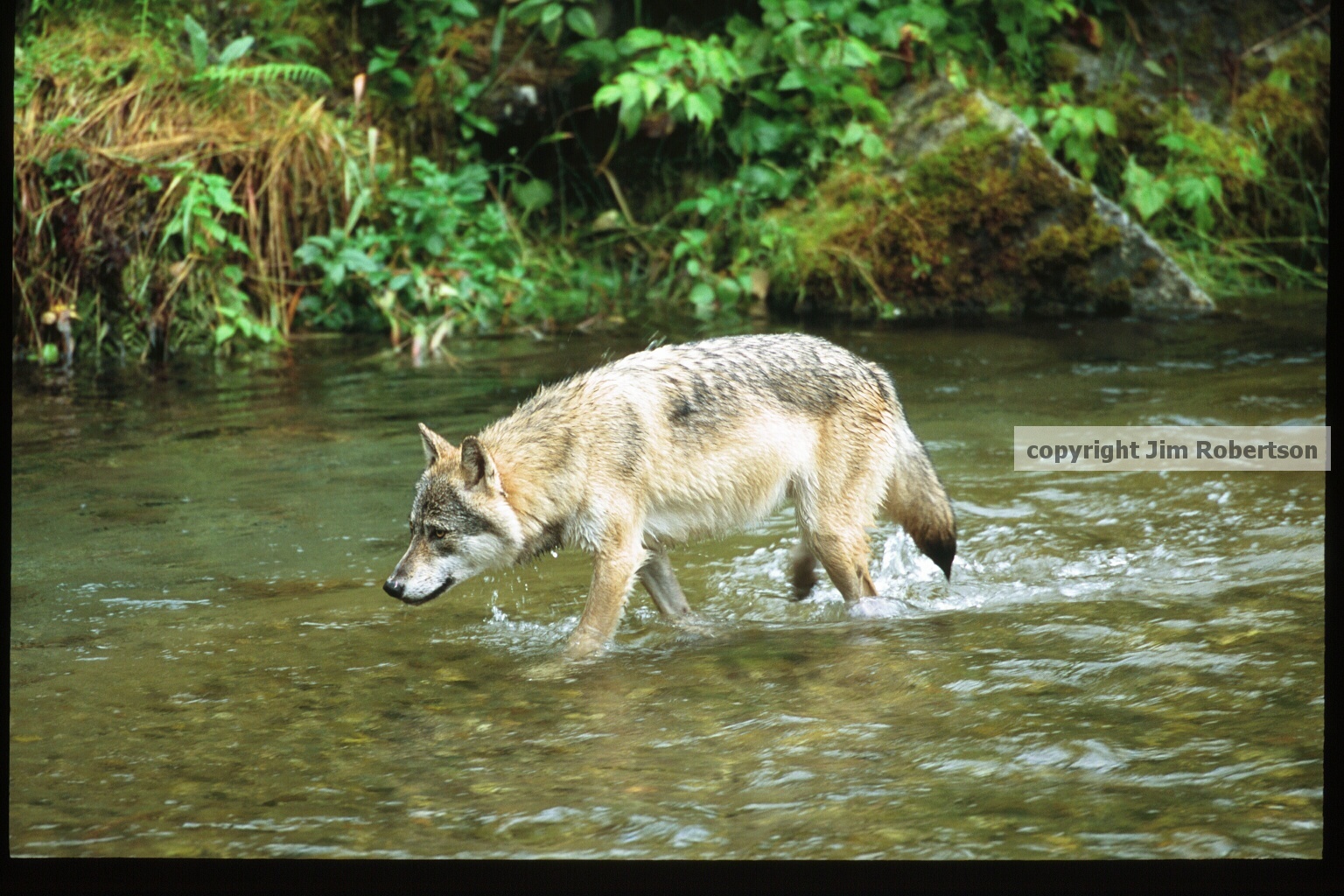
copyrighted wolf in water

Wyoming fights wolf decision, files emergency rule to allow hunting season

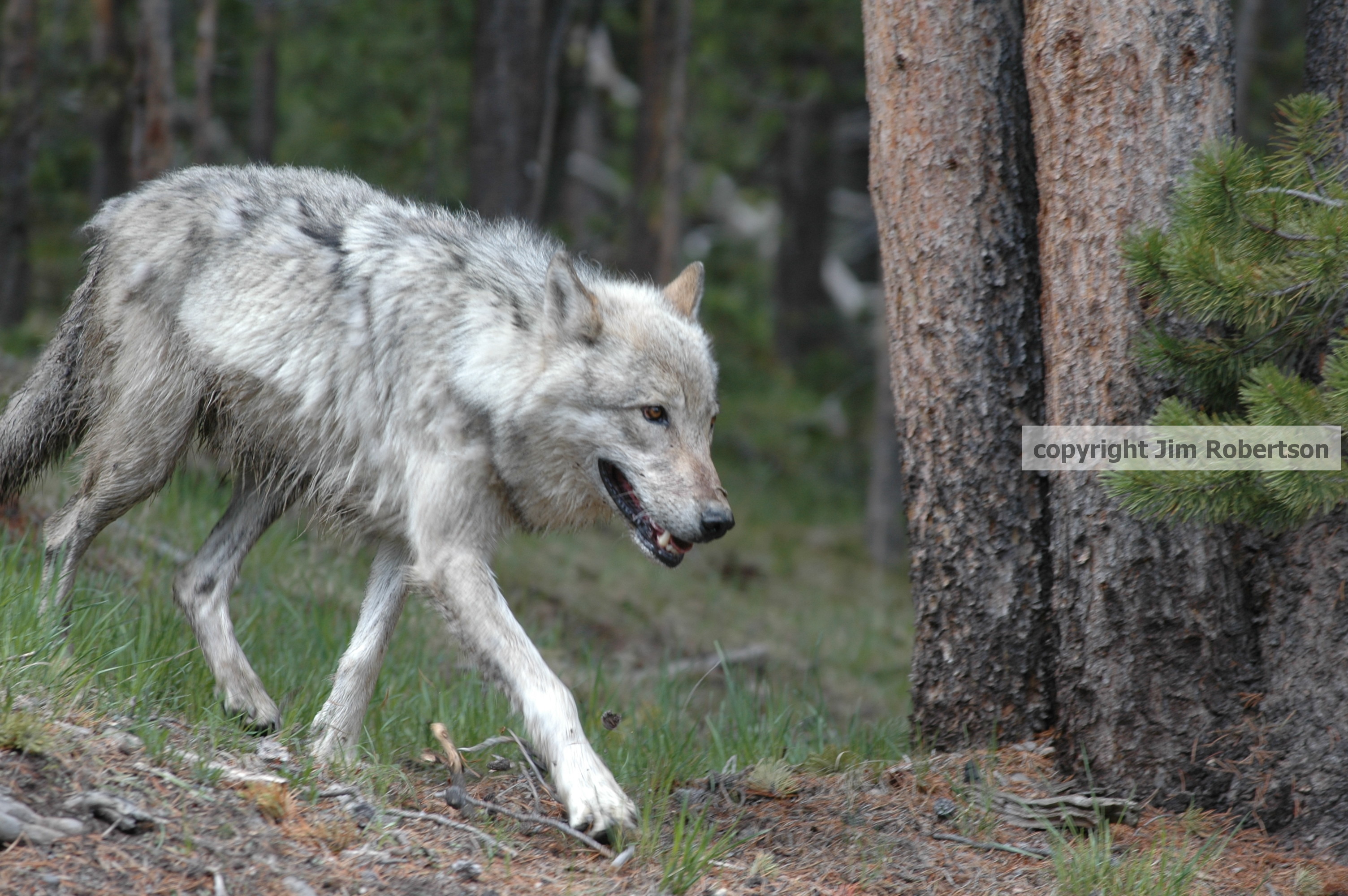
copyrighted Hayden wolf walking
September 25, 2014 6:00 am  • 
 

Wyoming filed an emergency rule Wednesday with the Secretary of State’s Office, hoping to still begin its wolf hunting season Oct. 1.

The move came a day after a Washington, D.C., judge placed wolves back on the endangered species list, which immediately stopped all wolf hunting in Wyoming.

The emergency regulation would place a Wyoming Game and Fish Commission wolf management plan into effect in an attempt to address the judge’s concerns.


There are no guarantees it will work, said Brian Nesvik, head of the wildlife division of the Wyoming Game and Fish Department.

A coalition of conservation groups argued three points in a lawsuit filed against the U.S. Fish and Wildlife Service in 2012. They said Wyoming’s plan did not ensure a viable population of wolves, that there was not enough genetic exchange with other populations and that the gray wolf is still endangered in some of its range.

U.S. District Judge Amy Berman Jackson wrote in her ruling that while wolves had recovered with sufficient genetic exchange, Wyoming’s plan to have a viable population was not binding.

“It’s just another page in the saga of this whole issue,” said Budd Betts, owner of Absaroka Ranch, a guest ranch and outfitting business near Dubois. “I thought this very well could have happened. This is going to be a recipe for an exploding population.”

At issue in the judge’s ruling is Wyoming’s promise to maintain more than the required 100 wolves and 10 breeding pairs outside the national parks, said Nesvik.

Wyoming put an addendum in its management plan that it would maintain a buffer of wolves above the required number. It did not specify how many or make the buffer binding by law.

The emergency rule the state filed Wednesday changes that addendum and turns it into a regulation, Nesvik said.

“This is a formality is all it is,” he said. “Two-thirds of this decision affirmed the merits of Wyoming’s wolf management plan.”

Gov. Matt Mead signed the emergency rule Wednesday, he said.

Wyoming needs to do more than add a regulation to its plan resolving the buffer to assure wolves’ continued survival in the state, said Mike Senatore, vice president of conservation law and general counsel for Defenders of Wildlife, one of the groups involved in the lawsuit.

“What we hope Wyoming does is they go back and put in place a plan that will actually ensure the long-term recovery and survival of wolves in the state,” he said. “We continue to have major problems with the two-tiered status of wolves in the state.”

Wyoming has a hunting season on wolves in the northwest corner, but outside the area they can be shot on sight in what is called the predator zone. Senatore would like to see the predator zone eliminated or greatly restricted, he said.

Nesvik believes the plan Wyoming implemented is adequate to maintain the required number of wolves. Wyoming had at least 178 wolves and 15 breeding pairs in its trophy management area at the end of hunting season in 2013.

That number does not include wolves living in Yellowstone National Park, the Wind River Indian Reservation or the predator zone.

About 85 percent of the state’s wolf population is in the trophy management area. Nesvik did not have an estimate for the number of wolves in the rest of the state.

In 2012, 42 wolves were killed in the trophy area, and 25 were hunted in the rest of the state, according to Game and Fish. In 2013, 24 wolves were killed in the trophy area and 39 in the rest of the state. Hunters did not kill the quota of wolves allowed during either hunting season.

Wyoming’s attorney general will work with attorneys from the U.S. Department of Justice to bring the case before the judge again.

In the meantime, no more wolf licenses will be sold. The department is working on a system to refund money to the hundreds of hunters who already purchased a 2014 license.