2013: The Year of the Big Backslide?

The year of our lord, 2013, could be known as the year of the big backslide, at least in terms of attitudes toward animals and the environment, as well as the general acceptance of scientific fact.

For example, CBS News reports that the number of Republicans who believe in evolution today has plummeted compared to what it was in 2009, according to new analysis from the Pew Research Center. A poll out Monday shows that less than half – 43 percent – of those who identify with the Republican Party say they believe humans have evolved over time, plunging from 54 percent four years ago. Forty-eight percent say they believe “humans and other living things have existed in their present form since the beginning of time,” up from 39 percent in 2009.

I can’t help but think this is because many people still aren’t comfortable admitting they’re animals. And this supremacist attitude is reflected in everything they do in regard to our fellow species.

Anyone who has been following the wolf issue since gray wolves were removed from the Endangered Species List in a handful of backward states has certainly noticed a rapid backslide pertaining to how wolves are perceived, treated and “managed” by those bent on dragging us back to the dark ages for animals—the Nineteenth Century—when concepts like bounties, culls and contest hunts were commonplace. Hunters and ranchers in the tri-state area surrounding Yellowstone National Park, as well as in the Great Lakes region, are doing everything they can to resurrect the gory glory days of the 1800s, and wolves are paying the ultimate price.

Meanwhile, in spite of great efforts to educate people about the myriad of problems associated with factory farming and the dependence on meat consumption in an ever more crowded human world, the number of ruminants raised for food on the planet today is at an all-time high of 3.6 billion, double what is was 50 years ago. Regardless of or our burgeoning human population, not only do we have a chicken in every pot in this country, we now have cow and sheep parts in every freezer and pig parts in practically every poke. This, of course, is all thanks to ever-worsening living conditions for farmed animals.

Professor William Ripple and co-authors of a research paper, “Ruminants, Climate Change, and Climate Policy,” prepared in Scotland, Austria, Australia and the United States, noted that about 25 percent of the earth’s land area is dedicated to grazing, and a third of all arable land is used to grow food for livestock, according to the report. Reducing the number of cattle and sheep on the planet, and thereby reducing the methane gas emissions they produce, is a faster way to impact climate change than reducing carbon dioxide alone, the report concluded. The researchers concluded that greenhouse gas emissions from cattle and sheep are 19 to 48 times higher per pounds of food produced than the gas emitted in the production of plant protein foods such as beans, grains or soy.

To get an idea of how unnatural and unsustainable 3.6 billion large ruminants is, think back to when vast bison herds blackened the plains. At that time there were only 50 million bison in all of North America. There are over 300 million human beef-eaters in the United States, every one of them expecting to see a fully stocked steak house, Subway or McDonald’s on every street corner.

Meanwhile, the media’s busily cooking up a spin to answer to meat’s culpability in this planet’s climate crisis. Articles on how methane from grass-eaters is a primary greenhouse gas are often accompanied by the suggestion that pigs and chickens don’t produce as much. In other words, don’t worry your little meat-addicted heads if this beef-cow-causing-global-warming thing becomes a recognized issue, you can just switch over to other non-ruminants’ carcasses—no one really expects you to become a vegetarian, after all.

One of the most outrageous spins ever concocted aired on a “Ted Talk” just last March. Allan Savory, a former Rhodesian provincial Game Officer, has been spreading the counterintuitive notion that to control desertification and stop global warming we need to turn even more cattle out onto arid land. This notion comes from a man who, as late as 1969 advocated for the culling of large populations of elephants and hippos because he felt they were destroying their habitat. Savory participated in the culling of 40,000 elephants in the 1950s, but he later concluded it did not reverse the degradation of the land and called the culling project “the saddest and greatest blunder of my life.” Now he’s trying to sell us on another blunder with even more destructive consequences. What will this guy do for an encore? Never mind, I don’t want to know.

Speaking of Africa, 2013 saw the fastest growing and second most populous continent on its way to adding another billion people to the planet. By the end of this century, 3/4 of the world’s growth is expected to come from Africa, and projections put its population at four billion—one billion in Nigeria alone. Most African countries will at least triple in population, as there are very high fertility rates and very little family planning in most regions. No one is quite sure how the continent will provide for that many hungry humans; only time will tell.

And even though China’s overwhelming population is already well past a billion, in 2013 they abandoned their one child policy and affectively doubled it by implementing a two child policy at the stroke of a pen.

Sorry, but this shit is scary, at least if you care about the plight of non-human species on this planet. Sure, cultural diversity is important—to people. But it sure as hell doesn’t trump biological diversity in the scheme of things. Regardless of what you may or may not believe about whether we were created in the image of a god, life on Earth as we know it will not go on if we humans are one of the only species left around.

The coming decades are going to test just what Homo sapiens are made of. Are we progressive and adaptable enough to learn to share the planet with others and become plant eaters, as some people have? Or is our incessant breeding and meat consumption going to put us into an all new classification—planet eater?

1535443_10151792030721493_1254752217_n

21 Coyotes, No Wolves Killed in Idaho Death Derby

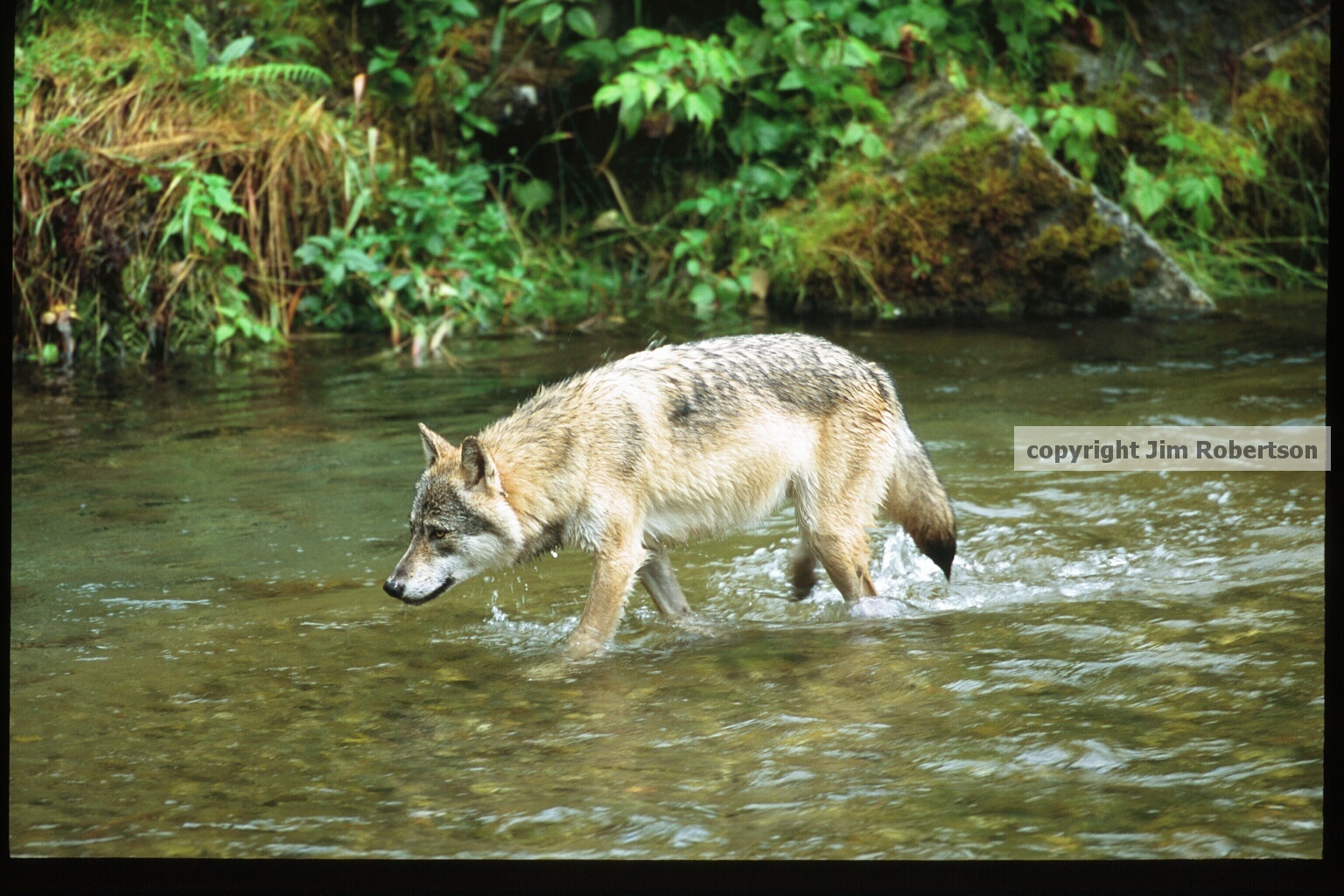
copyrighted wolf in river

21 coyotes, no wolves shot in disputed Idaho derby

by Associated Press

KTVB.COM

December 30, 2013

BOISE — Organizers of a predator derby in Idaho say 21 coyotes but no wolves were shot by about 60 hunters.

Steve Alder of Idaho for Wildlife, the weekend event’s promoter, said the low tally helps prove sport hunting isn’t a very effective tool in managing Idaho’s wolves.

The derby near Salmon in Idaho’s mountains proceeded after a fight between its organizers and environmentalists in U.S. District Court.

A judge Friday ruled against event foes including WildEarth Guardians who wanted the derby scotched on grounds the U.S. Forest Service hadn’t issued a permit.

U.S. District Magistrate Judge Candy Wagahoff Dale decided no permit was needed.

Alder’s group offered two separate, $1,000 prizes — one for the hunter who killed the biggest wolf, the other for the hunter who bagged the most coyotes.

_______________________________

No wolves shot on 1st day of Salmon, Idaho, hunting derby

December 29, 2013 7:45 am  •  Associated Press

BOISE, Idaho — Organizers of a wolf- and coyote-shooting derby in central Idaho say about 200 people signed up but only about 50 or 60 are hunters and the rest are just offering support for the event.

Steve Alder says no wolves had been reported shot late Saturday, the first day of the event that ends late Sunday afternoon.

He says one hunter’s vehicle was vandalized with paint and scraping, and that authorities are investigating.

A federal judge Friday allowed the derby to proceed on public land after ruling its organizers aren’t required to get a special permit from the U.S. Forest Service.

WildEarth Guardians and other environmental groups had sought to stop the derby, arguing the Forest Service was ignoring its own rules that require permits for competitive events.

Back to the Dark Ages: What’s Next, Bald Eagle Blasting?

The New York Times’ editorial, “Wolf Haters” (December 29, 2013), brought up two prime examples of how anti-wolf fanatics in states like Idaho are trying to drag us back to the dark ages of centuries past, when predators were hunted and trapped to extinction by ignorant people claiming all of nature’s bounty for themselves.

Most Americans nowadays understand natural processes well enough to know that apex species, like wolves, will find equilibrium with their prey if given a chance. Perhaps the only ones who won’t accept that fact are trophy hunters who still claim the elk in Idaho’s wilderness areas as a commodity exclusively for them. It goes beyond the absurd that the US Forest Service would permit a state game department to bring in a bounty hunter because the land is too rugged for the average wolf hunter. To me that seems like the perfect kind of place for predator and prey to return to some semblance of the order that existed before the spread of Manifest Destiny.

I’m sure the enlightened lawmakers who crafted the Endangered Species Act (exactly 40 years ago) never imagined recovering species would be used as targets for some hair-brained “hunters’ rights” groups’ “derby hunt,” as is going on in Salmon, Idaho. Yet this brand of disregard is not without precedence—endangered prairie dogs are routinely targeted by “shooting sports” enthusiasts across the West. What’s next—contest hunts on Yellowstone Bison reminiscent of Buffalo Bill’s reckless era? Or, perhaps a Sunday afternoon of blasting bald eagles?


Text and Wildlife Photography ©Jim Robertson, 2013. All Rights Reserved

Text and Wildlife Photography ©Jim Robertson, 2013. All Rights Reserved

2013 Wolf Issues

December 29, 2013 in Outdoors

2013 outdoors: Wolf issues
Rich Landers The Spokesman-Review

The gray wolf, reintroduced to the Rockies in the mid-1990s, continued to leave its mark across the Northwest in 2013 and into the legislatures. Here are some highlights.

• Idaho and Montana report significantly lower numbers of wolves for the first time since reintroduction, owing to hunting, trapping and wildlife control. But wildlife officials say wolf numbers are still too high.

• Washington estimates up to 100 wolves in the state, double the estimate in 2012.

• The cost of managing wolves in Washington, where they are still protected, is likely to increase by more than 200 percent from the past two years to about $2.3 million in 2013-14, wildlife managers say.

• Wolf hunting and trapping become issues of national attention as a wolf hunter shoots and kills a malamute romping with its owner while cross country skiing near Lolo Pass; a Sandpoint woman’s dog is caught in a snare set along a closed forest road, and a central Idaho predator hunting derby becomes the first modern contest to target wolves in the lower 48.

• Hunting authorized outside of Yellowstone Park results in the killing of wolves popular with tourists as well as radio-collared wolves vital to research.

• The U.S. Fish and Wildlife Service proposes to drop endangered species protections for the gray wolf in most of the country.

• Pro-wolf groups submit a million comments in December to the FWS favoring continued federal protection.

• Washington legislation makes it legal to kill wolves threatening pets and livestock, provides state wildlife managers more resources to prevent wolf-livestock conflict and expands criteria to compensate livestock owners for wolf-related losses.

• Idaho hires a hunter to eliminate two wolf packs in the Frank Church River of No Return Wilderness to take the pressure off collapsing elk herds.

• Michigan becomes sixth state with a wolf hunting season.

528624c939a88_preview-620

Wolf Haters

First, please re-read this–it’s supposed to be a piece of satire–please read it carefully. It says Trophies for how many coyote-HUNTERS shot, etc.. People are confusing it with the original poster and saying things like, “this is terrible…” No, no, this is a good thing. Please read it again with that in mind: https://exposingthebiggame.wordpress.com/2013/12/28/1st-annual-coyote-and-wolf-hunter-derby/

Also, here’s a New York Times editorial about the “Wolf Haters

by Lawrence Downes

The federal government removed the gray wolf from the endangered list in the Northern Rocky Mountains in 2011, essentially leaving wolves’ fates in the hands of state fish-and-game departments, hunters and ranchers. The predictable happened: hunting resumed, and the wolf population fell. In states like Idaho, Montana and Wyoming, an age-old antipathy to wolves flourishes, unchecked.

In Idaho, two recent developments have alarmed those who want to protect wolves and see them not as vermin, but as predators necessary for a healthy ecosystem.

First was the hiring, by the Idaho Department of Fish and Game, of a hunter to travel into federal wilderness to eliminate two wolf packs. The reason: wolves kill elk, and humans want to hunt elk. Normally the agency would just rely on hunters to kill the wolves, but because the area where these packs roam — in the Frank Church-River of No Return Wilderness — is remote, the agency decided it would be more efficient to bring in a hired gun. A photo last week in The Idaho Statesman showed the hunter, Gus Thoreson, astride a horse, with three pack mules, looking like a modern-day Jeremiah Johnson.

Advocates for wolves are angry at the United States Forest Service for giving a state agency free rein to practice predator eradication on protected federal land — meaning, of course, our land — without public comment or review and in apparent violation of well-established wilderness-management regulations and policies. They point out, too, that it’s not clear how many wolves are there for Mr. Thoreson to wipe out, and little evidence that wolves in that area have done any damage to elk herds or livestock.

The other example of wolf-animus will be on display this weekend outside Salmon, Idaho, at a Coyote and Wolf Derby sponsored by a group called Idaho for Wildlife. A not-too-subtle poster for the event shows a wolf with its head in the cross hairs of a rifle scope and announces $2,000 in prizes to defend “our hunting heritage” against “radical animal-rights groups.” Organizers say they want to raise awareness of the potential risk to humans from a tapeworm that wolves — as well as elks and dogs — can carry. State officials say there are no known cases of people contracting tapeworm from wolves.

Environmentalists sought a court order to block the event, saying the Forest Service violated federal law and failed to follow its own procedures in allowing the killing contest. But a judge on Friday said it could proceed. The derby’s ugly depiction of wolves as diseased predators is a throwback to the bad old days when wolves, like coyotes, were vilified and bounty-hunted nearly to extinction.

It’s a sad coincidence that this weekend is also the 40th anniversary of the Endangered Species Act, which was signed into law on Dec. 28, 1973. That act sought to enshrine sound science and wise ecosystem management over heedless slaughter and vengeful predation. Idaho is showing what a mistake it was to lift the shield from wolves too soon.

copyrighted Hayden wolf in lodgepoles

1st Annual Coyote and Wolf-Hunter Derby!

Whereas sport hunters in Idaho are currently holding a contest hunt on not only coyotes but also this year on an until-recently endangered species—gray wolves—with $1,000.00 cash prizes being awarded for the most coyotes and the largest wolf killed; Whereas a federal court judge denied an injunction by environmental groups to stop the killing and allowed the misguided atrocity to proceed; Whereas it seems anyone who wants to can declare a derby hunt on any species they see fit; Whereas turn-about is fair play and two can play at that game, we proudly announce the…

First Annual
2-Day Coyote and Wolf-Hunter Hunting Derby
Salmon Idaho
December 28th and 29th, 2013

Trophies and Prize Money to Winners
1st Place—$1,000. Wolf-Hunter Prize and Trophy (Largest male wolf-hunter, by weight/girth)
1st Place—$1,000. Coyote-Hunter Prize and Trophy (Most coyote-hunters bagged)
Door Prizes Plus
$10.00–$20.00 pots for Largest Male Coyote-Hunter, Largest Female Coyote-Hunter, Most Female Coyote-Hunters, PLUS Youth Prizes for 10-11 year olds and 12-14 year olds!
 Entry Fees
$20.00 per hunter-hunter
Brought to you by
Idaho for the Rights of Wildlife, true sportsmen against hunter’s “rights”

Jim Robertson-wolf-copyright

Federal Judge Allows Idaho Wolf Derby to Proceed

BOISE, Idaho December 27, 2013 (AP)

By JOHN MILLER Associated Press

Associated Press

A federal judge Friday allowed a wolf- and coyote-shooting derby to proceed on public land in Idaho this weekend, ruling its organizers aren’t required to get a special permit from the U.S. Forest Service.

U.S. District Magistrate Judge Candy Wagahoff Dale issued the ruling in Boise hours after a morning hearing.

WildEarth Guardians and other environmental groups had sought to stop the derby, arguing the Forest Service was ignoring its own rules that require permits for competitive events.

The agency, meanwhile, countered no permit was needed, concluding while hunting would take place in the forest on Saturday and Sunday, the competitive portion of the event — where judges determine the $1,000 prize winner for the biggest wolf killed — would take place on private land.

Dale decided derby promoters were encouraging use of the forest for a lawful activity.

“The derby hunt is not like a foot race or ski race, where organizers would require the use of a loop or track for all participants to race upon,” she wrote, of events that might require such permits. “Rather, hunters will be dispersed throughout the forest, hunting at their own pace and in their own preferred territory, and not in a prescribed location within a designated perimeter.”

Steve Alder, an organizer of Idaho’s derby, said dozens of people had already arrived in Salmon to participate. He was elated following the decision.

“We won,” Alder said. “You’ve got a lot of people who have driven from far distances to Salmon, today. A lot of motels have a lot of occupants; a lot of money has been expended for this event. It’s good for Salmon, but I don’t want to send them packing home.”

Every year, predator derbies are staged across the West and much of the rest of the country, where hunters compete to bag the most coyote, fox and other animals.

But wolves — and the notion that hundreds of armed sportsmen might head to the hills to shoot at them for cash — captured the passions of wildlife advocates on a landscape scale after they learned of the Idaho derby.

It’s been just two years since Endangered Species Act protections were lifted, and WildEarth Guardians executive director John Hornung said many people believe the big carnivores still face existential threats that are compounded when they’re hunted for prizes.

“To go from that position a mere two years ago, to contest hunts, is just incredibly dissonant to groups like ours, and I think, a lot of the public. It just doesn’t make sense,” Hornung said from his office in Santa Fe, N.M., adding he believes contest hunts are “all about a scorched earth approach to these native carnivores.”

In Friday’s telephone hearing, WildEarth Guardians’ attorney told Dale that a wolf derby taking place on Forest Service land that surrounds Salmon should be required to get the same kind of special permit as any other competitive gathering, including running races or snowmobile events.

“People are trying to kill as many animals as they can in two days in order to win the prize,” Sarah McMillan told the judge.

Meanwhile, attorneys for the U.S. Forest Service countered that no permit was needed.

Assistant U.S. Attorney Joshua Hurwit also said hunters could be in the woods and fields near Salmon this weekend shooting wolves and coyotes — regardless of whether their excursions were associated with a contest.

“There’s nothing to stop people who intended to participate in the derby, from going forward and taking the same action, killing coyotes and wolves, and just not participating in the derby,” Hurwit told Dale. “The derby doesn’t change hunting, hunting will happen throughout the season regardless of this lawsuit. The derby hunters will have to comply with state regulations.”

Wolves became big game animals in Idaho, Montana and Wyoming after federal Endangered Species Act protections were lifted starting in 2011. There are annual hunting and trapping seasons.

After reintroduction in the state in the mid-1990s, Idaho has about 680 wolves, according to 2012 estimates.

Wolf Derby Challenge Headed for Court Today

http://magicvalley.com/news/local/court-to-hear-wolf-derby-challenge/article_db0b1760-62a1-5dbf-82e7-f9ad8265065d.html

By Alison Gene Smith

SALMON • The fate of a disputed coyote and wolf derby planned for this weekend in central Idaho will be debated today in federal court.

U.S. District Magistrate Judge Candy Dale scheduled a telephone hearing in an environmental group’s lawsuit for 9:30 a.m.

“We hope that the judge just laughs it off, which he should,” said Steve Alder, executive director of Idaho for Wildlife, the group hosting the derby.

Hunters will receive a $1,000 prize for the largest wolf killed. There is a $1,000 prize for shooting the most coyotes.

WildEarth Guardians and other environmental groups contend the U.S. Forest Service ignored federal laws by allowing the competition to proceed this Saturday and Sunday near Salmon without requiring organizers to first secure a special-use permit for a commercial event on public land. They’ve asked Dale to issue a temporary restraining ordercopyrighted Hayden wolf walking that would halt the event.

The U.S. Forest Service says its rules don’t require a special permit.

“This twisted ‘wolf derby’ is a horrific demonstration of what happens when wolves are prematurely stripped of Endangered Species Act protection,” the Defenders of Wildlife organization posted on their website. “Over 154 wolves have already been killed in Idaho since this year’s hunting season began. Idaho wolves can’t bear to lose more pups, mothers and pack leaders than they already have. It’s up to you and me to stop this.”

Opponents have called the derby a “killing contest.”

These claims aren’t true, Alder said.

Data from Idaho Fish and Game shows that wolf harvest will be minimal, he said. Cold weather is mostly to blame, he said.

“There’s so much misinformation out there,” he said. “The threat of a big wolf slaughter is a joke.”

Alder said he doubts hunters who show up will even see a wolf.

The Associated Press contributed to this story

Michigan Wolf Hunt: Freezing Temperatures Yield Fewer Wolves Than Expected

December 26, 2013

MARQUETTE, Mich. — Michigan authorities say at least 21 wolves have been killed in the Upper Peninsula during the state’s first wolf hunt in decades.

The Michigan Department of Natural Resources says that’s the total as of 6 a.m. Thursday. The department has expressed doubt that the hunt will reach its quota of 43 by year’s end.

The take in the wolf hunt remained at 20 for around three weeks as frigid weather kept the killing down.

The season opened in three sections of the U.P. on Nov. 15.

Before the season, the DNR estimated that Michigan had 658 wolves

copyrighted wolf in river

Wildlife Groups Seek Restraining Order to Block Idaho Wolf Hunting Derby

http://www.inlander.com/Bloglander/archives/2013/12/24/restraining-order-sought-to-block-wolf-hunting-derby-in-idaho

by Jacob Jones Tue, Dec 24, 2013

Regional environmental groups filed for a restraining order in federal court Monday to block a controversial coyote- and wolf-hunting derby in Central Idaho this weekend, calling it a “Killing Contest” that should require additional permits under U.S. Forest Service guidelines.

The upcoming derby, organized by the sportsman group Idaho for Wildlife, offers $2,000 in cash and other prizes for the largest wolf killed and the most coyotes taken by two-person teams from Dec. 28-29. Organizers expected as many as 300 hunters to participate.

Conservation groups, led by WildEarth Guardians in Missoula, filed a complaint in U.S. District Court in Idaho, seeking an injunction to halt the scheduled two-day derby, arguing wildlife officials had disregarded their own restrictions on special events and that the competitive derby could endanger people recreating in Idaho over the holidays.

“USFS did not even consider what the direct, indirect, and cumulative impacts of the Killing Contest might be to the human and natural environment on public lands,” the group’s complaint argues.

Wolf hunting has been an extremely contentious issue in Idaho with outspoken environmentalists calling for extended protections while hunters resent the impact of wolves on big game populations. Wildlife officials have been caught in the middle of the bitter debate, struggling to balance protections with population management.

Officials expected few wolves to be killed in any potential derby because the animals have proven notoriously difficult to track and kill.

WildEarth Guardians and the other plaintiffs argue in their complaint that the Forest Service had not followed their rules on requiring special event permits for the upcoming derby. They cite a rule mandating a permit for any commercial activity where an “entry or participation fee” is charged. The derby is $20 per person.

“Although the sponsors estimate the contest will draw 300 participants to federal public lands to shoot as many coyotes and wolves as possible over the course of two days, in contravention of the plain language of its own regulations and without following its special use procedures, USFS decided no special use authorization was required,” the complaint states.

Conservationists also expressed serious safety concerns about pitting dozens of hunters against each other in a relatively concentrated area at a time of year when families may be looking to enjoy the outdoors. They argued the derby would result in more gunfire in a smaller area where families, children and pets could be at risk.

“This Killing Contest occurs in the middle of the holidays on the weekend between Christmas and New Years,” the complaint states. “During this time, many families have time away from work, can and plan to recreate on public lands, and head out to test out new skis, snowshoes, sleds, snowsuits, snowmobiles and other recreation equipment.”

copyrighted wolf in water