Idaho Wildlife Officials Hire Hunter to Kill Wolves

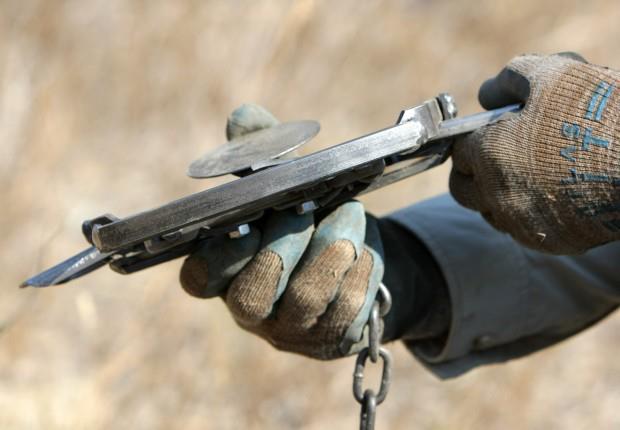
528624c939a88_preview-620

BOISE, Idaho (AP) — State wildlife officials have hired a hunter to eliminate two wolf packs in a federal wilderness area in central Idaho because officials say they are eating too many elk calves.

Fish and Game Bureau Chief Jeff Gould tells the Idaho Statesman that hunters are having a difficult time getting into the Frank Church-River of No Return wilderness, so the agency hired hunter-trapper Gus Thoreson of Salmon to kill the wolves in the Golden and Monumental packs.

The U.S. Forest Service allowed the state agency to use an airstrip and cabin in the Payette National Forest as a base.

Fish and Game paid $22,500 for aerial killing of 14 wolves in the Lolo area in 2012. Gould said Monday he didn’t know how much the agency would end up paying for Thoreson’s salary and expenses.

_______________________

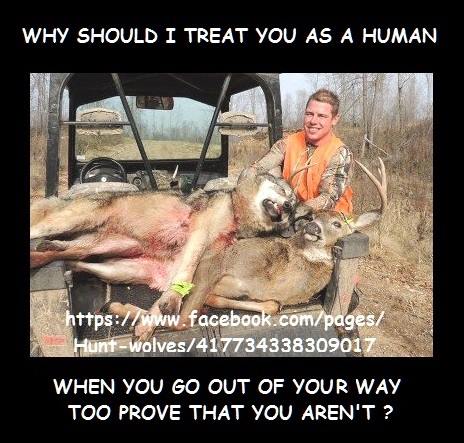
Make no mistake, Idaho officials and their constituents aren’t concerned about elk for the elk’s sake. They want ’em all for themselves–especially the big-antlered, trophy ones. Here are headlines for a couple more articles on the subject, linked from the same page:

Hunters Bemoan Idaho Elk Numbers, Blame Wolves

Elk Hunters Face Tougher Test with Wolves in Woods

ST. MARIES, Idaho (AP) — Calob Wilson sat on the tailgate of his dad’s pickup, dangling a rack of antlers on his knees. Read more: http://magicvalley.com/news/local/idaho-wildlife-officials-hire-hunter-to-kill-wolves/article_c6d2a9c4-6733-11e3-8002-0019bb2963f4.html


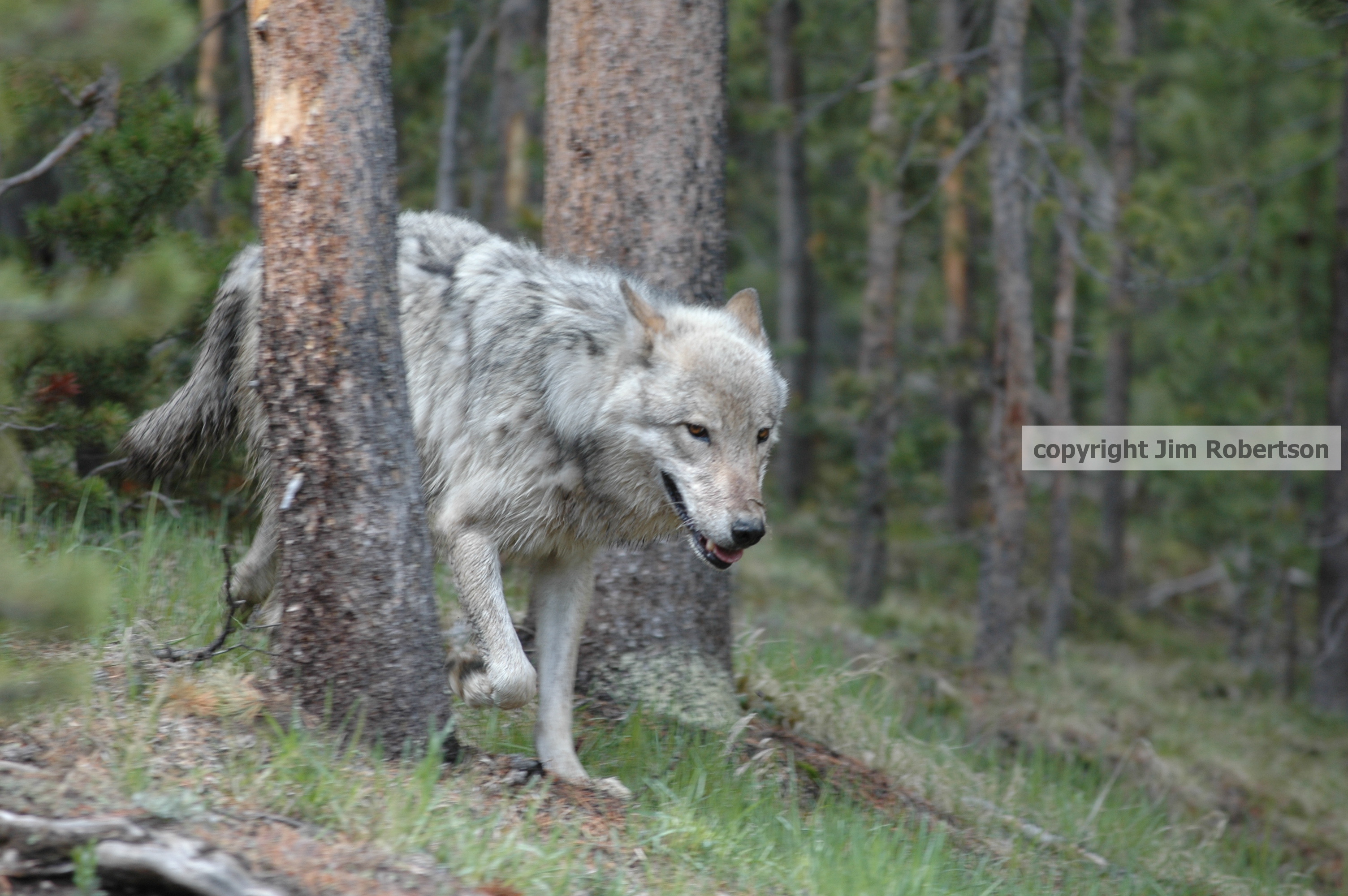
Coyote Photo by Jim Robertson

Coyote Photo by Jim Robertson

“In my opinion, a society that condones unlimited killing of any species of wildlife for fun and prizes is morally bankrupt.”
~ Dave Parsons, Project Coyote Science Advisory Board

Please join Project Coyote in protest of an indefensible coyote and wolf killing “derby” ironically scheduled on the 40th anniversary of the passage of the Endangered Species Act, our nation’s safety-net for wildlife, that brought wolves back from the brink of extinction. It is imperative that everyone speak out against this atrocity scheduled in just two weeks. Time is ctitical.

This is not hunting but a gratuitous massacre that is legal in Idaho and across the country. Prizes will be offered to contestants who kill the largest wolf and the most female coyotes. Children as young as 10 are encouraged to compete, with prizes being offered to youth from the ages of 10-14.

These competitions are ethically indefensible and ecologically reckless, as well as a public safety risk, as shooters fan out across the landscape, trying to shoot large numbers of coyotes and wolves.

Specific details about the contest hunt:

What: “1st Annual 2 Day Coyote & Wolf Derby” brough to you by Idaho for Wildlife, Salmon Chapter, Sportsman Group
Where: Salmon, Idaho
When: Dec. 28th & 29th, 2013

Wolf Coyote Derby Salmon Idaho Dec.2013

A wolf tag can be purchased for as little as $11.75, permitting each hunter to shoot 4 to 10 wolves (depending on region). 154 wolves have been killed in Idaho since hunting season opened on August 30th. Idaho is showing the nation what happens to wolves following the removal of federal protections under the Endangered Species Act.

Please contact the following individuals to voice your opposition:

Idaho Department of Fish & Game
Virgil Moore, Director
600 S. Walnut
Boise, ID 83720
(208) 334-2920
Email: virgil,moore@idfg.idaho.gov
http://gov.idaho.gov/ourgov/contact.html

Idaho Department of Fish & Game
Will Naillon, Salmon Region IDFG Commissioner
Email: willnaillon@gmail.com

Idaho Fish and Game Commission
Bob Barowsky, Chairman
Email: bbarowsky@fmtc.com

Idaho Governor C.L. “Butch” Otter
P.O. Box 83720, Boise, ID 83720
(208) 334-2100
Email: governor@gov.idaho.gov

Salmon Valley Chamber of Commerce
Charleane Hermosillo, Executive Director
Phone: (800) 727-2540 , (208) 756-2100
Email: svcc1@centurytel.net

Idaho Outfitters & Guides Association, Boise
John May, Executive Director
Phone: (208) 342-1438
Email: john@koga.org
IOGA represents all outfitters in the state of Idaho. If you use Idaho outfitters for white water rafting, camping, backcountry skiing – please mention this and urge IOGA to speak out against having their members participate in a predator killing contest.

2010-10-15-CoyotesonAlbertaBarn2006fromJamesKerryFinley

“The non-specific, indiscriminate killing methods used in this commercial and unrestricted coyote killing contest are not about hunting or sound land mamangement. These contests are about personal profit, animal cruelty…It is time to outlaw this highly destructive activity.”
~ Ray Powell, New Mexico Land Commissioner

Talking Points (please personalize your letter and if you recreate in Idaho please mention this):

1. Killing contests have nothing in common with fair chase, ethical hunting. Technology, baiting, and “calling” place wildlife at an even greater and unfair disadvantage. Killing predators, or any wild animal, as part of a ‘contest’ or ‘derby’ is ethically indefensible and ecologically reckless.

2. Bloodsport contests are conducted for profit, entertainment, prizes and, simply, for the “fun” of killing. No evidence exists showing that predator killing contests control problem animals or serve any beneficial management function. Coyote populations that are not exploited (that is hunted, trapped, or controlled by other means), form stable “extended family” social structures that naturally limit overall coyote populations through defense of territory and the suppression of breeding by subordinate female members of the family group.

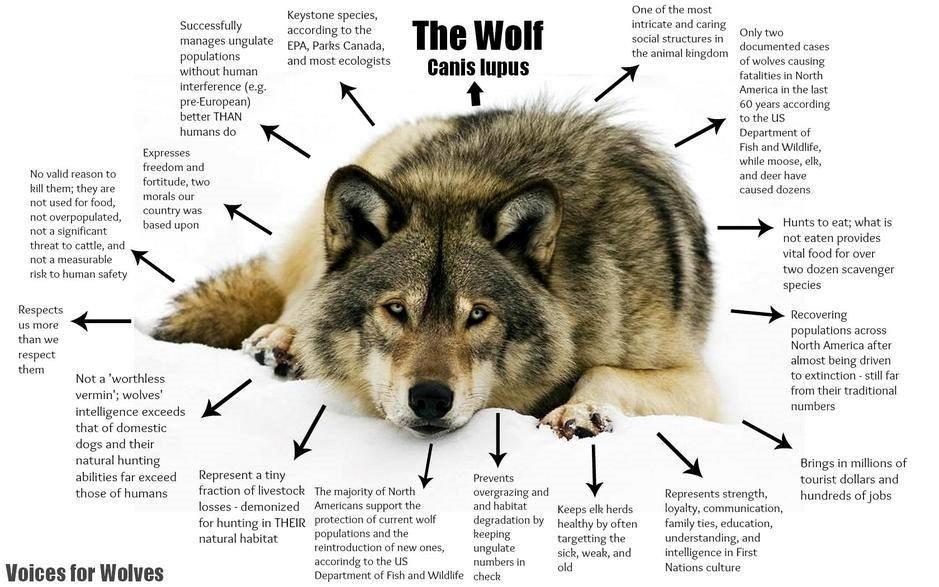
3. The importance of wolves, coyotes and other predators in maintaining order, stability, and productivity in ecosystems has been well documented in peer-reviewed scientific literature. Coyotes provide myriad ecosystem services that benefit humans including their control of smaller predators, rodents, and jackrabbits, which compete with domestic livestock for available forage. As apex predators wolves increase biodiversity and ecological integrity.

4. With fewer than 700 wolves in Idaho and poaching a common problem, allowing a killing contest of a species just off the endangered species list is reckless, indefensible and counter to sound science.

5. Economically, a live wolf is worth far more than a dead one. Wolf watching has brought in millions of dollars into Idaho and tourism is a major economic revenue source.

6. Wildlife killing contests perpetuate a culture of violence and send the message to children that life has little value and that an entire species of animals is disposable.

7. Wildlife killing contests put non-target animals, companion animals, and people at risk. Domestic dogs are sometimes mistaken for coyotes and wolves (see article on sidebar).

**********
Thank you always for your support & action on behalf of wildlife!

 Camilla H. Fox
Executive Director

*************

PLEASE SHARE THIS ALERT WITH OTHERS!

VR_golden eyes (from Geri).jpg

Our Mission:

Promoting coexistence between people and wildlife through education, science and advocacy.

Join Our Pack!

green-donate-now-button 2

pup

facebook.jpg Find us on facebook

twitter.jpg Follow us on Twitter

You Tube symbol Find us on YouTube

Receive this from a friend?

Join Project Coyote’s E-Team to receive our e-newsletters and e-alerts.

**********

Related News:

Competitive Hunting of Wolves, Coyotes in Idaho Sparks Outcry
Reuters
by Laura Zuckerman

Kill for Cash ~ Coyotes Targeted in Nova Scotia’s “Pelt Incentive” Program
Huff Post Green
by Camilla Fox and Chris Genovali

Pet Malamute Shot, Killed by Wolf Hunter
USA Today
by John S. Adams
“Layne Spence’s beloved dog was mistaken for a wolf.”

Last week Arizona Rep. Raul Grijalva released a letter co-signed by 85 House Democratic and Republican colleagues urging Secretrary of the Interior Sally Jewell to continue offering Endangered Species Act (ESA) protection to gray wolves across the United States.

Unknown 3
Basin Butte wolf pack near Stanley, Idaho (100 miles North of Salmon, Idaho). All the wolves in this photo have been killed since this photo was taken in 2008. Copyright photo: Lynne K. Stone

Now They’re Planning a Coyote AND Wolf Hunting Contest in Idaho!!!!

1504081_10151720580422554_1839644173_n

Competitive hunting of wolves, coyotes in Idaho sparks outcry

Laura Zuckerman

Reuters

7:14 p.m. CST, December 11, 2013

SALMON, Idaho (Reuters) – The first statewide competition in decades to hunt wolves and coyotes in Idaho has sparked outrage among wildlife conservationists, who condemned it as “an organized killing contest.”

The so-called coyote and wolf derby is slated for the weekend of December 28-29 in the mountain town of Salmon, Idaho, where ranchers and hunting guides contend wolves and coyotes threaten livestock and game animals prized by sportsmen.

The tournament offers cash and trophies to two-person teams for such hunting objectives as killing the largest wolf and the most female coyotes. Children as young as 10 will be welcomed to compete in a youth division.

Idaho opened wolves to licensed hunting more than two years ago after assuming regulation of its wolf population from the federal government.

But Idaho Department of Fish and Game wolf manager Jason Husseman said the upcoming event is believed to be the first competitive wolf shoot to be held in the continental United States since 1974, when wolves across the country came under federal Endangered Species Act protections.

The wolf, an apex predator that once ranged throughout North America, had by then been hunted, trapped and poisoned to the brink of extinction in the lower 48 states.

Wolves in the Northern Rockies, including Idaho, and in the western Great Lakes were removed from the federal threatened and endangered species list in recent years as their populations climbed and federal wildlife managers declared them recovered. The Obama administration earlier this year proposed removing most wolves nationwide from the list.

The upcoming derby is being sponsored by Idaho for Wildlife, a nonprofit whose aim is “to fight against all legal and legislative attempts by the animal rights and anti-gun organizations” to impose restrictions on hunting or guns, according to the group’s website.

When contacted by telephone on Wednesday about the event, organizer and Idaho big-game outfitter Shane McAfee said media inquiries were not welcome.

Similar contests tied just to coyotes – allowed to be shot on sight as nuisances in much of the U.S. West – have prompted protests in recent years in states such as New Mexico, where many ranchers and hunters endorse the competitive hunts.

Lynne Stone, director of the Boulder-White Clouds Council, an Idaho conservation group, called the planned wolf-coyote derby “an organized killing contest.”

“Stacking up dead animals and awarding children for killing them has no place in a civilized society,” she said.

But Barbara Soper, whose 11-year-old daughter has registered to team with an adult hunter for the Idaho competition, said she and her husband are all for it.

“It’s my daughter’s first big adventure, and she thinks it’s awesome,” Soper said.

(Reporting by Laura Zuckerman; Editing by Steve Gorman and Lisa Shumaker)

Copyright © 2013, Reuters

Wolves of the Alexander Archipelago need protection

http://www.adn.com/2013/12/06/3216465/compass-wolves-of-the-alexander.html

Compass: Wolves of the Alexander Archipelago need protection

By REBECCA NOBLINDecember 6, 2013

For thousands of years the distinctive image of black wolves roaming the snow-covered islands of the Alexander Archipelago has been an iconic part of Southeast Alaska’s natural history.

But even in this remote stretch of more than 1,000 islands and glaciated peaks, the Alexander Archipelago wolf has been no match for industrial logging, road building and overharvest.

There are two well-understood reasons that Alexander Archipelago wolves cannot coexist indefinitely with clearcut logging:

• The wolf population is directly tied to the health of the black-tailed deer, which in turn is directly tied to the health of the old-growth forests that offer protection from deep snows and promote a variety of under-story plants.

• As road density increases, so do wolf kills, both legal and illegal. In the Tongass National Forest, logging roads provide access for wolf hunters and trappers. Road density on much of Prince of Wales Island is already beyond sustainable levels.

Yet, the U.S. Forest Service continues to plan big timber sales in key wolf habitats, including the Big Thorne timber sale. That decision, now under appeal, would allow the clear-cutting of more than 6,000 acres on Prince of Wales Island that would accelerate an already sharp decline of the wolf population there.

As we approach the 40th anniversary of the Endangered Species Act next month, the ongoing threat of logging and road-building to the ever-more fragile status of Alexander Archipelago wolves is a stark reminder of the irreplaceable role the Act has played in protecting our nation’s most imperiled plants and animals and the ecosystems we share with them.

The first page of the law leaves no doubt about why lawmakers felt it was necessary:

“The Congress finds and declares that … various species of fish, wildlife, and plants in the United States have been rendered extinct as a consequence of economic growth and development untempered by adequate concern and conservation.”

It’s clear the Archipelago Alexander wolf now needs the help only the Endangered Species Act can provide. That’s why the Center for Biological Diversity, where I work, joined with Greenpeace in filing a petition two years ago asking the Fish and Wildlife Service to award the Act’s protections to the wolf.

And it’s why earlier this month the two conservation groups reminded the agency that it is now a full two years late on initiating a status review of the wolf.

During those two years the health of the wolf population on Prince of Wales Island has dramatically worsened, mostly due to ongoing large-scale logging of old-growth trees in the Tongass National Forest that began six decades ago.

Earlier this year the Center, Greenpeace and three allied organizations asked the Forest Service to cancel the Big Thorne timber sale. The resulting decision to put the sale on hold came after preeminent Alexander Archipelago wolf biologist Dr. David Person concluded the Big Thorne timber sale would be the “final straw that will break the back of a sustainable wolf-deer predator-prey ecological community on Prince of Wales Island.”

By Person’s accounts, the estimated wolf population in the area of the Big Thorne sale declined by about 80 percent just last winter.

All the facts point to the same conclusion: to survive, Alexander Archipelago wolves need the protection of the Endangered Species Act, which has prevented the extinction of 99 percent of the plants and animals it protects.

And the unbridled destruction of that natural ecosystem from clear-cutting is clear evidence of why the Endangered Species Act is so important to making sure we get that balance right again once we’ve disrupted it.

Rebecca Noblin is an Anchorage-based staff attorney and Alaska Director for the Center for Biological Diversity, where her work focuses on protecting imperiled plants and animals.

Read more here: http://www.adn.com/2013/12/06/3216465/compass-wolves-of-the-alexander.html#storylink=cpy

copyrighted wolf in water

2 Wolves Were Killed By Hunters Using Dogs This Week

December 06, 2013

By Chuck Quirmbach

The Department of Natural Resources reports that two grey wolves killed in Wisconsin this week were shot by hunters who used dogs to pursue the wolves.

The wolf deaths happened in Rusk and Washburn counties. The DNR’s Dave MacFarland says hunters registered the wolf kills by phone. MacFarland says it may take a while to learn more details about how the dogs were used during the wolf harvest.

“The hunters are required by the fifth day of the month after harvest – so for these animals, that would be Jan. 5 – to organize a registration meeting with one of the wardens,” says MacFarland. “So the warden registration component of the registration process has not yet occurred for these animals.”

MacFarland says most of the discussions between wolf hunters and DNR wardens happen fairly quickly.

Rachel Tilseth of the animal protection group Wolves of Douglas County says she’d like to hear more details of this week’s wolf deaths, and hear soon.

“I would like to see more wardens out there,” says Tilseth. “I would like to know how many wardens were out there, and I haven’t heard anything on that. Once I find that out, I would like to know if the dogs chewed up the wolf. I want to know the condition of the animal.”

The DNR says it remains committed to enforcing state law, which only allows hunters to use dogs to track the wolves, not fight with them. The DNR says wolf hunters are now 32 short of this season’s quota. The only remaining wolf hunt zone is one in northwest Wisconsin.


“Liberal’s Wolves ‘murder’ 2 women hikers”

Take cover–here comes a wolf-poodle hybrid!

I’m not going to vouch for this source (as you can see by the title and the attitude throughout the article, “badassberry” is pretty much a wacko), but here’s the word from the white-sheet-over-the-face ant-wolf fanatics. Interestingly, he uses the word “murdered” in the title, even though hunters reject when we use it for what they do to non-humans. Italics are added to denote examples of extremist anti-wolf hyperbole …

http://polymontana.com/liberals-wolves-murder-2-women-hikers/

Liberal’s Wolves murder 2 women hikers

December 2, 2013

by Dr. Ed Berry, aka badassberry

Let’s cut the politically correct crap. But for the mentally defective, wolf-loving liberals, these 2 women would still be alive. Against the objections of common sense conservatives, the environmentalist-controlled US Department of Fish and Wildlife forced non-indigenous Canadian Wolves on several states in America.

These wolves have decimated Montana’s elk herds, killed cattle on ranch lands, killed hunting dogs, and now they have killed 2 women who were hiking in Idaho’s Craters of the Moon National Monument.

Now, to protect the liberal agenda for America, government agents are hiding evidence that might clarify the horrific event.

Wolf populations, now far larger than the so-called federally required minimums, have inundated the states of Montana, Idaho, Oregon, and Washington. The feds are still adding wolf populations in Arizona, New Mexico, California, Colorado, Utah, and Texas. Wolves mate with other dog species. Dangerous wolf-hybrids have been sighted in Illinois, Missouri, North Dakota, South Dakota, Ohio, and Pennsylvania.

I recommend the feds put wolves in Golden Gate Park in San Francisco. This is the dominant area of the Sierra Club and other eco groups who are behind the federal placement of the large Canadian wolves in America. Some day, a pack of wolves will devour a Sierra Club hiking group, armed with bear spray useless against wolves.

copyrighted Hayden wolf in lodgepoles

Montana Rewriting the rules on wolf hunting, trapping…Again

Rewriting the rules on wolf hunting, trapping

13 hours ago • By Mike Ferguson

Through Dec. 20, Montanans can weigh in on proposed rule changes that will give landowners more latitude in killing a wolf that threatens their livestock or their pet — and doing so without a hunting license.

By video conference Tuesday evening, the Montana1453351_1488724231352782_186999841_n Department of Fish, Wildlife and Parks took comments and answered questions on the proposed changes from three sites — Billings, Helena and Great Falls.

The department is charged with writing the rules to implement Senate Bill 200, which was passed during the most recent legislative session. The new law allows landowners to kill a wolf if it’s a “potential threat” to human safety, livestock or dogs. Current law requires the wolf be in the act of attacking, threatening or killing livestock before the wolf can be killed.

The landowner or his/her agent must notify the department when a taking occurs and must preserve the carcass of the wolf.

In addition, the law lowers the cost of a nonresident wolf license from $350 to $50. Montana residents pay $19.

Quentin Kujala, the department’s wildlife bureau coordinator, said the rulemaking process to implement SB 200 has trimmed language and eliminated redundancies in existing rules. Under the new law, the same process will continue to apply when a landowner kills a wolf that’s threatening livestock, people or pets, he said. That rule requires the U.S. Department of Agriculture’s Wildlife Services to investigate the taking, and that the taking be reported to Fish, Wildlife and Parks.

The state’s wolf population has been on the rise in recent years. Montana’s most recent wolf count released last spring showed 147 verified packs consisting of 625 wolves. Thirty-seven of the packs had confirmed breeding pairs.

Two Helena residents who attended the video conference said they have concerns with the proposed rules.

Jonathan Matthews said bite marks on livestock don’t necessarily equate to predation and said “scientific precision” is being removed under the new rules.

“I like the fact … that we are not regarding wolves as vermin that should be shot almost without consideration,” he said. Wolves are wildlife, he noted, “and should be treated with respect like other wildlife.”

Sarah Sadowski said she doesn’t support “folks taking measures into their own hands.” She said she’d rather landowners be required to obtain a permit and to contact the department “before making a kill.”

To read the proposed revisions, visit fwp.mt.gov/news/publicNotices/armRules/pn_0143.html.

Send comments to: Fish, Wildlife and Parks Wildlife Division, P.O. Box 200701, Helena MT 59620-0701. Or email comments to fwpwld@mt.gov.

Read more: http://billingsgazette.com/news/local/rewriting-the-rules-on-wolf-hunting-trapping/article_1a17f2d7-94a5-517d-8d4a-145b698afdd5.html#ixzz2mWmE3POu

Traps method of choice in WI wolf hunt

http://www.leadertelegram.com/news/daily_updates/article_fc4bbdbc-5c3d-11e3-963d-001a4bcf887a.html

MADISON (AP) — Traps have apparently become wolf hunters’ weapon of choice in Wisconsin.

New state Department of Natural Resources data shows hunters used traps to capture 174 of the 216 wolves taken between the wolf season’s Oct. 15 opener and Nov. 30. Hunters shot 41 wolves with a gun and killed one wolf with a bow.

Monday marked the first day of the season hunters could use dogs to chase down wolves. DNR large carnivore specialist Dave MacFarland said no hunters using dogs had registered any wolves as of Monday afternoon.

All but one of the state’s six wolf hunting zones have closed after hunters reached their kill limits in the areas. Hunters were 37 animals shy of their kill limit in the last open zone as of Tuesday morning.

538458_532697610088640_841278349_n

Dogs Enter Wisconsin Wolf Hunt Monday

http://wuwm.com/post/dogs-enter-wisconsin-wolf-hunt-monday

by Susan Bence

Wisconsin’s second wolf hunt reaches a turning point December 2. Licensed hunters can now use up to six dogs to help track wolves. Wisconsin is the only state to allow the practice. Some celebrate the rules and others take to court.

Lucas Withrow started hunting with his dad years ago. Hunting with dogs runs deep in their family tradition. Today, Withrow raises and trains more than a dozen dogs on his property in Brodhead.

“I have a kennel of 15 hounds. Three or four dogs that I use on coyotes, and that’s all I run them on and the rest are pretty much a mix of bear and coon hounds. “

Hunting bear is Withrow’s passion.

Eight years ago, he joined the Wisconsin Bear Hunters Association and now represents the group on the DNR’s wolf advisory committee. Withrow says dogs will serve a valuable function in helping manage the state’s wolf population.

“The function would be to make sure that we use and utilize all opportunities to harvest the quotas that we are responsible for harvesting to help keep the population stable and healthy,” and Withrow adds, “it’s something else that we can enjoy with our dogs.”

Withrow rebuts criticism that the practice subjects dogs to potential violent injury or death.

“From my perspective, I would tell you a dog introduced into the woods with the intention of chasing of wolf, that’s part of the responsibility of assuming the hunt. When you assume the responsibility for pursuing the wolf, you assume the responsibility for what can happen.”

“Allowing dogs to get torn up by wolves for the enjoyment of their owners, seeking to pursue wolves in this fashion, violates animal cruelty law,” Jodi Habush Sinykin says.

She is a Milwaukee attorney and represents a collection of humane societies, conservation groups and what she calls, “mainstream hunters.” She successfully took the issue to court. Sinykin argued that the DNR failed to write rules to protect hounds used in hunting wolves.

At least during Wisconsin’s inaugural wolf hunt in 2012 – a judge issued an injunction against the use of dogs. The lawsuit now rests in the hands of the state court of appeals. Sinykin has been awaiting a decision for weeks.

“Without intervention from the Court of Appeals starting December 2, dogs will be used by their owners with the known risks of what transpires when dogs who are unleashed and unprotected and at significant distances from their handlers encroach on wolf territory,” explains Sinykin. “And as we know from 25 years of depredation payments is that dogs are maimed and killed by wolves.”

For those years, hunting wolves was illegal in Wisconsin because their numbers were scarce. During that time, if a wolf killed a dog, the state reimbursed the owner.

Now that wolves have shifted to ‘hunt and trap status’, the state will not compensate hunters, if their hounds are killed during the chase.

We may not find out how many dogs are killed during the hunt. The DNR wants hunters to report dog casualties, but they are not required to do so.

The season will end on February 28 or when hunters take the state quota of 251.

copyrighted wolf in river