Gray Wolf Shot and Killed within Grand Teton National Park

[If not safe there, where?]

MOOSE, WY — A gray wolf was shot and killed at a private inholding within Grand Teton National Park on Monday, January 20, 2014. The person who fired the lethal shot notified Wyoming Game and Fish Department wardens and they reported the situation to park rangers at approximately 10:30 a.m.

Grand Teton National Park rangers and a park biologist responded to the area to investigate the incident. The Wyoming Game and Fish Department is conducting a concurrent investigation.

The wolf was a two-year-old male and was not radio-collared; its pack affiliation is unknown. At the time of the shooting, this wolf was in the company of three to four pack mates.

The incident is under investigation by the National Park Service in consultation with United States Attorney’s Office, District of Wyoming, and no further information will be released until the investigation is concluded.

copyrighted Hayden wolf in lodgepoles

Activists Protest Killing Wolves to Boost Elk Numbers

http://magicvalley.com/lifestyles/recreation/activists-protest-killing-wolves-to-boost-elk-numbers/article_8c3c5232-7e77-11e3-b7f0-0019bb2963f4.html

By BRIAN SMITH

BOISE • Have some “grit” and stop “exterminating” Idaho’s wolves.

That was Pam Marcum’s message to Idaho Fish and Game commissioners Wednesday night.

Marcum’s charge was echoed by numerous other biologists, wildlife advocates and enthusiasts, many of whom questioned the science and ethics behind Fish and Game’s predator management plan.

Many locals complained that the commission was solely focused on boosting elk populations and keeping hunters happy instead of balancing the state’s wildlife. Some said wolves can have a positive impact on the ecosystem, despite hunters’ claims to the contrary.

“Use peer-reviewed science, not political science,” Marcum said.

Several hunters spoke in support of state wolf control. Stabe Hedges said it was upsetting to see so many people supporting an animal that harms Idaho’s economy. He advocated for increased wolf hunting opportunities.

“I personally would like to see the numbers of wolves reduced by 40 or 50 percent,” Hedges said. “I would like to see some of the elk numbers rebound. I hiked 32 miles this year before I saw a single elk, and that’s a vast difference from years gone by.”

The public comment hearing preceded today’s annual commission meeting, which was open to the public.

The commission is set to hear a legislative update and presentations from Fish and Game staff on wildlife such as elk, turkeys, chinook salmon and deer today. Later in the day, it will hear a budget preview and a report on a wildlife collision reduction project.

At 9:35 a.m., the commission is to consider approving its new elk management plan. The plan, last updated in 1999, is a guide for season-to-season management of the state’s many herds.

The plan also addresses changes in elk habitat, how growing elk populations damage crops, and how to more aggressively target predators such as bears, mountain lions and wolves.

Idaho Conservation Leauge’s John Robison said his organization is “deeply concerned” about the elk management plan and its impacts on wolves.

Robison asked for a show of hands from the audience to see who was angered by a recent pack killing at state expense in the Frank Church-River of No Return Wilderness. Most people in the packed room raised their hands.

“We believe that this unprecedented public outcry about this decision should force the commission to stop and reassess its approach on wolves, wilderness and predators,” he said.

The commission also should reduce its wolf-trapping program, said Ken Cole, a National Environmental Policty Act coordinator with the Western Watersheds Project. It should require trappers to check their snares more often, he said.

“These animals should not be out there suffering for more than 72 hours,” he said.

Not so — the areas where wolf trapping is allowed should be expanded in southern Idaho, said Pat Carney, president of the Idaho Trappers Association.

“Instead of the state having to pay trappers to go in and trap these other wolves, it would be better if locals could go in and do it instead of having tax dollars pay for it,” Carney said.

The decision to kill wolves in wilderness areas doesn’t make sense “economically and ecologically,” said Jennifer Pierce, an associate professor of geosciences at Boise State University.

“As scientists who have worked in the Frank Church area for decades, the eradication of large predators from this ecosystem is potentially detrimental to all parts of the ecosystem,” she said. “Was there a science-based rationale for killing wolves in wilderness? If so, what was it?”

copyrighted wolf in river

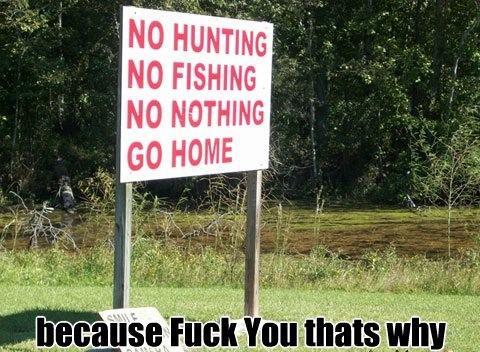
No Hunting! Because Fuck You That’s Why!

nohuntsign

This blog site is a haven for wildlife and animal advocates, a wildlife refuge of sorts, that’s posted “No Hunting,” as any true sanctuary should be. Just as a refuge is patrolled to keep hunters and poachers from harassing the wildlife, this blog site is monitored to keep hunters from disturbing other people’s quiet enjoyment of the natural world.

It is not a message board or a chat room for those wanting to argue the supposed merits of animal exploitation or to defend the act of hunting or trapping in any way, shape or form. There are plenty of other sites available for that sort of thing.

Hunters and trappers: For your sake, I urge you not to bother wasting your time posting your opinions in the comments section. This blog is moderated, and pro-hunting statements will not be tolerated or approved. Consider this fair warning—if you’re a hunter, sorry but your comments are going straight to the trash can. This is not a public forum for animal exploiters to discuss the pros and cons of hunting.

We’ve heard all the rationalizations for killing wildlife so many times before; there’s no point in wasting everyone’s time with more of that old, tired hunter PR drivel. Any attempt to justify the murder of our fellow animals will hereby be jettisoned into cyberspace…

Text and Wildlife Photography ©Jim Robertson

Text and Wildlife Photography ©Jim Robertson


That statement appears on the “About” page of this blog for all to see. Yet every so often I still get comments from hunters desperately wanting to rationalize their murderous deeds. I received two over the past two days, including one from a Danish hunter who stated, “I take pride in my education and my gear, in which I have invested a lot of money, and I enjoy the thrill of the hunt. But that does not make me a serial killer! I am a friendly young man, with so many other hobbies…”

Sorry to say, but a lot of serial killers would come across as “friendly young” men. Though he may not technically be a serial killer by standard definition, anyone who lumps the “thrill” of the hunt in with his other “hobbies” certainly shares some of the characteristics, like rationalization, justification, depersonalization, compartmentalization, as well as a sense of entitlement, lack of remorse, guilt or empathy, with the average serial killer.

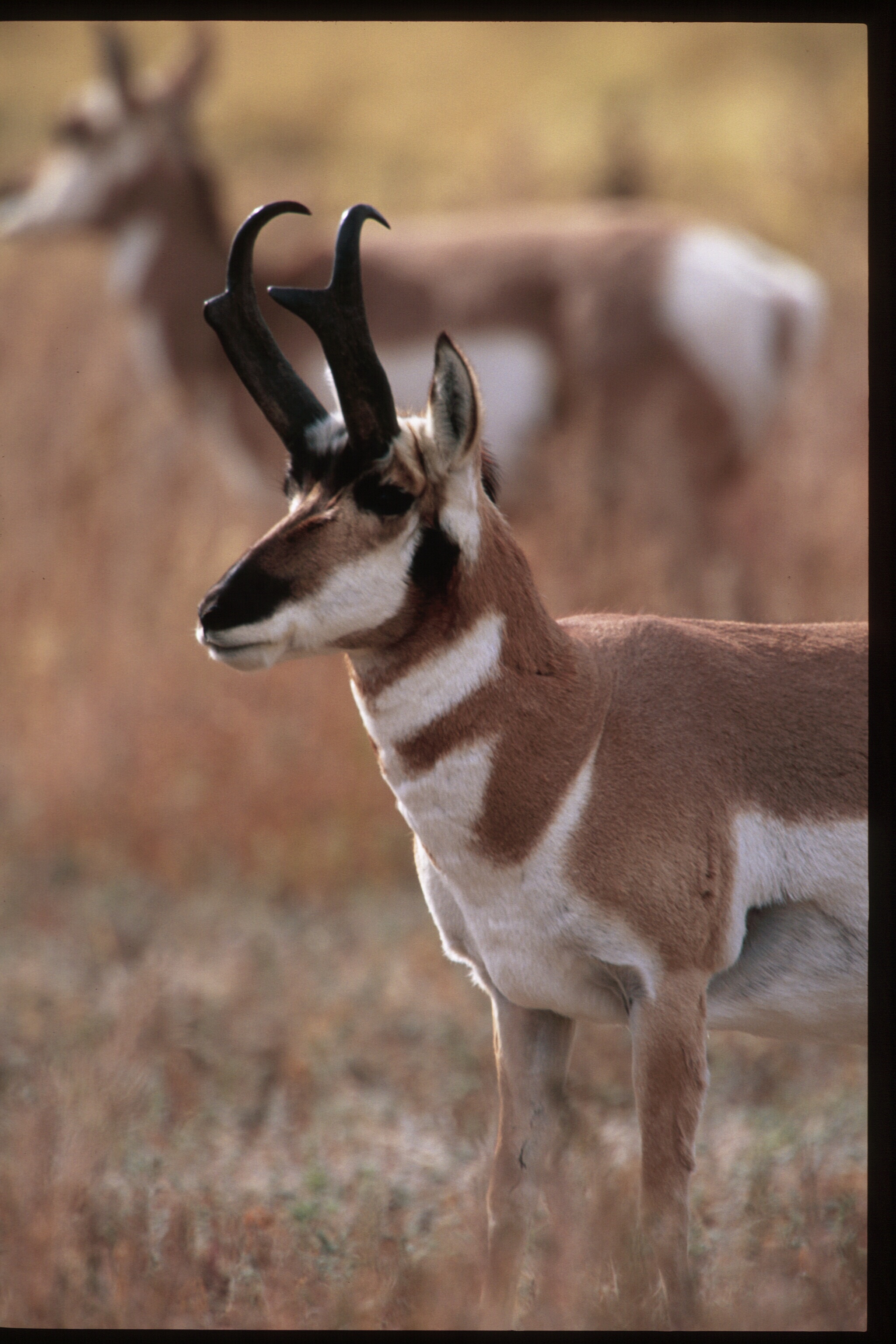
The other pro-hunting comment came from none other than Laramie’s city councilman Erik Molvar, the Wild Earth Guardians’ new in-house hunter-on-staff, described on their website as “an avid fan of the outdoors, and enjoys hiking, flyfishing, skiing, antelope hunting, and renovating historic homes.” He doesn’t sound like someone who needs to feed his family on pronghorn flesh any more than any other suburban Wyomingite (who number in the 100s of thousands). Erik wrote at great length in defense of himself and about the relative morality of killing and eating a pronghorn vs. a loaf of bread. Yet he didn’t tell us anything we haven’t heard before time and again from other hunters. Once again, this is an anti-hunting blog site, with a longstanding policy of not approving comments from hunters and I see no reason to start now. We’ve heard them all before—ad nauseam.

Mr. Molvar, as your comment is directed to Marc, the author of the article “Sheep in Wolves’ Clothing,” please send it to him at his website: http://foranimals.org/ (If you no longer have the text, I can retrieve it for you from my trash can.)

I appreciate your concern for wolves and Wild Earth Guardian’s hard work to stop wolf hunting. I love wolves the same as any advocate. But I also care about pronghorn, elk and prairie dogs just as much. If we wait until wolf hunting is ended before acknowledging the rights of any other species, hunting will only become more embedded, like a festering thorn in need of surgical removal.

Wildlife Services: Leaked Audit Shows Fiscal Confusion

http://www.endangered.org/wildlife-services-leaked-audit-shows-fiscal-confusion/

by Mitch Merry

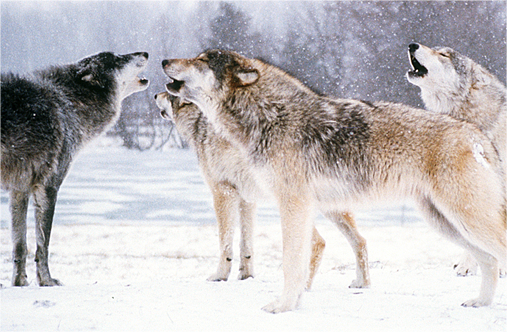
howlers

Via NRDC’s Melissa Waage:

An unreleased, internal audit at USDA’s secretive Wildlife Services division uncovered big accounting problems, including $12 million missing from its coffers, the LA Times revealed yesterday. This new information comes as USDA’s Inspector General prepares to conduct a congressionally-requested audit of the agency’s practices.

The Times reports that

The [internal Wildlife Services] audit found the agency’s accounting practices were “unreconcilable,” lacked transparency and violated state and federal laws. Further, the audit revealed that $12 million in a special account could not be found.*

On the one hand, this internal review is a responsible first step. For years, non-profit watchdogs and members of Congress have been trying to untangle Wildlife Services’ opaque funding stream. We know that a combination of federal tax dollars and payments directly from special interests like Big Agriculture enables USDA’s Wildlife Services division to kill hundreds of thousands of wild animals each year. But the agency has consistently resisted explaining how, exactly, it spends its budget, and who actually benefits from expensive tactics like shooting wolves from helicopters.

But on the other hand–why the continued secrecy? Rep. Peter DeFazio of Oregon, a long-time critic of Wildlife Services, has repeatedly been in contact with the agency about funding details. Yet he had to hear about the internal audit from the LA Times.

“The last time I tried to get more specific financial information, they just blew me off and said they couldn’t provide that,” DeFazio said in an interview. “Yet, at the same time, they were undertaking this audit. So, the managers were, at best, disingenuous, and at worst, undertaking a coverup.”

Wildlife Services told the Times that “the agency [has] already begun to carry out changes recommended in the audit.” Of course, Wildlife Services has released neither the audit results, nor a plan to remedy any failures identified. The public release of this information would be a laudable step towards improving the agency’s fiscal transparency.

Sacramento Bee reporter and Wildlife Services watchdog Tom Knudson has posted a leaked copy of the audit here. We’ll be taking a closer look at what it reveals about government wildlife killing in future posts.

*The leaked audit’s conclusions about Wildlife Services’ cost-benefit analysis problems echo those of an NRDC-commissioned report released in 2012. Our report found that “most economic analyses of predator control done by Wildlife Services …are inconsistent with economic analysis guidelines used by most federal agencies,” and often contain fundamental accounting errors.

Upon its release in 2012, NRDC shared this report with the director of USDA-Wildlife Services and expressed our interest in discussing the results and recommendations with agency staff. Wildlife Services hasn’t yet taken us up on this offer, but it still stands.

This post originally appeared on NRDC’s Switchboard blog: http://switchboard.nrdc.org/blogs/mwaage/wildlife_services_leaked_audit.html


Sheep in Wolves’ Clothing

http://foranimals.org/

wildlife management

by Marc

The December 18, 2013, Santa Fe Reporter, featured a profile of

Photo Copyright Jim Robertson

Photo Copyright Jim Robertson

James Lane recently fired as director of the New Mexico Department of Game and Fish. While no public reason was given for Lane’s firing, it seems likely that it was due, at least in part, to his public derision of the nonhunters as “tree-huggin’ hippies.” The department, sometimes known as “Maim and Squish,” manages wildlife on behalf of hunters and ranchers. Even after Lane’s ignominious departure, Scott Bidegain, a board member of NM Cattlegrowers Association, continues as chairman of the Game Commission, which supervises the department’s so-called professional wildlife managers.

What has been the reaction of New Mexico’s environmental and animal protection lobbyists? The supposed protectors of wildlife sheepishly sent a letter to the hunter-rancher-in-chief, begging Bidegain to replace Lane with a professional wildlife manager dedicated to the principles of the North American Model of Wildlife Conservation.

This model is aptly summed up by the Rocky Mountain Elk Foundation:

Man has hunted since he walked the Earth. Every early culture relied on hunting for survival. Through hunting, man forged a connection with the land and learned quickly that stewardship of the land went hand-in-hand with maintaining wildlife – and their own way of life.

In the first half of the 20th century, leaders like Theodore Roosevelt and Aldo Leopold shaped a set of ideals that came to be known as the North American Model of Wildlife Conservation. They articulated the philosophy that all wildlife belong to all of us. . . .

The Pittman-Robertson act was passed in 1937, through which hunters voluntarily imposed a tax on themselves, ensuring that a portion of the sale of all firearms and ammunition would be expressly dedicated to managing the wildlife entrusted to the public. The Pittman-Robertson Act generates $700 million annually, which is distributed by the U.S. Fish and Wildlife Service to state fish and game agencies across America.

The federal tax on firearms and ammunition is collected by the Alcohol and Tobacco Tax and Trade Bureau (TTB). As its name suggests, TTB also administers federal taxes on alcohol and tobacco. No one expects these tax revenues to be used to promote smoking and drinking, yet hunters expect firearms taxes to be used to promote hunting.

RMEF is, however, correct to point out that hominids have been killing wildlife since they first learned to walk upright. In North America, hunting dates back to mass extinctions of the Pleistocene, which corresponded with the arrival of humans on this continent. Well before the establishment of “Native” American cultures species such as saber-toothed cats disappeared from the North American landscape. Species which were able to survive centuries of hunting with spears, bows and arrows, proved little match for European firearms technology.

Only when hunters began to fear an end to their gruesome blood sport did wildlife managers like Aldo Leopold begin to rethink the idea of hunting without limit. Along with the establishment of the US Forest Service and the Bureau of Land Management, the Pittman-Robertson Act attempted to protect ranchers and hunters from destroying both their own livelihoods and their ability to indulge in sadistic blood sports. Thus was born the myth that ranchers and hunters, who had come close to totally destroying the land and the wildlife who live on it, were the “true conservationists,” codified by the North American Model of Conservation.

In spite of the best efforts of the “hunter-conservationists,” hunting continues to decline in the United States. According to the latest [2011] National Hunting Survey, only 6% of the U.S. population hunts. When broken down by region, there has been a 45% drop over the last decade in the Mountain States from 11% to 6%. Correspondingly, the New Mexico report shows a 47% drop in expenditures by hunters.

The drop in hunting is a threat not only to hunters and ranchers, but also to conservation and animal protection lobbyists who have been collaborating with them. In their letter to the Game Deparment, Animal Protection of New Mexico, the Rio Grande chapter of the Sierra Club, the New Mexico chapter of the League of Conservation Voters and Wild Earth Guardians expressed their support for the hunters’ North American Model of Conservation.

Many of the organizations which signed this letter have had a long history of collaboration with hunters. Hunter Jon Schwedler headed APNM’s wildlife program before leaving to form the short-lived Sierra Sportsmen, the Sierra Club’s failed attempt to organize hunters in support of conservation.

Now it is the turn of Wild Earth Guardians to join the ranks of hunters masquerading as environmentalists, with the hiring of Erik Molvar. According to his WildEarth Guardians profile, Molvar has a degree in “wildlife management” and “enjoys antelope hunting.”

This profile reveals not only the sadistic pleasure Molvar takes in killing animals and watching them die, but also the difference between a wildlife manager and a biologist. State game departments and other wildlife managers use the cowboy term “antelope” to describe pronghorns. The last of their family to survive the Pleistocene extinctions in North America, pronghorns are not related to antelope, which are native to Africa. “Wildlife management” might be considered a “science” similar to economics and political science, but it is not a natural science like biology and geology.

In any case, contrary to the propaganda of the conservation lobbyists, there is no “pure science” which can guide the protection of wolves, prairie dogs, pronghorn, and other wild species, whether or not they are legally endangered. As the career of Jon Tester, Rancher-Democrat of Montana, demonstrates, the U.S. Congress retains the right to determine what animals can be legally killed without limit. Tester, after using funds from the League of Conservation Voters to defend his seat against the notorious “evil Koch brothers,” authored the law which removed endangered species protection for the grey wolf. A belated attempt by conservation lobbies to petition the Department of the Interior to restore wolf protection in violation of Tester’s law may succeed in raising funds, but it will not succeed in protecting wolves.

Rancher-Democrat Tester has now been joined in the Senate by New Mexico Hunter-Democrat Martin Heinrich. Heinrich & Tester’s Sportsmen’s and Public Outdoor Recreation Traditions Act (SPORT) Act (S. 1660) would open all federal lands, including National Park Service land, to hunters.

Action Alert for Idaho Wolf/Coyote Contest

iStock_000008330410XSmall.jpg

Forty wolves and an untold number of coyotes need a few minutes of your time, now. After days of researching Idaho statues, codes, and regulations, Green Vegans has sent a seven-page letter to Idaho’s Dallas Burkhalter – Deputy Attorney General, Kathleen Trever – Lead Deputy Attorney General, Virgil Moore, Director of the Idaho Department of Fish and Game (IDFG), and Rick Jackson, Chair of the Idaho State Tax Commission. We are demanding they enforce Idaho rules and regulations already in place that should stop the “First Annual 2-Day Coyote and Wolf Hunting Derby” in its tracks—if the political will is there.

The contest organizer, “Idaho for Wildlife” (really), the sponsors, and the fee-paying participants are acting outside of regulatory control. The State of Idaho appears ready to do nothing to stop this slaughter. Refer to ALERT #1 for details.

Yes, your time is precious just before the official holiday season. But the hunt is scheduled to begin December 28 and 29, 2013 in Salmon, Idaho.

Please send your email now (just cut and paste the talking points below) and then call and ask them to read it:

1)

a)&nbsp;&nbsp;&nbsp;&nbsp;&nbsp; Kathleen Trever – Lead Deputy Attorney General (208) 334-2400 / <a href=”mailto:ktrever@idfg.idaho.gov” data-mce-href=”mailto:ktrever@idfg.idaho.gov”>ktrever@idfg.idaho.gov </a>

b)&nbsp;&nbsp;&nbsp;&nbsp;&nbsp; W. Dallas Burkhalter – Deputy Attorney General (208) 334-3715 / &nbsp;<a href=”mailto:dallas.burkhalter@idfg.idaho.gov” data-mce-href=”mailto:dallas.burkhalter@idfg.idaho.gov”>dallas.burkhalter@idfg.idaho.gov</a>&nbsp; (Trevor and Burkhalter represent and &nbsp;interpret IDFG regulations)

c)      Virgil Moore, Director, Idaho Department of Fish and Game (208) 334-3771 begin_of_the_skype_highlighting (208) 334-3771 FREE  end_of_the_skype_highlighting / virgil.moore@idfg.idaho.gov

Tell them:

  • The “First Annual 2-Day Coyote and Wolf Hunting Derby” is a commercial hunt prohibited by Idaho regulations;
  • It violates the 15–hunter maximum participation rule;
  • It violates the IDFG Commission thirteen year wildlife policy: “However, the Department will not support any contests or similar activities involving the taking of predators which may portray hunting in an unethical fashion, devalue the predator, and which may be offensive to the general public. The Department opposes use of bounties as a predator control measure.”
  • They have effectively passed off their legal responsibilities to a vigilante organization that is paying a bounty for the killing.
  • The concentration of so many hunters competing for two days to shoot as many coyotes as possible and up to 40 wolves is dangerous and a tragedy waiting to be headlines. The contest and prizes are open to children as young as ten years of age.
  • The organization, “Hope for Wildlife”, is deceiving the public with its statements claiming the slaughter is to teach hunters the dangers of parasites that are found naturally in a wide array of wildlife species.

2)  Rich Jackson, Chair, Idaho State Tax Commission. (208) 334-7500 begin_of_the_skype_highlighting (208) 334-7500 FREE  end_of_the_skype_highlighting / c/o liz.rodossovich@tax.idaho.gov

The person receiving the email will be collecting them as she is covering for another staff person on vacation. Please, no harsh words. Just ask them to investigate the tax status of “Hope for Wildlife”:

  • “Hope for Wildlife” is the organization organizing the slaughter. They are registered as a nonprofit in Idaho but are not a federally-recognized tax-exempt organization by the IRS.  They are abusing the purpose of nonprofit organizations. Tell Rick Jackson that bounty hunting does not meet the definition of allowed purposes for nonprofits.
  • Ask Rick Jackson if he believes “Idaho for Wildlife” has the right to collect and then distribute money and prizes to bounty hunters without paying taxes and fees required of for-profit corporations.

3)  Sign this petition at Change.org: https://www.change.org/petitions/2-day-holiday-idaho-killing-derby-targets-wolves-coyotes-federal-agencies-ignore-laws-re-killing-contests-on-federal-lands

4) Share this Alert on your social media. Remember, Christmas is a holiday so we have Tuesday, Thursday, and Friday only to save 40 wolves and for coyotes, there is no limit.

Thank you,

Green Vegans

Santa Grants Dying Child’s One Wish, Sends Hunters to Hell

Jolly old Santa Claus used his in with the Man upstairs when he granted a terminally ill boy’s one Christmas wish. When the child told Santa all he wanted for Christmas was peace on earth, the kindly do-gooder intuitively knew where to begin to achieve this objective and asked, “How about if I get rid of all the sport hunters?” This pleased the1477971_417250565045005_342857083_n boy, so Santa (who has a soft spot for the innocents, like children and animals) put a finger to the side of his nose and sent the hunters straight to Hell.

So if the days seem quieter and the nights more peaceful now, be sure to thanks Santa Claus by setting out an extra glass of hemp milk and plenty of vegan cookies.

And any of you budding young “sportsmen” who got a new hunting rifle, Duck Dynasty tee shirt or entry into the Salmon, ID Youth Wolf and Coyote Derby for Christmas can thank your fathers when you catch up with them in Hell.

_______________

(This has been another installment in EtBG’s “Headlines We’d Like to See.”)

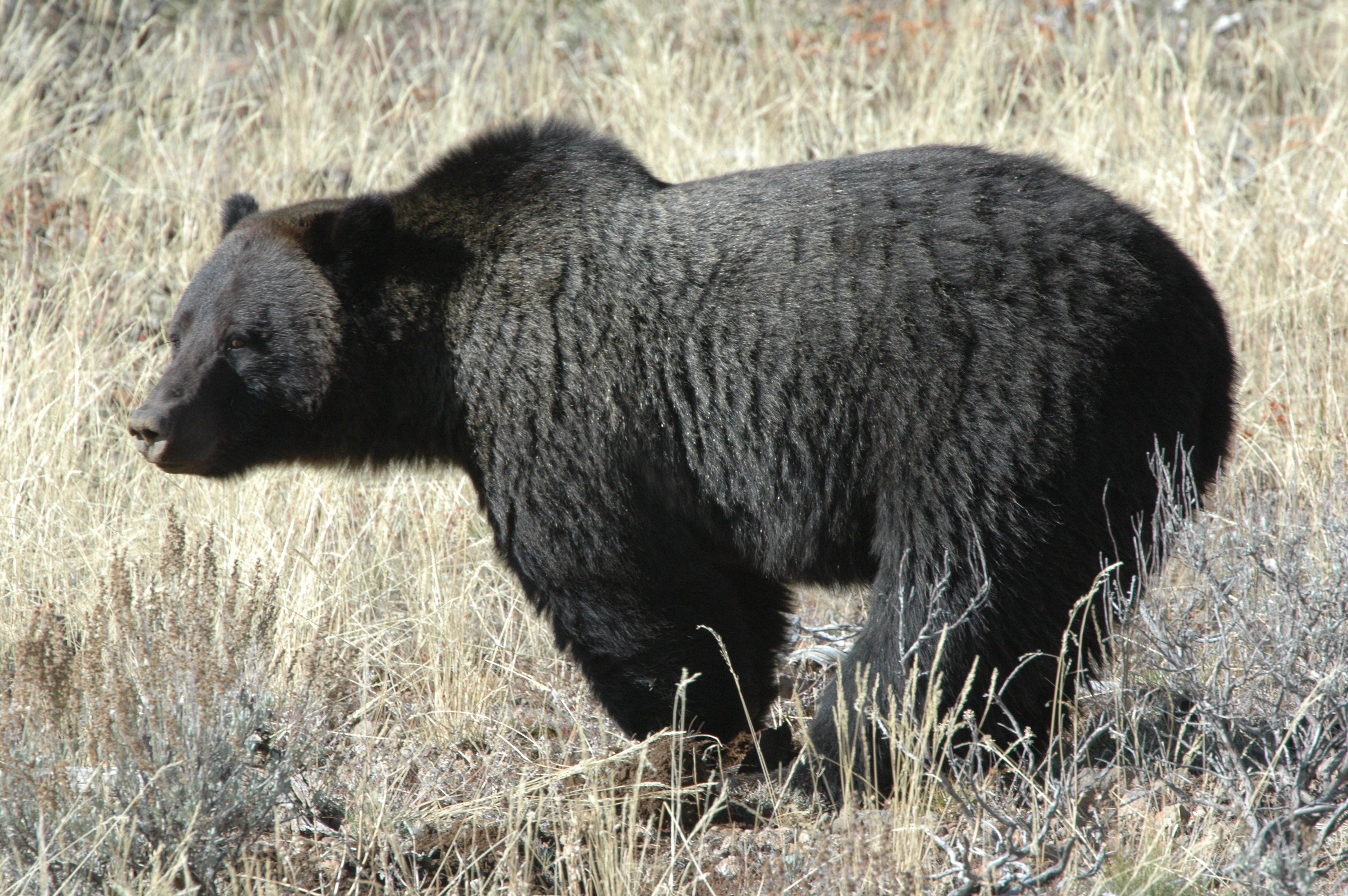
Grizzly bear caught in wolf trap

GREAT FALLS — A 4-year-old male grizzly bear was briefly

Photo Copyright Jim Robertson

Photo Copyright Jim Robertson

caught in a steel leg-hold wolf trap near the Rocky Mountain Front west of Dupuyer.

Fish, Wildlife and Parks grizzly bear management specialist Mike Madel says two men were checking wolf traps Tuesday afternoon when they discovered the bear with its foot in the trap. The bear had pulled the trap out of the ground, but the trap became entangled in a tree and some brush.

The trapper reported the accidental capture to state wildlife officials, who immobilized the 473-bear with a dart gun and removed the trap. Madel planned to relocate the bear, which was not seriously injured other than swelling of the toe joints.

Read more: http://billingsgazette.com/news/state-and-regional/montana/grizzly-bear-caught-in-wolf-trap/article_872d0ba0-21c2-5d5f-8b92-48166edfa702.html#ixzz2nsSxTl3v

Mexican Wolf plan reignites passions


copyrighted Hayden wolf walking

http://azdailysun.com/news/wolf-plan-reignites-passions/article_36d3ccd2-5e45-11e3-b1a0-0019bb2963f4.html

by THE ASSOCIATED PRESS and DAILY SUN STAFF

An area set aside in southwestern New Mexico and southeastern Arizona for the recovery of Mexican gray wolves is not big enough, according to a regional official with the U.S. Fish and Wildlife Service.

“We can’t, over time, maintain genetic viability in the little area that they have,” said Southwest

Regional Director Benjamin Tuggle.

The agency has proposed expanding the range of the wolves and as a result has reignited passions about whether and where humans should coexist with the predators.

Ranchers and rural families were outraged as the plan was discussed at a public meeting on Tuesday in Pinetop. A similar meeting took place last month in Albuquerque, N.M., where environmentalists spoke in favor of the proposal.

The federal agency hadn’t planned to have any meetings in Arizona but was pressured by politicians to allow Arizonans the chance to speak as well.

Under the current proposed plan, wolves would be allowed to live in forested habitat as far north as Interstate 40. The USFWS is considering removing the gray wolf from the endangered species list nationwide and designating the Mexican gray wolf as a protected subspecies. But it would likely

keep its experimental population designation. That means that if wolves left their designated borders, they would be captured and removed.

However, biologists have identified the Grand Canyon region as some of the last, best territory for wolves. Although few people live in the area, the reintroduction has been blocked in part by hunters who want to protect big game on the North Kaibab.

“It’s up to the U.S. Fish and Wildlife Service to go forward and do their jobs based on the best available science and not the politics of state and federal agencies,” said Emily Nelson of the Grand Canyon Wolf Recovery Project. “We might see the opportunity slip by us if we’re not outspoken about wanting to see wolves in the Grand Canyon.”

The State of Utah has paid hundreds of thousands of dollars to a group called Big Game Forever to

lobby against the lobo and its potential reintroduction to the North Rim. The group was audited at the request of Democratic state legislators after receiving payments of $300,000 the past two years for unspecified lobbying purposes, according to the Salt Lake Tribune. The lobbying group said it was fighting the Mexican gray wolf’s reintroduction, which many in southern Utah fear will quickly migrate into the remote region.

a test of time

The Mexican wolf was reintroduced in 1998. Biologists say there are at least 75 wolves in the wild in the two states. Federal officials believe it’s necessary to make more room for packs — 14 at last count — to squeeze the most from a limited gene pool.

Nelson said that whatever happens with the official reintroduction plan, she’s optimistic about the chances of wolves in northern Arizona.

“I’m always very optimistic that the wolves will come here on their own because the wolves will follow the best habitat and seek out the best places to find mates,” Nelson said. “I think the people of northern Arizona are much more supportive of wolf recovery. Every public poll in Arizona has shown the majority of people support wolf recovery in the Grand Canyon region.”


But many local elected officials from rural areas of the state spoke out against expanded wolf reintroduction at the meeting in Pinetop on Tuesday.


“The sad truth is that the wolves are already here,” Globe Mayor Terry Wheeler said during Tuesday’s meeting.


But if they’re released in Gila County as proposed, he said, wolves will soon be in Scottsdale “munching down on pink Pomeranians.”


Others in the crowd of about 300 people responded with pronouncements of hysteria or “lobophobia” after several people angrily accused the government of endangering children. Biologists said wolves are wild animals requiring caution but they have not attacked anyone since reintroduction began.


Members of the White Mountain Apache and Havasupai tribes spoke for protection. A group of Havasupai elders said they wanted to see wolves inside the Grand Canyon.


The U.S. Fish and Wildlife Service proposes to more than double the area in which captive wolves could be released to 12,500 square miles. The release zone currently is restricted to the southern Apache National Forest, but it would grow north and west to the Payson area, including the full Apache-Sitgreaves National Forest and three ranger districts in the Tonto National Forest. It would also expand east in New Mexico, across Gila National Forest and into Cibola National Forest.


Eric Betz can be reached at 556-2250 or ebetz@azdailysun.com.


The Associated Press contributed to this report.


Wildlife activists outraged at TIME’s cover story this month Special

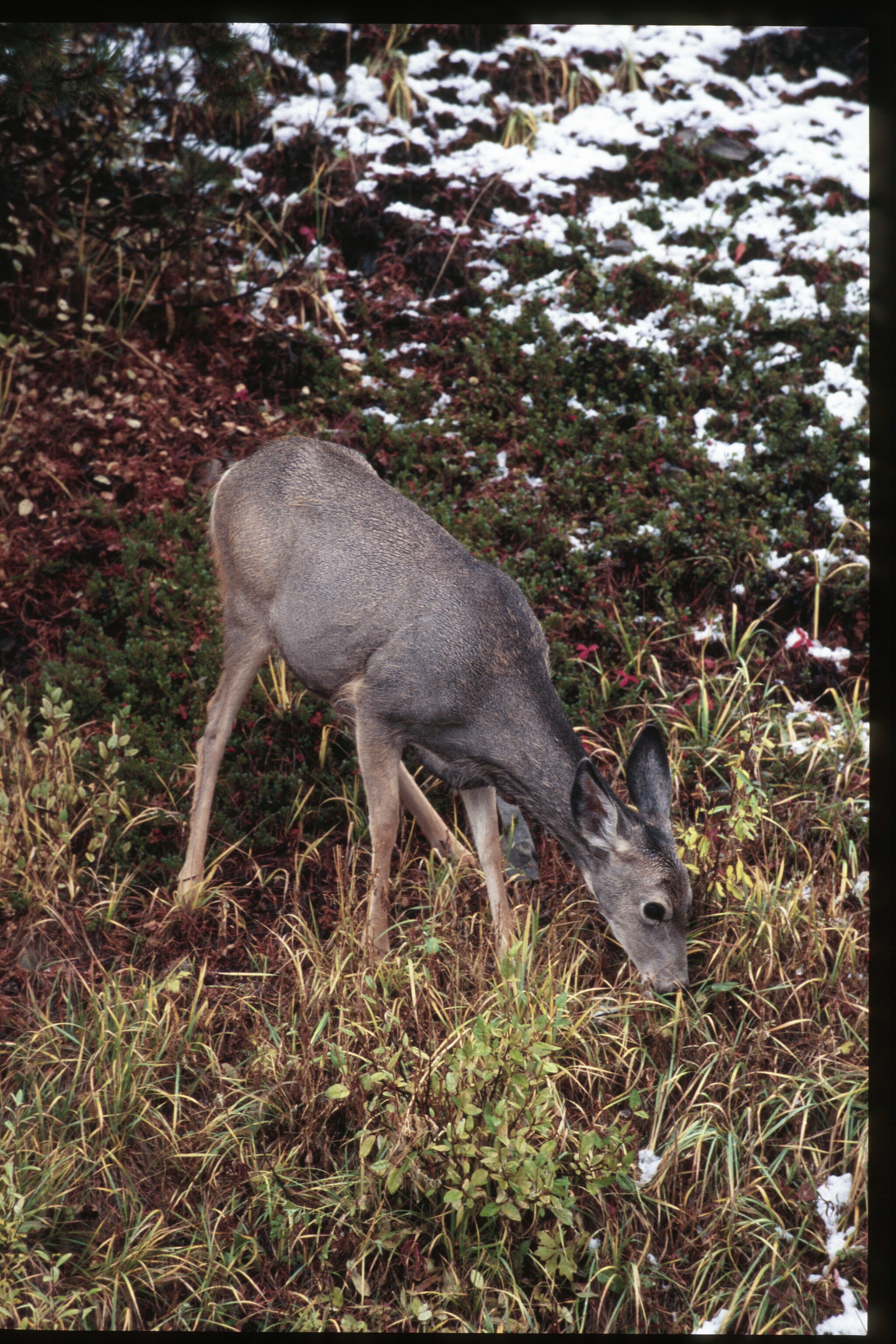
The cover of this month’s issue of TIME depicts a young female deer below the headline “America’s Pest Problem.” The wildlife activist community is in an uproar over the article many see as factually inaccurate and something more fit for an op-ed

The article does appear to be advancing an agenda, as the last line in the lead paragraph on the TIME website reads “Why wildlife in the U.S. needs stronger management.”  The article’s full title is “America’s Pest Problem: It’s time to cull the herd.”  Whether intentional or not, David Von Drehle’s article has sparked controversy.

Almost immediately, activists took to the internet expressing their outrage. The article’s dateline is Dec 9, 2013, but is available online now. A Facebook event page is already set up to encourage people to write physical letters to TIME. The event page has this in its description

Time Magazine is coming out with an article to the general public, supporting the slaughter of wildlife on a grand scale. This article is extremely dangerous and inaccurate. This article supports outright slaughter of our wildlife in all parts of the country stating that we are all being overrun with animals and that “experts” say it is necessary. Time Magazine has a responsibility to the public to be accurate and unbiased, and not promote an anti-environment extremist point of view.

Protecting Endangered Species, the Facebook page hosting the letter writing event had this to say in a statement

It is disturbing that Time Magazine has used it’s reputation as a legitimate news source to promote a very extreme and controversial opinion as fact. The consequences of promoting this type of intolerance of our wildlife are severe and promotes violence and cruelty towards our animals. Wildlife belongs to all of us as a nation, not to the special interests of oil, the livestock industry, and recreational hunters. The opinion expressed by Time is that of these special interest businesses and is in direct opposition to wildlife experts and the overwhelming number of voters in the states of concern. This is an opinion which could be freely expressed in an op-ed section, but to present it as fact, as a cover story, is highly unprofessional and exerts the power of Time magazine in an inappropriate manner.

The use of hunting today beyond the purpose of sustenance is a very important contributor to the destruction of our environment. The use of hunters to control populations or “manage” them IS THE PROBLEM. At the turn of the century the wolves and other predators were nearly exterminated out of fear and lack of knowledge of biology, contributing to over and under populations of other animals. We know more about biology than we did in 1900 and this needs to stop. No form of hunting is superior to Nature, and the motivations of special interests are based on human desires of consumption, they are not based on the best interest of the animals or the environment. Misinformation needs to be corrected before we destroy what we do have left. We have nonviolent and nonlethal means to correct problems and we need to use them.

One of the activists participating in the event, Mar Wargo, expressed her opinion as well

Americans seem to be learning and expressing a new ethic today. It seems to me it is not a well educated ethic and lacks moral grounds. In the 40 years of the Endangered Species Act, Wild Free Roaming Horse and Burro Act we have come full circle and now have this tremendous backlash towards the wild animals and wild lands. I believe much of this is corporate interests and this now encompasses hunters who had not been the enemy at one time. They had been the conservationists once. No longer. Killing is too popular and this is all weighed down in ignorance and greed. We have good laws that allowed us to participate in the process and stop actions against wild lands and wildlife. This is Not user friendly any longer, we have lost much of our own traction as a result. We need to regain sanity and science in this country. We need to respect this Earth which is now damaged beyond repair if we intend to survive. Killing the Earth is not the way to survival.

Photo Copyright Jim Robertson

Photo Copyright Jim Robertson