Five Blood-Chilling Facts About Wildlife “Services”

Here are five blood-chilling facts about this rogue agency that have come to light in recent years:

•According to their own records, Wildlife Services killed 3,352,378 animals in 2012 alone. Among the victims: wolves, coyotes, beavers, bobcats, great blue herons, and sandhill cranes.
•The agency’s lethal methods are varied and indiscriminate. They include aerial gunning, cyanide gas, leg hold traps, poison, and neck snares.
•Unintended killings are common, and include thousands of endangered and other imperiled species, domestic dogs and other house pets.
•Cover-ups are routine. Former agency hunters have admitted to doctoring records and burying golden eagles caught in neck snares under orders from higher-ups. In Idaho, they even refused to admit to aerial gunning operations until after 23 wolves had been killed!
•This wanton slaughter is funded mostly with federal and state taxpayer dollars. At a time when federal conservation programs are being cut to the bone, these wildlife exterminators provide subsidized services to ranchers and others who request their help and will hire out their killing skills to the states.

Federal agents indiscriminately kill more than three million animals – from endangered species to house pets – every year.

The Wildlife Services agency of the U.S. Department of Agriculture is currently being audited by the USDA Office of the Inspector General. But the killing continues.

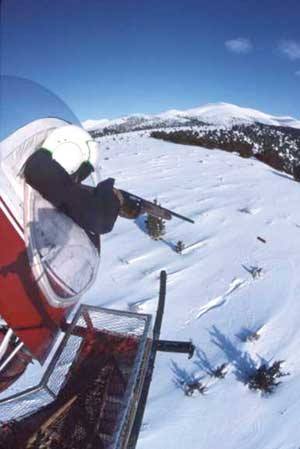
Just last week, Wildlife Services sharpshooters killed 23 wolves from a helicopter in a remote area in Idaho.

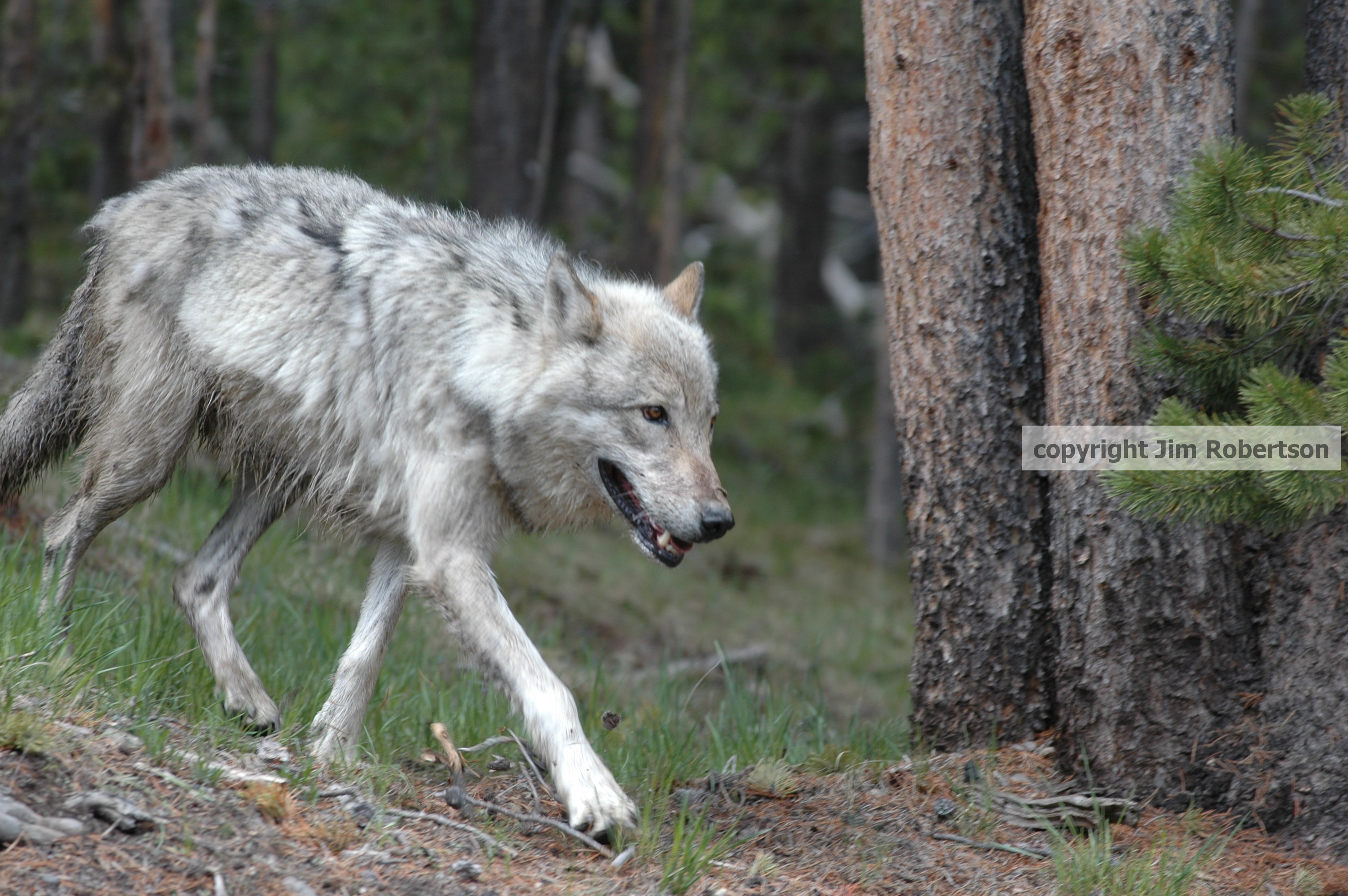
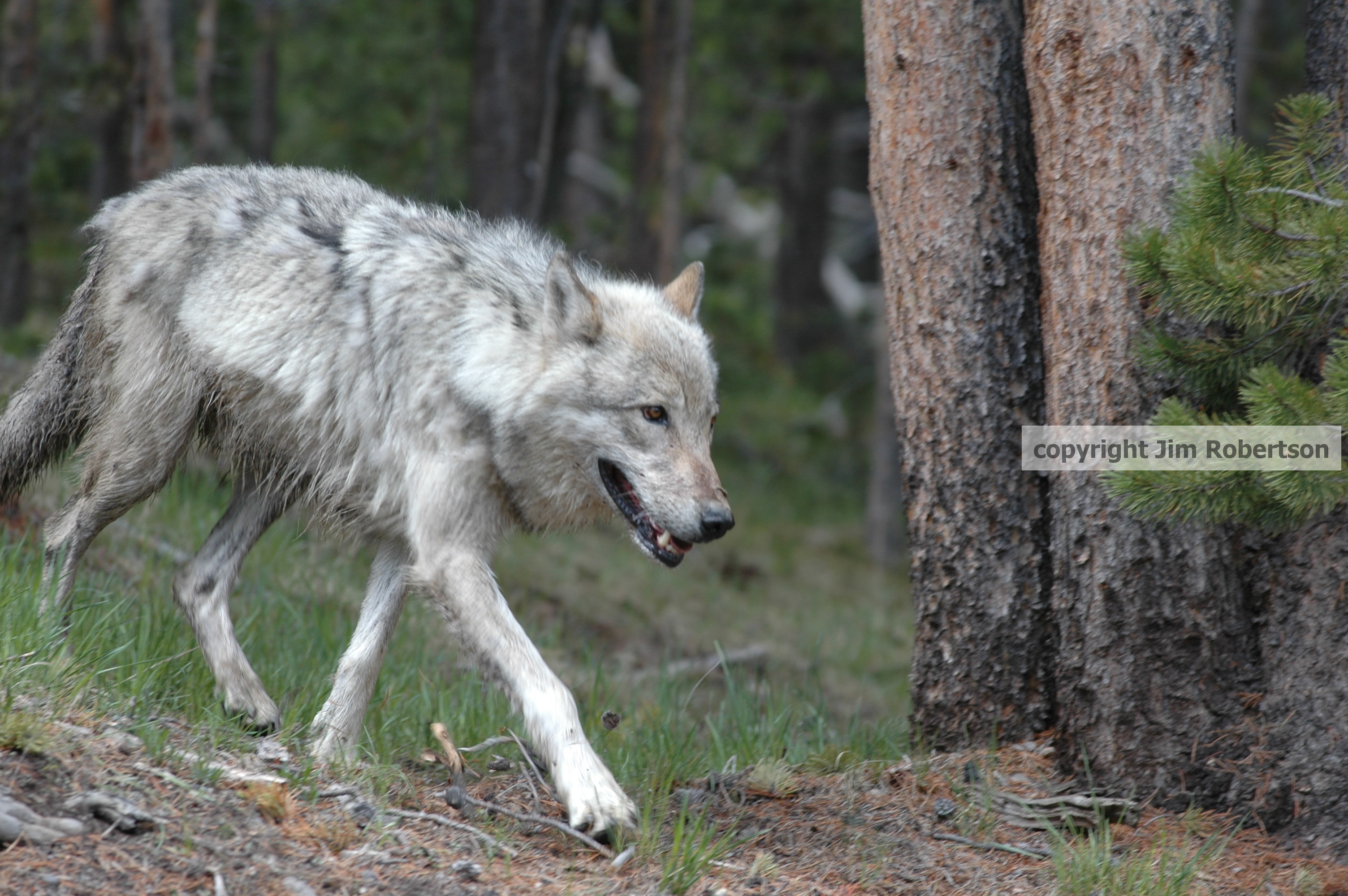
copyrighted Hayden wolf walking

Idaho Wolf (Eradication) Fund Won’t Receive $2 Million

528624c939a88_preview-620

http://magicvalley.com/news/local/govt-and-politics/bell-wolf-fund-won-t-receive-million/article_3c9a845e-216c-58fe-935d-a3dbfc9000ca.html

By Kimberlee Kruesi – kkruesi@magicvalley.com

BOISE • A bill asking for $2 million to kill up to 500 of Idaho’s wolves won’t get even half of its requested appropriation, said co-chair of the state’s budget committee.

Instead, an unexpected bailout to make up for missing federal e-rate funds to pay for the Idaho Education Network (IEN) broadband program has taken precedence, said state Rep. Maxine Bell, R-Jerome, co-chair of the Joint Finance Appropriations Committee.

“We have some flexibility when it comes to killing wolves,” Bell said. “We don’t have flexibility with IEN.”

JFAC has already approved $6.6 million out of this year’s budget to make up for past-due payments to Education Networks of America, the state’s contractor on the broadband project. It’s money the federal government was supposed to pay for the state’s school broadband program but never did.

The supplemental appropriations bill passed both houses and now just needs the signature of the governor.

“Frankly, based on our discussions with legal counsel, we are obligated for this piece,” said state Sen. Dean Cameron, R-Rupert, while debating the bill on the Senate floor. “I need to inform you that this is the first half. The second half we are still arguing and discussing and re-discussing what we do for fiscal year 2015.”

Ever since the news was announced earlier this session, multiple lawmakers expressed their frustration with the state’s Department of Administration for extending the contract with the Education Networks of America through 2019 without informing lawmakers that the broadband vendor was not receiving the federal e-rate payments.

JFAC is expected to discuss the future of IEN next week, which includes a $7.3 million request from Otter and the Department of Administration to cover the federal payments for fiscal year 2015, Bell said.

This means that the wolf bill will also be discussed next week, Bell said, but it won’t get the requested $2 million.

“It will probably get less than $1 million or closer to the $400,000 that was requested last year,” she said.

Bell was referring to a recommendation a committee submitted to Gov. C.L. “Butch” Otter last summer on how to fund ongoing wolf control efforts. The recommendation asked for $400,000 annually for five years to kill wolves that preyed on livestock.

Instead, Otter ignored the recommendation and requested $2 million of one-time funding to kill wolves during his State of the State speech in January.

The proposed wolf control bill — sponsored by state Sen. Bert Brackett, R-Rogerson — calls for a five-member oversight board that would manage the requested $2 million. The members would be made up of directors from the state Department of Fish and Game and Department of Agriculture, as well representatives from livestock industry, public at large and sportsmen.

Even if the bill makes it to the governor’s desk, it is up to JFAC to determine the final funding amount, Bell said. Budget writers will also decide if the money should come out of one-time or ongoing funds.

“We weren’t expecting to pay this much to IEN … it’s forced us to change a few things,” Bell said.

Montana Outdoors “Weighs in” on Wolves

>snip< Varley and his wife run Yellowstone Wolf Tracker wildlife tours, one of a dozen or so guiding operations sanctioned by park officials. These kinds of services are at the heart of a thriving wolf watching tourism that a University of Montana study found pumps millions of dollars into counties surrounding the park each year.

That economic argument is just one used by wolf advocates critical of growing hunter and trapper wolf harvests in Montana, Idaho, and Wyoming. Some are like Varley, who has no gripe with wolf hunting elsewhere but wants a kill-free buffer around Yellowstone. [The old, "not in my back yard" mentality] Others, often from outside the Rocky Mountain West, want to halt all copyrighted Hayden wolf in lodgepoleslethal action on an animal that was classified as federally endangered just a few years ago.

On the flip side are those who demand that Montana kill more wolves, which they say harm ranchers’ bottom line and deplete elk and deer herds. “We’d like the state to take much more aggressive measures in certain areas to bring these predator numbers down to a more tolerable ratio with prey populations,” says Rob Arnaud, president of the Montana Outfitters and Guides Association. “We’ve got hunting outfitters around Yellowstone going out of business because of wolves.”

Full article: http://fwp.mt.gov/mtoutdoors/HTML/articles/2014/wolves.htm#.UxpKmGeYZla

Whither the Hunter/Conservationist?

By George Wuerthner On March 5, 2014

Many hunter organizations like to promote the idea that hunters were the first and most important conservation advocates. They rest on their laurels of early hunter/wildlife activist like Teddy Roosevelt, and George Bird Grinnell who, among other things, were founding members of the Boone and Crocket Club. But in addition to being hunter advocates, these men were also staunch proponents of national parks and other areas off limits to hunting. Teddy Roosevelt help to establish the first wildlife refuges to protect birds from feather hunters, and he was instrumental in the creation of numerous national parks including the Grand Canyon. Grinnell was equally active in promoting the creation of national parks like Glacier as well as a staunch advocate for protection of wildlife in places like Yellowstone. Other later hunter/wildlands advocates like Aldo Leopold and Olaus Murie helped to promote wilderness designation and a land ethic as well as a more enlightened attitude about predators.

Unfortunately, though there are definitely still hunters and anglers who put conservation and wildlands protection ahead of their own recreational pursuits, far more of the hunter/angler community is increasingly hostile to wildlife protection and wildlands advocacy. Perhaps the majority of hunters were always this way, but at least the philosophical leaders in the past were well known advocates of wildlands and wildlife.

Nowhere is this change in attitude among hunter organizations and leadership more evident than the deafening silence of hunters when it comes to predator management. Throughout the West, state wildlife agencies are increasing their war on predators with the apparent blessings of hunters, without a discouraging word from any identified hunter organization. Rather the charge for killing predators is being led by groups like the Rocky Mountain Elk Foundation, and others who are not only lobbying for more predator killing, but providing funding for such activities to state wildlife agencies.

For instance, in Nebraska which has a fledging population of cougars (an estimated 20) the state wildlife agency has already embarked on a hunting season to “control” cougar numbers. Similarly in South Dakota, where there are no more than 170 cougars, the state has adopted very aggressive and liberal hunting regulations to reduce the state’s cougar population.

But the worst examples of an almost maniacal persecution of predators are related to wolf policies throughout the country. In Alaska, always known for its Neanderthal predator policies, the state continues to promote killing of wolves adjacent to national parks. Just this week the state wiped out a pack of eleven wolves that were part of a long term research project in the Yukon Charley National Preserve. Alaska also regularly shoots wolves from the air, and also sometimes includes grizzly and black bears in its predator slaughter programs.

In the lower 48 states since wolves were delisted from the federal Endangered Species Act and management was turned over to the state wildlife agencies more than 2700 wolves have been killed.

This does not include the 3435 additional wolves killed in the past ten years by Wildlife Services, a federal predator control agency, in both the Rockies and Midwest. Most of this killing was done while wolves were listed as endangered.

As an example of the persecutory mentality of state wildlife agencies, one need not look any further than Idaho, where hunters/trappers, along with federal and state agencies killed 67 wolves this past year in the Lolo Pass area on the Montana/Idaho border, including some 23 from a Wildlife Service’s helicopter gun ship. The goal of the predator persecution program is to reduce predation on elk. However, even the agency’s own analysis shows that the major factor in elk number decline has been habitat quality declines due to forest recovery after major wildfires which has reduced the availability of shrubs and grasses central to elk diet. In other word, with or without predators the Lolo Pass area would not be supporting the number of elk that the area once supported after the fires. Idaho also hired a trapper to kill wolves in the Frank Church/River of No Return Wilderness to increase elk numbers there.

Idaho hunters are permitted to obtain five hunting and five trapping tags a year, and few parts of the state have any quota or limits. Idaho Governor Butch Otter recently outlined a new state budget allotting $2 million dollars for the killing of wolves—even though the same budget cuts funding for state schools.

Other states are no better than Idaho. Montana has a generous wolf six month long season. Recent legislation in the Montana legislature increased the number of wolves a hunter can kill to five and allows for the use of electronic predator calls and removes any requirement to wear hunter orange outside of the regular elk and deer seasons. And lest you think that only right wing Republican politicians’ support more killing, this legislation was not opposed by one Democratic Montana legislator, and it was signed into law by Democratic Governor Steve Bullock because he said Montana Dept of Fish, Wildlife and Parks supported the bill.

Wyoming has wolves listed as a predator with no closed season or limit nor even a requirement for a license outside of a “trophy” wolf zone in Northwest Wyoming.

The Rocky Mountain West is known for its backward politics and lack of ethics when it comes to hunting, but even more “progressive” states like Minnesota and Wisconsin have cow-towed to the hunter anti predator hostility. Minnesota allows the use of snares, traps, and other barbaric methods to capture and kill wolves. At the end of the first trapping/hunting season in 2012/2013, the state’s hunters had killed more than 400 wolves.

Though wolves are the target species that gets the most attention, nearly all states have rabid attitudes towards predators in general. So in the eastern United States where wolves are still absent, state wildlife agencies aggressively allow the killing of coyotes, bears and other predators. For instance, Vermont, a state that in my view has undeserved reputation for progressive policies, coyotes can be killed throughout the year without any limits.

These policies are promoted for a very small segment of society. About six percent of Americans hunt, yet state wildlife agencies routinely ignore the desires of the non-hunting public. Hunting is permitted on a majority of US Public lands including 50% of wildlife “refuges as well as nearly all national forests, all Bureau of Land Management lands, and even a few national parks. In other words, the hunting minority dominates public lands wildlife policies.

Most state agencies have a mandate to manage wildlife as a public trust for all citizens, yet they clearly serve only a small minority. Part of this is tradition, hunters and anglers have controlled state wildlife management for decades. Part of it is that most funding for these state agencies comes from the sale of licenses and tags. And part is the worldview that dominates these agencies which sees their role as “managers” of wildlife, and in their view, improving upon nature.

None of these states manage predators for their ecological role in ecosystem health. Despite a growing evidence that top predators are critical to maintaining ecosystem function due to their influence upon prey behavior, distribution and numbers, I know of no state that even recognizes this ecological role, much less expends much effort to educate hunters and the public about it. (I hasten to add that many of the biologists working for these state agencies, particularly those with an expertise about predators, do not necessarily support the predator killing policies and are equally appalled and dismayed as I am by their agency practices.)

Worse yet for predators, there is new research that suggests that killing predators actually can increase conflicts between humans and these species. One cougar study in Washington has documented that as predator populations were declining, complaints rose. There are good reasons for this observation. Hunting and trapping is indiscriminate. These activities remove many animals from the population which are adjusted to the human presence and avoid, for instance, preying on livestock. But hunting and trapping not only opens up productive territories to animals who may not be familiar with the local prey distribution thus more likely to attack livestock, but hunting/trapping tends to skew predator populations to younger age classes. Younger animals are less skillful at capturing prey, and again more likely to attack livestock. A population of young animals can also result in larger litter size and survival requiring more food to feed hungry growing youngsters—and may even lead to an increase in predation on wild prey—having the exact opposite effect that hunters desire.

Yet these findings are routinely ignored by state wildlife agencies. For instance, despite the fact that elk numbers in Montana have risen from 89,000 animals in 1992 several years before wolf reintroductions to an estimated 140,000-150,000 animals today, Montana Department of Fish, Wildlife and Parks does almost nothing to counter the impression and regular misinformation put forth by hunter advocacy groups like the Rocky Mountain Elk Foundation or the Montana Sportsmen for Fish and Wildlife that wolves are “destroying” Montana’s elk herds.

I have attended public hearings on wolves and other predator issues, and I have yet to see a single hunter group support less carnivore killing. So where are the conservation hunters? Why are they so silent in the face of outrage? Where is the courage to stand up and say current state wildlife agencies policies are a throw-back to the last century and do not represent anything approaching a modern understanding of the important role of predators in our ecosystems?

As I watch state after state adopting archaic policies, I am convinced that state agencies are incapable of managing predators as a legitimate and valued member of the ecological community. Their persecutory policies reflect an unethical and out of date attitude that is not in keeping with modern scientific understanding of the important role that predators play in our world.

It is apparent from evidence across the country that state wildlife agencies are incapable of managing predators for ecosystem health or even with apparent ethical considerations. Bowing to the pressure from many hunter organizations and individual hunters, state wildlife agencies have become killing machines and predator killing advocates.

Most people at least tolerant the killing of animals that eaten for food, though almost everyone believes that unnecessary suffering should be avoided. But few people actually eat the predators they kill, and often the animals are merely killed and left on the killing fields. Yet though many state agencies and some hunter organizations promote the idea that wanton waste of wildlife and unnecessary killing and suffering of animals is ethically wrong, they conveniently ignore such ideas when it comes to predators, allowing them to be wounded and left to die in the field, as well as permitted to suffer in traps. Is this ethical treatment of wildlife? I think not.

Unfortunately unless conservation minded hunters speak up, these state agencies as well as federal agencies like Wildlife Services will continue their killing agenda uninhibited. I’m waiting for the next generation of Teddy Roosevelts, Aldo Leopolds and Olaus Muries to come out of the wood work. Unless they do, I’m afraid that ignorance and intolerant attitudes will prevail and our lands and the predators that are an important part of the evolutionary processes that created our wildlife heritage will continue to be eroded.

Whither the Hunter/Conservationist?

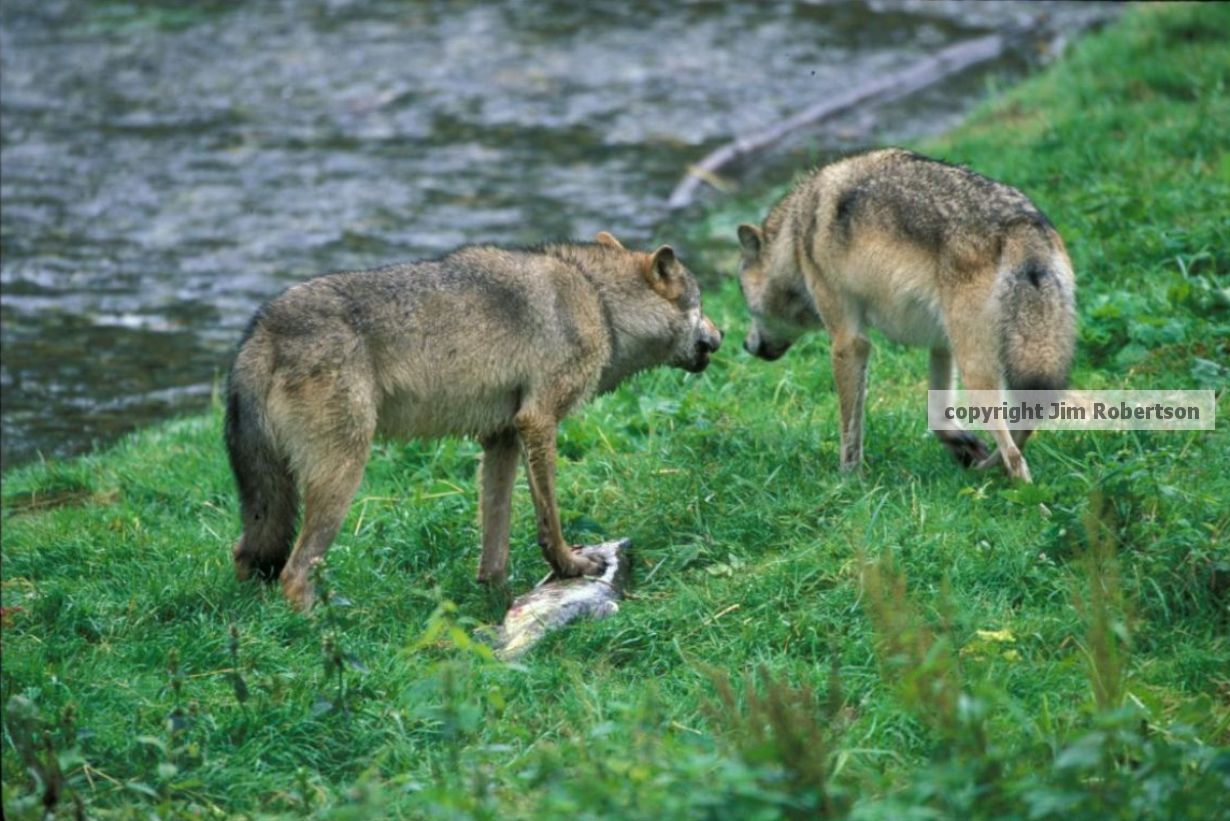
copyrighted wolf in river

Killing of entire Alaska wolf pack upsets National Park Service…And Me!

Before admiring the “subsistence” lifestyle, think of wolves that the state of Alaska shoots from planes to provide “game” for their hunters…

1920111_431261803643276_674028611_n

by Nick Provenza

FAIRBANKS, Alaska (AP) — Alaska Fish and Game officials killed an Eastern Interior wolf pack last week, and the National Park Service — which had been studying the animals — is none too pleased.

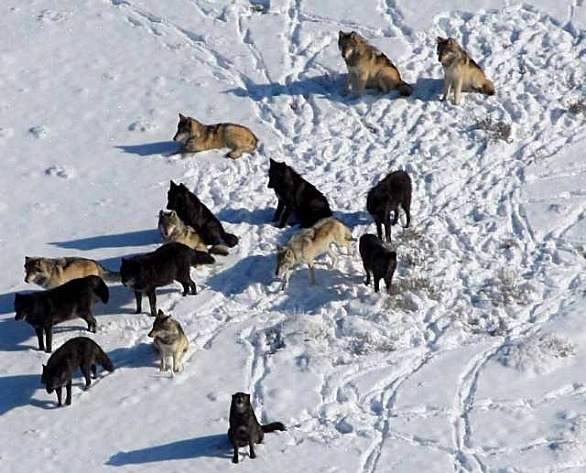
The Fairbanks Daily News-Miner reports that all 11 wolves in the Lost Creek pack near Yukon-Charley Rivers National Preserve were shot. That included the pack’s alpha pair, which had been fitted with tracking collars as part of an ongoing research project.

Doug Vincent-Lang, acting director for the Alaska Division of Wildlife Conservation, says the wolves were in an area adjacent to the preserve that has been targeted by the state for aerial predator control, which is part of an effort to boost moose and caribou numbers.

But Yukon-Charley Superintendent Greg Dudgeon said the shootings are a setback for a long-term study of wolf behavior that began roughly 20 years ago. He said the Lost Creek pack had been monitored for the past seven years.

http://blogs.seattletimes.com/today/2014/03/killing-of-entire-alaska-wolf-pack-upsets-national-park-service/
___________________________

ALASKA… National Park Service and State Clash over the recent Wolf Pack Killing

An entire wolf pack was shot and killed by aerial gunning for the sole purpose of boosting moose and caribou numbers, discarding the fact that they were part of a twenty year study by NPS!

On Feb. 21, the state agency shot all 11 members of the Lost Creek pack near Yukon-Charley Rivers National Preserve. That included the pack’s alpha pair, which had been fitted with park service collars as part of an ongoing research project.

Yukon-Charley Superintendent Greg Dudgeon said the shootings are a setback for a long-term study of wolf behavior that began roughly 20 years ago. He said the Lost Creek pack had been monitored for the past seven years as part of the study, which looks at wolf migration patterns, denning habits and population changes.

Alaska fully intends to continue it aerial killing of wolves, calling it Predator Control.

TAKE ACTION…

CONTACT ALASKA FISH AND GAME, AND ALSO DIVISION OF TOURISM AND TELL THEM WHY ALASKA IS NOT A TRAVEL OPTION…

TOURISM DIVISION
Kathy Dunn
Tourism Marketing Manager
907-269-5734
kathy.dunn@alaska.gov

ALASKA FISH AND GAME
Online Comment link…
http://www.adfg.alaska.gov/index.cfm?adfg=contacts.emailus

Controversy over wolves and elk was predicted before wolves entered the Lolo area

Idaho Fish and Game uses Chopper to kill 23 wolves in The Lolo

Controversy over wolves and elk was predicted before wolves entered the area-

Idaho Fish and Game reports it has used a helicopter to kill 23 wolves in the north central Idaho area commonly called the Lolo.  This is the latest in a continuing effort (6 forays in 4 years) to reduce the number of wolves there by 70%. In recent years IDF&G has also had very generous hunting rules to kill cougar and bear. Here is the story from the media — Associated Press in the Missoulian. “Idaho Fish and Game kills 23 wolves in Lolo Pass area.

The point of these efforts is to try to bring back the once mighty elk herd that roamed the area. The Lolo became famous for elk in the 1940s through the 80s. The size of the herd stemmed from the regeneration of the great forest fire of 1910 and later fires. Regeneration provided perfect conditions to result in a large number of elk. Elk numbers were legendary and became part of hunting lore. Unfortunately for the elk herd, the burned forest did not only regenerate. It advanced to maturity resembling the conditions when Lewis and Clark traversed the area and almost starved due to lack of game. Predictions were this maturity would cause elk numbers to crash and remain low indefinitely (until the habitat was “reborn”). As predicted, the crash happened. The elk population peaked last in 1989 at an estimated 16,054. Then came a sharp drop, almost a cliff, but by then politics dictated a new and logically impossible explanation for the crash — wolves.

We first drove down the Lochsa River in the spring of 1976. It was new country for me — beautiful, primitive or Wilderness country just beyond Highway 12. There was, however, the interesting distraction of numerous fires burning on the slopes just north of the highway. We learned these fires were set in an effort to forestall the coming decline in elk habitat. We almost hit an elk on the highway and saw quite a few more.

In those days there were plenty of bear and cougar were increasing. Cougar had recently become a protected game animal in Idaho. No one spoke of predation as a factor. That would come later in the mid-1990s. After the first drop in the early 90s, the elk herd took another hit in 1995-6 with a big die-off in a severe winter.  Afterwards the low population recovered but little, and drifted slowly downward. Today (2014) there are only about 2200 elk.

Wolves were reintroduced to Idaho in 1995 and 1996, but none to the Lolo. Wolves eventually made their way north to the Lolo, but their numbers were not significant until at least 5 years later — about the year 2000.copyrighted Hayden wolf walking

We see that the huge drop in elk populations came before the wolves. Therefore, wolves could not have been responsible for the elk herd’s drop off the cliff. They could not have been, at least in this universe where a cause has to come before the effect.

At the time of the big crash, I predicted wolves would, nevertheless, be blamed. Anti-wolf groups were gearing up. They likely figured that many hunters did not have the time sequence of events clearly in mind. Politicians soon joined in and the future path for Idaho Fish and Game was set in political concrete.

From the Lolo, anti-wolf forces then took the misinterpreted data and added to it the big drop in Yellowstone Park’s northern range elk herd. This became standard fare to show how wolves hammered elk. Agencies did not highlight data on the where elk numbers were stable, or even growing inspite of an increasing wolf population, such as the Hells Canyon Elk Zone, the Brownlee Zone, the Weiser River Zone, or finally the Snake River and Pioneer Zones where there are wolves, but “too many elk,” where elk will be reduced to please agricultural interests.  Are these elk somehow less important than deep backcountry elk?

At any rate, the conventional wisdom became elk were almost extinct in Idaho, disinformation that IDF&G did not actively dispute even though it brought great harm to the department’s revenue when hunters shunned the state.

On the contrary, Idaho Fish and Game launched their campaign to nearly rid the Lolo of wolves and other large predators at a high monetary cost. Meanwhile in reality, in their new Idaho Elk Management Plan, Fish and Game reports a statewide elk population of 107,000 animals.

Now Idaho Fish and Game plans to go after wolves even in (especially in) Idaho’s famed Wilderness areas where natural processes are legally supposed to be paramount.

What will happen in the Lolo? After 4 years of a war on native Idaho carnivores, we should expect to be seeing an increase in elk if predators are the reason elk numbers have remained low. This is a logically possible explanation. However, the habitat for elk has not clearly improved. There have been some new forest fires and these burned areas should eventually lead to new habitat. The fires have not yet been extensive, and it isn’t clear that the fire-opened areas are growing elk food instead of the invasive spotted knapweed. This noxious invader was not present back in 1940. In the new elk management plan, weeds are blamed for lower elk numbers in a number of hunting zones in Idaho. Why not the Lolo? It might be politically appropriate to speak only of other zones.

If You Love Wolves, Love Elk and Hate Hunting

Wolf advocates have known for a long time now that ranching is the nemesis of all things natural and wild, and that if you want to help the wolves, boycott beef, leather, wool, lamb and mutton. But lately hunters like those in the Idaho trophy elk hunting industry have been out to prove that they are a wolf’s gravest threat.

Not only do certain Idahoans want to run wolves out of lands cleared for ranching, they want to eliminate them from the wilderness as well.

They see public lands, such as the Lolo National Forest and the Frank Church wilderness area, as private breeding grounds for elk specimens they love to kill, and they’re not willing to share those specimens with the likes of wolves.

Some wolf lovers respond with hatred for the cows and sheep themselves, and disregard for deer and elk. But wolves need elk and deer to survive, therefore wolf lovers should also be elk and deer lovers and wilderness advocates. Ultimately, a true wolf lover is not only anti-cattle and sheep ranching, but also anti-deer, moose, caribou and elk hunting.

Wolf advocates who are indifferent to ungulates and accepting of hunting and ranching will never see an end to wolf hunting or “control.”

Text and Wildlife Photography ©Jim Robertson

Text and Wildlife Photography ©Jim Robertson

Idaho kills 23 wolves from helicopter this month in Lolo Zone

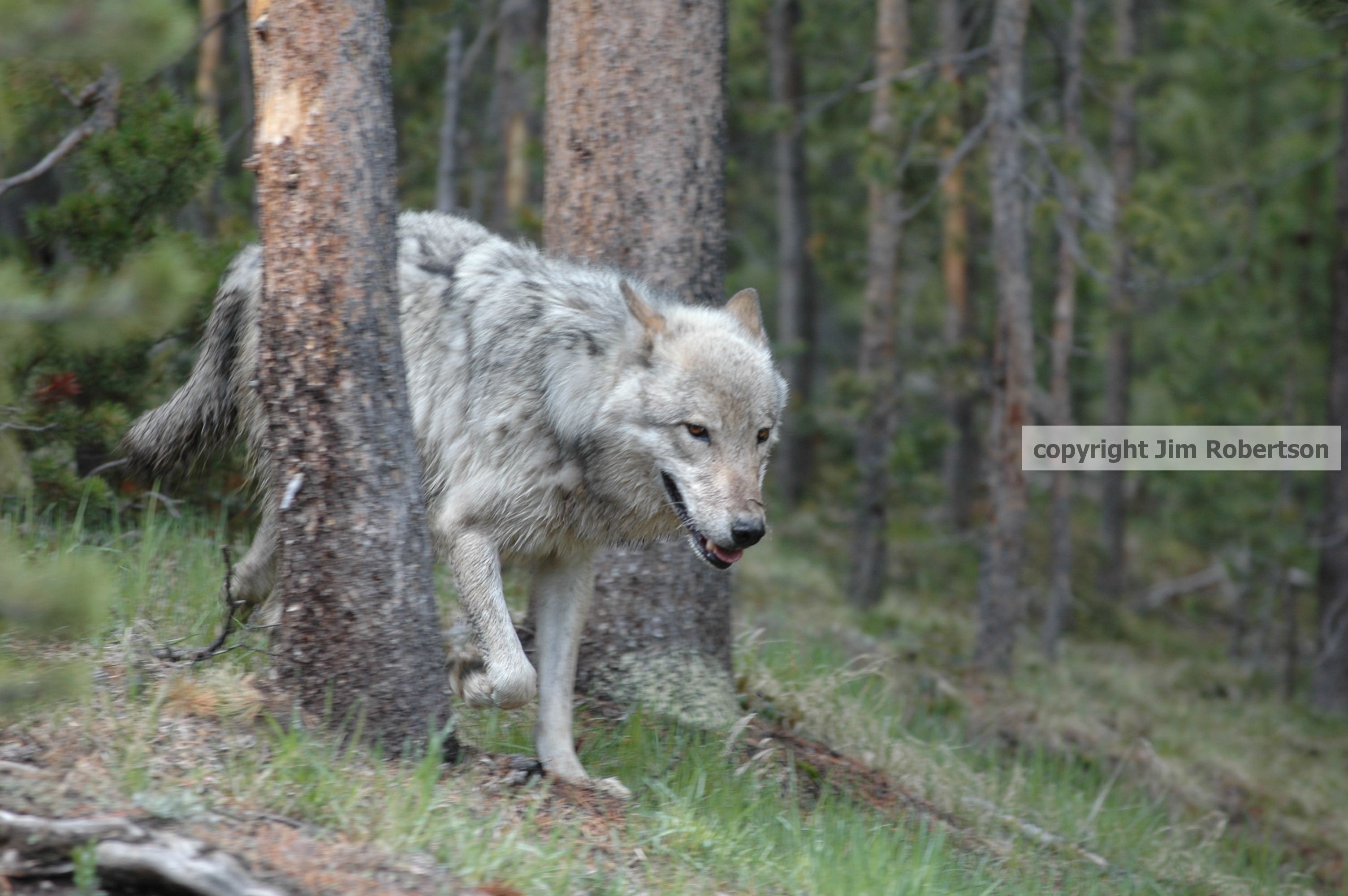
copyrighted Hayden wolf in lodgepoles

This article was sent to me with the comment:

“Bastards aerial gunned down 23 wolves those fuckers 
How is this going to end Jim
I feel so sad
And hateful.”
…To which I answered: It will end when the human race or finally grows a conscience or goes extinct , whichever comes first.

http://www.spokesman.com/blogs/outdoors/2014/feb/28/idaho-kills-23-wolves-month-lolo-zone/

by Rich

Feb. 28, 2014 3:36 p.m.                             •  12 comments

PREDATORS — Idaho Fish and Game, in cooperation with the USDA Wildlife Services, killed 23 gray wolves from a helicopter near the Idaho-Montana border during February in an effort to relieve predation on the struggling elk herds in the remote Lolo Zone.

The agency said in a just-issued media release that the wolf-control effort has been completed.

“The action is consistent with Idaho’s predation management plan for the Lolo elk zone, where predation is the major reason elk population numbers are considerably below management objectives,” the agency said in the release.

In addition to the animals killed in this control action, 17 wolves have been taken by hunters and trappers in the Lolo zone during the 2013-14 season – 7 by hunting and 10 by trapping, officials said.

The trapping season ends March 31, the hunting season ends June 30.

Fish and Game estimates there were 75 -100 wolves in the Lolo zone at the start of the 2013 hunting season with additional animals crossing back and forth between Idaho and Montana and from other Idaho elk zones.  Officials said their goal is to reduce that Lolo zone wolf population by 70 percent.

The Lolo elk population has declined from 16,000 elk in 1989 to roughly 2,100 elk in 2010, when Fish and Game last surveyed the zone.

The Lolo predation management plan is posted on the Fish and Game website.

This is the sixth agency control action taken in Lolo zone during the last four years.  A total of 25 wolves were taken in the previous five actions.

Fish and Game officials say they authorize control actions where wolves are causing conflicts with people or domestic animals, or are a significant factor in prey population declines.  Such control actions are consistent with Idaho’s 2002 Wolf Conservation and Management Plan approved by the U.S. Fish and Wildlife Service and the Idaho Legislature, they say.

More from IFG:

Fish and Game prefers to manage wolf populations using hunters and trappers and only authorizes control actions where harvest has been insufficient to meet management goals.  The Lolo zone is steep, rugged country that is difficult to access, especially in winter.

Restoring the Lolo elk population will require liberal bear, mountain lion, and wolf harvest through hunting and trapping (in the case of wolves), and control actions in addition to improving elk habitat.  The short-term goals in Fish and Game’s 2014 Elk Plan are to stabilize the elk population and begin to help it grow.

Helicopter crews are now capturing and placing radio collars on elk, moose, and wolves in the Lolo zone in order to continue monitoring to see whether prey populations increase in response to regulated wolf hunting, trapping and control actions.

How Wolves “Change Rivers”

You may have seen this already. I decided to go ahead and post this video, even though I don’t agree with everything it suggests. For instance, it states that wolves kill coyotes, implying that, as a result, there are now lots of rabbits in Yellowstone. I’ve seen many cases of wolves getting along famously with coyotes there, and yet I haven’t noticed any real increase in rabbits (which wolves would prey on themselves, if rabbits were becoming so numerous). In many ways this is an important and effective video; I’m just saying at times it’s kind of overstated .

http://newswatch.nationalgeographic.com/2014/02/16/this-will-shatter-your-view-of-apex-predators-how-wolves-change-rivers/

copyrighted-wolf-argument-settled