New Wolf Film in Production

Check out Medicine of the Wolf– a film by Julia Huffman.

https://www.kickstarter.com/projects/645287247/medicine-of-the-wolf

Needs funding to get off the ground; 25 Days to go..for the Pledge of $50.000…

Medicine of the Wolf pursues the deep intrinsic value of brother wolf and our forgotten promise to him.

“To look into the eyes of a wolf is to see your own soul.”

~ Aldo Leopold
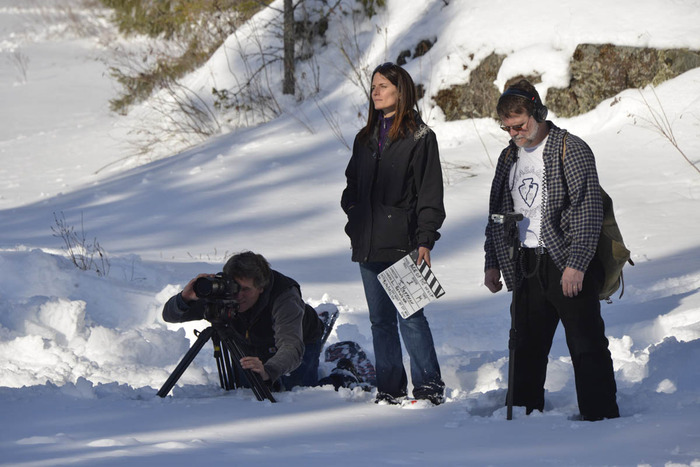
Director of Photogaphy Lawrence Schweich with Director Julia Huffman and Chris Hunter, Sound.

Filmmaker Julia Huffman travels to Minnesota and into wolf country to pursue the deep intrinsic value of brother wolf and our forgotten promise to him.

Medicine of the Wolf will take viewers on a journey to understand the powerful relationship that we have with the wolf by interviewing prominent people who represent the different levels of connection to this ancient and iconic species – from Anishinaabe creation stories that reflect our interconnectivity to all things, to a lifetime of observations of a complex and dynamic family unit, to a wolf scientist expressing his layered findings in an over 50 year study of the delicate web that wolves weave into our ecosystem.
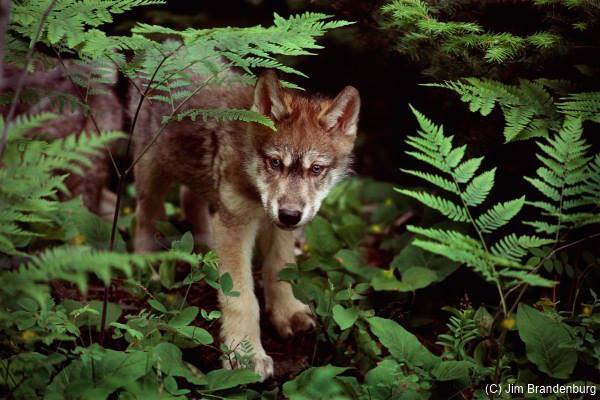
Wolf Pup Ravenwood - Photo by Jim Brandenburg
Wolf Pup Ravenwood – Photo by Jim Brandenburg

We are very honored to share that Medicine of the Wolf, our documentary examining the treatment of America’s gray wolves, has won the eighth annual Animal Content in Entertainment documentary grant offered by The Humane Society of the United States. 

“This feature-length documentary from filmmaker Julia Huffman follows the work of renowned environmentalist and National Geographic photographer Jim Brandenburg, who has studied wolves in the field for 44 years. The film explores the role wolves have played through American history, including their esteemed place in Minnesota’s Ojibwe tribe.

~ The Humane Society of the United States

TESTIMONIALS

“Medicine of the wolf will inspire us to take another look at our most important connection to the wolf and ultimately to our own souls.”

~ Brooks Fahy, Predator Defense

“A film like this could really not have come along at a more vital time for wolf conservation. Anti-wolf sentiments nearly led to the extermination of America’s wolves, and just when populations are starting to bounce back, wolves are being hunted and trapped at an alarming rate in several states as we speak, placing this iconic species in jeopardy once again.”

Colin McCormack, Manager of The Humane Society of the United State’s ACE program

“Julia’s film is profoundly moving. This is an important film that may help galvanize the hearts of many to protect this beautiful animal.”

Mark Coleman, Author, AWAKE in the WILD

“Thanks for sharing the trailer, it was Beautiful.”

Mike Phillips, Executive Director, Turner Species Fund

A HISTORY – WOLF AND MAN 

“Canis lupus, the wolf of my imagination and of the northern forest, did indeed roam Minnesota. Once the most abundant large predator on the continent, the wolf had virtually been eliminated from most places. Minnesota remained the only state among the lower 48 where a truly viable population existed.”

Jim Brandenburg, Author, BROTHER WOLF 
Weekly Wolf News

I hope all these links work for you…

Latest Posted Idaho Wolf Hunt             Kill total (current season):169
Latest Posted Idaho Wolf Trapping             Kill total: 78              Latest Posted Montana Wolf Hunt Kill Total (current season): 137              Latest Posted Montana Wolf Trapping             Kill total: 77 Wyoming Wolf Kill Total             (2014):0
Regional Total Reported Killed Since             Delisting: 1683
Pacific West
Op-ed/Letter to the Editors
National
Op-ed/Letter to Editors

Northern Rockies

Op-ed/Letter to Editors

Elsewhere and other

——- Subscription Only

By George Plaven                  EO Media Group | 0 comments
A possible new wolf pack is roaming Eastern Oregon                 after wildlife biologists confirmed finding tracks from                 five animals near Medical Springs in Union County.
The Oregon Department of Fish & Wildlife first                 documented tracks in late December, based on reports                 from a landowner in the area. Tracks were found again                 three more times last month, stretching into northern                 Baker County.
While little is known about the exact location of the                 pack, a designated Area of Known Wolf Activity was                 mapped in the southern Catherine Creek and northern                 Keating wildlife management units. Size was estimated by                 looking at the range and behavior of other packs across                 the region.
Wolf packs are typically defined as consisting of a                 male, female and their offspring. For purposes of                 monitoring, a pack can also mean four or more wolves                 traveling together over winter, and this group of wolves                 meets that definition.
ODFW will attempt to collar one of the new wolves to                 learn more about their territory and breeding status,                 said spokeswoman Michelle Dennehy. It is still too early                 to know if there is a breeding pair or pups within the                 group of five.
“There is evidence that they have used this area over                 several weeks, so we know they’re not just dispersing,”                 Dennehy said. “We don’t know much more about them yet.”
The as yet unnamed pack would be Oregon’s eighth. The                 Imnaha, Umatilla River, Wenaha, Snake River, Walla                 Walla, Minam and Mount Emily packs also inhabit the                 state’s northeast corner. Total wolf figures in 2013 are                 not yet available, though 46 were counted at the end of                 2012.
Wolves remain listed under the state Endangered Species                 Act, and are federally protected west of highways 395,                 78 and 95. Management is done by ODFW to conserve                 populations, while mitigating damage from livestock                 depredation.
No incidents of depredation have been reported with the                 new group. ODFW will work with ranchers in the area to                 let them know about rules and different preventative                 measures for minimizing wolf-livestock conflicts.
Non-lethal measures are required before ODFW will use                 lethal control against wolves. In order to count as a                 “qualifying incident,” a pack must prey on livestock                 four times within a six-month period. These incidents                 must be investigated by ODFW and be confirmed                 depredations by the agency.
Confirmed depredations only qualify toward lethal                 control if livestock producers had preventative measures                 already in place.
Once a wolf kills livestock for the first time, an Area                 of Depredating Wolves is established. At that point,                 livestock producers must use preventative measures for a                 depredation to qualify.
It is up to producers to remove, treat or dispose of                 all known and reasonably accessible attractants on the                 property, such as bone piles. Finally, ranchers must                 have in place one additional deterrent — such as fladry                 fencing or range riders — to protect livestock.
No packs have met all the lethal control criteria. Most                 recently, there was confirmed depredation of a ewe Jan.                 30 by the Imnaha Pack on Upper Prairie Creek in Wallowa                 County. A report on whether this is a “qualifying                 incident” is still pending.
Before delisting wolves, wildlife managers need to                 observe four breeding pairs for three consecutive years,                 each with two pups that survive through the end of the                 year. Oregon met that requirement for the first time in                 2012, and 2013 could mark the second time depending on                 final year-end survey results.
Additional information about wolves is available on                 ODFW’s website at www.dfw.state.or.us/wolves.
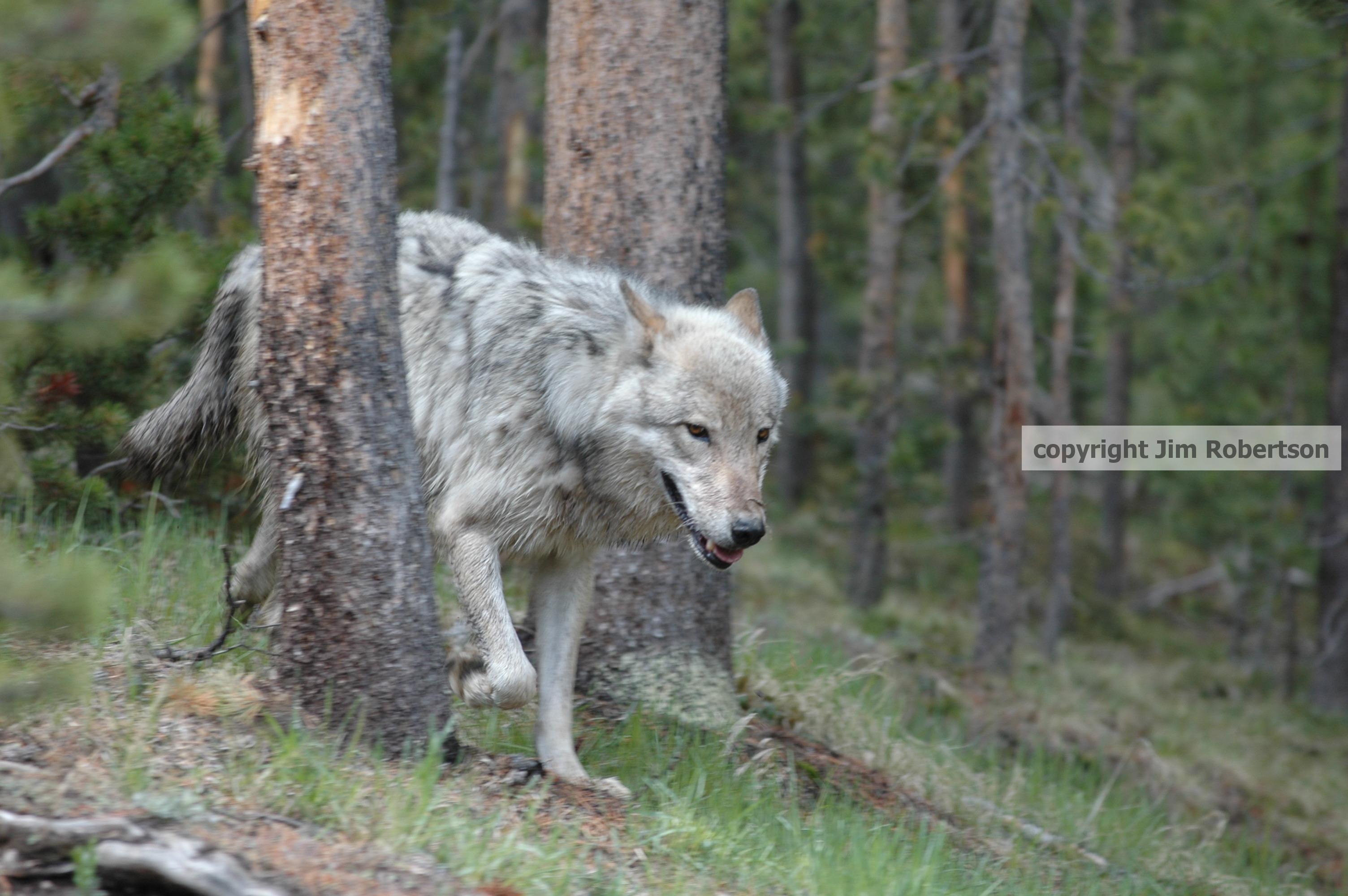
copyrighted Hayden wolf in lodgepoles

Ranchers seek to extend lethal elk removal season–right outside Yellowstone!

[This is just north of Yellowstone, where wolves should be allowed to take care of the elk “problem”…]

http://helenair.com/news/state-and-regional/ranchers-seek-to-extend-lethal-elk-removal-season/article_4ea84c0e-9548-11e3-8653-001a4bcf887a.html

BILLINGS — Cattle ranchers in the Paradise Valley asked the Fish and Wildlife Commission on Thursday to extend the season for lethal elk removals in the area to May 15 and to pay for fencing to keep elk out of feeding and calving areas.

The controversial proposals were drawn up by a subcommittee of the upper Yellowstone watershed group as a way to reduce the transmission of the disease brucellosis from infected elk to cattle during the spring, which is when brucellosis is spread through contact with aborted fetal tissue from infected animals.

Fish, Wildlife and Parks currently has a policy to pay for fencing materials to block wildlife from raiding haystacks. The fencing supplies are provided to landowners who allow public hunting.

In what has been deemed the designated surveillance area for brucellosis around Yellowstone National Park, FWP allows elk hazing and fencing to help landowners from Jan. 15 through June 15. Lethal elk removals are allowed through April 30, but the number of elk killed is limited to 10 each time. Hunters on a roster are called to remove the elk.

Defending idea

Although admitting the fencing proposal is “a little scary” because it lacks details about the type of fencing and costs, Paradise Valley rancher Druska Kinkie told the commission the finer details would be worked out by the landowner and Fish, Wildlife and Parks to address specific situations on different properties. Each project would be unique.

“The goal is not to stop elk but to get them to take a different route,” she said.

Eric Liska, the Department of Livestock’s brucellosis program veterinarian, supported the proposals, noting that landowners have only two tools to fight brucellosis infection: vaccination of their livestock, which isn’t 100 percent effective, and keeping their livestock separated from elk during the spring.

Wildlife groups opposed

The proposal immediately came under fire from people attending the meeting or listening in.

Park City resident J.W. Westman said the Laurel Rod and Gun Club was opposed to the proposals, placing the blame for spread of the disease on some ranches that provide a safe harbor for elk during the hunting season. He also pointed to the surrounding states of Idaho and Wyoming which have elk feedgrounds where disease is more easily spread as being at the root of the problem.

Kathryn QannaYahu, a Bozeman environmentalist, said such measures seem extreme and possibly expensive and said the risk of brucellosis transmission from elk to cattle is only .00024 percent.

“This is about depopulating, removing a forage competition ungulate from the landscape, sportsmen’s dollars subsidizing their socialized agriculture and game ranching,” she wrote in an email.

Working groups rapped

Others expressed concern that the group making the proposal contains no members of sporting groups, hunters or other members of the public to provide a balanced recommendation.

“These working groups have become more or less dysfunctional,” said Bill O’Connell, a Bozeman-area farmer who was once a member of a similar group in the Madison Valley.

Mark Albrecht, a Bozeman veterinarian and member of the statewide elk working group, agreed the local working groups need help. He also said that if the department decides to extend the season for lethal elk removals, an environmental assessment should be conducted. He said that without studying the issue, FWP could be promoting more elk abortions caused by stressing the animals. If that were the case, the agency would be increasing the risk of transmission by trying to remove more elk.

“Let’s not forget the science,” Albrecht said.

Public’s chance

Fish and Wildlife Commission chairman Dan Vermillion, who lives in Livingston, supported the Paradise Valley landowners for coming forth with recommendations to address the problem. He noted that some of the ranches where infection has occurred were open to public hunting, that elk numbers are within FWP’s objectives and that the elk causing problems aren’t showing up during the hunting season, but arrive in March.

But he also expressed concerns about the methods landowners proposed and the difficulty of solving an issue when Wyoming and Idaho continue to congregate elk on feedgrounds during the winter.

“It’s now time for Montanans to weigh in,” Vermillion said, noting that proposals will come before the commission again at its April 10 meeting. Comments will be taken until March 21.

“Let us know what you think, because this is huge,” he said.

Photo Copyright Jim Robertson

Photo Copyright Jim Robertson

US government could drive grey wolf to extinction

http://www.salon.com/2014/02/14/outrageous_the_u_s_may_take_the_grey_wolf_off_the_endangered_species_list_paper/

Friday, Feb 14, 2014

OnEarth About 300 wolves live in the nearly 2-million-acre swath of central Ontario forest known as Algonquin Provincial Park. These wolves are bigger and broader than coyotes, but noticeably smaller than the gray wolves of Yellowstone. So how do they fit into the wolf family tree? Scientists don’t agree on the answer—yet it could now affect the fate of every wolf in the United States.

That’s because last June, the U.S. Fish and Wildlife Service proposed removing gray wolves across most of the country from the endangered species list, a move that would leave the animals vulnerable to hunting. To support its proposal, the agency used a contested scientific paper—published, despite critical peer review, in the agency’s own journal—to argue that gray wolves never existed in the eastern United States, so they shouldn’t have been protected there in the first place.

Instead of the gray wolf, the service said, an entirely different species of wolf—the so-called “eastern wolf,” a species whose remnants perhaps survive in Algonquin Park—once inhabited the forests of eastern North America. Canid biologists have argued over the existence of this “lost species” for years. Yet researchers on all sides say that even if the Algonquin wolves are a separate species, that shouldn’t preclude continuing protections for the gray wolf.

On Friday, an independent panel of five leading geneticists and taxonomists came down hard on the agency’s proposal to delist gray wolves, unanimously concluding that the service had not relied on the “best available science.” Individual panel members described “glaring insufficiencies” in the supporting research and said the agency’s conclusions had fundamental flaws.

“What’s most significant,” says Andrew Wetzler, director of land and wildlife programs for the Natural Resources Defense Council (which publishes OnEarth), “is that this is coming from a group of eminent biologists who disagree with each other about the eastern wolf—and even so, they agree that the agency hasn’t properly understood the scientific issues at hand.”

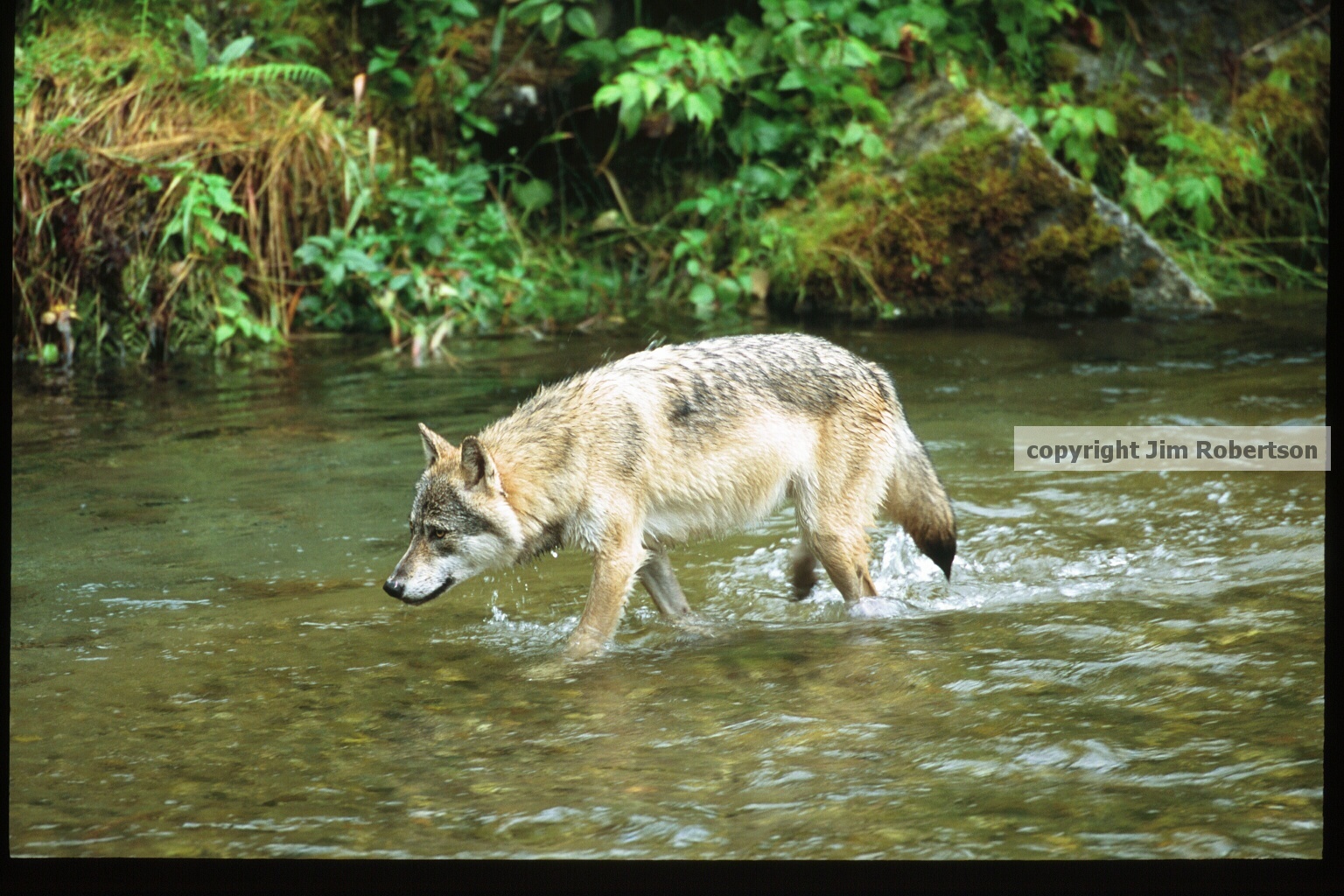
copyrighted wolf in water

Service Reopens Comment Period on Wolf Proposal

http://www.fws.gov/news/ShowNews.cfm?ID=0D493E53-AC54-99DD-52400A7BAA5A6085

February 7, 2014
Contacts: Gavin Shire, 703-346-9123 , gavin_shire@fws.gov

Independent scientific peer review report available for public review

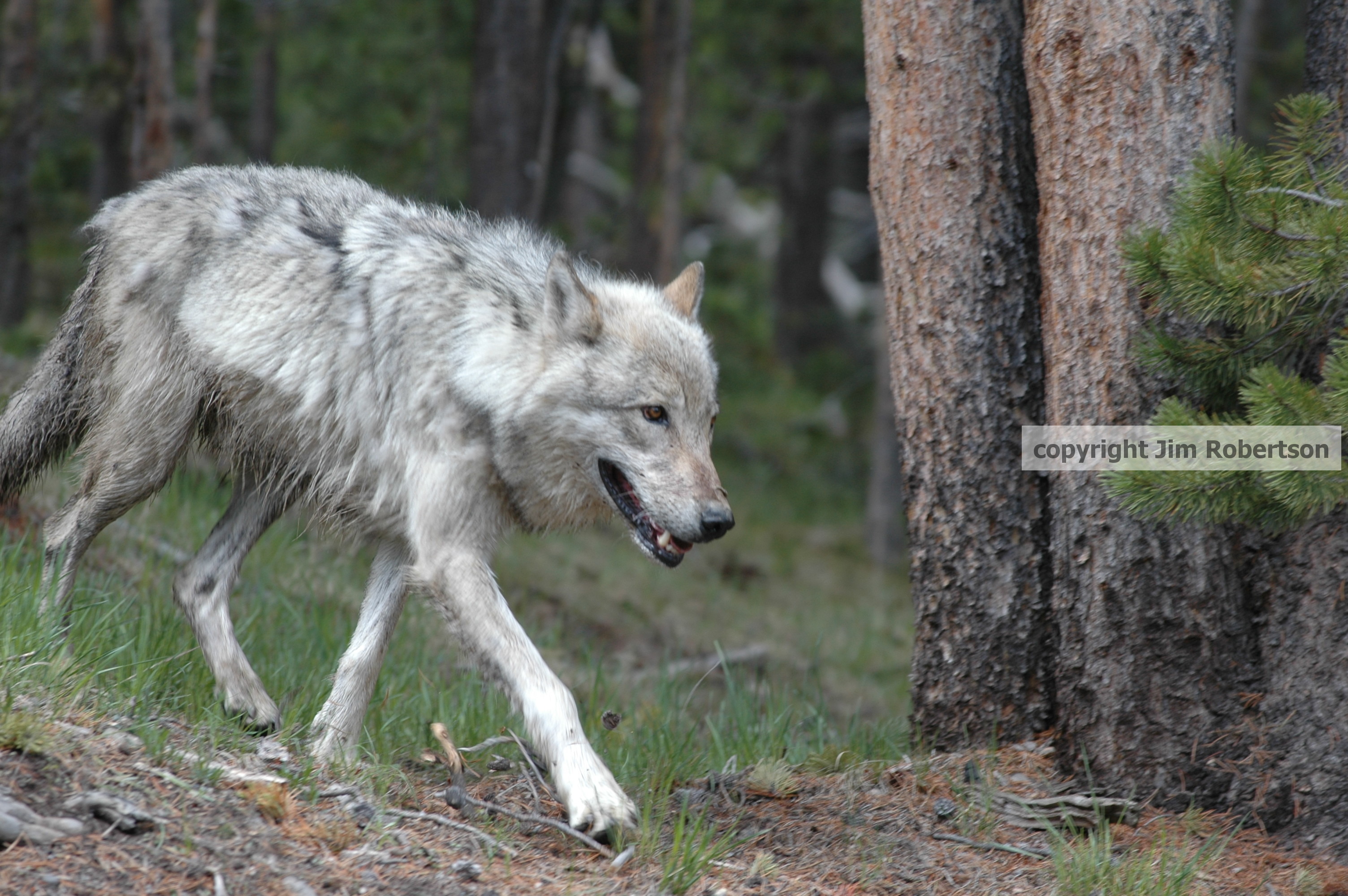
Following receipt of an independent scientific peer review, thecopyrighted Hayden wolf walking U.S. Fish and Wildlife Service is reopening the comment period on its proposal to list the Mexican wolf as an endangered subspecies and remove the gray wolf from the Endangered Species List. The Service is making that report available for public review, and beginning Monday, February 10, interested stakeholders will have an additional 45 days to provide information that may be helpful to the Service in making a final determination on the proposal.

The independent scientific peer review was hosted and managed by the National Center for Ecological Analysis and Synthesis (NCEAS), a highly respected interdisciplinary research center at the University of California – Santa Barbara. At the Service’s request, NCEAS sponsored and conducted a peer review of the science underlying the Service’s proposal.

“Peer review is an important step in our efforts to assure that the final decision on our proposal to delist the wolf is based on the best available scientific and technical information,” said Service Director Dan Ashe. “We thank the National Center for Ecological Analysis and Synthesis for conducting a transparent, objective and well-documented process. We are incorporating the peer review report into the public record for the proposed rulemaking, and accordingly, reopening the public comment period to provide the public with the opportunity for input.”

The peer review report is available online, along with instructions on how to provide comment and comprehensive links relating to the proposal, at http://www.fws.gov/home/wolfrecovery.

The Service intends that any final action resulting from this proposed rule will be based on the best available information. Comments and materials we receive, as well as some of the supporting documentation used in preparing this proposed rule, are available for public inspection at http://www.regulations.gov under the docket number FWS–HQ–ES–2013–0073.

The Service will post all comments on http://www.regulations.gov. This generally means the agency will post any personal information provided through the process. The Service is not able to accept email or faxes. Comments must be received by midnight on March 27.

The Federal Register publication of this notice will be available online Feb. 10 at http://www.fws.gov/policy/frsystem/default.cfm by clicking on the 2014 Proposed Rules under Endangered and Threatened Wildlife and Plants.

http://www.fws.gov/news/ShowNews.cfm?ID=0D493E53-AC54-99DD-52400A7BAA5A6085

The Service expects to make final determination on the proposal by the end of 2014.

The mission of the U.S. Fish and Wildlife Service is working with others to conserve, protect, and enhance fish, wildlife, plants, and their habitats for the continuing benefit of the American people. We are both a leader and trusted partner in fish and wildlife conservation, known for our scientific excellence, stewardship of lands and natural resources, dedicated professionals, and commitment to public service. For more information on our work and the people who make it happen, visit http://www.fws.gov.

Connect with our Facebook page at http://www.facebook.com/usfws, follow our tweets at twitter.com/usfwshq, watch our YouTube Channel at http://www.youtube.com/usfws and download photos from our Flickr page at http://www.flickr.com/photos/usfwshq/

Why Wolves Need ESA Protection

1509686_1453770291507881_1955386015_n

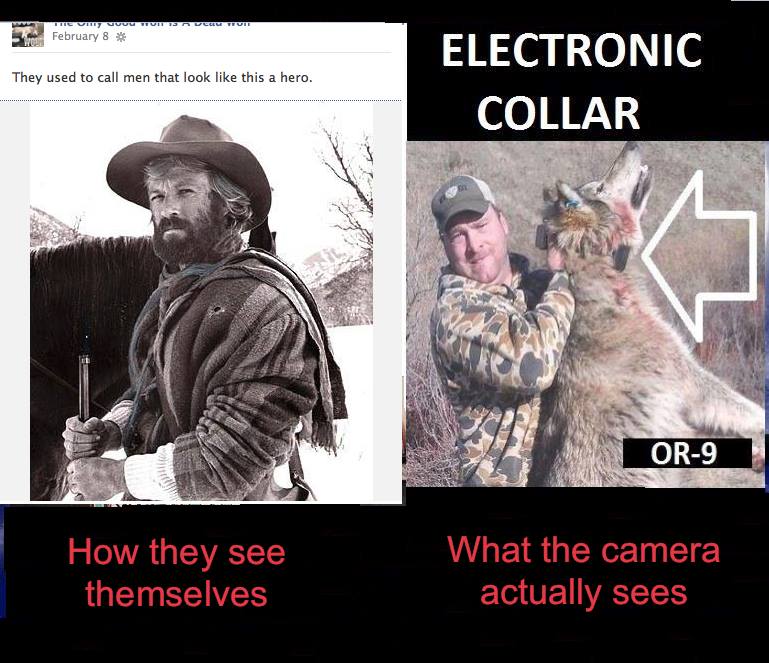
The sad story of OR9 is a prime example of why wolves need to remain on the federal Endangered Species list…

Sibling of famous OR-7 wolf killed by hunter in Idaho

Published: Friday, February 10, 2012

JOSEPH — A sibling of Oregon’s world-famous wolf OR-7 has been shot and killed in Idaho by a hunter whose wolf tag was no longer valid.

“What an amazing difference between how this wolf’s story evolved compared to his brother, OR-7, who is now in California and is an international celebrity,” said Suzanne Stone of Boise, spokeswoman for the 530,000-member Defenders of Wildlife environmental group.

The radio-collared male wolf identified as OR-9 was killed Feb. 2 near a cattle feedlot and winter calving area north of Emmett, between Boise and the Snake River, said Mike Keckler, spokesman for the Idaho Department of Fish and Game.

Like his famous brother, OR-9 was born into the Imnaha pack near the northeastern Oregon town of Joseph. He was collared Feb. 26, 2011, in the Grouse Creek area east of Joseph when he was about 1 1/2 years old and weighed 90 pounds then.

OR-9 departed Oregon in July two months before OR-7 began his epic 730-mile trek to Crater Lake and south into California earlier this winter. OR-9 headed east, swam the Snake River into Idaho at Brownlee Reservoir and traveled south toward Emmett.

His travel destination turned out to be dangerous. Unlike the Joseph area, where gray wolves are protected under Oregon’s Endangered Species Act, Idaho’s wolves are classified as big game animals and subject to regulated hunting rules.
More…http://www.oregonlive.com/pacific-northwest-news/index.ssf/2012/02/sibling_of_famous_or-7_wolf_ki.html

From Defenders of Wildlife:
You didn’t support it. We didn’t support it. Now it’s been shown that the best available science doesn’t support the plan to delist nearly all gray wolves in the Lower 48 either.

ACT NOW: Demand that Secretary Jewell abandon this reckless delisting proposal and allow for the full recovery of gray wolves!

An independent peer review board, commissioned to assess the quality and adequacy of the science underlying the U.S. Fish and Wildlife’s (FWS) delisting plan for gray wolves, just released their unanimous decision: that the proposal to strip gray wolves of Endangered Species Act Protection is not based on the best available science and contains numerous omissions and errors.

This is a major development in our efforts to stop this irresponsible proposal from going through.

Please speak out! Urge Secretary Jewell to direct the Fish and Wildlife Service to withdraw this proposal immediately!

Now that it’s been confirmed that this proposed delisting is clearly not based on the best available science, we are left wondering why FWS wants to turn its back on wolves.

In states like Idaho, we continue to see what happens when wolves are prematurely stripped of federal protection and left to be managed by states with deadly anti-wolf agenda’s – just recently they announced a proposal to kill off as many as 450 wolves statewide!

Wolves now serve as a scapegoat for anti-government extremists with a political agenda – and these groups will spare no expense to try and derail wolf conservation in America. We simply can’t allow politics and private interests to trump science – it’s irresponsible and unacceptable.

The Time to be Bold is Now

copyrighted wolf in river

The Time to be Bold is Now

By Brett Haverstick On February 8, 2014

Over the years, I have come to realize that the current wildlife management model in America, at the federal level, and particularly, the state level, is broken. The system is such, in which, politics trumps the best-available science, the special interest-minority overwhelms the democratic-majority and the almighty dollar is more powerful than ethics, heritage and legacy. Can this be found throughout the American political landscape? Of course, the answer is yes. But when applied to the current wolf slaughter taking place in the West, and in the Great Lakes, it fits perfectly. In fact, it embodies it.

During my brief time working in the conservation community, I have sadly concluded that both grassroots and national conservation groups, and every-day citizens, are limited to the degree, in which, they can enforce public lands laws, ensure that the best-available science is used and entrust that public sentiment is reflected in wildlife policy and management decisions. Recent examples of this include–with all, unfortunately, taking place in Idaho–are the Wolf-Coyote Derby in Salmon, the killing of two wolf packs in the Frank-Church River of No Return Wilderness by a 21st Century bounty hunter and the efforts of Governor C.L. “Butch” Otter to launch a predominantly tax-payer funded, $2-million dollar independent wolf control board to wipe out another 500-grey wolves. If this were to occur, wolves would be reduced to the bare-minimum of 150-wolves in Idaho (federally mandated), would not be able to fulfill their ecological niche, and most importantly, could be on the precipice of yet, another extinction.

The conservation community, and the American people at-large, is now approaching the crossroads. Do we continue to take the band-aid approach (attending public meetings, issuing action alerts, circulating petitions, and filing appeals/lawsuits) or do we step out-of-the-box and confront the root causes of the problem? While some may respectfully disagree with me, or question the feasibility of such a challenge, I advocate for the latter.

So what solutions do I offer? The 5 Keys to Reforming Wildlife Management in America, are as follows:
1.Restructuring the way state Fish & Game departments operate. Politics: western governors appoint agency commissioners, which essentially, tell the state departments what to do. This is cronyism at its worst. Economics: state departments are mostly funded by the sale of hunting/fishing tags or permits. These agencies are bound into serving the interest of “sportsmen” because it’s the hand that feeds them. Modern funding mechanisms, the application of best-available science and genuine public involvement are sorely lacking in these institutions and it must be addressed. Another option would be to empower the federal government to manage wildlife on federal public lands.
2.Removing grazing from all federal public lands. The “management” or “control” of native wildlife to benefit the livestock industry is ground zero. It is also well documented the damage that grazing causes when livestock infests wildlands. Livestock are non-native and largely responsible for soil compaction, a decrease in water retention and aquifer recharge, erosion, destruction of wetlands and riparian areas, flooding and a net-loss of biodiversity. Grazing enables invasive plant species to proliferate, which greatly affects the West’s historic fire regime.
3.Abolishing Wildlife Services. Hidden within the US Department of Agriculture, is a rogue agency that is essentially the wildlife killing-arm of the federal government. For over 100-years, this federal tax-payer supported agency has largely worked on behalf of the livestock industry and is responsible for the death of tens-of millions of native wildlife. Methods of killing include trapping, poisoning and aerial gunning. Conservation efforts are currently culminating into a potential Congressional investigation of this corrupt agency.
4.Banning trapping/snaring on all federal public lands. We must evolve as a society and move away from this barbaric, unethical, cruel and tortuous method(s) of killing native wildlife. Leg-hold traps, conibear traps and other devices are indiscriminate killers. Over the past couple years, there has been an increase in the number of dogs caught/killed by traps when recreating with their owners on public lands. When is an adult or child going to step into a leg-hold or body-gripping trap? Some states currently require individuals to check their traps every 72-hours, while other states only recommend that trappers check them, at all.
5.No killing of predators, except for extreme circumstances. For example, an aggressive and/or habituated bear may need to be killed after non-lethal measures have failed. Otherwise, non-lethal measures should be implemented in rare instances where there are actual human/predator conflicts. The best available science suggests that predators, including wolves, are a self-regulating species. In other words, predators don’t overpopulate. Instead, their populations naturally fluctuate, as do prey or ungulate populations. We need to better understand and embrace the trophic cascade effect predators have within ecosystems.

How do we take that ever-so-important first step, you may ask? We embark on this journey, together, on June 28 – 29, 2014 at Arch Park in Gardiner, Montana.

Speak for Wolves: Yellowstone 2014 is an opportunity for the American people to unite and demand wildlife management reform. It’s about taking a critical step towards stopping the grey wolf slaughter. It’s about hope, our collective-future and restoring our national heritage and legacy. The weekend-long event is family friendly and will feature prominent speakers, live music, education and outreach booths, children’s activities, food and drink vendors, video production crews and the screening of wildlife documentaries.

On June 28-29, 2014, Americans from all walks-of-life will converge at Arch Park in Gardiner, Montana to tell the government we need to reform wildlife management, at both the state and federal level. With your support and participation, this will be the event of the year in the northern Rockies. Together, we can make history and embark on restoring our wild national heritage. The time to be bold is now.

Meanwhile in CA, Gray wolf doesn’t warrant endangered status, official says

http://www.sfgate.com/bayarea/article/Gray-wolf-doesn-t-warrant-endangered-status-5208673.php

by Melody Gutierrez Wednesday, February 5, 2014copyrighted wolf in water

Sacramento —

The gray wolf should not be listed as an endangered species in California, according to staff at the state Department of Fish and Wildlife, much to the chagrin of wildlife conservation advocates who petitioned for the designation.

Following a yearlong review, the department’s director, Chuck Bonham, told the California Fish and Game Commission on Wednesday that there is scientific evidence to support some protections for the gray wolf, but not for listing the animal on the endangered species list. The commission will consider his recommendation and may act on it this spring.

“Look, this decision has been weighing on me for weeks,” Bonham said. “It’s possible I may lose friends over this, which is why I ask everyone to read the documents before passing judgment.”

The recommendation was in response to a petition filed by conservationists in 2012 seeking protections for the species after a gray wolf from Oregon, known as OR-7, entered California. It was the first wild gray wolf in the state in almost 90 years. The wolf has since gone back to Oregon but has made some short excursions to the Golden State.

Bonham said his department’s recommendation is to designate the gray wolf as a species of special concern, prohibit the killing of OR-7 or other gray wolves and consider recommendations for placing the gray wolf on the state’s endangered species list at a later date.

Bonham said the recommendation documents will be posted on the department’s website by Thursday. Bonham’s announcement comes as the U.S. Fish and Wildlife Service proposed removing the gray wolf from the federal list of threatened and endangered species.

Nearly all of the public comments at Wednesday’s meeting in Sacramento on the gray wolf petition favored listing the animal as endangered.

“Wolves deserve a chance to recover in California, so it’s disappointing to see the Department of Fish and Wildlife’s recommendation against protections,” said Amaroq Weiss, West Coast wolf organizer at the Center for Biological Diversity, one of the groups that petitioned the state to have the gray wolf listed as an endangered.

In other developments at the Fish and Game Commission meeting, commissioners agreed to take up a possible ban on killing contests, a response to a controversial annual coyote killing contest held in Modoc County.

The annual event, scheduled for this weekend, triggered outrage last year after Project Coyote and several other conservation groups started a statewide campaign to stop the killings.

Camilla Fox, executive director of Project Coyote, said wildlife killing contests are more common than the public realizes. Organizers of the event have attempted to hide the contest from public view due to criticism and media attention.

One supporter of the event, Perry St. John, said the coyote hunt is held this time of year to help reduce the coyote population before spring calf births.

“It’s not killing for fun,” St. John told the commission during public comments. “It’s a chance for people to come together.”

NPR: MT Ranchers Learn to Tolerates Wolves

Gray wolves are a controversial and polarizing animal in much of the American West. Wolves have slowly come back from extinction, forcing people to learn how to coexist with the cunning predator. One farmer is teaching his cattle to huddle together as bison do when threatened — there is safety in numbers.

SCOTT SIMON, HOST:

Efforts to remove the gray wolf from the endangered species list across most of the lower 48 states hit a hurdle yesterday. A U.S. Fish and Wildlife Service panel said the scientific research is insufficient to make a decision. The ruling disappointed those who see wolves as cunning predators who threaten their livestock. NPR’s Nathan Rott spent several weeks in Montana, a state where wolves are no longer on the list, talking to people there about the troubled relations between the two species.

And while he encountered a lot of polarization, he also found there are people trying to seek ways that humans and wolves can coexist.

Transcript continues here: http://www.npr.org/2014/02/08/273577607/montana-ranchers-learn-ways-to-live-with-wolves

528624c939a88_preview-620

A Federal Reprieve for Wolves

WASHINGTON — The Obama administration backed away — for now — from its plan to lift federal protections for gray wolves throughout the continental United States after an independent report on Friday faulted the science behind the proposal.

The study by the National Center for Ecological Analysis and Synthesis found that U.S. Fish & Wildlife Service’s proposal to delist the animal from the Endangered Species Act is “not well supported by the available science,” according to a statement from the University of California-Santa Barbara, which houses the center.

The proposal “was strongly dependent on a single publication, which was found to be preliminary and not widely accepted by the scientific community,” according to the statement.
The authors — who at the administration’s request did a peer review of the science behind the wolf plan — said additional research is needed before the administration can decide whether to delist the species or keep it on Endangered Species Act.

The Fish & Wildlife Service turned to the California center for an objective scientific analysis after encountering a barrage of criticism from conservationists and scientists whose research was used in writing new wolf rules. The government had no role in picking the scientists who did the study.

In response to the findings, the Fish & Wildlife Service decided to once again seek public input before issuing final wolf rules. The previous public comment period ended in December and the administration planned to issue a final rule this year.

Reopening public comments is a sign that the administration is rethinking its position.

“Peer review is an important step in our efforts to assure that the final decision on our proposal to delist the wolf is based on the best available scientific and technical information,” Fish & Wildlife Director Dan Ashe said in a statement. “We are incorporating the peer review report into the public record for the proposed rulemaking, and accordingly, reopening the public comment period.”

copyrighted Hayden wolf in lodgepoles