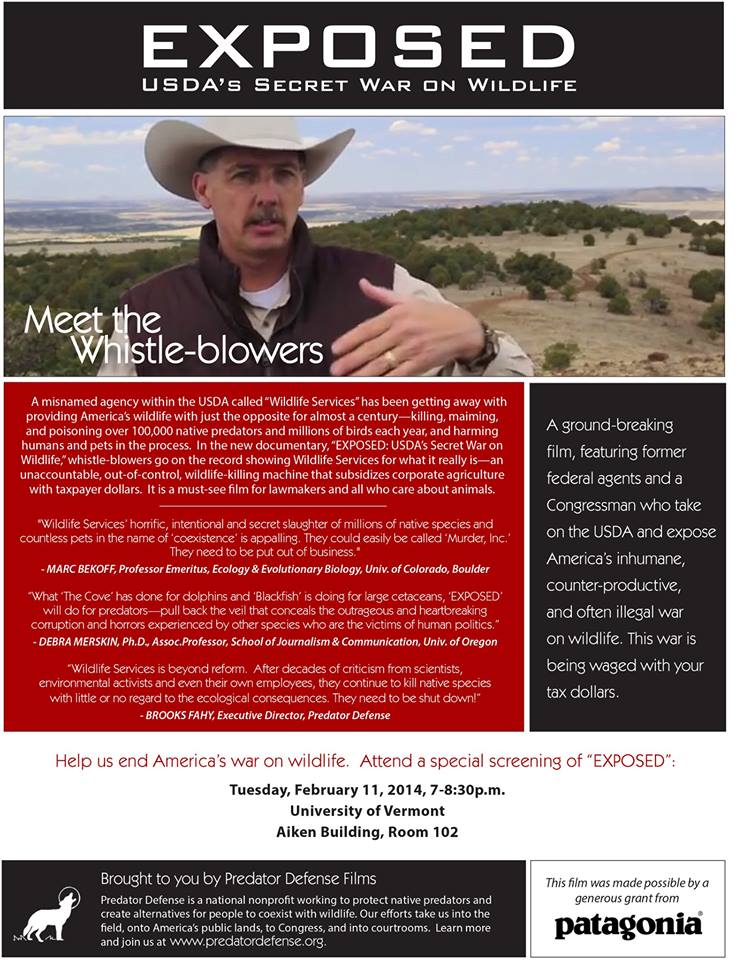
Eposed Special Screening
Image
2

How much higher is the deer kill from human hunting than the other four causes?
Answer: More than four times higher than any other source. In fact, human hunting was responsible for about twice as much deer mortality in northern Wisconsin than the other four causes combined.
The rates of mortality were human hunting 43%, starvation 9%, coyote 7%, wolf 6% and roadkill 6%.
If you added poaching (8%) the human kill gets even more significant…
Full Story:
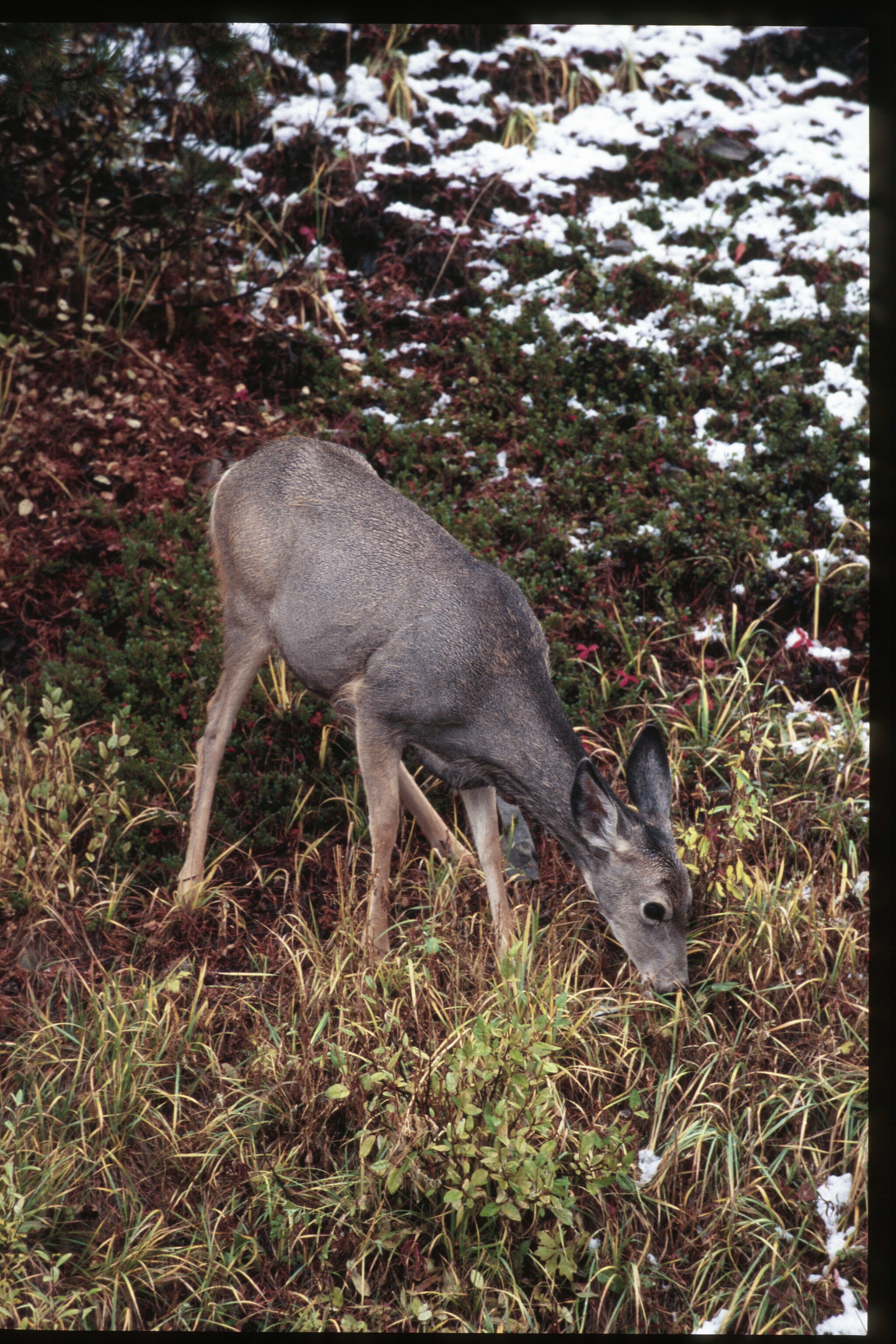
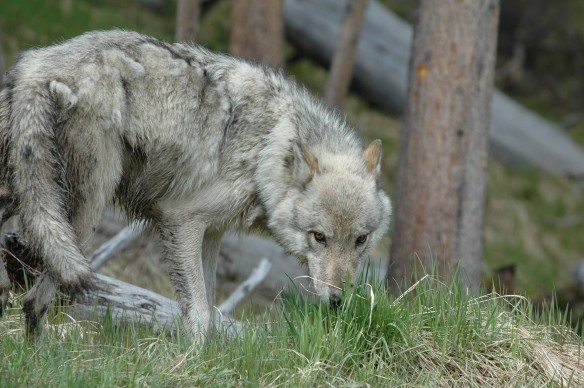
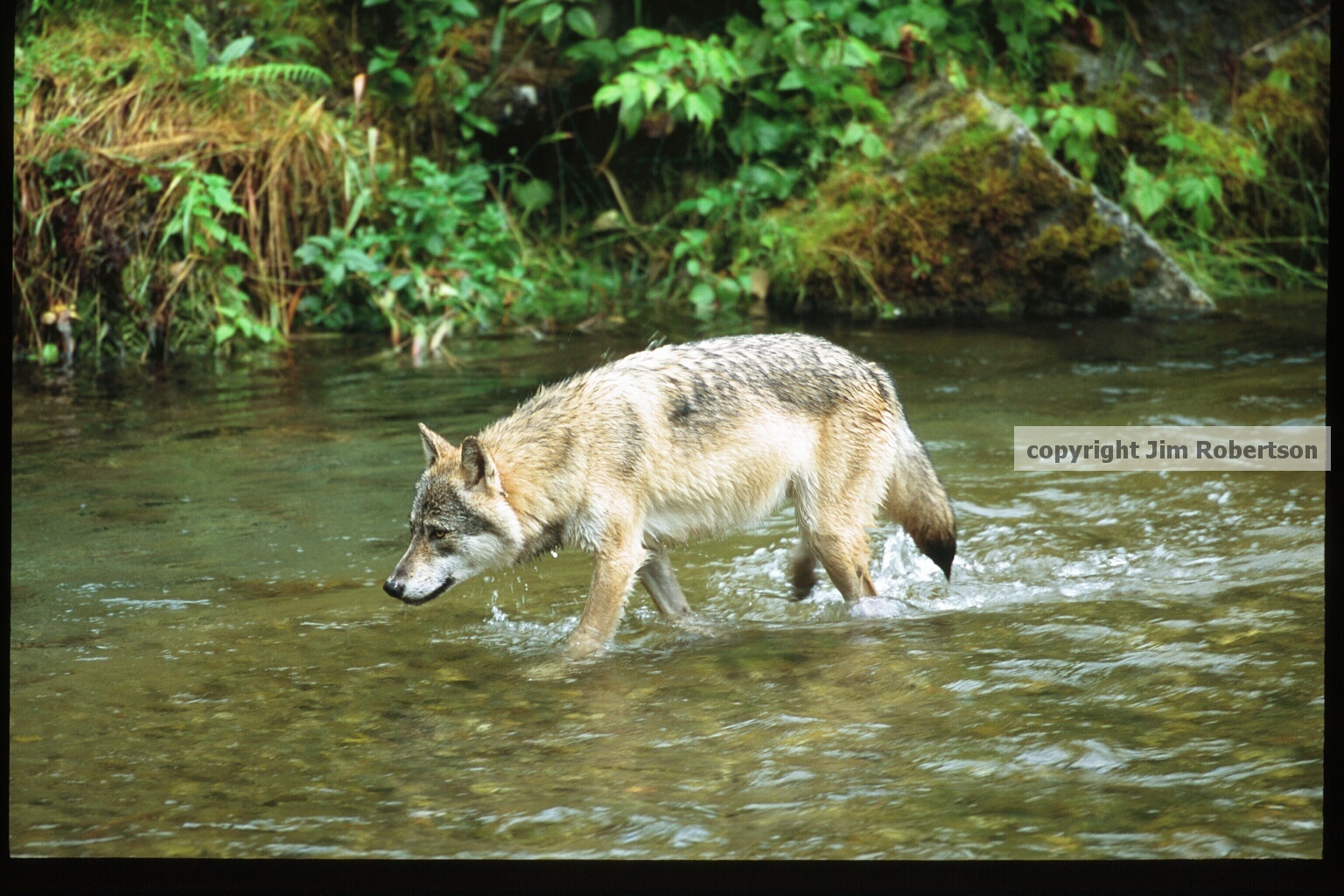
Photo Copyright Jim Robertson
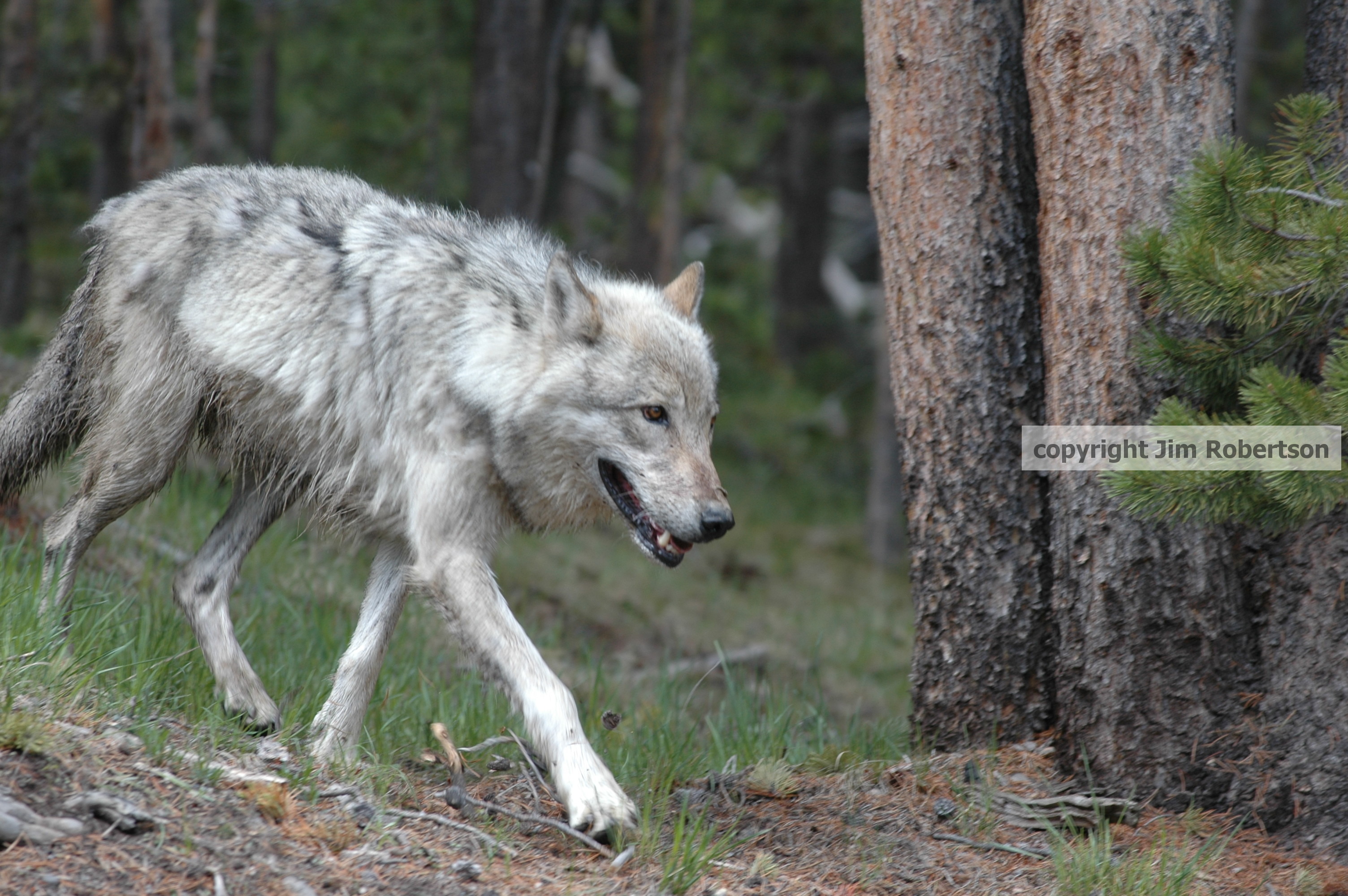
Text and Wildlife Photography ©Jim Robertson, 2014. All Rights Reserved
Killing a wolf is a crime against nature—and the motive depends on the kind of perpetrator. To a trophy hunter, a dead wolf is something to mount on a wall and brag about. By literally possessing the animal, they can relive their kill over and over, remorselessly boosting their flagging self-esteem every time they vacuously gaze at their victim’s lifeless body. For a fur trapper, a dead wolf is just a hide and a chance to play modern-day frontiersman. Although there’s no real frontier left, they consciously choose to revive a bloody, destructive lifestyle—partly for money, but mostly for a sense of identity.
But to a “wolfer,” the kind of person whose central preoccupation is hiring on to rid an area of each and every last wolf he can, a prime sense of greed is the motivating factor.
Sure, a guy like that, such as the wolfer contracted by the Idaho Department of Fish and Game to snuff out the Golden Creek and Monumental Creek packs in Idaho’s Frank Church Wilderness Area, must get an ego boost from being known as a “professional” wolf killer. He no doubt experiences some kind of perverse thrill every time he finds an animal desperately trying to free him-or-herself from one of his leg crushing traps. And he probably even gets off on hearing that his actions are upsetting a lot of empathetic wolf advocates who desperately want him to stop his atrocities. But the main reason the wolfer does the job he does is greed, pure and simple: a selfish lust for power, control and of course, money.
That may not seem like a lot to accuse him of in a country built on the spoils of selfishness and greed. Yes, he is surely evil incarnate, soulless and sick to the core, but as long as someone is paying him to “get the job done”… And who the hell pressed the state into hiring a hit man to eliminate established packs, tormenting individual wolves and disrupting nature’s time-tested order? Ask the Idaho trophy elk hunting syndicate.*
The wolves in the Frank Church Wilderness area weren’t after anyone’s cows or frightening school kids at bus stops, they were just doing what comes naturally to wolves. Killing off apex predators to make it easier for sport hunters has got to be the height of human arrogance.
________________________________
*syn-di-cate (noun) 5) an association of gangsters that controls an area of organized crime
[This answers the question, “How many are left?”]
by Associated Press, January 29th 2014
KETCHUM, Idaho — A professional hunter has been called out of a federal wilderness in central Idaho because he succeeded in killing all the wolves in two packs, a state agency spokesman said.
Idaho Department of Fish and Game spokesman Mike Keckler tells the Idaho Mountain Express in a story on Wednesday that the hunter killed eight wolves with traps and a ninth by hunting.
Gus Thoreson of Salmon started hunting and trapping in the Frank Church River of No Return Wilderness in mid-December as part of a state plan to eliminate wolves to boost elk numbers. The state agency had planned to keep Thoreson hunting through the winter.
“He had been pretty effective early on, but it had been two weeks since he had taken any wolves, so we decided there was no reason to keep him in the area any longer,” Keckler said.
Keckler said the average size of a wolf pack in Idaho is five wolves, so the agency determined it had reached its goal of eliminating the Golden Creek and Monumental Creek packs. Officials announced Monday that Thoreson was coming out.
Fish and Game Director Virgil Moore’s acknowledgement that Thoreson’s hunt relied on the use of the U.S. Forest Service’s backcountry airstrips and cabin had prompted strong emotions, including from wolf advocates who sued in federal court to force him to quit.
Defenders of Wildlife, Western Watersheds Project and Wilderness Watch filed the lawsuit Jan. 6 asking the judge to stop the plan immediately to give the case time to work through the courts. The environmental groups were joined by Ralph Maughan, a former Idaho State University professor, conservationist and long-time wolf recovery advocate from Pocatello.
They lost their initial bid on Jan. 17 when a federal judge rejected their request for a temporary restraining order. The conservation groups argued that Thoreson’s activities violated the 1964 Wilderness Act and other federal acts.
The groups had appealed that decision to the 9th U.S. Circuit Court of Appeals when the state agency announced the hunter was being pulled out.
“I am happy that the Idaho Department of Fish and Game has relented, but it is unfortunate that so many wolves have been taken in this senseless plan to manhandle wildlife in an area that Congress recognized as a wilderness,” said Ken Cole, National Environmental Policy Act coordinator at the Boise office of Western Watersheds Project.
Wolves were reintroduced to Idaho in the mid-1990s and have since flourished in backcountry regions, including the Frank Church wilderness.
Last year, state game managers estimated Idaho’s wolf population at 683, an 11 percent drop from 2012. The highest total was in 2009, when it estimated 859 wolves were in the state.
___
Information from: Idaho Mountain Express, http://www.mtexpress.com
[Drop those champagne glasses, Idaho doesn’t deserve praise just yet. Although an Idaho judge decided to halt the slaughter of two packs in the Frank Church wilderness area, some of their lawmakers won’t be satisfied until they’ve killed most of the wolves in the rest of the state!!]…
http://www.nbcmontana.com/news/lawmakers-2m-aimed-to-kill-more-than-500-wolves/24142924
BOISE, Idaho –
Republicans promoting Gov. C.L. “Butch” Otter’s proposed $2 million fund to kill wolves say they hope the cash helps eliminate more than 500 of the predators in Idaho, reducing numbers to 150 animals in 15 packs.
Rep. Marc Gibbs of Grace and Sen. Bert Brackett of Rogerson Monday told the House Resources and Conservation Committee the cash set aside with Otter’s proposal will bolster Idaho’s predator arsenal.
Idaho now has about 680 wolves, according to state Department of Fish and Game estimates.
Brackett says the priority is to keep wolves delisted, even with these proposed killings.
He said provided Idaho still has 150 wolves – the minimum required in a 2002 plan approved by the Idaho Legislature – “we’ll have a defensible line of defense” against renewed federal protections.
|
Earthjustice went to court to stop Idaho from exterminating the Golden and Monumental wolf packs in central Idaho’s Frank Church—River of No Return Wilderness.
And we won! The Idaho Department of Fish and Game announced that it is halting its wolf extermination program as of today.
This will stop the wolf killings and restore the natural balance between predator and prey in the Idaho wilderness area.
|
||||
|
By Mike Koshmrl Daily | Posted: Friday, January Jackson Hole 24, 2014 12:15 am
Even though hundreds of Wyoming wolves having been killed over the years during hunting seasons and for attacking livestock, until Monday not a single one had ever been purposely killed in Grand Teton National Park.
But that’s about all one can learn about the wolf that was shot in the park four days ago. Virtually no information is being made available about the animal that was shot and killed on private land within Grand Teton.
“Since present-day Grand Teton National Park was created in 1950, this is the first intentional killing of a gray wolf,” Grand Teton spokeswoman Jackie Skaggs said.
What is known, according to a statement the park issued the next day, is that the wolf was 2 years old, was not wearing a radio collar and was accompanied by three to four pack mates.
After firing the lethal shot Monday morning, someone notified the Wyoming Game and Fish Department and Grand Teton rangers at 10:30 a.m. that day.
Pending completion of the investigation, no other details are available, Skaggs said.
“We’re hoping to have a determination relatively soon,” she said.
Neither outfitters nor conservationists nor residents of Moran, Kelly and the Pacific Creek subdivision phoned by the Jackson Hole Daily had heard any other details about the incident.
Skaggs said she was not allowed to confirm if the lobo had been shot in defense of pets or property. The Wyoming Game and Fish Department, which is conducting a concurrent investigation, was also unable to release details.
“This falls under that state statute we have,” Game and Fish spokesman Mark Gocke said. He was referring to a law that prohibits the release of information related to wolf hunting.
“We did go out and investigate it and through our investigation determined it falls within that statute,” Gocke said. “At that point I can’t speak to it any more.”
In full the statute states: “Any information regarding the number or nature of legally taken within the state of Wyoming shall only be released in its aggregate form and no information of a private or confidential nature shall be released
without the written consent of the person to whom the information may refer. Information identifying any person legally taking a wolf within this state is solely for the use of the department or appropriate offices and is not a
public record.”
Wolf hunting is never legal in Grand Teton National Park, including inside privately owned inholdings, Skaggs said.

DRAFT Management Plan for Humans (Homo sapiens) in British Columbia
By Ken S. Lupus et al., B.C. Ministry of Wild Wolves
(EXECUTIVE SUMMARY)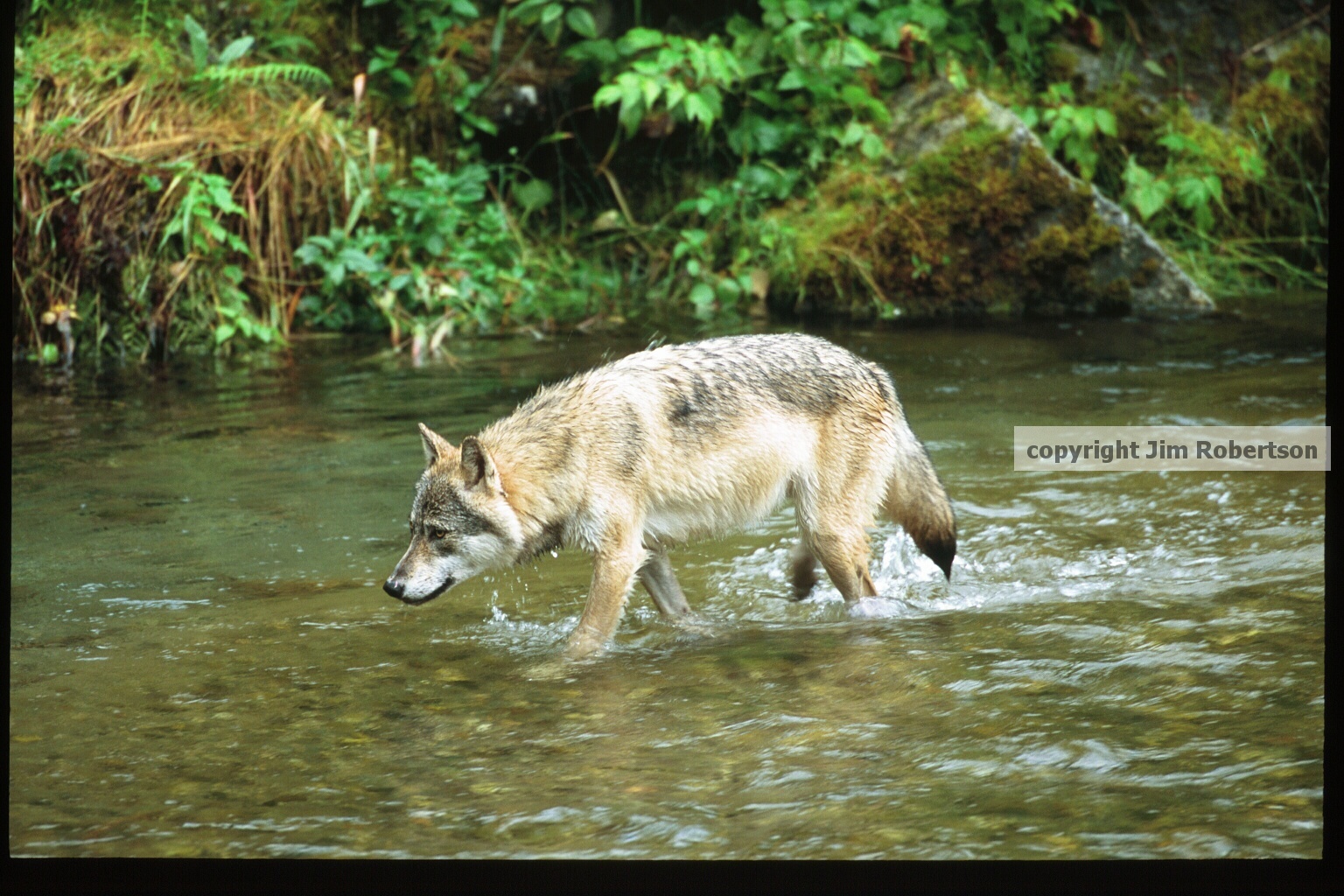
We model the structure of our plan after the B.C. government’s “Draft Management Plan For The Grey Wolf In British Columbia.” Although our plans are fundamentally different in how we decide to treat one another, we similarly assert that this document is premised on the best available scientific information. (Note: we consulted with Raincoast biologists and
large carnivore experts Drs. Chris Darimont and Paul Paquet).
Notably, however, our management plan for humans draws upon an additional and important dimension that shapes policy in advanced civilizations: commonly held ethical values.
As the province did, we begin with some straightforward conservation context. Based on their rapidly increasing numbers and range, humans have been categorized as not at risk by the Lupine Committee of Categorizing Other Animals We Have Never Harmed. We note, however, on the other hand-
and despite thousands of management plans by humans -global biodiversity is severely threatened as a result of human activities.
According to information shared by human sources, Homo sapiens play a very important role in maintaining so-called “game” populations, raising livestock among us wolves in formerly wild landscapes, and saving animals like caribou from rapid extinction due to resource extraction activities. On the other hand, some hunters, livestock groups and government-industrial complexes behind these ostensibly noble acts also comprise a significant threat to wolf safety and welfare. Accordingly, our plan must strike a balance to manage humans for conservation while minimizing conflicts with wolves.
We likewise adopt the same four management objectives stated by our simian colleagues, though with modified details. Topping this list is to ensure a self-sustaining population of humans throughout the species’ range. We suppose that we will have to accept this inevitability. We suspect, however, that this spells trouble for us. If human behaviour remains unaltered – and caribou continue to dwindle and ranchers continue to believe that some god created landscapes with only their cows in mind – we expect a future of increasing conflicts.
Our plan’s second objective is to provide for non-consumptive use of humans. Why not? No harm in setting up some eco-tourism by us wolves to partake in some human-watching. We need not look further than Yellowstone National Park, and Algonquin Park to know that humans can make a mint with sustainable wolf-based eco-tourism.
Unlike the province’s anachronistic seat-of-the pants wolf management plan, however, which was designed by more wanton predators, we have no plans for so-called “consumptive” use of humans. Although humans would be easy pickings, we are just not known to do this. And really, why would anyone kill something for any other reason than to eat?
For sport or for trophy? No thanks. Surely no advanced society would ever condone or endorse that sort of behaviour. Nor
would any real hunter. That just leaves a bad taste in our mouths (and to put how awful that is in perspective, we often eat poop).
Perhaps the most important part of our “Draft Management Plan For Humans In British Columbia” is to minimize the threat to wolf safety caused by humans. Whereas wolves pose a very limited threat to humans, the opposite is certainly not true. For instance, the B.C. government says that approximately 1,200 of us wolves were killed deliberately in 2010 by hunters and trappers for sport, trophy or profit.
While human “wildlife managers” are quick to point out that we wolves can replenish our numbers, even amidst such persecution, our concern is the suffering imposed on us. Imagine the pain when the hot metal of bullets shreds our viscera (or worse, our limbs) or the agony inflicted when one of
us is tormented by a leg-hold trap. Clearly, any management plan should address suffering among highly sentient animals.
Unfortunately, our plan to minimize threats to wolf safety has no details. Given all the technological advantages humans have acquired to use against wolves like high-powered rifles, helicopters, deadly poisons, traps, snares and explosive devices, predator calls to lure us and more, they simply have
the upper hand.
Finally, and again mirroring the B.C. government’s wolf management plan, our fourth objective is to control specific populations of humans where their activities are likely preventing the recovery of a species at risk (e.g.,
endangered populations of caribou). Whereas humans have hatched some vicious scapegoating campaigns and lethal plans for us as last ditch efforts to save caribou from logging or oil and gas extraction, we have yet to find successful methods to control these industries. We therefore appeal to our human friends within B.C. for help.
To conclude, we turn to history to muse about the future. It has taken decades to expunge, in part, the nonsense about wolves portrayed in human generated fairy tales (and not just children’s stories, but also adult constructs such as the perversely and ironically named “North American Model of Wildlife Conservation”). How many more decades will it take to do the same in provincial management plans for wolves?
This article was co-authored with Raincoast Conservation Foundation science director Dr. Chris Darimont and Raincoast senior scientist Dr. Paul Paquet.
Here is part of an article entitled “Tough on Wolves” in Spokane’s Inlander: http://www.inlander.com/spokane/tough-on-wolves/Content?oid=2256023
If the education budget is in JFAC’s custody and Medicaid expansion is off the table, what hot topics will the legislators address? My prediction: Guns and wolves will attract a fair amount of attention.
According to the Fish and Game Department, Idaho now has around 680 wolves throughout the state. In 2009, wolf hunting became legal, and the governor announced he wanted to shoot the first one.
Idaho and its predators caught the attention of the New York Times this past December, when a planned coyote and wolf shoot-to-kill derby was scheduled in Salmon. Organizers offered $2,000 to the participants who killed the most animals. The event fell flat when no wolves and only 21 coyotes were bagged by the 230 registered contestants.
Not everyone is happy with Governor Otter’s $2 million budget request to establish a special wolf control board, separate from the Department of Fish and Game. “Control” is another word for “kill.” I, for one, would rather put the $2 million in the public school pot.
The Fish and Game Commission is already actively “controlling” wolves by hiring a lone gunman to eliminate wolves in the 2,367-acre Frank Church River of No Return Wilderness. The Idaho Conservation League has been remarkably tolerant on the wolf issue. But recently its Executive Director Rick Johnson asked, ” If they can’t live in the backcountry, where can they live?”
When 35 gray wolves were released in central Idaho in 1995, schoolchildren gave them names and followed their radio-relayed paths through the wilderness. As they thrived, their names disappeared and the wolves became numbers. As they multiplied, they became pests. Wolves, like coyotes, have always been pests to Idaho ranchers — and to the Idaho legislature.
It’s refreshing to learn about Oregon’s approach to a burgeoning wolf population. Oregon has developed a policy that calls for sheep and cattle outfits to use nonlethal methods to prevent wolves from snatching baby animals, especially lambs. These include simple measures such as keeping herds away from known wolf dens, employing loud noise alarms and scare devices, enlisting protective dogs and human herders, constructing barriers and building fences. Such items add costs but also avoid conflicts.
Consumers could be wooed to pay a little bit more for lambs raised in a certified, nonlethal-to-wolves environment.
The questions the reintroduction of wolves into Idaho has presented are worth pondering. Do we believe game hunting should include animals that we don’t plan to eat? Is there room in our hearts, minds and geographical space for predators other than our own species?
http://www.idahostatesman.com/2014/01/16/2976203/with-9-wolves-now-dead-fish-and.html#storylink=cpy
by Rocky Barker
Stabe Hedges of Boise spoke quietly before a crowd of 150 people and the Idaho Fish and Game Commission on Wednesday.
But he spoke for hunters across Idaho who no longer find it relatively easy to find elk in the place where they have hunted since their youth.
“I know what we used to have here and I know what was lost,” Hedges said.
As Hedges looked around the room, most of the people were there to protest Fish and Game’s elk management plan authorizing the agency to hire a hunter-trapper to eliminate two packs of six wolves in the Frank Church-River of No Return Wilderness. John Robison, public land director of the Idaho Conservation League, asked the people filling the Washington Group Center auditorium for a show of hands for people angry about the killing.
The majority raised their hands.
“Its upsetting to me that so many people support an animal that has decimated the state,” Hedges said.
Despite the great differences in opinions, hunters and animal lovers passionately expressed their feelings about wolves and elk but also listened to each other. The hearing was a far cry from the angry confrontations that have marked past hearings on wolves in Idaho and perhaps reflected the shift since the animal was removed from federal protection and opened to hunting.
“Restoration must include predator harvest on a consistent basis as research indicates that wolf populations can withstand human-caused mortality of 30 to 50 percent without experiencing declines in abundance,” said Grant Simonds, executive director of the Idaho Outfitters and Guides Association.
Boise resident Pam Marcum told the commission to “please have some grit to cancel the wolf eradication.”
And Jen Pierce, a geology professor at Boise State University, read a statement from 15 scientists, including professors at the University of Idaho and Idaho State University, protesting the killing.
“We feel your decision to hire a professional hunter to exterminate two wolf packs in the Frank Church Wilderness does not demonstrate informed management, both economically and ecologically, and contradicts the mission statement of the Idaho Fish and Game,” Pierce said. “Sending in the hunter-trapper prior to the IDFG state elk management meeting on January 16th is also perplexing.”
So far the agency’s hunter-trapper has killed nine wolves in the wilderness area, said Jon Rachael, Fish and Game’s big game manager.
Read more here: http://www.idahostatesman.com/2014/01/16/2976203/with-9-wolves-now-dead-fish-and.html#storylink=cpy

 Exposing the Big Game