Ranchers Insistence On Cheap Grazing Keeps Wolf Population In The Crosshairs

http://www.forbes.com/sites/jamesmcwilliams/2013/11/05/ranchers-insistence-on-cheap-grazing-keeps-wolf-population-in-the-crosshairs/

by James McWilliams

If the October headlines were any indication, the quickest way for a wolf to make the news is to get shot. The Jackson Hole News and Guide reported the story of a Wyoming hunter who bagged a wolf, strapped him atop his SUV, and paraded his trophy through Town Square. A Montana landowner shot what he thought was a wolf (it turned out to be a dog hybrid) amid concerns that the beast was harassing house cats. The Ecologist speculated that hunters were chasing wolves from Oregon, where hunting them is illegal, into Idaho, where it’s not, before delivering fatal doses of “lead poisoning.”

Predictably, these cases raise the hackles of animal right advocates and conservationists alike. Both groups typically view hunting wolves as a fundamental threat to a wolf population that, after a history of near extermination, is struggling to survive reintegration into the Northern Rockies. According to Michael Robinson, a conservation advocate with the Center for Biological Diversity, “Hunting is now taking a significant toll on wolf populations.”

While the anger directed toward irresponsible wolf hunters makes perfect sense, it should not obscure the essential reason for the wolf wars in the first place: livestock. Michael Wise, a history professor at the University of North Texas and the author of a forthcoming book on wolves on the Canadian border, says that “The challenge of wolf recovery is reintegrating the animals within a region that was transformed by industrial agriculture during the carnivore’s sixty-year absence.” Protecting migration corridors, expanding habitats, and fostering genetic diversity are integral to this goal. But, as Wise notes, “Opposing the wolf hunts does not address these larger issues.”

Understanding what would address these larger issues requires momentarily looking backward. Historically speaking, wolves got the shaft. When Lewis and Clark explored the American west at the dawn of the nineteenth century, thousands of wolves thrived across the Northern Rockies. Lewis admiringly called them “the shepherds of the buffalo.”

But the systemic destruction and commodification of their natural prey–including the buffalo, deer, elk, antelope, and bighorn sheep–as well as the subsequent replacement of wild animals with domesticated livestock, effectively transformed wolves–who wasted no time attacking helpless livestock–from innocent wildlife into guilty predators. Federally sponsored extermination programs–which included the U.S. Bureau of Biological Survey (later the U.S. Fish and Wildlife Service) hiring hunters to kill wolves en masse–succeeded so well that wolf numbers dropped to virtually nil by 1930. In such ways was the West won. (A similar battle continues, to an extent, in the attempt to remove wild horses today).

Six decades later, buffeted by the Endangered Species Act of 1973 and the emergence of a modern environmental movement, conservationists were working diligently to restore wolves to their former climes. But the livestock industry had, throughout the century, radically altered the old terrain, not to mention the rules governing it. Twentieth-century grazing practices denatured the wolf’s traditional habitat, reducing the landscape to ruins while securing ranchers’ presumed right to continue exploiting the wild west for tame animals. Michael Robinson, noting that the process of land degradation began in the nineteenth century, puts it this way: ”the west was picked clean of anything of value.”

Cattle had indeed wrecked havoc. They destroyed watersheds, trampled riparian vegetation, and turned grasslands to hardpan, triggering severe erosion. To top it off, the livestock industry spent the twentieth century securing cheap access to public lands through thousands of grazing permits now granted by the Bureau of Land Management and the U.S. Forest Service. Today, ranchers enjoy tax-supported access to 270 million acres of public land. Seventy-three percent of publicly-owned land in the west is currently grazed by privately owned livestock. Some of that grazing might be done responsibly. Most of it, according to the BLM itself, is definitely not.

No matter what the quality of prevailing grazing practices, one thing remains the same as it did a century ago: ranchers have a clear incentive to kill wolves. As environmental groups worked to form a united front in support of wolf reintegration in the mid-1990s, anti-wolf advocates articulated their opinions with vicious clarity. Hank Fischer, author of Wolf Wars and an advocate of wolf reintroduction, recalled the arguments he confronted as he pushed the pro-wolf agenda in Montana. “The Wolf is the Saddam Hussein of the Animal World,” read the placard of one protester. “How Would You Like to Have Your Ass Eaten by a Wolf?,” asked another.

Politically sanctioned release of pent-up vituperation against wolves came in 2012. It was then when gray wolves were completely removed from endangered species lists. Hunting season commenced with a bang in Idaho, Montana, and Wyoming. Recreational hunters and ranchers–not to mention the federal Wildlife Services–have since shot hundreds of wolves that ostensibly posed a threat to livestock. At times, such as last week, hunts have evinced grotesque, vigilante-like displays. According to James William Gibson, writing in The Earth Island Journal, “The Northern Rockies have become an unsupervised playpen for reactionaries to act out warrior fantasies against demonic wolves, coastal elites, and idiotic environmentalists.”

Fortunately, as the debate over wolf hunting rages, cooler heads are trying to prevail. Camilla Fox , Executive Director of Project Coyote, an organization dedicated to the peaceful coexistence of humans and animals, advocates policies that promote, in her words, “predator conservation and stewardship.”

Working closely with ranchers, she encourages them to have “tolerance and acceptance of wolves on the landscape.” She highlights several non-lethal methods of management, including using guard animals (such as Great Pyrenees and llamas) to deter wolves and coyotes from attacking livestock, better fencing, range-riders, fladry (flags that whip and flap in the wind), and grazing allotment buyouts, a solution that allows private parties to pay ranchers to relinquish their grazing permits. Project Coyote’s work has already had a dramatically successful impact on resolving conflicts between sheep owners and coyotes in Marin County, California.

Whatever techniques are eventually used to keep wolves off the headlines and in the wilderness, critics of wolf hunting should not lose sight of the fact that, while hunters are an easy (and perhaps legitimate) target for their ire, a lead poisoned wolf in 2013 is ultimately the victim of a century of disastrous decisions regarding land use–specifically, the use of livestock on the landscape. Eliminating grazing permits for western cattle ranchers would negatively impact no more than 10 percent of the beef industry in the United States. Ten percent! Seems a modest tonnage of flesh to sacrifice in order to save a species that symbolizes the beautiful essence of a landscape we have lost.

As Camilla Fox notes, “they do a lot better when we leave them alone.”

copyrighted Hayden wolf in lodgepoles

Plan to Delist Wolves Endangers Other Species

http://phys.org/news/2013-12-delist-gray-wolf-endangers-threatened.html

Plan to delist gray wolf endangers other threatened species, researchers find

3 hours ago by Emily Caldwell

The federal government’s proposal to discontinue protection for the gray wolf across the United States could have the unintended consequence of endangering other species, researchers say.

As written, scientists assert, the proposed rule would set a precedent allowing the U.S. Fish and Wildlife Service (FWS) to declare habitat unsuitable for an endangered animal because a threat exists on the land – the exact opposite of the service’s mandate to impose regulations that reduce threats against imperiled species.

The FWS has “conflated threats with habitat suitability” by stating that U.S. land currently unoccupied by wolves – most of the country that historically served as wolf habitat – is now unsuitable because humans living in those regions won’t tolerate the animals, the lead scientist said. This claim runs counter to existing research, which the service did not cite in its explanation of the rule.

“The Fish and Wildlife Service is supposed to detail what the threats are and if they’re substantial enough, they’re supposed to list a species and put in place policies to mitigate the threats,” said Jeremy Bruskotter, associate professor in The Ohio State University’s School of Environment and Natural Resources and lead author of the paper.

“Here, they’re saying that they recognize the threat of human intolerance and instead of mitigating the threat, they’re just going to say the land is unsuitable.”

Were this rule to stand, he said, “Anytime the U.S. Fish and Wildlife Service finds that something is in the way of a species’ recovery, they can just say the habitat is unsuitable for the species and disregard the threat altogether.”

FWS proposed removing the gray wolf (Canis lupus) from the list of threatened and endangered species in June. The rule covers most of the continental United States where wolves historically existed, before being exterminated by people in the late 19th and early 20th centuries. Public comments closed Dec. 17, and will be analyzed and considered before the service issues a final rule.

The critique is published online in the journal Conservation Letters.

Congress passed the Endangered Species Act in 1973. The act expanded on previous legislation by providing for the protection of any species in danger of or threatened with extinction throughout all or a significant portion of its range.

528624c939a88_preview-620

Back to the Dark Ages: What’s Next, Bald Eagle Blasting?

The New York Times’ editorial, “Wolf Haters” (December 29, 2013), brought up two prime examples of how anti-wolf fanatics in states like Idaho are trying to drag us back to the dark ages of centuries past, when predators were hunted and trapped to extinction by ignorant people claiming all of nature’s bounty for themselves.

Most Americans nowadays understand natural processes well enough to know that apex species, like wolves, will find equilibrium with their prey if given a chance. Perhaps the only ones who won’t accept that fact are trophy hunters who still claim the elk in Idaho’s wilderness areas as a commodity exclusively for them. It goes beyond the absurd that the US Forest Service would permit a state game department to bring in a bounty hunter because the land is too rugged for the average wolf hunter. To me that seems like the perfect kind of place for predator and prey to return to some semblance of the order that existed before the spread of Manifest Destiny.

I’m sure the enlightened lawmakers who crafted the Endangered Species Act (exactly 40 years ago) never imagined recovering species would be used as targets for some hair-brained “hunters’ rights” groups’ “derby hunt,” as is going on in Salmon, Idaho. Yet this brand of disregard is not without precedence—endangered prairie dogs are routinely targeted by “shooting sports” enthusiasts across the West. What’s next—contest hunts on Yellowstone Bison reminiscent of Buffalo Bill’s reckless era? Or, perhaps a Sunday afternoon of blasting bald eagles?


Text and Wildlife Photography ©Jim Robertson, 2013. All Rights Reserved

Text and Wildlife Photography ©Jim Robertson, 2013. All Rights Reserved

2013 Wolf Issues

December 29, 2013 in Outdoors

2013 outdoors: Wolf issues
Rich Landers The Spokesman-Review

The gray wolf, reintroduced to the Rockies in the mid-1990s, continued to leave its mark across the Northwest in 2013 and into the legislatures. Here are some highlights.

• Idaho and Montana report significantly lower numbers of wolves for the first time since reintroduction, owing to hunting, trapping and wildlife control. But wildlife officials say wolf numbers are still too high.

• Washington estimates up to 100 wolves in the state, double the estimate in 2012.

• The cost of managing wolves in Washington, where they are still protected, is likely to increase by more than 200 percent from the past two years to about $2.3 million in 2013-14, wildlife managers say.

• Wolf hunting and trapping become issues of national attention as a wolf hunter shoots and kills a malamute romping with its owner while cross country skiing near Lolo Pass; a Sandpoint woman’s dog is caught in a snare set along a closed forest road, and a central Idaho predator hunting derby becomes the first modern contest to target wolves in the lower 48.

• Hunting authorized outside of Yellowstone Park results in the killing of wolves popular with tourists as well as radio-collared wolves vital to research.

• The U.S. Fish and Wildlife Service proposes to drop endangered species protections for the gray wolf in most of the country.

• Pro-wolf groups submit a million comments in December to the FWS favoring continued federal protection.

• Washington legislation makes it legal to kill wolves threatening pets and livestock, provides state wildlife managers more resources to prevent wolf-livestock conflict and expands criteria to compensate livestock owners for wolf-related losses.

• Idaho hires a hunter to eliminate two wolf packs in the Frank Church River of No Return Wilderness to take the pressure off collapsing elk herds.

• Michigan becomes sixth state with a wolf hunting season.

528624c939a88_preview-620

Salmon residents receive death threats over wolf derby

http://www.localnews8.com/news/salmon-residents-receive-death-threats-over-wolfhunting-contest/-/308662/23616330/-/lin9re/-/index.html

SALMON, Idaho –

Ask any of the people in Salmon and they’ll tell you there’s nothing they like more than a good hunt.

“It is really a way of life,” said Salmon resident Billijo Beck.

But lately that way of life has come under scrutiny after a local outfitter announced a wolf derby in which hunters will be given cash prizes for killing wolves.

Several in the town of 3,000 say they’ve received threatening e-mails and Facebook messages from all over the world.

“There was one that they were gonna hang our entire family by a noose,” recalls Jen Larson, who says she began receiving threats after she and her husband’s diner, the Savage Grill, became a derby sponsor.

“Wanted to burn the business down with us in it. Make sure we were in it,” said Dave Larson.

“Some rock and a flaming arrow needs to fly through that sign,” reads one message, referring to the Savage Grill’s Native American logo.

Another reads, “Sick [expletives] like you need to be removed from the planet. I hope a pack of wolves eviscerates you and leaves your worthless carcass to die slowly, painfully and alone.”

We tracked down one of the people behind one of the threats—a man living in Canada who identified himself as a Native American elder but wouldn’t give his name.

He insists he didn’t cross any line by sending the messages.

“They’re beautiful and you can’t eat the meat. Why do they want to shoot them?” he asked.

But hunters say they’re doing nothing wrong.

“If you look up the definition of murder, it’s defined in human terms. Not in animal terms,” said Beck.

They say the wolf derby will continue despite the negative response.

“It’s mostly out-of-state people who don’t have a clue what we do here or how we live here,” said Dave Larson.

The Lemhi County Sheriff’s Office would not confirm whether they’re investigating the threats.

The wolf derby will take place Dec. 28 and Dec. 29 in Salmon.

Copyright 2013 NPG of Idaho.

copyrighted Hayden wolf in lodgepoles

Conservationists Sue to Stop Wolf and Coyote Killing Contest on Public Lands

copyrighted Hayden wolf walking

By Ken Cole On December 23, 2013 · 19 Comments · In Coyotes, Forest Service, Idaho, Idaho Wolves, Press Release, Public Lands, Western Watersheds Project, Wolf Hunt, Wolves
… .

For Immediate Release: December 23, 2013

Conservationists Sue to Stop Wolf and Coyote Killing Contest on Public Lands

Groups Challenge Federal Agency’s Failure to Regulate Highly Controversial Contest

Pocatello, ID – Today a coalition of conservation organizations sued the U.S. Forest Service for failure to require permits and environmental impacts analysis for the advertised “Coyote and Wolf Derby” in Salmon, Idaho, December 28 and 29. The lawsuit seeks an order requiring the agency inform the killing contest sponsors and participants that shooting wolves and coyotes on public lands as part of the contest is illegal without the required environmental analyses and permits.

“Killing contests that perpetuate false stereotypes about key species like wolves and coyotes that play essential roles in healthy ecosystems have no place on public lands.” Said Bethany Cotton, wildlife program director at WildEarth Guardians. “The Forest Service is abdicating its responsibilities as steward of our public lands. We are asking the agency to comply with the law: require a permit application and do the necessary environmental analysis, including providing a public comment process, to ensure our public lands and wildlife are protected.”

The killing contest is charging an entry fee, advertising prizes for the largest wolf and the most coyote carcasses, among other award categories, and specifically offering opportunities for children as young as 10 to kill for prizes. Commercial activities like the killing contest are prohibited on public lands without a special use permit. An application for a special use permit triggers application of the National Environmental Policy Act. Highly controversial activities are exempted from fast track permitting. In contrast to the Forest Service, the Bureau of Land Management (BLM) informed the killing contest sponsors that a special use permit is required. To date, BLM has not received an application. Hunting on BLM administered public lands as part of the killing contest is therefore illegal.

“Predator killing contests have no place in the 21st Century,” said Camilla Fox, founder and executive director of Project Coyote. “Killing coyotes and wolves for fun and prizes is ethically repugnant, morally bankrupt, and ecologically indefensible. Such contests demean the immense ecological and economic value of predators, perpetuating a culture of violence and sending a message to children that life has little value.”

Lynne Stone, director of the Boulder-White Clouds Council, who has lived and worked in central Idaho for over three decades, said, “killing contests like this have no place in a civilized society and are an embarrassment to our state. Shame on the agencies for allowing these events on our public lands. It’s no wonder so many people view Idaho as like something out of Deliverance.”

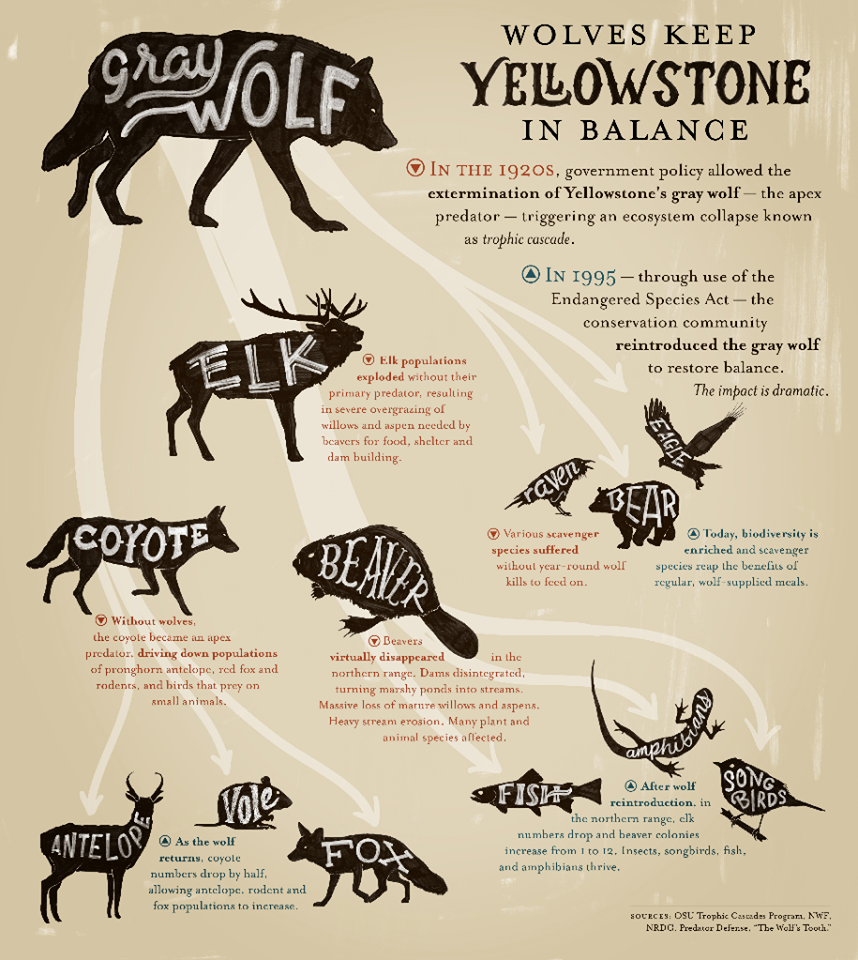
Since 2011 when Congress stripped Endangered Species Act protections from gray wolves in Idaho, the state has allowed nearly half of Idaho’s wolf population to be hunted and trapped each year. Since 2011, nearly 1,000 wolves have died at the hands of hunters and trappers. Science shows that wolves play a key role as apex carnivores, providing ecological benefits that cascade through an ecosystem. Wolves bring elk and deer populations into balance, allowing riparian vegetation to regrow, in turn creating habitat for songbirds and beavers and shade for fish.

“That the US Forest Service allows a commercial event that glorifies the killing of wildlife for killing’s sake without a special use permit on public lands is unconscionable.” Said Ken Cole, NEPA coordinator for the Western Watersheds Project.

Coyotes, like wolves, serve a valuable ecological function by helping to control rodent populations and to maintain ecological integrity and species diversity. Unlike wolves, coyotes quickly rebound when they are killed indiscriminately. Coyotes have no protection under Idaho state law.

“Such killing contests reveal a larger flaw in our nation’s wildlife management strategies where predators continue to be treated as vermin, including by those very state agencies responsible for their management,” explains DJ Schubert, wildlife biologist at the Animal Welfare Institute. “The scientific reality is that predators are immensely important members of any healthy ecosystem and their ecological role should be celebrated, not condemned.”

The organizations are represented by WildEarth Guardians Senior Attorney Sarah McMillan and the Law Office of Dana Johnson.

WildEarth Guardians envisions a world where wildlife and wild places are respected and valued and our world is sustainable for all beings. We work to protect and restore wildlife, wild places, and wild rivers in the American West. Visit http://www.wildearthguardians.org to learn more.

Project Coyote (ProjectCoyote.org) is a national non-profit organization promoting compassionate conservation and coexistence between people and wildlife through education, science, and advocacy. Join our community on Facebook and Twitter.

Boulder-White Clouds Council has worked for over two decades to protect and defend wild lands and wildlife in Idaho’s upper Salmon River Country. Our website has extensive information and rare photos of Idaho’s gray wolves: http://www.wildwhiteclouds.org.

Animal Welfare Institute is a national non-profit charitable organization founded in 1951 and dedicated to reducing animal suffering caused by people. AWI engages policymakers, scientists, industry, and the public to achieve better treatment of animals everywhere—in the laboratory, on the farm, in commerce, at home, and in the wild. For more information, visit http://www.awionline.org.

Western Watersheds Project is a regional non-profit conservation group that works to influence and improve public lands and wildlife management throughout the West with a primary focus on the negative impacts of livestock grazing on 250,000,000 acres of western public lands. http://www.westernwatersheds.org

Stop Idaho’s Cruel Wolf and Coyote Derby

First, here’s an article on the subject:

Wednesday, December 18, 2013 12:15 am

Shoot biggest wolf, win trophy and cash

The New West / By Todd Wilkinson   Jackson Hole News&Guide

Idaho guide and outfitter Shane McAfee appears to have a pretty good business deal that private land competitors do not enjoy. He makes his living by selling clients the opportunity to hunt public wildlife on federal public land.

For $7,150, a big game enthusiast can buy a five-day “elk, mule deer, black bear, wolf combo” package from Castle Creek Outfitters, which operates under a special use permit with the Salmon-Challis National Forest.

Despite the heated rhetoric swirling around his hometown of Salmon, Idaho, declaring that wolves have devastated the hunting, McAfee offers this website guarantee:

“If for any reason you don’t harvest a mature six-point bull on your hunt with us, we will discount a return trip for you to do so.” The hunting is so good that, unlike other outfitters, Castle Creek tells clients not to kill five-point bull elk because they’re the seed stock for next season.

Ever an innovator, McAfee is organizing an event in time for this holiday season between Christmas and New Year’s. He and others are hosting a predator-shooting competition in Salmon billed as fun and wholesome entertainment for the entire family.

McAfee’s “Coyote and Wolf Derby” is awarding trophies and cash prizes to those who bag the most coyotes and kill the biggest lobo.

Some of the shooting will be conducted as teams in which adults are paired with kids as young as 10.

“It’s my [11-year-old] daughter’s first big adventure and she thinks it’s awesome,” Barbara Soper told a reporter for Reuters.

“Shooting contests conducted in the name of killing animals for fun, money and prizes is just not consistent with the values of most people in the modern world,” Schoen says.

and here’s something you can do: http://action.biologicaldiversity.org/p/dia/action3/common/public/?action_KEY=14795

Since they were stripped of federal protection in Idaho, 859 wolves have been killed in the state. But Idaho wants to take its slaughter one gruesome step further: The state is planning cruel contest hunts sending hired killers into our public lands to gun down wolves.

This despicable wolf and coyote “derby” is planned for Dec. 28 and 29 — and it’s actually partly aimed at children. There will be cash prizes, and trophies will be awarded for the largest wolf caught and the most coyotes killed.

Wolves were nearly eradicated in the lower 48 states by government-hired killers. After nearly 40 years of work to restore these beautiful animals to the American landscape, Idaho wants to hold its cruel, throwback killing contest and send a gunman to mow down two entire wolf packs.

Wolves and coyotes evolved over millions of years to create balance with prey animals like elk and deer. Healthy ecosystems need these magnificent creatures.

Please take action now to urge Idaho agency heads, elected officials and business leaders to cease their barbaric treatment of wolves and coyotes: http://action.biologicaldiversity.org/p/dia/action3/common/public/?action_KEY=14795

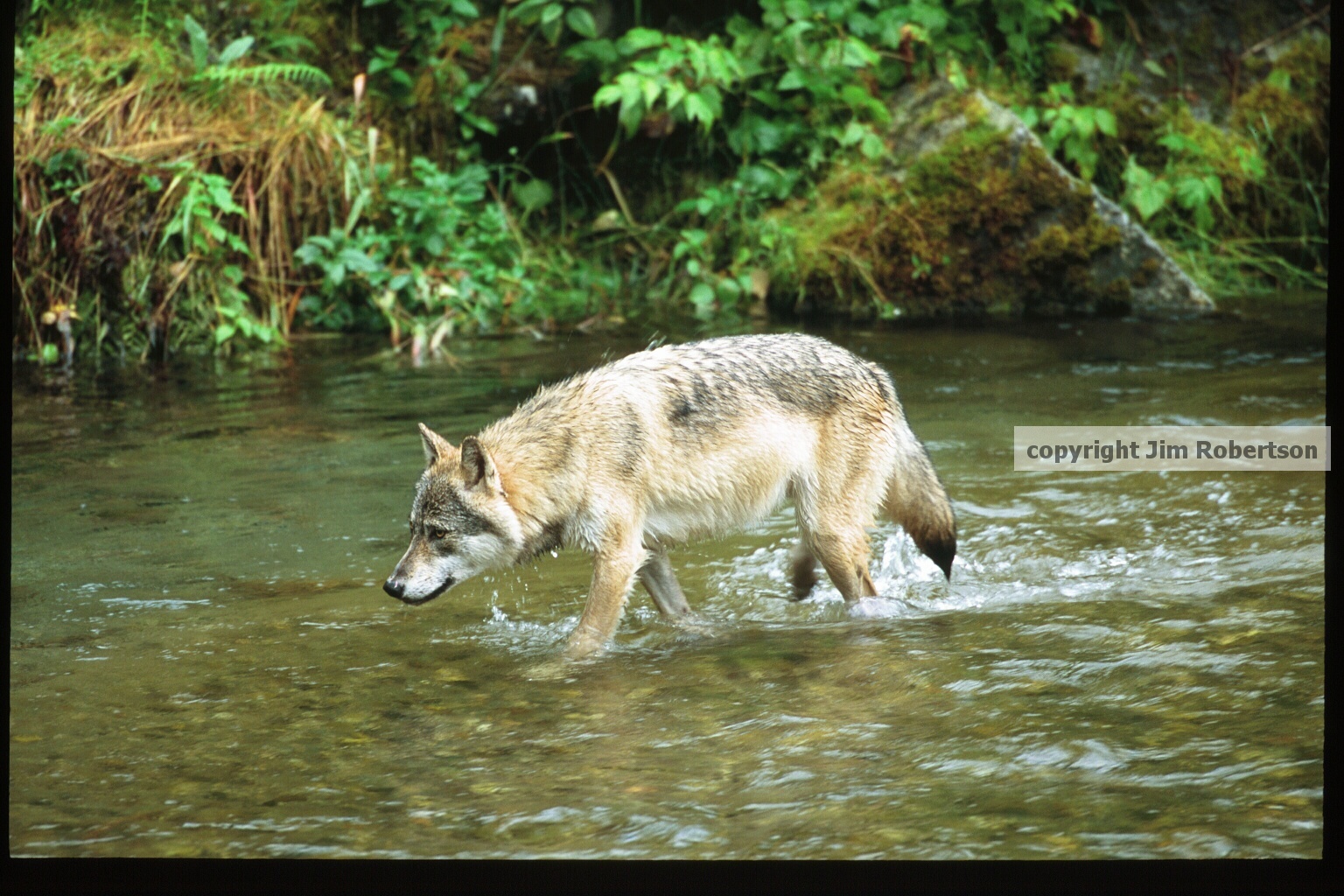
copyrighted wolf in water

Gray Wolf In Cross Hairs Again After Delisting

http://www.wbur.org/npr/137172486/gray-wolf-in-cross-hairs-again-after-delisting

Martin Kaste                June 23, 2011

In central Idaho, local hostility to wolves expresses itself on signs along the  highway. Many residents don’t like the wolves because the animals kill elk, livestock and pets. (NPR)

Conservation groups howled when Congress removed the Rocky Mountain gray wolf from the federal endangered species list. The “delisting” in most of the Northwest was attached to the budget deal in April between the White House and Congress.

The head of one environmental organization likened it to Congress throwing the wolf off Noah’s Ark. But now that states like Idaho have full authority over the wolf’s fate, they’re eager to use it.

Idaho Fish and Game Regional Supervisor Dave Cadwallader welcomes the delisting because it allows the state to treat the wolf like any other animal.

“Wolves are classified as a big-game animal in Idaho, and we fully intend to manage them like we do our other big-game animals that we’ve done successfully, bears and lions, for example,” he says. “And we want to be able to do the same with wolves.”

That most likely means annual wolf hunts. The state hasn’t yet settled the details of its wolf management plan, but it’s already started shooting them. Idaho Fish and Game recently sent helicopters to a part of the state where wolves are thought to be killing too many elk; the “aerial gunning,” as it’s called, killed five wolves.

Wolves A Menace To Some Locals

Residents of Elk City, a tiny town in Idaho’s Clearwater Mountains, say they’ve been especially plagued by wolves. They say the wolves are killing huge numbers of elk and driving the frightened survivors right into town. And other animals have been killed. Stan Denham lost one of the hunting dogs he keeps on his land just outside town.

“They attacked her right over here and then dragged her down over to the timber,” Denham says. “The whole hillside here seemed like it was covered with blood.”

Denham also happens to be one of the sheriff’s deputies in Elk City. In May, the state gave the deputies special authorization to shoot wolves in town.

“This is actually a request to hunt them and put some effort into shooting them, whether they’re causing problems or not,” he says.

Anti-Wolf Feelings Have Deep Roots

The science isn’t clear on whether killing wolves will bring back the elk. But when it comes to wolves, science is sometimes beside the point.

John Freemuth, a political science professor at Boise State University, tracked the politics of this issue. He says anti-wolf feelings have deep historical roots. “The wolf was viewed as a sort of a bad species, a predator that needed to be removed so the West could be settled and developed,” Freemuth says.

People worked hard to eradicate the wolf. And then, a few generations later, the federal government said those methods were wrong. In the 1990s, it brought in fresh wolves from Canada.

“Suddenly it’s being brought back and it’s a good species to have on the land,” he says. “The history there just suggests that some Befuddled — or just plain angry. And in the West, it’s not unusual for the wolf to become a symbol for other contentious issues.

Anger An Undercurrent On Both Sides

Sitting in the general store in Elk City, Carmen Williams considers the feds’ insistence on bringing back the wolves and sees a deeper motivation.

“Gun control in disguise,” he says. “If we don’t have any game left to shoot, what’s the sense to carrying a rifle?”

These aren’t majority opinions in Idaho, but they represent powerful political undercurrents, which have been intensified over the past few years by the prolonged court battles over when and how to take the growing wolf population off the endangered species list.

Randy Stewart has seen some of that anger over the years at the Wolf Education and Research Center, in the small town of Winchester, Idaho.

Behind a chain-link fence, a gray wolf silently touches its nose to Stewart’s hand in greeting. Stewart, who guides tours at this wolf center, says he has seen attitudes sharpen in recent years, on both sides.

“There are probably still people that don’t want wolves here, that want to see them all removed, and there’s still people who say don’t hunt a wolf,” Stewart says. “But we’re not in a society in my opinion that we can have one or the other extreme.”

Some Western conservationists are hoping the delisting of the wolf also has a silver lining. They say now that the wolf is no longer federally protected, maybe it can also shed its reputation as the federal government’s pet.

Copyright 2013 NPR. To see more, visit http://www.npr.org/.


STEVE INSKEEP, host:

You may recall that, last April, Congress removed the Rocky Mountain gray wolf from the federal endangered species list. And conservation groups howled. As part of a budget deal also approved by the White House, states like Idaho now have full authority over the wolf’s fate. And they are eager to use that authority, as NPR’s Martin Kaste reports.

MARTIN KASTE: Environmentalists see the wolf de-listing as a calamity. But in Idaho, there’s a different take.

Mr. DAVE CADWALLADER (Idaho Fish and Game): We’re not going to annihilate wolves or remove wolves from the landscape.

KASTE: Dave Cadwallader is regional supervisor with Idaho Fish and Game. The way he sees things, the wolf is finally just another animal.

Mr. CADWALLADER: You know, wolves are classified as a big game animal in Idaho, and we fully intend to manage them like we do our other big game animals that we’ve done successfully, bears and lions, for example. And we want to be able to do the same with wolves.

KASTE: That means regular wolf hunts, probably starting this fall. The state is already shooting. Fish and Game recently sent helicopters to a part of the state where wolves are thought to be killing too many elk. The aerial gunning, as it’s called, killed five wolves.

(Soundbite of dog barking)

KASTE: Stan Denham keeps hunting dogs on his land just outside Elk City, a tiny town at the end of the highway in Idaho’s Clearwater Mountains.

Mr. STAN DENHAM (Deputy, Sheriffs Department, Idaho County): That’s Penny, it’s a little female. That’s Digger down there. My kids named them all.

KASTE: Residents of Elk City say they’ve been especially plagued by wolves. They say the wolves are killing huge numbers of elk, and driving the frightened survivors right into town. Other animals have also been killed. Denham recently lost one of his dogs.

Mr. DENHAM: They attacked her right over here and then drug her down the hill into the timber. The whole hillside here seemed like it was covered with blood.

KASTE: Denham also happens to be one the two sheriffs’ deputies here. And in May, the state gave them special authorization to shoot wolves in Elk City Township – any wolves.

Mr. DENHAM: This is actually a request to hunt them and put some effort into shooting them, whether they’re causing problems or not.

(Soundbite of barking dogs)

KASTE: It’s debatable whether killing wolves will bring back the elk – the science just isn’t clear. But when it comes to wolves, science is sometimes beside the point.

John Freemuth is a professor at Boise State, who’s tracked the politics of this issue. And he says anti-wolf feelings have deep historical roots.

Professor JOHN FREEMUTH (Political Science, Boise State University): The wolf was viewed as a sort of a bad species, a predator that needed to be removed so the West could be settled and developed.

KASTE: People worked hard to eradicate the wolf. Then, a few generations later, the federal government came along and said that was all wrong. In the 1990s, it brought in fresh wolves from Canada.

Prof. FREEMUTH: Suddenly it’s being brought back and it’s a good species to have on the land. The history there just suggests that some people are going to be a little befuddled by that.

KASTE: Befuddled or just plain angry. And in the West, it’s not unusual for the wolf to become a symbol for other contentious issues.

Sitting in the general store in Elk City, Carmen Williams considers the fed’s insistence on bringing back the wolves and sees a deeper motivation.

Mr. CARMEN WILLIAMS: Gun control in disguise.

KASTE: How do wolves lead to gun control?

Mr. WILLIAMS: Well, if we don’t have any game left to shoot, why what’s the sense of carrying a rifle?

KASTE: These aren’t majority opinions in Idaho, not by a long shot. But these are powerful political undercurrents. And over the last few years, they’ve been intensified by the prolonged court battles over when and how to take the growing wolf population off the Endangered Species List.

Randy Stewart has seen some of that anger over the years at the Wolf Education Research Center, in the small Idaho town of Winchester.

Mr. RANDY STEWART (Education Coordinator, Wolf Education Research Center): Here comes the alpha male. He is beginning to shed his undercoat

KASTE: Behind a chain-link fence, a gray wolf silently touches its nose to Stewart’s hand in greeting. Stewart, who guides tours at this wolf center, says he’s seen attitudes sharpen in recent years, on both sides.

Mr. STEWART: There are probably still people that don’t want wolves here and would like to see them all removed. And there are still people that say don’t hunt a wolf. But we’re not in a society, in my opinion, that we can have one or the other extreme.

KASTE: Some Western conservationists are hoping the delisting of the wolf also has a silver lining. They say, now that the wolf is no longer federally protected, maybe it can also shed its reputation as the federal government’s pet.

Martin Kaste, NPR news.

INSKEEP: It’s MORNING EDITION from NPR News.  Transcript provided by NPR, Copyright NPR.

Copyright 2013 National Public Radio

Idaho group sponsors youth wolf, coyote hunt

http://mtstandard.com/news/local/idaho-group-sponsors-youth-wolf-coyote-hunt/article_5b51ce10-67f5-11e3-abfe-001a4bcf887a.html

A sportsmen’s group in Salmon, Idaho, is sponsoring a two-day coyote and wolf hunting “derby” geared toward kids, with two separate $1,000 prizes and trophies going to those who kill the largest wolf and the most coyotes. There will also be special awards for youth ages 10-11 and 12-14.

The rules for the Salmon Youth Predator Derby, which is sponsored by the Salmon chapter of Idaho for Wildlife, state that no trapping or spotlights are allowed in the contest and all Idaho Fish and Game rules apply. The derby will be held Dec. 28-29.

“It’s not a murder killing spree,” said Steve Alder, [Oh?] executive director of Idaho for Wildlife. “Hunting is a tool for us to go out and manage wildlife. [Is it a derby or a “tool,” make up your mind.] And what people don’t realize is if you don’t manage wolves, you won’t have any of them. What people don’t understand is they will take the prey base down so low that they’ll wink out. You have to manage them. And this is an opportunity for these kids who don’t get out a lot to learn how to hunt.” [That’s a bit unscientific, wouldn’t you say? Who managed wolves back before you people became the self-appointed rulers of the wildlife?]

The contest, which costs $20 to register as a two-person team, will also give out awards for largest male coyote, largest female coyote and most female coyotes killed. There will be fur buyers available after the hunt. [Fur buyers for a hunt?]

Alder said he doesn’t actually expect any wolves to be killed during the hunt. [Wait a minute, I thought you just said you thought there were too many wolves?]

“One of our outfitters had 40 hunters this year and only saw one wolf,” he said. “And he missed. So the chances of getting a wolf are very low. We basically have these events occasionally and it’s going to be a youth hunting opportunity. We’ll have youth mentors on hand showing them how to hunt. It’s a good opportunity in the winter, instead of big game animals, you have a coyote. It’s a good way to learn how to hunt. It’s also a disease awareness campaign, and we want to educate the public about safety measures in high wolf density areas and how to take precautions.”

The disease Alder was referring to is a tapeworm, echinococcus granulosus, which showed up in Idaho game in 2006. The adult is carried by dogs, wolves, foxes and coyotes. The larval form is usually found in the lungs or liver of a herbivore.

The tapeworm requires two different animal species, a canid and an ungulate like deer, sheep, cattle or elk, to complete its lifecycle, according to the Idaho Fish and Game website. During intensive surveillance between 2006 and 2010, 62 percent of wolves tested were determined to be infected in central Idaho.

Idaho for Wildlife’s website states that the group is “dedicated to the preservation of Idaho’s wildlife.” Their motto is: “To protect Idaho’s hunting and fishing heritage. To fight against all legal and legislative attempts by the animal rights and anti-gun organizations who are attempting to take away our rights and freedoms under the constitution of the United States of America. To hold all government and state agencies who are stewards of our wildlife accountable and ensure that science is used as the primary role for our wildlife management.” [?]

————-

Go here to stop this atrocity and attempt to take away their hunting “rights”:

http://www.all-creatures.org/alert/alert-20131216.html

1453351_1488724231352782_186999841_n