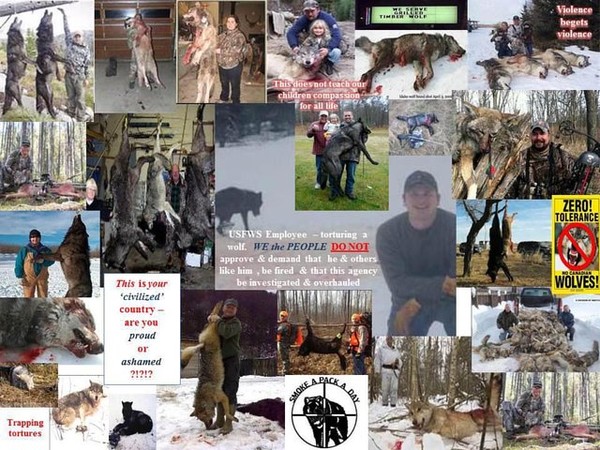
Humans show their thirst for blood

Roger, one of our regular readers, posted the following letter he wrote which was printed yesterday in the Missoulian, under the heading “Hunting and fishing.”

: Humans show their thirst for blood

The sports killing season of 2013 is upon us. In Montana alone, “sportsmen” will kill around 19,000 antelope, 40,000 deer, 300 wolves, 1,300 black bear, 200 bighorn sheep, 200 moose, 20,000 elk – then there are turkeys and an assortment of other birds to kill.

It is sporting tradition. Wyoming will kill even more elk, having had record years the past 10. The states of Montana, Wyoming, Idaho and Wisconsin will push wolf-killing as far as they think they can get away with and not risk re-listing. Montana sells $19 wolf tags to kill five wolves.

Then there is the U.S. Department of Agriculture Wildlife Services, which kills around 72,000 coyotes each year and around 28,000 other animals, a million animals a decade.

Then there are the poachers of Africa, and the sportsmen who go there to kill dwindling populations of elephants and rhinos and lions.

We, human animals, are overfishing the oceans and threatening sharks, whales, bluefin tuna and other marine life.

Then there are the slaughterhouses, which will kill a billion chickens worldwide and millions of cattle, pigs and sheep each year. Now conservative state legislatures are pushing every year, despite what the American people have opposed over and over, the opening of horse slaughterhouses.

Animal shelters “put down” (kill) thousands of dogs and cats each year because there are too many and too few homes for them.

You would think that humans are primarily bloodthirsty carnivores, something as scary as the worse aliens you can imagine, which we are.

Roger Hewitt
Great Falls, MT

Public review begins for expansion of Mexican wolf habitat

http://www.latimes.com/news/science/sciencenow/la-sci-sn-mexican-wolf-habitat-20130806,0,2399491.story

By Julie Cart
August 6, 2013, 2:39 p.m.

The Interior Department this week opened to public comment and review its proposal to expand the range of federally protected Mexican wolves.

The U.S. Fish and Wildlife Service has been attempting to reintroduce wolves into parts of Arizona and New Mexico with little success. A small population of about 75 wolves is restricted to a recovery area, and when an animal roams beyond those borders, it must be recaptured and returned.

Allowing wolves more room will increase their numbers and genetic diversity, biologists say. Livestock growers and others oppose any expansion of wolf territory.

Federal officials earlier this year proposed delisting gray wolves in the Northern Rockies and Great Lakes but preserved the endangered species status of Mexican wolves.

The agency is considering five alternatives, and the public has until Sept. 19 to comment.

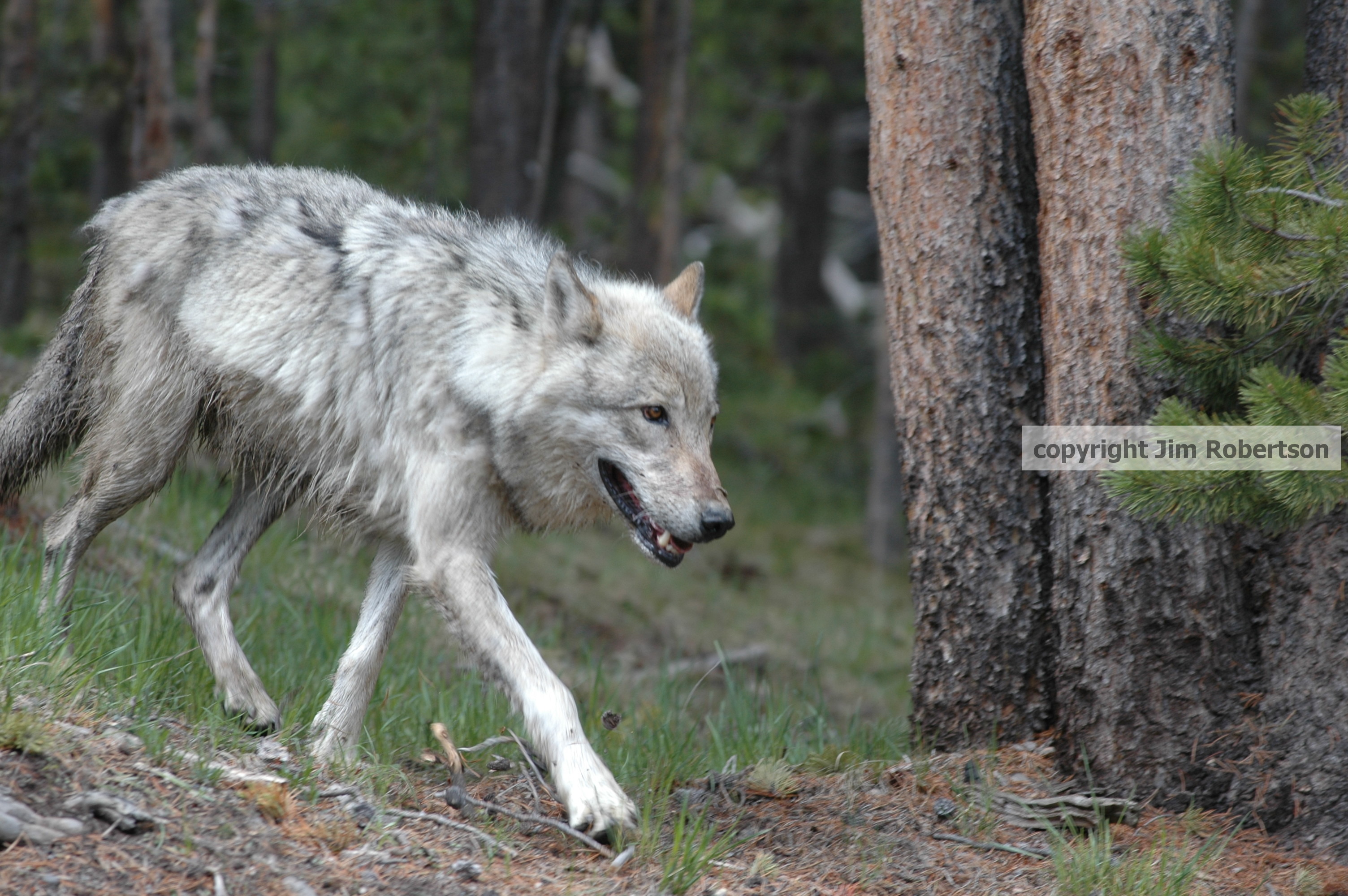
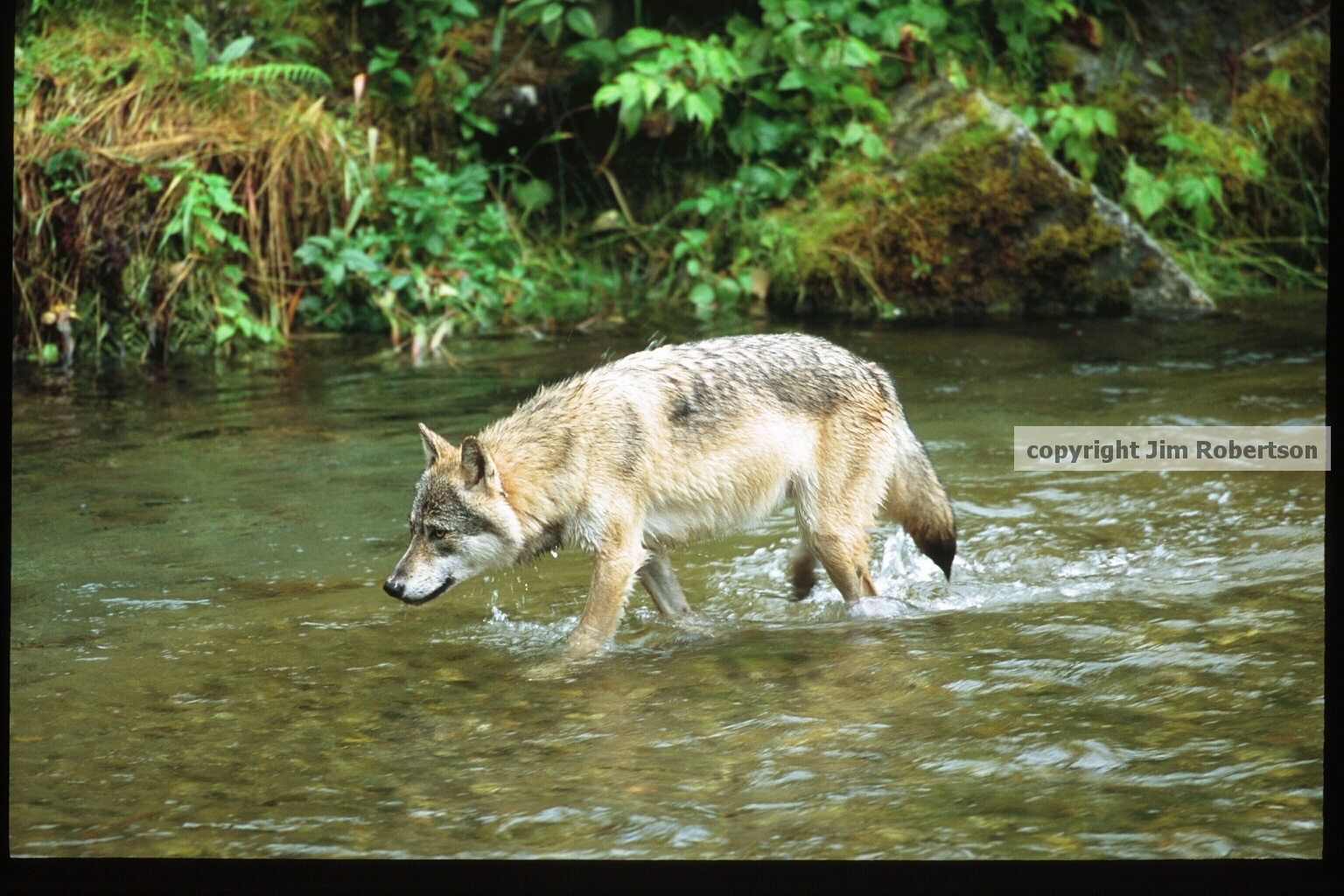
copyrighted Hayden wolf walking

Mohave County board opposes bigger wolves area

Tuesday, August 6, 2013

KINGMAN, Ariz. (AP) — Mohave County is on record as saying Mexican gray wolves aren’t welcome in the northwestern Arizona county.

The Kingman Daily Miner (http://bit.ly/1epSnXT ) reports that a resolution approved unanimously Monday by the Board of Supervisors says the wolves aren’t welcome unless they’ve been vaccinated, have a dog license and have been spayed or neutered.

The U.S. Fish and Wildlife Service is studying the possibility of expanding the range that Mexican gray wolves could roam in Arizona and New Mexico.

Some livestock owners and hunting guides oppose any expansion, saying the wolves would endanger their livelihoods by killing cattle and wild game.

U.S. Fish and Wildlife Mexican Wolf Recovery Coordinator Sherry Barrett says spaying or neutering the animals would defeat the project’s purpose. She says wolves are vaccinated before being released.

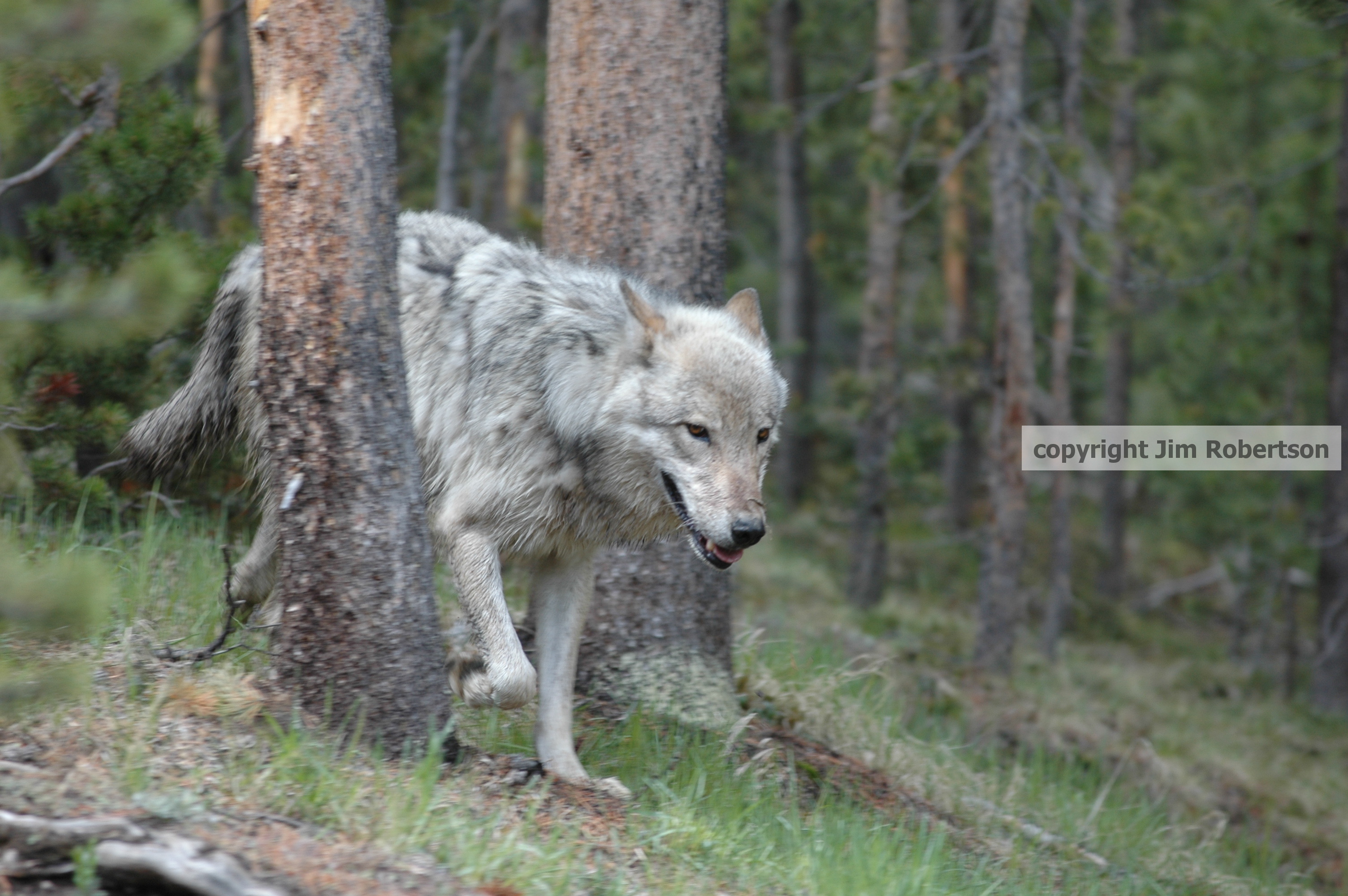
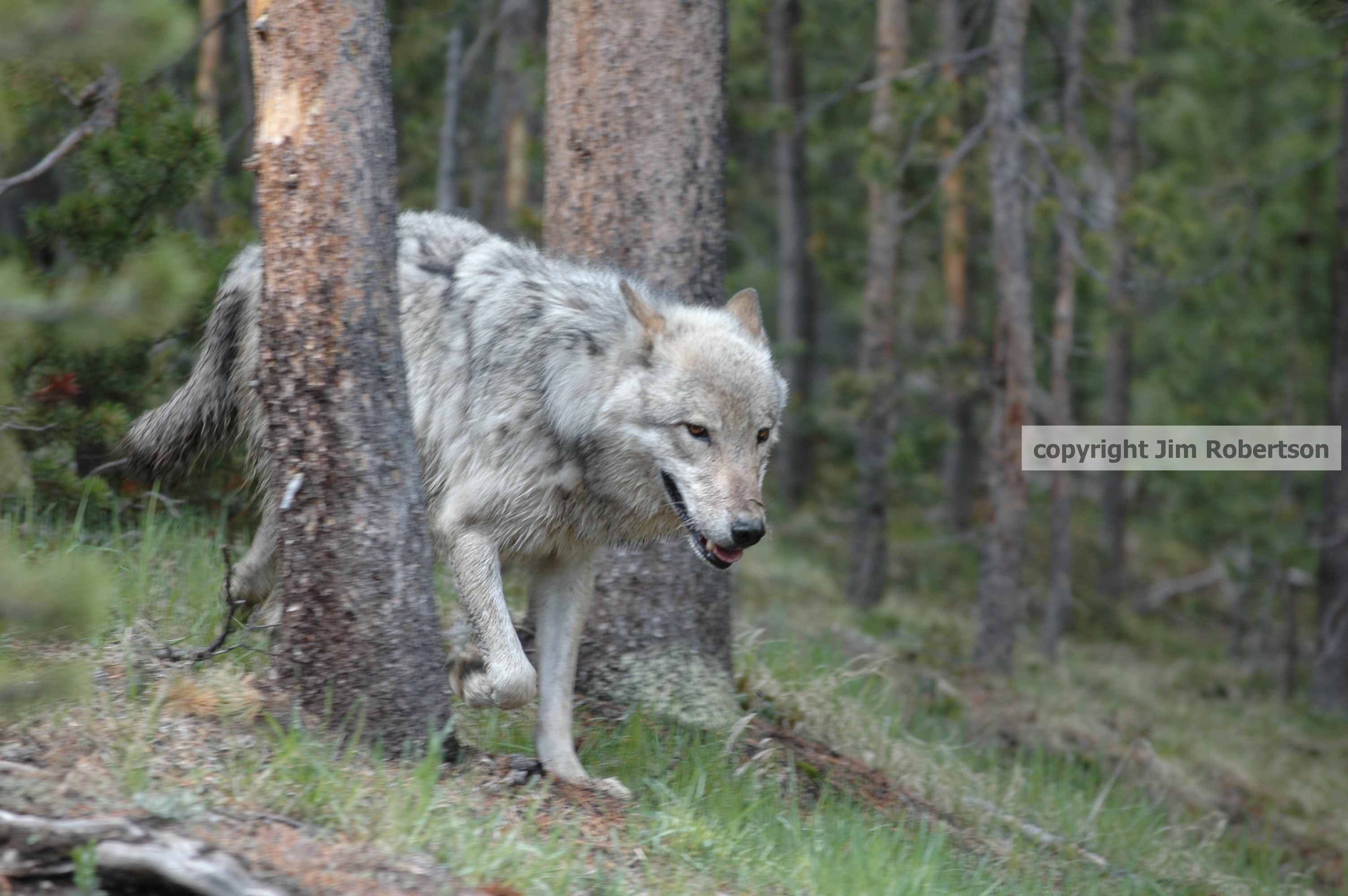
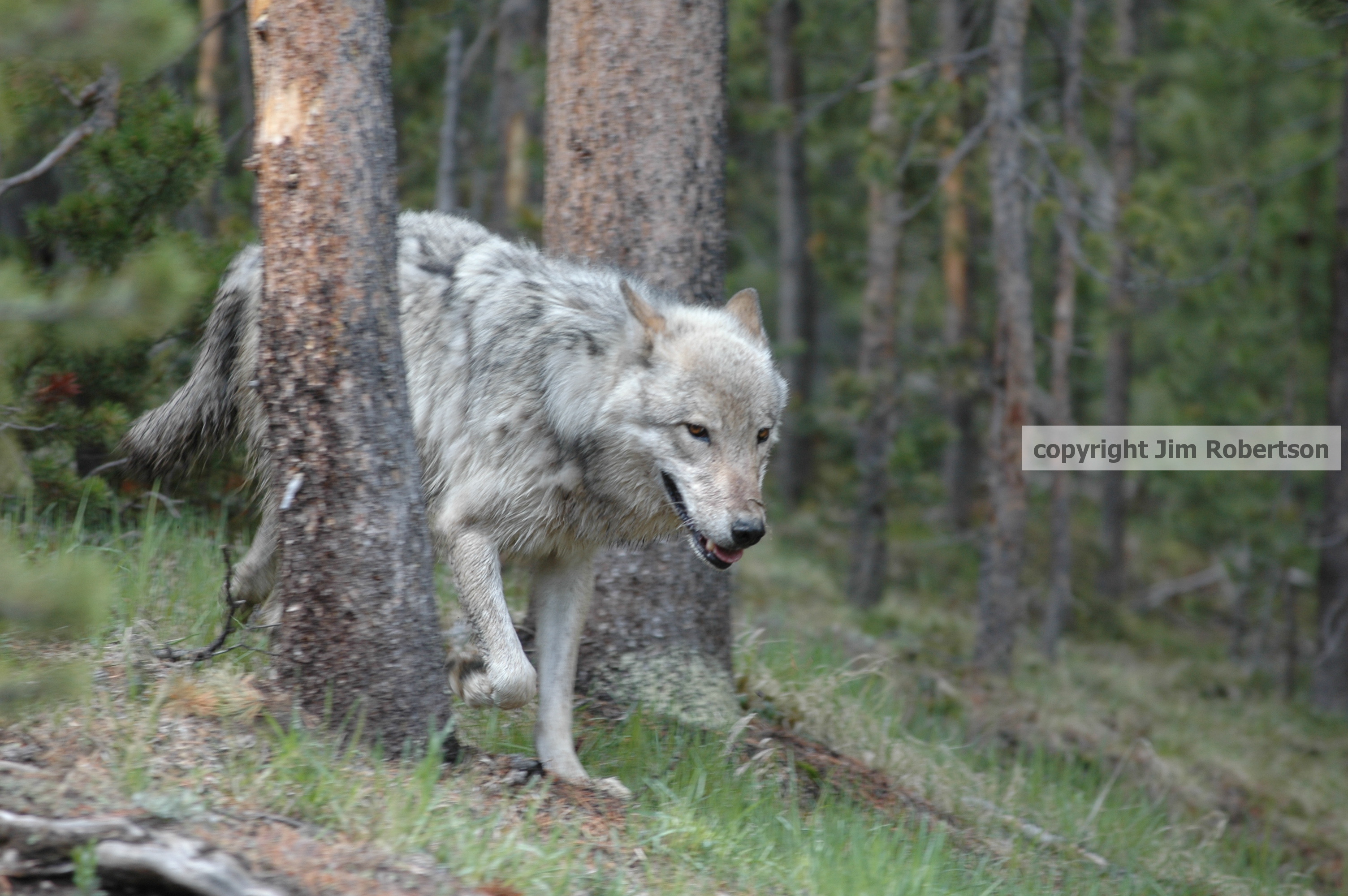
copyrighted Hayden wolf in lodgepoles

Plan would expand range in Arizona for gray wolves

The Associated Press

Posted: 08/04/2013 01:40:11 PM MDT

FLAGSTAFF, Ariz.—The federal government is floating a plan that would let endangered Mexican gray wolves roam north toward Flagstaff and across Arizona for the first time in generations.
The Arizona Daily Sun reports (http://bit.ly/1bZONIg ) that the government’s wolf reintroduction program has limited the animals to a recovery area that straddles the Arizona-New Mexico state line, where they have struggled to gain a foothold. Currently, any wolf leaving the recovery area is captured and returned.

U.S. Fish and Wildlife Service released a draft of proposed changes last month that, if put into effect, would let wolves roam from western Arizona to eastern New Mexico between Interstates 40 and 10.

The draft includes potential wolf reintroduction sites in northern Arizona on the Tonto National Forest, throughout the Sitgreaves National Forest and other public lands, as well as private lands where there’s a participating landowner. The Apache tribe has an agreement with the Fish and Wildlife Service that has allowed wolves to roam on their lands in eastern Arizona.

The Mexican wolf was added to the federal endangered species list in 1976. The 15-year effort to reintroduce them in New Mexico and Arizona has stumbled due to legal battles, illegal shootings, politics and other problems.

The federal proposal calls for expanding the area where the wolves could roam to include parts of the Cibola National Forest in central New Mexico. In all, there would be a tenfold increase in the area where biologists are working to rebuild the population.
Environmentalists welcomed the prospect of expansion, but they voiced concerns about provisions that could create loopholes that would expand circumstances in which wolves could be killed for attacking livestock or for other reasons.

Wolves have been spotted in the past as close to Flagstaff as Mormon Lake and Holbrook along Interstate 40, as the animals are capable of traveling vast distances in search of food and mates.

Emily Nelson of the Grand Canyon Wolf Recovery Project in Flagstaff said in an interview with the Daily Sun that conservation groups were unhappy with the initial federal proposal because it doesn’t include some of the “last, best area for wolves.”

Scientists have identified the Grand Canyon as prime wolf territory.

While the current population has never gotten close to the goal of 100 wolves, scientists say as many as 200 wolves could be supported in the Grand Canyon region alone.

Judy Prosser, whose family operates a ranch south of Mormon Lake and owns some 2,000 head of livestock, would see her grazing lands put inside the expanded wolf recovery area.

Prosser said that her ranching friends in the current recovery area have struggled and not been happy with the way things were managed. Losing livestock has affected their pocketbooks.

“The program has not been successful. I don’t think anyone has been happy with the outcome,” she said.

———

Information from: Arizona Daily Sun, http://www.azdailysun.com/

Cost to Shoot a MT Wolf: $19.00. Add a Dollar if You Want to Let it Struggle for Two Days in a Trap

Although the kind of sick fucks who get a kick out of killing wolves in Montana would pay ten times that amount, their “game” departments are handing out wolf tags like candy—so much for the notion that hunting licenses raise a lot of money for wildlife.

But, as evidenced by the article below, the mainstream media would not judge or condemn anyone who gets a thrill from killing non-human animals. Instead, their informative yet dispassionate reporting legitimizes the ongoing atrocity of wolf hunting…

MT: Changes in store for Montana’s 2013-14 wolf hunt

Posted on July 26, 2013 by TWIN Observer

Written by Tribune Staff

Montana’s Fish & Wildlife Commission recently approved regulations for the upcoming wolf season.

For the 2013-14 seasons, hunters will have the opportunity to pursue wolves throughout Montana beginning Sept. 7 for archery hunting, Sept. 15 for the general rifle season and Dec. 15 for trapping. The archery only season will close Sept. 14, and the general season will end March 15. Wolf trapping season ends Feb. 28

Wolf hunting licenses cost $19 for residents and $50 for nonresidents. License sales should begin by Aug. 5. Montana trapping licenses are currently on sale for $20 for residents and $250 for nonresidents.

New prospective wolf trappers must attend a mandatory wolf-trapping certification class to use a Montana trapping license to trap wolves and can sign up at fwp.mt.gov. Trappers who successfully completed a wolf trapping certification class in Montana or Idaho in the past do not need to retake one this year.

There is no statewide hunting harvest or trapping quota, but each wolf harvest must be reported. There is, however, a quota of two wolves in Wolf Management Unit 110 near Glacier National Park; four wolves in WMU 313 and three wolves in WMU 316, which borders Yellowstone National Park. Additionally, hunters and trappers are limited to taking only one wolf per person in WMUs 110, 313 and 316.

FWP urges hunters to avoid harvesting wolves with radio collars that provide researchers and managers with important scientific information.

The combined maximum hunting and trapping bag limit is five wolves per person. A hunter can purchase up to five wolf hunting licenses but can harvest only one wolf with each license. The use of electronic calls by wolf hunters is allowed.

Trappers must check their traps every 48 hours and immediately report any unintended animal caught in a trap, including domestic animals. Wolf traps must be set back 1,000 feet from trailheads and 150 feet from roads, the commission will consider in August a new measure that requires additional setbacks along more than 20 specific roads and trails popular among hikers and other recreationists in western Montana. If approved, the locations will be posted on FWP’s website.

Montana wolf specialists counted 625 wolves, in 147 verified packs, and 37 breeding pairs in the state at the end of 2012. The count dropped about 4 percent from the previous year and marked the first time since 2004 that the minimum count declined.

Last season the total hunting and trapping harvest was of 225 wolves. Hunters took 128 wolves and trappers 97.

Delisting allows Montana to manage wolves in a manner similar to how bears, mountain lions and other wildlife species are managed, guided completely by state management plans and laws.

7d547853b294cf28b7b6c4ff5a69dda1

Protections still needed for wolves

http://www.utsandiego.com/news/2013/jul/27/protections-still-needed-for-wolves/

By Patrick C. Valentino July 27, 2013

In June, the U.S. Fish and Wildlife Service proposed to remove gray wolves from the endangered species list despite wolves occupying only about 5 percent of their historic range. The service reminds us that the Endangered Species Act was not intended to provide indefinite life support. This is certainly true, and there might have been a compelling case for delisting today had the science supported it and had wolves reached a fuller stage of recovery.

But that hasn’t happened. In fact, three states in our Northern Rockies, already charged with wolf management, have unleashed an intense and partisan desire to reduce wolf numbers to the barest minimum allowable. Montana, Idaho, and Wyoming now have recreational hunting and trapping seasons, and in the past two years nearly 1,200 wolves have been killed. Well-known and well-loved wolves from Yellowstone National Park were killed, including the cherished Lamar Canyon pack’s alpha female. This degree of backlash questions whether our society has advanced past treating predators as a disposable commodity, a mindset that nearly wiped out wolves by the early 1900s.

There is an alternative path: one that recognizes that the majority of Americans support wolves as part of our wilderness and heritage, looks beyond managing wolves on the basis of population numbers along, recognizes the inherent value of wolves to exist in the wild as nature intended, and focuses on solutions to conflicts with livestock, such as nonlethal predator deterrents.

California is currently developing a wolf management plan and reviewing whether to protect wolves under state law in preparation for a future wolf population. Californians have a chance to lead the way and demonstrate how to afford the wolf the value it deserves, work together to reduce conflicts, and hopefully one day celebrate the recovery of wolves in our state.

The mission is far from accomplished. Delisting now is a political decision defying the majority’s desire for a more complete, science-based recovery of gray wolves. We owe it to ourselves and future generations to protect gray wolves and maintain their rightful place on our wild landscape.

Valentino is director of California Wolf Recovery.

copyrighted Hayden wolf in lodgepoles

(At Least) Michigan’s first wolf hunt will no longer include trapping

By Keith Matheny
Detroit Free Press staff writer

Michigan’s first-ever wolf hunt this fall and winter will no longer include trapping, after the state Natural Resources Commission rejected the use of steel-jaw leg traps on private and public land as part of the hunt.

The commission, for the second time in two months, approved a wolf hunt on July 11 for three zones of the Upper Peninsula. The second approval came in light of the passage of Public Act 21, a bill by Republican state Sen. Tom Casperson of Escanaba allowing the commission to designate animals as game species — a bill critics say was designed specifically to circumvent a petition drive to put the wolf hunt to a public vote.

The hunt approved in May allowed steel-jaw leg traps. But trapping was removed in the second approved hunt.

“The primary reason was just looking at starting conservatively with our approach in how we move forward with implementing public harvest of wolves as a management tool,” said Adam Bump, the Michigan Department of Natural Resources’ fur-bearing animal specialist.

But Jill Fritz, state director of the Humane Society of the United States, which is spearheading a second petition drive to try to repeal Casperson’s bill, suspects a different motive for dropping trapping from the hunt.

“It’s to make it more public-friendly, because they know Michiganders are horrified by the thought of this still-recovering species writhing and dying in traps,” she said.

Wolves were all but eradicated in much of the country by the 1930s. Michigan and other Great Lakes states lost almost all of their wolves by the end of the 1950s.

In 1973, Congress enacted the Endangered Species Act and officially protected the wolf that same year, sparking a resurgence in the wolf population. Michigan’s Upper Peninsula was known to have three wolves as recently as 1989. The population today stands at 653 wolves. The wolves have made an even more substantial recovery in Wisconsin (834 wolves) and Minnesota (3,000).

The U.S. Fish and Wildlife Service removed wolves from the federal endangered species list in January 2012, and several states, including Michigan, began planning for wolf hunting seasons.

Wisconsin and Minnesota established their initial wolf hunts last year, and trapping proved by far a more effective means of harvesting wolves than firearms hunting. In Minnesota, wolf takes by rifle were about 4% successful, compared with about 25% through trapping.

Michigan’s season will begin Nov. 15 and run through December, or until 43 wolves are harvested. Bump said the number was established with firearm hunting in mind.

“Our expectation is even with just hunting we will be able to achieve our targeted harvest,” he said.

Tony Hansen, spokesman for the Michigan United Conservation Clubs, said the coalition is disappointed that trapping was removed.

“It’s a viable, effective and scientific method to control wildlife populations,” he said.

Bump said the DNR will continue to use traps as necessary to take problem wolves throughout the year, and trapping will be reconsidered as part of the hunt in future years.

“The department’s position is trapping is a humane and effective wildlife management tool,” he said.

Nancy Warren, an Ontonagon County resident and Great Lakes regional director of the nonprofit National Wolfwatcher Coalition, is opposed to trapping — and the hunt in general.

The state is establishing the hunt to reduce conflicts between wolves and humans, such as wolves coming into towns or preying on cattle or pets. But Warren said the state’s own data on wolf depredations show the vast majority are occurring on one farm in her county, whose owner, John Koski, has been criticized for his actions and inaction that may contribute to wolf attacks on his livestock.

“When you take that farm out of the equation, there is no need for a wolf hunting season in this unit,” she said. “The truth is, some people want a hunting season; they want to kill wolves out of hatred, and they are using this as an excuse.”

Wolf hunting licenses go on sale starting Aug. 3 until Oct. 31, or when 1,200 licenses are sold. The licenses are $100 for Michigan residents and $500 for nonresidents and are available at authorized license agents, a number of DNR offices statewide or online at http://www.michigan.gov/huntdrawings.
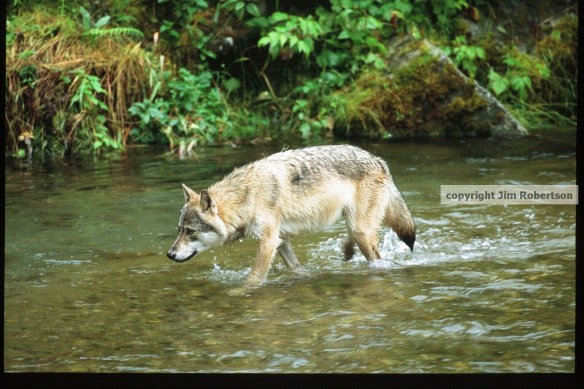
copyrighted wolf in water

Computer Identifies Individual Wolves’ Howls

By Marc Lallanilla, Assistant Editor   |   July 23, 2013

The howl of a wolf in the wilderness may make your spine tingle — it has a similar effect on wolf conservationists, who have struggled for years to accurately analyze the sounds that wolves make. Researchers at Nottingham Trent University (NTU) in England have now developed a computer program that can identify the signature howl of an individual wolf with pinpoint accuracy. Just like a person’s voice, the howl of a wolf has a specific pitch and volume. But identifying each wolf’s howl has been difficult, especially in the wild, where wind and water can muffle and distort the sound. It gets even more challenging when a pack of wolves starts howling in unison. – See more at:
[Gee, maybe animals aren’t so dumb after all…On a related note]:

Scientists have found further evidence that dolphins call each other by “name”.

Research has revealed that the marine mammals use a unique whistle to identify each other.

A team from the University of St Andrews in Scotland found that when the animals hear their own call played back to them, they respond.

The study is published in the Proceedings of the National Academy of Sciences.

Dr Vincent Janik, from the university’s Sea Mammal Research Unit, said: “(Dolphins) live in this three-dimensional environment, offshore without any kind of landmarks and they need to stay together as a group.

“These animals live in an environment where they need a very efficient system to stay in touch.”

Signature whistles

It had been-long suspected that dolphins use distinctive whistles in much the same way that humans use names.

Previous research found that these calls were used frequently, and dolphins in the same groups were able to learn and copy the unusual sounds.

But this is the first time that the animals response to being addressed by their “name” has been studied.

more: http://www.bbc.co.uk/news/science-environment-23410137

copyrighted Hayden wolf walking

Wolf Perceptions

Scarcely without exception, the wolf stirs more emotion—from love to loath, reverence to revile—in people than do any other non-human animal. That’s because wolves embody all that is wild.

Those who love wilderness see the presence of wolves as evidence of an ecosystem intact. But wolf-haters see them as a direct threat to the unnaturally structured world their ancestors tried to impose on the Earth.

Meanwhile wolves see humans as strange awkward fleshy monkeys who can never be fully trusted.

Text and Wildlife Photography ©Jim Robertson, 2013. All Rights Reserved

Text and Wildlife Photography ©Jim Robertson, 2013. All Rights Reserved

Who got Caught in Wolf Traps in Idaho

From the High Country News: April 29, 2013 P 3

What got caught in wolf traps in Idaho 2011-2012.

123 Wolves trapped

143 Number of people setting traps

557:111 greatest number of traps set and foot hold traps set

45:33 White-tailed deer caught and released alive

45:1 Coyotes caught and released alive

9:3 Lions caught and released alive

39:22 Others caught and released alive. Bobcats, geese, skunks, raccons, golden eagles and ravens.

$37,115 to $1,256,966 Estimated monetary value of ONE Northern Rockies wolf, based on tourism revenue.

$38.25: $333.50 Idaho residential tag and Non- resident tag

Based on a survey of 460 people who took the Idaho wolf trapper course and purchased a 2011-2013 license.

copyrighted Hayden wolf in lodgepoles