
Here is part of an article entitled “Tough on Wolves” in Spokane’s Inlander: http://www.inlander.com/spokane/tough-on-wolves/Content?oid=2256023
If the education budget is in JFAC’s custody and Medicaid expansion is off the table, what hot topics will the legislators address? My prediction: Guns and wolves will attract a fair amount of attention.
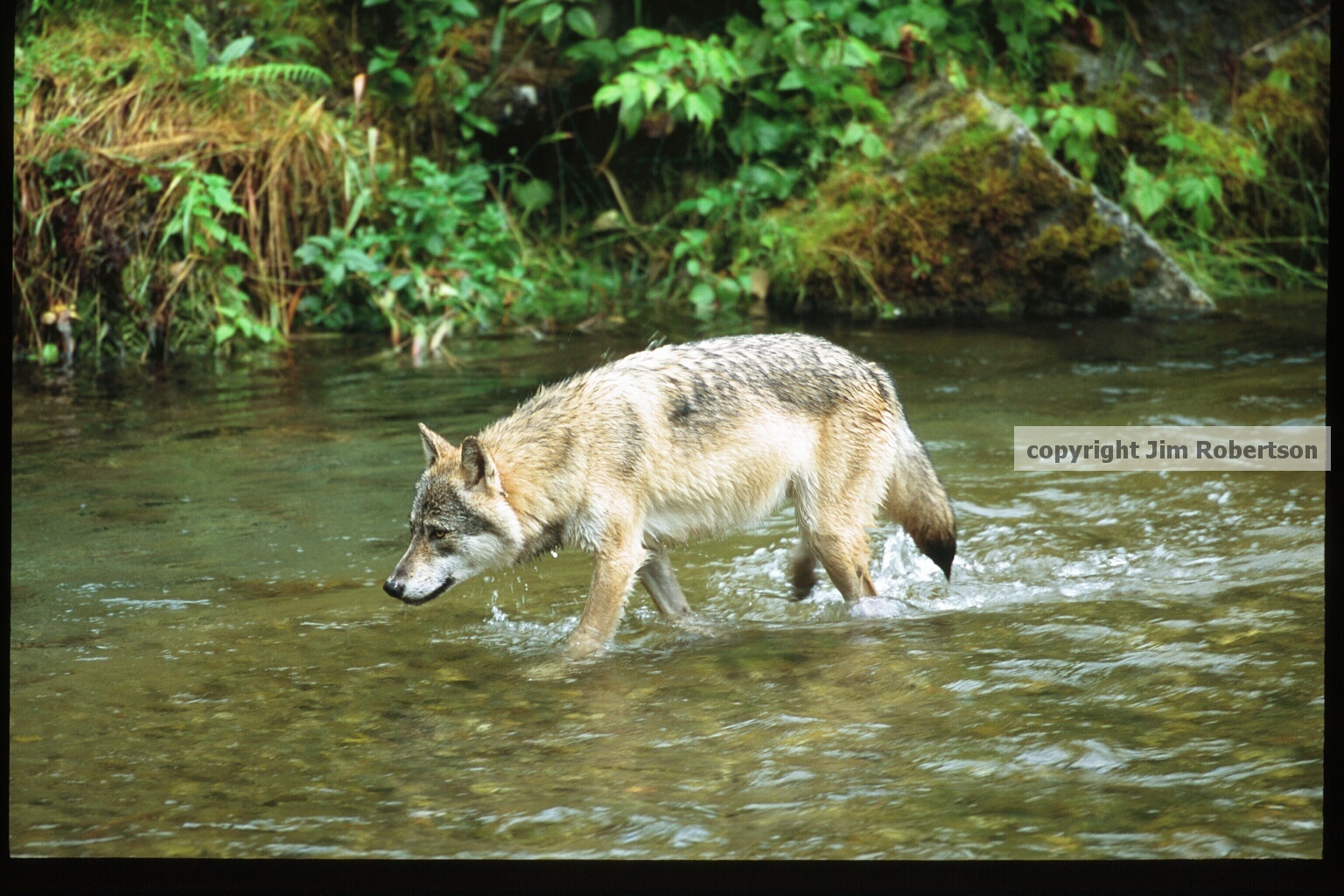
According to the Fish and Game Department, Idaho now has around 680 wolves throughout the state. In 2009, wolf hunting became legal, and the governor announced he wanted to shoot the first one.
Idaho and its predators caught the attention of the New York Times this past December, when a planned coyote and wolf shoot-to-kill derby was scheduled in Salmon. Organizers offered $2,000 to the participants who killed the most animals. The event fell flat when no wolves and only 21 coyotes were bagged by the 230 registered contestants.
Not everyone is happy with Governor Otter’s $2 million budget request to establish a special wolf control board, separate from the Department of Fish and Game. “Control” is another word for “kill.” I, for one, would rather put the $2 million in the public school pot.
The Fish and Game Commission is already actively “controlling” wolves by hiring a lone gunman to eliminate wolves in the 2,367-acre Frank Church River of No Return Wilderness. The Idaho Conservation League has been remarkably tolerant on the wolf issue. But recently its Executive Director Rick Johnson asked, ” If they can’t live in the backcountry, where can they live?”
When 35 gray wolves were released in central Idaho in 1995, schoolchildren gave them names and followed their radio-relayed paths through the wilderness. As they thrived, their names disappeared and the wolves became numbers. As they multiplied, they became pests. Wolves, like coyotes, have always been pests to Idaho ranchers — and to the Idaho legislature.
It’s refreshing to learn about Oregon’s approach to a burgeoning wolf population. Oregon has developed a policy that calls for sheep and cattle outfits to use nonlethal methods to prevent wolves from snatching baby animals, especially lambs. These include simple measures such as keeping herds away from known wolf dens, employing loud noise alarms and scare devices, enlisting protective dogs and human herders, constructing barriers and building fences. Such items add costs but also avoid conflicts.
Consumers could be wooed to pay a little bit more for lambs raised in a certified, nonlethal-to-wolves environment.
The questions the reintroduction of wolves into Idaho has presented are worth pondering. Do we believe game hunting should include animals that we don’t plan to eat? Is there room in our hearts, minds and geographical space for predators other than our own species?






 Exposing the Big Game