
 Humans aren’t all bad—not all the time, anyway. We may be the most parasitic plague and destructive mutants ever to evolve on Earth, but occasionally our actions can actually help certain other animals.
Sometimes it’s unintentional, such as when people are driving the sandy beaches here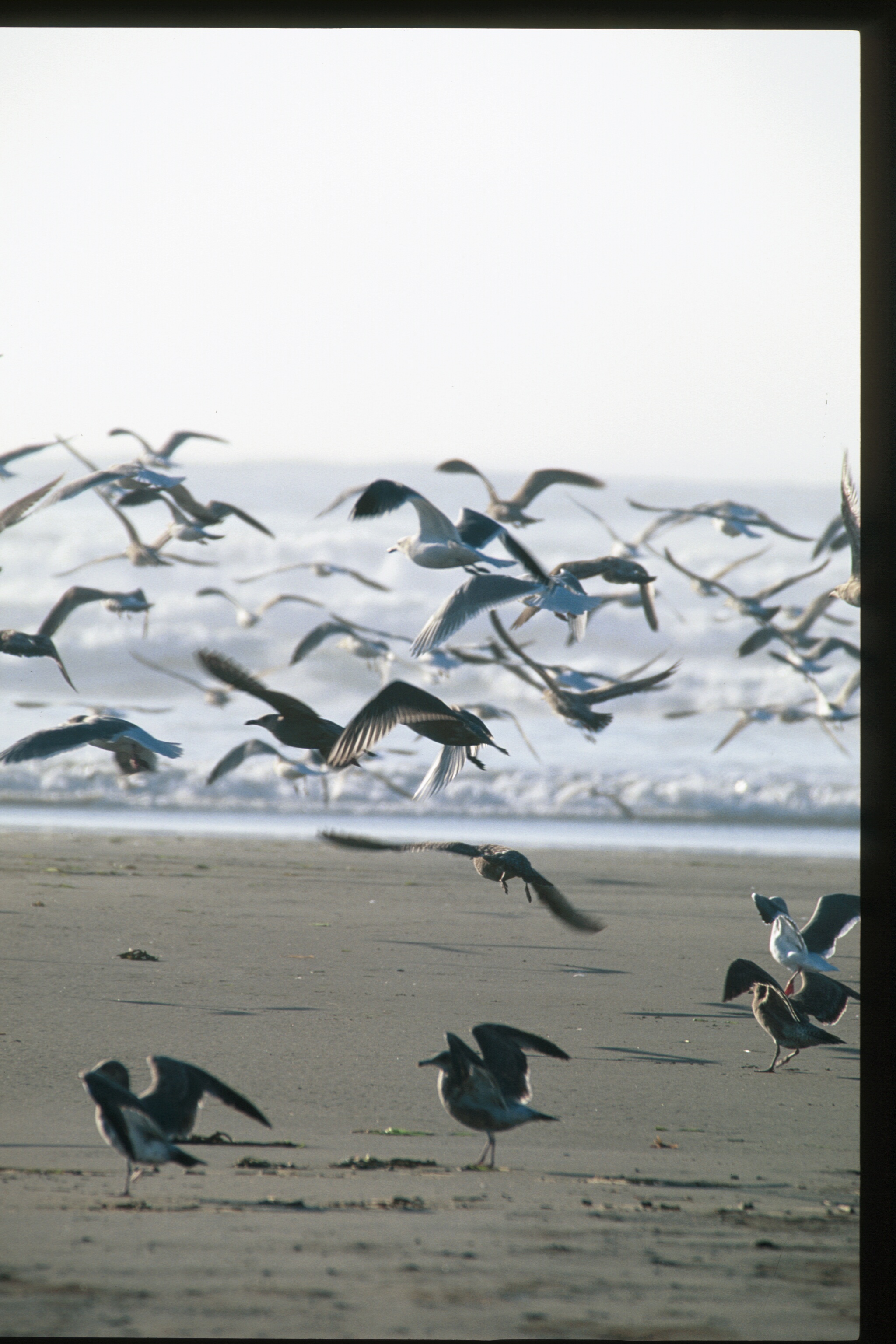 on the Pacific coast. Vehicles on the soft, upland sand can disrupt or damage endangered snowy plover nests, and when people drive too fast right along the surf they’ve been known to run over migratory shorebirds feeding there. But on exceptionally windy days, while driving the beach in search of pelagic birds, like murres or grebes, washed up after brutal storms and now in need of rehabilitation, I’ve noticed that the shorebirds take refuge in deep tire tracks, hunkering down in the only cover they can find (especially if beachcombers have trucked off all the driftwood logs).
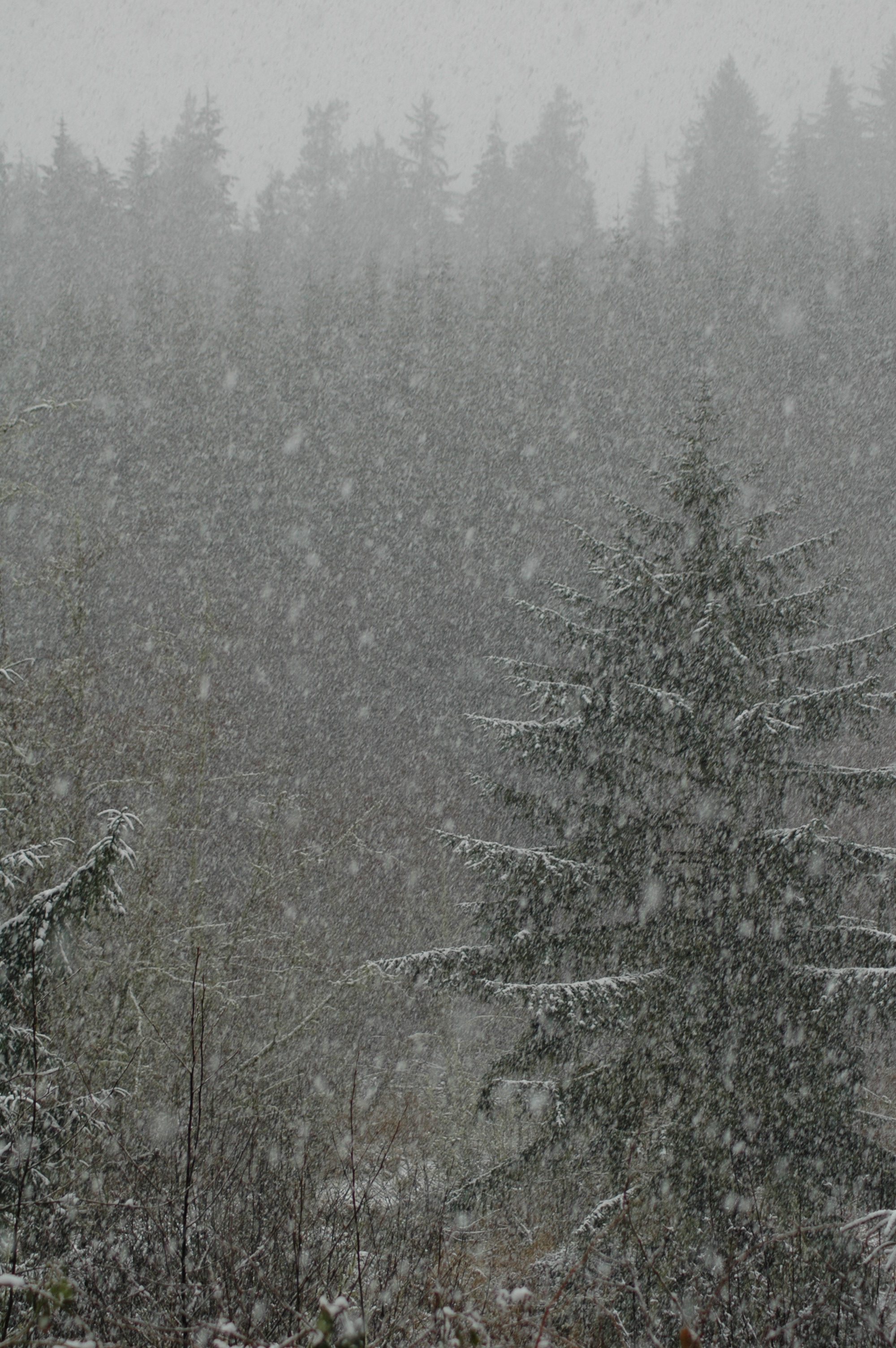
While leaving deep tire tracks in the sand can’t really be considered a direct, intentional act of kindness for an animal, keeping fresh, thawed sugar-water out for the straggler humming bird we’ve had here all winter surely can. The poor bird must have stuck around this normally mild, coastal region, rather than migrating further south, because of the late-blooming honeysuckle and early blossoming salmonberry shrubs. But now an arctic air mass has encroached for a week, bringing with it temperatures in the teens and wind-chills in the single digits. Frozen ponds and snow coating on the Sitka spruces and western hemlock complete this late Christmas-card scene, but I can imagine, to a high strung hummingbird, it must feel like the ice age is back to stay.

Photo Thanks to Linda Delano
My wife has been the one diligently keeping watch over the feeder, being sure to exchange it for a thawed one every other hour on these iciest of days. But at first light this morning, while the coffee was brewing, I went out in my bathrobe before filling the other birds’ feeders and replaced his liquid refreshment. As it was, the hummingbird didn’t show up at until after 8:00.a.m. It must have been hard to leave the thicket he was crouched in and face the frozen wasteland to find out whether or not the human handout had turned into a sugar-water popsicle. He was lucky this morning. Hardly a steaming cup of hot coffee, but it must have seemed like the nectar of the gods to someone with such a high metabolism—especially after a long night spent burning precious energy trying to stay warm.
Were I of a different mindset (i.e., not an animal lover) I might say, “That hummingbird is becoming a pest. It could be considered a safety hazard, or maybe even a road hazard. It could be an exotic or even an invasive species. It might be time to call for a cull, or even a contest hunt on him.” But, fortunately for him, I’m not like that.



 Send the letter below to the leaders of the New York Assembly and the Senate and Governor Cuomo and request that they amend Governor Cuomo’s proposed budget bill by deleting section I.



 Exposing the Big Game