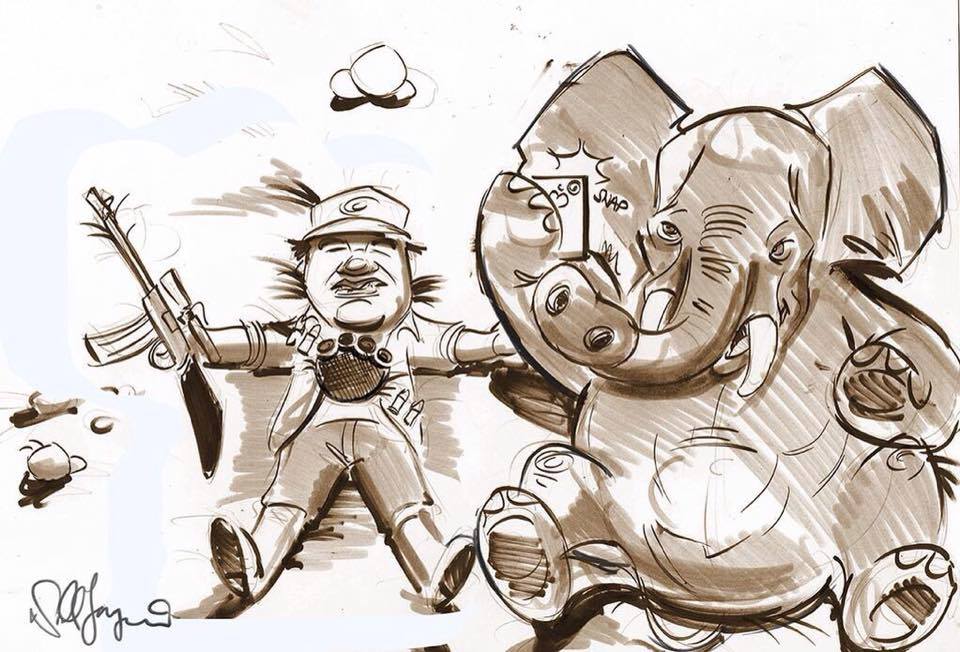
Wildlife Activist Disappears in Zimbabwe


WE ARE DEVASTATED

WAR AMBASSADOR DISAPPEARS WHILE FLEEING ZIMBABWE

Rob Grinham, WAR ambassador and wildlife activist was taken from Lusaka airport last night in what seems to be a coordinated effort by both Zambian and Zimbabwean authorities.
All inquiries into his whereabouts result in a denial by the authorities of him ever having been there.

He was traveling by bus to Lusaka after his house in Harare was invaded and searched by Zim police.

Rob was doing research into the illegal ivory trade and poaching activities and sharing information about WAR projects.
Did he stumble on sensitive information? Did he become a threat to corrupt officials?

We fear for his life.

Please share and post this all over social media. If you have seen him anywhere since last night please get in touch with us.

Groups sue Corps over Cormorant-Kill

April 23, 2015

The Army Corps of Engineers proposes to kill thousands of the double-crested cormorants nesting on Sand Island near the mouth of the Columbia River because the birds eat too many young salmon and steelhead.
The Wildlife Center of the North Coast joins lawsuit against cormorant killing

COLUMBIA RIVER — A permit the U.S. Army Corps of Engineers needed to proceed with its plan to kill thousands of double-crested cormorants nesting on the Lower Columbia River’s East Sand Island is now in place — and so is the first lawsuit.

The U.S. Fish and Wildlife Service issued a depredation permit April 13. The permit, valid through Jan. 31, 2016, will allow contractors to kill 3,489 double-crested cormorants and 5,879 nests, 105 Brandt’s cormorants and 10 pelagic cormorants in 2015.

On April 20, the Audubon Society of Portland, along with four other nonprofit or volunteer-led organizations, filed a complaint for declaratory and injunctive relief against the Corps, the U.S. Fish and Wildlife Service and the U.S. Department of Agriculture Wildlife Services, which is authorized by the Fish and Wildlife Service to kill the allowed number of birds and eggs.

The Wildlife Center of the North Coast, a private volunteer-based nonprofit, recently joined the lawsuit.

Audubon argues cormorants are being blamed for damage to salmon runs that is actually caused by dams, and that the Corps’ management plan would cause the Western population of double-crested cormorants to dip below “sustainable levels” as defined by the U.S. Fish and Wildlife Service itself.

With the lawsuit filed, the Audubon Society of Portland will seek an injunction to put a halt this year to the Corps’ plans to cut the nesting population on the island almost in half by 2018.

“I don’t know exactly where this is going to take us,” said Amy Echols, assistant chief with the Corps’ public affairs office in Portland, about the complaint.

Bob Sallinger, the society’s conservation director, is also concerned about the timing of the culling. Peak nesting season is approaching on the island — Oregon State University researchers on the island say the first eggs are usually laid between mid-April and early May — and the Corps estimates that an additional 3,489 nestlings and eggs might die if their parents are shot and they are orphaned. A Corps spokesperson said contractors are on the island now, erecting fencing that will separate out nesting areas, but that it will be several more weeks before they begin killing the birds.

More: http://www.dailyastorian.com/Local_News/20150423/wildlife-groups-sue-corps-over-cormorants

image

Jane Goodall: “We’re Destroying the Planet”

Jane Goodall: “We’re Destroying the Planet”

April 21, 2015 by

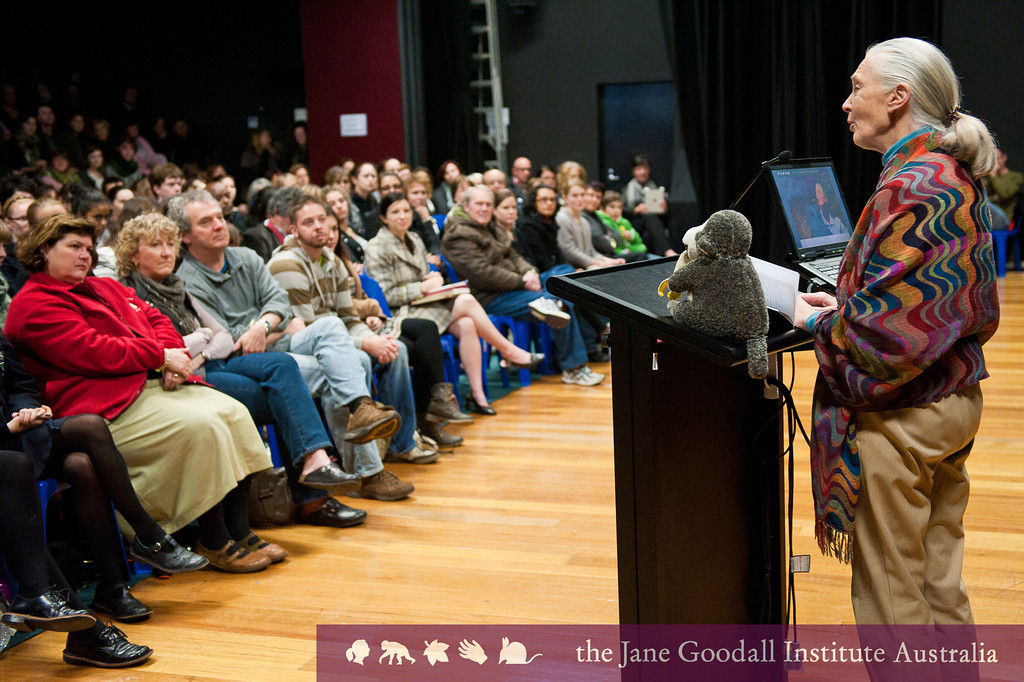
On the topic of our planet’s future, Jane Goodall, the legendary chimpanzee researcher, does not mince words: “How is it possible that the most intellectual creature that has ever walked on planet earth is destroying its only home?” Dr. Goodall, who is 81, spends 300 days year traveling the world in an effort to save it. The biggest problem, she says, is climate change. And the biggest culprit? Animal agriculture.

Jane-Goodall

In a lecture to hundreds of fans in NYC on April 15th, Dr. Goodall explained that agribusinesses are clearing rainforests in the Amazon to graze cattle and grow crops to feed them. Without rainforests – the “lungs of the earth” – the planet’s ability to convert carbon dioxide (CO2), a greenhouse gas, into oxygen is compromised.

Clearing Amazon rainforest for cattle grazing (photo: Universal Images Group/Getty Images)

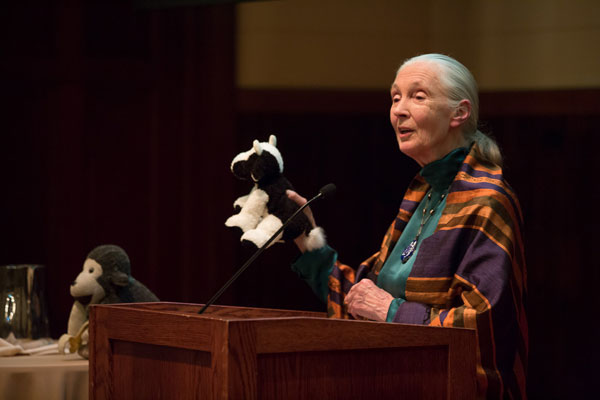
Even more harmful than CO2, Goodall said, is the methane gas emitted in cow farts. As developing countries adopt Western diets heavy in animal protein, more methane and CO2 are released into the atmosphere, further warming the planet and jeopardizing our ability to inhabit it.

Jane Goodall uses a stuffed cow to point out that methane gas is emitted in cow farts.

During her talk, Dr. Goodall described some of the other destructive effects of animal agriculture, including land and water pollution, antibiotic resistance, depletion of fresh water resources and animal cruelty, which is was motivated her to go veg. In a recent interview with the Toronto Globe & Mail, she said, “I became a vegetarian because of the horrendous suffering on factory farms and in abattoirs.”

Jane Goodall paints a grim picture of the state of the planet, but she is hopeful that humans will work together to save ourselves from ourselves. And she offers some advice that each of us can put into action today:

  • Go vegetarian.
  • Consume less. The more we buy, she argues, the more natural resources we extract from the planet. How much stuff do we really need?
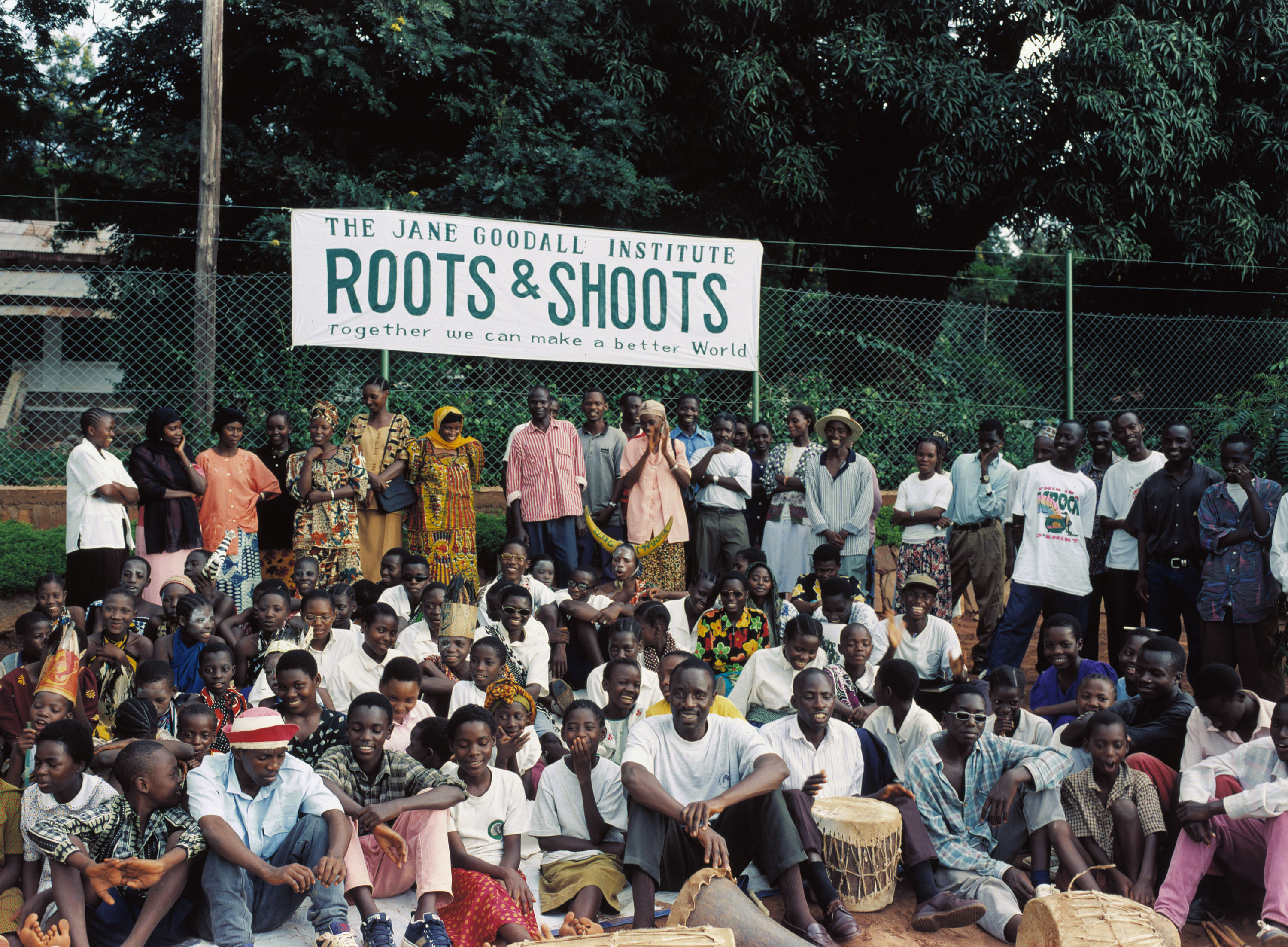
  • Improve the environment in our own communities. Goodall’s Roots & Shoots program, which has chapters in 130 countries, is helping people plant trees, clean rivers and perform other community services in their own backyards.

Roots & Shoots has chapters in 130 countries

At the end of her presentation, Dr. Goodall showed a video of a newly-released captive chimpanzee hugging her when she emerged from her crate and realized she was home in the jungle. Goodall uses this remarkable event to point out that, as intelligent as chimps are, their brains are far less powerful than those of humans. And she left the audience with a challenge — to harness the brainpower that we’ve used to damage the planet to save it.

Drought Jeopardizes Western Birds

from Audubon.com

An unprecedented 15-year drought is drying out the Colorado River Basin, threatening the birds and people that live there. The Colorado River provides drinking water for millions of people, world-class recreation, irrigation on working lands, and life-sustaining habitat for hundreds of species of migrating, nesting, and wintering birds. With less water in the Basin, birds will be in trouble as habitat simply begins to fade away. We are calling on people across the country to contact their U.S. Senators, urging them to address this critical situation.

Email your Senators today and ask them to help save water and restore habitat in the Colorado River Basin and across the West.

In the water-scarce West, birds rely on ribbons of rivers and streams, essential wetlands, and the vegetation they nourish. Many nesting species are already in serious trouble due to the loss of habitat from the drought. The Western Yellow-billed Cuckoo and Southwestern Willow Flycatcher have been pushed to the brink and were recently listed under the Endangered Species Act.

The health of the Colorado River is vital to the well-being of the West and the nation. It provides drinking water for more than 36 million people, irrigates 15 percent of US crops, and sustains hundreds of species of birds and other wildlife. Numerous federal programs can help provide short-term and long-term solutions, such as WaterSMART, which supports locally-driven efforts to save water across the West, and the Multi-Species Conservation Program, which helps restore thousands of acres of vital habitat for birds and other wildlife in the Colorado River Basin.

Write to your Senators today and urge them to support water conservation and habitat restoration programs like these in order to secure a sustainable future for the people and birds of the West.

55026060ac29d.preview-300

4 arrested, 50+ guns seized in illegal-hunting probe


http://www.delawareonline.com/story/news/local/2015/04/22/arrested-guns-seized-illegal-hunting-probe/26190751/

Four men were arrested and more than 50 guns seized in an ongoing investigation of illegal hunting, police said Wednesday.

Anonymous tips months ago began the investigation, focused on illegal hunting by people prohibited from possessing deadly weapons, said Cpl. John McDerby of the state Division of Fish & Wildlife Natural Resources Police.

More than 250 pounds of venison, seven crossbows and many deer racks and mounts also were seized in the investigation, which was focused in New Castle County, McDerby said.

Those arrested were identified as Michael E. Dewey, 53, and Christopher A. Griffin, 24, both of Wilmington, Jeffrey D. Callahan, 53, of Newark, and Gary L. Grose, 50, of Townsend.

All were charged with possession of a firearm by a prohibited person, an offense McDerby said could carry substantial prison time.

Because the investigation is continuing, McDerby said he could not release details of the case, including where and when the arrests were made.

Police did not disclose what past offenses led to all four being prohibited from possessing guns and ammunition.

But McDerby said that state law bans those with prior felony convictions, misdemeanor convictions associated with violent crimes, drug convictions, mental conditions as defined under the law or court-issued protection from abuse orders from having deadly weapons and ammunition.

“This prohibition means they cannot be in possession of hunting weapons, including bows or crossbows, shotguns, muzzleloaders or any deadly weapon or ammunition used for hunting,” he said.

Each of those arrested faces a variety of other charges.

Dewey also was charged with six counts of possessing illegally taken antlerless deer, six counts of possessing illegally taken antlered deer and one count of possessing unlawfully taken game. He was released on $10,500 unsecured bail.

Eight firearms and ammunition, one crossbow and about 50 pounds of venison were seized as evidence against Dewey, along with a variety of antlered deer mounts and racks, and one mounted duck, McDerby said.

Griffin was charged with six counts of possessing illegally taken antlerless deer, four counts of possessing illegally taken antlered deer, three counts of failure to tag antlered deer, two counts of possessing unlawfully taken game birds, two counts of failure to tag antlerless deer, two counts of posessing unlawfully taken game birds and unlawful use of a quality buck tag. He was released on $4,500 unsecured bail.

Thirty-six firearms and ammunition were seized as evidence against Griffin, McDerby said. Also seized were four crossbows and about 100 pounds of venison and duck meat, along with a variety of antlered deer mounts and racks, he said.

Callahan also was charged with eight counts of possessing illegally taken antlerless deer, four counts of possessing illegally taken antlered deer, marijuana possession and drug paraphernalia possession. He was released on $3,750 unsecured bail.

Four firearms and ammunition, a crossbow, about 100 pounds of venison, a variety of antlered deer mounts and racks, about 11.1 grams of marijuana and drug paraphernalia were seized as evidence against Callahan, McDerby said.

Grose was charged with two counts of possessing illegally taken antlerless deer, marijuana possession and drug paraphernalia possession. He was released on $5,500 unsecured bail.

Two firearms and ammunition, a crossbow and compound bow, about 15 pounds of venison, a variety of antlered deer mounts and racks, about 7.5 grams of marijuana and drug paraphernalia were seized as evidence against Grose, McDerby said.

Although McDerby declined to give details about the tips that started the investigation, he said, “we’re always happy to get tips like that.”

He said illegal hunting may be reported to Fish & Wildlife Natural Resources Police at (302) 739-4580 or to Operation Game Theft at (800) 292-3030

cartoon-trophy-hunt. bizzarodotcom

The Limits to Human Carrying-Capacity

Harvard archeologist Steven Le Blanc writes in “War or Peace for the Future,” the final chapter of his book, Constant Battles; Why We Fight (pg. 224), “…let’s examine the myths of a peaceful past and of humans living in ecological balance and contrast them with a careful assessment of reality that turns the more traditional view on its head. These myths assume that for long periods of time the earliest humans were simple foragers [hunter-gatherers] who lived in harmony with nature, had few wants, and were able to control their populations. When agriculture was developed, populations grew, but farmers managed to remain inherent environmentalist and continued to avoid the environment. Then finally, but not until the rise of complex societies, we humans lost our ability to live in ecological balance. At that point, the appealing story of millions of years of peaceful coexistence with nature turns ugly, and violent, environmentally threatened societies—in particular Western European society—command a starring role. As Western societies spread or affected much of the planet, the myth continues, warfare and environmental degradation spread like an infectious disease, engulfing most of the world—except where vestigial remains of this peaceful, ecologically balanced existence survived among such groups as the !Kung [bushmen], Australian aborigines, Eskimos, Siriono, and the like. In other words, noble Cro-Magnon humans were replaced by warlike, modern imperialists.

“Reality paints a different picture, one with many opportunities for peace and ecological harmony, but it is a portrait of opportunities lost. Looking back through history, several radical changes in human societies occurred, and each change provided, in theory, an opportunity to improve the population-ecological balance and usher in a new era of peace. Each time one of these dramatic changes took place, peace and ecological balance remained elusive.

“The first of these transformations was becoming human. As proto-humans became fully human beings and gained superior intelligence, language, and cultural norms, these initial human foragers were hardly peaceful. Greater intelligence did not result in greater peacefulness. Although some ecologically benign behaviors did develop, they were never effective enough to regulate population growth and to establish a peaceful, stable system. Except in the harshest environments, forager populations grew, reaching the carrying-capacity limit, and then competed for resources. For more than a million years, humans lived in a precarious balance between population growth and the limitations and variability of the environment. Periodic population increases that could not be sustained by an ever-changing resource base lead to chronic starvation, infanticide, and warfare. These early people modified the environment by such means as fire and were no more ‘environmentalists’ than their short-term goals dictated. Since their numbers, by necessity, low, and their technology limited, the impact of the first foragers was relatively minor.

“Beginning around ten thousand to twelve thousand years ago, people began to farm in the Middle East, China, and later in Africa and Central and South America. This new situation might have resulted in a peaceful world. Farmers were able to get far more food from an acre of land than had ever before been possible, and there was potential for plenty for all—but the balance was not maintained. Farmers could reproduce at rates far beyond those of foragers, and they spread quickly over much of Earth. In spite of its potential, farming itself solved no problems. The benefits of every new plant domesticated, every new animal tamed, and every new technology invented were quickly consumed by the growing number of people such advances could additionally support. Horticulture and domestic animals caused environmental degradation that went way beyond the effects of just the higher population numbers. More people translated into more degradation. In any given region, in spite of efforts to control growth or to develop new foods and technologies, the population soon grew to stress the resources once again. Malnutrition, if not starvation, and even more intense and chronic warfare were common among the early farmers.

“Once again, a major social transformation occurred. Complex societies developed. The leadership in these societies had the mechanisms and potential ability to control population growth and to force people to be more ecologically sensitive. Along with more complex societies came complex technologies. The chiefdoms and early states had developed enough technology to harm the world’s environment at levels and rates not seen before. The result was even more degradation of the environment. Although some efforts were made to control population growth, such mechanisms were always far from fully successful, and resource stress was as common as ever.”      etc…

graph

Alaska’s Lost Creek Pack and Webber Creek Both Killed In Deja Vu Like Circumstances

So many deja vus…

Nabeki's avatarHowling For Justice

Alaskas Lost Creek Pack

Lost Creek Pack – Courtesy John Burch

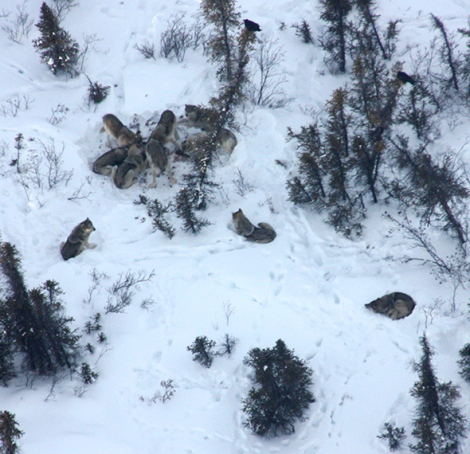
It’s deja vu for wolves in Alaska’s Yukon–Charley Rivers National Preserve.  All eleven members of the Lost Creek Pack were wiped out by state biologists when they left the protection of the Yukon-Charley National Wildlife Preserve just as the Webber Creek Pack was gunned down in 2010 in almost exactly the same scenario. Both packs had been the focus of long time studies. The Lost Creek Pack for twenty years, the Webber Creek Pack for 16 years.

Alaska is a killing ground for wolves. The state treats wolves and bears like vermin, killing them with impunity to boost ungulate populations. They are disgusting.

==== 

Alaska’s Republican governors find vicious ways to kill predators and mark their territory with the feds.

National Park Service biologist John Burch with the Lost Creek wolves
National Park Service biologist John Burch with the Lost Creek wolves.

Courtesy of John Burch

John Burch spent 20…

View original post 1,908 more words

Port to Fence off Astoria Sea Lions

Wildlife Photography ©Jim Robertson

Wildlife Photography ©Jim Robertson

http://www.dailyastorian.com/DA/port/20150422/port-to-fence-off-sea-lions
The Port of Astoria is putting up barriers to sea lions in the East End Mooring Basin.
By Edward StrattonThe Daily Astorian  April 22, 2015

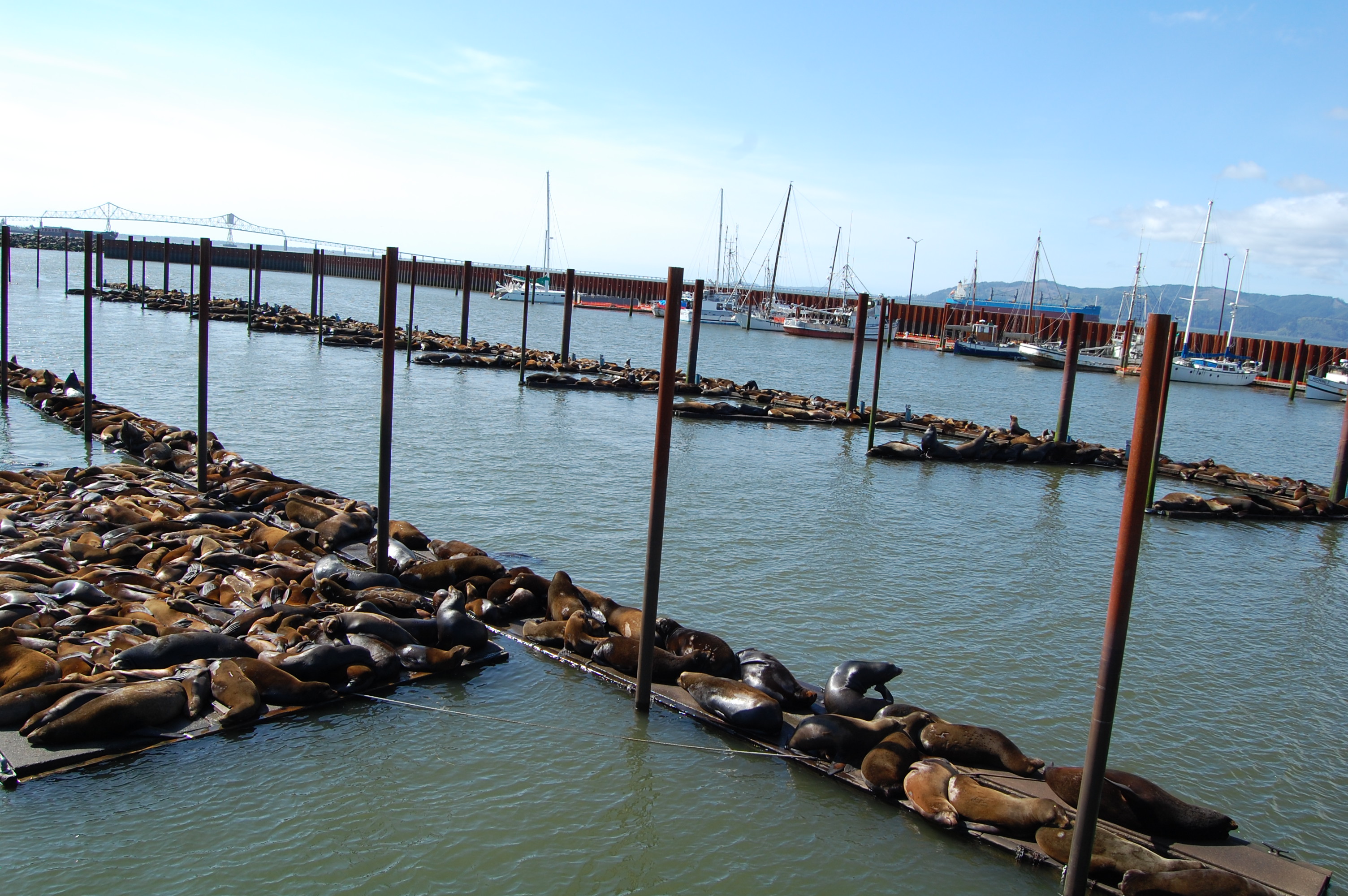
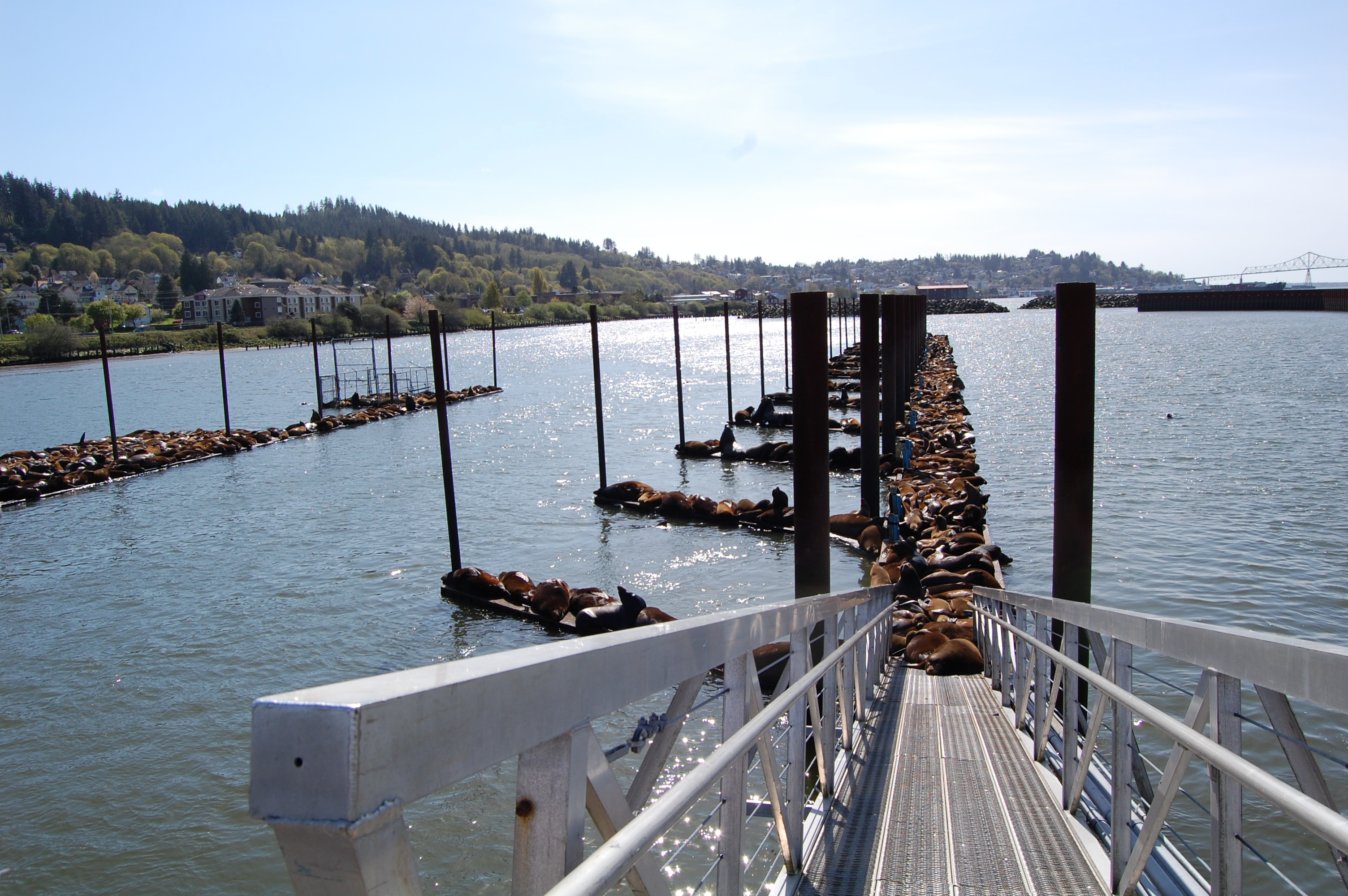
The Port of Astoria will begin fencing off the docks at the East End Mooring Basin this week to keep sea lions off, Executive Director Jim Knight announced at the Port of Astoria Commission meeting Tuesday night.

The obligation of the Port is to protect the publicly owned docks, he said, and other possible solutions, such as lightly electrified pads, didn’t work out.

“I’m also curious to see where the sea lions go,” Knight said, adding jokingly he hopes they won’t make their way to the Port’s West End Mooring Basin.

Commissioner Stephen Fulton asked about an offer he’d heard in the community to build a sea lion-specific dock.

Mike Weston, the Port’s director of business development and operations, said sometime last year, the Port had been approached by Sea Shepherd with an offer to pay for a sea lion dock. But the offer would have stipulated that the Port expel the Oregon Department of Fish and Wildlife from the East End Mooring Basin, Weston added, and the Port can’t control what the state does.

ODFW periodically traps and brands sea lions at the basin, as part of a tracking effort. It’s authorized by the National Oceanic and Atmospheric Administration to kill up to 93 sea lions a year found predating on salmon at Bonneville Dam.

Larger issue

016

The sea lion issue has been a divisive one, with members of the Sea Lion Defense Brigade regularly attending Port meetings and squaring off with diametrically opposed audience members, and often Port Commissioner Bill Hunsinger.

“We don’t have to, in the Port of Astoria, provide a sanctuary for sea lions,” Hunsinger said, adding that nature’s balance is out of whack, with sea lions possibly finding a new place to breed and live full time now that they’re starving in California.

Biologists from NOAA have pointed to odd wind patterns leading to rising ocean temperatures affecting the food source of sea lions, largely sardines. Female sea lions are taking longer to find food for their pups, who are looking for food on their own before they are ready, and washing up emaciated along the West Coast. Meanwhile, sea lions are moving north and into the Columbia River to take advantage of strong runs of smelt and salmon.

Numbers of sea lions spiked during the smelt run in March, with one count by the ODFW estimating more than 2,300 in the East End Mooring Basin. The situation seems to have boiled over, with a federal investigation by NOAA agents into possible sea lion shootings at the basin earlier this month.

“Clearly there is something wrong with ocean conditions,” and sea lions need more support than ever before, Astoria resident Ted Thomas said. He asked the Port Commission to publicly condemn the possible shootings, state its support for the Marine Mammal Protection Act and release to the public the same surveillance tape footage Port staff gave to NOAA investigators.

Members of the Sea Lion Defense Brigade, including Stacey McKenney and Veronica Montoya, approached and commented about how the sea lions are so noisy because of the ODFW branding.

011

Rhino Hunt Auction Winner Fears for His Safety

11140266_10152676869137554_1328208644784607162_n

http://www.usatoday.com/story/news/nation/2014/01/16/us-rhino-hunt-auction-winner-fears-for-his-safety/4517427/

Marie Saavedra, WFAA-TV, Dallas-Fort Worth 6:07 a.m. EST January 17, 2014

A man who paid $350,000 for the right to hunt an endangered African black rhino says he fears for his safety

DALLAS — A U.S. man who paid $350,000 for the right to hunt an endangered African black rhino says he fears for his safety.

Corey Knowlton said that after being revealed as the winner of a controversial Dallas Safari Club auction, he’s received death threats — so many that he says local law enforcement and the FBI are now working to keep them safe.

STORY: Black rhino hunting permit auctioned for $350,000

Knowlton, who has hunted around the world, said there has been a lot of anger and some confusion.

He leads expeditions for both everyday Joes and billionaires looking to hunt, and has been a fixture on The Outdoor Channel. His Facebook page is filled with photos of large deer he’s tracked and killed — wild boar, a bear, even a massive shark.

The Safari Club auctioned the permit to raise money for efforts to protect the black rhino.

Knowlton said his goal was to support conservation efforts for the black rhino. That’s where the money from his bid will go.

But critics feel that the chance to kill one is no kind of reward — and they’re letting him know it.

Still, Knowlton said the hunt is well-managed, and insists he will be targeting an aggressive older male that he says is terrorizing the rest of the herd, and would already be a target.

He said this is a challenge he welcomes.

“I’m a hunter. I want to experience a black rhino. I want to be intimately involved with a black rhino,” Knowlton said. “If I go over there and shoot it or not shoot it, it’s beyond the point.”

He said the death of this black rhino is inevitable.

“They are going to shoot those black rhinos … period. End of story,” he said.

Contributing: The Associated Press