State Costs Soar As Bird Flu Outbreak Worsens
5

By Associated Press April 25, 2015
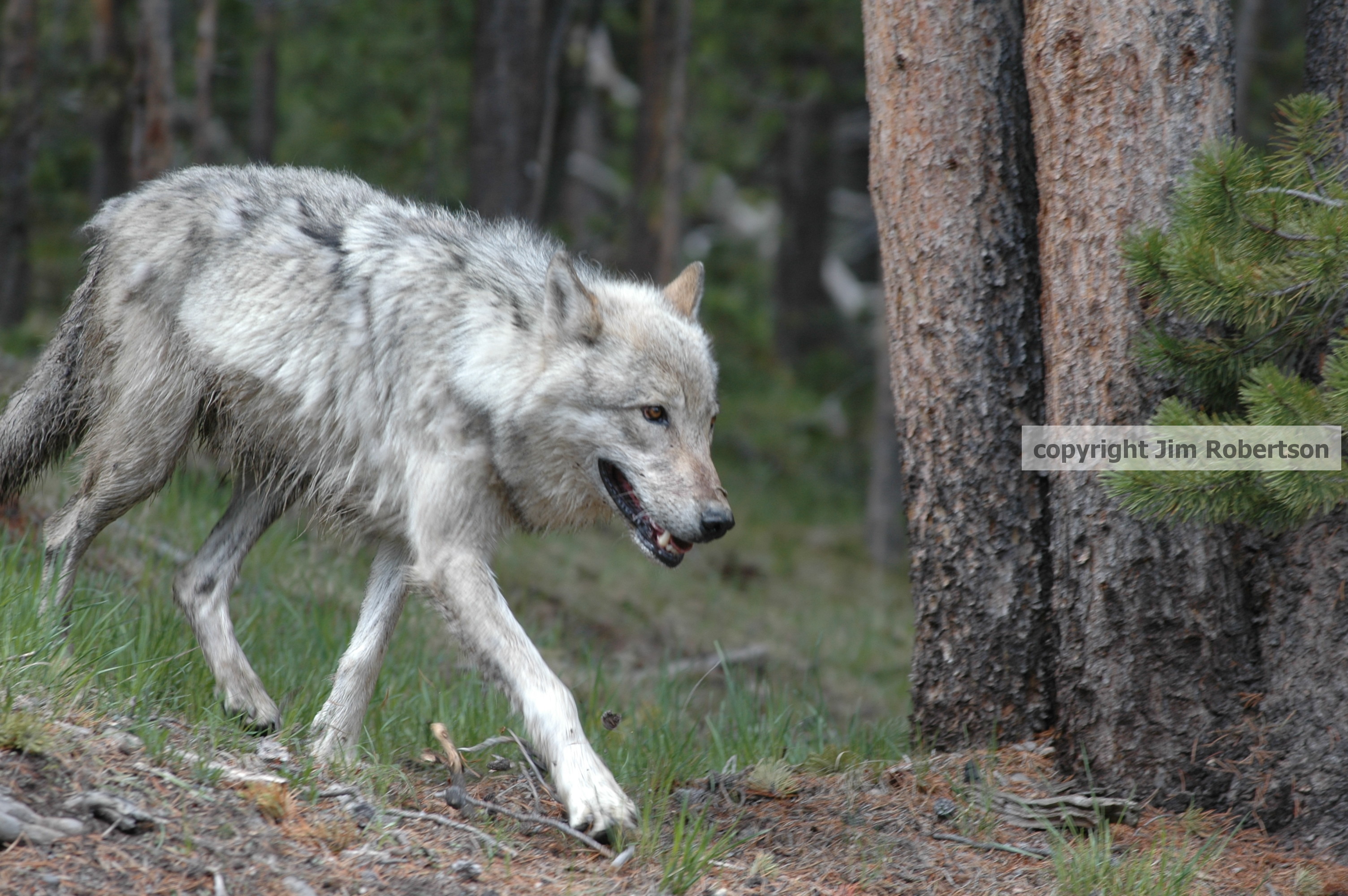
The decision Friday by the Oregon Fish and Wildlife Commission came as the number of wolves and breeding pairs have increased in the state. By 2014, there were 77 wolves in 15 known packs.
The state’s conservation goal was to have four breeding pairs for three consecutive years, a goal that was reached earlier this year.
The commission will look at two options: delisting the wolves statewide and partially, in eastern Oregon only. The option of not delisting also remains.
State delisting would not impact a federal endangered listing that includes the state’s western two-thirds.
Commissioners will draft a proposal by June and vote on it in August.

On this week’s edition of HBO’s Real Time, host Bill Maher was all about death during his New Rules segment, expressing happiness that a big game hunter was killed by the very elephant he was stalking, to a Republican named Upright who is still campaigning against Hillary Clinton from beyond the grave.
Maher began by mocking constant target Sarah Palin for her new PAC logo — featuring the Big Dipper over her head — saying stars circling over your head isn’t a sign that you’re looking to the future, “it just means you’ve walked into a stop sign.”
Also see Laughing at religion is exactly what the world needs: http://www.salon.com/2015/04/26/bill_maher_american_hero_laughing_at_religion_is_exactly_what_the_world_needs/


British Columbia’s wolves need our help. Wolf persecution knows no boundaries.
British Columbia plans to kill wolves for the next five years, under the guise of boosting caribou numbers. Sound familiar? I guess they forgot habitat loss is the single biggest contributor to caribou decline. But of course now that caribou numbers are low, they want to blame and kill the wolves. Typical reactionary thinking. Man does the damage and wolves pay the price.
Please visit wolfawarenessInc.org to learn more.


===
Facebook: https://www.facebook.com/groups/wolfawareness/
Twitter: @wolfawareness
===
This year’s cull wraps up short of target, though ‘intent is the program will continue,’ minister says.
The British Columbia government has temporarily stopped killing wolves, and conservationists are pushing to make the pause permanent.
“I don’t want people thinking it’s over,” said Sadie Parr, the director…
View original post 55 more words
http://newsradio1310.com/bill-proposed-to-remove-wolf-protection-in-ut-or-and-wa/
YAKIMA, Wash. (AP) — Republican U.S. Rep. Dan Newhouse has introduced a bill to remove the gray wolf from Endangered Species Act protections in Washington, Oregon and Utah.
The freshman lawmaker says removing wolves from the list is “long overdue” and would allow state wildlife officials to manage wolves more effectively.
The Yakima Herald-Republic reports his bill would also prevent states from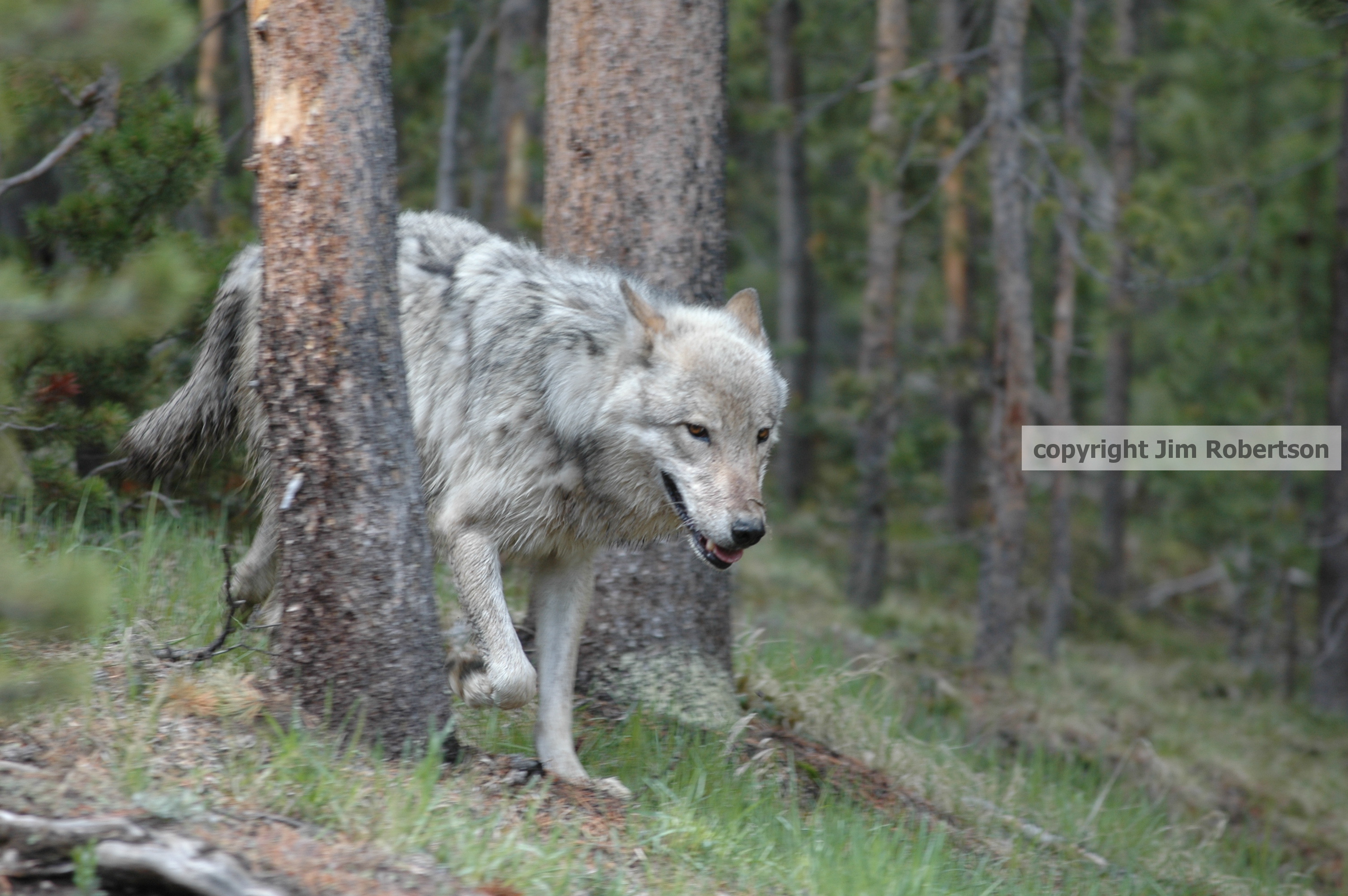 providing protections to wolves that are stronger than those found in the federal Endangered Species Act.
A spokesman for Conservation Northwest, which works on wolf recovery issues, calls the bill disappointing. Chase Gunnell says there are only a few wolves receiving federal protection in Washington and Oregon
Read More: Bill Proposed to Remove Wolf Protection in UT, OR, and WA | http://newsradio1310.com/bill-proposed-to-remove-wolf-protection-in-ut-or-and-wa/?trackback=tsmclip
by Michael Greger, M.D
In Iowa, poultry producers are losing birds due to the latest avian influenza (H5N2) outbreaks on factory farms. The poultry industry nationally has already lost tens of millions of dollars. Since the government compensates producers for birds who are killed to prevent the flu from spreading, taxpayer dollars, as well as animal lives, are being squandered.
The largest outbreak of bird flu in American history was an H5N2 virus, which led to the deaths of 17 million domestic birds and cost the nation more than $400 million during an outbreak in Pennsylvania that started in 1983. In 2002, the first case of human infection with an avian influenza virus was reported. The emergence and spread of virulent strains of avian influenza has been attributed by experts to the intensely overcrowded, unsanitary, and stressful conditions that often characterize large-scale factory farming in industrialized agriculture.
In nature, disease-causing strains of avian influenza rarely spread far because the birds sicken and die before they can fly to spread it to others. However, in unnatural, intensive agricultural systems, pathogens are more easily able to evolve from mild strains to dangerous, highly pathogenic forms. Nine out of 10 chickens used for egg production in the U.S. are confined in barren wire cages. These cages are stacked in often windowless sheds that typically confine more than 100,000 animals each.
Due to the extreme confinement, hens — who are highly intelligent and social animals — cannot engage in natural behaviors like nesting, perching, or even spreading their wings. High levels of stress can lead to weakened immunity, rendering animals much more susceptible to disease. This makes the average poultry factory farm a hotbed for outbreaks of avian flu.
Overcrowding vast numbers of animals beak-to-beak in their own waste presents threats to human and animal health. The poultry industry looks for easy scapegoats such as wild ducks and geese, even though these animals have flown over North America for millennia. Until our society demands hygienic and animal welfare reforms, dangerous pathogens will continue to multiply and spread. The best-case scenario is that these outbreaks will continue to squander taxpayer money on endless games of Whack-a-Mole. The worst-case scenario — the jump of a highly contagious strain to humans — is unfathomable.
MICHAEL GREGER, M.D., is the author of “Bird Flu: A Virus of Our Own Hatching” and the director of public health and animal agriculture at The Humane Society of the United States. Contact: mgreger@humanesociety.org


Otter mom shows off her pup

A season’s catch
Click on this link to view the results from the Spring DNR/WCC meeting, held on Monday, April 13, 2015. Both the statewide results and a separate link to individual county results are provided.
http://audubonportland.org/news/april20-2015
April 20, 2015: Five conservation and animal welfare organizations initiated a lawsuit today against the U.S. Army Corps of Engineers, U.S. Fish and Wildlife Service and USDA Wildlife Services to stop the slaughter of thousands of Double-crested Cormorants in the Columbia River basin. According to the lawsuit, the agencies are scapegoating the native birds for salmon declines while ignoring the real threat to salmon: mismanagement of the federal hydropower system. Unless stopped, the agencies will kill more than 15 percent of the entire population of Double-crested Cormorants west of the Rocky Mountains.
The federal agencies are set to kill more than 10,000 Double-crested Cormorants using shotguns as the birds forage for food over water. Snipers with night vision goggles and high-powered rifles will also shoot birds from elevated platforms as the birds care for their eggs and young on their nesting grounds at East Sand Island in the Columbia River. The agencies also plan to destroy more than 26,000 Double-crested Cormorant nests through oiling of eggs, egg failure, and starvation of nestlings whose parents have been shot.
“This is not about birds versus fish,” said Bob Sallinger, Audubon Society of Portland conservation director. “The Corps and other federal agencies have proposed rolling back dam operations that benefit salmon while at the same time targeting thousands of cormorants. Blaming salmon and steelhead declines on wild birds that have coexisted with salmon since time immemorial is nothing more than a diversion.”
The lawsuit identifies several ways in which the Corps and Fish and Wildlife Service violated federal laws in their decision to move forward with the cormorant slaughter, including by refusing to analyze alternative dam operations to benefit salmon as required by the National Environmental Policy Act and the Migratory Bird Treaty Act. In addition, the agencies failed to utilize available non-lethal methods of cormorant control, such as habitat modification on East Sand Island.
“The Corps has lost four lawsuits in federal court over the past decade due to its failure to address the impacts of dams on salmon,” said Stephen Wells, ALDF executive director. “Rather than addressing this ongoing violation of federal law, the Corps is now trying to blame wild birds who co-existed with healthy salmon runs for millennia before the Corps of Engineers came on the scene.”
It is particularly troubling that the Corps and the Service both admit that this slaughter will drive cormorant populations below sustainable levels. The agencies define a “sustainable” cormorant population as one that is “able to maintain a long-term trend with numbers above a level that would not result in a major decline or cause a species to be threatened or endangered.”
“It is unprecedented that federal agencies would deliberately drive a native species below levels defined as sustainable,” said Michael Harris, Friends of Animals’ legal director. “We expect the federal government to protect native wildlife, not intentionally cause major declines.”
“The agencies need to stop scapegoating these native birds,” said Collette Adkins, a senior attorney at the Center for Biological Diversity. “The Corps’ refusal to modify dam operations is the real threat to salmon, and the deaths of thousands of cormorants will be another casualty of the agency’s mismanagement of the Columbia River ecosystem.”
“The saddest part about this action is that it will do little or nothing to protect salmon,” said Sharnelle Fee, director of the Wildlife Center of the North Coast. “The science supporting this lethal control action is remarkably weak and this action is virtually meaningless from a salmon recovery perspective.”
Cormorants eat a very small portion of migrating salmon and also eat their predators, so the killing will have little benefit for salmon. But the killing will have a significant impact on the cormorant population. According to scientific experts, cormorant populations are under tremendous pressure throughout the Western United States from natural hazards such as drought and climate change. They are also under pressure from deliberate hazing, harassment and lethal control by humans. Western cormorant populations are currently less than 10 percent of their historic levels.
The plaintiffs on this lawsuit are: Audubon Society of Portland, Center for Biological Diversity, Wildlife Center of the North Coast, Animal Legal Defense Fund, and Friends of Animals. Plaintiffs are represented by Dan Rohlf and Earthrise Law Center. The plaintiffs will seek an injunction to stop the killing while the case proceeds through the court system.
Complaint for Declaratory and Injunctive Relief – filed by plaintiffs on April 20, 2015.
Learn more about the Audubon Society of Portland’s work to protect cormorants on East Sand Island.
Please make a donation to support the Audubon Society of Portland’s efforts to protect East Sand Island cormorants from horrific lethal control.


 Exposing the Big Game