PARIS: New climate models show carbon dioxide is a more potent greenhouse gas than previously understood, a finding that could push the Paris treaty goals for capping global warming out of reach, scientists have told AFP.
The most influential projections from government-backed teams in the US, Britain, France and Canada point to a future in which CO2 concentrations that have long been equated with a 3C world would more likely heat the planet’s surface by four or five degrees.
“Right now, there is an enormously heated debate within the climate modelling community,” said Earth system scientist Johan Rockstrom, director of the Potsdam Institute for Climate Impact Research.
“You have 12 or 13 models showing sensitivity which is no longer 3C, but rather 5C or 6C
By Brady Dennis, Andrew Freedman and John Muyskens / The Washington Post
Posted at 5:00 AM
WASHINGTON — The past decade was the hottest ever recorded on the planet, driven by an acceleration of temperature increases in the past five years, according to new data released Wednesday by the U.S. government.
The findings, released jointly by NASA and the National Oceanic and Atmospheric Administration (NOAA), detail a troubling trajectory: 2019 was the second-hottest year on record, trailing only 2016. The past five years each rank among the five hottest since record-keeping began. And 19 of the hottest 20 years have occurred during the past two decades.
The warming trend also bears the unmistakable fingerprint of humans, who continue to emit tens of billions of tons of carbon dioxide into the atmosphere each year, scientists say.
“No individual hot year — or hot day or hot season, for that matter…
Media captionOur Planet Matters: Climate change explained
Scientists say global warming could have a catastrophic effect on the planet.
Human activities have increased carbon-dioxide emissions, driving up temperatures. Extreme weather and melting polar ice are among the possible effects.
What is climate change?
The Earth’s average temperature is about 15C but has been much higher and lower in the past.
There are natural fluctuations in the climate but scientists say temperatures are now rising faster than at many other times.
This is linked to the greenhouse effect, which describes how the Earth’s atmosphere traps some of the Sun’s energy.
Solar energy radiating back to space from the Earth’s surface is absorbed by greenhouse gases and re-emitted in all directions.
This heats both the lower atmosphere and the surface of the planet. Without this effect, the Earth would be about 30C colder and hostile to life.
Scientists believe we are adding to the natural greenhouse effect, with gases released from industry and agriculture trapping more energy and increasing the temperature.
This is known as climate change or global warming.
What are greenhouse gases?
The greenhouse gas with the greatest impact on warming is water vapour. But it remains in the atmosphere for only a few days.
Carbon dioxide (CO2), however, persists for much longer. It would take hundreds of years for a return to pre-industrial levels and only so much can be soaked up by natural reservoirs such as the oceans.
Most man-made emissions of CO2 come from burning fossil fuels. When carbon-absorbing forests are cut down and left to rot, or burned, that stored carbon is released, contributing to global warming.
Since the industrial revolution began in about 1750, CO2 levels have risen more than 30%. The concentration of CO2 in the atmosphere is higher than at any time in at least 800,000 years.
Other greenhouse gases such as methane and nitrous oxide are also released through human activities but they are less abundant than carbon dioxide.
What is the evidence for warming?
The world is about one degree Celsius warmer than before widespread industrialisation, the World Meteorological Organization (WMO) says.
Across the globe, the average sea level increased by 3.6mm per year between 2005 and 2015.
Most of this change was because water increases in volume as it heats up.
However, melting ice is now thought to be the main reason for rising sea levels. Most glaciers in temperate regions of the world are retreating.
And satellite records show a dramatic decline in Arctic sea-ice since 1979. The Greenland Ice Sheet has experienced record melting in recent years.
Satellite data also shows the West Antarctic Ice Sheet is losing mass. A recent study indicated East Antarctica may also have started to lose mass.
The effects of a changing climate can also be seen in vegetation and land animals. These include earlier flowering and fruiting times for plants and changes in the territories of animals.
How much will temperatures rise in future?
The change in the global surface temperature between 1850 and the end of the 21st Century is likely to exceed 1.5C, most simulations suggest.
The WMO says that if the current warming trend continues, temperatures could rise 3-5C by the end of this century.
Temperature rises of 2C had long been regarded as the gateway to dangerous warming. More recently, scientists and policymakers have argued that limiting temperature rises to 1.5C is safer.
Media captionClimate change: How 1.5C could change the world
An Intergovernmental Panel on Climate Change (IPCC) report in 2018 suggested that keeping to the 1.5C target would require “rapid, far-reaching and unprecedented changes in all aspects of society”.
The UN is leading a political effort to stabilise greenhouse-gas emissions. China emits more CO2 than any other country. It is followed by the US and the European Union member states, although emissions per person are much greater there.
But even if we now cut greenhouse-gas emissions dramatically, scientists say the effects will continue. Large bodies of water and ice can take hundreds of years to respond to changes in temperature. And it takes CO2 decades to be removed from the atmosphere.
How will climate change affect us?
There is uncertainty about how great the impact of a changing climate will be.
It could cause freshwater shortages, dramatically alter our ability to produce food, and increase the number of deaths from floods, storms and heatwaves. This is because climate change is expected to increase the frequency of extreme weather events – though linking any single event to global warming is complicated.
Media captionMatt McGrath explains why we should care about climate change
As the world warms, more water evaporates, leading to more moisture in the air. This means many areas will experience more intense rainfall – and in some places snowfall. But the risk of drought in inland areas during hot summers will increase. More flooding is expected from storms and rising sea levels. But there are likely to be very strong regional variations in these patterns.
Poorer countries, which are least equipped to deal with rapid change, could suffer the most.
Plant and animal extinctions are predicted as habitats change faster than species can adapt. And the World Health Organization (WHO) has warned that the health of millions could be threatened by increases in malaria, water-borne disease and malnutrition.
Media captionHow temperatures have risen since 1884
As more CO2 is released into the atmosphere, uptake of the gas by the oceans increases, causing the water to become more acidic. This could pose major problems for coral reefs.
Global warming will cause further changes that are likely to create further heating. This includes the release of large quantities of methane as permafrost – frozen soil found mainly at high latitudes – melts.
Responding to climate change will be one of the biggest challenges we face this century.
Media captionChina needs to tackle climate change – Attenborough
“The moment of crisis has come” in efforts to tackle climate change, Sir David Attenborough has warned.
According to the renowned naturalist and broadcaster, “we have been putting things off for year after year”.
“As I speak, south east Australia is on fire. Why? Because the temperatures of the Earth are increasing,” he said.
Sir David’s comments came in a BBC News interview to launch a year of special coverage on the subject of climate change.
Scientists say climate change is one of several factors behind the Australian fires; others include how forests are managed and natural patterns in the weather.
Sir David told me it was “palpable nonsense” for some politicians and commentators to suggest that the Australian fires were nothing to do with the world becoming warmer.
“We know perfectly well,” he said, that human activity is behind the heating of the planet.
What does Sir David mean by ‘the moment of crisis’?
He’s highlighting the fact that while climate scientists are becoming clearer about the need for a rapid response, the pace of international negotiations is grindingly slow.
The most recent talks – in Madrid last month – were branded a disappointment by the UN Secretary-General, the British government and others.
Decisions on key issues were put off and several countries including Australia and Brazil were accused of trying to dodge their commitments.
“We have to realise that this is not playing games,” Sir David said.
“This is not just having a nice little debate, arguments and then coming away with a compromise.
“This is an urgent problem that has to be solved and, what’s more, we know how to do it – that’s the paradoxical thing, that we’re refusing to take steps that we know have to be taken.”
It said that emissions of the gases heating the planet – from power stations and factories, vehicles and agriculture – should be almost halved by 2030.
Image copyrightGETTY IMAGESImage captionAustralia has been badly hit by bushfires
Instead the opposite is happening.
The release of those gases is still increasing rather than falling and the key gas, carbon dioxide, is now in the atmosphere at a level far above anything experienced in human history.
As Sir David put it: “Every year that passes makes those steps more and more difficult to achieve.”
Why does this matter right now?
This year is seen as a vital opportunity to turn the tide on climate change.
The UK is hosting what’s billed as a crucial UN summit, known as COP26, in Glasgow in November.
Ahead of that gathering, governments worldwide are coming under pressure to toughen their targets for cutting emissions.
Assuming they are delivered as promised (and there’s no guarantee of that), there could still be a rise in the global average temperature of more than 3C by the end of the century, compared to pre-industrial levels.
The latest assessment by the UN’s Intergovernmental Panel on Climate Change (IPCC) lays bare the dangers of that.
It suggests that a rise of anything above 1.5C would mean that coastal flooding, heatwaves and damage to coral reefs would become more severe.
And the latest figures show that the world has already warmed by just over 1C.
What happens next?
As things stand, further heating looks inevitable.
“We’re already living in a changed world,” according to Professor Ed Hawkins of the University of Reading, a scientist whose depictions of global warming have often gone viral on social media.
He uses bold coloured stripes to show how much each year’s temperature is above or below average – different shades of red for warmer and blue for colder.
Media captionOur Planet Matters: Climate change explained
The designs now adorn T-shirts, scarves and even a tram in Germany.
At the moment, Prof Hawkins uses dark red to denote the highest level of warming, but regions such as the Arctic Ocean have seen that maximum level year after year.
Such is the scale of change that he’s having to search for new colours.
“I’m thinking about adding dark purple or even black”, he told me, to convey future increases in temperature.
“People might think climate change is a distant prospect but we’re seeing so many examples around the world, like in Australia, of new records and new extremes.”
What else is on the environmental agenda this year?
The natural world, and whether we can stop harming it.
While most political attention will be on climate change, 2020 is also seen as potentially important for halting the damage human activity is having on ecosystems.
Sir David has a blunt explanation for why this matters: “We actually depend upon the natural world for every breath of air we take and every mouthful of food that we eat.”
Image copyrightGETTY IMAGESImage captionThe northern white rhino (seen here) is down to just two animals, making it “functionally” extinct
A landmark report last year warned that as many as one million species of animals, insects and plants are threatened with extinction in the coming decades.
A more recent study found that the growth of cities, the clearing of forests for farming and the soaring demand for fish had significantly altered nearly three-quarters of the land and more than two-thirds of the oceans.
One of the scientists involved, Prof Andy Purvis of the Natural History Museum in London, says that by undermining important habitats, “we’re hacking away at our safety net, we’re trashing environments we depend on”.
He points to the impact of everything from the use of palm oil in processed food and shampoo to the pressures created by fast fashion.
And while the need for conservation is understood in many developed countries, Prof Purvis says “we’ve exported the damage to countries too poor to handle the environmental cost of what they’re selling to us”.
The gathering in Kunming takes place in October, a month before the UN climate summit in Glasgow, confirming this year as crucial for our relations with the planet.
There are two undeniable truths regarding trapping wildlife: 1) Trapping is exceedingly cruel and inhumane, and 2) A large number of trapped wildlife are non-target animals. Most states and foreign countries ban trapping for these reasons. Not Wisconsin where trapping is allowed and promoted.
The following editorial was published Jan. 10 in The Cape Codder:
In the past two years we’ve been frustrated to see the odious coyote hunting contests sponsored by the Hyannis gun shop Powderhorn Outfitters. The competition awarded cash prizes to hunters who brought in the largest coyote and for the most cumulative weight of animals killed.
In our view the contests are an insult to the spirituality many look for and find in nature.
We believe in a set of core values related to hunting: reverence, respect and humility.
The contests, which rightly caused an outcry from protesters, are a boorish way to capitalize on the egos of some hunters, who exploit for money or fame the animals they have hunted and killed. Sad.
So we were relieved to learn that the Massachusetts Fisheries and Wildlife Board voted in December to prohibit hunting…
Bird flu has appeared yet again in Hungary on a large turkey farm in Ács, and a duck farm in Létavértes. To prevent the spread of the virus, authorities will kill the infected animals. The chief veterinary officer ordered the poultry to be kept indoors throughout the country. The detected H5N8 subtype of the virus has never infected any humans in Europe, so it is still safe to consume poultry products.
53,500 turkeys have to be killed at a poultry farm near Ács in Komárom-Esztergom County after the highly pathogenic avian influenza virus was detected, the National Food Chain Safety Office (Nébih) wrote in their press release on Monday.
Farmers will be compensated by the government for the slaughtering of livestock, the statement emphasizes.
As the disease is spread by wild birds, the chief veterinary officer has ordered the birds on poultry farms to be kept indoors…
The United States House of Representatives on Dec. 18, 2019, approved two Articles of Impeachment against President Donald J. Trump. I believe a third article is needed, that of “Worsening of the Climate Crisis.”
The House of Representatives determines what constitutes “high crimes and misdemeanors,” and harm to the country is one practical criterion. Certainly, Article I and Article II describe significant potential harm to the United States. But Article III describes definitive injury to our country now, and the potential for devastating injury in the future. I propose the revision below of the Articles of Impeachment.
ARTICLE I: ABUSE OF POWER
ARTICLE II: OBSTRUCTION OF CONGRESS
ARTICLE III: WORSENING OF THE CLIMATE CRISIS
(1) Scientific Reality Denial. The heart of Article III is President Trump’s rejection of the science of climate change. The greenhouse effect was discovered in 1859. Upon that foundation was built a massive body of peer-reviewed scientific literature, establishing the details of man-made (anthropogenic) climate change. This science is accepted by essentially every reputable climatologist on Earth, hundreds of global scientific bodies, the U.S. military, most world religions and 197 nation signatories to the Paris Agreement. Yet President Trump rejects climate science and claims, without proof, that climate change is a “Chinese hoax.” This denial of climate change, a concept as well established as the theory of gravity, has resulted in many harmful Trump administration policies.
(2) Paris Agreement Withdrawal. President Trump filed his intent to remove the United States from the Paris Agreement, effective Nov. 4, 2020. The United States thus lost its international leadership role in dealing with the climate crisis and has sabotaged recent climate summits, including COP25 in Madrid. The United States has become a climate pariah under President Trump.
(3) Clean Power Plan Repeal. President Trump’s halting the rollout of this plan killed the United States’ most powerful strategy to cut the greenhouse gas (GHG) emissions that produce global warming. With Trump’s ineffective Affordable Clean Energy replacement power plan, an additional 1,700 Americans will also die annually from air pollution.
(4) Corporate Average Fuel Economy Standards Weakening. By reducing these vehicle fuel-efficiency standards, President Trump would increase GHG emissions, increase dangerous tailpipe pollution, increase lung disease and cost citizens more in larger gasoline purchases. In the United States, 53,000 die annually from tailpipe pollution, according to a Massachusetts Institute of Technology study.
(5) Refrigerant Prohibition Repeal. President Trump stopped enforcement of a 2015 rule that prevented the use of the refrigerant hydrofluorocarbon, a greenhouse gas that is 5,000 times more potent than carbon dioxide over 20 years.
(6) Methane Emissions Reporting Cancellation. President Trump cancelled a requirement that oil and gas companies report their methane emissions. Measurement of methane is crucial in detecting leaks, which can lead to technologies to decrease the leaks. After carbon dioxide, methane is the second most important GHG and has 84 times greater warming potential than carbon dioxide over 20 years.
(7) Endangered Species Abandonment. President Trump withdrew protection of endangered marine mammals and sea turtles on the West Coast. This action was especially destructive at a time when we are experiencing the sixth mass extinction, with loss of 3 billion birds in North America since 1970, for example.
(8) Massive Ocean Extraction Proposal. President Trump proposed opening most of America’s coastal waters for offshore oil and gas drilling. This action benefits only the fossil-fuel coffers while extracting fuels we must not burn and exposing our pristine waters to the risk of another devastating Deepwater Horizon oil spill.
(9) Extensive Additional Deregulation. The examples of harmful deregulation above are only a few of 80 instances of Trump deregulation found in research by Harvard and Columbia law schools and analyzed by the New York Times. Some of these examples are now law, some have been rejected by the courts and others are under litigation.
In summary, President Trump is deemed unfit for office given the high crimes and misdemeanors described in Articles I, II and III. In our modern era, in which science and technology are critical for a functioning society, President Trump’s rejection of science is a dangerous incompetence. The gold standard of climate science, the Intergovernmental Panel on Climate Change, states that the impacts of climate change are already evident, will multiply this century and will become devastating if global mean temperature increase is more than 1.5 degree Celsius. To prevent this temperature increase, the world must slash GHG emissions approximately 7% each year. In contradiction of this requirement, U.S. emissions rose 3.4% in 2018 under President Trump. This increase is not surprising as all the examples of deregulation above will increase greenhouse-gas emissions, as they benefit the fossil-fuel industry and other corporations.
California and Australia are scorched by hellish wildfires, Africans suffer famine from climate-worsened drought and sea-level rise is drowning homes of the Bangladeshi. Meanwhile, President Trump adopts policies that will enrich himself and the fossil-fuel industry, while inflaming this climate crisis. By the criterion of presidential harm to the United States (and the world), President Trump must be removed from office.
(CNN)As many as one million seabirds died at sea inless than 12 monthsin one of the largest mass die-offs in recorded history — and researchers say warm ocean waters are to blame.
The birds, a fish-eating species called the common murre, were severely emaciated and appeared to have died of starvation between the summer of 2015 and the spring of 2016,washing up along North America’s west coast, from California to Alaska.
Now, scientists say they know what caused it:a huge section of warm ocean water in the northeast Pacific Ocean dubbed “the Blob.”
A years-long severe marine heat wave first began in 2013, and intensified during the summer of 2015 due to a powerful weather phenomenon called El Nino, which lasted through 2016.
The heat wave created the Blob — a 1,000-mile (1,600…
WHITE SULPHUR SPRINGS, N.Y. — A Sullivan County coyote hunting/trapping contest next month could be for headed for a record number of participants with some $10,000 in cash and prizes offered.
“Last year, we had 644 participants. This year, we’re looking for over 700,” he said. “We’re a little ahead of where we were (registration-wise) this time last year.”
The three-day competition, set for Feb. 7-9, will be headquartered at the White Sulphur Springs Fire House. The contest is open to coyote hunters across the state, along those from six counties in Pennsylvania (Pike, Susquehanna, Wayne, Lackawanna, Monroe and Tioga).
Among the prizes offered will be a $2,000 check for the hunter who turns in the heaviest coyote. Hunters will…


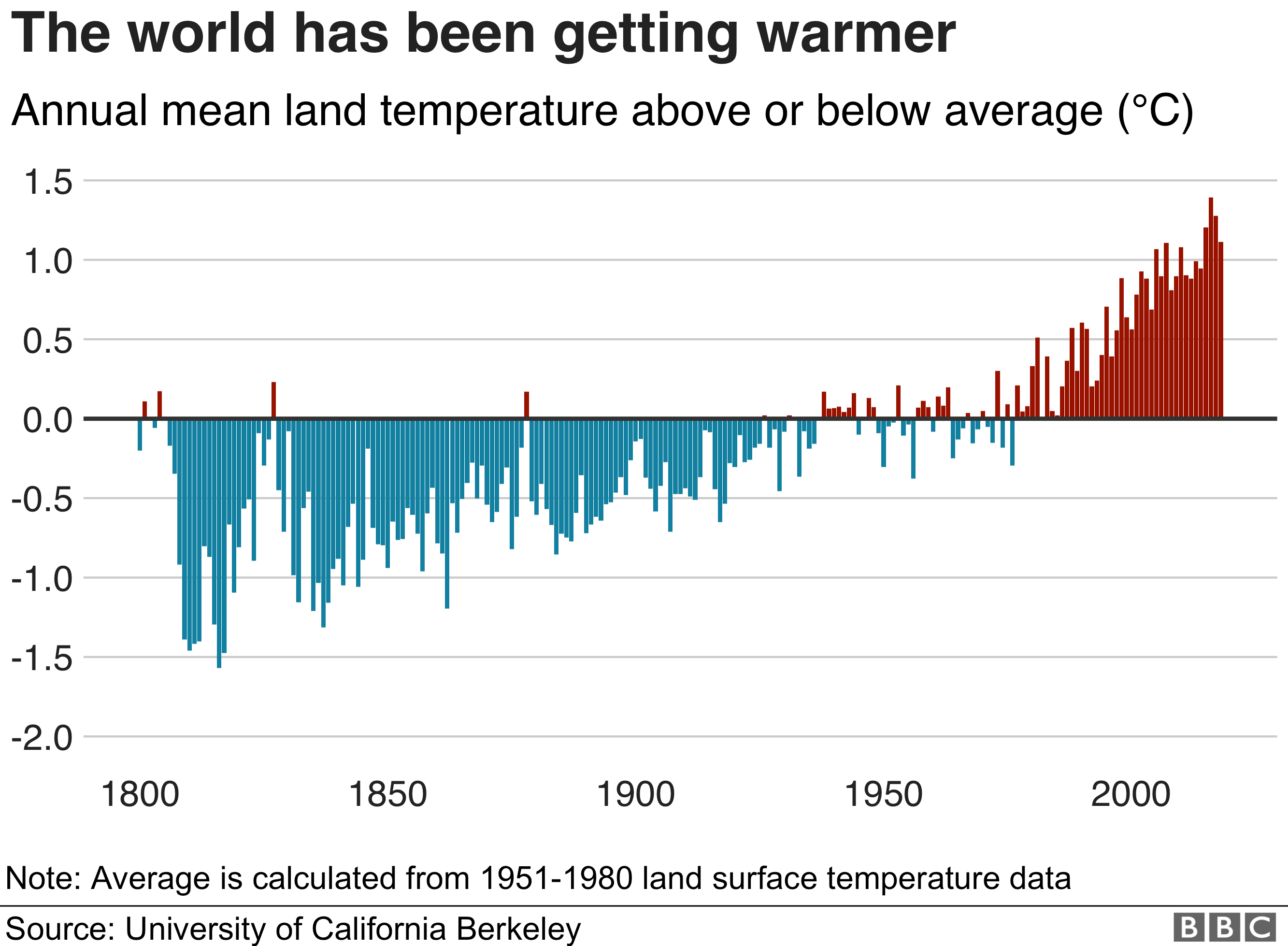
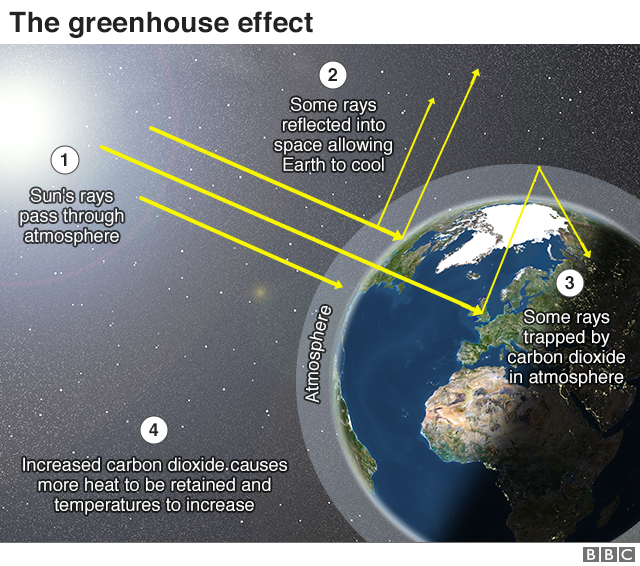
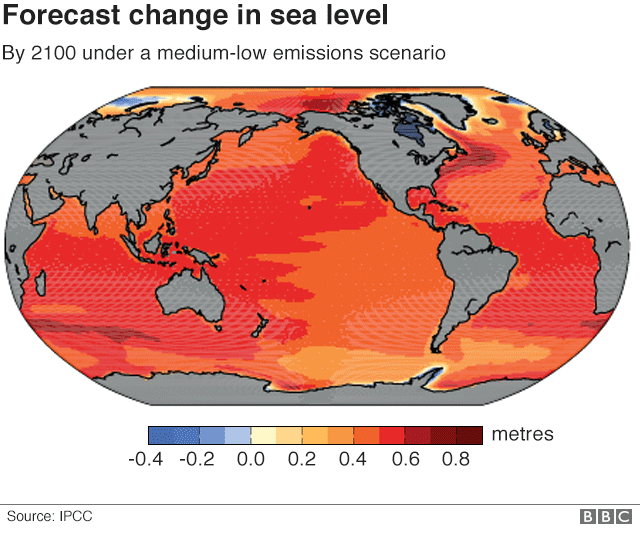
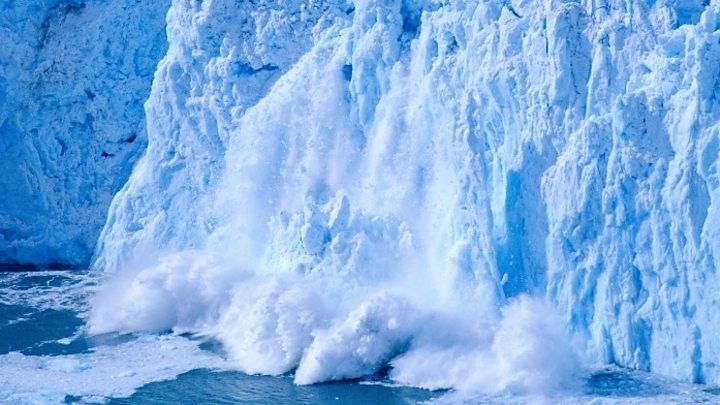
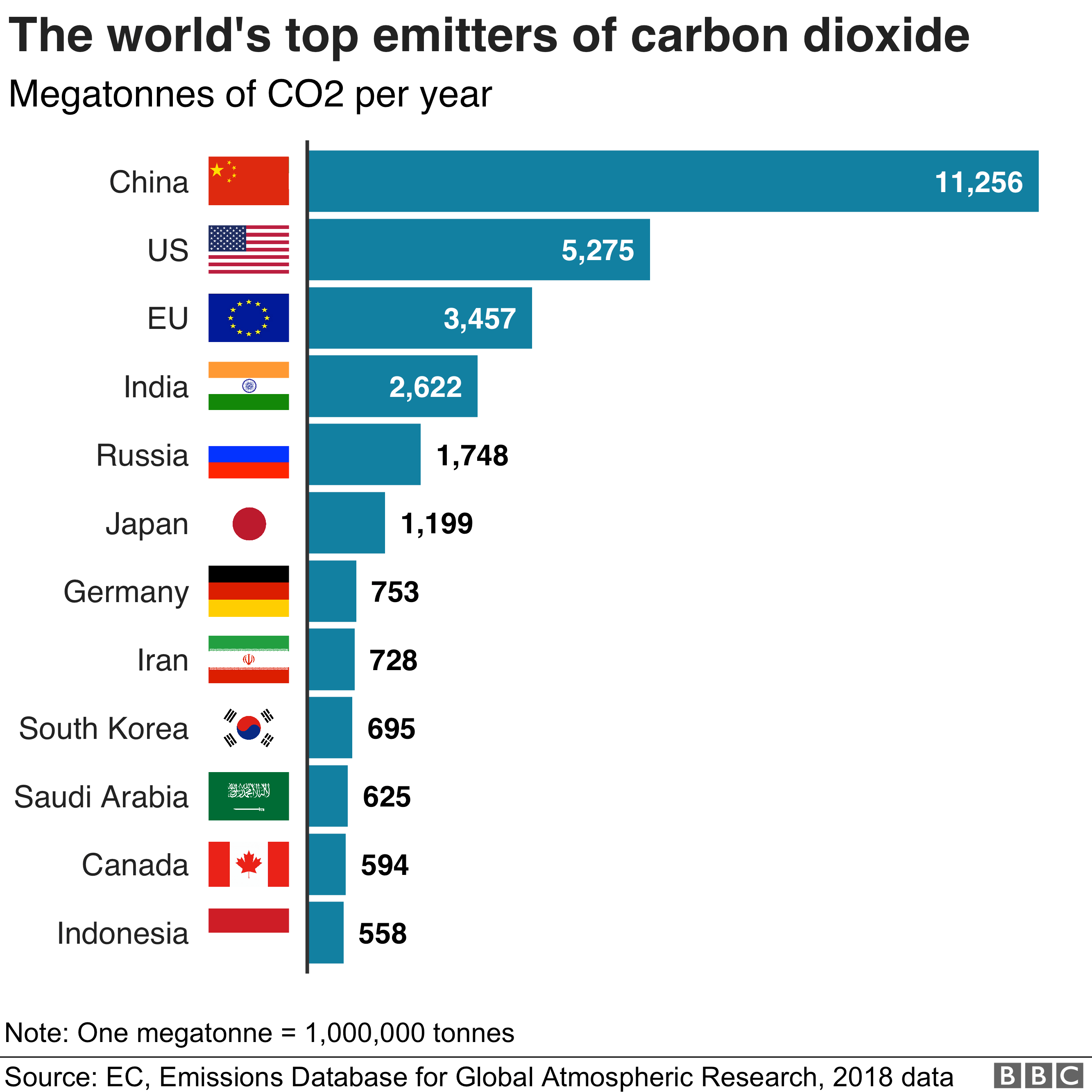

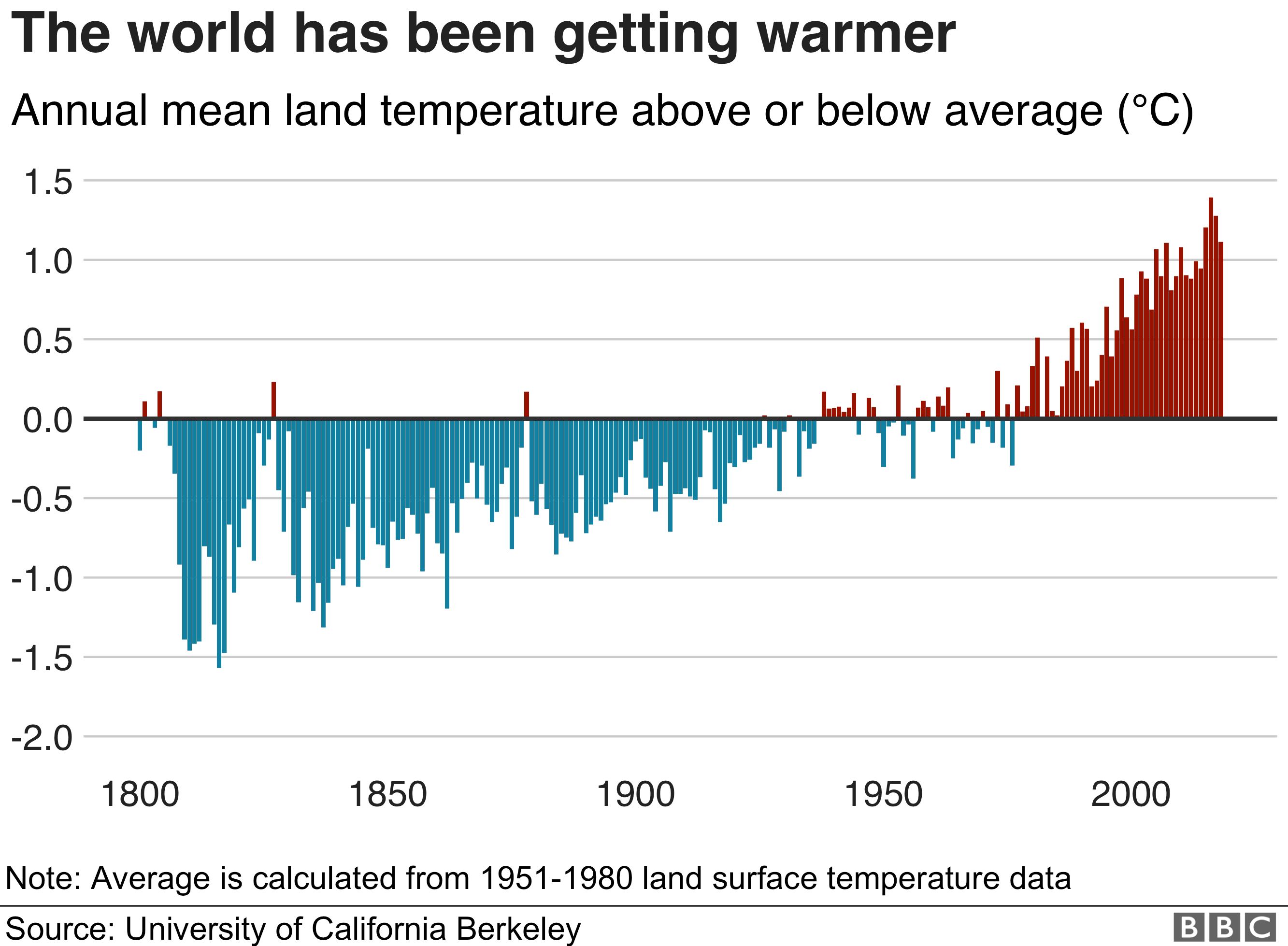
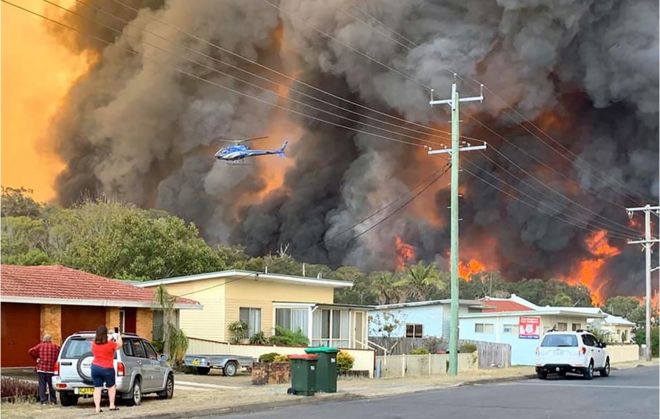
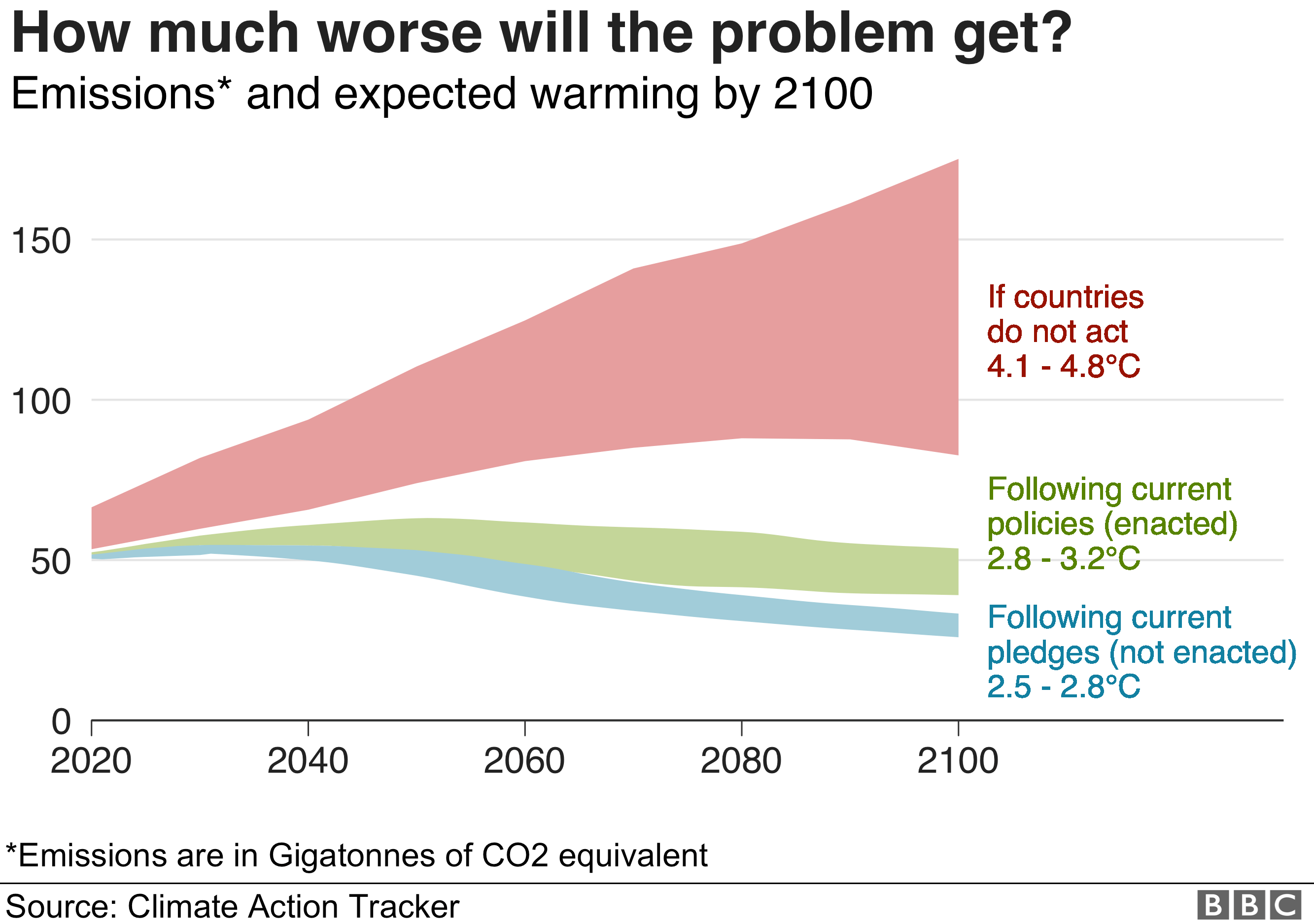
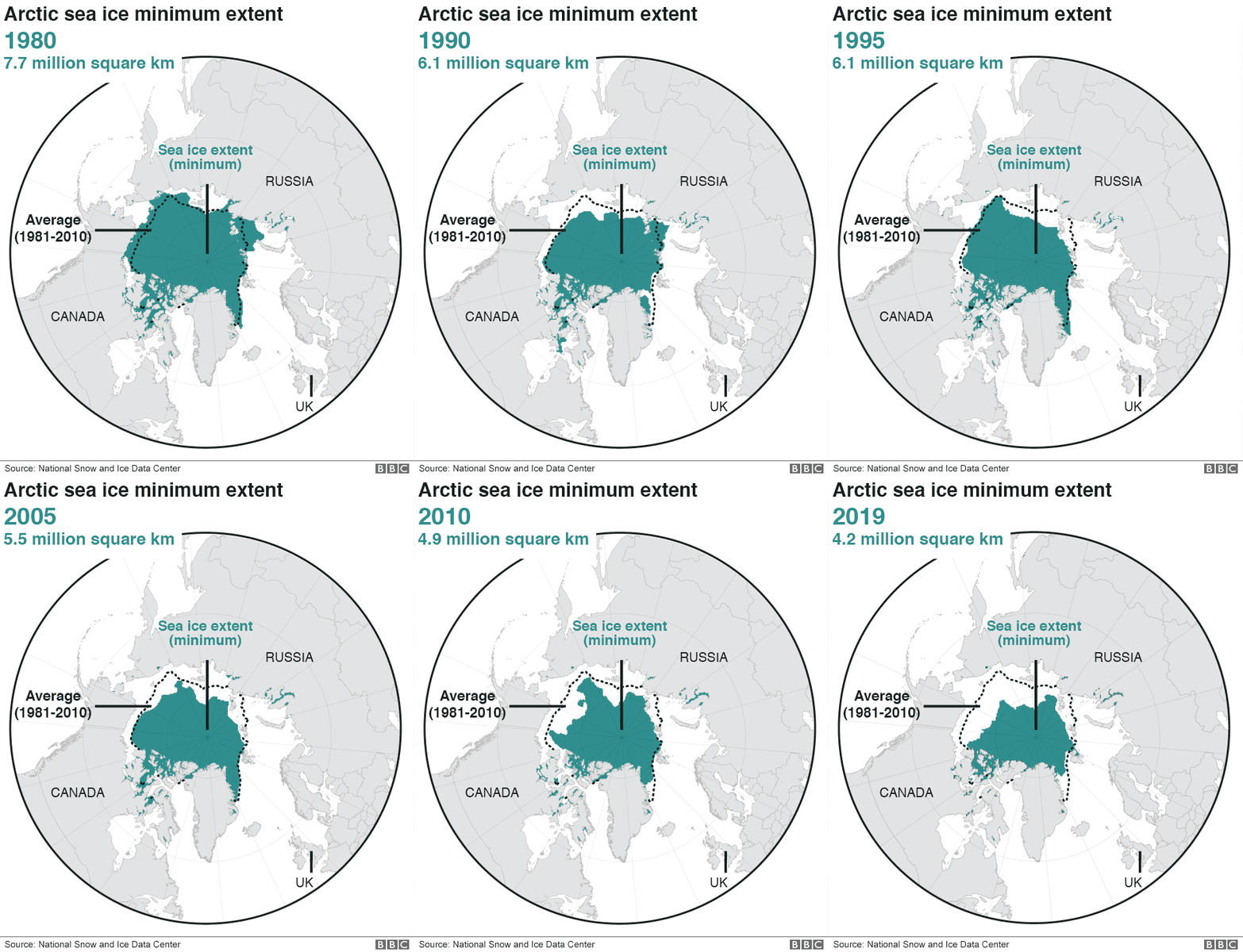
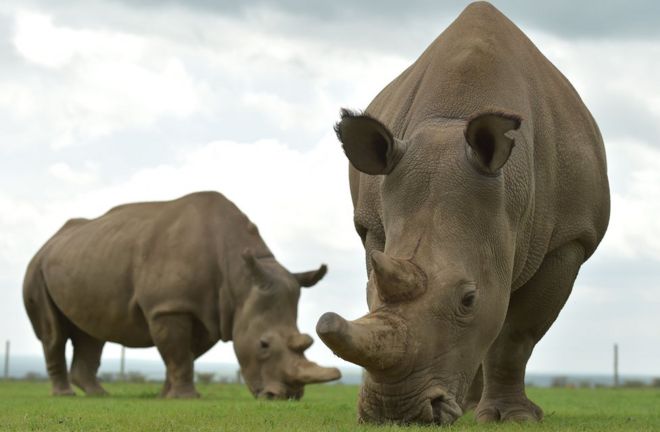

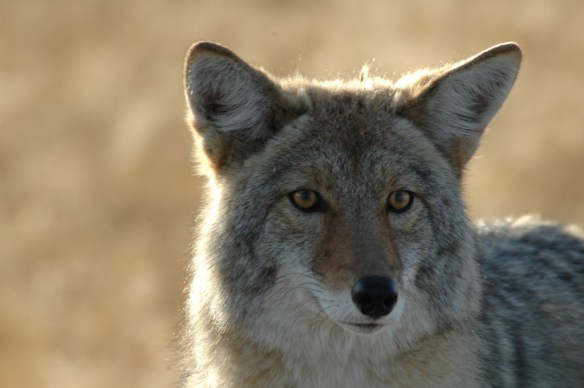 Photo by Jim Robertson
  Bird flu has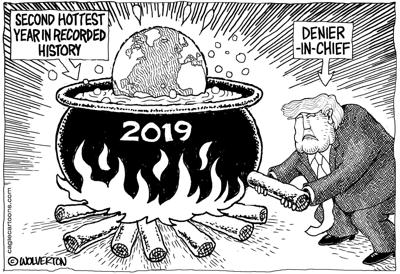

 Exposing the Big Game