After 800 Years of Slaughter, UK’s Largest Meat Market Goes Plant-Based

After 800 Years of Slaughter, UK’s Largest Meat Market Goes Plant-Based

ByMatthew ZampaOctober 10, 2019
Read Next

Animal Rebels Occupy Cargill-Backed London Hedge Fund

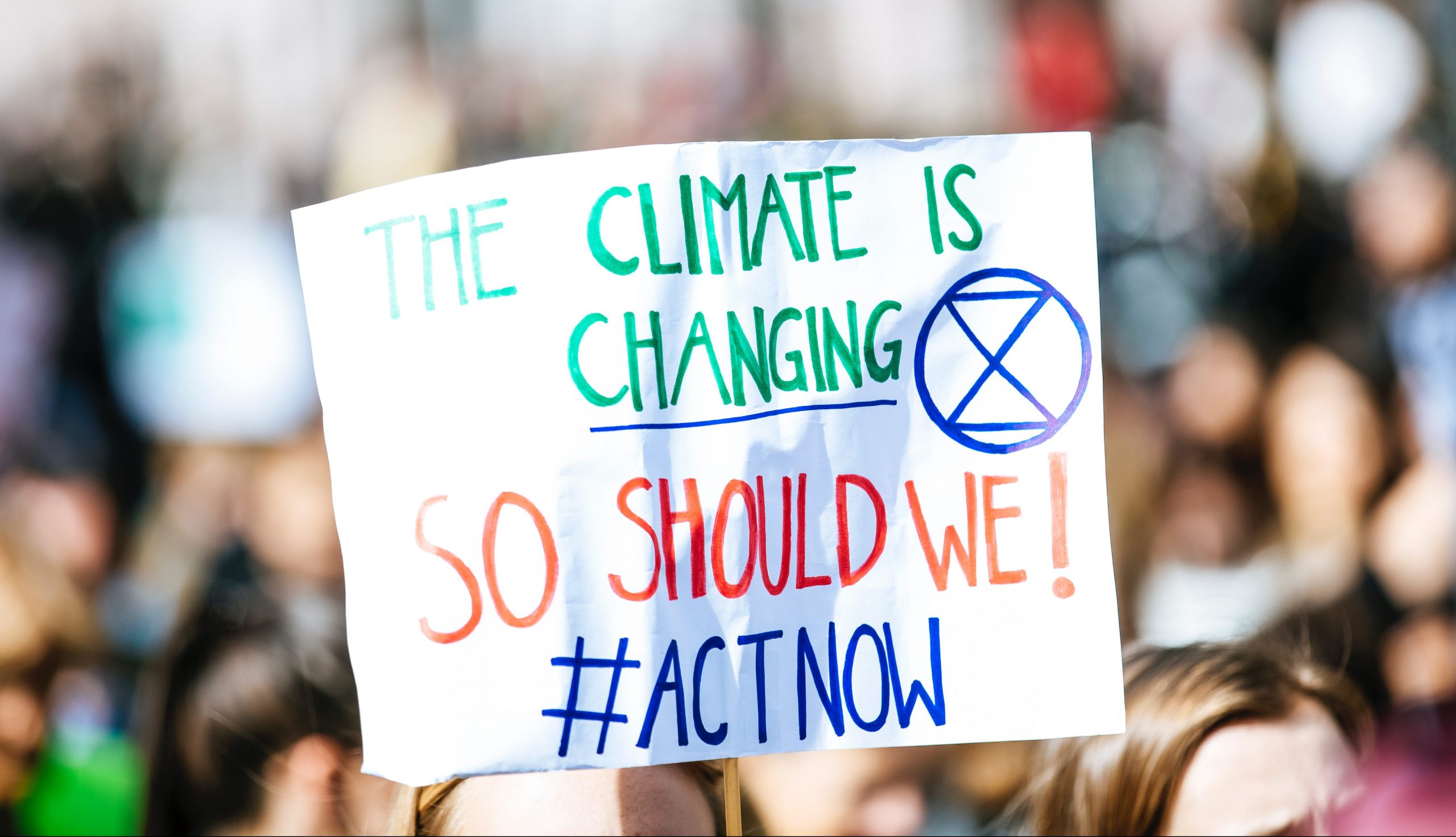
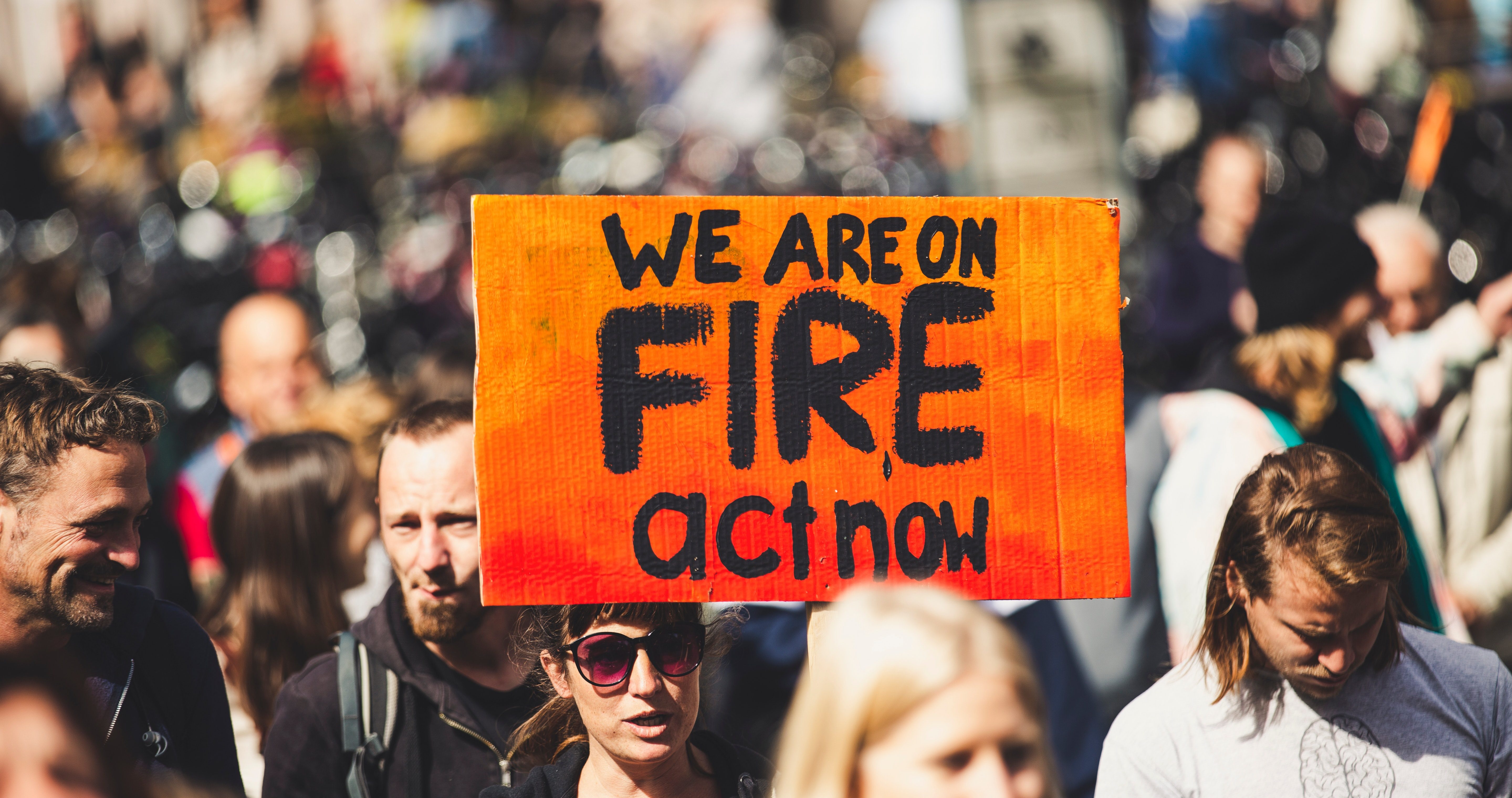
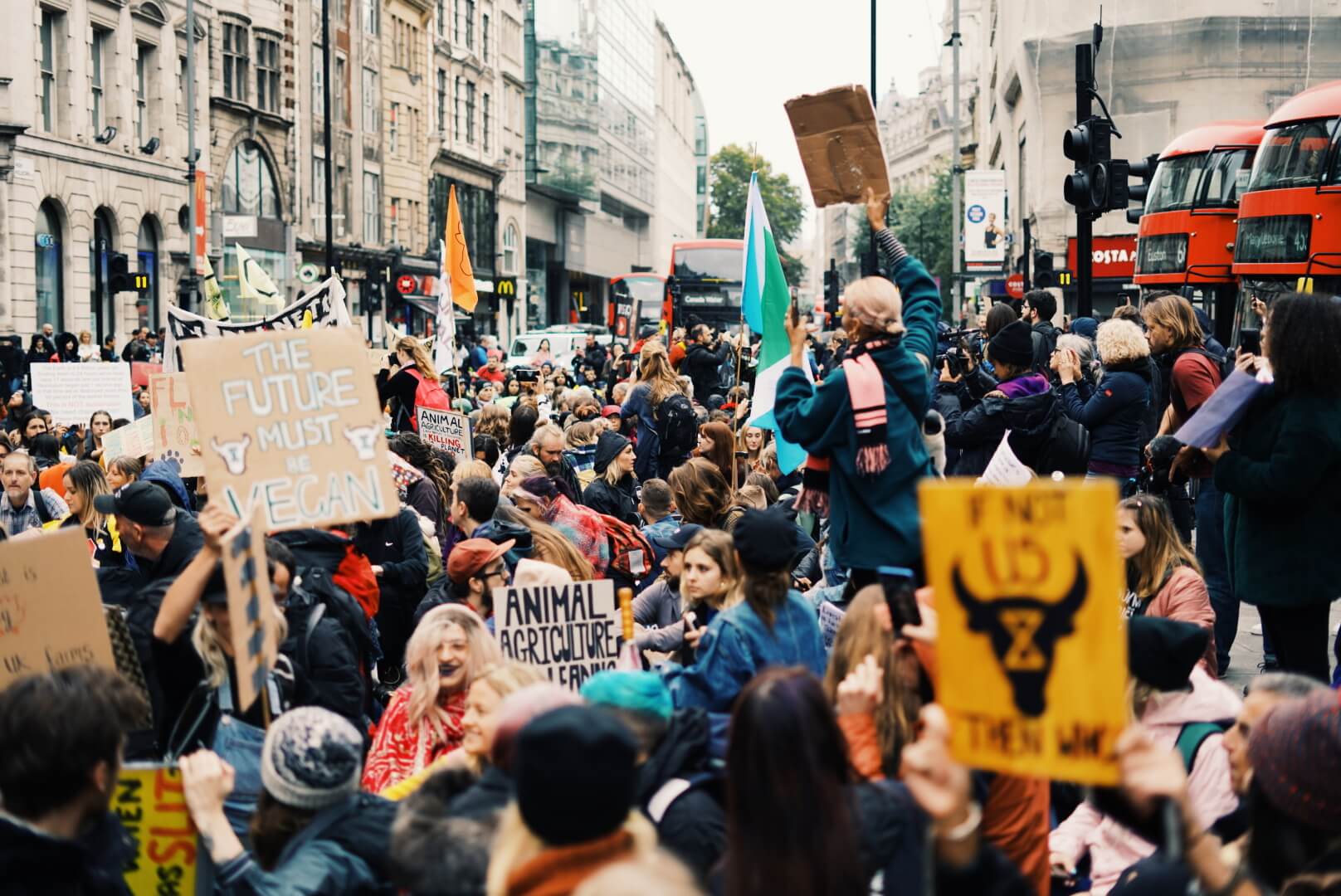
Today in London, hundreds of concerned citizens are not at work. They’re in the streets, demanding the United Kingdom transition to a plant-based food system.

On Monday, Animal Rebellion successfully occupied and held Smithfield Meat Market, the UK’s oldest and largest meat market, kicking off two full weeks of action around the city to disrupt the global animal agriculture industry and bring awareness to its role at the heart of the climate crisis.

Inside the market’s iconic central hall along Grand Avenue, Animal Rebellion opened a Plant-Based Market for 2025, a nod to the movement’s vision of a plant-based future.

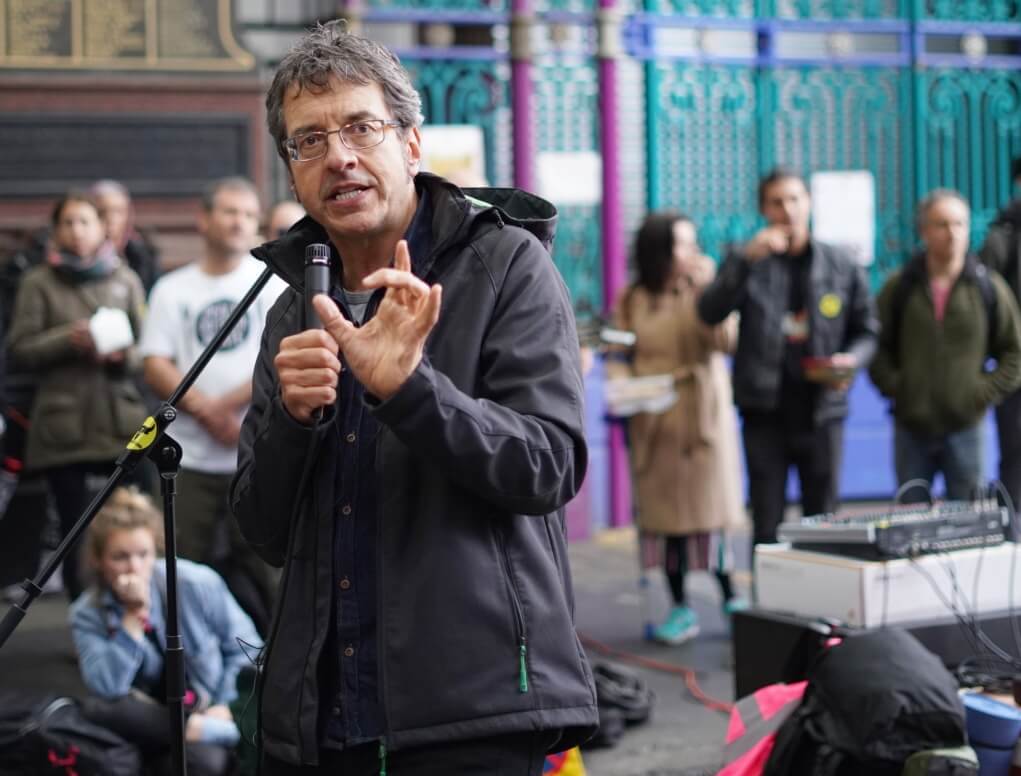
“Smithfield is now famous for meat. It will be famous for fruit and vegetables,” announced Guardian writer and environmental activist George Monbiot to 500 rain-soaked Rebels gathered outside Smithfield for a ribbon-cutting ceremony.https://platform.twitter.com/embed/Tweet.html?creatorScreenName=matthewzampa&dnt=true&embedId=twitter-widget-0&features=eyJ0ZndfZXhwZXJpbWVudHNfY29va2llX2V4cGlyYXRpb24iOnsiYnVja2V0IjoxMjA5NjAwLCJ2ZXJzaW9uIjpudWxsfSwidGZ3X2hvcml6b25fdHdlZXRfZW1iZWRfOTU1NSI6eyJidWNrZXQiOiJodGUiLCJ2ZXJzaW9uIjpudWxsfSwidGZ3X3R3ZWV0X2VtYmVkX2NsaWNrYWJpbGl0eV8xMjEwMiI6eyJidWNrZXQiOiJjb250cm9sIiwidmVyc2lvbiI6bnVsbH19&frame=false&hideCard=false&hideThread=false&id=1181245852297433088&lang=en&origin=https%3A%2F%2Fsentientmedia.org%2Fafter-800-years-of-slaughter-uks-largest-meat-market-goes-plant-based%2F&sessionId=8410232e95f1c793d2b10703607cadc519a42bcb&siteScreenName=sentient_media&theme=light&widgetsVersion=82e1070%3A1619632193066&width=550px

At Marsham Street, outside the Department for Environment, Food and Rural Affairs (DEFRA), Rebels displaced by authorities at Smithfield on Tuesday set up camp for the night. DEFRA is the chief government body supporting the animal farming industry, making it a key strategic site for the Rebellion.

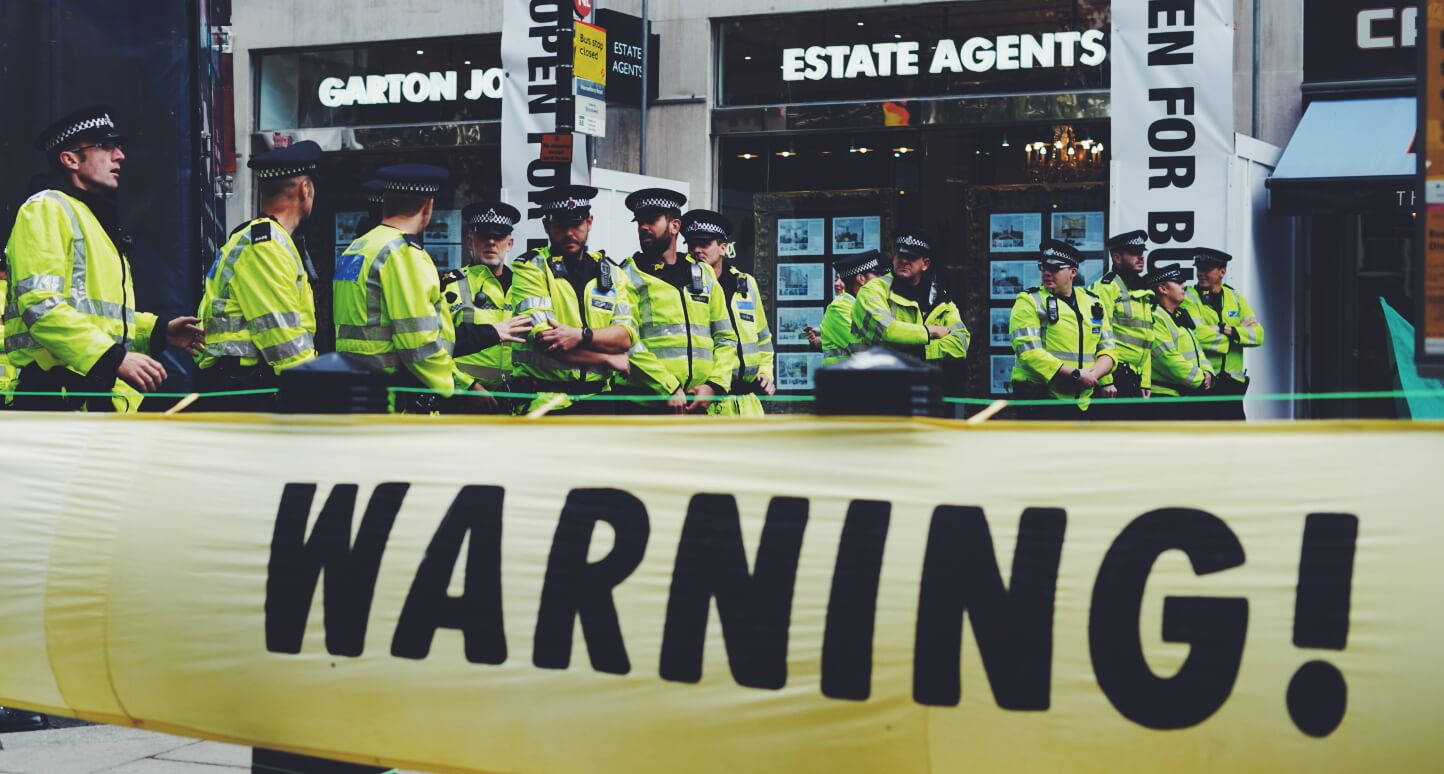
When police arrived on the scene to break up the protests, activists read their rights from a thin slip of paper passed out by the organizers, ushering in the meat market’s plant-based future peacefully, and with posterity.https://platform.twitter.com/embed/Tweet.html?creatorScreenName=matthewzampa&dnt=true&embedId=twitter-widget-1&features=eyJ0ZndfZXhwZXJpbWVudHNfY29va2llX2V4cGlyYXRpb24iOnsiYnVja2V0IjoxMjA5NjAwLCJ2ZXJzaW9uIjpudWxsfSwidGZ3X2hvcml6b25fdHdlZXRfZW1iZWRfOTU1NSI6eyJidWNrZXQiOiJodGUiLCJ2ZXJzaW9uIjpudWxsfSwidGZ3X3R3ZWV0X2VtYmVkX2NsaWNrYWJpbGl0eV8xMjEwMiI6eyJidWNrZXQiOiJjb250cm9sIiwidmVyc2lvbiI6bnVsbH19&frame=false&hideCard=false&hideThread=false&id=1181867409965273088&lang=en&origin=https%3A%2F%2Fsentientmedia.org%2Fafter-800-years-of-slaughter-uks-largest-meat-market-goes-plant-based%2F&sessionId=8410232e95f1c793d2b10703607cadc519a42bcb&siteScreenName=sentient_media&theme=light&widgetsVersion=82e1070%3A1619632193066&width=550px

People young and old from all walks of life are rallying around the Rebellion’s cry, making the case that they are, in fact, standing on the right side of history.

In September, Animal Rebellion organizers persuaded officials at Smithfield Meat Market that their vision for a plant-based future to tackle climate change was “so compelling” that the market welcomed the Rebels, who did not take the invitation lightly.

That night, they lined Smithfield Meat Market with tents, where they slept as meat packers in long white coats and white hard hats opened shop. The Rebels held the market peacefully until the morning.https://platform.twitter.com/embed/Tweet.html?creatorScreenName=matthewzampa&dnt=true&embedId=twitter-widget-2&features=eyJ0ZndfZXhwZXJpbWVudHNfY29va2llX2V4cGlyYXRpb24iOnsiYnVja2V0IjoxMjA5NjAwLCJ2ZXJzaW9uIjpudWxsfSwidGZ3X2hvcml6b25fdHdlZXRfZW1iZWRfOTU1NSI6eyJidWNrZXQiOiJodGUiLCJ2ZXJzaW9uIjpudWxsfSwidGZ3X3R3ZWV0X2VtYmVkX2NsaWNrYWJpbGl0eV8xMjEwMiI6eyJidWNrZXQiOiJjb250cm9sIiwidmVyc2lvbiI6bnVsbH19&frame=false&hideCard=false&hideThread=false&id=1181602048170713088&lang=en&origin=https%3A%2F%2Fsentientmedia.org%2Fafter-800-years-of-slaughter-uks-largest-meat-market-goes-plant-based%2F&sessionId=8410232e95f1c793d2b10703607cadc519a42bcb&siteScreenName=sentient_media&theme=light&widgetsVersion=82e1070%3A1619632193066&width=550px

“We’re not at Smithfield to disrupt ordinary people from their work,” said Alex Lockwood, a spokesperson for Animal Rebellion. They were there to send a message.

The message is clear: We cannot end the climate emergency without first ending the animal emergency.

According to industry leading experts Helen Harwatt from Harvard University and the authors of the UK’s Royal Society of Arts Manufactures and Commerce report on Food and Farming, without a switch to locally grown beans, grains, fruits and vegetables, the UK will not meet its climate change targets and avoid climate catastrophe.

“The writing is on the wall for the animal agriculture industry,” said Lockwood.

The problem is, greenhouse gas emissions from animal agriculture are chronically underreported and have been for years. Since 2006, researchers and policymakers around the world have relied on inconsistent data and estimates, ranging from 14.5-51 percent of total GHG emissions.

New research suggests that the livestock industry is responsible for at least 37 percent of all greenhouse gas (GHG) emissions. This new number more than doubles the United Nations’ latest estimate of 14.5 percent, taking into account more than 94 different studies and key data points left out of other analyses, like the foregone carbon absorption from clearing land for livestock and feed production. As the demand for conventional meat continues to rise, emissions from the animal farming industry will drive global temperatures even higher.

Livestock occupies about 45 percent of the global surface area. At the current rates of deforestation, the Amazon will not be the only ancient forest burned so the world can eat beef. In the years to come, vital habitats will be increasingly exploited to meet the global demand for meat, which the FAO projects will rise by 73 percent between 2010 and 2050.

By then, scientists believe it may be too late. All over the world, we are already seeing the onset of a climate emergency. Roughly 84 of the world’s 100 fastest-growing cities face “extreme” risks from rising temperatures and weather brought on by climate change.

The 20 warmest years on record have all been in the past 22 years, with 2015-2018 topping the charts. Studies show that temperatures will rise quicker in developing countries, especially those concentrated around the equator, creating massive food shortages and putting billions of lives on the brink.

As global temperatures continue to rise, taps will run dry, and more than half of all animal species on Earth will become extinct.
Steven Hall, a meat trader whose father and grandfather worked at Smithfield, said although he was not vegan he agreed with the protest, the Rebels reported.

“To be honest, I think good on [Animal Rebellion],” said Hall. “I’ve got two kids myself and I want the world to be safe for them in the future.”

The Smithfield protest is special. It marks a change of seasons for animal advocates who have long been dismissed as extremist thugs, hippies, loud, angry, left-of-center criminals, terrorists, even “uncooperative crusties.”https://platform.twitter.com/embed/Tweet.html?creatorScreenName=matthewzampa&dnt=true&embedId=twitter-widget-3&features=eyJ0ZndfZXhwZXJpbWVudHNfY29va2llX2V4cGlyYXRpb24iOnsiYnVja2V0IjoxMjA5NjAwLCJ2ZXJzaW9uIjpudWxsfSwidGZ3X2hvcml6b25fdHdlZXRfZW1iZWRfOTU1NSI6eyJidWNrZXQiOiJodGUiLCJ2ZXJzaW9uIjpudWxsfSwidGZ3X3R3ZWV0X2VtYmVkX2NsaWNrYWJpbGl0eV8xMjEwMiI6eyJidWNrZXQiOiJjb250cm9sIiwidmVyc2lvbiI6bnVsbH19&frame=false&hideCard=false&hideThread=false&id=1181364268194762752&lang=en&origin=https%3A%2F%2Fsentientmedia.org%2Fafter-800-years-of-slaughter-uks-largest-meat-market-goes-plant-based%2F&sessionId=8410232e95f1c793d2b10703607cadc519a42bcb&siteScreenName=sentient_media&theme=light&widgetsVersion=82e1070%3A1619632193066&width=550px

In August, Animal Rebellion joined famed climate strikers Extinction Rebellion (XR) precisely because fighting climate change presents a profound opportunity to end the animal agriculture and fishing industries and halt mass extinction at the same time.

The global protest movement, broadly referred to as the Rebel Alliance, already has chapters in 50 countries and includes a number of supporting groups – Doctors for XR, Lawyers for XR, XR Faith, and the like – joining in solidarity with Extinction Rebellion.

During a two-week long action in London this April, Extinction Rebellion protesters shut down roads and bridges around Parliament and covered the steps of the Treasury building in fake blood.

“[We] saw unprecedented numbers of people willing to be arrested in the name of protecting our planet for future generations,” said Tim Crosland, director of climate campaign group Plan B and a legal adviser to Extinction Rebellion.

The April protests, which resulted in more than 1,000 arrests, were mirrored by chapters in Amsterdam, Berlin, Anchorage, Tel Aviv, and New York City, to name a few. Similar arrest numbers are being reported by Rebellion organizers this week.https://platform.twitter.com/embed/Tweet.html?creatorScreenName=matthewzampa&dnt=true&embedId=twitter-widget-4&features=eyJ0ZndfZXhwZXJpbWVudHNfY29va2llX2V4cGlyYXRpb24iOnsiYnVja2V0IjoxMjA5NjAwLCJ2ZXJzaW9uIjpudWxsfSwidGZ3X2hvcml6b25fdHdlZXRfZW1iZWRfOTU1NSI6eyJidWNrZXQiOiJodGUiLCJ2ZXJzaW9uIjpudWxsfSwidGZ3X3R3ZWV0X2VtYmVkX2NsaWNrYWJpbGl0eV8xMjEwMiI6eyJidWNrZXQiOiJjb250cm9sIiwidmVyc2lvbiI6bnVsbH19&frame=false&hideCard=false&hideThread=false&id=1181927672030679040&lang=en&origin=https%3A%2F%2Fsentientmedia.org%2Fafter-800-years-of-slaughter-uks-largest-meat-market-goes-plant-based%2F&sessionId=8410232e95f1c793d2b10703607cadc519a42bcb&siteScreenName=sentient_media&theme=light&widgetsVersion=82e1070%3A1619632193066&width=550px

“Since then our movement has grown immeasurably and this time it won’t just be us taking to the streets,” said Crosland. “This time we will be bringing our friends and our allies: doctors; farmers; academics; international solidarity communities; disability groups; faith communities; those standing up for animal life.”

Through repeated, urgent action, following the model for mass civil disobedience put forth by the Civil Rights Movement of the 1960s, Extinction Rebellion is in the process of launching a “movement of movements.” Their unique approach to social change means that all parties involved in Extinction Rebellion protests call for the same demands from the government. So far, it’s proving to be a winning strategy.

Animal Rebellion has quickly become a centering force for animal and environmental advocates, who have historically been at odds with animal agriculture’s contribution to the climate crisis. The Rebellion’s organizers believe targeting sites of animal exploitation and meat production is an urgent next step in the fight to tackle the climate crisis – and they expect world governments to do the same.

“The way we change the world is by making ourselves visible,” said Monbiot. “By coming out in large numbers and saying, ‘We need system change.’”

The Rebels have three demands. First, governments must declare a climate and ecological emergency, then halt biodiversity loss and reduce greenhouse gas emissions to net zero by 2025. Finally, the Rebellion is calling for world governments to create a Citizens’ Assembly to lead discussions and decisions on climate and ecological justice.

But overhauling the modern food system is no small task. People are inevitably going to be angry when their way of life is challenged or inconvenienced in any way. 

“Every messenger, and every message they bear, is disqualified on the grounds of either impurity or purity,” writes Monbiot in an article aptly titled, “Only rebellion will prevent an ecological apocalypse.”

Monbiot points out that research suggests for a peaceful mass movement like Animal Rebellion to succeed, only 3.5 percent of the population needs to mobilize.
Three-and-a-half percent is more than you’d think. In the UK, 3.5 percent of the population is about 2.3 million people. In the United States, a successful movement would need to mobilize 11.4 million people. In Canada, 1.3 million; California: 1.4 million; Mexico: 4.5 million; Austria: 307,000. But in small countries like Iceland, the number of humans needed to spark a successful transition to a plant-based food system is low – just 12,000.

“Humans are ultra social mammals,” he explains. “Once we perceive that the status quo has changed, we flip suddenly from support for one state of being to support for another.”

When Rebels took to the streets last month, stopping traffic outside the White House, the Arche de Triomphe, and the Ministry of Housing and Urban Affairs in New Delhi, Monbiot’s call to arms started to look a little less daunting.

In one week this September, 6 million people marched for the climate in cities around the world. London offices expect to see thousands more ditch work and join the Rebellion in the weeks to come.

“The more people that join, the more effective we will be,” said Monbiot.

5,000-year-old hunter-gatherer is earliest person to die with the plague

Exposing the Big Game's avatarThe Extinction Chronicles

https://www.theguardian.com/science/2021/jun/29/5000-year-old-hunter-gatherer-is-earliest-person-to-die-with-the-plague

Remains of man found in Latvia had DNA fragments and proteins of bacterium that causes plague

The skull bones of the man buried in Riņņukalns, Latvia, around 5,000 years ago.
The skull bones of the man buried in Riņņukalns, Latvia, around 5,000 years ago.Photograph: Dominik Göldner, BGAEU, Berlin

Nicola DavisScience correspondent@NicolaKSDavisTue 29 Jun 2021 11.00 EDT

A hunter-gatherer who lived more than 5,000 years ago is the earliest known person to have died with the plague, researchers have revealed.

Stone-age communities in westernEuropeexperienced a huge population decline about 5,500 years ago, an event that is thought to have subsequently enabled a huge migration of people from the east.

The plague has been posited as an explanation after it was previously been found in stone-age individuals,including a 20-year-old woman from a rural farming community in Sweden.

However, researchers claim their new discovery casts doubt on the idea suggesting the nature of the strain found in hunter-gatherer would…

View original post 593 more words

The ‘heat dome’ explained: why the Pacific north-west is facing record temperatures

Exposing the Big Game's avatarThe Extinction Chronicles

https://www.theguardian.com/us-news/2021/jun/28/portland-seattle-heatwave-heat-dome-temperatures

Portland and Seattle are among cities grappling with 100F-plus days in a typically moderate climate

An unprecedented heatwave has engulfed the Pacific north-west, a typically moderate climate.
An unprecedented heatwave has engulfed the Pacific north-west, a typically moderate climate.Photograph: Maranie Staab/Reuters

Hallie Goldenin SeattleTue 29 Jun 2021 01.00 EDT

The Pacific north-west, known for its moderate climate, is experiencinga recordheatwave. The temperatures have driven crowds to the region’s beaches, pools and air-conditioned hotels, as residents in a region with few air-conditioned households try desperately to get some relief.

Here’s what you need to know:

What’s going on?

A heatwave has engulfedthe region, with both Portland and Seattle breaking record high temperatures (Portland hit 112F, while Seattle hit 104F) over the weekend. Seattle has reached 100F for three consecutive days – a first for the typically overcast city. Washington state surpassed its all-time high for June, with at least one part of the state reaching 115F on…

View original post 773 more words

Breaking: Supreme Court rejects meat industry challenge to historic farm animal law

By Kitty Block and Sara Amundson

June 28, 2021 0 Comments

Breaking: Supreme Court rejects meat industry challenge to historic farm animal law

California’s historic farm animal protection law, Proposition 12, bans the sale of products that come from farm animals in extreme confinement, like pigs in gestation crates. The HSUS

Today, the United States Supreme Court declined to take the North American Meat Institute’s appeal of its lawsuit challenging Proposition 12, widely considered the world’s strongest law for farm animal protection.

Proposition 12 bans the extreme confinement of egg-laying chickens, mother pigs and baby calves used in the veal industry. The law also prohibits the sale in California of eggs, pork and veal from facilities that confine animals in cruel cages. The Humane Society of the United States led the campaign to pass Proposition 12, which was approved by California voters in a landslide vote in 2018.

The Supreme Court’s outright rejection of the North American Meat Institute’s appeal from its losses in the lower courts is consistent with a long line of prior court rulings, and it reinforces the long-held position of the HSUS and the Humane Society Legislative Fund that states have the right to pass laws protecting animals, public health and safety. This decision is critically important to all of our sales bans enacted to protect animals and consumers—from banning the sale of puppy mill puppies in pet shops to banning the sale of cosmetics tested on animals.

Along with a group of allied organizations, the HSUS intervened in the lawsuit on the side of the State of California to defend Proposition 12. The HSUS was represented in this case by lawyers at Riley Safer Holmes & Cancila and at Molo Lamken, as well as lawyers with the HSUS’s Animal Protection Law department.

The Humane Society Legislative Fund is also working with congressional allies to encourage the Biden Administration to support and defend California and other States’ right to set humane standards to protect farm animals, wildlife and other animals. Last month, Sens. Dianne Feinstein, D-Calif., Alex Padilla, D-Calif., and Cory Booker, D-N.J., led a letter signed by 27 legislators urging Agriculture Secretary Tom Vilsack and Attorney General Merrick Garland to withdraw briefs filed by the Trump Administration in support of industry challenges to the California law. Reps. Joe Neguse, D-Colo., and Jason Crow, D-Colo., made a similar appeal, and Rep. Kim Schrier, D-Wash., is mobilizing an additional letter from legislators representing other states with cage-free sales laws.

Now the case will go back to the lower court, where we will continue the fight. But it is our hope that rather than continuing frivolous lawsuits and wasting money, the meat industry will focus on eliminating the cruel caging of animals.

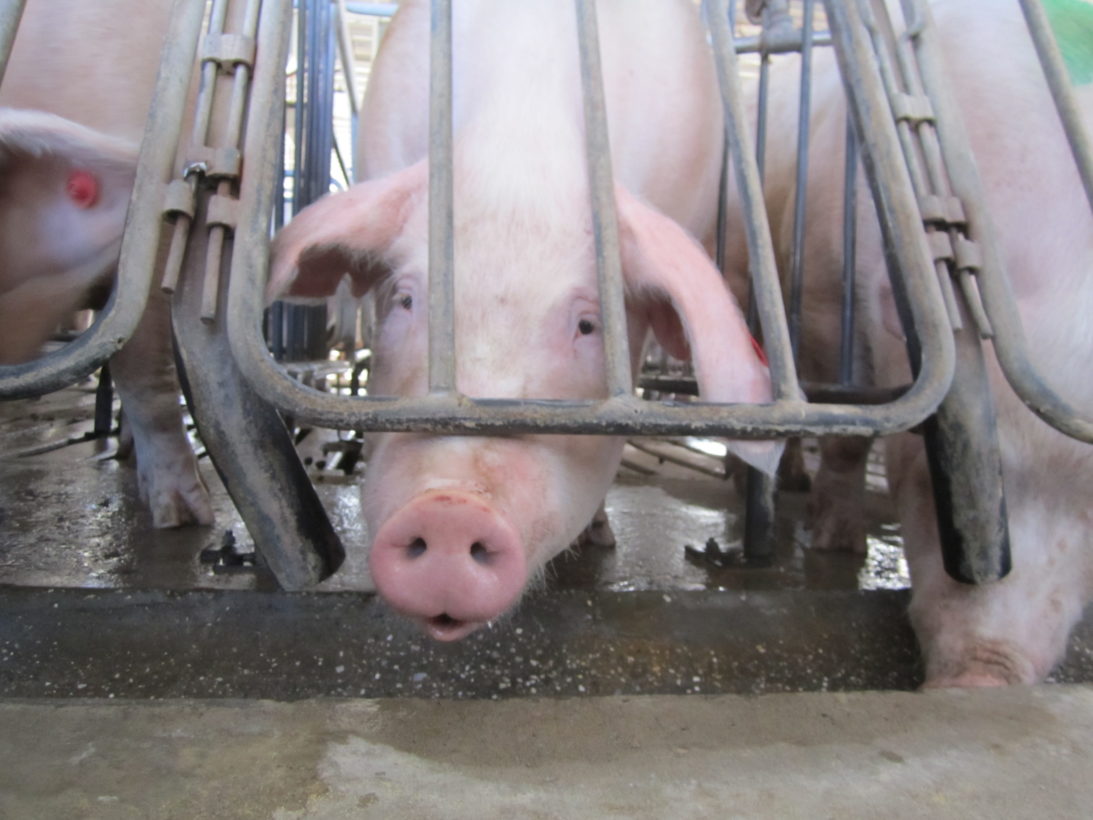
The extreme confinement of farm animals that Proposition 12 outlaws in California produces animal cruelty and suffering unequaled in any sector. Egg-laying chickens, mother pigs and baby calves are confined in cages so small they can barely move. These sensitive, inquisitive animals are virtually immobilized in filthy conditions for nearly their entire lives. Extreme confinement of farm animals also increases public health risks and has been listed as a top driver of zoonotic disease emergence by numerous scientists and even a United Nations report.

Our public policy work and corporate social responsibility campaigns have transformed the landscape of farm animal protection in recent years. Along with HSUS-championed laws against the extreme confinement of farm animals and sales of cruel products, more than 200 of the largest food companies have decided to adopt cage-free policies and convert to cage-free systems.

Today’s news demonstrates loud and clear that the future is cage-free.

Sara Amundson is president of the Humane Society Legislative Fund.

What Can I Do About Climate Change? 10 Simple Climate-Friendly Actions

18 Simple Climate Change Actions You Can Take Today

ByTaylor MeekOctober 9, 2019

Climate Change Protester

Read Next
After 800 Years of Slaughter, UK’s Largest Meat Market Goes Plant-Based

The scientific evidence is irrefutable — anthropogenic activities are accelerating the rate at which our planet is warming. Burning fossil fuels, industrialized animal agriculture, and deforestation are causing a ripple effect around the globe resulting in heatwaves, forest fires, melting ice caps, insect infestations, crop loss, and animal extinctions.

Collectively, we have the power to slow the effects of a changing climate, but we have to work together…and quickly.

What is Climate Change and Why Should We Care?

Climate change is the long-term alteration of temperature and normal weather patterns exacerbated by global warming. Global warming is an increase in the planet’s overall temperature caused by greenhouse gas (GHG) emissions. These GHGs stem mostly from anthropogenic actions like industrialized agriculture and burning fossil fuels.

Though the effects of climate change might not seem apparent where you live, forests are burning, icecaps are melting, and ecosystems are dwindling around the world as we speak.

But how does that affect humans? Disrupted weather patterns due to increasing temperatures impact how plants grow. Some crops might drown as a result of increased rainfall while others are parched by sweltering temperatures and droughts. Warmer temperatures also make plants vulnerable to invasive bugs and diseases which can kill off scores of crops at one time.

This means “staple” crops like coffee, corn, and wheat could be in danger.

In addition to food shortages, a changing climate also threatens global water supplies. Increased temperatures promote evaporation and disrupt water patterns, which interfere with the water cycles that regulate the planet’s water sources – including our drinking water.

Wetlands are disappearing as a result of climate change, which is killing off the wildlife living within them or using them as a means of fishing or drinking. Some areas, like the Aral Sea in central Asia, are drying up and salinating due to man-made pollution and power generation.

If plant and animal habitats continue to disappear, massive extinctions will continue to occur. Delicate ecosystems will crumble and life as we know it would be forever changed. Plants, animals, and insects help regulate carbon, manage populations, and pollinate our food sources.

In order to preserve essential plant and animal species and ultimately life on Earth, we must acknowledge our mistakes and take action as soon as possible. The following are 10 simple steps each of us can incorporate into our daily lives to curb the effects of climate change and keep them from getting worse.

10 Simple Steps to Fight Climate Change

climate change activism

1: Get Informed

In order to combat climate change as effectively as possible, you should first understand what it is and what causes it. 

There are a plethora of reputable online resources available from documentaries to books or even podcasts if you are always on-the-go.

Knowing the facts about the most urgent facets of climate change will help you educate others in a more effective way. As mentioned above, climate change is the alteration of Earth’s temperature and weather patterns, mostly influenced by human activities.

Transportation, animal agriculture, and dirty energy sources are among the top human-induced contributors of greenhouse gases which promote global warming and climate change. Though these contributors are ubiquitous around the world, we can make simple adjustments to our lifestyles to hinder their damaging effects.

2. Eat Fewer Animal Products

Animal agriculture is a leading cause of deforestation and GHG emissions that exacerbate climate change.

Beef production is a major contributor to climate change due to its heavy resource use and methane emissions. This is largely due to the fact that there are nearly one billion beef cattle on the planet, but the dairy industry is just as guilty. Beef cattle are slaughtered at just under 2-years-old, but dairy cows can live for 8-12 years depending on the quality of their care. That means 8-12 years of nearly 270 million dairy cows eating, drinking, and releasing methane into the atmosphere globally.

In addition to high GHG emissions, the meat and dairy industries are thirsty businesses. It takes an estimated 2,500 gallons of water to produce one pound of beef. In American alone, people are expected to consume over 200 pounds of beef and poultry each year per person. If that number continues to climb – like it is projected to – the climate crisis will only get worse.

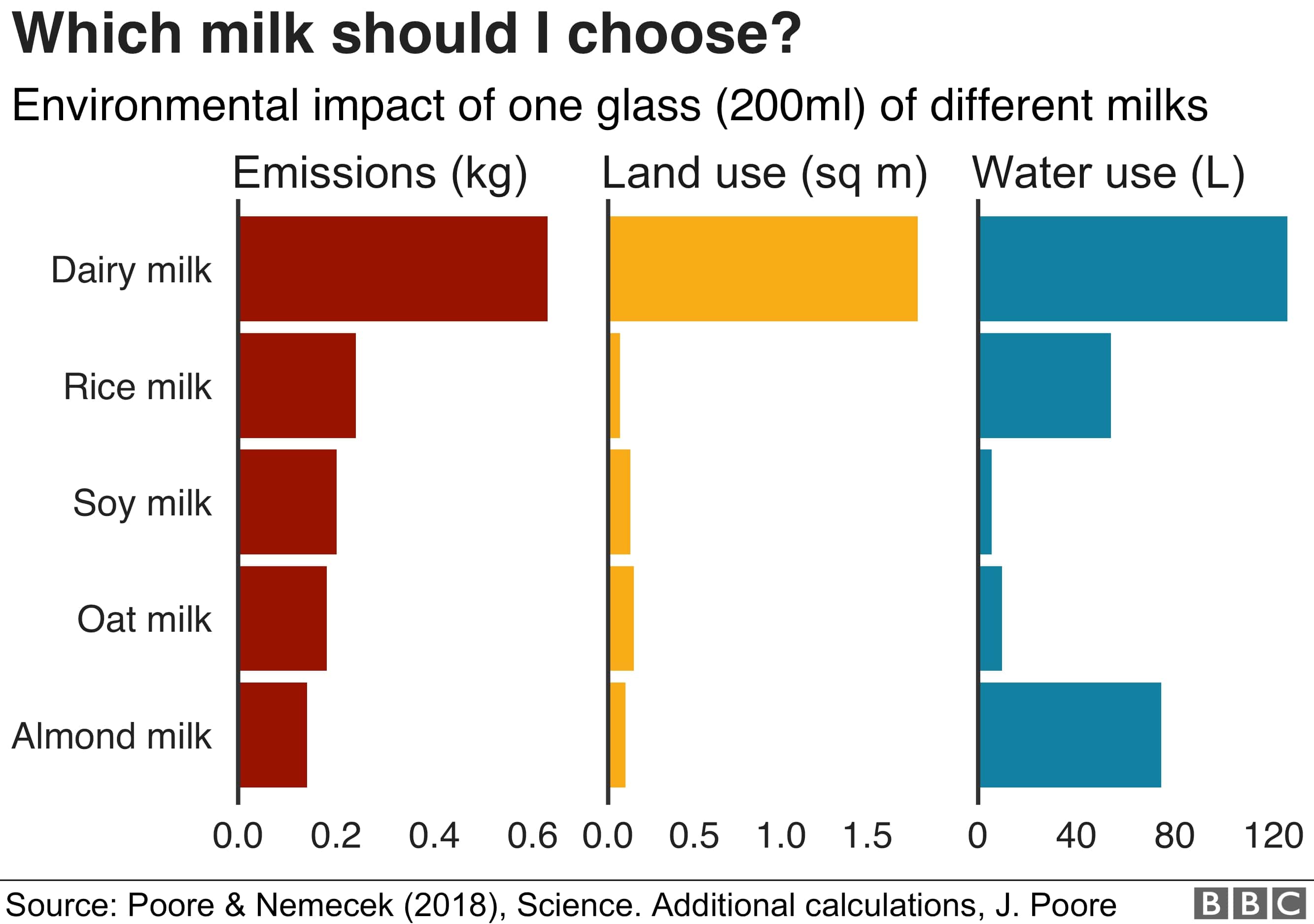
Cow’s milk production requires significantly more resources and produces higher emissions than any kind of plant-based milk. Even compared to almond milk, which is the most resource-heavy dairy-free option, cow’s milk still has the biggest environmental impact.

Worrying about climate change with a burger in one hand and a milkshake in the other is counterproductive. One of the most meaningful changes you can make is to switch to plant-based meat and dairy alternatives (which are just as delicious).

Choosing a burger made from beans instead of beef will mitigate environmental threats while consequently reducing cruelty and improving your health.Play00:00-03:32MuteSettingsEnter fullscreenhttps://www.youtube-nocookie.com/embed/2jtDZXbN-_c?autoplay=0&controls=0&disablekb=1&playsinline=0&cc_load_policy=0&cc_lang_pref=auto&widget_referrer=https%3A%2F%2Fsentientmedia.org%2Fwhat-can-i-do-about-climate-change%2F&noCookie=true&rel=0&showinfo=0&iv_load_policy=3&modestbranding=1&enablejsapi=1&origin=https%3A%2F%2Fsentientmedia.org&widgetid=1Play

3. Plant a Garden or Eat Local Produce

Cultivating your own produce is not only a satisfying accomplishment, but it helps curb transportation emissions, allows you to regulate chemical use, and reduces packaging waste.

Intensively farmed produce puts animals at risk, too. When buying produce from large farming operations, small animals like mice and rabbits are often injured or killed in the cultivation process by traps, poison, or heavy machinery. Once these crops are harvested, they travel hundreds of miles by boats, planes, or trucks to reach store shelves, increasing GHG emissions along the way.

When growing your own fruits and vegetables, you are in control. You can choose to only use organic fertilizers and natural insect repellents, which will reduce harmful chemical runoff. Large farming operations use chemical and animal fertilizers to grow their crops faster and larger, but excess nitrogen and phosphorous are often washed into local water supplies. This causes eutrophication, which results in excessive plant life that diminishes oxygen levels in the water. Reduced oxygen levels kill the plants and other aquatic life that our biodiverse systems depend on.

Planting your own garden will also reduce your consumption of GMOs, which stands for Genetically Modified Organisms, or crops modified by scientists to improve size, taste, appearance, or resistance to pests or herbicides.

Growing your own food will ultimately save you money at the grocery store, reduce harmful chemicals in our soil and water, and ensure wildlife will not be harmed by large machinery or inhumane traps.

If you cannot plant your own garden, purchasing local produce, preferably organic produce, is another earth-friendly solution. Local fruits and vegetables often hold nutrients better than ones that have traveled across the country since they start losing nutrients after they are harvested. 

Buying local and organic means you are also supporting small farm owners and the local economy while enjoying fresh fruits and veggies that have not been ripened by gas or covered in wax.

Purchasing produce, milk, and meat that is sourced from across the country, or worse – across the globe, requires significant amounts of energy to transport products to our grocery stores. Greenhouse gases from fossil fuels are tirelessly pumped into the atmosphere by planes, ships, and vehicles to stock store shelves each day. If you are purchasing meat and dairy products, these GHGs do not include the excessive resources used to grow feed crops, raise and slaughter millions of animals, or process them.

4. Reduce Food Waste

Food waste is an epidemic around the world. With a projected population of 9.6 billion by 2050, reduction plans must be set in place immediately.

Roughly one-third of food produced globally is never eaten due to spoilage during transportation or because it is discarded by businesses or consumers. Around 28 percent of agricultural land is used for wasted food which equals around 3.5 billion acres. Land, energy, and packaging materials are being wasted and destructive GHGs are being produced futilely.

Around 50 percent of global food waste consists of meat, dairy, and fish, meaning that millions of lives were forcibly taken and resources used only to be discarded. Of the 263 million tonnes of meat produced globally, more than 20 percent is wasted – the equivalent of 75 million cows.

In Europe alone, 29 million tonnes of dairy products are thrown away annually, and the equivalent of nearly 3 billion fish are lost each year due to overcatching and food waste.

Considering that meat and dairy are two of the most resource-intensive protein sources, reducing consumption and food waste will reduce land, water, and energy use as well as decrease greenhouse gas emissions. Cutting back on seafood will reduce overfishing and bycatch, which take the lives of billions of sea creatures and land mammals every year.

Scientists estimate up to 14 percent of agricultural emissions by 2050 could be avoided by reducing food waste through reformed food management and distribution plans.

5. Shop Smarter

cre

By now, you probably understand how you can reduce your carbon footprint by adjusting your dietary choices, but you can also make a positive difference by choosing eco-friendly consumer goods like clothing, cars, and furniture.

Many unethical and environmentally harmful materials exist today, but there are just as many sustainable alternatives. Natural and biodegradable fabrics like hemp, cotton, and bamboo can be rendered to make soft, durable clothing and household items. You can also visit your local thrift store which keeps products out of landfills and reduces the demand for new items which require additional resources.

When it comes time to furnish your home, retailers and Etsy sellers are offering stylish furniture pieces and homegoods items made from repurposed materials like wood, metal, and plastics.

Now, let’s tackle an extremely common material sourced from one of the most polluting animals on the planet: leather.

Leather is used for jackets, purses, wallets, car interiors, and shoes. Thousands of years ago, leather was a useful fabric source and rendered without harmful chemicals, but today’s leather industry is dumping cocktails of hazardous liquids into waterways around the world.

Formaldehyde, anthracene, and arsenic are just a few toxic carcinogens used in the leather tanning process. These substances are incredibly harmful to humans working with them and even more so to the aquatic creatures living within the waterways they are dumped into.

Fortunately, animal-free leather options exist. Clothing and accessory companies are now using pineapple leaves, mushrooms, tree bark, and even agave plants to create eco-friendly leather alternatives.

Car companies like Tesla are embracing sustainable materials by incorporating animal-free leather interiors. Additionally, Audi currently has two concept cars that even include carpeting made of repurposed materials like plastic bottles and fishing nets.

Aside from sustainable vehicle interiors, we can also make shop smarter by purchasing cars with eco-friendly engines. If you cannot afford or do not have access to completely electric vehicles (which do not require resource-heavy fossil fuels to run), hybrids are also a good choice.

6. Reduce Transportation Emissions

The transportation sector is a leading producer of greenhouse gas emissions that contribute to global warming. Fossil fuels are effective at powering cars, planes, and trains, but they come at a massive environmental cost.

When we burn fossil fuels, GHGs like methane, carbon dioxide, and nitrous oxide are released into the atmosphere. These gases are exceptional planet warmers naturally, so excess amounts from factories, aircraft, and the 1 billion vehicles on the road today are creating more heat than our planet can regulate.

Excess carbon dioxide in the air leads to ocean acidification, which threatens coral reefs and the 25 percent of fish species that depend on them throughout their lives. This also impacts humans since over half the air we breathe comes from marine plants and phytoplankton in the ocean.

If cars and planes  are so bad for the environment, how can we travel while treading lightly on the planet?

There are plenty of ways to get where you need to go without expelling exorbitant amounts of planet-warming GHGs. If feasible, walking or riding a bike are both climate-friendly methods of transportation. If traveling a bit farther, riding a motorcycle, carpooling, using public transportation, and/or purchasing a hybrid or electric vehicle can reduce your carbon footprint significantly.

If your city does not have adequate eco-friendly forms of public transit in place, consider petitioning or speaking at city hall in favor of incorporating sustainable transportation methods like Eco-Rapid Transit.

7. Start a Climate Conversation

Climate change is a popular topic in the news, but that does not mean it is easy to talk about with friends and family. Debatable topics, especially those deeply rooted in religion or cultural norms, should be addressed respectfully and empathetically.

Most people have been living a certain way their entire lives – eating the same foods, creating the same types of waste, and believing what they have been taught is normal. Though the status quo might be comfortable, it is in need of reform, and we must oblige for the sake of the planet and its inhabitants.

As famed computer scientist Grace Hopper once said, “The most dangerous phrase in the language is, ‘We’ve always done it this way.’” If something is uncomfortable to discuss, it is probably worth talking about. 

Understanding the facts about climate change and its links to our everyday habits is the first step in taking meaningful action. 

8. Get Politically Active

Using your right to vote for candidates with meaningful environmental policies is one of the most empowering and effective ways to tackle the climate crisis. Search for candidates with clear, sustainable plans to reduce carbon emissions, invest in clean energy, and protect our planet’s biodiversity.

Urge representatives to better monitor chemical use and runoff from agriculture, adopt more effective recycling programs, and improve public transit systems.

Even if you aren’t able to vote, advocating for the importance of reform or even the introduction of new environmental policies can persuade others to vote in favor of the planet, too. As we’ve seen with recent climate strikes, humans love banning together for the greater good. Joining these movements and getting this information into the public eye puts pressure on the government to make meaningful changes.

Click here to learn how to connect with your federal, state, and local elected officials.

9. Show Your Support

Talking about the climate crisis and enlightening others on how they can help is great, but it is just as important to put your money where your mouth is. Your dollar has the power to shift consumer markets toward sustainable, plant-based foods and eco-friendly products.

By spending money on ethically and sustainably sourced consumer goods, you are driving up the demand for these products. Purchasing these items from large grocers confirms the demand and persuades stores to stock more of these items, ultimately helping the planet, animals, and our health.

When new eco-friendly technologies emerge, invest in them. When cell-based meats or new vegan foods hit store shelves, purchase them. Share these items with your friends and family and watch as more people start to get involved too.

10. Reduce, Reuse, Recycle

Noel Guevara / Greenpeace

When you hear the word “reduce” associated with the 3 R’s, people might think this means to simply reduce the amounts of plastic, water, or electricity you use. Yes, this is advisable, but what about the resources you inadvertently use by consuming meat, dairy, and overly packaged products?

Recall your typical day. Breakfast might consist of yogurt or a cereal bar, lunch is probably a pre-packaged sandwich or microwavable meal, and dinner is some sort of meat lovers pizza wrapped in plastic or maybe pasta from a box. All of these items require energy for production and processing, glass or plastic for packaging, and fossil fuels to transport them to your local restaurant or grocery store.

Meat, especially beef, is an incredibly resource-intensive protein source. Producing meat requires land for the animals to occupy, plus land to grow crops for them to eat. Animals also need water – and so do the crops they consume. Less than 1 percent of freshwater on Earth is available for human consumption, but 70 percent of it is used to grow food and raise farm animals.

The average American produces nearly 5 pounds of solid waste per day. Less than one quarter of that solid waste gets recycled properly and the rest is buried or burned. As mentioned above, around 50 percent of global waste consists of resource-heavy animal products that spoil during transportation or are discarded by grocery stores, restaurants, and consumers.

The best waste management solution is to reduce the amount of waste you produce in the first place. When grocery shopping, only purchase what you need and will use. Plan out your meals in advance so you know exactly what you’ll need and how much. This will help reduce the risk of purchasing forgotten foods that will sit in a drawer and rot.

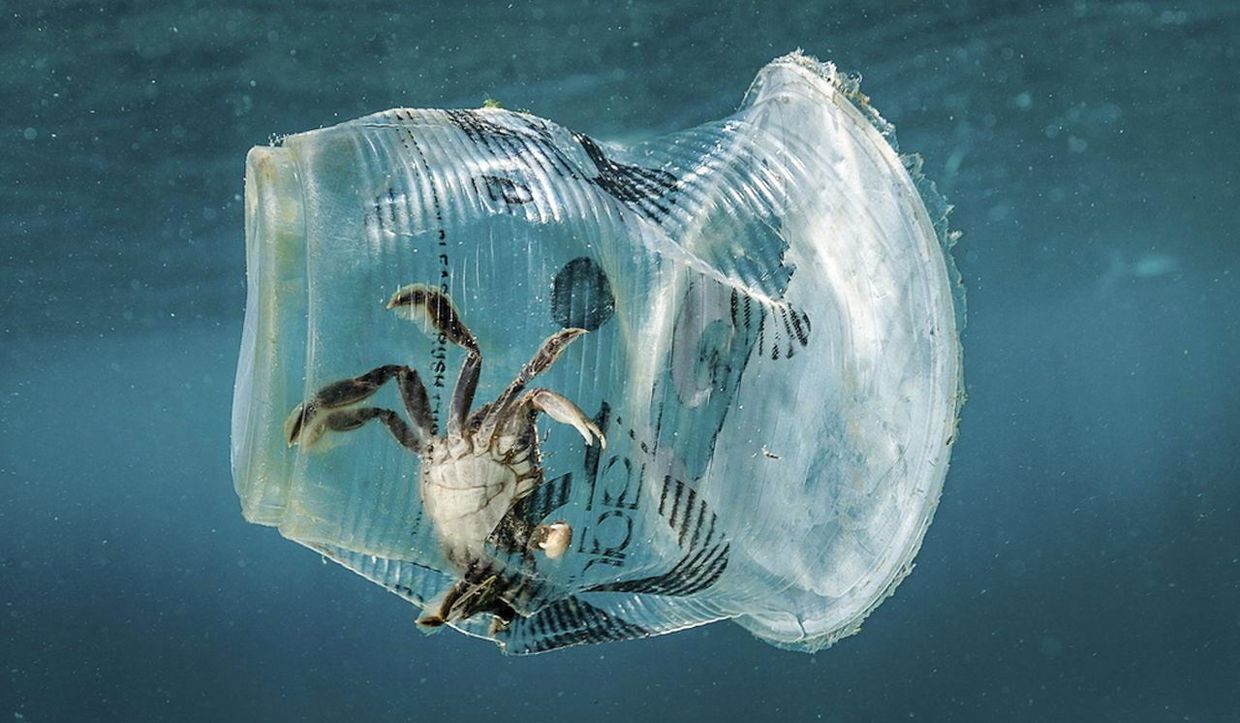
Bring reusable produce bags to store fruits and vegetables, glass jars for loose items like nuts and coffee, and stock up on reusable food storage containers to store leftovers instead of relying on meals encased in single-use plastics that cannot be recycled and clog up our waterways.

The global recycling system is in need of reform, but that does not mean we should stop recycling altogether. By understanding recycling regulations for your area and acting accordingly, you are keeping reusable materials out of the landfill, reducing GHG emissions, and saving wildlife from ingesting non-food items in the process. This is also an opportunity to speak up and urge elected officials to improve current recycling practices.

Conclusion

The climate crisis we are facing is definitely intimidating, but that is exactly why we should do everything in our power to mitigate its effects and prevent further agitation. The simple lifestyle changes we implement today will leave a lasting impact on the planet for years to come.

Reducing meat consumption and food waste, voting in favor of sustainability, and using our money to support eco-friendly businesses are just a few ways to make a meaningful difference. The planet gives us everything we need, so the least we can do is take care of it.

Tracking Ocean Microplastics From Space – See the Great Pacific Garbage Patch Like Never Before

Exposing the Big Game's avatarThe Extinction Chronicles

TOPICS:EcologyNASAOceanographyPlasticPollutionUniversity Of Michigan

ByGABE CHERRY, UNIVERSITY OF MICHIGANJUNE 27, 2021

Ocean Microplastics Map

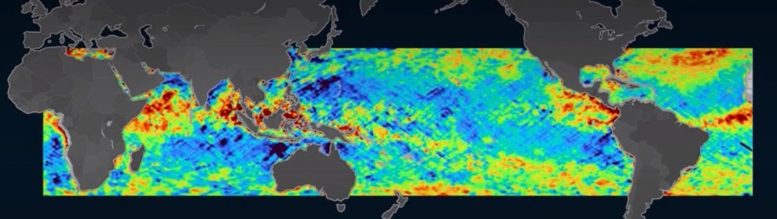
Satellites reveal ocean microplastic fluctuation in the Great Pacific Garbage Patch and releases from the Yangtze River in China.

An estimated eight million tons of plastic trash enters the ocean each year, and most of it is battered by sun and waves into microplastics—tiny flecks that can ride currents hundreds or thousands of miles from their point of entry. The bits can harm sea life and marine ecosystems, and they’re extremely difficult to track and clean up.

Now, University of Michigan researchers have developed a new way to spot ocean microplastics across the globe and track them over time, providing a day-by-day timeline of where they enter the water, how they move, and where they tend to collect. The…

View original post 907 more words

Dangerous Heat Wave Is Literally Melting Critical Infrastructure in the Pacific Northwest

Exposing the Big Game's avatarThe Extinction Chronicles

https://gizmodo.com/dangerous-heat-wave-is-literally-melting-critical-infra-1847186624

The heat-caused damage in the Pacific Northwest is a stark sign of how screwed our infrastructure is when it comes to climate change.

Dharna NoorToday 2:25PM412Alerts

A paramedic shields his eyes while treating a man experiencing heat exposure during a heat wave, Saturday, June 26, 2021, in Salem, Oregon.

Power cables are melting. School districts are closing. Asphalt is too hot to touch. The heat waveroasting the Pacific Northwestis putting infrastructure at risk, and temperatures are expected to continue to rise on Monday. The failures show the staggering toll the climate crisis is already taking—and they’re a stark warning for the future if we don’t shore up roads, buildings, and other infrastructure central to modern life.

A region from California to British Columbia saw record-breaking temperatures over the weekend due to a sweltering heat dome. The heat is so rare that it’s expected just

View original post 1,110 more words

The riddle of how humans evolved to have fathers

https://www.bbc.com/future/article/20210625-the-riddle-of-how-humans-evolved-to-have-fathers

Share using EmailShare on TwitterShare on FacebookShare on Linkedin(Image credit: Afriadi Hikmal/Getty Images)

Human fathers are unusual among their mammalian counterparts for the role they play in their children's lives (Credit: Afriadi Hikmal/Getty Images)

By Elizabeth Preston27th June 2021From Knowable MagazineFew other mammalian dads invest as much time and care in rearing their offspring – or even the children of others – compared to human fathers.L

Lee Gettler is hard to get on the phone, for the very ordinary reason that he’s busy caring for his two young children. Among mammals, though, that makes him extraordinary.

“Human fathers engage in really costly forms of care,” says Gettler, an anthropologist at the University of Notre Dame. In that way, humans stand out from almost all other mammals. Fathers, and parents in general, are Gettler’s field of study. He and others have found that the role of dads varies widely between cultures — and that some other animal dads may give helpful glimpses of our evolutionary past.

Many mysteries remain, though, about how human fathers evolved their peculiar, highly invested role, including the hormonal changes that accompany fatherhood. A deeper understanding of where dads came from, and why fatherhood matters for both fathers and children, could benefit families of all kinds.

“If you look at other mammalian species, fathers tend to do nothing but provide sperm,” says Rebecca Sear, an evolutionary demographer and anthropologist at the London School of Hygiene and Tropical Medicine. Mothers carry the burden in most other animals that care for their children, too. (Fish are an exception – most don’t tend their young at all, but the caring parents are usually dads. And bird couples are famous for co-parenting.)

Even among the other apes, our closest relatives, most dads don’t do much. That means mums are stuck with all the work and need to space out their babies to make sure they can care for them. Wild chimps, for example, give birth every four to six years. Orangutans wait as long as six to eight years between young.

The ancestors of humans, though, committed to a different strategy. Mothers got help from their community and their kin, including fathers. This freed them up enough to have more babies, closer together – about every three years, on average, in today’s nonindustrial societies. That strategy “is part of the evolutionary success story of humans”, Gettler says.

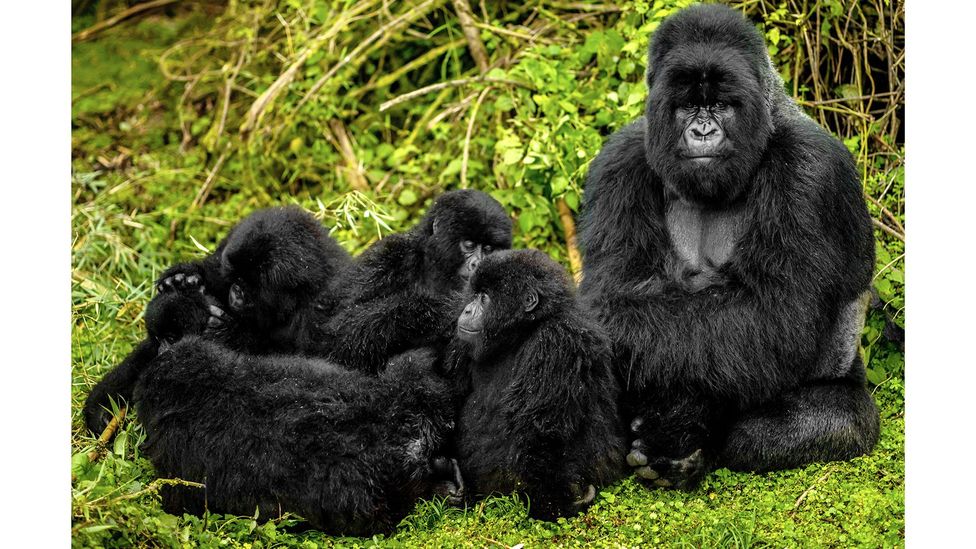
Some clues about the origin of doting fatherhood come from our close primate relatives.Male gorillas will often act as babysitters for youngsters and research suggests they do this for a variety of reasons (Credit: Ibrahim Suha Derbent/Getty Images)

Male gorillas will often act as babysitters for youngsters and research suggests they do this for a variety of reasons (Credit: Ibrahim Suha Derbent/Getty Images)

Stacy Rosenbaum, a biological anthropologist at the University of Michigan, studies wild mountain gorillas in Rwanda. These gorillas provide intriguing hints about the origins of ape dads, as Gettler and co-authors Rosenbaum and Adam Boyette argue in the 2020 Annual Review of Anthropology.

Mountain gorillas are a type of eastern gorilla. They differ from western gorillas — a separate species more often seen in zoos — in their habitat and diet. Rosenbaum is more interested in another thing that sets mountain gorillas apart: “Kids spend a ton of time around males,” she says.

Those males may or may not be their dads. Male mountain gorillas don’t seem to know or care which young are theirs. But nearly all males tolerate the company of the youngsters. Unlike any other great ape that’s been studied in the wild, these males – bruisers twice the size of females, with huge muscles and teeth – are essentially babysitters. Some pick up the youngsters, play with them and even sleep cuddled together.

This male company can protect very young gorillas against predators, and it keeps the young from being killed by intruding males. Another important benefit might be social, Rosenbaum speculates.

The young gorillas mingling around an adult male might pick up social skills like human toddlers do from their peers at day care. Additionally, research has shown that the relationships between young gorillas and adult males persist as they grow up.

Babysitting may benefit male gorillas in another way, too: by making them more attractive

Another tantalising hint about how male gorillas benefit the young in their group comes from a recent paper on young mountain gorillas whose mothers died. Losing their mothers didn’t make these orphans more likely to die themselves, the researchers found. Nor did they experience other costs, such as a longer wait before having their own young. The orphans’ relationships with others in their group, especially dominant males, seemed to protect them from ill effects.

Mountain gorilla males aren’t the only primates to ally with kids. Adult male macaques also spend time with young. And baboon males form “friendships” with females and their young, which are often (but not always) their own offspring. These behaviours cost the male primates almost nothing. So, while the males may give their own offspring a survival boost, it’s not a big deal if they spend time with some unrelated youngsters too.

You might also like:

But babysitting may benefit male gorillas in another way, too: by making them more attractive. “One of our speculations is that females actually prefer mating with males who do a lot of interacting with kids,” Rosenbaum says. She’s found that male gorillas who do more babysitting earlier in life go on to father many more children when they’re older. Macaques, too, seem to be more attractive to females if they’ve spent more time hanging out with kids.

Anthropologists used to assume that fatherly behaviour could evolve only in monogamous animals, Rosenbaum says. Species like the mountain gorillas undermine that assumption. They also show that, despite what scientists have long thought, male animals don’t have to choose between spending their energy on mating or parenting. It seems taking care of kids can be a way of getting mates.

Studies of human dads and stepdads have hinted at the same idea. “A lot of guys will willingly enter into relationships with kids they know aren’t theirs,” says Kermyt Anderson, a biological anthropologist at the University of Oklahoma. That investment might seem paradoxical from an evolutionary perspective. But Anderson’s research suggests that men invest in stepchildren and even their own biological children partly as an investment in their relationship with the mother. When that relationship ends, fathers tend to become less involved.

A human dad who cares for his children or stepchildren is different, of course, from an ape or monkey who just lets youngsters hang around. But Gettler and Rosenbaum wonder whether our own ancestors had similar habits to mountain gorillas or macaques. Under the evolutionary pressures they faced, these friendly tendencies toward children could have ratcheted up into devoted fatherhood.Although humans fathers are unusual among animals, fatherhood can also vary greatly among humans too (Credit: Jason Armond/LA Times/Getty Images)

Although humans fathers are unusual among animals, fatherhood can also vary greatly among humans too (Credit: Jason Armond/LA Times/Getty Images)

Some clues to the evolutionary history of fatherhood are also written in the molecules of men’s bodies. 

Gettler worked on a long-term study of men in the Philippines, gathering biological data from them in their early 20s and following up five years later. He and his colleagues found that men with higher testosterone in their early 20s were more likely to have partners and children later on, when researchers followed up. But those new dads no longer had high testosterone — it had dropped dramatically, especially if they had a newborn at home. Once a man’s youngest child was a toddler, his testosterone began to creep back upward.

Testosterone is linked to mating and competitive behaviour in male animals. Suppressing it might be nature’s way of preparing fathers to cooperate with their partners and care for children, the researchers say. Although caring fathers are rare among mammals and most other animals, many can be found among birds — and those bird fathers also experience testosterone dips

Prolactin is another hormone linked to paternal behaviour in birds — this time, doting bird dads have more of it — and some studies have hinted at a similar effect in humans. Although we’re only distantly related to birds, evolution may have used the same mechanisms to encourage fatherly behaviour in both animals. Understanding those mechanisms better might help us learn how fatherhood evolved. 

“If we understand the physiological pathways that underpin care in those other species, we can look to see if the same signatures occur in human fathers,” says Gettler.

It’s clear human fathers are unusual in their attention to their children. “However, it’s also clear that fatherhood in humans is quite variable,” Sear says. Not all dads are doting, or even present.

Research has shown that fathers can have important roles in directly caring for their children, for example, and teaching children language and social skills

But that doesn’t necessarily affect basic survival. In a 2008 paper, Sear and co-author Ruth Mace asked whether children with absent fathers are likelier to die. They reviewed data on child survival from 43 studies of populations around the world, mostly those without access to modern medical care. They found that in a third of the studies looking at fathers, children were more likely to survive childhood when their dad was around. But in the other two-thirds, fatherless kids did just as well. (By contrast, every study of children without mothers found they were less likely to survive.)

“That is not what you would expect to see if fathers are really vital for children to thrive,” Sear says. Rather, she suspects that what’s vital are the jobs fathers perform. When a father is missing, others in the family or community can fill in. “It may be that the fathering role is important, but it’s substitutable by other social group members,” she says.

What is that role? Historically, Gettler says, anthropologists have viewed fatherhood as all about “provisioning” — bringing home the bacon, literally. In some foraging communities, more successful hunters also father more kids. But Gettler hopes to help expand the definition of a father. Research has shown that fathers can have important roles in directly caring for their children, for example, and teaching children language and social skills.

Fathers may also help their children by cultivating relationships in their communities, Gettler says. When it comes to survival, “Networking can be everything.”Human children also tend to have an unusually long lasting bond with their fathers (Credit: Daniel Shirey/Getty Images)

Human children also tend to have an unusually long lasting bond with their fathers (Credit: Daniel Shirey/Getty Images)

A dad’s job also varies culturally. For example, in the Republic of the Congo, Gettler works with two neighbouring communities. The Bondongo are fishers and farmers – they value fathers who take risks to gain food for their own families. Their neighbours, the BaYaka, are foragers who value fathers who share their resources outside their families.

“In the West we have this idealisation of the nuclear family,” says Sear: a self-reliant, heterosexual couple in which dad does all the provisioning and mum all the childcare. But worldwide, she says, families like this are very rare. A child’s biological parents may not live together exclusively, for life or at all, Sear writes in a recent paper. Childcare and food can come from either parent — or neither. Among the Himba of Namibia, for instance, children are often fostered by extended family.

“Possibly the key defining feature of our species is our behavioural flexibility,” Sear says. Assuming that certain roles are “natural” for fathers or mothers can make parents feel isolated and stressed, Sear writes. She hopes research can broaden our understanding of what fathers are for, and what a human family is. That might help societies to better support families of all kinds — whether they have dads like Gettler who are busy chasing the children around, or dads who are away fishing, or no dads at all. 

“I think we need to take a much more non-judgmental view of the human family, and the kinds of family structures in which children can thrive to improve the health of mothers, fathers and children,” says Sear.

* This article originally appeared in Knowable Magazine, and is republished under a Creative Commons licence.

TV Personality Ripped After Video Taunting Dead Deer While Hunting Resurfaces

Exposing the Big Game's avatarCommittee to Abolish Sport Hunting Blog

https://popculture.com/reality-tv/news/phil-spenser-ripped-video-taunting-dead-deer-hunting-resurfaces/

ByDANIEL S. LEVINE- June 28, 2021 05:44 pm EDT

https://embed.popculture.com/player/embed?args=player_id%3D161516321122021185%26log_window%3Dfalse%26resizable%3Dtrue%26autoplay%3Dtrue%26comp_ads_enabled%3Dfalse%26source%3Dpopculture%26resizable%3Dtrue%26watchAndRead%3D0%26uvpc%3Dhttps%3A%2F%2Fwww.cbssports.com%2Fapi%2Fcontent%2Fvideo%2Fconfig%2F%3Fcfg%3Duvp_popculture%26env%3Dprod%26warW%3D300%26warH%3D169%26js%3Djs%2Fmedia%2Fvideo%2Fplayer%2Fembed%2Fcslive.js%26css%3Dcss%2Fmedia%2Fvideo%2Fplayer%2Fembed%2Fcslive.css%26force_no_ads%3Dfalse%26ids%3D9a17010e-91d8-44e6-96ae-90b5c724bf9c%26env%3Dprod%26partner%3Dpopculture%26partner_m%3Dpopculture_mobile%26utag%3Dpopculturesite%26channel%3Dpopculturedefault%26cmpGroups%3D1%3A1%2C4%3A1%2C2%3A1%2C3%3A1%2C5%3A1

Phil Spencer, a British television host of property series, has come under fire again after a years-old video of him taunting a dead deer resurfaced onTwitter. Spencer is often criticized on social media for a 2011 photo that shows him holding a deer carcass. Spencer and Kirstie Allsopp have hostedChannel 4‘sLocation, Location, Locationseries since May 2000. The two also hosted the spin-offRelocation, Relocationfrom 2004 to 2011.

The clip in question shows Spencer, 51, wearing a full camouflage outfit and crouching over the dead deer. The one-minute clip surfaced on Twitter in June 2020, and was retweeted again last week, sparking a fresh conversation about it. The 2020 tweet did not mention where this video was from, but it appears to be part of a longer video he filmed for…

View original post 364 more words

Six state recreation areas will allow fireworks on July 4

https://www.newschannelnebraska.com/story/44154823/outdoor-notes-six-state-recreation-areas-will-allow-fireworks-on-july-4

Visitors to six state recreation areas will be allowed to touch off fireworks on July 4. The Nebraska Game and Parks Commission is urging them to be especially careful this year.Tuesday, June 22nd 2021, 3:25 PM CDTUpdated: Sunday, June 27th 2021, 9:39 PM CDTBy Nebraska Game and Parks Commission

LINCOLN, Neb. – Visitors to six state recreation areas will be allowed to touch off fireworks on July 4. The Nebraska Game and Parks Commission is urging them to be especially careful this year.

Visitors should always use caution when lighting fireworks but should be mindful of the dry conditions that exist across the state this year and the risk of wildfire.

The areas that will permit fireworks from 8 a.m. until midnight on July 4 are Branched Oak (Liebers Point only), Fort Kearny, Memphis, Fremont Lakes, Pawnee and Wagon Train.

Signs at recreation areas will point the way to designated fireworks sites, and boundaries will be clearly marked. Use of fireworks elsewhere in state areas or at other times is prohibited.

Only fireworks approved for sale in Nebraska by the state fire marshal are permitted, and visitors must pick up expended fireworks and deposit them in appropriate containers. Minor children must be supervised when discharging fireworks. Use, possession and the discharging of fireworks is at the sole risk of the users.

A park entry permit is required for all vehicles entering state recreation areas.