A petition to ban hunts on Sundays and Wednesdays in France is gathering momentum, however blood sports in France are unlikely to be banned or curtailed any time soon
Socialist Dr Viard says that hunting is often seen as part of the rural identity and ‘attacking it can be seen as towns telling the country how to live’Pic:EBASCOL / ShutterstockByRory Mulholland
The death of a motorist by a hunter’s bullet that ricocheted off a stone next to a dual carriageway has swung the spotlight back on to an activity entrenched in rural culture.
Blood sports create a dilemma for President Macron.He knows that whatever votes hunters might provide will be matched by those from the anti-hunt and environmental brigade.
Sociologist Jean Viard, of Sciences Po university in Paris, said: “He might ban hunting on Wednesdays, which wouldn’t make much of a difference as…
“I want to take a moment to recognize the brave turkeys that weren’t so lucky, who didn’t get to ride the gravy train to freedom,” Obama said from the Rose Garden in November 2016. “Who met their fate with courage and sacrifice and proved that they weren’t chicken.” (1)
By Karen Davis, PhD, President, United Poultry Concerns
Since the last quarter of the 20th century, ridicule has outranked sentimental piety in the prevailing rhetoric of Thanksgiving in America. If nobody really hates a bungling turkey carver as long as the food gets served, the smarmy drama played out between the carver, the carved, and the dining chorus is a ritual of dinner that could be said to reveal, as well as conceal, the “determination of each person present to be a diner, not a dish,” wrote Margaret Visser in The Rituals of Dinner. (2)
Traditional Thanksgiving has other functions, but one thing it does is to formalize a desire to kill someone we hate and make a meal out of that someone. In this role, the turkey dinner is not far distant from a cannibal feast, that “strange mixture of honor and hatred” in which not a few cultures in the history of the world have disposed of their enemies and relatives in ceremonial fashion.
Many people to whom I mention this “hatred of the turkey” idea say they never noticed it before. Such obliviousness illustrates in part the idea that the “most successful examples of manipulation are those which exploit practices which clearly meet a felt – not necessarily a clearly understood – need among particular bodies of people.” (3)
In the case of Thanksgiving, the need is not so much to eat turkey, which many people complain about, and more and more people forego, but to rationalize an activity that, despite every effort to make the turkey seem more like a turnip, has failed “on purpose” to obliterate the bird into just meat. To do so would diminish the bird’s dual role in creating the full Thanksgiving experience. In order to affect people properly, a sacrificial animal must not only be eaten by them; the animal’s death must be “witnessed by them, and not suffered out of sight as we now arrange matters.”
But since this is how we now arrange matters, attention must somehow be “deliberately drawn, by means of ritual and ceremony,” to the reality of the animal’s life and the “performance of killing.”
This is why, in order to be ritually meaningful, the turkey continues to be culturally constructed as a sacred player in our drama about ourselves as a nation, at the same time that we insist that this bird is a nobody, an anonymous and absurd “production animal.”
According to Margaret Visser, “what is meant by ‘sacrifice’ [is] literally the ‘making sacred’ of an animal consumed for dinner.” No wonder that any mention of cannibalism in connection with eating turkeys or any other animals provokes a storm of protest, given that, as Visser says, cannibalism to the Western mind is “‘massively taboo,’ more damnable than incest.” However, cannibalism, transposed to the consumption of a nonhuman animal, is a critical, if largely unconscious, component of America’s Thanksgiving ritual.
America knows that somehow it has to manage its portion of humanity’s primeval desire to have “somebody” suffer and die ritually for the “benefit” of the community or nation at a time when the consumption of nonhuman animals has become morally problematic in the West as well as industrialized to the point where the eaters can barely imagine the animals involved in their meal.
It is ironic, as Visser points out, that “people who calmly organize daily hecatombs of beasts, and who are among the most death-dealing carnivores the world has ever seen,” are shocked by the slaughtering of animals in other cultures.
(2) Margaret Visser, 1991-1992. The Rituals of Dinner. New York: Penguin.
(3) Eric Hobsbawn and Terence Ranger, eds. 1983. The Invention of Tradition. Cambridge: Cambridge University Press.
This photo shows turkeys being transported in freezing temperatures from Des Moines, Iowa to the Sara Lee slaughter plant in Storm Lake, Iowa. Though this photo was taken in 2007, the exact same conditions prevail in 2021 for turkeys in the Midwest. After their long, hellish ride through ice and snow, the truck pulls into a gigantic steaming Inferno where the birds are slowly tortured to death.
KAREN DAVIS, PhDis the President and Founder of United Poultry Concerns, a nonprofit organization that promotes the compassionate and respectful treatment of domestic fowl including a sanctuary for chickens in Virginia. Inducted into the National Animal Rights Hall of Fame for Outstanding Contributions to Animal Liberation, Karen is the author of numerous books, essays, articles and campaigns. Her latest book is FOR THE BIRDS: From Exploitation to Liberation: Essays on Chickens, Turkeys, and Other Domesticated Fowl (Lantern Publishing & Media).
Historians are still unsure if turkey meat was served at the First Thanksgiving, but nonetheless, these affectionate and social birds have been considered a Thanksgiving staple for centuries.
The United States Department of Agriculture (USDA) reports that nearly 224 million turkeys are killed each year. Of those about 45 million are killed for Thanksgiving meals, according to the National Turkey Federation.
Domestic turkeys, the ones you find in supermarkets for Thanksgiving, can live for up to 10 years in captivity. These oversized turkeys are not bred to live long-term; they are slaughtered at around five months old.
Modern domestic turkeys are selectively bred to produce more meat and grow so big that they cannot perform normal functions like walking and breathing properly. These birds cannot even mate on their own and are forcibly artificially inseminated. Today, turkeys are twice the size of turkeys from less than one hundred years ago.
Turkeys endure immense suffering, physically and mentally, before ending up on a platter. They are stripped of their natural environments, treated poorly, and slaughtered in horrific ways.
Here are 10 reasons why you should not eat turkey this Thanksgiving:
1. Turkeys Have Unique Personalities
Turkeys form strong bonds with their flockmates and even with humans and other animals. They enjoy playing with round objects they can kick and roll and are naturally very curious. Similar to humans, turkeys can recognize each other based on their own unique calls.Play00:00-03:16MuteSettingsEnter fullscreenhttps://www.youtube-nocookie.com/embed/KZQk79xVIuc?autoplay=0&controls=0&disablekb=1&playsinline=0&cc_load_policy=0&cc_lang_pref=auto&widget_referrer=https%3A%2F%2Fsentientmedia.org%2F10-reasons-why-you-shouldnt-eat-turkey-this-thanksgiving%2F&noCookie=true&rel=0&showinfo=0&iv_load_policy=3&modestbranding=1&enablejsapi=1&origin=https%3A%2F%2Fsentientmedia.org&widgetid=1Play
Turkeys just like Blossom, mentioned in the video above, are bred at rapid rates for human consumption and never get to experience love and freedom like she does. Commercial turkeys never get the opportunity to spread their wings, run around in the grass, or be treated kindly. These birds are forced to live in dark, overcrowded buildings where they are often mistreated and ultimately slaughtered.
2. Turkeys Are Kept In Poor Conditions
Jo-Anne McArthur / We Animals
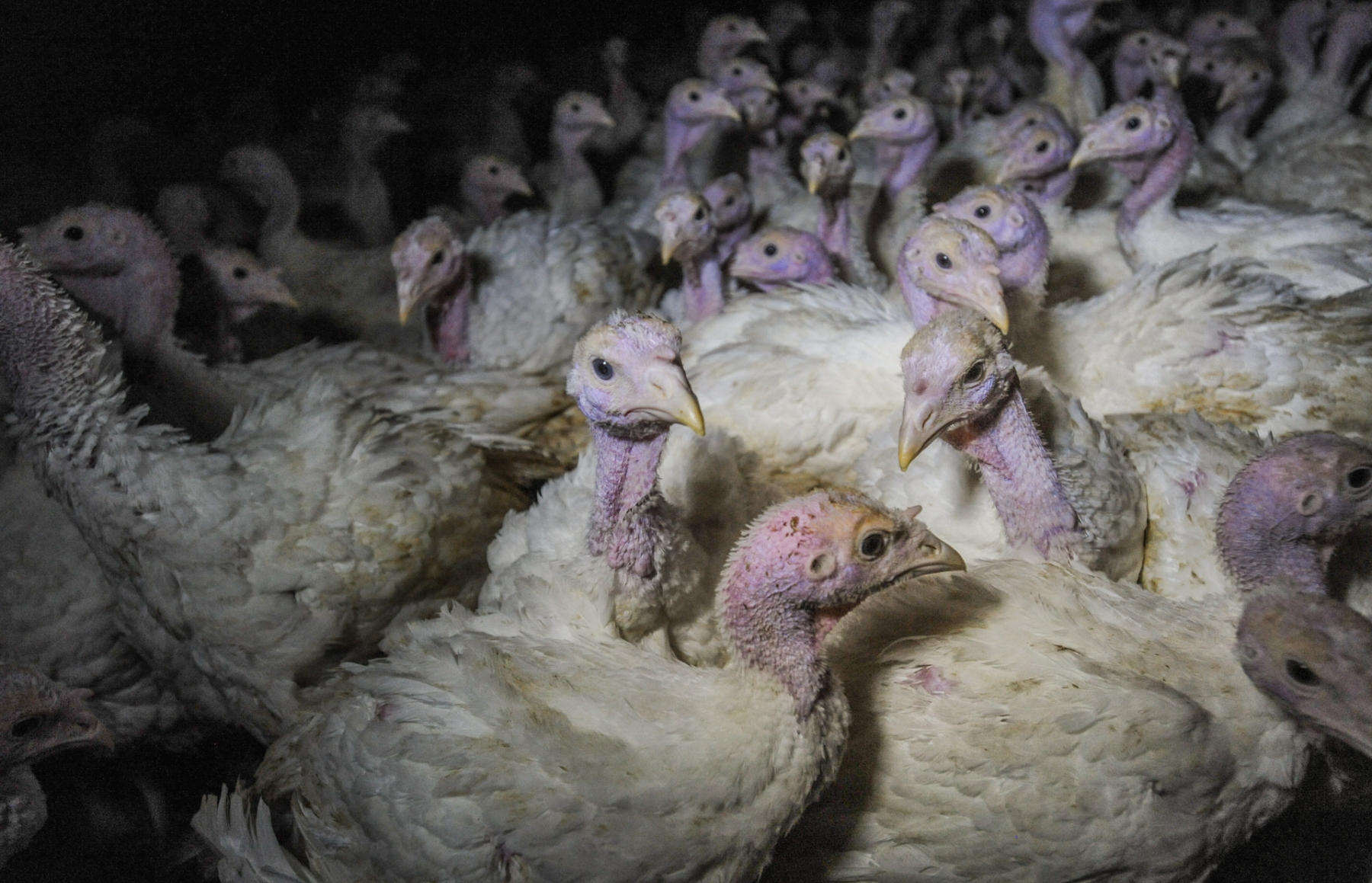
In the wild, turkeys love to forage, build nests, and roam around their natural territories, which often stretch over 1,000 acres. Domestic turkeys bred for meat are forced to live in cramped conditions inside dark sheds with nowhere to roam, forage, or build a nest. Any inkling of normalcy is stripped from them.Play00:0000:00MuteSettingsEnter fullscreenhttps://www.youtube-nocookie.com/embed/OBmVvzVpXqw?autoplay=0&controls=0&disablekb=1&playsinline=0&cc_load_policy=0&cc_lang_pref=auto&widget_referrer=https%3A%2F%2Fsentientmedia.org%2F10-reasons-why-you-shouldnt-eat-turkey-this-thanksgiving%2F&noCookie=true&rel=0&showinfo=0&iv_load_policy=3&modestbranding=1&enablejsapi=1&origin=https%3A%2F%2Fsentientmedia.org&widgetid=2Play
Due to the high-stress environments in which young turkeys live, aggressive behavior is common. But instead of raising turkeys in less crowded conditions, farmers reduce the risk of turkey-inflicted injury by searing off their beaks, cutting off their toes, and slicing off their snoods—the red dangling skin that hangs over a turkey’s beak—without anesthetics. Mutilating birds so they can’t mutilate each other seems counterproductive, doesn’t it? Raising birds in less crowded, more natural environments would reduce stress and aggressive behavior.
Turkeys are packed into dark buildings with dim artificial lighting by the hundreds, even thousands. Instead of grass, these birds—who are considered “cage-free”—stomp on concrete or straw within the buildings. Those who are not “lucky” enough to be cage-free are confined to wire enclosures until they are slaughtered.
Jo-Anne McArthur / We Animals
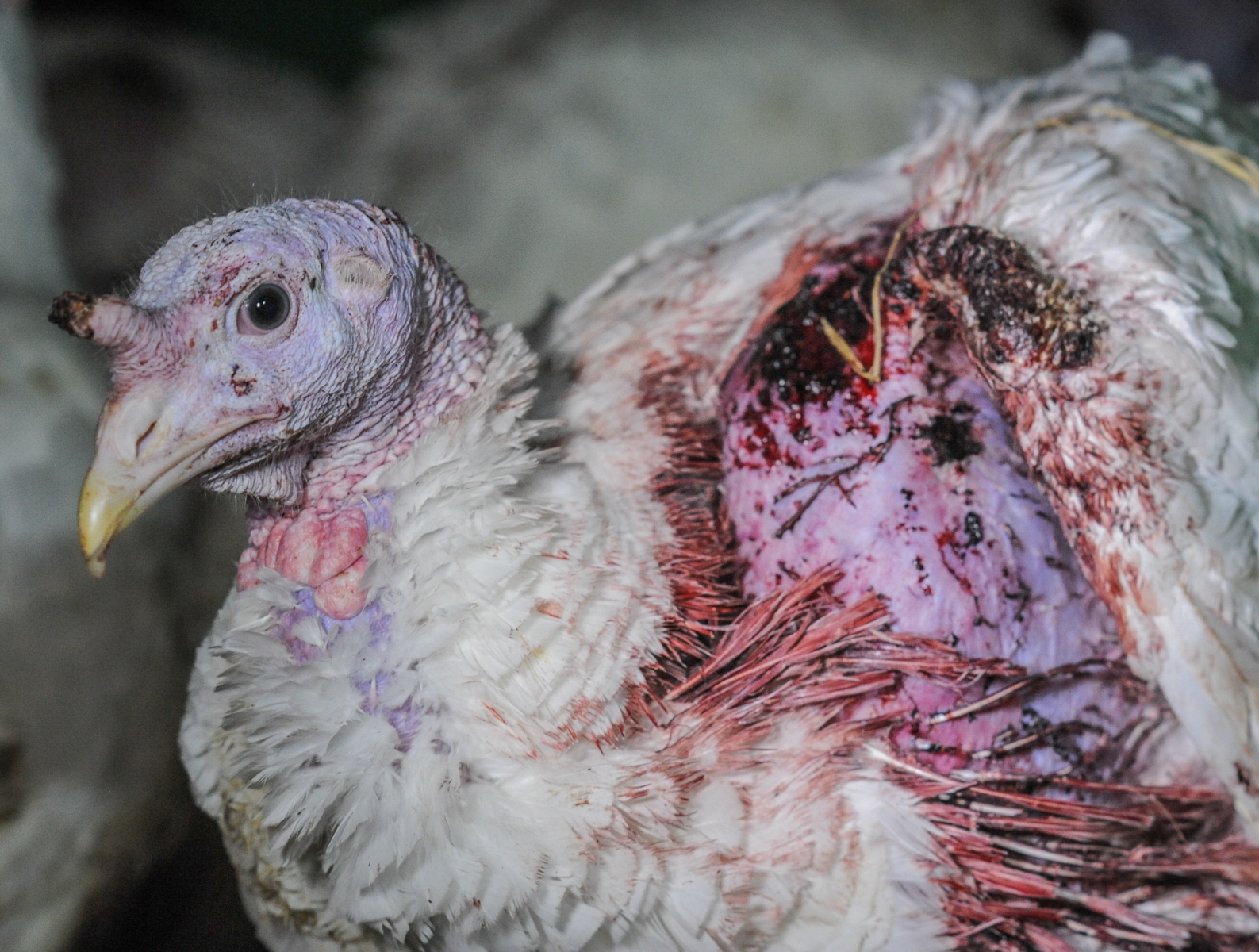
Conditions inside factory farms are so cramped, stressful, and filthy that birds often succumb to stress or their injuries and die before reaching the kill floor. Infections are common since thousands of birds are packed into one common living space without proper care. In the photo above, a turkey is suffering from a severe skin infection that likely started from being pecked by another bird, which is a common behavior within the aforementioned conditions.
The large buildings housing the turkeys are never properly cleaned, so birds are forced to live in their own excrement. As a result, ammonia levels rise and birds can develop painful burns and lesions on their feet and legs. The ammonia can also negatively impact turkeys’ respiratory health. Excessive ammonia exposure can cause hemorrhaging in the birds’ tracheas and bronchi as well as the thickening of atrial walls and shrinking of air capillaries in their lungs.
Most American turkeys are given antibiotics to reduce the risk of spreading Salmonella, Listeria, Campylobacter, E. coli, and other bacteria to humans. Despite these efforts, drug-resistant strains of these bacteria are still infecting people around the country.
3. Turkey Meat Recalls
Turkey meat product recalls are not uncommon, despite the excessive use of antibiotics by farmers. Birds are fed antibiotics to promote growth and prevent the spread of bacteria, but are forced to live in their own excrement inside bacteria-filled buildings. These conditions increase the transmission of bacterial infections, which in turn contaminate the turkey products that humans consume.
In March of 2019, the popular turkey producer Butterball recalled nearly 80,000 pounds of raw ground turkey products due to a Salmonella outbreak. A few months prior, in December of 2018, turkey producer Jennie-O recalled approximately 164,210 pounds of raw ground turkey for the same reason. In November of 2018, just weeks before Thanksgiving, Jennie-O had recalled another 91,388 pounds of raw ground turkey products. Over 300,000 pounds of turkey products were recalled for Salmonella in just four months from two major producers.
The November 2018 recall of Jennie-O turkey products resulted in one fatality, 133 hospitalizations, and 358 individual cases of Salmonella across 42 states. As antibiotic-resistant bacteria gets stronger, more human lives will be endangered.
4. Inhumane Slaughter Methods
Over 200 million turkeys are slaughtered each year in the United States, and 99 percent of them are raised on factory farms. Inside these farms, which are large industrialized buildings, up to 10,000 turkeys are crammed into a single barn. Most industrialized farming operations hold around 55,000 turkeys at a time. As if the psychological damage of being kept in a stressful environment is not enough, turkeys are slaughtered in horrific ways.
Even the most “humane” turkey slaughtering methods are far from empathetic. Turkeys are living, breathing animals who have an inherent desire to survive and avoid pain, like all animals.
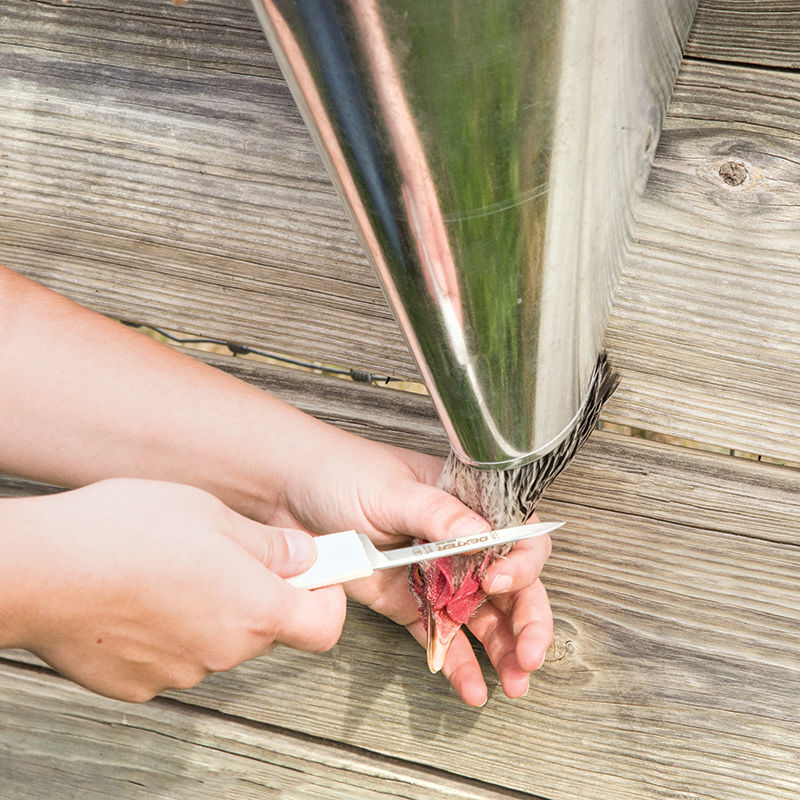
A guide from the Humane Slaughter Association provides step-by-step instructions on how to slaughter animals “humanely,” which is an oxymoron itself. Words like “restraints” are used since no animal willingly allows someone to hang them upside down and slit their throat. Below, you will see something called a “killing cone” which is used to keep animals from squirming too much while they are being killed.
Premier 1 Supplies
Electrical stunning is used to render the birds unconscious before slaughter, which actually forces animals into “epileptic-like fits”—which do not sound very humane. The handbook suggests, “electrodes should be applied for a minimum of seven seconds and at least until wing-flapping stops.” In order to ensure unconsciousness, farmers are encouraged to touch the birds’ corneas to see if they react or not. If they do, another round of electricity should be applied.
Other terms appear in the “humane handbook” including neck cutting, dislocation, gas killing, and concussion stunning. Concussion stunning “involves the application of a severe blow to the skull to cause immediate unconsciousness, or, if sufficient force is applied, death. This must be followed by neck cutting or neck dislocation to ensure the death of the bird.”
The most common form of stunning within American factory farms is called electric immobilization. This method consists of shackling live turkeys by their ankles, which requires force that usually breaks their delicate bones, and running them along a conveyor belt into electrically charged water. This water is supposed to render them unconscious, but the electrical currents are often too low, meaning turkeys are fully conscious while getting their throats slit by a rotating blade. Sometimes turkeys miss the blade as well and are dumped into scalding hot water tanks which are used to loosen their feathers for defeathering.
The Humane Slaughter Act was passed by the USDA Food Safety and Inspections Service (FSIS) branch in 1978 which requires “humane” handling of animals before and during slaughter. This act does not apply to turkeys or chickens. Poultry birds and factory-farmed animals, in general, have virtually zero legal protections.
The slaughtering process is not the only cruelty turkeys endure. Various undercover investigations have revealed severe animal cruelty within breeding barns, transportation onboarding and removal, and slaughter lines. The Mercy For Animals footage below shows a worker using live turkeys as punching bags while they move down the conveyor belt toward their deaths.Play00:0000:00MuteSettingsEnter fullscreenhttps://www.youtube-nocookie.com/embed/9Mkgz2iuMpw?autoplay=0&controls=0&disablekb=1&playsinline=0&cc_load_policy=0&cc_lang_pref=auto&widget_referrer=https%3A%2F%2Fsentientmedia.org%2F10-reasons-why-you-shouldnt-eat-turkey-this-thanksgiving%2F&noCookie=true&rel=0&showinfo=0&iv_load_policy=3&modestbranding=1&enablejsapi=1&origin=https%3A%2F%2Fsentientmedia.org&widgetid=3Play
Humane slaughter does not exist. There is no kind way to end the life of someone who wants to live. How can we justify electrocuting an animal into unconsciousness only to slit their throats and boil their bodies? Unfortunately, the steady demand for turkey on Thanksgiving perpetuates this process, while innocent animals suffer the consequences.
5. Dismal Working Conditions on Turkey Farms
In industrial agriculture, expectations are high to work quickly and process as much meat, milk, or eggs as possible. When production speeds are increased, animals are not the only ones who are injured; the physical and mental health of workers is often compromised.
In 2018, the Guardian and the Bureau of Investigative Journalism compiled data from U.S. meat plant workers and found that “amputations, fractured fingers, second-degree burns and head trauma” are among the potential injuries workers face every day. Records gathered from the Occupational Safety and Health Administration (OSHA) showed that on average, 17 severe accidents—meaning workers were hospitalized, lost an eye, or needed an amputation—occur each month at slaughterhouses and animal exploitation facilities around the country.
According to the data, amputations occur twice per week, on average. From 2015-2017, 270 incidents were documented which involved the amputation of fingers or fingertips, hands, arms, or toes. When production speeds are at the top of the priorities list, workers are bound to get hurt. Increased production pressures negatively impact the animals as well, since courtesy goes out the window as workers are expected to process hundreds of birds per day.
Jessica Robertson, a former inspector at a turkey processing plant in Utah, learned the hard way what excessive exposure to chemicals like peracetic acid—which is used to sanitize turkey carcasses—can do to your health.Play00:00-08:38MuteSettingsEnter fullscreenhttps://www.youtube-nocookie.com/embed/OeUwEQoBPJM?autoplay=0&controls=0&disablekb=1&playsinline=0&cc_load_policy=0&cc_lang_pref=auto&widget_referrer=https%3A%2F%2Fsentientmedia.org%2F10-reasons-why-you-shouldnt-eat-turkey-this-thanksgiving%2F&noCookie=true&rel=0&showinfo=0&iv_load_policy=3&modestbranding=1&enablejsapi=1&origin=https%3A%2F%2Fsentientmedia.org&widgetid=4Play
Robertson and another USDA inspector, Tina McClellan, confided in each other after experiencing itchy eyes, shortness of breath, coughing fits, bloody noses, headaches, nausea, and respiratory issues. Other workers at the plant reassured Robertson that they too were experiencing the same issues.
Even after an employee died of lung complications from peracetic acid exposure, the Food and Drug Administration (FDA), United States Department of Agriculture (USDA), and Occupational Safety and Health Administration (OSHA) failed to set exposure limits for peracetic acid used in turkey production. This chemical has been outlawed in the European Union due to its harmful effects.
6. Health Risks of Eating Turkey
Doctors have warned about the dangers of consuming processed meats for years, but somehow turkey is still considered a “healthy choice.”
Processed meat consumption has been linked to increased colorectal and stomach cancer risks as well as heart disease. Aside from increased cancer risk, processed meats can carry harmful bacteria like E. coli, Listeria, Salmonella, and Campylobacter, as mentioned above. Listeria, for example, can be life-threatening, and the FDA has implemented bacteria-killing solutions that are sprayed onto processed meats. The issue is that not all bacteria are harmful, so these bacteria-killing solutions could potentially kill off helpful bacteria within the human body. Play00:00-02:55MuteSettingsEnter fullscreenhttps://www.youtube-nocookie.com/embed/XCgDFZjNYOQ?autoplay=0&controls=0&disablekb=1&playsinline=0&cc_load_policy=0&cc_lang_pref=auto&widget_referrer=https%3A%2F%2Fsentientmedia.org%2F10-reasons-why-you-shouldnt-eat-turkey-this-thanksgiving%2F&noCookie=true&rel=0&showinfo=0&iv_load_policy=3&modestbranding=1&enablejsapi=1&origin=https%3A%2F%2Fsentientmedia.org&widgetid=5Play
The importance of antibiotics in animal agriculture have been debated for years with the support of farmers and the opposition of consumers. Continuously feeding birds low-doses of antibiotics for growth promotion and bacteria reduction can lead to antibiotic-resistant bacteria that are consumed by humans. Harmful bacteria that were once treatable are now attacking human immune systems and leading to serious disabilities and even death. It is difficult to uncover the exact amount of antibiotics used in turkey production because the government does not collect such data on antibiotic sales or use, and the industry often keeps this information hidden.
7. Turkeys Are Loving Mothers
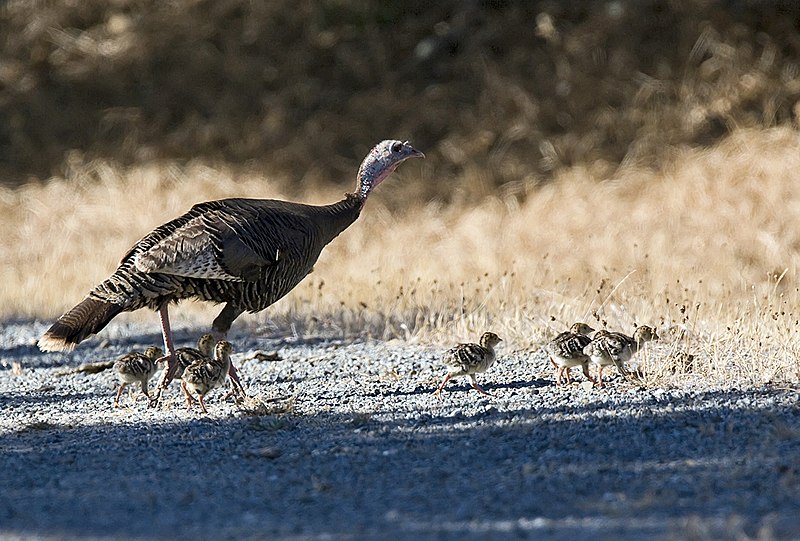
Turkeys form immediate bonds with their young, much like humans. Once their eggs are soon to be hatched, mother turkeys will not leave the nest under any circumstances. When the babies are born, turkey moms keep them close by under their wings until they are old enough to forage on their own.
Kevin Cole
Some baby birds, like raptors and songbirds, wait in the nest while their mothers forage for food, but it is unusual for turkey mothers and their babies, called poults, to be apart. Poults will panic if separated from their mothers for too long, and cry out until she finds them. These babies snuggle under their mothers’ wings for comfort and shelter throughout the day and sleep under them at night.
Inside factory farms, this inseparable bond is broken to feed humans’ desire for turkey meat. Mother turkeys must be artificially inseminated because the birds are selectively bred to be so large they cannot mate on their own. The babies are raised inside incubators, never knowing the comfort of their mothers’ wings. After five short weeks, poults are moved from the brooder house, which are heated buildings meant to resemble a mother’s warmth, to the finishing barns where they are kept until slaughter.
Turkeys enjoy being snuggled and stroked just like the companion animals we know and love. They will even purr as a sign of contentment. These affectionate birds enjoy being embraced and will fall asleep while being caressed.
9. Turkeys Are Smart
People often believe turkeys are unintelligent. This is due to the myth that they are so “dumb” they will stare at the rain until they drown. Domestication, selective breeding, and often inbreeding cause modern turkeys to suffer from a genetic condition called tetanic torticollar spasms.
This condition causes turkeys to rear back their heads in an upward position anywhere from a few seconds to over one minute. It is unclear if any turkeys have actually drowned from “staring at the rain,” but if they have, they were actually suffering from a spasm. These unfortunate instances do not reflect the species’ intelligence.
Tom Savage, poultry scientist and animal science professor at Oregon State University states, “It’s an example of how a misunderstood animal behavior becomes identified as proof that the animal is extremely lacking in intelligence.”
Turkeys are actually much more intelligent than they get credit for. They are social birds who possess over 30 vocalizations to communicate with each other. They can actually recognize each other based on their unique voices.
Turkeys travel in flocks, and if one strays away from the group, they will be stressed and continue calling out until reunited. When content, turkeys will purr or cluck excitedly.
Wild turkeys are exceptional land navigators. Their natural territories often stretch over 1,000 acres and they can recall and find feeding locations from years prior. Turkeys also can remember human faces.
10. Delicious Turkey Alternatives Exist
Plant-based turkey alternatives have rapidly improved over the past few years. More and more companies are popping up and Pinterest boards are overflowing with original recipes.
Plant-based turkey brands like Tofurky, Gardein, Quorn, and Field Roast can be found in most large grocery stores. The Internet is flooded with simple turkey alternative recipes as well as side dish recipes.Play00:00-17:01MuteSettingsEnter fullscreenhttps://www.youtube-nocookie.com/embed/D0GrSvWbE6w?autoplay=0&controls=0&disablekb=1&playsinline=0&cc_load_policy=0&cc_lang_pref=auto&widget_referrer=https%3A%2F%2Fsentientmedia.org%2F10-reasons-why-you-shouldnt-eat-turkey-this-thanksgiving%2F&noCookie=true&rel=0&showinfo=0&iv_load_policy=3&modestbranding=1&enablejsapi=1&origin=https%3A%2F%2Fsentientmedia.org&widgetid=7Play
Traditional side dishes can easily be made vegan by swapping plant-based milk and butter for cows’ milk. You do not have to sacrifice flavor or animals to have a delicious Thanksgiving meal.
Conclusion
Turkeys are incredibly curious, inquisitive, and social birds. An estimated 229 million of these birds are killed in the United States alone each year, with upwards of 46 million slaughtered for Thanksgiving alone.
Turkey production is cruel to the birds, dangerous for the workers, and harmful to our health. Americans can still have a delicious Thanksgiving feast without using animal products. This year, swap the turkey for something plant-based instead.
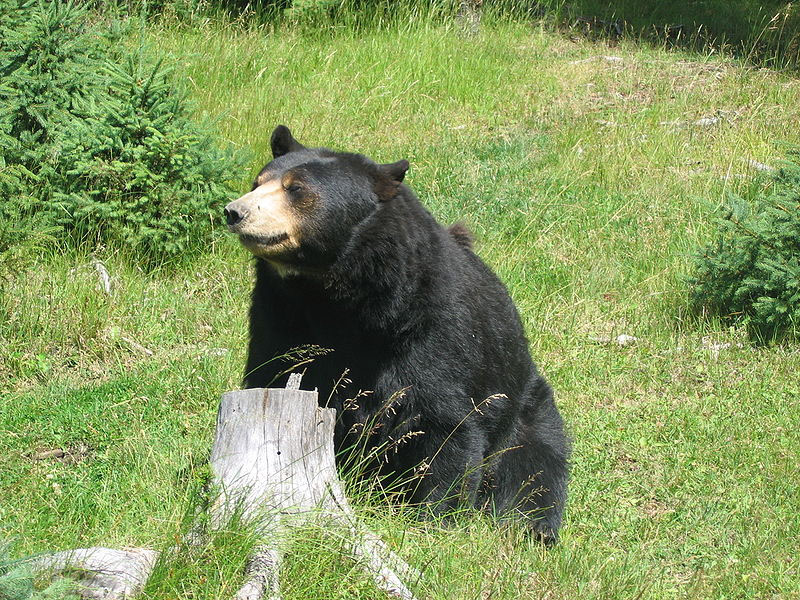
Spring bear hunts in Washington are postponed for 2022, following a vote of the Washington Fish and Wildlife Commission in a meeting on Friday.
The Washington Fish and Wildlife Commission suspended the 2022 spring bear hunt season after a 4-4 vote to authorize the controversial hunt. A majority of commissioners needed to approve special permits for the hunt.
Wildlife officials said the limited spring bear hunt protects against damage to timber and other property. In public comments, supporters of the spring bear hunt said they wanted to expand the spring bear season.
However, conservation groupsraised alarms over the hunt. At least a dozen groups said the hunts kill bears just as they’ve emerged from hibernation with cubs in tow. In spring, 40% of adult female bears have cubs with them, said Commissioner Fred Koontz, of King County.
An octopus is pictured March 6, 2018 at the Oceanopolis sea center, in Brest, western France.
A review of 300 studies concluded there is strong evidence some invertebrates are sentient.
The UK government is updating an animal welfare law to includes octopuses, crabs, and lobsters.
The review defined sentience as “the capacity to have feelings, such as feelings of pain, pleasure, hunger, thirst, warmth, joy, comfort and excitement.”
Octopuses, crabs, and lobsters will be recognized as sentient beings under UK animal welfare laws after a review concluded there is strong evidence they are capable of feelings.
The UK government announced Friday that decapods, an order of crustaceans, and cephalopods, a class of mollusks, will now fall under the Animal Welfare (Sentience) Bill. Decapods include animals like crabs, lobsters, shrimp, prawns, and crayfish, and cephalopods include octopuses, squids, and cuttlefish.
The announcement said the bill “already recognizes all animals with a backbone (vertebrates) as sentient beings. However, unlike some other invertebrates (animals without a backbone), decapod crustaceans and cephalopods have complex central nervous systems, one of the key hallmarks of sentience.”
The review, published this month, found there was “strong evidence” that such animals are sentient, which the review defines as having “the capacity to have feelings, such as feelings of pain, pleasure, hunger, thirst, warmth, joy, comfort and excitement.”
“I’m pleased to see the government implementing a central recommendation of my team’s report,” said Jonathan Birch, a professor at LSE who works on the Foundations of Animal Sentience Project, adding they reviewed over 300 scientific studies. “Octopuses and other cephalopods have been protected in science for years, but have not received any protection outside science until now.”
The report also made specific recommendations on animal welfare practices based on its findings, including:
Banning the declawing of crabs
Banning the sale of live crabs and lobsters to “untrained, non-expert handlers”
Banning the following slaughter methods when a viable alternative exists and when electrical stunning is not done first: boiling alive and live dismemberment
The report also said there is no evidence of a slaughter method for creatures like octopuses that is “both humane and commercially viable on a large scale,” recommending more research be done to identify more humane practices.
In the announcement, the UK government said it would “not affect any existing legislation or industry practices such as fishing. There will be no direct impact on the shellfish catching or restaurant industry. Instead, it is designed to ensure animal welfare is well considered in future decision-making.”
Insider’s Cheryl Teh reported in July UK lawmakers were considering a ban on inhumane slaughter methods for animals like lobsters and crabs, which prompted the LSE review.
Boiling crustaceans alive is already illegal in some countries, including Switzerland and New Zealand.
Descrease article font size-AIncrease article font sizeA+
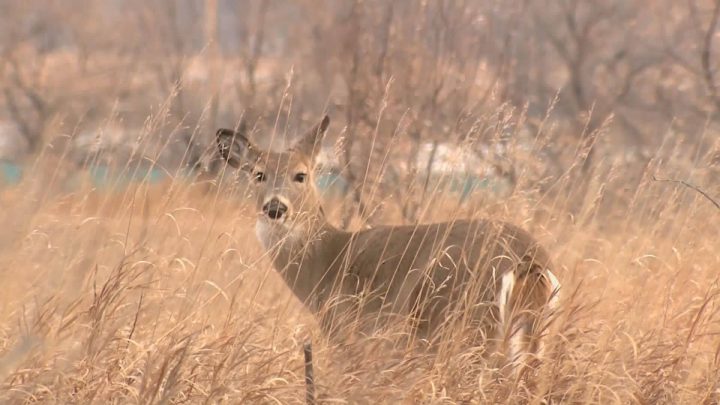
Many white-tailed deer in the northern U.S. have caughtCOVID-19, some new studies suggest, with potential implications for the pandemic fight.
And while the same hasn’t yet been found in Canadian deer, scientists say that finding the virus in wild animals could spell the end for any hopes of completely eliminating COVID-19 in humans.
“Any disease that gets into multiple species, we can’t eradicate,” said Scott Weese, a veterinary infectious disease specialist with the Ontario Veterinary College and director of the Centre for Public Health and Zoonoses.
Citing incidents of a leopard and a sloth bear falling into open tanks, wildlife activists have appealed to the forest department to sensitise landowners to the threat faced by animals.
COIMBATORE: Wells and tanks left uncovered by some private individuals and panchayats in the Nilgiris district are proving to be death traps for wild animals like leopard, sloth bear and gaur. Despite several warnings issued by the forest department, the owners have failed to cover wells or tanks.
File picture of leopard being rescued from a well in Nilgiris
On November 13, a five-year-old leopard was rescued from a fell in a residential area in Kotagiri. Last month, a sloth bear fell into an open tank in Kotagiri but managed to climb out on a ladder placed by forest officials. Citing these incidents, wildlife activists have appealed to the forest department to sensitise landowners to the threat faced by animals.
K Kalidass, founder of Osai, said, “Nilgiris is a wildlife destination where the pocket forest is high when compared to continuous forest land. There is a high chance of animals falling into wells or tanks while moving from one forest to another. The State government should instruct landowners to cover wells immediately using iron grilles so that it would prevent these physically strong animals falling into the well or tanks.”
Bhosale Sachin Thukkaram District Forest Officer Nilgiris forest division told TNIE, “So far, we have not taken stringent action against landowners who failed to cover their well since most of the wells or tanks are located outside the forest. If the landowners refuse to cooperate, we will soon take action against them. We plan to approach the Collector to get an order to cover or close down the well if they are unnecessary.”
Leopard killed in road mishap
ERODE: A three-year-old female leopard was killed after an unidentified vehicle ran over the animal in the Sathiyamangalam forest range in the wee hours of Sunday. According to forest officials, the incident took place near the Hasanur forest range office on the Hasanur-Mysore National Highways.
Sources said the forest officials have sent the body of the leopard for an autopsy and are combing the CCTV camera footage to identify the vehicle. It may be recalled that a four-year-old leopard died on October 17 near Chikkali in the Sathiyamangalam forest range after being hit by a vehicle.
ByAssociated PressPublished:Nov. 22, 2021 at 4:47 AM PST|Updated:10 hours ago
BRENTWOOD, N.H. (AP) – Authorities say a 79-year-old man has died while hunting in New Hampshire after apparently suffering some sort of medical emergency.
New Hampshire Fish and Game says the Rockingham County Sheriff’s Office received a call on Saturday from a resident concerned about a person in a kayak in the middle of the Exeter River in Brentwood.
Officers arrived on the scene and saw a man lying motionless in the kayak and not responding to their calls.
An officer waded into the river to retrieve the kayak. The death remains under investigation. The man’s name was not released.







/cloudfront-us-east-1.images.arcpublishing.com/gray/ZEKO6EBHOVASBL75NM6Z6SQOTA.jpg)
 Exposing the Big Game
