New hidden-camera footage recorded by a Mercy For Animals investigator reveals extreme animal suffering in a system set up by Costco to supply themselves with cheap chicken.
At this farm, chickens suffer from rapid weight gain and struggle to walk under their own unnatural weight. Costco’s chickens die in chronic pain.
In a newly filed lawsuit, Costco has been accused of violating animal-welfare laws in Nebraska and Iowa for allegedly raising chickens that grow so fast they cannot stand under their own weight and die.
The complaint — filed by two shareholders in Superior Court in King County, Washington, where Costco is based — involves an undercover investigation into Lincoln Premium Poultry near Fremont last year.
In a 48-page complaint, attorney Adam Karp said in an effort to continue selling $4.99 rotisserie chickens to drive foot traffic, Costco directors and officers have willfully ignored red flags indicating their poultry production practices are unlawful.
The Lincoln Premium Poultry plant in Fremont produces chickens for Costco.Lincoln Premium Poultry Facebook page
He said Costco sends millions of the fast-growing birds to “dirty, crowded, factory farms, run by inexperienced contract growers who Costco recruited and trained.” There, he said, the disabled birds slowly die from hunger, thirst, injury and illness.
Karp said Costco’s practices amount to neglect and abandonment of the chickens, a violation of state law.
The lawsuit is asking a judge to find Costco’s president, CEO, chairman of the board and others, liable for breaching their fiduciary duty and order them to take all necessary actions to reform and improve Costco’s policies, procedures and practices.
As many as 100,000 chickens a day move along the processing line at the Costco processing plant in Fremont. The chickens are then sent to Costco warehouses around the country.JUSTIN WAN, Journal Star
In a press release, Alene Anello, president of Legal Impact for Chickens, a San Francisco-based nonprofit that advocates for animals, said: “Once lauded as an innovative warehouse club, Costco today represents a grim existence for animals in Nebraska who are warehoused in inescapable misery.”
Costco hasn’t yet filed an answer and didn’t immediately respond to a request for comment on the allegations.
But in a statement last year after Mercy for Animals, a Los Angeles-based animal protection nonprofit, publicized its 2021 investigation, Costco said it is committed to maintaining “the highest standards of animal welfare, humane processes and ethical conduct throughout the supply chain.”
Ellen Cooling and Curt Cooling, of Omaha, listen to Vince Smith (right), a maintenance supervisor, during a tour of the Costco chicken processing plant in Fremont.JUSTIN WAN, Journal Star
“Lincoln Premium Poultry shares our commitment, as do the independent growers selected for the program who have been carefully chosen based on our mutual business philosophies. Independent audits are regularly performed to ensure all parties are consistently in compliance.”
A new polar bear management regime would see Inuit hunters lose their accumulated and unused polar bear tags
Jane George·CBC News·Posted: Jun 16, 2022 3:00 AM CT | Last Updated: 10 hours ago
A polar bear walks with her two cubs over the ice near the Boothia Peninsula, where hunters say the polar bear population is thriving.(Jane George/CBC)
A new polar bear management system received an icy reception in Iqaluit Wednesday at a Nunavut Wildlife Management Board discussion on the polar bear harvest in the Gulf of Boothia region.
A recently approved credit-based system, the Harvest Administration and Credit System (HACCS,) offers no improvement over the existing quotas in place since 2005, said Ema Qaggutaq, the Kitikmeot Regional Wildlife Board’s liaison officer, who presented on the group’s behalfat the management board meeting.
“The current polar bear management plan and HACCS continues…
Last month a man in Colorado became the first human known to have contracted a new, highly infectious strain of avian flu.
The man — a prisoner culling infected poultry while on a work-release program — only experienced a case of mild fatigue.
The birds contracting this new version of the H5N1 flu have not been so lucky.
Since it first turned up, this highly transmissible and lethal new strain of avian flu has circulated at high rates among domestic fowl on backyard and commercial farms, resulting in the deaths of a reported 37 million birds on farms in the United States alone. Some died directly from the infection, while many others were culled as part of the country’s response to the disease outbreak. Bird flu has spread to at least 176 commercial farms and 134 backyard bird farms, housing mainly poultry like chickens and turkeys, across 34 states. It has hit especially hard in the Midwest and Central United States, regions with intensive commercial poultry operations.
Advertisement:
The disease has also turned up in wild birds, with fatal consequences never previously observed. The first confirmed case was reported in a wild bird killed by a hunter and tested in January as part of routine U.S. wildlife-disease surveillance efforts. As of this month, more than 1,000 wild birds across the country have died after being infected.
Wild birds, including many waterfowl species, are often carriers of low-pathogenic or mild bird flu viruses. These viruses rarely cause severe disease in their natural hosts. But lethal bird flu viruses can and do kill wildlife, and this year’s hybrid H5N1 is proving especially deadly to wild birds in the United States and Europe.
It’s also spreading fast: While people have been busy navigating the second year of the global Covid-19 pandemic, this worrying bird virus outbreak has spread in more than 60 countries across Europe, Africa, Asia and the Americas. Many European countries face record-high levels of lethal bird flu.
Maggie Q on performing her own stunts: “I don’t live with a ton of fear”Progress Bar
01:09 / 03:09
Volume Bar
Repeat Offender
“This clade ‘family’ of H5 viruses has been with us since 1996,” says Bryan Richards, emerging disease coordinator at the U.S. Geological Survey’s National Wildlife Health Center in Madison, Wisconsin. Much of the government’s research on bird flu impacts on wild birds is done by the Geological Survey at the National Wildlife Health Center. “As with all viruses, it has changed over time, as have its relative impacts. Over the past two years or so, this specific H5N1 lineage has had increasing impacts in Europe and Asia. Now that this lineage of virus is here in North America, our experience is similar to that in Europe.”
As the virus rages and government workers deal with the gruesome task of killing infected birds and disposing of the corpses, experts have stood up with one key question:
Why have we allowed this to happen again?
The last time a bird flu epidemic hit this hard in the United States was in 2014-2015. That event, considered the worst-ever animal disease outbreak in U.S. history, struck 211 commercial farms and 21 backyard farms, mainly in the West and Midwest. The government responded by killing tens of millions of domestic birds to try to stop the spread, at huge cost to the federal budget and with no clear beneficial results — the same way it’s responding to the present lethal outbreak.
Then and now, bird flu proves that a reaction-oriented approach to serious viruses emerging at the intersection of human and nonhuman health is inadequate for stopping the spread of disease. Many animal-health and infectious disease experts now underscore the need to preventrather than fightthe next animal disease epidemic.
The Previous (But Not the Last) Outbreak
The 2014-2015 outbreak cost the federal government nearly $900 million to respond to and provide indemnity (financial security) to farmers forced to kill their flocks. Still, U.S. poultry farmers reported economic losses of $1.6 billion, and the poultry industry lost at least $3.3 billion from that single epidemic.
Government staff and scientists examined the outbreak and response strategy to see if they could shed any light to help the country avoid another epidemic. Their final report found that “despite” the government’s massive effort to stop the spread by killing all birds on infected farms, while also using quarantine and disinfection, bird flu continued to swiftly infect huge numbers of domestic birds.
We’re now seeing a repeat of that failed strategy. During the current outbreak, government employees and contractors are again tasked with culling tens of millions of infected domestic birds, mainly poultry like chickens and turkeys. Paying for that plus indemnity to farmers for lost birds has cost the government $400 million in emergency funding since March.
One reason why this response doesn’t work is that wild birds spread bird flu but cannot be contained.
Research shows bird flu can live in the natural environment for extended periods, and healthy wild birds can become infected by living in proximity to those who are ill.
Watching for Danger
As a country we’re constantly on the outlook for warnings of possible new disease outbreaks.
The U.S. Department of Agriculture and Geological Survey, along with their state and Tribal partners, have for decades collaborated to test deceased, hunter-caught and live wild birds for bird flu, especially at areas popular for congregating birds like lakes and wetlands.
Advertisement:
That kicked into overdrive this past year. When bird flu cases surged in Europe in 2021, these partners coordinated testing of thousands of additional birds outside their usual quota of about 3,000 samples per year.
“This year’s surveillance was extremely effective,” says Richards of the USGS. “It provided situational awareness, early detection and warning. We did a dramatic amount surveillance in fall and winter based on the increased activity in Europe. We’ve been watching.”
But watching for outbreaks is not the same as preventing them.
Failure by Design
Some lethal bird flu cases seem to spring from direct interactions between wild and domestic birds. This can happen in backyards and on poultry farms that have full or partial outdoor access.
On farms where birds are kept exclusively indoors, the movement of farmworkers and equipment outdoors and among farms — common practice on some of the biggest poultry operations — can allow lethal bird flu to enter.
Advertisement:
While wild birds carry disease, large commercial farms act as super-spreaders and disease incubators.
Laying hens are housed with other birds in wire battery cages, each allotted a space with a footprint smaller than the width of a single sheet of letter-sized paper. Birds are stacked side by side and sometimes on top of one another.
Meanwhile chickens and turkeys raised to be slaughtered and sold for their meat can live in flocks of 10,000 or more birds, who spend their entire lives indoors.
The more birds on a farm, the less natural the living conditions, the lower the costs to keep each bird — and the higher the potential profits in today’s commercial-dominated food landscape.
“This year’s surveillance was extremely effective,” says Richards of the USGS. “It provided situational awareness, early detection and warning. We did a dramatic amount surveillance in fall and winter based on the increased activity in Europe. We’ve been watching.”
But watching for outbreaks is not the same as preventing them.
Failure by Design
Some lethal bird flu cases seem to spring from direct interactions between wild and domestic birds. This can happen in backyards and on poultry farms that have full or partial outdoor access.
On farms where birds are kept exclusively indoors, the movement of farmworkers and equipment outdoors and among farms — common practice on some of the biggest poultry operations — can allow lethal bird flu to enter.
While wild birds carry disease, large commercial farms act as super-spreaders and disease incubators.
Laying hens are housed with other birds in wire battery cages, each allotted a space with a footprint smaller than the width of a single sheet of letter-sized paper. Birds are stacked side by side and sometimes on top of one another.
Meanwhile chickens and turkeys raised to be slaughtered and sold for their meat can live in flocks of 10,000 or more birds, who spend their entire lives indoors.
The more birds on a farm, the less natural the living conditions, the lower the costs to keep each bird — and the higher the potential profits in today’s commercial-dominated food landscape.
Another lesson that’s come out of the past few outbreaks is this: We need to rethink our farms and food systems.
“A certain way to reduce risk of zoonosis and emerging infectious diseases globally … is to reduce dependence on intensive animal-based food production systems,” says Stevenson, pointing to findings in a recent report by the International Union for Conservation of Nature.
That involves eating less meat as a society, as well as using well-planned approaches to growing plants and raising domestic animals in ways that are considered ethical, ecologically sound, fair and humane. Experts also point out that it’s vitally important to protect nature so that wild animals stay healthy and aren’t forced to interact with people — a common effect of deforestation and development.
Advertisement:
Reducing our dependence on industrial farms is not always cheap, but it saves major costs in the long run as farmers create life-sustaining systems that keep animals healthy and best prevent disease. According to an international team of animal disease and ecology experts, “Even a one percent reduction in risk of viral zoonotic disease emergence would be cost-effective.” In contrast, conventional commercial poultry farms are owned by major corporations that appear to give little thought to any tasks other than maximizing profits. On these major farms, which are prevalent in the United States, birds are commonly sick, crowded and in constant pain.
Besides causing major animal welfare concerns, industrial farming has hugely negative effects on the environment, creating serious pollution and contributing to the climate crisis through generation of greenhouse gases. U.S. farmworkers are often people of color and are often exploited.
Advertisement:
Experts say shifting our ideas of what we accept as normal in our food system, both nationally and globally, could significantly transform the way we value people, nonhuman animals, and the planet, and in turn could prevent the next pandemic — to which we’re all vulnerable.
But is there hope for achieving that? The experts we spoke with aren’t too sure.
“These companies have immense political power, which they use to influence policymakers and to obstruct reforms,” says Stevenson. “They are able to shape the narratives that entrench the status quo.”
Until we learn from the lessons of this and other outbreaks, it seems the status quo will continue to involve lethal bird flu and devastating impacts on domestic and wild birds.
Seabirds like gannets appear to be particularly at risk. Coatesy / shutterstock
Andrew SuggittVice Chancellor’s Senior Research Fellow, Northumbria University, Newcastle
Disclosure statement
Andrew Suggitt does not work for, consult, own shares in or receive funding from any company or organization that would benefit from this article, and has disclosed no relevant affiliations beyond their academic appointment.
After a series of localised outbreaks in the past few years, avian flu has re-emerged as a major driver of bird deaths across the UK. Until the past few weeks, the latest outbreak of the disease – also known as bird flu or, to scientists, highly pathogenic avian influenza – was treated primarily as a problem for chickens and other domestic birds. This triggered localised responses such as culls, and farmers were ordered to keep the animals indoors for six months over the winter, which is why the UK had a period with no free-range eggs.
But reports of large numbers of wild seabirds found dead in Scotland and increasingly in England and Wales, suggest that avian flu is now prevalent in wild birds across most of northern Britain. I encountered a number of these birds myself on the Northumberland coast.
Scenes like these will make the crisis far more visible to the general public, and naturally they will be asking what more we can do to tackle the outbreak.
The 2021-22 avian flu outbreak
The 2021-22 outbreak is a global problem, with cases of the virulent H5N1 subtype detected in West Africa, Asia, and nearly every country of Europe and North America. It is primarily a disease of domesticated birds, where it is thought to have originated, and has led to the culling of hundreds of millions of birds, including 38 million in the US this year alone.
Analysis of the world, from experts
Get our newsletter
In the UK, the disease was first detected in October 2021. As elsewhere, the outbreak was at first largely confined to poultry, and farmers were forced to cull 500,000 chickens and other birds. In response the UK established an Avian Influenza Prevention Zone including buffer zones of 10km around detected cases, with restrictions on bird movement and enhanced biosecurity.
Over winter there were reports of a number of wild bird populations being affected by avian flu, including great skua, pink-footed geese and barnacle geese. These included the mass death of 4,000 birds on the Solway Firth, representing one-third of the Svalbard barnacle goose population that spend winters in the area.
As spring has turned to summer, there is now no doubt that avian flu is now spreading into a wider diversity of wild birds in the UK. For some species this probably reflects their return to summer breeding colonies, and the increased mixing that involves (avian flu is spread by contact with saliva or droppings).
As this breeding season reaches its peak, a wide array of seabirds have been affected, including great skua, eider ducks, fulmar, terns, gannets and guillemots. The UK holds over half the world’s population of gannet and great skua, both of which have been officially recognised as birds of moderate conservation concern (“amber status”). Avian flu adds to the litany of problems these birds face – from climate change to entanglement in abandoned fishing gear – and increases the concerns of organisations such as RSPB and Birdlife, who already consider this outbreak to be the worst the UK has ever faced.
More resources needed
Conservation organisations have asked for more resources to help with monitoring and tackling the problem. Many bird wardens and reserve managers already work on the nature reserves most affected by avian flu, and so they will be an important part of the solution. We could also reduce the level of human disturbance at particularly sensitive sites, for example by introducing buffer zones or seasonal restrictions.
Great skuas were already threatened by fishing lines and climate change. Now they’re fighting off the flu. Erni / shutterstock
But, more broadly, we simply need more surveillance of avian flu so that we can get a better idea of the problem. This will mean also giving the relevant government departments and agencies the resources they need to monitor and test more wild birds.
In summer, avian flu retains infectivity in the environment for up to 18 days. So the large number of dead birds on the coast with possible infections presents a continuing pathway for transmission to birds of prey and carrion feeders, particularly gulls, which are known to be susceptible to avian flu. Increasing the number of carcasses being collected would have the added benefit of removing the potential for carrion feeders to become infected, and so further infect other birds.
Given some of these seabirds can range over huge distances in search of food – up to 400km for gannets, for instance – we will need a national approach to this, with coordination across the four nations of the UK. And because the virus has been repeatedly transmitted between the domestic stocks and wild bird populations, we should also look again at biosecurity measures in the poultry industry.
What next
What does this mean for the general public? Although avian flu is a zoonotic disease like COVID-19, the risk to human health is very low, and cases in humans have almost exclusively arisen from close contact between bird keepers and their stock. The advice for the public is not to touch any dead birds you see and to report them.
If you feed wild birds, remember to wash and disinfect feeders every week and to clean bird baths every day, as avian flu is mainly transmitted via saliva and droppings. And if you’re out walking the dog, keep a closer eye on them when you’re on the beach or by water, and use a lead when you’re on a nature reserve or see a dead bird.
There is no doubt that the increased visibility of the deaths will bring home the scale of the problem to the general public. Bird flu has now “arrived” in our minds, and will take on more prominence as the summer continues and holidays begin. Though the risk to humans is very low, it serves as another reminder of how connected we are to nature, and how our interactions with the natural world have huge consequences for what we regard as “human” systems.
Two people have been charged in relation to cruelty to a fox
TWO people havebeen chargedin relation to allegations involving cruelty to a fox.
The incident was believed to have happened in the Coggeshall area, last December.
Paul O’Shea, of Mount Bures, has been charged with hunting a wild mammal with dogs,an offence under the Hunting Act 2004.
The 49-year-old was also charged withcausing unnecessary suffering to a protected animal, an offence under the Animal Welfare Act 2006.
Additionally, a16-year-old girl from the Bures area has also been charged with hunting a wild animal with dogs.
An incident believed to have taken place on December 4 in the Coggeshall area was reported to Essex Police,with officers from theRural Engagement Team subsequently launchingan investigation.
Both defendants are due to appear at Chelmsford Magistrates’ Court later this month, on Wednesday, June…
An emerging disease is set to get a new coat of paint. Officials at the World Health Organization announced this week that they will soon choose a different name for the disease known as monkeypox—one intended to avoid the stigmatization and inaccuracy of its current moniker. The name of the virus behind the disease, also called monkeypox, may change as well, but that decision will have to formally be made by a separate group.
Last week, a group of international scientists published a lengthy paper on the open-access site Virological asking for the change. They argued that monkeypox is an ill-fitting name for the virus and disease, especially in light of its recent global outbreaks that began to be noticed this year.
The virus was first discovered in monkeys in the 1950s, and by the 1970s, it became apparent that it could infect and sicken humans occasionally as well. But the virus’s natural hosts are actually thought to be rodents. And up until recently, human outbreaks have been limited to certain parts of Africa and fueled largely by animal-to-human transmission. This year, however, the virus has infected at least hundreds of people in over two dozen countries and there is clear evidence of sustained human-to-human transmission. And the genetic signature of the virus found in these newer outbreaks suggests that it’s been circulating outside Africa for longer than we knew.
Public health experts are still hoping that the virus can be contained before it establishes itself in new parts of the world. But the scientists behind the Virological paper say that the version of monkeypox now spreading globally should no longer be considered or implied to be an “African” disease, such as through media images that only depict its rashy symptoms on African residents. Thus, they’ve called for a name and future labeling that is “neutral, non-discriminatory and non-stigmatizing.”
Currently, for instance, there are two known evolutionary branches of the virus, also known as clades. These groups have been called the “Congo” and “West African” clades, after where they were first identified (the current global outbreaks are caused by “West African” strains). The scientists proposed that the clades should be renamed to clades 1, 2, and 3, with 2 and 3 representing what used to be known as the “West African” clade. As a placeholder label for the virus that’s traveling around the globe, they offered “human monkeypox”, or hMPXV.
At the time of the paper, the authors noted that they had been in contact with the WHO regarding a name change. And on Tuesday, WHO Director-General Tedros Adhanom Ghebreyesus announced that the WHO was working on a new name for the disease. Notably, the WHO has made it a formal policy since 2015 to avoid names for diseases that might have negative effects on geographical regions, people, or economical sectors, such as “Spanish flu”—the inaccurate nickname given to the influenza virus behind the 1918 pandemic (Spain was merely the first country to widely report cases and not where it originated).
The WHO’s new labeling of monkeypox will undoubtedly be followed by countries and public health organizations around the world. But importantly, the agency is not responsible for designating the formal scientific name of a virus—that’s up to the International Committee on Taxonomy of Viruses (ICTV), which is helmed by virologists in the field. And the names chosen by the WHO and ICTV can often differ. Covid-19, for instance, is the name of the disease caused by the SARS-CoV-2 coronavirus, though the WHO and public health organizations will sometimes use the shorthand of calling it the covid-19 virus. The authors of the Virological paper say they’ve been in discussions with the ICTV as well, and the WHO and ICTV may very well announce their respective name changes at the same time, as they did with covid-19/SARS-CoV-2.
Whether the new name for monkeypox ends up being, we’re likely to keep hearing it a lot in the near future. Next week, the WHO is convening a meeting to decide whether the outbreaks this year should be designated a public health emergency of international concern—an alert that was last called for the ongoing covid-19 pandemic.
To many members of the feline family, perennial herb catnip (Nepeta cataria) is an irresistible psychoactive treat that induces short bouts of drooling, pawing, and writhing pleasure.
Not satisfied with merely rolling among its foliage, many kitties will tear and crumple the leaves, prompting researchers to investigate the purpose of this wanton destruction.
What appears to be an act of pure hedonism could also have a more medicinal purpose. According to a new study, the additional damage to the leaves releases significant amounts of insect-repelling compounds into the air, bathing the cat in a natural pesticide.
While N. cataria is the most commonly recognized cat intoxicant, a number of plants including valerian (Valeriana officinalis) and a species of kiwifruit called silver vine (Actinidia polygama) also contain compounds that induce odd behaviors in domestic and wild cats.
Two such chemicals are nepetalactol and nepetalactone – figure-eight-shaped molecules classed as iridoids, which are produced by plants like catnip and silver vine to ward off insect attacks.
Nepetalactone also happens to titillate a set of receptors inside feline nasal cavities, triggering a cascade of responses that make a quick roll in the leaves impossible to ignore.
Previous research joined the dots, demonstrating the cat’s vigorous actions bruise the leaves of catnip and silver vine enough to release sufficient amounts of nepetalactone and nepetalactol to serve as a repellent against the mosquito, Aedes albopictus.
Now the same researchers wanted to know if the biting and chewing behaviors provided additional benefits, or were just a sign of the cat’s exuberance while in the throes of pleasure.
Sixteen healthy lab cats participated in the study, which involved watching their behavior as samples of intact, crumpled, and torn catnip and silver vine leaves and cocktails of iridoids in petri dishes were placed in front of their cages.
The team also conducted a range of other tests on the efficiency of various plant extracts and iridoid mixtures as a mosquito repellent, and the concentrations of volatile compounds surrounding cat-damaged leaves.
Taken altogether, it was clear that the extra damage done by ripping at the leaves really helped get the party started a lot faster.
“We found that physical damage of silver vine by cats promoted the immediate emission of total iridoids, which was 10-fold higher than from intact leaves,” says lead author Masao Miyazaki, an animal behavior researcher from Iwate University in Japan.
Not only was the total concentration higher in both plant types, the mix of iridoids was more complex in torn silver vine leaves, making for a more potent repellent at lower concentrations.
Cats who were exposed to these mixtures were also affected for a longer duration, suggesting their biology has been ‘fine-tuned’ to maximize the insect-repelling doses of silver vine.
“Nepetalactol accounts for over 90 percent of total iridoids in intact leaves, but this drops to about 45 percent in damaged leaves as other iridoids greatly increase,” says Miyazaki.
“The altered iridoid mixture corresponding to damaged leaves promoted a much more prolonged response in cats.”
Using naturally-occurring insecticides stolen from plants and even other arthropods isn’t unknown in the animal kingdom.
Extreme temperatures can turn deadly, quickly in the United States, killing more than 700 people every year, according to theUS Centers for Disease Control and Prevention.Nearly one-third of the US population is under heat warnings or advisories on Tuesday with no sign of the above-normal temperatures letting up next week, according to the National Weather ServiceClimate Prediction Center.
While dehydration is a common concern, “the most worrisome consequence” of high heat is heat stroke, said Dr. Scott Dresden, an assistant professor of emergency medicine at Northwestern University.Heat strokecan cause confusion, seizures and even death, he said.
Humidity is one of the main things that can affect your body’s ability to cool itself off…
Thwaites glacier, pictured here, is almost the size of Great Britain
NASA
VIEW 2 IMAGES
According to a new study, two of the main glaciers that make up the Antarctic ice sheet are now melting faster than they have over the past 5,500 years. Ironically, the conclusion is based on how sea levels have seeminglydroppedin the region over time.
It involved the radiocarbon-dating of seashells and penguin bones found in what were at one time beaches near the present-day Thwaites and Pine Island glaciers. Given the rate at which the two glaciers are presently melting…
Trapping is an important aspect of managing Maine’s black bear population. A new course seeks togrow the method of harvest.
Trapping is the most regulated outdoor sport in Maine. Anyone who has taken a trapping class in Maine knows theactivity strictly follows best management practices for the welfare of targeted animals. Today’s trappers need to do it precisely by the law book, and more ethically than the previous generations of trappers. There’s never been more of a microscope on trappers than there is today.
A new course offered by the Maine Department of Inland Fisheries and Wildlife seeks to expand the use of trapping to harvest black bears. According to IFW,




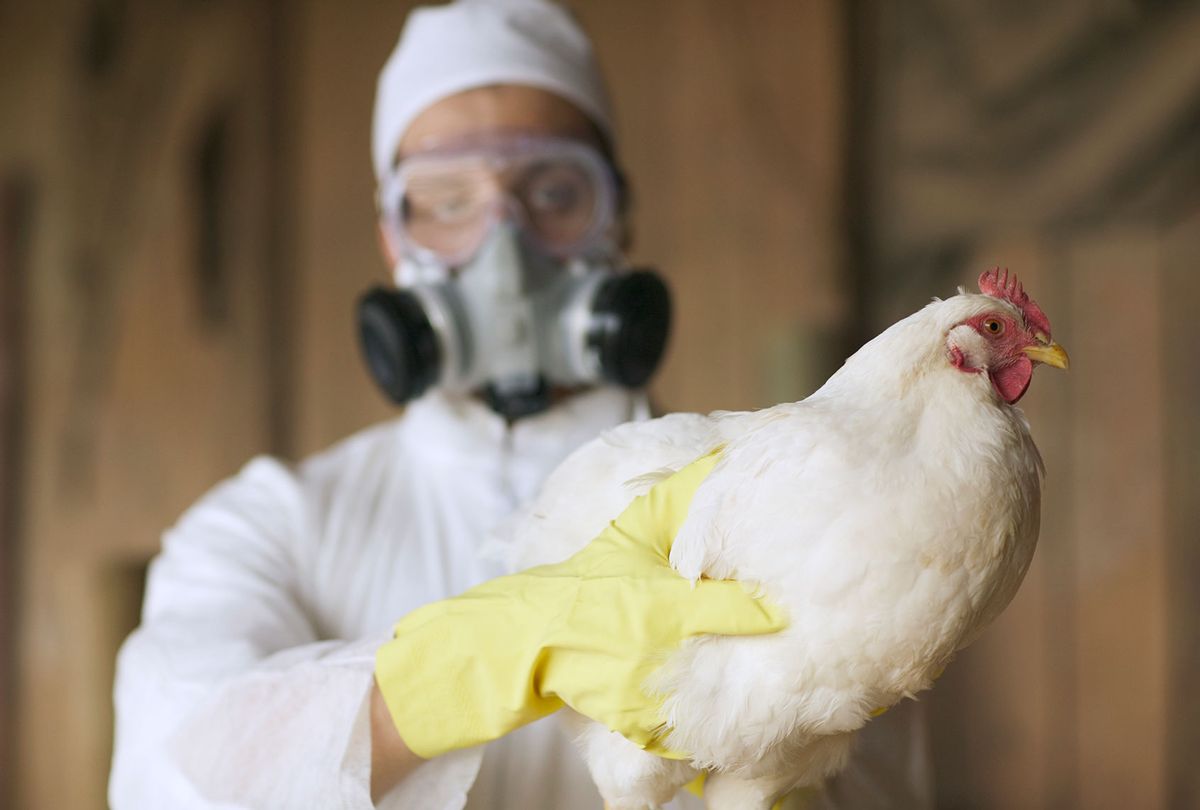 Bird Flu (Getty Images/Peter Garrard Beck)


 We believe in the free flow of information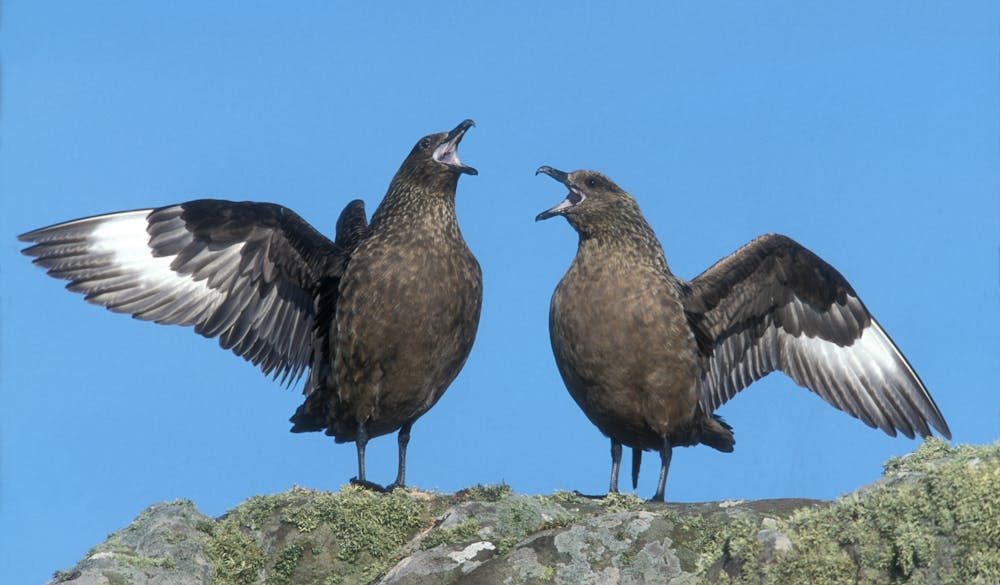




 Exposing the Big Game