Officials with Public Health – Seattle and King County announced that several wild ducks and geese found on public parks in Seattle and Bellevue have tested for bird flu.
The birds were found on May 22 at Green Lake and Volunteer parks in Seattle and Bellevue Downtown Park.
Cases of avian influenza have been detected in two additional Washington counties: Pierce and Whatcom. However, the Washington State Department of Agriculture said that there is no immediate public health concern.
Last month, the Washington State Department of Agriculture announced the state’s first case of bird flu. There were confirmed cases in 11 domestic, backyard flocks in eight counties.
The health department is advising people to not transport wild birds or keep them in their homes or yards.
People should not approach or touch the birds.
Anyone who may have touched or come within six feet to any sick birds at the locations, is asked to call King County Public Health at 206-4774.
Bird flu is killing an alarming number of bald eagles and other wild birds, with many sick birds arriving at rehabilitation centers unsteady on their talons and unable to fly. Cases were also just confirmed in a Washington state backyard flock.
To report sick or dead birds to the Washington state Department of Fish and Wildlife, click here: bit.ly/sickwildbirds.
The WSDA said if your flock experiences a sudden death or illness of multiple birds should call the sick bird hotline at 1-800-606-3056.
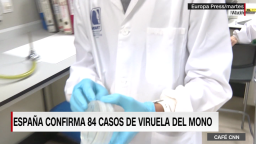
A monkeypox outbreak continues to grow in countries where the virus isn’t normally found, putting global health officials on high alert.
Now with more than 643 cases of monkeypox in dozens of countries where the virus is not endemic, “the sudden appearance ofmonkeypoxin many countries at the same time suggests there may have been undetected transmission for some time,” World Health Organization Director-General Tedros Adhanom Ghebreyesus said Wednesday.
The virus has been circulating for decades in some places, including parts of West and Central Africa. In earlyresearch posted this week, scientists at the Institute of Evolutionary Biology at the University of Edinburgh described how the genetic pattern they’re seeing suggests that “there has been sustained human to human transmission since at least 2017.”
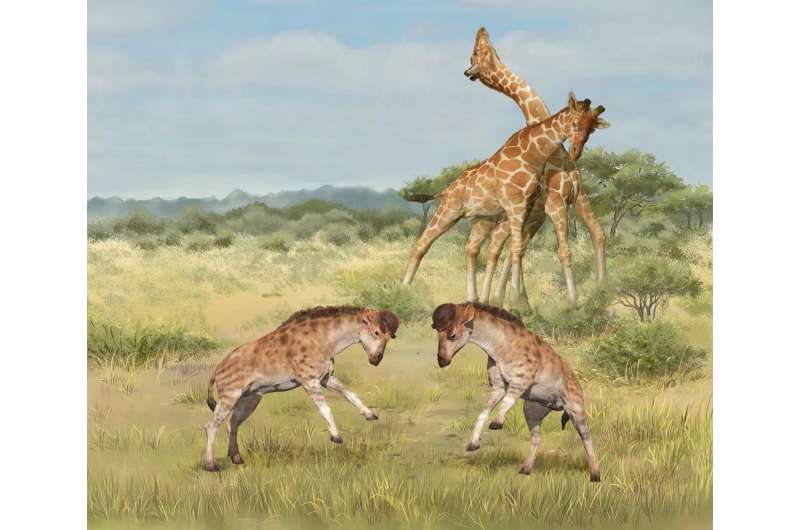
Intermale-competitions of giraffoid, foreground: Discokeryx xiezhi, background: Giraffa camelopardalis. Credit: WANG Yu and GUO Xiaocong
Fossils of a strange early giraffoid have revealed the key driving forces in giraffe evolution, according to a study led by researchers from the Institute of Vertebrate Paleontology and Paleoanthropology (IVPP) of the Chinese Academy of Sciences.
How the giraffe’s long neck evolved has long been an evolutionary mystery. Although there have been different opinions about the process of giraffe neck elongation, scientists never doubted that the impetus for neck elongation was high foliage.
However, as observation of giraffe behavior increased, scientists began to realize that the elegant, long neck of giraffes actually serves as a weapon in male courtship competition and this may be the key to the giraffe evolutionary mystery.
Specifically, giraffes use their two-to-three-meter-long swinging necks…
House Minority Leader Kevin McCarthy awaits the arrival of Greek Prime Minister Kyriakos Mitsotakis in the House Chamber of the U.S. Capitol on May 17, 2022, in Washington, D.C.
Companies are backing out of controversial plans to drill in the Arctic National Wildlife Refuge, which is home to a number of animal species.
A company called Regenerate Alaska, which leased more than 23,000 acres in the refuge’s coastal plain at an auction held by the Trump administration last year, has since asked to have the lease rescinded, according to an Interior Department spokesperson.
The spokesperson said Thursday that the Bureau of Land Management last month rescinded and canceled the lease, and the Office of Natural Resources Revenue refunded the company’s bonus bid and first year rentals.
A Chevron spokesperson also confirmed Thursday that earlier this year the company pulled out of a lease on land owned by an Alaska Native corporation inside the refuge.
Leasing at the refuge is controversial because it is home to grizzly bears, polar bears, gray wolves and more than 200 species of birds. It also contains land considered sacred by the Gwich’in people.
The Hill has removed its comment section, as there are many other forums for readers to participate in the conversation. We invite you to join the discussion on Facebook and Twitter.
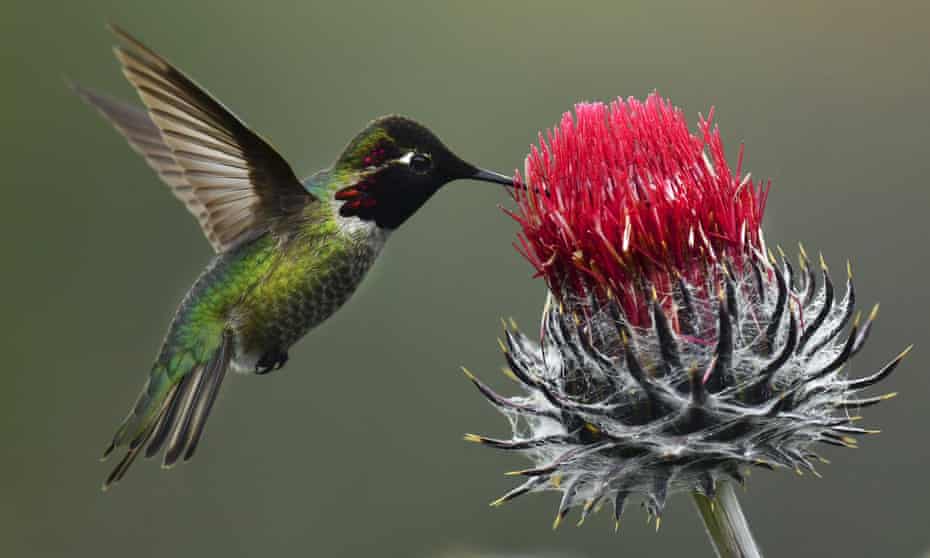
One co-author said ‘future generations will look at pictures of hummingbirds … like us looking at pictures of dinosaurs’ if conservation action was not taken. Photograph: Jose Carlos Fajardo/AP
Almost half the planet’s land surface needs extra conservation protection if the biodiversity crisis is to be halted, a major new study has found.
At least 64.7 million sq km (25 million sq miles) needs “conservation attention” but overlaps with areas where 1.8 billion people live – about a quarter of the world’s population – raising critical human rights challenges for conservationists, communities and governments.
Much of the land area is already covered by some level of protection – such as a national park – or is ecologically intact, but the research finds 12.4 million sq km will need to be added as protected areas.
Later this year, countries are expected to agree to new targets to protect 30% of land and ocean under the UN’s Convention on Biological Diversity (CBD) by 2030.
Advertisement
Dr James Allan, who led the new research at the University of Amsterdam, says the study shows the urgency of the biodiversity crisis, as well as the opportunity to act.
“If we act now, we can save these areas. But if we wait, and just talk, then the losses will continue. There is pressure now on governments at the next CBD meeting to move from talk to action.”
A previous target under the UN biodiversity convention to protect 17% of land areas and 10% of coastal and marine areas had been “inadequate for halting biodiversity declines and averting the crisis”, the authors of the new research argue.
For the study, published in the journal Science, 19 scientists from institutions in the UK, US, Australia, Italy and the Netherlands mapped all the places on Earth that have some protection, or are close to being wilderness areas. They then looked at the extinction risk for species and their geographical distribution.
“This paper shows that you can align big visions of conserving land with people in a way that’s sensitive to human rights,” Allan said.
In 2019, a UN-backed report said about 1m species were at risk of extinction in the coming decades, as biodiversity was being lost at an unprecedented and alarming rate.
The new analysis found that 44% of the world’s land surface needed increased protection – whether through measures such as improving wildfire management, development planning or increasing the size of formally protected national parks.
About 70% of that area was relatively unaltered by humans, but those places were quickly disappearing and needed urgent protection, the research found. Even so-called wilderness areas were at risk, the authors said, from threats such as invasive weeds, fire and climate change.
As much as 1.3 million sq km of land currently intact could be converted to intensive human use by 2030. This problem was most profound in Africa, with the lowest risks in Oceania and North America.
Prof Brendan Wintle, a conservation ecologist at the University of Melbourne and a co-author of the research, said: “The key here is not to focus on the 44% of land area, but to recognise that we need good conservation outcomes across very large proportions of the land surface to conserve biodiversity.
“That might be biodiversity-positive agriculture or carbon sequestration … everything needs to be on the table.
“We should remember, for example, that more than 85% of the planet’s wetlands have been lost since 1700. We have more than a million species at risk of extinction and we’re seeing extinction rates that are at their highest since the loss of the dinosaurs. Yet we’re still seeing drivers of biodiversity loss, like land clearing, continue.”
Most of the 1.8 billion people living in the areas that need better protection were in emerging and developing economies which, the authors said, “raises critical questions regarding how conservation strategies can be scaled up without compromising social justice goals”.
Dr April Reside, an ecologist at the University of Queensland and another co-author, said the area that needed attention might seem vast, but it was important to remember that “before humans came along and drastically modified the Earth’s surface, all of the planet was available for biodiversity”.
“But this is not to say that people cannot be in those places and, indeed, in Australia for example, [Indigenous people] have managed landscapes for at least 40,000 years.
“This is about making sure that while humans are now in the landscape, there’s attention to biodiversity as well.”
Prof Hugh Possingham, another co-author, also at the University of Queensland, said the research was an attempt to build a comprehensive picture “from first principles” of what was currently being protected, and where species were falling through gaps.
“We’re losing many species now,” he said. “This work is part of what we have to do to get the extinction rate back down to background levels. If we lose a million species by the end of the century then there’s no backing out of that.
“Future generations will be looking at pictures of hummingbirds and albatross – things that are in your back garden or in a national park – and to them they’ll be like us looking at pictures of dinosaurs. Something like 50,000 generations of people will have to deal with that.”
Hormel Foods Corp. said the bird flu outbreak will cause “large supply gaps” for the Jennie-O turkey brand this year.
“Our Jennie-O Turkey Store team is facing an uncertain period ahead,” Hormel CEO Jim Snee said. “Similar to what we experienced in 2015, (avian influenza) is expected to have a meaningful impact on poultry supplies over the coming months.”
The bird flu didn’t ding Jennie-O sales in the company’s second quarter earnings reported Thursday. The turkey brand’s sales for the quarter were up 16% year over year and reached $407 million.
But the quarter ended in April before the effects were felt in the worst outbreak of highly pathogenic avian influenza since 2015. The outbreak this spring has claimed the lives of 38 million birds in 35 states this year, including several million in Minnesota, which leads the nation in turkey production.
Minnesota has seen 2.9 million birds, mostly turkeys, killed by the virus or depopulated to prevent its spread. But just 180,000 were reported in May.
“We’ve started some re-population,” Snee said. “Assuming we don’t have any more outbreaks from this event, or we don’t see a recurrence in the fall, we expect to have more traditional volumes available” in time for Thanksgiving.
ADVERTISEMENT
Hormel’s stock price fell more than 5% on Thursday, closing at $45.76, its lowest point this year.
The food company, based in Austin, Minn., reported a $261 million profit for its second fiscal quarter, which ran February through April, marking a 14% jump over a year ago. Hormel tallied earnings per share of 48 cents, beating analyst predictions.
Sales reached $3.1 billion in the quarter, up 19% over the year before, or 10% excluding acquisitions. Growth was driven by the Planters, Skippy, Wholly Guacamole, Spam and Columbus brands and higher demand from restaurants and schools.
Hormel’s refrigerated foods segment saw sales rise 13%, to $1.6 billion. Shelf-stable grocery sales rose 39% to $873 million, largely due to the Planters acquisition that closed last summer; sales growth excluding the snack brand was 7%.
International sales were hit by export challenges, dropping 1.4% to $171 million, though China’s COVID-19 lockdown boosted Hormel’s in-country sales as residents stocked their pantries to stay at home.
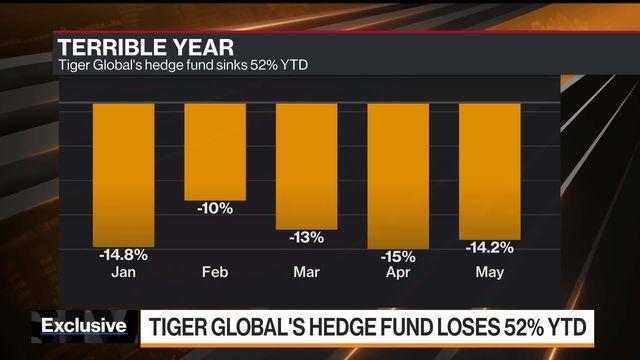
Losses at Tiger Global Managementreached 52% this year, prompting the firm to cut management fees and create separate accounts for the illiquid wagers of customers who want to redeem. Hema Parmar reports on “Bloomberg Markets: The Close.”
Tiger Global’s 52% Plunge Prompts Fee Cut
Business |
2:26
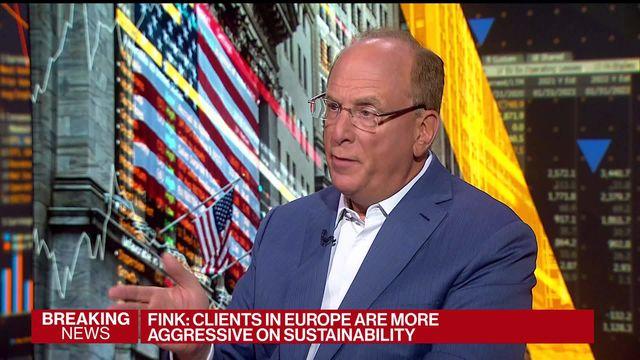
Fink: BlackRock Doesn’t Want to Be Environmental Police
Business |
1:58
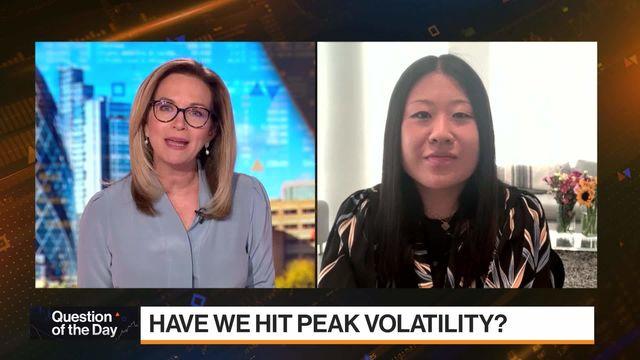
Have We Hit Peak Volatility?
Business |
6:05
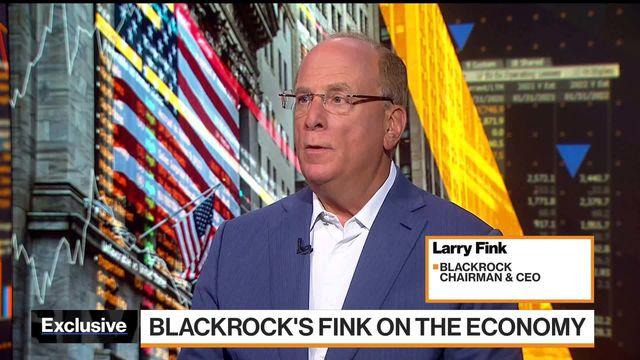
BlackRock’s Fink Sees Inflation Lasting for Years
Business |
2:01
What New Meta COO Javier Olivan Brings With Sandberg Stepping Down
Business |
6:03
Tiffani Thiessen Urges Parents to Get Their Teens the Meningitis Vaccine
Arts and entertainment |
8:31
The On-the-Job Film-Schooling of Jeff Nichols
Technology |
2:04
An Inhabitable ‘Bouncy Castle’ is Headed Into Space
Technology |
1:33
NFTs and Insider Trading: What We Know So Far
Business |
0:56
Dollar Has Room to Run, Emons Says
Business |
5:07
Hormel has raised its prices to help offset the higher cost of doing business. The company said it expects to implement more price increases this summer.
Prices have gone up for Spam due to increased costs for protein and packaging, and Wholly Guacamole has passed on higher avocado prices, Snee said. Skippy peanut butter has been “least impacted” by cost pressures, he said.
“We are very, very thoughtful about the managing of our pricing and our promotions to ensure the long-term health of our business,” Snee said. “We always take the long-term view.”
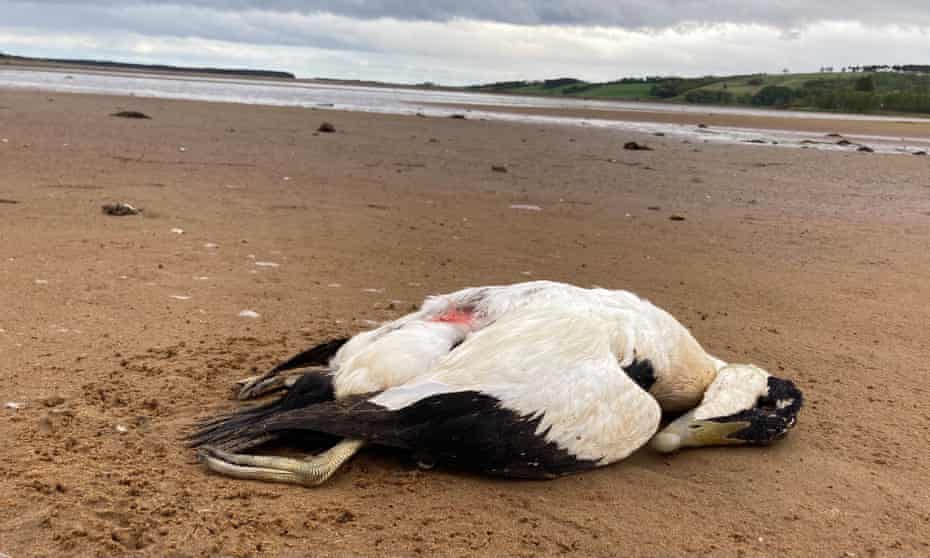
As he walked along the shoreline of a Highland loch on a fine May evening, ecologist and wildlife photographer Peter Stronach could hardly believe what he was seeing. The beach was littered with dead and dying birds: male eider ducks, several species of gulls, a gannet, a puffin and no fewer than 26pink-footed geese, which should by now have been on the way back to their Icelandic breeding grounds.
In all, Stronach recorded 72 individual birds of 17 species at Loch Fleet national nature reserve on…
According to the CDC, more than 84 million Americans have tested positive for COVID-19 since the pandemic began. A new study shows the prevalence of long COVID symptoms among those who’ve recovered from their initial illness.
“Right now, it’s mainly the fatigue and figuring out when I have to pace myself,” said Jennifer Tucker, who lives in Cottage Grove. “It’s the ‘I cannot keep my eyes open, cannot function, can’t remember what I just said two minutes ago’ kind of fatigue.”
Tucker, who is vaccinated, came down with COVID in January. She experienced fatigue, difficulty breathing and a cough. The virus led to two visits to the emergency room.
The months that followed have been challenging. Tucker tried to return to work as a nurse full-time but had to cut back her hours as she battled the fatigue and…
Smoke rises in the city of Severodonetsk during heavy fighting between Ukrainian and Russian troops at eastern Ukrainian region of Donbas on May 30, 2022.











 NFTs and Insider Trading: What We Know So Far


 Exposing the Big Game