




Birsay, Orkney: This catastrophe has global significance – at this time of year, Scotland hosts 46% of the world’s northern gannets
Sat 25 Jun 2022 00.30 EDT
Walking the Orkney shoreline, usually such a peaceful and calming activity, has been more disturbing of late. Along the strand, a succession of small bedraggled forms lie prone – victims of the avian flu ripping through the seabird populations of the Northern Isles and up the east coast of Britain.
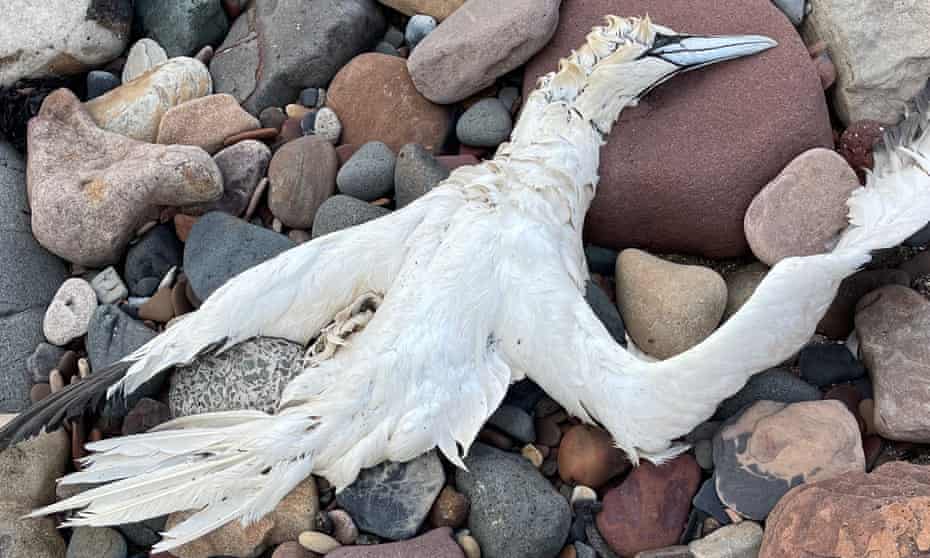
Crossing over to the Brough of Birsay, the tidal island, via a narrow causeway, I stumble across the first gannet. Its long, streamlined body is immediately recognisable: spectre white, misted with gold at its crown. Its eyes, staring blindly, have that piercing, icy quality of a husky’s, while its beak is the palest powder blue lined in black, as if designed with a felt-tip pen.
It is unusual to be able to admire such a creature at close quarters, but I keep my distance. Best not to touch it. There’s a second bird just a few metres further on, this one sprawled across the strand, wings outstretched. A pitiful sight. It’s the same story all up the coast, affecting many species at once. Last year it was the geese. This year: the gannets, guillemots, great skuas, and more. A catastrophe in our midst, and one with global significance: at this time of year, Scotland plays host to 46% of the world’s northern gannets and 60% of all great skuas.

There is horrifying footage from the famous gannet colonies at Hermaness in Shetland, where more than 1,000 dead birds have been recorded in the waters, and the Bass Rock off East Lothian, – the largest such colony in the world – show scenes of devastation. Birds slide from their rocky perches, hang lodged in crags while their close neighbours continue to feed and fledge their chicks amid the corpses. This annual gathering, where birds feed and fledge their young collectively and in close proximity, is serving as a superspreader event.
Thought to be the worst ever outbreak in the UK, much of the drama is unfolding offshore; the true toll in those remote colonies, where birds crowd tightly together, is not yet fully known. But we can track its progress through the birds washed up on our beaches: should you come across the bodies of suspected avian flu victims, report your findings to Defra on 03459 335577.
By Zoe Sottile, CNN
https://www.cnn.com/2022/06/26/us/myrtle-beach-alligator-attack-trnd/index.html
Published 10:34 AM EDT, Sun June 26, 2022
CNN—
A person was killed byan alligatornear Myrtle Beach in South Carolina, according to police.
The alligator took hold of a person near the edge of a retention pond on Friday, according to a Facebook post fromthe Horry County Police Department, which responded to the scene.
Following the attack in the Myrtle Beach Golf and Yacht Club, the alligator returned to the retention pond, theSun News reported.
The victim’s body was recovered from the pond and the alligator was removed and euthanized, police say. The police department’s investigation is still underway, authorities said, and the victim’s identity and a cause of death have not yet been released.
The police department did not immediately respond to a request for comment from CNN.

Florida man killed in possible alligator attack while searching lake for Frisbees
View original post 40 more words
ByKaitlan Collins,Natasha BertrandandPhil Mattingly, CNN
Updated 6:32 PM EDT, Sun June 26, 2022

US President Joe Biden speaks to employees at Lockheed Martin, a facility which manufactures weapon systems such as Javelin anti-tank missiles, on May 3, 2022 in Troy, Alabama.Julie Bennett/Getty ImagesCNN—
The US plans to announce as soon as this week that it has purchased an advanced, medium-to-long range surface-to-air missile defense system for Ukraine, a source familiar with the announcement tells CNN.
President Joe Biden, who is currently meeting with G7leaders in Germany for a summitprimarily focused on Ukraine,announced recentlythat the US would provide Ukraine with “more advanced rocket systems and munitions” as its war with Russia grinds on. Ukrainian President Volodymyr Zelensky is slated to virtually address Biden and other G7 leaders on Monday.
In response to requests by Ukrainian forces, other military assistance…
View original post 266 more words
ByTim Lister,Julia Kesaieva,Salma Abdelaziz,Pierre BairinandJeevan Ravindran, CNN
Updated 5:09 PM EDT, Sun June 26, 2022

ByTim Lister,Julia Kesaieva,Salma Abdelaziz,Pierre BairinandJeevan Ravindran, CNN
Updated 5:09 PM EDT, Sun June 26, 2022
Russia targeted the Ukrainian capital ofKyivwith a series of missile attacks Sunday, as leaders of the G7 nations gather in Germany for the first day of their annualsummit.
One person died and at least six were wounded in a Russian missile strike that hit a residential apartment block in Kyiv. The city’s Deputy Mayor, Volodymyr Bondarenko, said four of the injured were admitted to the hospital as search and rescue operations continue.
Bondarenko also said a kindergarten was hit in the missile strike but no one was injured, and video from Ukraine’s Ministry of Internal Affairs showed a large missile funnel in…
View original post 1,377 more words
BYBRAD DRESS- 06/26/22 7:56 AM ET
javascript:false
Authorities in Oregon arrested 10 protesters who were part of a large crowd supporting abortion rights after the demonstration turned violent.
Police in Eugene, a city about an hour and a half from Portland, said in anews releasethat protesters clashed with officers and threw smoke bombs during the demonstration at a pregnancy center on Friday night.
Nine people were charged with disorderly conduct, including one person who was additionally charged with escapein the third degree and resisting arrest. One person was charged with harassment.
Officials said a large crowd gathered at the Dove Medical Center around 9:20 p.m. on Friday night as part of the “Night of Rage” protests against the Supreme Court overturning Roe v. Wade, which had enshrined abortion as a constitutional…
View original post 176 more words

Stream restoration projects designed to help salmon have unexpected benefits for land animals.
BY PHILIP KIEFER | PUBLISHED JUN 25, 2022 3:01 PM
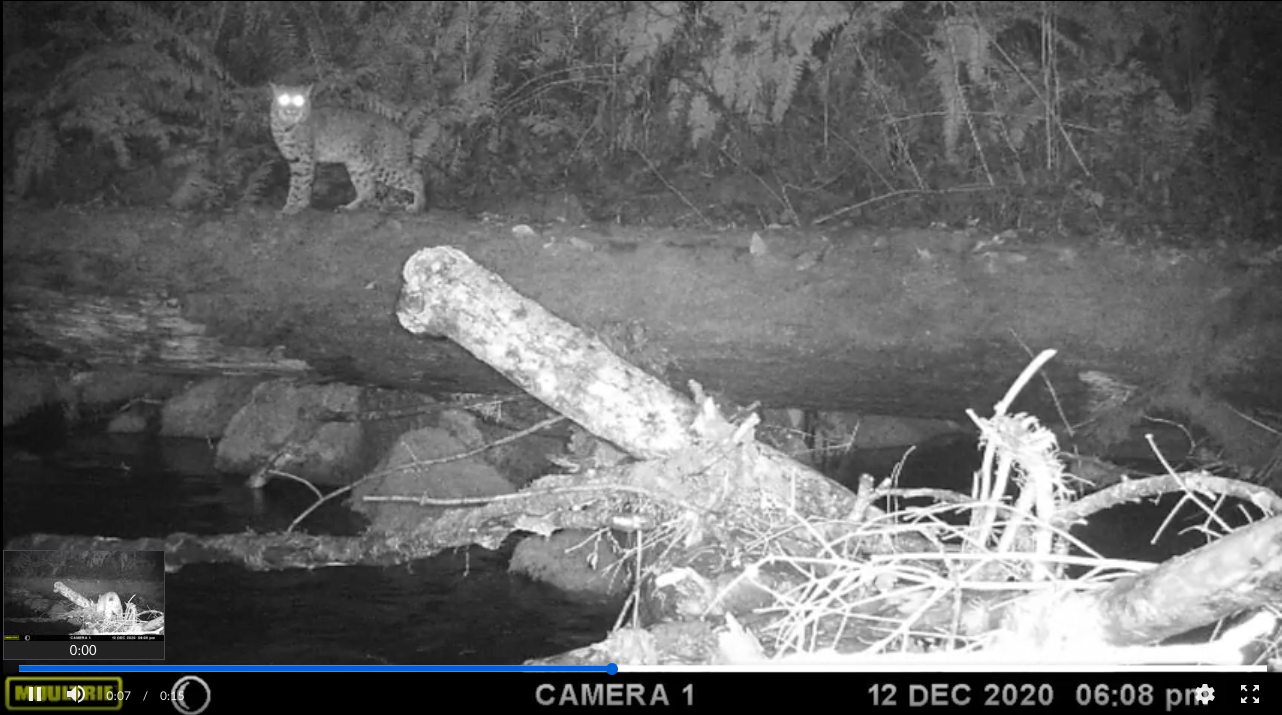
A bobcat gets ready to walk across a log jam in Oregon.Courtesy Ezmie Trevarrow and Ivan Arismendi
SHARE
For animals living in the woods of western Oregon, a log across a stream can act like Main Street. Videos captured by a pair of ecologists at Oregon State University (OSU), published earlier this monthin the journalBiodiversity and Conservation, show dozens of species using logs from a stream-restoration project to eat, preen, and walk. Top ArticlesbyPopular Science
 READ MORE


 Inside the ambitious plan to restore peat wetlandsin California
https://imasdk.googleapis.com/js/core/bridge3.519.0_en.html#goog_1126314493
https://imasdk.googleapis.com/js/core/bridge3.519.0_en.html#goog_311471714
https://imasdk.googleapis.com/js/core/bridge3.519.0_en.html#goog_690151815
https://imasdk.googleapis.com/js/core/bridge3.519.0_en.html#goog_1904304212
https://imasdk.googleapis.com/js/core/bridge3.519.0_en.html#goog_1904304213
https://imasdk.googleapis.com/js/core/bridge3.519.0_en.html#goog_1904304214
https://imasdk.googleapis.com/js/core/bridge3.519.0_en.html#goog_1904304215
https://imasdk.googleapis.com/js/core/bridge3.519.0_en.html#goog_1904304216
javascript:false
javascript:false
“We think this is a hidden role of large wood,” says Ivan Arismendi, a stream ecologist at OSU and a coauthor on the study…
View original post 628 more words
By
June 25, 2022 11:56am
Arctic Circle — September 17, 2020
Video Player is loading.
https://imasdk.googleapis.com/js/core/bridge3.519.0_en.html#goog_1161185725
This is a modal window.
Error Code:PLAYER_ERR_TIMEOUT
Session ID:2022-06-26:34e93b93d81c279aa70fae97Player Element ID:nyp-brightcove-player-1OKClose Modal DialogClose
Santa’s getting company.
Fast-melting sea ice has opened a potential new Arctic shipping lane across the North Pole, which will give powerful nations easier access to the frozen zone’s vast riches — but has also sparked fears of war.
The Arctic Councilpredicts that, during the summers, sea icewill be gone by 2040—allowing for a major new seasonal passageway. This Transpolar Sea…
View original post 1,582 more words
June 22, 2022
New Coalition Aims to Outlaw ‘Barbaric’ Wildlife Killing Contests
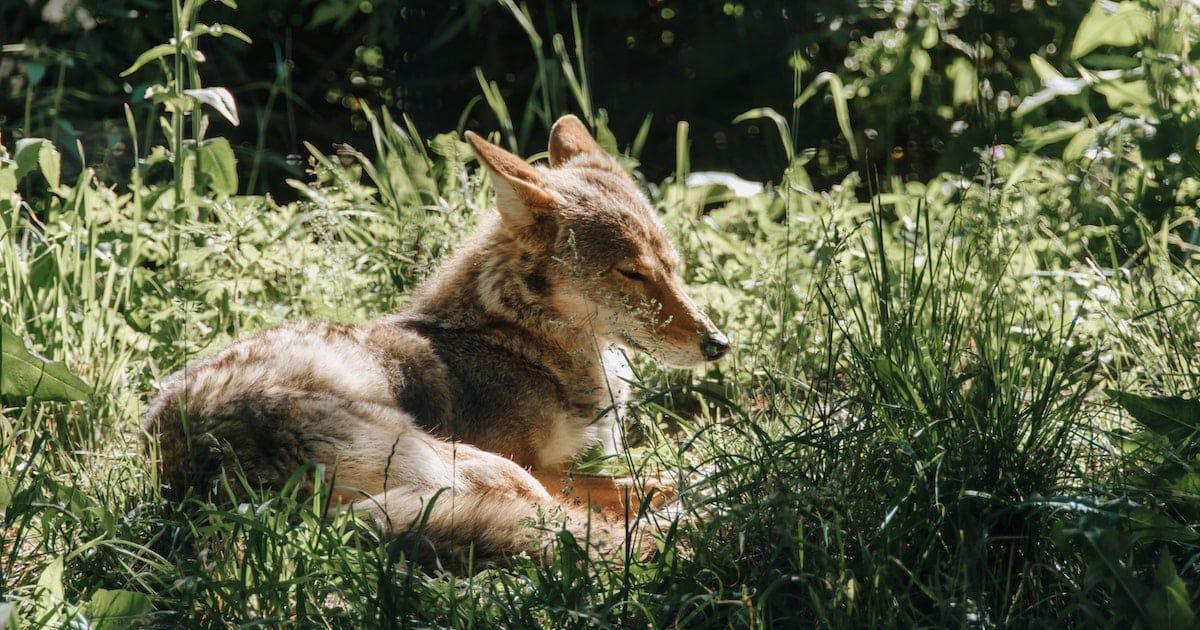
More than 50 state and national organizations have joined forces in a coalition to end wildlife killing contests targeting coyotes, wolves, bobcats, and other species. The coalition was launched by Project Coyote and the Humane Society of the United States (HSUS), which estimates that around 60,000 animals were being killed in contests annually prior to the COVID-19 pandemic.
Currently legal in 40 U.S. states, wildlife killing contests offer prizes “for killing the most, largest, or smallest animals” and claim the lives of thousands of animals each year, says the National Coalition to End Wildlife Killing Contests. The coalition aims to bring what it calls “a barbaric bloodsport” to a halt.
While the ethics and sustainability of hunting are already in question, killing contests push the sport a step further, turning a hunt into a competition with higher stakes and bigger prizes. Animal advocacy organizations are not the only ones who oppose them. Hunters have also spoken out against killing contests, concerned about the damage it may do to the public image of hunting.
The Humane Society of the United States (HSUS) estimates that one contest can draw in more than 600 participants. There is usually a fee to enter a contest, which will likely span a weekend and culminate in a count and weighing of the bodies of the animals killed. The organization also notes that contest sponsors are often gun shops or hunting equipment manufacturers, who “frequently donate guns or hunting gear” as prizes.
In April, Rene Ebersole reported that the killing of wildlife in the U.S. “became a game” in “increasingly controversial” competitions that are sparking cries for bans. The most profitable killing contest today is the West Texas Big Bobcat, which takes place three times each year. In January of this year, a team of three hunters won a top prize of over $43,000 for killing a bobcat weighing 32.5 pounds. “For the cat to qualify, the team also had to kill five foxes or coyotes,” reports Ebersole.
HSUS likens these tournaments to dogfighting and cockfighting but emphasizes that while those “blood sports” have been “condemned as barbaric and outlawed in every state,” wildlife killing contests on the other hand appear to be becoming more popular.
Killing competitions irrevocably damage vital ecosystems, with no goal other than maximizing the number or size of animals killed. Scientists even warn that killing contests are not and cannot be effective forms of population control, even if stated otherwise.
“There is no credible evidence that indiscriminate killing of coyotes (the most common targets of killing contests) or other predators effectively serves any genuine interest in managing other species,” reads a Project Coyote joint letter signed by more than 70 scientists.
Targeting the smallest and largest coyotes, for example, means that juvenile and pregnant animals are often killed. Although coyote populations tend to rebound quickly, coalition member Animal Legal Defense Fund (ALDF) writes that when mother coyotes are hunted, “pups are orphaned and packs are disrupted and displaced.”
Some hunters believe killing contests are a stain on hunting’s reputation. Project Coyote calls it “a death of ethics” in hunting, writing that hunters are “being called out by their own” as activities like killing contests and “predator derbies” cause hunting to lose “its appeal and credibility among the overwhelming majority of Americans who do not hunt.” According to a 2016 survey by the U.S. Fish and Wildlife Service, 11.5 million Americans call themselves hunters, representing about three percent of the U.S. population.
Coyotes are the most common target of killing contests. PennLive reports that most of the contests in Pennsylvania are focused on coyotes alone because, as Marcus Schneck puts it, the animals are members of “a hated species among some hunters and farmers because of its overblown reputation as a predator on species such as deer, turkey, rabbit, pheasant, and livestock.”
The federal government has long had its sights set on coyotes as well. Wildlife Services, a division of the USDA, whose self-described mission is to resolve human-wildlife conflicts, reports killing more than 64,000 coyotes in 2021. In what animal advocates have called a “war on wildlife,” the agency targets coyotes and other predators mainly to protect the interests of the ranching industry.
In March of last year, Wildlife Services wrote that among other objectives, it seeks “to reduce or eliminate more than an estimated $232 million in livestock loss due to predation,” adding that coyotes “reportedly kill more than 300,00 head of livestock annually and injure even more.” The agency advises livestock owners to report these losses directly to the agency’s office in their state or district, which is responsible for following up on any possible threats.
In August, HSUS program manager for wildlife protection Katie Stennes reported that according to USDA data, “all carnivores combined—including coyotes, wolves, and cougars—are responsible for less than 0.5 percent of cattle and sheep losses in the U.S.” The predominant mortality risks for livestock, Stennes reports, come from disease, weather, and other factors unrelated to predation.
Despite the many threats they face, coyote populations in many states are thriving. But advocates know they still have a harsh reputation to overcome.
Killing contests often happen unseen by the public, which is surprising since they often result in hundreds of animals killed. Yet, animal advocates say that more awareness is desperately needed if they are to succeed in halting these particularly gruesome tournaments.
“One of our greatest impediments to bringing an end to wildlife killing contests is a lack of public awareness,” Camilla Fox, President and Executive Director of Project Coyote, said last year upon the release of the film “Wildlife Killing Contests.”
Undercover investigations have become an important tool in the effort to increase public awareness of killing contests. In January 2021, a HSUS investigation revealed that 315 coyotes and foxes were killed in a 45-hour Virginia contest. Stickers and license plates at the event bore phrases like “Coyote Hearse” and “Yote H8R.”
Still, Fox sees reason for hope. “We believe that, like cockfighting and dogfighting, which have been banned in the U.S. because of their unconscionable cruelty, we will bring an end to wildlife killing contests,” she says. A majority of the U.S. public already appears to be in favor of a change. A 2022 survey of voters from across the nation found that 80 percent of respondents were opposed to wildlife killing contests.
Growing opposition to wildlife killing contests is prompting many states to ban the contests completely. In 2014, California became the first state to ban killing contests targeting coyotes, foxes, bobcats, and other species considered to be “furbearers and nongame mammals.”
“This ruling sets a trend for the nation,” said Fox. A series of other bans on killing contests quickly followed. To date, a total of eight U.S. states have bans or restrictions in place, and in April, a new bill was introduced, opening the door for a possible nationwide ban.
The Prohibit Wildlife Killing Contests Act of 2022, which would ban the contests on public lands within one year of passing, was introduced by Congressman Steve Cohen (D-TN) and 15 cosponsors, with the endorsement of Project Coyote and many other organizations.
“Congress should pass this legislation quickly so we can finally spare our native animals from these ruthless kill-fests,” said Stephanie Kurose, a senior policy specialist at the Center for Biological Diversity, another of the coalition’s member organizations. “It’s time for us to end the mass slaughter contests of America’s wild carnivores once and for all.”
Read More
In Central America, Local Communities Help Parrot Species Avoid Extinction
How Drones Could Help Us Coexist With Wildlife
Wildlife Killing Contests: The Pastime Putting America’s Coyotes at Risk
https://phys.org/news/2022-06-infrastructure-climate-linked-huge-migratory.html
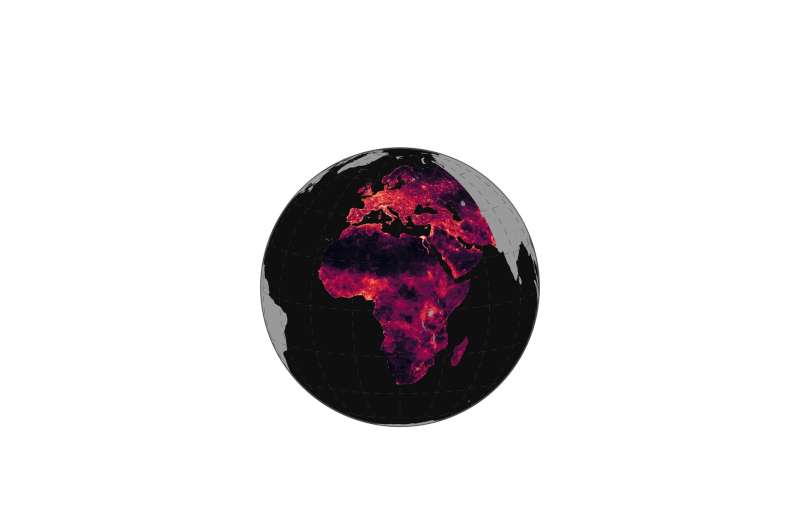
Migratory birds are declining globally because of the way that humans have modified the landscape over recent decades—according to new research from the University of East Anglia.
A new study published inGlobal Ecology and Biogeographyreveals thatpopulation declineshave been greatest among species that migrate to areas with more human infrastructure—roads, buildings, power lines,wind turbines—as well as higher population densities and hunting levels.
Habitat degradation andclimate changehave also played a part in driving long-term declines.
The research team hope their work will help inform how best to target conservation efforts.
https://www.youtube.com/embed/Sttz4KkbHEE?color=whiteHow built infrastructure, hunting and climate change are…
View original post 379 more words
 Exposing the Big Game

