Not if, but when: The coming North Atlantic deep freeze
Reply

08-25-2024
Earth.com staff writer
We’ve always considered ourselves unique, haven’t we? But peel back the layers, and you’ll find that humans, like all species, are bound by the threads of evolution.
One such thread is the instinct to come together when faced with external threats. The “common enemy effect” is a phenomenon in which we bond with others over a shared opponent or issue.

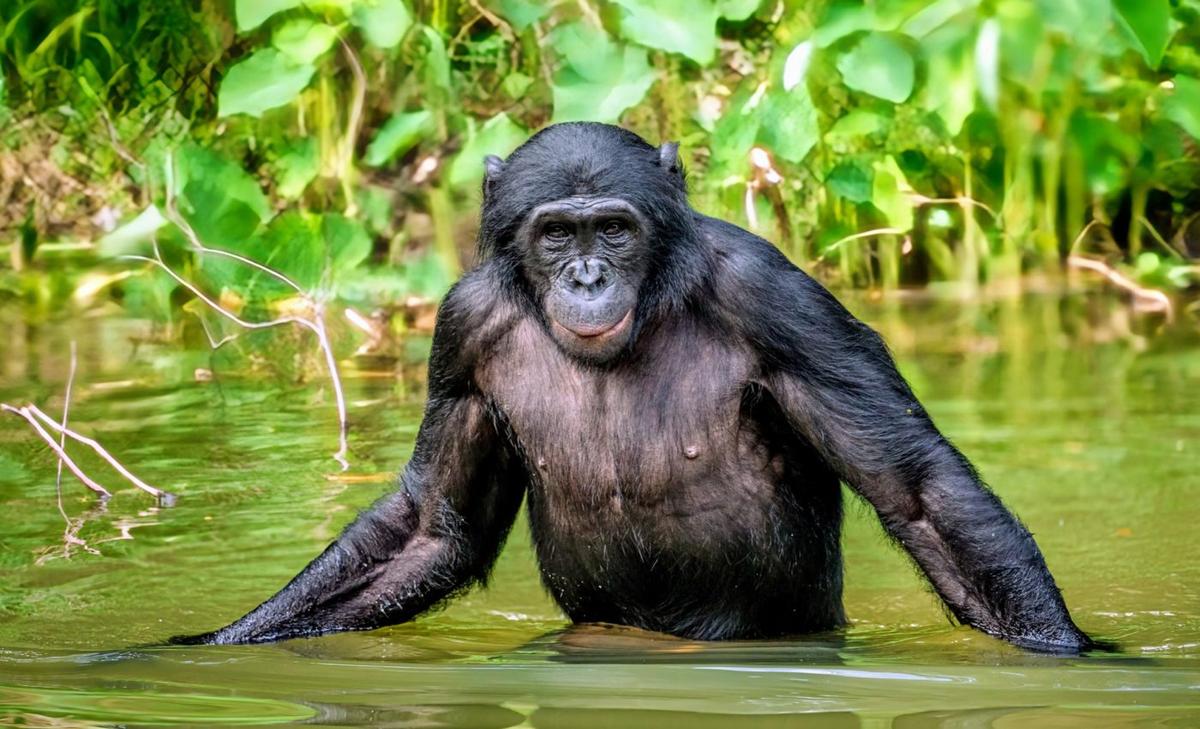
Humans do it, chimpanzees do it, and now we’ve learned that even our peaceful relatives, bonobos, exhibit this behavior in their own subtle way. At some point in their evolution, bonobos chose to make social bonding a priority.
The discovery suggests that the link between outgroup threats and ingroup cohesion may have evolved several million years ago, before our evolutionary paths diverged.
The study was conducted by an international team of researchers led by Kyoto University. They surmised that outgroup threats and ingroup cohesion may be an adaptation for group-based competition, a notion that has floated around since Darwin’s days.
But they had a burning question – what about species that aren’t known for their fierce inter-group rivalries? What about bonobos?
Picture this – eight groups of bonobos spread across five sites in four countries, all part of an experiment designed to echo previous studies conducted with chimpanzees. The process was simple – expose the bonobos to vocalizations from other groups and observe their reactions.
James Brooks, the study’s lead author, was as curious as any of us. “We had no idea how this would turn out. If the bond between group cohesion and outgroup competition wasn’t adaptive due to the lack of lethal competition between groups, there would be no point. But, if the effect had evolved before the human-chimpanzee-bonobo split, we might find some vestiges in modern bonobos,” he shared.

The findings were startling yet insightful. The bonobos were clearly alert to the calls from outside groups, but their affiliation with their own group showed only a minor increase compared to chimpanzees.
Bonobos were seen sitting upright more and resting less, hinting at a slight increase in social grooming, a crucial behavior for reinforcing social bonds.
The reactions of the bonobos during the study spark a fascinating discourse on social dynamics within their groups.
Unlike chimpanzees, who often exhibit heightened aggression in response to outgroup threats, bonobos are recognized for their relatively peaceful interactions.
This raises an intriguing question: how do these contrasting responses inform our understanding of social behavior in primates?
The study suggests that while awareness of external vocalizations exists, the bonobos maintain a subtle approach to group cohesion, prioritizing social bonding over defensive aggression.
This behavior may reflect an evolutionary strategy that emphasizes alliance-building in the face of potential threats, thereby fostering collaboration within rather than competition between groups.

The insights gained from this research extend well beyond the realm of academia; they carry significant implications for conservation efforts and our understanding of human behaviour.
Recognizing that evolutionary traits from our primate relatives can inform why and how we interact socially underscores the importance of preserving species like the bonobo.
Their unique perspective on social interaction offers a valuable lens through which we can examine human responses to conflict and cooperation today.
As we navigate global challenges that require cross-cultural collaboration, appreciating the nuances of social behavior across species can illuminate pathways to strengthen our own communal ties and foster understanding in an increasingly interconnected world.
The authors suggest that our shared ancestor, who roamed the earth 5–6 million years ago, might have experienced some group-based conflict. But as the intensity decreased in the bonobos’ evolutionary journey, so too did the strength of the effect.
“Although our research unearths deep roots of group conflict among our species, the real takeaway is that it can be overcome. And not just in isolated incidents, but on a species level,” said Brooks.

Contrast this with other ape species – gorillas, orangutans, chimpanzees, gibbons, and humans – all of whom have been observed killing each other.
Bonobos seem to have found a way to break this vicious pattern. It’s not just because they don’t commit lethal aggression today, but more importantly, they somehow stopped doing it millions of years ago.
“Humans are capable of both: we can commit horrific acts to those we see as outside our group, but we’re also capable of collaborating and working together across borders,” said study senior author Shinya Yamamoto.
“Bonobos teach us that the ways our ancestors treated other groups does not seal our fate. Our own species has elements of both chimpanzee and bonobo group relations, so it is crucial that we understand how both can, and have, evolved.”
So next time you find yourself in a heated debate, think about our peaceful cousins, the bonobos. After all, they’ve proven that it’s possible to adapt, evolve, and most importantly, choose peace over conflict.
The study is published in the journal PLOS ONE.
Open Season Open-season | Aug 25, 2024
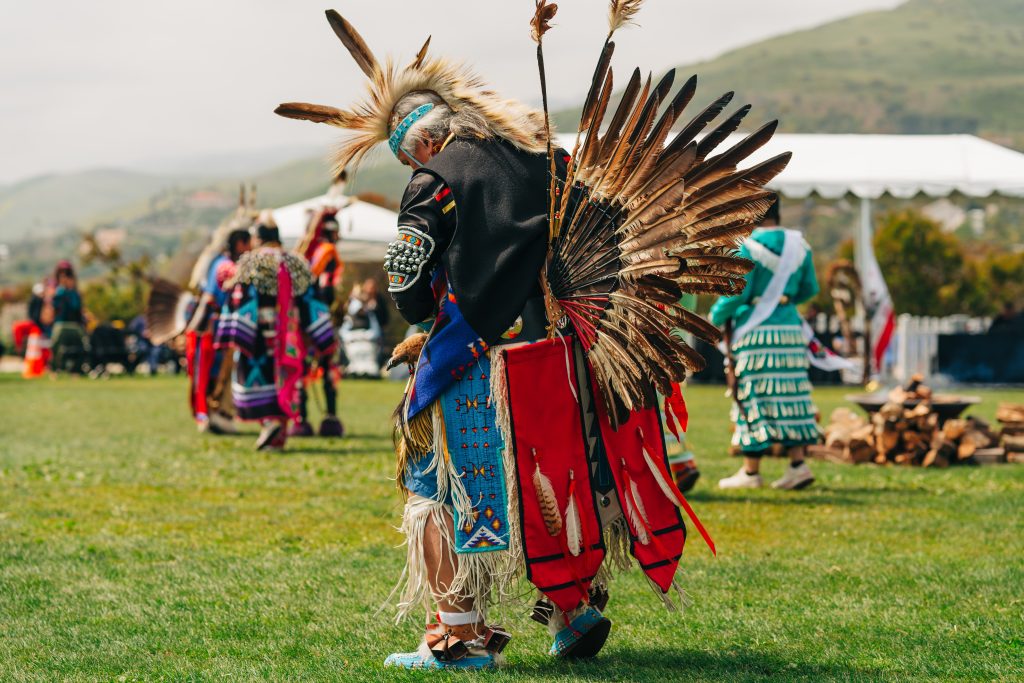
Throngs of visitors to the Mile High City make their way to the National Western Stock Show in Denver each January. For many, it’s a tradition to take in a rodeo or a draft horse pull, wander through booths with a red beer in hand to browse Western goods, find a new felt cowboy hat to add to their collection, and then inject some of their hard-earned dollars into Denver’s economy through a steak dinner. A ballot proposal in the city and county of Denver would criminalize the sale of that cowboy hat. It would also criminalize the sale of many of the beautiful, artisan Native American items sold at the Denver March Powwow, now in its 48th year, and the Colorado Indian Market and Southwest Art Fest. And as sportsmen gather for the International Sportsmen’s Expo, there will be no legal avenue to purchase fishing flies, hand tied by masters, that use tiny bits of wild fur. These are merely a few of the effects of one of the proposals to ban fur sales.
The proposal to ban slaughterhouses in Denver is equally nefarious, and the effects of that will reach lamb consumers and producers from coast to coast. The primary facility affected if the proposal were to pass is Superior Farms, the largest lamb processor in the state and the source of nearly all the lamb found in restaurants and grocery stores in Colorado and the U.S. at Walmart, Kroger, HEB, and 19 other grocery retailers. Superior Farms represents 30% of the lamb processing capacity in the U.S. The Regional Economic Development Institute at Colorado State University’s report on the effect of the ballot box ban found the closure of the slaughterhouse in Denver – Superior Farms – would cause a reduction of $861 million in current economic activity and 2,787 jobs. The best-case scenario of the study assumes 80% of the economic activity lost in the ban somehow remains in state, and still represents a loss of over $215 million in Denver alone.

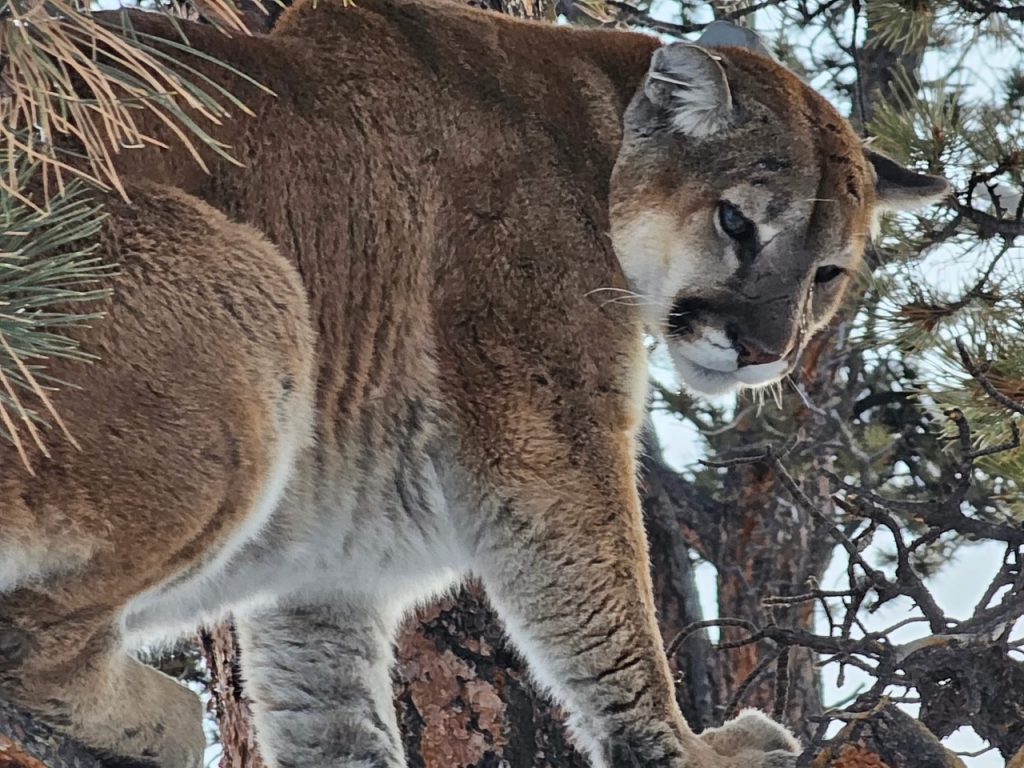

Even in the shadow of the disastrous results of ballot box biology and allowing extremist-driven and funded wildlife management with the reintroduction of wolves, there will also likely be a ballot question about outlawing the hunting of mountain lion, bobcat, and lynx. Notably, lynx is federally and state protected.
The group pushing the mountain lion and bobcat hunting ban, Cats Aren’t Trophies (CATs), appears to have some connections to Wild Earth Guardians, which should sound familiar to those following along with regard to the Colorado Parks and Wildlife Commission appointee who was not confirmed by the Senate due to extremist ties. CATs also count Carole Baskin among their spokesmen and donors.
Dan Gates, executive director of Coloradoans for Responsible Wildlife Management, said the push to ban mountain lion, bobcat, and lynx hunting isn’t new. The group previously and repeatedly approached the Colorado Parks and Wildlife Commission and were rejected unanimously. Two of the instances where their attempts were thwarted were by Gov. Jared Polis’ own appointees. With three swings and misses, they tried the legislative route in 2022 finding a willing sponsor in Sen. Sonya Jaquez Lewis.
The bill was killed on a vote of 4-1 in the Committee on Agriculture and Natural Resources. Public comment in support and opposition required multiple hours and additional seating in the room.
According to Coloradoans for Responsible Wildlife Management, the proponents of the anticipated ballot proposal “Prohibit Trophy Hunting” are depending upon misinformation as their weapon of choice. Gates said the group has coined the phrase “trophy hunting” to mislead the public and potential voters, veiling their true intentions behind a facade of concern over fair chase, cruelty, and mismanagement. The mission of the group, which is a 501(C-4) is to halt this anti-hunting agenda before it morphs into a nationwide ban on all hunting, but Gates said that mission is an expensive one and depends upon the support of hunters, anglers, and voters across the country.
At press time, the Colorado Secretary of State is still verifying signatures submitted by proponents and the two paid signature collection companies in their employ, though it appears likely that the question will be posed to voters in November. The title expected to appear on the ballot reads:
“Shall there be a change to the Colorado Revised Statutes concerning a prohibition on the hunting of mountain lions, lynx, and bobcats, and, in connection therewith, prohibiting the intentional killing, wounding, pursuing, entrapping, or discharging or releasing of a deadly weapon at a mountain lion, lynx, or bobcat; creating eight exceptions to this prohibition including for the protection of human life, property, and livestock; establishing a violation of this prohibition as a class 1 misdemeanor; and increasing fines and limiting wildlife license privileges for persons convicted of this crime?”
The actual measure revises statute to prohibit trophy hunting of mountain lions, bobcats, or lynx and defines trophy hunting as “practiced primarily for the display of an animal’s head, fur or other body parts, rather than for the utilization of the meat.” It goes on to say it is “almost always conducted by unsporting means” including the use of hounds.
In the summary draft, though, trophy hunting is defined as hunting for sport rather than food. The summary then clarifies certain scenarios — the defense of human life; by an employee or contractor of CPW; as a result of a motor-vehicle accident; or for scientific research or humane euthanasia, etc. — are not considered trophy hunting. Gates said none of those scenarios are hunting.
In summarizing the arguments for the initiative, it reads, “Bobcat and mountain lion populations do not require hunting to regulate their numbers. Research does not support that banning hunting of these animals will increase the density of a population or cause any negative effects on their habitat and environment.”
The fiscal impact will be included in the second draft but there are several points to consider. The costs incurred by CPW to remove a lion from an area of conflict include time and resources of CPW staff, but it also incurs federal costs by enacting the memorandum of understanding (MOU) between CPW and USDA Animal Plant Health Inspection Service (APHIS) Wildlife Services for coyotes, lions and bears.
If it cost taxpayer-funded agencies $1,000, for example, to do something a non-resident hunter would have paid more than $800 (based on proposed increases planned by the commission but not yet finalized) for the license alone to do, that lost revenue is only compounded by the loss of revenue brought to rural communities by that hunter. Further, mountain lions kill one deer per week and based on a non-resident deer license price of $586.80, that’s potentially $30,000 of lost revenue per mountain lion annually.
For the rural communities supported, in part, by hunting, the reality of lost revenue is significant. A non-resident lion hunter who hires the services of an outfitter will pay $6,500 or so for the hunt plus the license, fuel, meals, souvenirs for the family, more fuel and other dollars injected into the communities. Those dollars not only circulate within that community another eight to 10 times, portions of that $6,500 find their way back into the tills of local businesses and to support the management and monitoring of lions by CPW. That monitoring, coincidentally, is done with the aid of contracted houndsmen and hounds who tree the lions to count, determine gender and identify.
One of the points in that section reads: “Wildlife management in Colorado should be overseen by experts who make science-based decisions to achieve the state’s ecological objectives, which include preserving biodiversity, ensuring sustainable ecosystems and protecting endangered species. This measure threatens to undermine these objectives by disregarding the expertise and research necessary for effective wildlife management.”
Nothing in the document references Colorado Statute 33-1-101 that reads, “It is the policy of the state of Colorado that the wildlife and their environment are to be protected, preserved, enhanced, and managed for the use, benefit, and enjoyment of the people of this state and its visitors.” The statute also directs that “The state shall utilize hunting, trapping, and fishing as the primary methods of effecting necessary wildlife harvests.”
As reported in The Fence Post Magazine, CPW released a fact sheet on mountain lion management that confirms mountain lions as a game species (ban proponents including Pat Craig, founder of the Wild Animal Sanctuary, claimed in a guest commentary that mountain lions are not hunted for meat or management, though hunters of mountain lions are required to prepare big game for human consumption) and said lion populations have grown in Colorado since 1965 when classified as a big game species. CPW said bobcat populations are also stable and may be increasing in some areas.
According to CPW, healthy and robust lion and bobcat populations, which Colorado’s current management is designed to maintain, are important to functioning ecosystems. CPW values carnivores and their prominent role in our landscapes, and harvesting a sustainable number of carnivores each year doesn’t reduce the ecosystem services provided by the larger population. CPW’s demonstrated track record of promoting and protecting strong mountain lion, bobcat and lynx populations across the state supports CPW’s mission of conserving wildlife and providing sustainable outdoor recreation opportunities that educate and inspire current and future generations to serve as active stewards of Colorado’s natural resources.
This track record of the successful management of the state’s 961 species is a result of management guided by the North American Model for Wildlife Management. Successful management of Colorado’s wildlife, which belongs to hunters and anglers and ranchers as much as to animal rights extremists, depends upon the agriculture producers that supply the majority of the lands where wildlife is found and it depends upon the hunting and angling community who, in large part, foot the bill.
https://www.montanaoutdoor.com/2024/08/30-coyote-dirt-naps-in-one-compilation-video/#google_vignette

Posted: August 26, 2024
https://googleads.g.doubleclick.net/pagead/ads?client=ca-pub-8837201084231310&output=html&h=60&slotname=1371200856&adk=1159785553&adf=1896908856&pi=t.ma~as.1371200856&w=468&abgtt=3&lmt=1724703776&format=468×60&url=https%3A%2F%2Fwww.montanaoutdoor.com%2F2024%2F08%2F30-coyote-dirt-naps-in-one-compilation-video%2F&wgl=1&uach=WyJXaW5kb3dzIiwiMTUuMC4wIiwieDg2IiwiIiwiMTI4LjAuMjczOS40MiIsbnVsbCwwLG51bGwsIjY0IixbWyJDaHJvbWl1bSIsIjEyOC4wLjY2MTMuODUiXSxbIk5vdDtBPUJyYW5kIiwiMjQuMC4wLjAiXSxbIk1pY3Jvc29mdCBFZGdlIiwiMTI4LjAuMjczOS40MiJdXSwwXQ..&dt=1724703774782&bpp=3&bdt=3478&idt=1488&shv=r20240822&mjsv=m202408210101&ptt=9&saldr=aa&abxe=1&cookie=ID%3Dd7ad8b7ed6331dd3%3AT%3D1723225716%3ART%3D1723839954%3AS%3DALNI_MbxSsF9k23VUMyxJmlw00F7IxKlIA&gpic=UID%3D00000ea39d2eef03%3AT%3D1723225716%3ART%3D1723839954%3AS%3DALNI_MaWnc0TXThRtuwdTEDwpIy1ZjgKxw&eo_id_str=ID%3D85d0299a49790a35%3AT%3D1723225716%3ART%3D1723839954%3AS%3DAA-AfjaP3M3Rbsij3B1Tf59Nl1cm&correlator=1499990045956&frm=20&pv=2&u_tz=-420&u_his=1&u_h=864&u_w=1536&u_ah=816&u_aw=1536&u_cd=24&u_sd=1.25&dmc=8&adx=345&ady=747&biw=1521&bih=711&scr_x=0&scr_y=17&eid=44759876%2C44759927%2C44759842%2C31086225%2C44798934%2C95331689%2C95334830%2C95338227%2C95339861%2C21065724&oid=2&pvsid=1621432557663200&tmod=1122027907&wsm=1&uas=0&nvt=1&ref=https%3A%2F%2Fwww.google.com%2F&fc=640&brdim=0%2C0%2C0%2C0%2C1536%2C0%2C1536%2C816%2C1536%2C711&vis=1&rsz=%7C%7Cebr%7C&abl=CS&pfx=0&fu=0&bc=31&bz=1&td=1&tdf=2&psd=W251bGwsbnVsbCxudWxsLDNd&nt=1&ifi=1&uci=a!1&btvi=1&fsb=1&dtd=1508
https://googleads.g.doubleclick.net/pagead/ads?client=ca-pub-8837201084231310&output=html&h=60&slotname=1371200856&adk=1159785553&adf=1493067180&pi=t.ma~as.1371200856&w=468&abgtt=3&lmt=1724703776&format=468×60&url=https%3A%2F%2Fwww.montanaoutdoor.com%2F2024%2F08%2F30-coyote-dirt-naps-in-one-compilation-video%2F&wgl=1&uach=WyJXaW5kb3dzIiwiMTUuMC4wIiwieDg2IiwiIiwiMTI4LjAuMjczOS40MiIsbnVsbCwwLG51bGwsIjY0IixbWyJDaHJvbWl1bSIsIjEyOC4wLjY2MTMuODUiXSxbIk5vdDtBPUJyYW5kIiwiMjQuMC4wLjAiXSxbIk1pY3Jvc29mdCBFZGdlIiwiMTI4LjAuMjczOS40MiJdXSwwXQ..&dt=1724703774785&bpp=1&bdt=3482&idt=1514&shv=r20240822&mjsv=m202408210101&ptt=9&saldr=aa&abxe=1&cookie=ID%3Dd7ad8b7ed6331dd3%3AT%3D1723225716%3ART%3D1723839954%3AS%3DALNI_MbxSsF9k23VUMyxJmlw00F7IxKlIA&gpic=UID%3D00000ea39d2eef03%3AT%3D1723225716%3ART%3D1723839954%3AS%3DALNI_MaWnc0TXThRtuwdTEDwpIy1ZjgKxw&eo_id_str=ID%3D85d0299a49790a35%3AT%3D1723225716%3ART%3D1723839954%3AS%3DAA-AfjaP3M3Rbsij3B1Tf59Nl1cm&prev_fmts=468×60&correlator=1499990045956&frm=20&pv=1&u_tz=-420&u_his=1&u_h=864&u_w=1536&u_ah=816&u_aw=1536&u_cd=24&u_sd=1.25&dmc=8&adx=345&ady=840&biw=1521&bih=711&scr_x=0&scr_y=54&eid=44759876%2C44759927%2C44759842%2C31086225%2C44798934%2C95331689%2C95334830%2C95338227%2C95339861%2C21065724&oid=2&pvsid=1621432557663200&tmod=1122027907&wsm=1&uas=0&nvt=1&ref=https%3A%2F%2Fwww.google.com%2F&fc=640&brdim=0%2C0%2C0%2C0%2C1536%2C0%2C1536%2C816%2C1536%2C711&vis=1&rsz=%7C%7Cebr%7C&abl=CS&pfx=0&fu=0&bc=31&bz=1&td=1&tdf=2&psd=W251bGwsbnVsbCxudWxsLDNd&nt=1&ifi=2&uci=a!2&btvi=2&fsb=1&dtd=1518
Part of celebrating National Dog Day includes celebrating management of wild dogs, which includes coyotes and wolves in the US.
We found this compilation video to honor the hard-working coyote hunters that help ranchers and management of wildlife by hunting these canines.
Aug. 26, 2024Updated 9:23 a.m. ET

Members of the Warwickshire Hunt in February 2023, in Warwickshire, England. Since fox hunting with packs of dogs was banned in 2005, many hunts use trail hunting, where dogs follow a scent trail of fox urine instead of a live animal.Mary Turner for The New York Times
English fox hunters have tried, for years, to push back against a nearly 20-year-old ban on their beloved sport.
The centuries-old tradition of using packs of dogs to chase and kill foxes — or any wild mammals — became illegal in England in 2005, after a long parliamentary struggle driven by campaigners and lawmakers who opposed it on animal welfare grounds.
So far, the law has stood, and fox hunting remains hugely unpopular among the general public: 80 percent of people in Britain think it should remain illegal, according to YouGov, a polling company.
Now, a pro-hunting activist has a new plan of attack.
Ed Swales, the activist, founded Hunting Kind, a lobby group that aims to protect hunting with dogs and other forms of hunting, in early 2022. He wants to use Britain’s Equality Act — which protects people from discrimination because of their age, race, sexuality or religion, among other things — to classify a pro-hunting stance as a protected belief.
That would put it in the same legal category as atheism, pacifism, ethical veganism, and, ironically, a moral opposition to fox hunting.
“If he’s ‘anti-hunt,’ well, you can be ‘hunt,’” Mr. Swales said. “It’s just the same law.”
Thank you for your patience while we verify access.
Already a subscriber? Log in.
Want all of The Times? Subscribe.
 Exposing the Big Game