Exposing the Big Game

Forget Hunters' Feeble Rationalizations and Trust Your Gut Feelings: Making Sport of Killing Is Not Healthy Human Behavior

Exposing the Big Game

Farmed Animals Culled En Masse as COVID-19 Outbreaks Halt Meat and Dairy Production

April 29, 2020

With COVID-19 closures impacting meat and dairy supply chains, the industry faces a choice: stay open and risk the lives of its employees, or shut down and force farmers to cull millions of animals.

Reading Time: 3 minutes

Since the start of April, many of the world’s biggest meat processing companies—JBS USA, Tyson Foods, Smithfield Foods, and Cargill—shut down over 20 slaughterhouses and packing facilities across the U.S. and Canada, in response to the growing numbers of staff infected with COVID-19. While producers pushed to keep slaughter lines running, these facilities became hotbeds for the virus. In Canada, one Alberta Cargill plant is now responsible for the biggest outbreak in the country, with one in four cases of the virus in the province linked to the facility.

Subsequently, meat plant closures are interrupting supply chains, leaving many farmers with too many animals that they are now killing, or will soon kill, en masse. One report by the Des Moines Register on the closures quotes U.S. Sen. Chuck Grassley, who estimates that the country’s pork industry has about 100,000 pigs who should be sent to slaughter each day but now have nowhere to go. “Apply that over 10 days, and with a million pigs, you’ve got a big problem.”

The Guardian reports that at least two million animals have already reportedly been killed on farms in the U.S., “and that number is expected to rise.”

Similarly, due to closures of restaurants, hotels, and schools, dairy and egg producers are also seeing interruptions in their supply chains. As a result, dairy producers are dumping milk, and chicken producers are trashing eggs across the U.S. and Canada. One recent New York Times article called the amount of waste “staggering.” The article cites Dairy Farmers of America, estimating as much as 3.7 million gallons of milk being dumped by farmers each day. And, “a single chicken processor is smashing 750,000 unhatched eggs every week.”

Other media reports throughout April described producers gassing pigs and chickens and aborting piglets. A recent report by Reuters details how Iowa farmer Al Van Beek had nowhere to ship his pigs in order to make room for the 7,500 piglets he was expecting from his breeder sows. “He ordered his employees to give injections to the pregnant sows, one by one, that would cause them to abort their baby pigs.”

On April 28th, The National Pork Board published a document entitled COVID-19: Animal Welfare Tools for Pork Producerslisting permitted methods of mass euthanasia. These include gunshot, manual blunt force trauma, electrocution, carbon dioxide, and “in times of constrained circumstances,” like right now: ventilation shutdown plus.

According to the American Veterinary Medical Association, “ventilation shutdown involves closing up the house [barn/ shed], shutting inlets, and turning off the fans. Body heat from the herd raises the temperature in the house until animals die from hyperthermia. Numerous variables may make the time to death of 100% of animals in the barn subject to a range of times.” The plus included by the National Pork Board means adding carbon dioxide and/or simply turning up the heat.

This week, President Donald Trump signed an executive order, forcing U.S. slaughterhouses to remain open, deeming meat production “critical” despite concerns for worker safety. There are, however, questions about the capabilities of the order, and it is yet to be seen how it may be enacted.

No such order has been made in Canada, and so culling of farmed animals has begun, along with the dumping of milk and dairy. One farmer on Prince Edward Island reportedly killed 270 pigs last week, disposing of their bodies in a landfill. According to a tweet by Alberta Pork: “Some reports suggest more than 90,000 #pigs are likely to be disposed of by #farmers.”

Dr. Sylvain Charlebois, professor of food distribution and policy at Dalhousie University, puts estimates of dumped dairy at “anywhere between 50 to 160 million litres, across Canada.”

For the animals, this is a no-win situation, as they would have been exploited and killed one way or another. The waste of animal products, money, and other resources, as well as the unnecessary strain on the environment, only add insult to injury. What this unique situation especially illuminates though, is the glaring fragility and unsustainability of our current food system, as well as the lack of forethought, care, and compassion for those animals bound to be food.

Turtle volunteers gather derelict crab traps

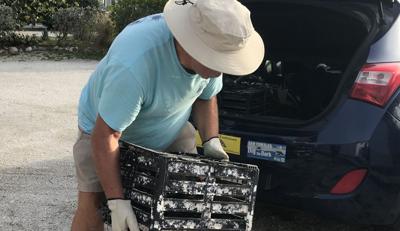
Coastal Wildlife Club volunteer Gene McCoy loads a derelict crab trap into the truck of his car. The Florida Fish and Wildlife Conservation Commission authorized the CWC to remove abandoned crab traps from Manasota Key during the sea turtle nesting season.

ENGLEWOOD — The Coastal Wildlife Club will assist the state with gathering derelict crab traps.

The Florida Fish and Game Conservation Commission has authorized CWC turtle patrol volunteers to gather and remove crab traps that wash up onto Manasota Key during the sea turtle nesting season, which started May 1 and extends to Oct. 31.

“Traps and lines may obstruct the progress of nesting turtles and even entangle them,” the CWC stated in a press release Monday. Anyone who discovers a derelict trap on Manasota Key is asked to email the CWC at info@coastalwildlifeclub.org.

Since April 30, the CWC recovered and removed three blue crab traps and seven stone crab traps, two in the Sarasota County portion of Manasota Key and eight on the Charlotte side of the barrier island.

Details of the derelict crab trap programs and clean-ups can be found online at myfwc.com.

The FWC estimates 800,000 blue crab traps are permitted annually. The state estimates 30% to 50% of blue crab traps are lost to their owners.

The traps are valuable to the commercial crabbers.

“We don’t want to lose traps,” said Kelly Beall who with her husband, Jimmy, own and operate Peace River Seafood restaurant, seafood and fresh vegetable market on Duncan Road in Punta Gorda. Jimmy also is a commercial crabber with hundreds of traps set in Charlotte Harbor and the Peace River.

Often, Beall suggested, boaters will run over a commercial trap’s lines, separating the traps from their buoys.

A decade ago, Charlotte County Sea Grant agent Capt. Betty Staugler assisted the state in drafting its volunteer derelict trap clean-up procedures. Like Beall, Staugler suggested traps are valuable to commercial crabbers, especially since they use steel rebar to weigh their traps down.

Generally, Staugler said, commercial crabbers have a “good handle” of where their traps are located since they check them regularly, several times a week, whereas recreational crabbers may only check their traps once a week, twice a week or even longer.

The state has a rotating, two-year regional schedule for 10-day crab trap closures throughout the state. During that time, the FWC requires all commercial and recreational traps to be removed from the water. Abandoned and derelict traps are then pulled out.

“Traps may remain in the water during a closed season for many reasons,” the FWC states on its website. “They can move during storms, making them difficult to locate; they may be snagged by passing vessels and dragged to another area; or they may be illegally abandoned by their owners.”

But as much as wanting to clear abandoned and derelict traps from waterways, the FWC protects crabbers and their traps and their livelihoods.

Unauthorized tampering with crab traps, their lines and buoys, or trap contents can result in a third-degree felony charge, fines up to $5,000 and a permanent revocation of fishing licenses.

Study Finds that Cows Talk and Show Compassion Just Like Humans

STUDY FINDS THAT COWS TALK AND SHOW COMPASSION JUST LIKE HUMANS

cows talk

When we think of compassionate, intelligent creatures, cows normally don’t come to mind.

However, cows actually communicate how they feel to one another through their moos, according to a new study. The animals have individual vocal characteristics and change their pitch based on the emotion they’re feeling, according to research at the University of Sydney.

Alexandra Green, a Ph.D. student at the university and the study’s lead author, said:

“Cows are gregarious, social animals. In one sense it isn’t surprising they assert their individual identity throughout their life.”

She said it’s the first time they’ve been able to study voices to obtain evidence of this trait.

THE STUDIES ON THE COMMUNICATIONS BETWEEN COWS

Studying a herd of 18 Holstein-Friesian heifers over the course of five months, Alexandra found that the cows gave individual voice cues in different positive and negative situations. This behavior helps them communicate with the herd and express excitement, arousal, engagement, or distress.

Talking about the animals she studied, Ms. Green said:

“They have all got very distinct voices. Even without looking at them in the herd, I can tell which one is making a noise just based on her voice.”

She would record and study their “moos” to analyze their moods in various situations within the herd.

“It all relates back to their emotions and what they are feeling at the time,” she said.

adorable photos
Check out these adorable pics of babies and pets.

Previous research has discovered that cow moms and babies use their voices to communicate individuality.

However, this new study shows how cows keep their individual moos throughout their lives, even if they’re talking to themselves. The study found that the animals would speak to each other during mating periods, while waiting for or being denied food, and when being kept separate from one another.

The research analyzed 333 cow vocalizations and has been published in Scientific Reports.

“Ali’s research is truly inspired. It is like she is building a Google translate for cows,” said Cameron Clark, an associate professor at the university.

Ms. Green said she hoped this study would encourage farmers to “tune into the emotional state of their cattle, improving animal welfare.”

cows
Here are 16 vegan tofu recipes to try.

ANIMAL COMMUNICATIONS

Studies have shown that animals communicate with one another in similar ways to humans, taking turns in conversations. This is beneficial in the animal kingdom to communicate needs, such as where food sources are at or if the herd needs to move locations. It can also help animals communicate about an incoming threat so they can respond accordingly.

FINAL THOUGHTS ABOUT COWS COMMUNICATING

This research shows that animals are intelligent, sentient beings and deserve our respect. Vegetarianism and veganism are on the rise as people are waking up to how eliminating meat from our diets can positively impact health as well as show compassion to other living beings. Also, cows contribute greatly to greenhouse gas emissions, producing 37% of methane emissions resulting from human activity. One study showed that one cow, on average, produces between 70-120 kg of methane a year.

This is significant because across the globe, there are around 1.5 billion cattle. Many scientists are coming together to talk about how a plant-based diet could greatly help to slow down climate change.

HSI closes 16th dog meat farm in Korea; rescues 70 dogs bound for slaughter

 May 06, 2020

This week, Humane Society International staff is on the ground in South Korea, closing down the 16th dog meat farm in our campaign there and rescuing 70 dogs destined for a grim future on the butcher’s block.

Among the dogs we found on site are poodles, beagles, huskies, golden retrievers, Pomeranians, Chihuahuas, tosas, jindos and Boston terriers. When our staff responders came across them, the animals were languishing in rows of dilapidated cages, surrounded by animal waste, junk and garbage. But the minute they saw their rescuers, they erupted into a barking chorus, reports Nara Kim, HSI’s consultant in South Korea.

“Some of the dogs were desperately jumping for me to notice them and offer some affection, while others hid at the back of their cages in fear,” Nara said. Among the dogs was one we named Pogo, a Boston terrier tied to a chain who was so desperate for attention that he leapt forward constantly although the chain he was tied to whipped him back each time. When a staff member approached him, he was overcome with joy—he particularly loved the tug toy we fashioned for him using a leash.

Pogo’s condition was heartbreaking: his eyes didn’t focus well and they bulged noticeably, perhaps from all of the stress and his desperate attempts to escape the very short chain. It is especially gratifying for our staff to get him off the farm and send him on to his new life.

The owner of this dog meat farm told us he has been breeding the dogs for nearly 40 years, but believes there is now no future in it. He jumped at the chance offered by HSI to leave dog farming behind and begin a new life growing cabbages and other vegetables instead.

With fewer South Koreans eating dog meat than ever before, and with more people seeing dogs as companions rather than food, the demand for dog meat has been dropping in Korea. In recent years, there has also been a series of new regulations and court rulings cracking down on the industry.

The farmer told our staff that although he entered the business believing he’d make good money, “it hasn’t really worked out that way. I earn nothing from this dog farm, and pressure from the government is increasing and it’s not a good business at all.”

This time, with the rescue happening in the midst of the coronavirus pandemic, we have faced some delays, but our staff on the ground in Korea is working hard to make sure the dogs don’t have to suffer for another day. The dogs will be moved to a boarding facility, where they will receive full veterinary check-ups and be given everything they need to be comfortable for the first time in their lives. The dogs will be cared for in South Korea until the pandemic calms globally and they can be flown to our temporary shelter in Canada and shelter partners in the United States to seek adoptive homes.

South Korea, where an estimated two million dogs are bred and raised on thousands of dog meat farms each year, has been a big focus of HSI’s ongoing work to end the dog meat trade around the globe, and we have made significant progress in the nation. During the five years of our campaign in South Korea, we have rescued more than 2,000 dogs from such farms and transported them overseas for rehoming.

In November 2018, HSI assisted Seongnam City Council in shutting down the country’s largest dog slaughterhouse there. Two of the nation’s largest dog meat markets have also closed in recent years and in October 2019, the mayor of Seoul declared his city “dog slaughter free.”

In other nations where the trade exists, we have also seen remarkable progress in recent years. The Chinese government recently declared dogs are considered companions and not livestock and at least two cities in China have included bans on dog and cat meat in wider bans on the wildlife trade in the wake of the coronavirus pandemic.

Dog meat consumption has also been banned or severely restricted in Hong Kong, Taiwan, Thailand, Singapore and the Philippines. In 2018 both Indonesia and Vietnam’s capital city Hanoi pledged an end to dog and cat meat consumption.

Given the scale of the global dog meat trade and the number of animals caught up in it, it will take some time before we succeed in wiping it off the face of the earth. We are working on it, and we will never give up, but for today, we celebrate the fact that for 70 dogs the future looks bright and filled with hope.

The post HSI closes 16th dog meat farm in Korea; rescues 70 dogs bound for slaughter appeared first on A Humane World.

Related Stories

CHINA GETS NEW LINE OF PLANT-BASED MEATS AFTER MEATLESS NUGGETS’ HUGE SUCCESS

China Gets New Line of Plant-Based Meats After Meatless Nuggets’ Huge Success

U.S.-based food corporation Cargill is introducing a line of plant-based products to China after KFC’s highly successful plant-based nugget trial in several cities throughout the country.

In late April, three of Yum China Holdings’ KFC locations in Shenzhen, Guangzhou, and Shanghai carried plant-based nuggets mimicking the texture and taste of meat. They’re made from soy, wheat, peas, and locally-sourced water chestnuts. This trial came after a soft launch of Beyond Fried Chicken — KFC’s vegan fried chicken line in the United States — earlier this year.

The faux nuggets quickly sold out, showing that many people approve of plant-based food.

Following this success, Cargill decided to make more plant-based foods available in China. Beginning at the end of June, the company will offer products to retailers via its PlantEver line and will also cater to the food service sector.

Plant-based protein producers claim that many consumers are rethinking their food choices due to the coronavirus pandemic. As a result, the demand for plant-based products is surging even more than before.

“The launch is just the beginning,” managing director of Cargill Protein China Jackson Chan told Reuters, “and we look forward to continuing to innovate.”

Other companies are seeing success in China with their plant-based products, as well. Starbucks recently introduced a vegan lunch menu featuring Beyond Meat’s products at its Chinese locations.

Animal Agriculture Could Cause the Next Public Health Crisis

Illustration for article titled Animal Agriculture Could Cause the Next Public Health Crisis
Image: Getty

Covid-19 is a zoonotic virus, meaning it spread to humans from animals. Scientists aren’t sure which animal spread it to us, though they think snakes or bats might have via pangolins. But it’s not just exotic, wild animals that spread diseases. New research shows the next global public health crisis could come to us through industrial animal agriculture.

The study, published in Proceedings of the National Academy of Sciences on Monday, shows that contemporary farming methods—including the overuse of antibiotics, high numbers of animals crammed into small spaces, and a lack of genetic diversity—make it more likely that pathogens will spread to people from farm animals and create an epidemic for humans.

“Our work shows that environmental change and increased contact with farm animals has caused bacterial infections to cross over to humans, too,” Sam Sheppard, a professor at the Milner Center for Evolution at the University of Bath and author of the study, said in a statement.

In particular, the scientists analyzed the evolution of the bacteria Campylobacter jejuni, which is commonly found in farm animals’ crap and according to the World Health Organization is the leading bacterial cause of human gastroenteritis, aka the stomach flu. The researchers studied the genetic evolution of the bacteria and found that strains specific to cattle emerged in the 20th century—around the same time that humans started farming cattle in huge numbers.

Campylobacter are excreted by cattle into the environment every day,” the authors wrote. “The sheer magnitude of shedding is clearly important in terms of direct environmental contamination and potential spillover into the human food chain.”

The scientists argue that the changes in cattle diet, anatomy, and physiology which resulted from industrial agriculture enabled the bacteria to mutate and become able to infect humans. That includes common practices today like feeding cows vitamin supplements to keep them healthy and make them bulkier.

Chickens, pigs, and wild animals can all spread the Campylobacter jejuni, but the biggest issue is cattle. Researchers found the bacteria in their feces a fifth of the time (gross, I know, sorry).

“There are an estimated 1.5 billion cattle on Earth, each producing around 30 kilograms (66 pounds) of manure each day,” said Sheppard. “If roughly 20 percent of these are carrying Campylobacter, that amounts to a huge potential public health risk.”

If the bug does get transmitted to people, it’s hard to treat. Since so many antibiotics are used in animal agriculture, the bacteria is resistant to those medicines. The researchers hope the world will examine its relationship with agriculture and make changes to prevent the spread of the bug.

“I think this is a wake-up call to be more responsible about farming methods, so we can reduce the risk of outbreaks of problematic pathogens in the future,” Sheppard said.

The changes this research demands are clear: We should stop rearing so many damn animals for meat. Since animal agriculture is responsible for 14.5 percent of all greenhouse gas pollution globally, we should probably be doing that anyway.

2 million chickens will be killed in Delaware and Maryland because of lack of employees at processing plants

https://www.cnn.com/2020/04/25/us/chickens-depopulated-delmarva-plants-delaware-maryland/index.html

By Giulia McDonnell Nieto del Rio, CNN

(CNN)Two million chickens on several farms in Delaware and Maryland will be “depopulated” — meaning humanely killed — due to a lack of employees at chicken processing plants, according to a statement from Delmarva Poultry Industry Inc.

The reduced employee attendance at the company’s plants is a result of “additional community cases of COVID-19, additional testing, and people practicing the ‘stay home if you’re sick’ social distancing guidance from public health officials,” the statement reads.
The chickens will be depopulated “using approved, humane methods” that are accepted by the American Veterinary Medical Association and all state and local guidelines, the company said.
CNN has reached out to the Delaware Department of Agriculture but has not yet received a response.
The Maryland Department of Agriculture says it learned of the company’s plans on April 9 and “continues to monitor for any developments.”
“MDA is only involved in depopulations when it is done in response to animal health concerns,” the department said in a statement. “This particular case was a private decision made by an individual business.”
close dialog
The day’s biggest stories in 10 minutes or less.
Delmarva says it made the “difficult but necessary” decision after exhausting “the study of other alternatives, including allowing another chicken company to transport and process the chickens and taking a partially processed product to rendering facilities to utilize for other animal feed.”
“If no action were taken, the birds would outgrow the capacity of the chicken house to hold them,” the company said, adding that they are not closing any processing plants and will continue to compensate the affected chicken growers.
  • PAID CONTENT

Take a GIANT STEP: Go Vegan!

United Poultry Concerns <http://www.UPC-online.org>
21 April 2020

Take a GIANT STEP: Go Vegan!

By Karen Davis, PhD, President, United Poultry Concerns

This article, excerpted from Life Can Be Beautiful – Go Vegan!
<https://www.upc-online.org/govegan.pdf>, is featured in
the April 2020 issue of *The Echo World: The Alternative Voice in the South*
<http://www.theechoworld.com>. The
Echo World appears in print and online.

*There’s never been a better time to switch to a diet free of animal
products.*

Animal-free eating gets easier every day as more and more people seek
healthy,
delicious vegan foods and restaurant dishes. More and more supermarkets
sell a
range of easy-to-prepare products marked Vegan. With today’s culinary
creativity
and technology, we can enjoy delicious textures and flavors without worrying
about the cholesterol, type-two diabetes and other health issues linked to
unhealthy, animal-based diets. Let’s look at the arguments.

*Why Choose Vegan?*

As the human population grows, food-safety and environment problems grow,
and
animals raised for food get treated worse. They suffer more cruelly, grow
sicker
and pass their sickness on to us. By choosing vegan, we refuse to support
the
suffering of billions of animals while enjoying the health benefits
associated
with plant-based foods.

Fortunately, the demand for animal-free foods is growing. People want meals
that
are healthy, better for the environment, and compassionate to animals.
Sales of
vegan meat and dairy-free products are rising rapidly in the United States
and
elsewhere in the world, according to food trend analysts.1 Plant-based
eating is
a path toward a healthier, more sustainable and caring way of life.

*The Environment*

Much of the destruction of our forests and wildlife is due to animal
agriculture. Our forests, especially our rainforests, absorb carbon dioxide
from
the atmosphere and exchange it for oxygen. When we slash and burn forests to
graze cattle and grow soybeans to feed billions of poultry and pigs, we
diminish
our ability and our children’s ability to breathe fresh air. Currently,
seventy
to eighty percent of the world’s soy goes not into tofu but into food fed to
farmed animals.2

A plant-based diet helps to protect our forests and our environment. In
“Saving
the Planet, One Meal at a Time,” American journalist and Presbyterian
minister,
Chris Hedges, writes: “With animal agriculture as the leading cause of
species
extinction, water pollution, ocean dead zones and habitat destruction,
becoming
vegan is the most important and direct change we can immediately make to
save
the planet and its species.”3

*Animals Raised for Food*

The Pew Commission on Industrial Farm Animal Production reported that of
all the
terrible things they witnessed in their investigation of farmed animal
facilities, “The most appalling was a facility that produces chickens for
eating. It was totally dark and the dust and ammonia smells were
overwhelming.”4

Animals raised for food are treated badly and they are very unhealthy.
Chickens,
turkeys and ducks are crammed in filthy, dark buildings loaded with
bacteria,
flu viruses, toxic funguses and poisonous gases that burn their eyes, their
skin, and their lungs. With no fresh air, sunshine, or normal activities,
the
birds develop painful skeletal deformities, soft watery muscles, stress
hormones
and heart disease.

Chickens and turkeys go to slaughter with rotting livers (necrotic
enteritis),
“wing rot,” pus-filled lungs, and ammonia-burned skin. Rotting intestines
and
ulcerated flesh are removed at the slaughterhouse. Corpses are drenched in
chlorinated water to conceal flesh sold falsely to consumers as “healthy.”5

Former Tyson chicken slaughterhouse worker Virgil Butler and his partner,
Laura
Alexander, described their switch to an animal-free diet: “We just couldn’t
look
at a piece of meat anymore without seeing the sad, tortured face that was
attached to it sometime in the past.”6

*”Free-Range,” “Cage-Free,” “Humane Farming”*

These terms sound reassuring, but the reality behind the scenes is
different. As
soon as they are born, most hens used for “cage-free” eggs are painfully
debeaked, and all male chicks are destroyed at the hatchery since they
don’t lay
eggs. “Free-range” turkeys are violently “milked” and inseminated by hand,
newborn calves and piglets are torn from their mothers, and baby chicks,
turkeys
and ducks are denied the comfort of their mother’s wings.

All animals raised for food – “free-range” included – are slaughtered,
trashed,
or trucked to live animal markets and rendering companies when their
moneymaking
life is over. Farmers do not keep “useless” animals. The idea that billions
of
humans can have billions of “humanely-raised” animals is untrue.

*What About Fish?*

Fish are intelligent beings with feelings. When pulled from the water, they
suffocate in panic and pain, the same as humans and other land animals do
when
drowning. Being hooked in the mouth or caught in a net is torture for fish
that
are increasingly raised in huge aquatic factory farms as a result of human
overpopulation, overconsumption and ocean water pollution. They’re
subjected to
genetic engineering, drugs and diseases the same as their terrestrial
counterparts. *The Guardian* reports that “the oceans are massively
overfished,
with more than half now being industrially fished.”7

*Foodborne Diseases*

The U.S. Department of Agriculture reports that the major foodborne
pathogens –
viruses, bacteria, parasites, and fungi – occur mainly in “meat, poultry,
seafood, dairy products and eggs.” 8 Foodborne bacteria such as E. coli,
Salmonella, Campylobacter, and Listeria can migrate from people’s
intestines to
other body parts – blood, bones, nerves, organs, and joints – to cause
chronic
illnesses later in life, such as arthritis. Salmonella and E. coli
contamination
of plants such as spinach, tomatoes and melons comes from animal farming
operations. Fruits and vegetables do not generate this contamination.

*Antibiotics*

Farmed animals are fed massive amounts of antibiotics. Antibiotic-resistant
bacteria remain in slaughtered animals even on the dinner plate.
Urinary-tract
infections (UTIs) caused by E. coli affect millions of women. These
infections
correlate particularly with eating chicken. To reduce the risk, women are
encouraged to eat the plant-based chicken products available in stores and
fast-food franchises. These products taste just as good and do not present a
risk of UTIs.9

*The Good News*

When all is said and done, a plant-powered diet produces a legitimate
feeling of
wellbeing in people. In “The Evidence for a Vegan Diet,” James McWilliams,
associate professor of history at Texas State University, writes: “For me,
the
most persuasive evidence supporting a healthy vegan diet is the everyday
reality
that a dozen or so people with whom I eat have done extraordinary things as
a
direct result of intelligent veganism. They’ve conquered obesity, chronic
disease, depression, and a host of food-related disorders by exclusively
eating
an exciting diversity of plants. If there’s one lesson I’ve learned, it is
this:
the diet empowers.”10

*Notes*

1. Monica Watrous, “Plant-based foods go mainstream in 2019
<https://www.meatpoultry.com/articles/22399-plant-based-foods-go-mainstream>
,”
*Meat + Poultry*, December 27, 2019.

2. Farhad Manjoo, “Stop Mocking Vegans
<https://www.nytimes.com/2019/08/28/opinion/vegan-food.html>,” *The New
York Times*, August 28, 2019.

3. Chris Hedges, “Saving the Planet, One Meal at a Time
<https://www.truthdig.com/articles/saving-the-planet-one-meal-at-a-time/>,”
*Truthdig*, November 10, 2014.

4. Robert Martin, executive director of the Pew Commission on Industrial
Farm
Animal Production interviewed in *E Magazine*, July-August 2008.

5. Karen Davis, “Chickens: Their Life and Death in Farming Operations
<http://advocacy.britannica.com/blog/advocacy/2018/10/chickens-their-life-and-death-in-farming-operations/>
,”
*Encyclopedia Britannica*, October 1, 2018.

6. Virgil Butler & Laura Alexander interviewed in “Slaughterhouse Worker
Turned <http://www.upc-online.org/fall04/virgil.htm>
Activist <http://www.upc-online.org/fall04/virgil.htm>,” *Poultry Press*,
Fall 2004.

7. Damian Carrington, “Avoiding meat and dairy is ‘single biggest way’ to
reduce
<https://www.theguardian.com/environment/2018/may/31/avoiding-meat-and-dairy-is-single-biggest-way-to-reduce-your-impact-on-earth>
your impact on Earth
<https://www.theguardian.com/environment/2018/may/31/avoiding-meat-and-dairy-is-single-biggest-way-to-reduce-your-impact-on-earth>,”
*The Guardian*, October 30, 2018.

8. Buzby & Roberts, *FoodReview*, U.S. Department of Agriculture-Economic
Research
Service, May-August 1995.

9. Martha Rosenberg, “Are Your Frequent UTIs From the Food You’re Eating?
<https://www.theepochtimes.com/are-your-frequent-utis-from-the-food-youre-eating_3019245.html>

*The Epoch Times*, July 27, 2019.

10. James McWilliams, “The Evidence for a Vegan Diet
<https://www.theatlantic.com/health/archive/2012/01/the-evidence-for-a-vegan-diet/251498/>
,”
*The Atlantic*, January 18, 2012.

Order printed copies of:
*Life Can Be Beautiful – Go Vegan*
*UPC Merchandise* <https://www.upc-online.org/merchandise>

KAREN DAVIS, PhD <http://www.upc-online.org/karenbio.htm> is the President
and Founder of United Poultry Concerns, a
nonprofit organization that promotes the compassionate and respectful
treatment
of domestic fowl including a sanctuary for chickens in Virginia. Inducted
into
the National Animal Rights Hall of Fame for Outstanding Contributions to
Animal
Liberation, Karen is the author of numerous books, essays, articles and
campaigns. Her latest book is *For the Birds: From Exploitation to
Liberation:*
*Essays on Chickens, Turkeys, and Other Domesticated Fowl* (Lantern Books,
2019).


United Poultry Concerns is a nonprofit organization that promotes
the compassionate and respectful treatment of domestic fowl.
Don’t just switch from beef to chicken. Go Vegan.
http://www.UPC-online.org/ http://www.twitter.com/upcnews
http://www.facebook.com/UnitedPoultryConcerns

View this article online
<https://upc-online.org/bookreviews/200421_take_a_giant_step-go_vegan.htm

New Report Sheds Light on the Grossly Unsustainable Meat Industry

New Report Sheds Light on the Grossly Unsustainable Meat Industry


1 day ago
By Eliza Erskine
Cows
Lead Image Source : Image Source: ANEK SANGKAMANEE/ Shutterstock.com


A new report from IDTechEx has found that the meat industry is unsustainable in its current output. According to the report, the meat industry is worth $2 trillion and 100 billion pounds of meat was produced in the United States in 2017.

But as the world’s population grows to it’s expected 10 billion, meat production will reach a level detrimental to the environment. Even as the industry grows, experts recognize the industry as an inefficient way to consume and produce calories. Only 33% of protein intake is from meat and dairy.

Advertisement

According to the report, meat is responsible for deforestation, soil degradation, water stress, coastal dead zones and increases in greenhouse gas emissions. Environmental degradation and agriculture is well recorded. But as this report says, 77% of the agriculture land is used for meat and dairy, and we only get 33% of global protein from these sources.

In short, we do not have the land area or environmental resources to use so much land for so little protein benefits. The report suggests a shift to plant-based and cultured meats. Many meat companies including Nestle and Tyson Foods have already introduced plant-based meat products to help fill market requests for products.

Reducing your meat intake and eating more plant-based foods is known to help with chronic inflammation, heart health, mental wellbeing, fitness goals, nutritional needs, allergies, gut health and more! Dairy consumption also has been linked many health problems, including acne, hormonal imbalance, cancer, prostate cancer and has many side effects.

Advertisement

For those of you interested in eating more plant-based, we highly recommend downloading the Food Monster App — with over 15,000 delicious recipes it is the largest plant-based recipe resource to help reduce your environmental footprint, save animals and get healthy! And, while you are at it, we encourage you to also learn about the environmental and health benefits of a plant-based diet.

Here are some resources to get you started:

New Report Sheds Light on the Grossly Unsustainable Meat Industry

There’s a Bigger, Scarier Public Health Crisis Skulking Behind COVID-19

ttps://www.peta.org/blog/wet-markets-factory-farms/
Published  by Katherine Sullivan.

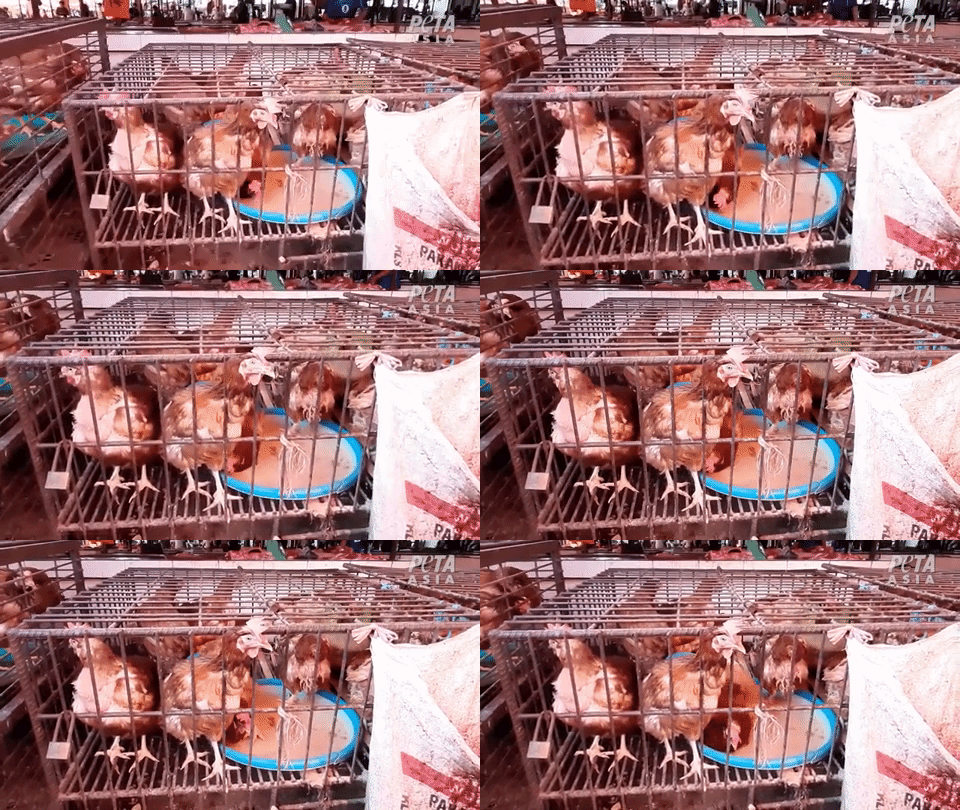
Can you tell the difference between these scared chickens in cramped, filthy cages …

chickens wet market

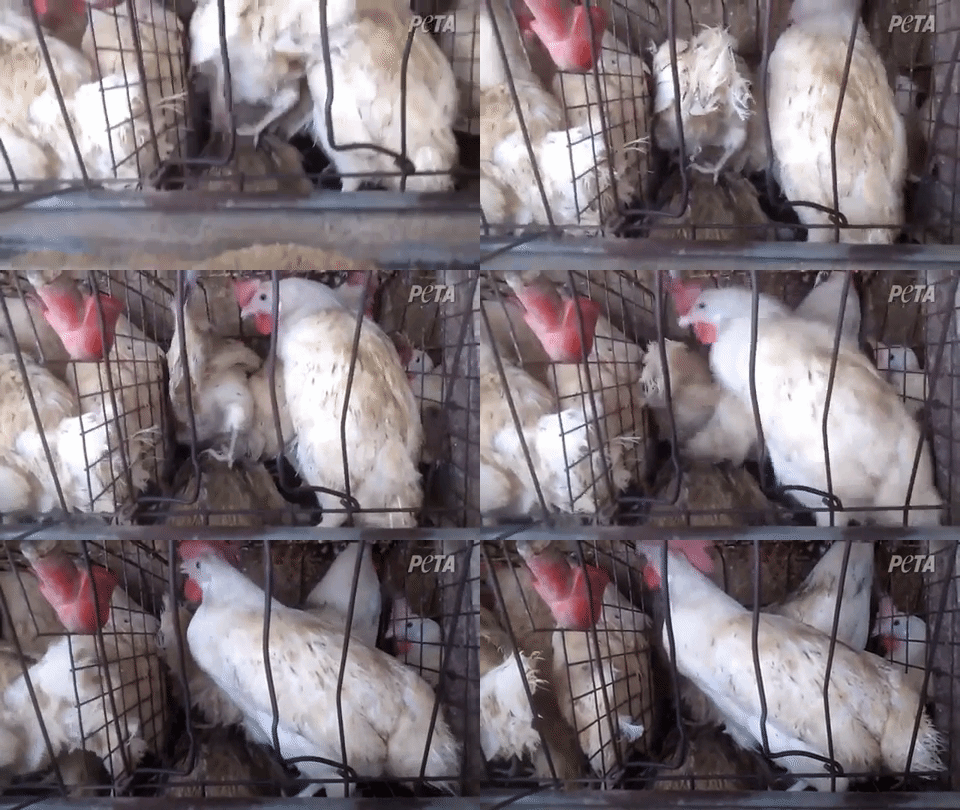
… and these forced to live alongside dead and dying cagemates?

chickens small cage dead cagemates

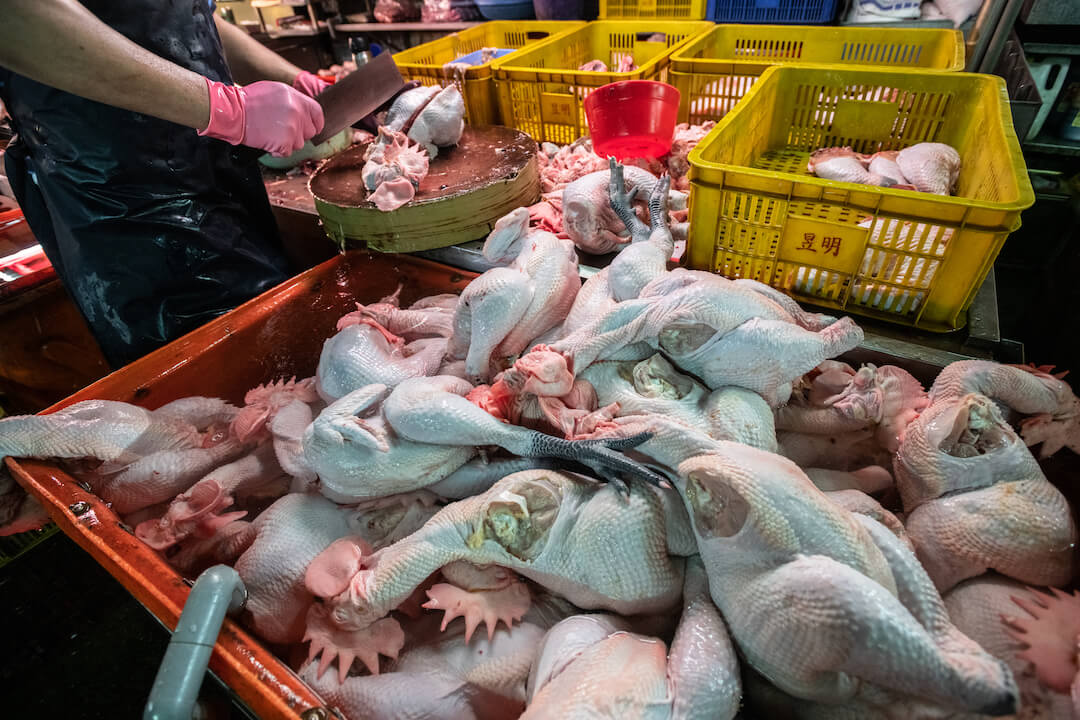
The chickens directly above were kept at a filthy egg factory farm in Oklahoma, while the ones above them were being sold at a blood-soaked “wet market” in Thailand—not that there’s much difference. And all these birds suffered immensely—slaughtered chickens at a wet market in the Philippines …

Vendor chops newly-delivered chicken carcasses at a wet market in Taipei.© Jo-Anne McArthur / We Animals

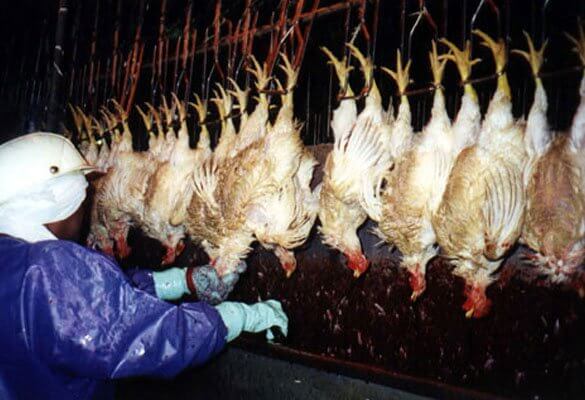
… and birds at a Tyson Foods slaughterhouse, whose throats were manually cut by a worker because the mechanical blade missed them:

covid-19 slaughterhouse concerns

It doesn’t matter if we’re talking about a wet market, a traditional factory farm, a “free-range” farm, an “organic” farm, or any other animal agriculture operation—humans’ appetite for flesh and other animal-derived foods is killing more than the meat industry’s intended victims.

Wet Markets vs. Factory Farms: Which Are Worse?

Most people are now familiar with wet markets (also sometimes referred to as “live-animal markets”)—one where live and dead animals are sold for human consumption—and their connection to the dry cough heard ’round the world. Experts believe that the novel coronavirus originated at a wet market in Wuhan, China. But while bats and pangolins (who hitch rides on their mothers’ tails as pups in nature) are the suspected reservoir species for COVID-19, deadly outbreaks like mad cow disease, avian flu, swine flu, and other zoonotic diseases have stemmed from farming domesticated (not wild or exotic) animals for food. Even more recent than the COVID-19 outbreak in the U.S. is an avian flu (aka “bird flu”) outbreak in South Carolina—a week ago, the U.S. Department of Agriculture (USDA) confirmed that highly pathogenic H7N3 avian influenza was identified among turkeys being raised for food. This strain reportedly mutated from a low pathogenic strain that had been previously identified in poultry in the same area.

JUST BECAUSE YOU DON’T SHOP AT A WET MARKET DOESN’T MEAN THAT YOU’RE SAFE FROM ZOONOTIC VIRUSES … OR ANTIBIOTIC-RESISTANT BACTERIA.

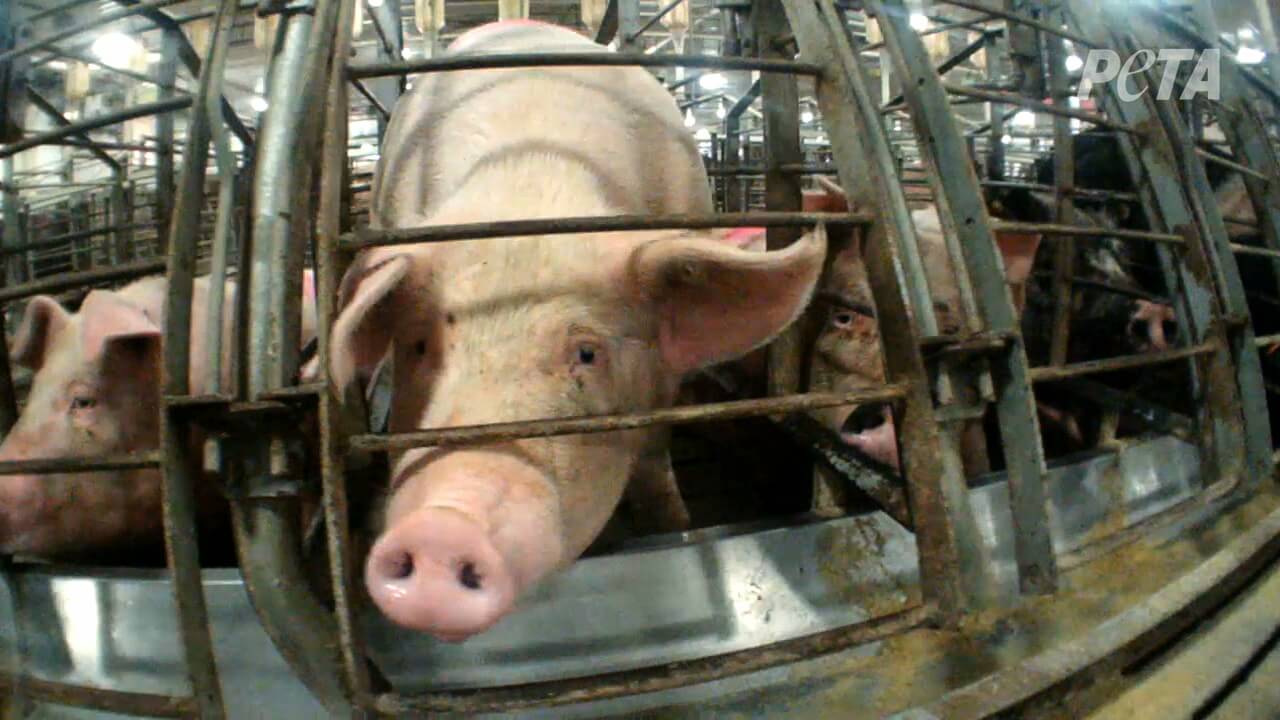
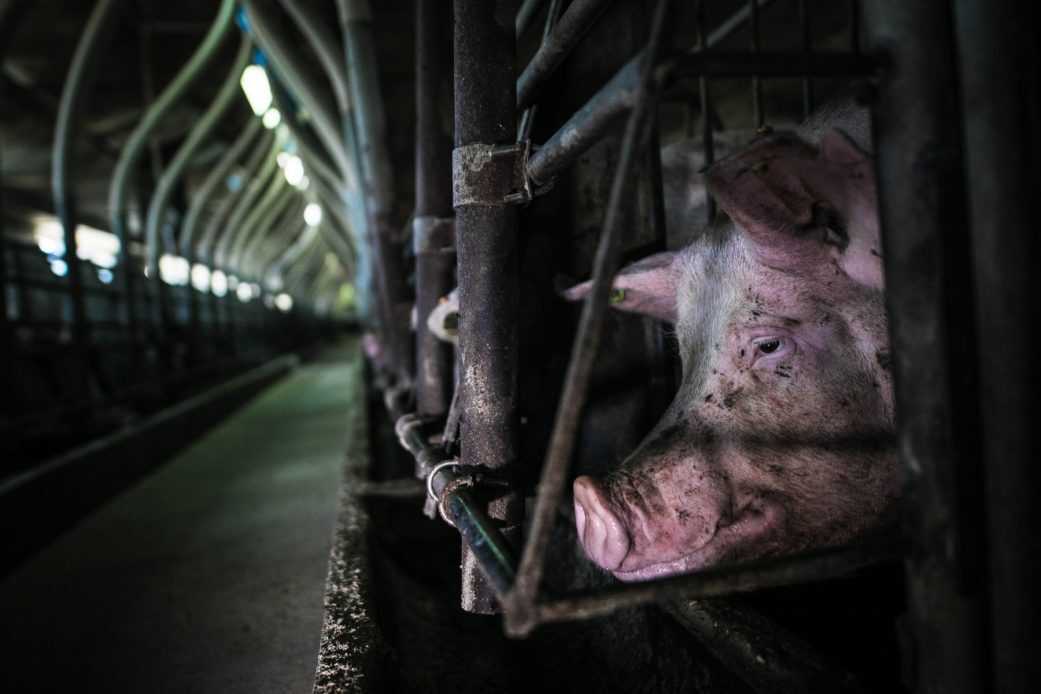
Farms crammed full of stressed animals are breeding grounds for deadly pathogens, including influenza viruses, which have originated in chickens and pigs. It’s these crowded, filthy conditions that breed antibiotic-resistant bacteria, too, also known as “superbugs.”

Why should you care about antibiotic-resistant bacteria?

When you get sick, the antibiotics prescribed by your doctor may not work because of the emergence of superbugs. On farms across the U.S., the antibiotics that we depend on to treat human infections are now used to keep cows, pigs, chickens, and others alive in horrific conditions that would otherwise kill them and to fatten them before slaughter.

COUNTLESS NEW STRAINS OF ANTIBIOTIC-RESISTANT BACTERIA HAVE DEVELOPED AS A RESULT OF THIS ABUSIVE PRACTICE.

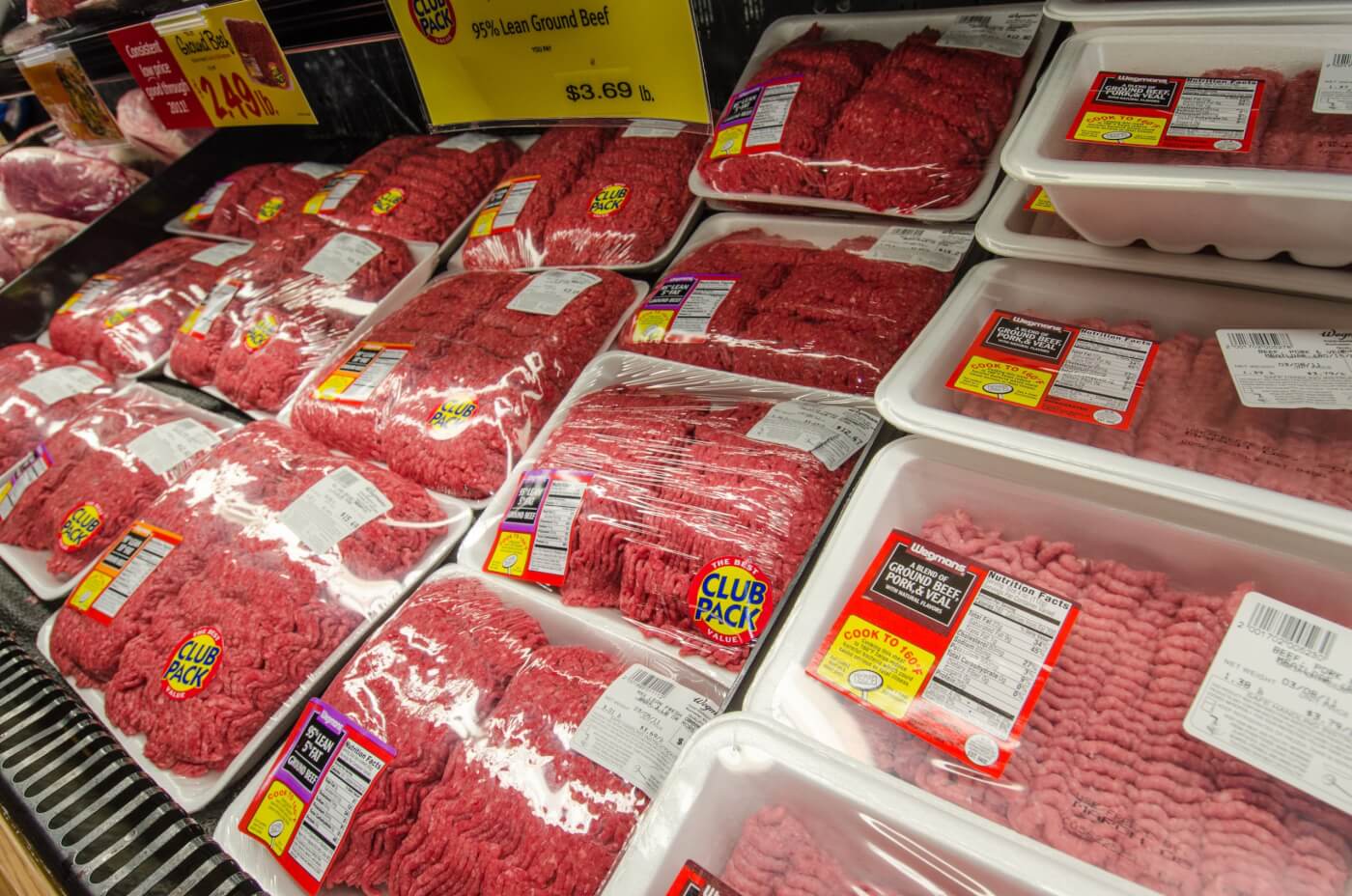
Antibiotic use is now more common on farm prisons than in human medicine. Roughly 80% of all antibiotics sold in the U.S. are given to animals on farms, who are likely now the largest source of drug-resistant bacteria. Nearly 80% of all meat found in U.S. grocery stores contains antibiotic-resistant bacteria, according to the Environmental Working Group.

raw meat supermarket

Findings indicate that these drug-resistant genes spread more extensively and quickly on farms than scientists previously thought. Researchers sounded the alarm on the meat industry, which has tried to downplay the concerns raised by experts, apparently deliberately putting the public at risk in order to protect its own interests. One infectious disease physician who studies antibiotic-resistant pathogens, James Johnson, likened the animal agriculture industry and its practice of “subverting public health” to the tobacco industry.

What about “antibiotic-free” labels?

Just like “organic,” “free-range,” and “cage-free” labels, “antibiotic-free” labels mean nothing to animals and are misleading to consumers. The U.S. Centers for Disease Control and Prevention (CDC) admits that the “antibiotic-free” label is not approved by the USDA and that it “has no clear meaning.” Furthermore, “antibiotic-free” meat is not necessarily free of antibiotic-resistant bacteria: “All animals carry bacteria in their gut, and some of these can be resistant germs,” the CDC website warns.

THINGS FOR ANIMALS ON FARMS—AND FOR THE HUMANS WHO EAT THEM—ARE ONLY EXPECTED TO GET WORSE.

The United Nations has called the emergence of drug-resistant superbugs “the biggest threat to modern medicine.” It’s anticipated that by 2050, antibiotic-resistant bacteria will kill one person every three seconds. In fact, some studies claim that by this time, more people will be dying of antibiotic-resistant diseases than of heart disease—which is the number one killer of humans in the world and kills one person every 37 seconds in the U.S. alone.

pig cage filthy farm

We’ve already seen these superbugs manifest in the form of global health pandemics. The 2009 H1N1 flu pandemic, for example, only saw humans infected, but the virus included genes from humans, birds, and pigs—it was a “quadruple-reassortant virus,” meaning that it contained genes from four different influenza virus sources. To put it simply, if there were no animal agriculture, it’s likely that neither “classical swine H1N1” viruses nor the 2009 H1N1 flu virus (which reportedly infected roughly 1.4 billion people and killed between 151,700 and 575,400 worldwide) would have existed.

THE ONLY WAY TO AVOID FARM-TO-TABLE PANDEMICS IS FOR EVERYONE TO GO VEGAN AND SHUT DOWN ANIMAL-FARMING OPERATIONS.

So while we should certainly call for a global ban on wet markets …

DISEASE-PRONE WET MARKETS HAVE GOT TO GO

… we should also crack down on all other industries that abuse, neglect, and slaughter animals. We can’t afford to wait for the next H1N1 flu or coronavirus. Please, ban meateggs, and dairy from your plate—before the next deadly zoonotic disease hits:

AVOID MEAT LIKE THE PLAGUE IT IS