The Sea Lion Defense Brigade meets with Sea Shepherd and other groups next week to go into specifics on a sea lion haul-out.
A sanctuary for the sea lions, tourism and revenue for the City of Astoria, win, win!
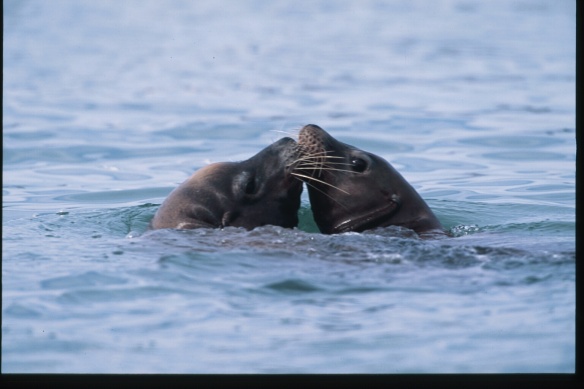
Wildlife Photography © Jim Robertson
By Edward Stratton
The Daily Astorian | Friday, April 25, 2014
A local’s nuisance could be a tourist’s reason for visiting.
Activists for the California sea lions that populate the Port of Astoria’s East End Mooring Basin say they see an alternative used in other communities to accommodate sea lions and boost tourism: give them their own docks.
“If you had the vision, you could do it, and I’m here to inspire you,” said Ninette Jones of the Sea Lion Defense Brigade April 15.
Jones has been silenced at the last two Port Commission meetings in a row by Chairman James Campbell. He’s declared her out of order and gaveled into silence. But Jones comes back and touts the tourism benefits of sea lions.
The Defense Brigade, said Jones, meets with Sea Shepherd and other groups next week to go into specifics on a sea lion haul-out. Sea Shepherd has offered to pay for a haul-out, which she estimates will cost $20,000 to $40,000.
“In order to be able to deter them successfully from piers, there must be suitable haul-outs nearby as options,” said Scott West, a former federal agent in charge of criminal investigations for Sea Shepherd. “Otherwise, the deterrents will fail.”
Interim Executive Director Mike Weston said that while protecting the Port’s infrastructure is its top priority, he sees a revenue-generating opportunity with the sea lions.
“I feel that the Port as a whole is working for a solution, and preferably a win-win solution,” said Weston, adding that he’d prefer any sea lion facility be closer to the jetty rocks around the basin and away from the docks.
Jones said the brigade is also in the process of forming a nonprofit and establishing an office along the Columbia River. And that might be just what the doctor ordered.
Newport’s solution
Sea lions have long been an attraction at the Port of Newport. Bob Ward and other community members formed the Newport Sea Lion Docks Foundation about two years ago to help keep them around.
“The Port probably has 30 other priorities ahead of sea lions,” said Ward, adding that it’s installed about 100 feet of replacement docks in the interim. “We haven’t asked the Port for a penny. It was hard work at first, but the first money is always the hardest to work.”
The nonprofit collects money from foundations, local businesses, at the docks and online. It’s raised $100,000 of $125,000 to buy 90 feet of sea lion dock and a viewing platform.
Ward said forming a nonprofit was a prerequisite to getting that far. It opened access to such funding sources as a $20,000 grant from the Oregon Community Foundation. The city of Newport pledged $50,000 if the group could raise $75,000.
Although one of the port commissioners in Newport is a commercial fishermen, said Ward, they understand the attraction of sea lions. About 250,000 people a year, he added, come to see the animals.
“If we hadn’t undertaken the responsibility of raising the money, it never would have happened,” said Ward.
“We see ourselves as a catalyst, a funding foundation to keep it going. In another 15 to 20 years, when they get beaten down, then we’ll try to replace them.”

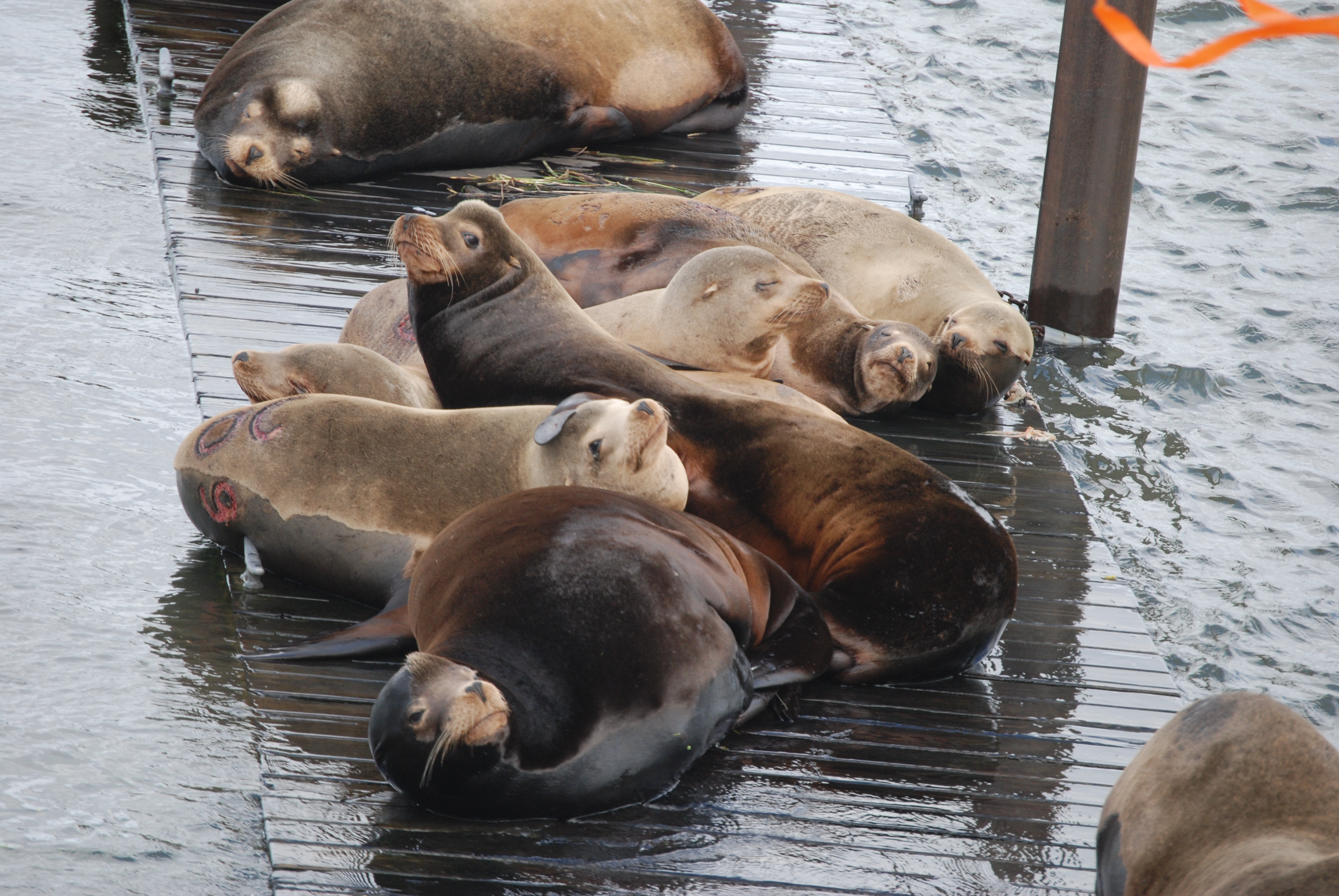 Inquisition was a necessary evil to prevent heresy and extract confessions from witches, branding sea lions serves no real purpose. Oh sure, the modern day inquisitors will argue that the tortuous process helps them decide which individual sea lions are most responsible for the capital crime of eating salmon at the Bonneville dam upriver.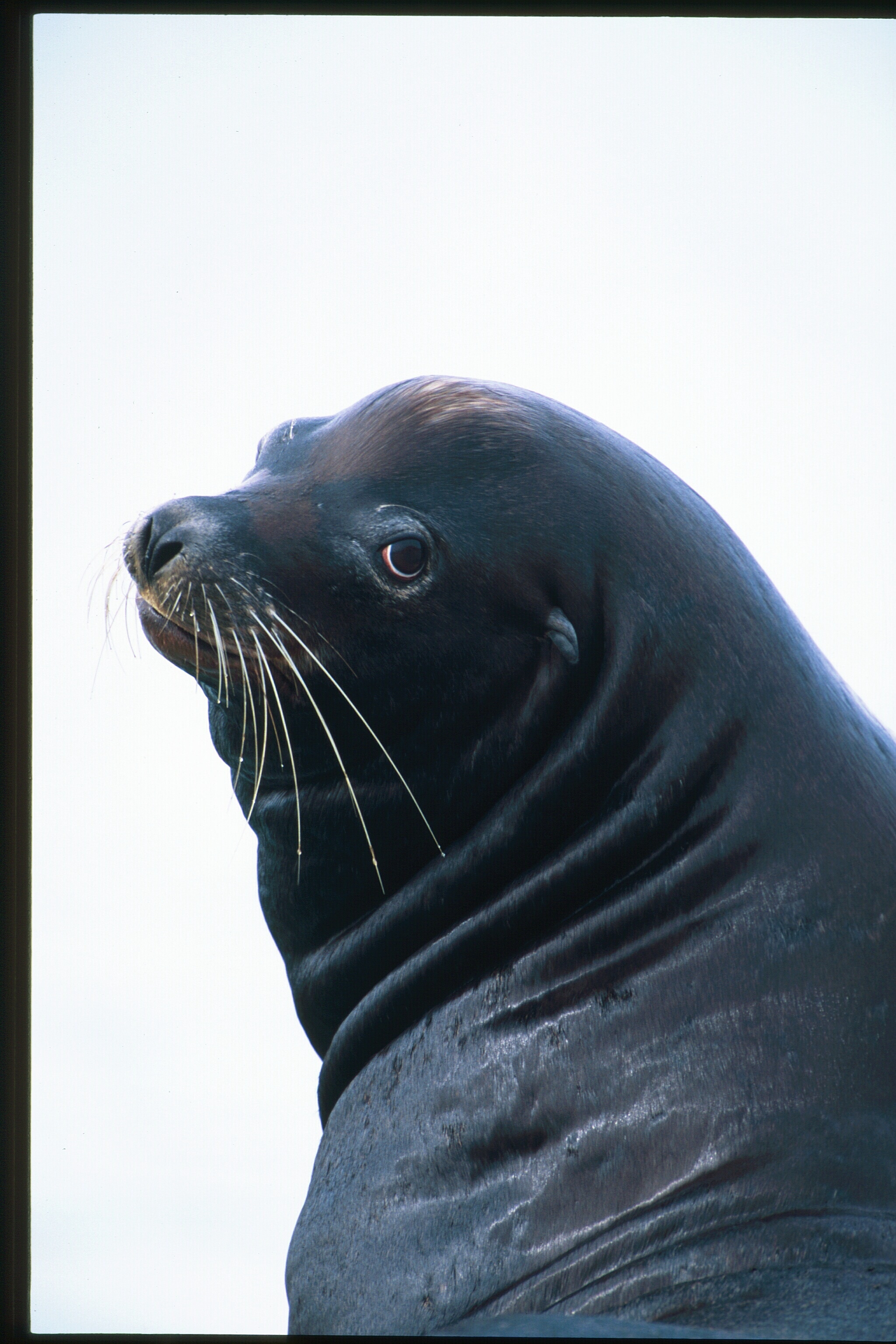



 Exposing the Big Game