| A Humane WorldKitty Block’s Blog |
| By Kitty Block and Sara Amundson |
In major win for animals, Mexico bans animal testing for cosmetics
3

| A Humane WorldKitty Block’s Blog |
| By Kitty Block and Sara Amundson |
Tom Rogan-Yesterday 2:00 PMLike|1732

China, on Wednesday, threatened to send warships into U.S. territorial waters.
TheGlobal Timescalledon People’s Liberation Army Navy warships to travel to “U.S. military bases in the Asia-Pacific and the U.S. allies’ coastlines to conduct close-in reconnaissance operations and declare freedom of navigation.” The editorial added that “the U.S. will definitely see the PLA show up at its doorstep in the not-too-distant future.”Adbrunchescrunches.comBig Change In Winthrop Leaves Drivers Fuming

This isn’t simple ranting. TheGlobal Timesoperates under Central Foreign Affairs Commission DirectorYang Jiechi. Its words represent a credible threat.
Why is China so furious?
It laments the “naked provocation” of a U.S. Navy destroyer’s transit, on Wednesday, within 12 miles of a Chinese artificial island in the South China Sea…
View original post 356 more words
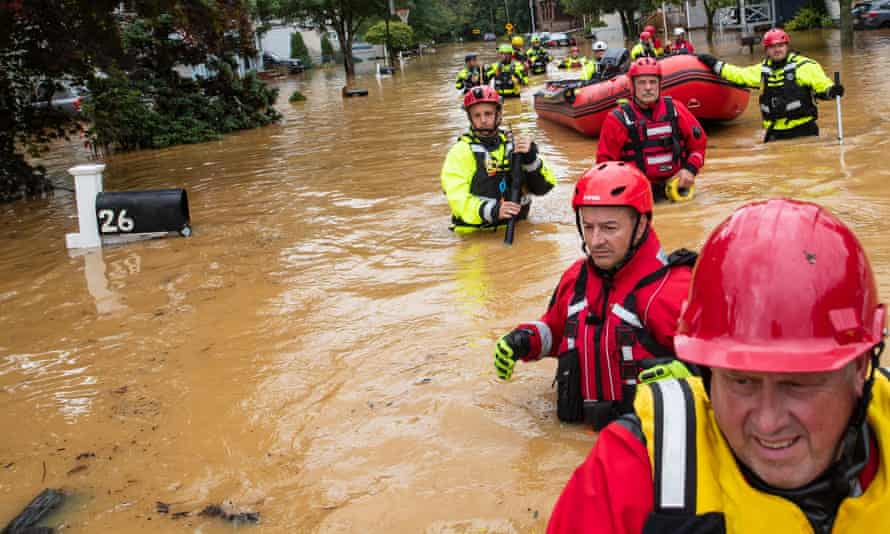
Climate policies commit us to a calamitous 2.9C of global heating, but catastrophic changes can occur at even 1.5C or 2C
Thu 9 Sep 2021 02.00 EDT
If there’s one thing we know about climate breakdown, it’s that it will not be linear, smooth or gradual. Just as one continental plate might push beneath another in sudden fits and starts, causing periodic earthquakes and tsunamis, our atmospheric systems will absorb the stress for a while, then suddenly shift. Yet, everywhere, the programmes designed to avert it are linear, smooth and gradual.
Current plans to avoid catastrophe would work in a simple system like a washbasin, in which you can…
View original post 830 more words
 A deer stag, dog, rat and mink looking at COVID-19 (Photo illustration by Salon/Getty Images)Facebook615TwitterReddit1Email1save
For six months out of the year, Dr. Jenessa Gjeltema has a very diverse and unusual roster of patients. The assistant professor of zoological medicine at University of California, Davis provides clinical work for hundreds and hundreds of animals at the Sacramento Zoo, from lions and giraffes to poison dart frogs and two-toed sloths. It doesn’t take long to intuit that she cares very deeply for each animal, which is why she was concerned when a meerkat became very sick during the early months of the COVID-19 pandemic.
“The meerkat presented with bloody nasal discharge coming out of its face and was in respiratory distress,” Gjeltema recalled. “It was just at the start of the pandemic, when we were getting significant amounts of community spread in our local area, and I was very concerned because we didn’t know as much as we do now about how the virus behaves in humans, much less all of the animals that were in our collection.”Advertisement:https://creative-p.undertone.com/2150/90301-1629975964/m213-0.htmlADVERTISEMENTSCROLL TO CONTINUE READING
Fortunately the meerkat was not infected and, after being comprehensively treated by medical experts, made a full recovery. Even so, the anxiety that she felt during this incident still clearly lingers with Gjeltema.
“It’s challenging to work with less than perfect knowledge,” she told Salon.
The knowledge we have today about animals and COVID-19 remains quite imperfect, although it has become less so than when Gjeltema had to assist the hapless meerkat. The story of the COVID-19 pandemic centers around a narrative of animal-to-human transition: The prevailing scientific theory is that it originated in a horseshoe bat, reached another animal through one or many “spillover events” (transmissions) and eventually got to a human host.
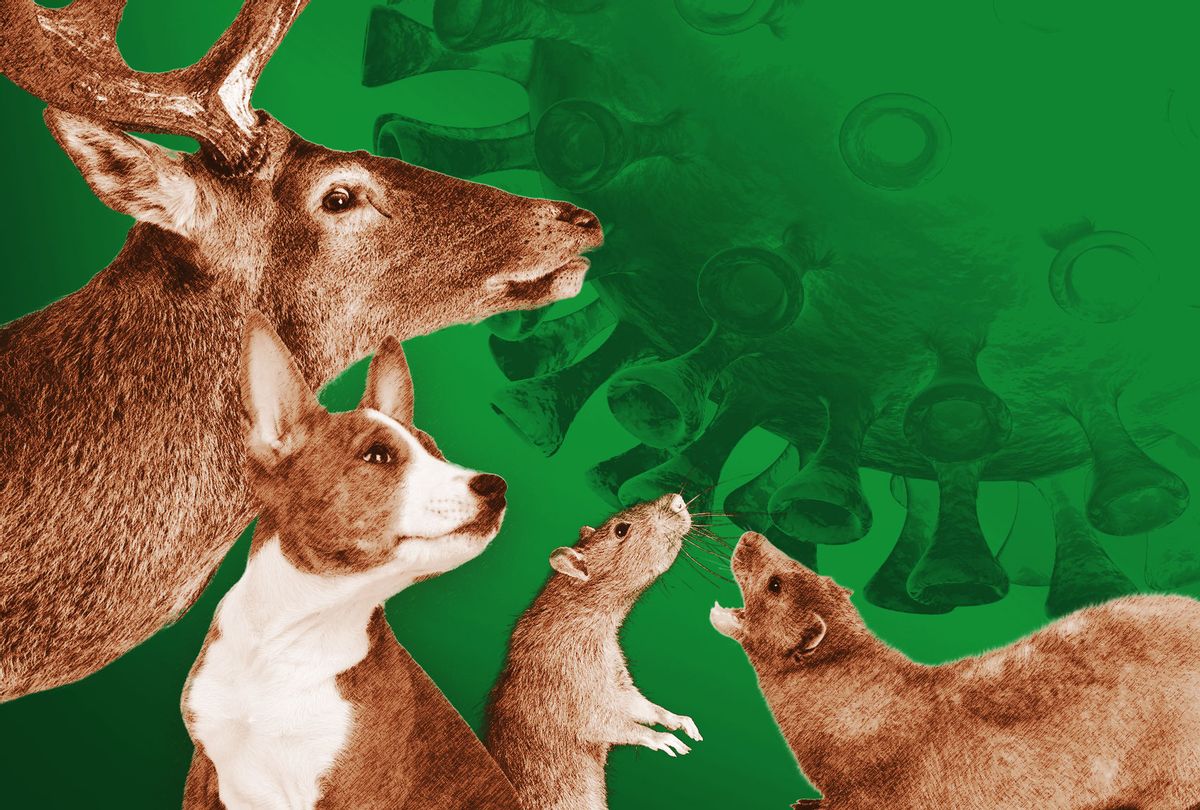
Yet zoo animals aren’t the only ones who seem to be catching the novel coronavirus. White-tailed deer in both Ohio and Michigan recently tested positive for SARS-CoV-2 antibodies, indicating previous infections. We know that companion animals like cats and dogs can develop COVID-19, while mink farmers are at risk of losing their entire industry because COVID-19 is virulent within that species. Advertisement:
There are two questions that logically emerge from the broader subject of COVID-19 and animals: The first is how this poses a threat to humans. The second is what it means for the animals themselves.
Currently, the Centers for Disease Control and Prevention (CDC) says that it is unlikely but not impossible for an animal to infect a human with SARS-CoV-2. Even though SARS-CoV-2 likely originated in bats, there is no evidence of any animal species playing a significant role in spreading COVID-19 among people. Nevertheless, the CDC advises people to avoid interacting with unfamiliar wildlife and to enforce vigilant personal hygiene standards after they make contact with strange animals.
Lyndsay Cole, a spokesperson for an Agriculture Department agency known as the Animal and Plant Health Inspection Service (APHIS), elaborated specifically on SARS-CoV-2 and white-tailed deer, which are widely and densely distributed through most of the United States. Scientists know for sure that SARS-CoV-2 antibodies exist in wild white-tailed deer, but they are unclear about how they were exposed to the virus and what impact this exposure will have for the deer, humans and other animals.Advertisement:https://creative-p.undertone.com/2150/87097-1618581792/m213-0.htmlADVERTISEMENTSCROLL TO CONTINUE READING
“There is no evidence that animals, including deer, are playing a significant role in the spread of SARS-CoV-2 to people,” Cole told Salon by email, later adding that “there have been no reports of deer showing clinical signs of infection with the virus.” Notably, the tests on the white-tailed deer samples looked for SARS-CoV-2 antibodies rather than the virus itself, which limits how much we know about the nature of what those deer are experiencing.
Lori Ann Burd, the environmental health director at the Center for Biological Diversity, explained that experts are concerned about mink because their behavior makes them susceptible to both developing infections and carrying them to other wildlife.
“Mink are extremely wide-ranging naturally, and they’re quite solitary,” Burd told Salon, noting that this makes mink extremely stressed when confined to the compact conditions of a mink farm. Indeed, such cramped conditions weaken their immune system and make them susceptible to respiratory diseases like COVID-19. As notoriously intelligent animals, mink can figure out how to escape from captivity and return to the wild, meaning that if they were previously infected by their human handlers, they could spread the disease to other wildlife and create a hotbed for new COVID-19 mutations. There is also the risk that previously infected mink could spread the disease to uninfected people at the farms.Advertisement:javascript:false;ADVERTISEMENTSCROLL TO CONTINUE READING
And what about man’s best friend, the ever-loyal dog? Sadly there is evidence that our canine companions can die from COVID-19, as Americans learned after Buddy the German shepherd died last year. At the same time, as with other animals, there is no evidence that dogs are major carriers of the disease or particularly likely to be harmed if exposed to it. Health experts agree that it would be cruel and unnecessary for ordinary dog owners to feel unsafe around their companions.
If international statistics are to be believed, cats have more reason to worry about COVID-19 than their supposed rivals. The World Organisation for Animal Health reported that as of last month there were 102 outbreaks of SARS-CoV-2 infections among cats, compared to only 90 among dogs. (They are also more likely to get seriously ill.) Mink had the most outbreaks with 358 while multiple outbreaks were also reported among tigers, lions, pumas and snow leopards.Advertisement:javascript:false;ADVERTISEMENTSCROLL TO CONTINUE READING
Want more health and science stories in your inbox? Subscribe to Salon’s weekly newsletter The Vulgar Scientist.
While scientists are not entirely clear about why certain animals are more likely to get infected than others, one prevailing theory is that it may have something to do with the ACE2 “receptor” (short for angiotensin-converting enzyme 2), a protein that serves as an entry point for SARS-CoV-2 to penetrate human cells. As a study published last year noted, it is possible to list animals that may or may not be more likely to be infected by the coronavirus based on their structure of these proteins.
The most vulnerable species to COVID-19 were catarrhine primates — a group that include chimpanzees, bonobos, Western lowland gorillas, olive baboons and Sumatran orangutans — but the scientists compiled a database with 410 vertebrates, including 252 mammals, to determine which ones had an ACE2 receptor that was likely to help the SARS-CoV-2 virus. They labeled as “high” risk animals like white-tailed deer, the Chinese hamster, the beluga whale, the giant anteater and the muskrat. At “medium” risk were golden hamsters, wild yak, jaguars, hippopotamuses and American bison. Giant pandas, polar bears, red foxes, dingos and horses were determined to be at “low” risk, while guinea pigs, harbor seals, striped hyenas, Northern elephant seals and Jamaican fruit-eating bats were deemed at “very low” risk.Advertisement:javascript:false;ADVERTISEMENTSCROLL TO CONTINUE READING
This information is helpful to Gjeltema, who told Salon that when managing the zoological collection she is particularly worried about primates. At the same time, she is also worried about the exotic felines because of their higher susceptibility, and the otters because they are closely related to mink, and their bats (for obvious reasons).
When all is said and done, Gjeltema says she has kept her zoo safe by following the basic premises of the CDC’s guidelines for humans.
“For example, we have established social distancing as much as possible,” Gjeltema explained. “We have all of our keepers wearing face masks. We don’t have members of the public interfacing near any of our susceptible animals. Obviously, good hygiene. We have close monitoring.”
When it comes to keeping animals safe from COVID-19, and people safe from animals who might have it, Gjeltema at least knows that those ideas will work.
20 Meat and Dairy Firms Emit More Greenhouse Gas Than Germany, Britain or France [The Guardian]
Livestock companies with large emissions receive billions of dollars in funding, campaigners say
Animals farmed is supported by

About this contentSophie KevanyTue 7 Sep 2021 04.00 EDT
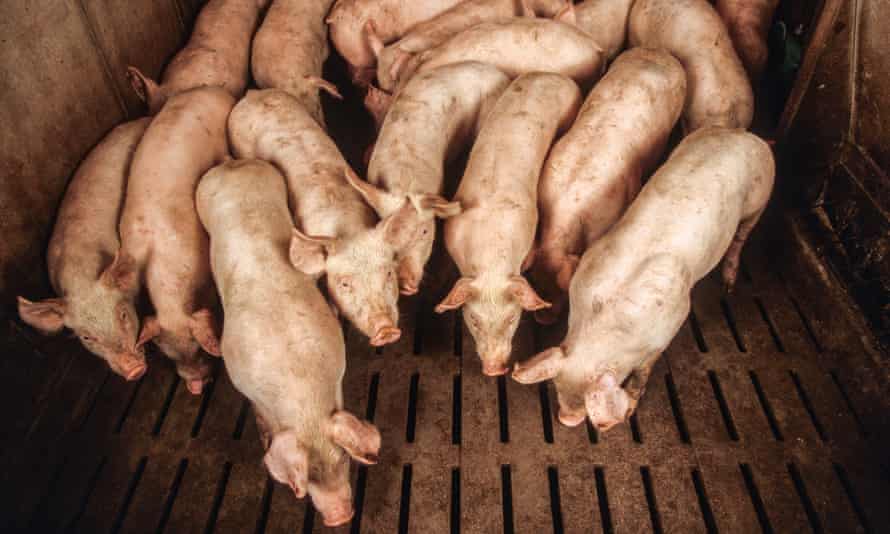
Twenty livestock companies are responsible for more greenhouse gas emissions than either Germany, Britain or France – and are receiving billions of dollars in financial backing to do so, according to a new report by environmental campaigners.
Raising livestock contributes significantly to carbon emissions, with animal agriculture accounting for 14.5% of the world’s greenhouse gas emissions. Scientific reports have found that rich countries need huge reductions in meat and dairy consumption to tackle the climate emergency.
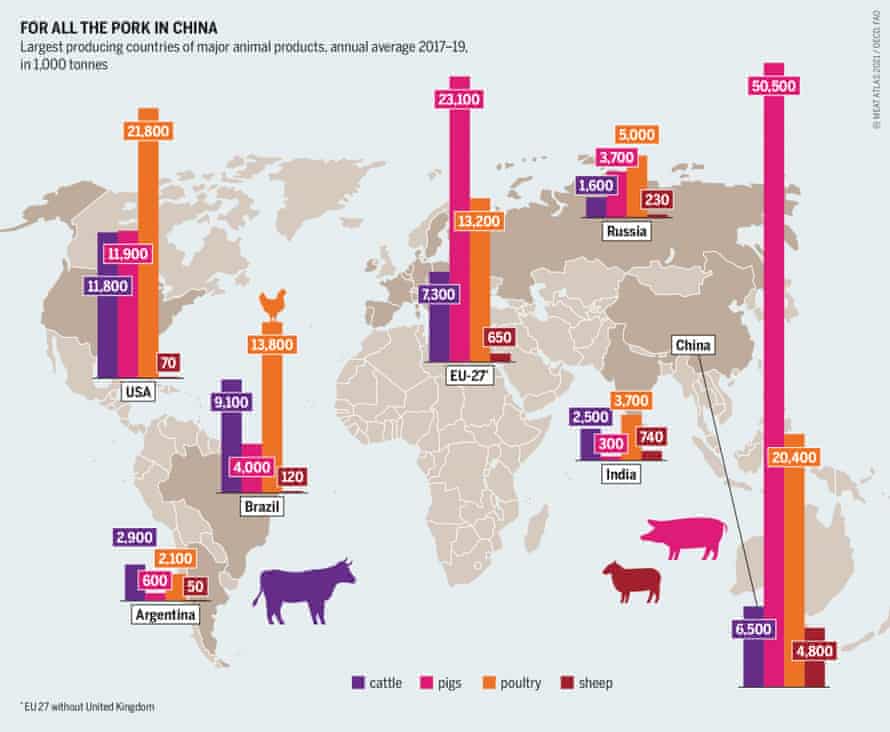
Between 2015 and 2020, global meat and dairy companies received more than US$478bn in backing from 2,500 investment firms, banks, and pension funds, most of them based in North America or Europe, according to the Meat Atlas, which was compiled by Friends of the Earth and the European political foundation, Heinrich Böll Stiftung.
With that level of financial support, the report estimates that meat production could increase by a further 40m tonnes by 2029, to hit 366m tonnes of meat a year.
Although the vast majority of growth was likely to take place in the global south, the biggest producers will continue to be China, Brazil, the USA and the members of the European Union. By 2029 these countries may still produce 60% of worldwide meat output.
Across the world, the report says, three-quarters of all agricultural land is used to raise animals or the crops to feed them. “In Brazil alone, 175m hectares is dedicated to raising cattle,” an area of land that is about equal to the “entire agricultural area of the European Union”.
The report also points to ongoing consolidation in the meat and dairy sector, with the biggest companies buying smaller ones and reducing competition. The effect risks squeezing out more sustainable food production models.
“To keep up with this [level of animal protein production] industrial animal farming is on the rise and keeps pushing sustainable models out of the market,” the report says.Advertisement


https://imasdk.googleapis.com/js/core/bridge3.478.2_en.html#goog_1547791190https://imasdk.googleapis.com/js/core/bridge3.478.2_en.html#goog_913388631https://imasdk.googleapis.com/js/core/bridge3.478.2_en.html#goog_1309769962
The recent interest shown by animal protein companies in meat alternatives and substitutes was not yet a solution, campaigners said.
“This is all for profit and is not really addressing the fundamental issues we see in the current animal protein-centred food system that is having a devastating impact on climate, biodiversity and is actually harming people around the globe,” said Stanka Becheva, a food and agriculture campaigner working with Friends of the Earth.
The bottom line, said Becheva, is that “we need to begin reducing the number of food animals on the planet and incentivise different consumption models.”
More meat industry regulation is needed too, she said, “to make sure companies are paying for the harms they have created throughout the supply chain and to minimise further damage”.
On the investment side, Becheva said private banks and investors, as well as development banks such as the World Bank and the European Bank for Reconstruction and Development needed to stop financing large-scale, intensive animal protein production projects.
Responding to the report, Paolo Patruno, deputy secretary general of the European Association for the Meat Processing Industry (CLITRAVI), said: “We don’t believe that any food sector is more or less sustainable than another. But there are more or less sustainable ways to produce plant or animal foods and we are committed to making animal protein production more sustainable.
“We also know that average GHG [greenhouse gas] emissions in the EU from livestock is half that of the global average. The global average is about 14% and the EU average is 7%,” he added.
In England and Wales, the National Farmers’ Union has set a target of reaching net zero greenhouse gas emissions in agriculture by 2040.

The Lincoln County Sheriff’s Office says they recovered the body of a man from the Fremont Slough Wildlife Area near North Platte Monday morning.Monday, September 6th 2021, 2:36 PM CDTUpdated:Wednesday, September 8th 2021, 11:03 AM CDTByNews Channel Nebraska
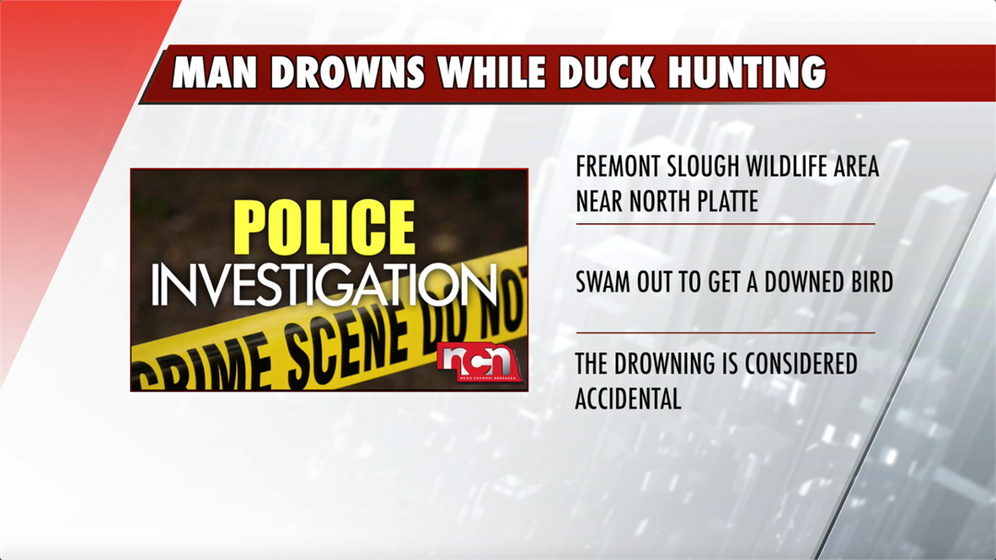
NORTH PLATTE, Neb. — A man is dead after drowning in central Nebraska.
The Lincoln County Sheriff’s Office says they recovered the body of a man from the Fremont Slough Wildlife Area near North Platte Monday morning.
The initial call was made Sunday night from the area. The caller told authorities a man was duck hunting and swam out to get a downed bird.
He reportedly went under and never surfaced.https://cee125880cc106554405f398802832eb.safeframe.googlesyndication.com/safeframe/1-0-38/html/container.html
Authorities have identified the victim as 21-year-old Brandan Freeman of North Platte.
The case is considered accidental and no foul play suspected.
Sep. 7, 2021 at 11:59 amUpdated Sep. 7, 2021 at 3:40 pm

Skip AdByMANDY GODWINThe Associated Press
In midsummer, fires were burning on both sides of the Methow River.Air quality was bad enough to make national news. In better times, Central Washington’s Methow Valley is a destination for world-class climbing, hiking and skiing. It’s remote. It’s beautiful. But like much of the West, it’s increasingly aflame.
On Aug. 20, for the first time, Gina McCoy and her husband, Tom McCoy, fired up a machine they believe offers a chance to reduce catastrophic wildfires in their valley — while simultaneously combating climate change and providing local jobs that help keep forests healthy.
Through C6 Forest to Farm, a nonprofit they founded last year, the McCoys plan to accelerate forest restoration by creating a…
View original post 2,004 more words
Warm-blooded animals are changing beaks, legs and ears to adapt to hotter climate and better regulate temperature

Helena HortonTue 7 Sep 2021 11.00 EDT
Animals are increasingly “shapeshifting” because of the climate crisis, researchers have said.
Warm-blooded animals are changing their physiology to adapt to a hotter climate, the scientists found. This includes getting larger beaks, legs and ears to better regulate their body temperature.
When animals overheat, birds use their beaks and mammals use their ears to disperse the warmth. Some creatures in warmer climates have historically evolved to have larger beaks or ears to get rid of heat more easily. These differences are becoming more pronounced as the climate warms.
If animals fail to control their body temperature, they can overheat and die. Beaks…
View original post 559 more words
September 8, 20219:41 AM ET
THE ASSOCIATED PRESS

Anti-abortion rights demonstrators gather in the rotunda at the Capitol while the Senate debated anti-abortion bills in Austin, Texas in March.Jay Janner/AP
DALLAS — Texas Gov. Greg Abbott on Tuesday defended a new state law banning most abortions that also does not provide exceptions for cases of rape or incest, saying it does not force victims to give birth even though it prohibits abortions before some women know they’re pregnant.
Abbott, a Republican, added that Texas would strive to “eliminate all rapists from the streets” while taking questions during his first press conference since the law took effect last week.
The comments drew new criticism from opponents of the Texas law that is the biggest curb on abortion in the U.S. since they were legalized a half-century ago, prohibiting abortions once medical professionals can detect cardiac activity, which is usually around six weeks. Though abortion providers in Texas say the law is unconstitutional, they say they are abiding by it.
“His comments are confusing to me because they certainly do not seem to reflect the realities of this law,” said Amy Jones, the chief executive officer of the Dallas Area Rape Crisis Center.Article continues after sponsor messagehttps://e66f7db2e799d892f24b4937323ae5dc.safeframe.googlesyndication.com/safeframe/1-0-38/html/container.html
Recent surveys by the U.S. Department of Justice found that most rapes go unreported to police, including a 2019 survey that found about 1 in 3 victims reporting they were raped or sexually assaulted.
Abbott signed the measure into law in May. Although other GOP-led states have passed similar measures, they have been blocked by courts. Texas’ version differs significantly because it solely leaves enforcement to private citizens who can sue abortion providers who violate the law.
Abbott was asked about the new abortion restrictions while signing into law an overhaul of Texas’ election rules.
“Texas will work tirelessly to make sure that we eliminate all rapists from the streets of Texas by aggressively going out and arresting them and prosecuting them,” Abbott said.
Jones said Abbott’s statements were both confusing and disheartening. She said she’d “like to hear more” from Abbott on his statement on eliminating rape.
“Certainly it is in our mission statement to work to end sexual violence, that is why we exist, but we are also very aware that that is an aspirational goal that yes, we do believe that this is a preventable crime, but it if it were that easy, rape would no longer exist,” Jones said.
The Justice Department has said it will not tolerate violence against anyone who is trying to obtain an abortion in Texas as federal officials explore options to challenge the law.
https://royalsocietypublishing.org/doi/10.1098/rspb.2021.1741
Simo Njabulo Maduna,Jon Aars,Ida Fløystad,Cornelya F. C. Klütsch,Eve M. L. Zeyl Fiskebeck,Øystein Wiig,…See all authorsPublished:08 September 2021https://doi.org/10.1098/rspb.2021.1741
Loss of Arctic sea ice owing to climate change is predicted to reduce both genetic diversity and gene flow in ice-dependent species, with potentially negative consequences for their long-term viability. Here, we tested for the population-genetic impacts of reduced sea ice cover on the polar bear (Ursus maritimus) sampled across two decades (1995–2016) from the Svalbard Archipelago, Norway, an area that is affected by rapid sea ice loss in the Arctic Barents Sea. We analysed genetic variation at 22 microsatellite loci for 626 polar bears from four sampling areas within the archipelago. Our results revealed a 3–10% loss of genetic diversity across the study period, accompanied by a near 200% increase in…
View original post 1,345 more words

