Hunting advocacy group attempts to intervene in lawsuit over DNR board chair Frederick Prehn

https://www.msn.com/en-us/news/politics/hunting-advocacy-group-attempts-to-intervene-in-lawsuit-over-dnr-board-chair-frederick-prehn/ar-AANHIZ2


Laura Schulte, Milwaukee Journal Sentinel  1 day agoLikeComments


GOP lawmaker who spearheaded Trump tax cuts says Dems have great…Explosions in Kabul leave casualties, chaos at airport amid evacuations by U.S…

MADISON – A hunting advocacy group is asking to intervene in a legal battle over whether Frederick Prehn can remain on the Natural Resources Board even though his term expired this spring. a man standing in front of a television: Fred Prehn of Wausau is facing increasing calls to vacate his seat on the Natural Resources Board. His term expired May 1 but a rarely-used rule allows him to stay on until the Senate confirms his replacement.© Paul A. Smith Fred Prehn of Wausau is facing increasing calls to vacate his seat on the Natural Resources Board. His term expired May 1 but a rarely-used rule allows him to stay on until the Senate confirms his replacement.

Hunter Nation, a Kansas-based advocacy group, is asking to intervene on behalf of hunters in Wisconsin. The group is being represented by the conservative Wisconsin Institute for Law & Liberty. https://www.dianomi.com/smartads.epl?id=3533

Anthony LoCoco, an attorney with WILL, said the group decided to intervene to ensure the voices of all parties are being heard in the argument over whether or not Prehn should be able to retain his seat, despite the fact that his term expired in May. 

Get daily updates on the Packers during the season.

“Hunter Nation represents a valuable perspective in the suit, which is the voice of the regulated community,” he said. “And they would like to intervene to argue that Chairman Prehn lawfully holds over in his seat.” 

More: ‘Wisconsin deserves better’: Advocates, public decry Prehn’s refusal to leave Natural Resources Board after term expired

Prehn has repeatedly refused to step down from his position on the board after Gov. Tony Evers announced a new appointee — Sandra Dee Naas — at the end of April. He has continued to chair board meetings and participate in votes since May, as Naas has watched from the public seating area at each. 

In past interviews, Prehn has stated that important upcoming votes have fueled his desire to stay in the seat, including the August vote on the upcoming fall wolf hunt in which the quota was set at 300 animals, and other votes on water quality issues, including regulations for PFAS, or “forever chemicals.” The wolf quota was more than double the 130 recommended by the agency.

More: Standards for ‘forever chemicals’ in groundwater, drinking water in Wisconsin will move forward, despite pushback from industry

He said a 1964 state Supreme Court decision allows for board members to stay on after their term expires, until a replacement is confirmed by the state Senate. According to that decision, the expiration of Prehn’s term does not create a vacancy on the board. Vacancies only occur if there is a death, resignation, formal removal or the board member moves out of state.

So far, leaders of the Republican-led Senate have given no indication that they plan to schedule hearings for Democratic Gov. Evers’ appointees. 

But, in the lawsuit filed last week in Dane County Circuit Court, Attorney General Josh Kaul argues that the 1964 ruling no longer holds because state law has changed since then. He’s asking the judge to issue an order removing Prehn from the board or confirming Evers has the power to do so, even without a confirmation hearing held by the state Senate.

State lawmakers also asked to intervene in the lawsuit after it was filed. Senate Majority Leader Devin LeMahieu of Oostburg said the action was necessary because the case is “about upholding the statutes and practices of the Legislature,” and to prevent the erosion of the people’s voice in the appointment process.

The Republicans’ request was approved Friday, and two lawyers were hired to represent Prehn on the Legislature’s behalf, in addition to the attorney already appointed to defend Prehn by the state. 

LoCoco said Wisconsin members of Hunter Nation are affected by the decisions of the Natural Resources Board, which serves as the policy-setting arm of the Department of Natural Resources. 

“Hunter Nation is regulated by the Natural Resources Board in all of their hunting activities,” he said. “And so they have an interest in ensuring that the board is lawfully constituted, operating lawfully and not illegally spending taxpayer funds, since many of its members are Wisconsin taxpayers.” 

Hunter Nation is currently being represented by WILL in another open lawsuit against the DNR, tied to the February wolf hunt. The group filed the lawsuit after DNR officials said they didn’t plan to hold a winter hunt during the 2020-2021 season. A judge ruled that the agency had to hold a hunt, which saw hunters exceed the state-licensed quota by 83%.

That case is still pending in Jefferson County Circuit Court. 

A decision on Hunter Nation’s intervention in the Prehn lawsuit, the decision now lies with Dane County Circuit Court Judge Nia Trammell. No hearings have yet been set in regards to the attempts by the Legislature or Hunter Nation to intervene. 

AG challenger asks Kaul to drop suit, ‘do his job’ 

The lawsuit filed by Kaul has drawn ire from others, including one of his Republican challengers in the 2022 election.

Fond du Lac District Attorney Eric Toney, 37, issued a release Monday calling on Kaul to drop the “political stunt” of a lawsuit. Toney announced his bid for the office in April. 

Toney said the law is the law, and Kaul shouldn’t be looking to change it.

“The law requires a confirmation hearing for the appointee to take over if there isn’t a vacancy,” he said. “The rule of law is what we have to abide by and the rule of law isn’t always popular. The problem that we have is our Attorney General is continuing to play politics with the office.”

Toney said he wants to see Kaul focus on filling vacant prosecutor positions, as well as the vacant position of Department of Criminal Investigation director and other unfilled positions instead. 

“We need an attorney general who’s actually going to fight crime and keep our community safe,” he said. “And fill positions that have gone unfilled as we’ve seen a violent crime surge in our state.” 

Laura Schulte can be reached at leschulte@jrn.com and on Twitter at @SchulteLaura. 

Our subscribers make this reporting possible. Please consider supporting local journalism by subscribing to the Journal Sentinel at jsonline.com/deal.

DOWNLOAD THE APP: Get the latest news, sports and more

This article originally appeared on Milwaukee Journal Sentinel: Hunting advocacy group attempts to intervene in lawsuit over DNR board chair Frederick Prehn
Meat wars: why Biden wants to break up the powerful US beef industry

https://www.theguardian.com/environment/2021/aug/25/meat-wars-why-biden-wants-to-break-up-the-powerful-us-beef-industry

As the pandemic drives calls for a radical overhaul of the food system, can the president take on the meat giants?

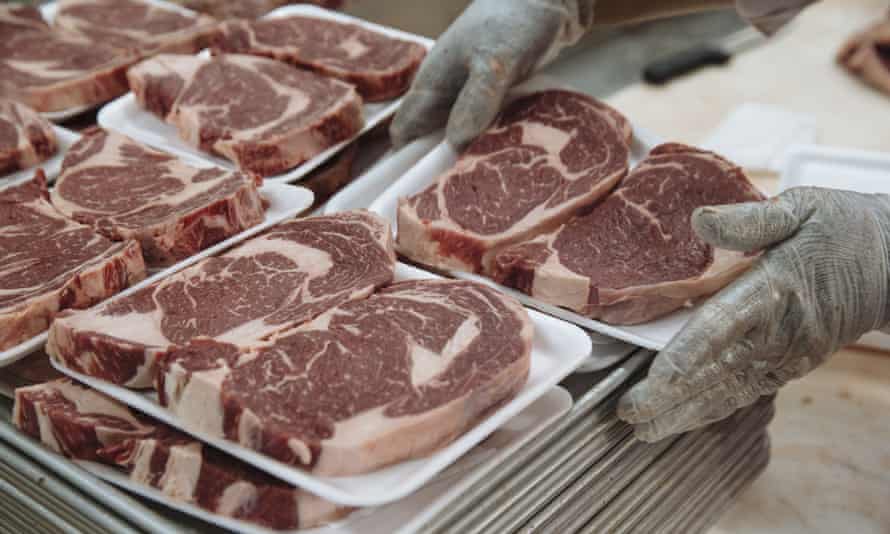
A worker stacks sliced beef steaks on a tray in a supermarket in New Jersey, US.
The vulnerability of meat industry workers was laid bare by the pandemic, campaigners say. Photograph: Angus Mordant/Bloomberg /Getty

Animals farmed is supported by

Animals farmed

About this contentSarah MockWed 25 Aug 2021 02.01 EDT

Both the planet and US politics have heated up in tandem over recent decades, but few sectors have stewed in controversy quite like America’s beef industry. Four super-powered meatpackers control more than 80% of the US beef market, an extraordinary concentration of market power that the Biden administration is not happy about.

A recent executive action signed by the president aims to increase competition in the beef industry, with the White House noting that, over the past five years, “farmers’ share of the price of beef sales has dropped by more than a quarter – from 51.5% to 37.3% – while the price of beef has risen”.

But how were the big four meatpackers able to capture so much of the US beef processing capacity? They had help.Advertisement‘No deadline’ on evacuatingAmericans from Kabul,saysBlinken – livehttps://imasdk.googleapis.com/js/core/bridge3.476.0_en.html#goog_429603287https://imasdk.googleapis.com/js/core/bridge3.476.0_en.html#goog_1913740956https://imasdk.googleapis.com/js/core/bridge3.476.0_en.html#goog_2138455815

When explaining the history of consolidation in US meatpacking, it is normal to begin in the age of Upton Sinclair’s 1906 novel The Jungle. In the wake of Sinclair’s muckraking exposé on the industry of the time, Congress passed the Pure Food and Drug Act and the Federal Meat Inspection Act, aimed at cleaning up the meat supply for consumer health and challenging the nearly unrestricted power of these players.

Josh Specht, an environmental and business historian, offers another interpretation of this starting point. “These acts accepted the state of the meatpacking industry as of 1906,” he writes in his book, Red Meat Republic. “Big meatpacking was no longer questioned, it was regulated.”

A third act, passed in 1921, the Packers and Stockyards Act, was specifically intended to break up the vertical integration of the big companies by forcing them to sell off their interests in businesses that owned, for example, railroads or refrigerated trucks.

This did much to check the power of big packers, Specht says, though labour movements of the 1940s and 50s were just as important. But eventually the industry would revive the old playbook of earning steep profit through immense scale and labour exploitation, and today, all four of the largest beef processors of Sinclair’s time are still around in some form.

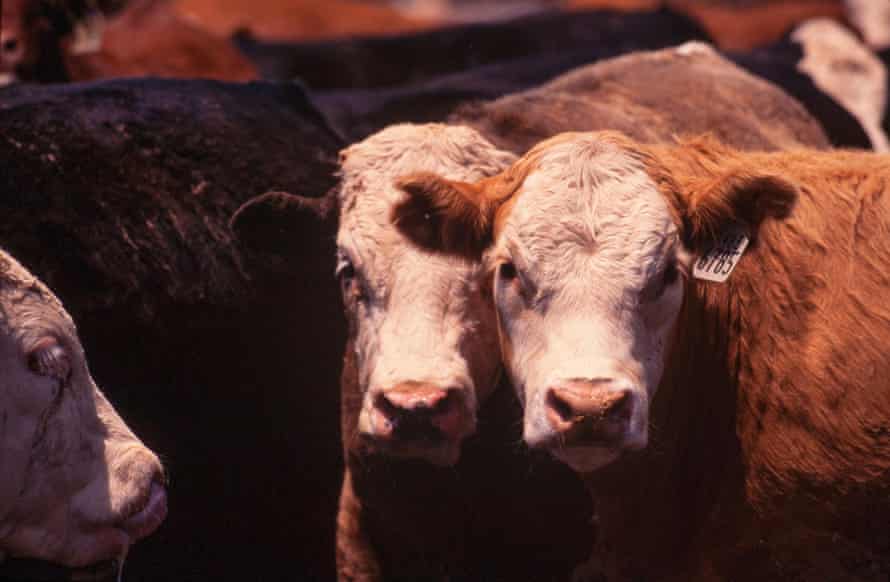
Cattle in Kansas
Four super-powered meatpackers control more than 80% of the US beef market. Photograph: Ken Hawkins/Alamy

Advertisementhttps://2d7b2819bf308a74781411c10f2e4f67.safeframe.googlesyndication.com/safeframe/1-0-38/html/container.html

Today’s big four – Tyson, JBS USA, Cargill and National Beef – are more than just the heirs to the American meatpacking legacy. They are also multinational giants, two of which are majority-owned by Brazilian companies. In fact, in 2020, many packers were criticised for the amount of meat that was exported at a time when processing was limited due to Covid outbreaks in processing plants, driving up prices and creating shortages at grocery stores that affected US consumers.

But today’s big four didn’t grow into behemoths overnight. In the mid-1970s, they controlled as little as 20% of the meatpacking market. What changed? The answer, in part, lies beyond the meatpacking sector, with corn farmers and grocery stores.

It’s no accident that the 1970s marked the re-ascendance of a concentrated meatpacking industry. The early and mid-70s were a period of explosive growth and high demand for agricultural products, when farmers across the country were experiencing some of the highest relative incomes seen in US agriculture, before or since.

During this time, farmers and ranchers with cash to hand and access to cheap financing were looking to make investments in their agricultural businesses that would improve cashflow. Especially in the Great Plains, cattle feedlots were just the ticket, requiring relatively limited amounts of land. These years witnessed a boom in the number and size of feedlots, along with advances in antibiotics, feed and cattle genetic technologies.

By the late 70s and early 80s, market conditions led to a dramatic oversupply of grain, and though many farmers suffered historic losses, those who had invested in feedlots were able to buy cheap feed to fatten cattle in their new or expanded confined animal feed operations. These factory-like facilities did what they were meant to do – they helped their owners avoid the downside risk of producing seasonal and weather-dependent crops.

In 1979, grain-fed cattle accounted for a quarter of the US’s total beef production, but that number has shot up over the past 40 years to more than 60% today.

The feedlots that found the most success tended to be in the Great Plains, from the Dakotas to Texas, located in a sweet spot between the midwest’s feed grain abundance and the intermountain west’s supply of feeder cattle (young cattle weighing 500–600lb, which are brought to market weight in a feedlot).

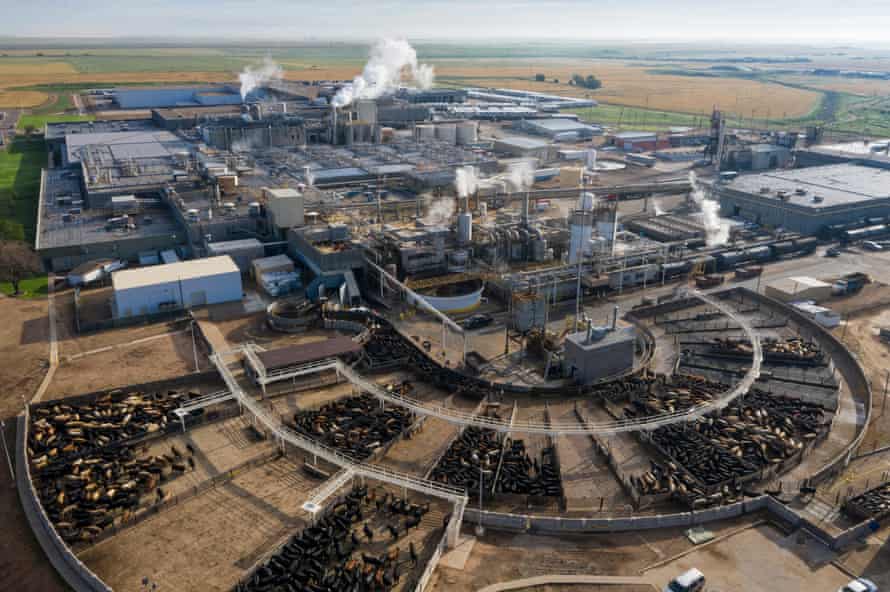
A Tyson beef processing factory, with cattle about to be slaughtered in foreground.
Cattle farms have become larger and more intensive since the 1970s. Photograph: George Steinmetz/The Guardian

Advertisementhttps://2d7b2819bf308a74781411c10f2e4f67.safeframe.googlesyndication.com/safeframe/1-0-38/html/container.html

Meatpackers followed behind these feedlots, which also trended towards consolidation, though not as dramatically as packers. Today, less than 5% of feedlots control 80% of the fed cattle market, most of which are located in just five states.

As the number of cattle suppliers that a given meatpacker had to work with declined, the number of meat buyers also diminished, and their average size grew.

By the 90s, consolidation in the US grocery sector was already well under way, with the top 20 food retailers in the country selling nearly 40% of all retail groceries. By 2019, the top four food retailers were capturing that same 40% of sales, according to the USDA, while in metropolitan areas, their share was over 70%. Grocery’s big four – Walmart, Target, Albertsons and Kroger – are able to exert a surprising amount of power over their suppliers, even over the big four meatpackers.

“It’s what we call the power of the purchase order,” says Errol Schweizer, former vice president of grocery for Whole Foods, now an industry adviser. “Retail buyers have a lot of say over the supply chain in terms of their ability to send a purchase order or withhold the purchase order.”

The power of the purchase order is significant, as contracts with major retailers are both extremely competitive and lucrative. The biggest and most centralised meatpackers are usually able to offer the lowest prices to supply retailers with vast and reliable quantities of familiar meat cuts daily, and the fewer meat suppliers a grocery chain works with, the lower their costs of doing business. In this way, as fewer and fewer grocery chains own more and more of the market, they turn to the fewest and biggest meatpackers, further entrenching a system of mega-players all the way through the beef system.

But the clout that comes with being a mega-buyer has its limits, as has been witnessed with continuously climbing beef prices. These increases are a result of Covid-related slowdowns in meatpacking, caused mainly by outbreaks in meatpacking plants that led to thousands of workers falling ill and hundreds dying. Packers passed price increases through to their retail customers, who in turn passed them on to consumers.

The feedlot-packer-grocery mega-group might be showing signs of fraying. In 2020, Walmart made a small step towards taking over some of its own meat processing by opening a new facility in Georgia to make “case-ready” cuts of meat, not unlike Costco’s 2019 opening of a poultry plant in Nebraska. This seems to be a sign that big retailers are looking to take back some margin from meatpackers, though currently on a very small scale.

Employees at the JBS meat packing plant in Greeley, Colorado

However it happens, many believe that reducing the consolidated power of these big players is critical, not only to keep consumer prices low and ranchers in business, but to protect US food security. The global pandemic is not the only event to reveal just how fragile the current consolidated system is – the recent cyber-attack on JBS, which cost the company an $11m (£8m) ransom, halted one-fifth of the US’s meat processing capacity for days, with the effects felt up and down the supply chain.

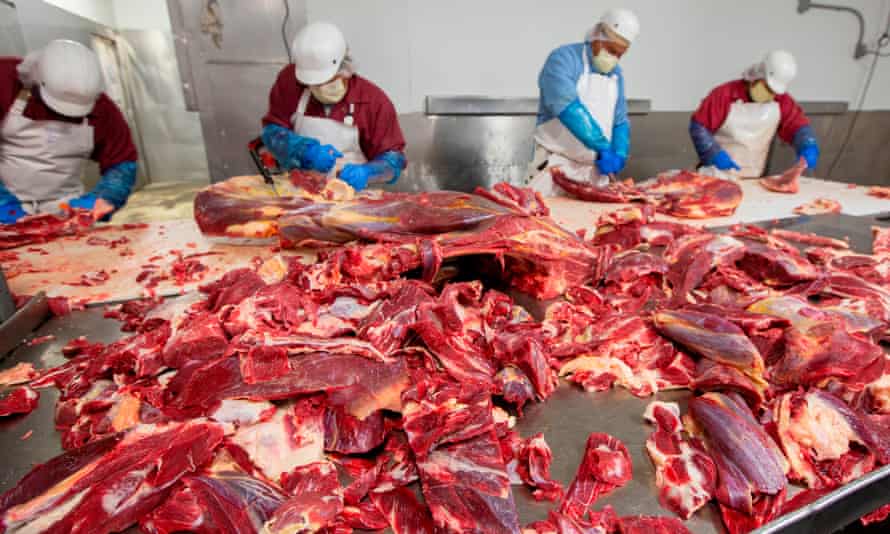
Butchers chop up beef in Rigby, Idaho, 26 May 2020.
Experts say not enough was done to safeguard meat plant workers’ health during the pandemic. Photograph: Natalie Behring/AFP/Getty

Advertisement

Advocates say that if one of the aims of reducing consolidation is to improve protections for workers, particularly the vulnerable meatpacking workers who sickened and died from Covid-19 at rates well beyond the average, the pressure must be on the whole food system, not just meatpacking companies.

“Not one grocery retailer said, ‘Hey, this isn’t right’,” Schweizer says of retail meat buyers when reports of illness and death related to plants surfaced. Instead, he says, retailers prioritise having meat in stock no matter what, as it’s an important driver of customer loyalty for grocers. But it was well within their power, he says, to withhold or slow down purchases to pressure meatpackers to improve conditions and protect workers.

As pandemic-driven changes to the food system continue to play out, experts will be carefully watching how the Biden administration attempts to tackle consolidation in the meatpacking sector. Austin Frerick, a Yale-based competition and antitrust expert, is optimistic that some meaningful steps will be taken soon, but says what he’s seen so far does not break with the historical trend.

“The state of play for the last 40 years,” Frerick says of political efforts to break up the big meatpackers, “has been empty words. This is a question of political courage.”

South Lake Tahoe could see evacuation warning as Caldor Fire nears

Exposing the Big Game's avatarThe Extinction Chronicles

https://www.sfgate.com/renotahoe/article/Caldor-Fire-Tahoe-evacuations-South-Lake-where-map-16410948.php

Photo of Eric Ting

Eric Ting,SFGATEAug. 25, 2021Updated: Aug. 25, 2021 10:54a.m.

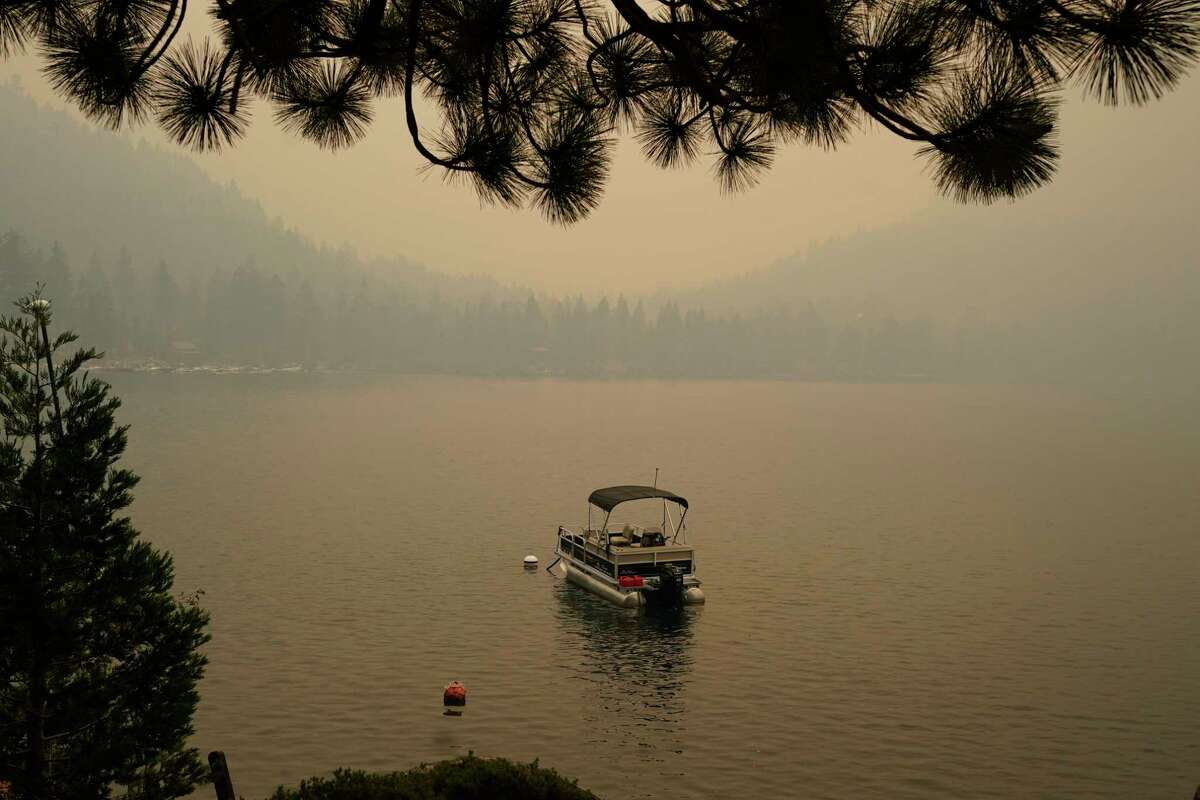
Smoke from the Caldor Fire shrouds Fallen Leaf Lake near South Lake Tahoe, Calif., Tuesday, Aug. 24, 2021. The massive wildfire that is over a week old has scorched more than 190 square miles, and destroyed hundreds of homes since Aug. 14. It is now less than 20 miles from Lake Tahoe.
Smoke from the Caldor Fire shrouds Fallen Leaf Lake near South Lake Tahoe, Calif., Tuesday, Aug. 24, 2021. The massive wildfire that is over a week old has scorched more than 190 square miles, and destroyed hundreds of homes since Aug. 14. It is now less than 20 miles from Lake Tahoe.Rich Pedroncelli/AP

-Updates:Get info on the Caldor Fire from theEldorado National Forest.
-Information line:530-303-2455
-Evacuations:Get the latest info from theU.S. Forest Serviceand from a map posted by theEl Dorado County Sheriff’s Office.
-Maps:Find from theForest Service.https://1b14e7ba7038184eda793140a5f98644.safeframe.googlesyndication.com/safeframe/1-0-38/html/container.html

Residents of the South LakeTahoeregion could soon face an evacuation warning as the raging Caldor Fire draws closer.More for you

https://1b14e7ba7038184eda793140a5f98644.safeframe.googlesyndication.com/safeframe/1-0-38/html/container.html

During a community briefing…

View original post 266 more words

Dog meat traders to be prosecuted for the first time in Indonesian history

Exposing the Big Game's avatarThe Extinction Chronicles

A Humane WorldKitty Block’s BlogCalendar Icon August 25, 2021Many of the dogs found bound in the traders’ truck wore collars and were friendly, suggesting that they were likely pets stolen from the streets. HSIIndonesia’s first-ever prosecution of dog meat traders under animal health and food safety laws represents another milestone in the global campaign to protect dogs from being slaughtered for food. A district attorney on the island of Java recently confirmed plans to prosecute dog traders intercepted by police in May while transporting 78 dogs in a truck. The traders were taking the dogs to slaughter; maximum penalties include up to five years imprisonment and fines of up to four billion Indonesian rupiahs ($275,000).This case involves the first such interception in Indonesia. The Dog Meat Free Indonesia coalition, of which Humane Society International is a founding member, had been pressing authorities for the action, and has been making…

View original post 738 more words

This Hauntingly Beautiful Image Shows Greenland’s Massive Melt

https://gizmodo.com/this-hauntingly-beautiful-image-shows-greenland-s-massi-1847546651?fbclid=IwAR1bqCubqC0UWwKiGCxwY_66Bhz6MNMPdj2irq_Us0Dq40kx-LslyUEHxj0

A new satellite image captured over the southwestern part of Greenland shows the damage last week’s heat wave did to the ice sheet.

ByDharna NoorYesterday 11:40AMComments (3)Alerts

Image: European Union, Copernicus Sentinel-2 imagery

The image above is beautiful, but looks can be deceptive. It shows there’s way too much ice is melting in Greenland, and we should all be concerned.

The tranquil, surreal scene was captured by a European Space Agency satellite over the weekend. It shows meltwater swirling over the ice cap in the southwestern part of the country. But while everything looks calm, the image is a sign of a future that’s anything but.

The melting on the ice cap was triggered by an Arctic heat wave—the region’s second major one of the summer. It brought temperatures in some areas to 32 degrees Fahrenheit (18 degrees Celsius) warmer than the seasonal average, and also caused raindrops to fall at the National Science Foundation’s Summit Station, a weather observatory roughly 2 miles (3 kilometers) above sea level, for the first time in recorded history.

The ice melt extent peaked at 337,000 square miles (872,000 square kilometers) on Sunday, according to the National Snow and Ice Data Center. That’s an area of about half of the ginormous sheet. That’s major, especially so late in the season. But this meltdown was actually slightly smaller than the big melt event that happened in late July, which spread across 340,000 square miles (880,595 square kilometers). Due to this year’s heat, the Greenland ice sheet reached its highest maximum daily melting rate recorded since 1950, losing seven times more ice than normal, according to an analysis by University of Liège climate scientists.

Related Stories

7 Graphics That Show Why the Arctic Is in TroubleIt Rained at the Summit of Greenland’s Ice Sheet for the First Time Ever RecordedAstonishingly Large Coral Spotted in the Great Barrier Reef

There’s only one other year when multiple melt events covered more than 309,000 square miles (800,306 square kilometers). That year is 2012 in case you ever have to answer a Jeopardy! clue about it. During that summer, winds lofted massive amounts of soot from wildfires in other parts of the Arctic to Greenland, which drove a meltdown across nearly the entire ice sheet surface. Continue watchingBreaking Down the Sinister Secrets of Spider-Man No Way Home’s Trailerafter the adhttps://imasdk.googleapis.com/js/core/bridge3.476.0_en.html#goog_709461302https://imasdk.googleapis.com/js/core/

.html#goog_337810984https://imasdk.googleapis.com/js/core/bridge3.476.0_en.html#goog_227797099https://imasdk.googleapis.com/js/core/bridge3.476.0_en.html#goog_466961927https://imasdk.googleapis.com/js/core/bridge3.476.0_en.html#goog_466961930https://imasdk.googleapis.com/js/core/bridge3.476.0_en.html#goog_466961932https://imasdk.googleapis.com/js/core/bridge3.476.0_en.html#goog_466961934https://imasdk.googleapis.com/js/core/bridge3.476.0_en.html#goog_466961936https://imasdk.googleapis.com/js/core/bridge3.476.0_en.html#goog_466961942https://imasdk.googleapis.com/js/core/bridge3.476.0_en.html#goog_466961944javascript:falsejavascript:false

The full size view of the satellite image.

Though the meltwater left behind these events is painting beautiful pictures across the ice, the warming is a climate warning. The Arctic is heating up faster than any other location on Earth. Dark-colored meltwater absorbs more heat than ice or snow, so when water pools on the ice, it can create a feedback loop, spurring more ice to melt and widening the deep blue ponds. The blue melt ponds visible in the image are essentially dreamy pools of hot fudge that spell the ice sheet’s ruin. Rainwater can also quicken the melting, and the pockmarks the rain leaves behind can further destabilize the sheet. Soot has also shown up on the ice sheet with more alarming regularity, adding another means to melt. Even sunny skies are working against Greenland’s ice, and all these factors are leading to long-term damage.

That’s driving sea level rise up. According to the recent United Nations climate report, seas are rising faster than at any point in the last 3,000 years, and ice melt from Greenland and Antarctica’s ice sheets is the main reason why. So yes, meltwater ponds over ice caps are gorgeous, but the scenes they could create around the world are gruesome.

Parenting Amid Delta Is the Heartbreak That Didn’t Need to Happen

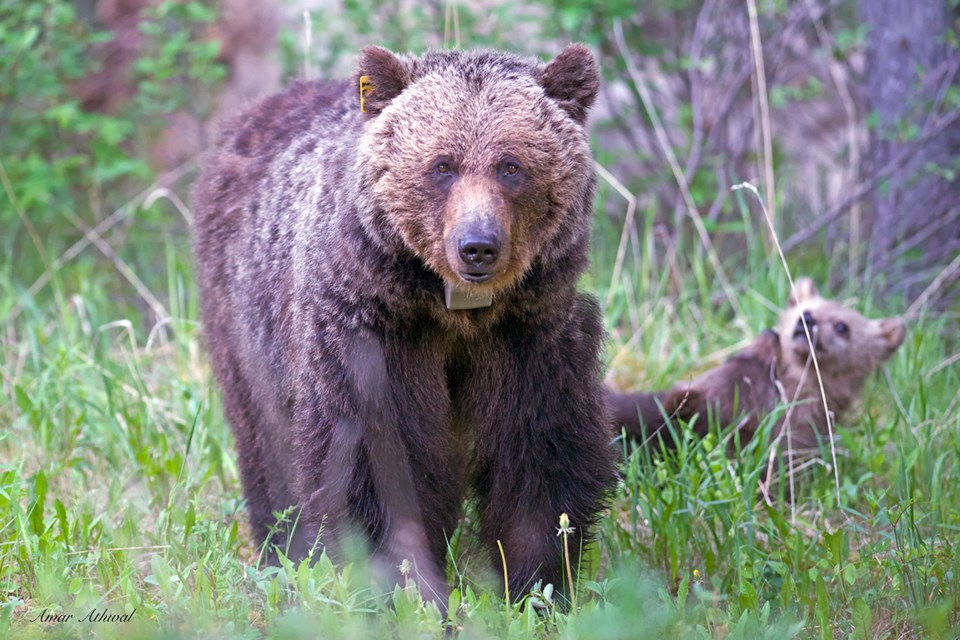
Third female grizzly bear killed in Banff and Yoho this summer

“Losing one grizzly bear, irrespective of whether it’s a male or female, is one too many, but it’s that’s much more of an impact when it’s a reproducing female.”about 2 hours ago By: Cathy Ellis

Grizzly 130 140627Grizzly bear No. 130 was struck and killed by a train near Vermilion Lakes west of the Banff townsite this past June. SUBMITTED PHOTO

LAKE LOUISE – A third female grizzly bear was killed this summer at the hands of humans in Banff and Yoho national parks.

The bruin, which emerged from her den in spring with cubs, was struck and killed on the Icefields Parkway near Bow Lake on Friday (Aug. 20) at about 10:45 a.m. Her newborn cubs were killed earlier this year, likely by a large male grizzly bear.

The status of Banff’s grizzly population is said to be stable, but Parks Canada officials say the death of three females under human-caused circumstances within a few months of each other is a blow given how slowly grizzly bears reproduce.

“Losing one grizzly bear, irrespective of whether it’s a male or female, is one too many, but it’s that much more of an impact when it’s a reproducing female,” said David Laskin, acting wildlife ecologist for Lake Louise, Yoho and Kootenay.

“It does add up and we’re uncertain of the impact that might have down the road, but it’s definitely not a good thing and we’re very concerned.”

Female grizzly bear No. 156 was killed on the Trans-Canada Highway in Yoho National Park at the end of May, leaving behind two orphaned yearling cubs. The cubs, a male and a female, were relocated into a remote backcountry area within their mother’s traditional home range, which included parts of Banff and Yoho national parks.

Then in June, another prominent mama grizzly bear known as No. 130 was struck and killed by a train near Vermilion Lakes, west of the Banff townsite. One of her yearling cubs was killed in the incident, while the other one survived uninjured and was left to fend for itself in the wild.

Bear 130, initially collared as part of the joint Canadian Pacific Railway-Parks Canada study to reduce bear deaths on the train tracks, had at least four sets of cubs during her life. She was believed to be aged somewhere between 18 and 20.

The female grizzly bear killed by a vehicle last week on the Icefields Parkway is thought to be the same one that has been denning in the Bow Lake region the past several winters. She has had two litters of cubs in her nine-and-a-half-years of life, but none have survived.https://cf43aabd9ccbaf28fde6928036173631.safeframe.googlesyndication.com/safeframe/1-0-38/html/container.html

“Given the overlap of where the bear was killed and the home range of that bear, it is likely the same individual,” Laskin said, noting she was never tagged or collared but was known to staff.

For the past two winters, Parks Canada has closed Jimmy Junior-Hidden Bowl on the eastern slopes of Mount Jimmy Simpson south of Bow Summit, to keep backcountry skiers from interrupting her winter slumber.

The closure was initially put in place in 2019 when a group of skiers spotted her in her den. But in June and July last year during the breeding season, she was spotted with a large male grizzly so the closure was put in place again in winter 2020-21.

There was concern any noise or disturbance near her den could cause her to miscarry, or lose newborn cubs if she had successfully bred. As it turned out, she emerged with two cubs this spring.

However, resource conservation officers witnessed a large male grizzly bear killing one of the cubs, and the other one disappeared around the same time.

“We’re not certain what happened,” Laskin said.  “Predation by males is quite common so it is not unthinkable that it had the same fate as the other cub.”

Grizzly bears are listed as threatened in Alberta and research has shown grizzlies in Banff National Park produce more slowly than any other bear population in North America because of limited food and the harsh, mountain environment.

In North America, grizzly bears once ranged from the Pacific Ocean to the Mississippi River and from central Mexico to the Arctic Ocean. It’s estimated that up to 20,000 grizzly bears remain in western Alberta, Yukon, Northwest Territories and British Columbia.

The Committee on the Status of Endangered Wildlife in Canada (COSEWIC) lists grizzly bears as a species of special concern. In British Columbia, they are blue-listed and in Alberta they are threatened.

According to Parks Canada, the current estimate of the grizzly bear population in the mountain nationals parks includes 65 grizzly bears in Banff, 109 in Jasper, 11 to 15 in Yoho and nine to 16 in Kootenay.

Colleen Campbell of the Bow Valley Naturalists said the news of this female grizzly bear’s death is extremely disheartening.

“This is really sad, especially that it is a female because it is not just the loss of her life, but it’s the loss of her potential breeding success,” she said.

“They are very slow breeders and one grizzly bear might bring up successfully three or four cubs over her lifetime, and only a couple of them would be females who might breed, so it’s not like an exponential growth of animals we see with humans.”

This bear was the daughter of bear 9301 and the granddaughter of the famous bear known as Blondie, which both included the Bow Lake region in their home ranges.https://cf43aabd9ccbaf28fde6928036173631.safeframe.googlesyndication.com/safeframe/1-0-38/html/container.html

For Campbell, this death is particularly sad because she tracked Blondie for 12 years as part of grizzly bear research project.

Blondie was killed on the Trans-Canada Highway near the Lake O’Hara junction.

“She died in 2004,” said Campbell. “It’s so sad to see this pattern continue with her granddaughter.”

Laskin did not know if speed played a part in this most recent grizzly bear death, but Parks Canada urges drivers to obey the speed limit and to drive with caution, especially in the early morning and evening hours when wildlife are most active.

“We do take protection of wildlife very seriously and the team here works very hard to reduce these mortalities as best as we can,” Laskin said.

“But keeping bears and other wildlife safe is a shared responsibility. We can’t do it alone.”

Parks Canada asks that all wildlife sightings on the roads or any wildlife incidents be reported to Parks Canada Dispatch at 403-762-1470.

Read more from RMOToday.com

Satellite video shows Mount Shasta “poking its head” through wildfire smoke and clouds in California


https://www.cbsnews.com/news/wildfires-satellite-video-mount-shasta-california-caldor-fire/

AUGUST 23, 2021 / 11:12 AM / CBS/AP

A wildfire burning for a week in Northern California continued to grow out of control, one of about a dozen big blazes in the drought-stricken state that have destroyed hundreds of homes and forced thousands of people to evacuate. The National Oceanic and Atmospheric Administration tweeted a satellite video of wildfire smoke and clouds completely shrouding part of northern California — except for the peak of Mount Shasta.https://platform.twitter.com/embed/Tweet.html?dnt=true&embedId=twitter-widget-0&features=eyJ0ZndfZXhwZXJpbWVudHNfY29va2llX2V4cGlyYXRpb24iOnsiYnVja2V0IjoxMjA5NjAwLCJ2ZXJzaW9uIjpudWxsfSwidGZ3X2hvcml6b25fdHdlZXRfZW1iZWRfOTU1NSI6eyJidWNrZXQiOiJodGUiLCJ2ZXJzaW9uIjpudWxsfSwidGZ3X3NwYWNlX2NhcmQiOnsiYnVja2V0Ijoib2ZmIiwidmVyc2lvbiI6bnVsbH19&frame=false&hideCard=false&hideThread=false&id=1429814586937643010&lang=en&origin=https%3A%2F%2Fwww.cbsnews.com%2Fnews%2Fwildfires-satellite-video-mount-shasta-california-caldor-fire%2F&sessionId=f2776efd34c50a5d6965202b43b4568d51627c01&siteScreenName=CBSNews&theme=light&widgetsVersion=1890d59c%3A1627936082797&width=550px

The satellite spotted the mountain “poking its head through the layer of #wildfire #smoke and clouds across northern California yesterday,” NOAA tweeted. “With an elevation of more than 14,000 ft, it’s the second-highest peak in the Cascades.”

The video was released as officials said the Caldor Fire had grown to over 106,560 acres and was only 5% contained as of Monday morning. CBS Sacramento reported the fire has destroyed at least 403 homes, 148 minor structures and six commercial properties, and is threatening more than 17,800 buildings. The cause was under investigation.

Firefighters hoped to take advantage of calmer weather and cooler temperatures a day after gusts pushed the fire across U.S. Route 50, threatening more remote communities in El Dorado County.https://www.cbsnews.com/newsletters/widget/e879?v=074fa69f5bbc6db0c4142803f172c3c0&view=compact#vVNNb9swDP0rgk4bEDWy49Z2bh06YL0MBdqdmiLQB90ItSVDkmMERf%2F7KMdJip6H3ewnko98fHynro%2FG2UDX7xSU00DXFKqypgu6NzDin3JdL1REoHfBpGAEb0OASH44faAfCxq9UG%2FGvqYiJvy0Qrag6Tr6ARZU%2BGhUC7dD3Dl%2Fj%2FAzXXEtlJaK3YhKsCyDnNU6yxnnWdVAJTiXnL58Sf0tOkjJSgYLYyDfdkZrsEQeWmPh%2B6f4RELLpm4aLkomoLlhBc8VkzfXNSulrOQq41LrFT2nPAzyTsQ0fM7zjPGK5SuSXa%2BzfJ1Xl7AnE9sUFDC2bU0EsjcaHAk7hx11brARv0WIgmxQrqQJMTGQHQi9oSTuvBted2Q0rW6MBxI69wZEWE1U6wYdiLFEidY0zlsjPvEeephWYSPYuJ1RfFeubUGlpRyVFYXMeQENy%2BVNzYpCK1aXUDPUoCwLjsquRFLqkneSdYQQwdtzbyGFadgbdWLXEN6i65HVhDvYJ62SKcTrKSCtZYuidAijU%2BCXAZ9KD1OthDweOTEWsSM05yJhjzY0eyAjSHxDJqOmTTYl11CtJJM5Dja5RawaznheZ1lVZFV5XZ8SjtMcqw8B%2FFxdWCRd0NZ0JtJ1cdb10Q1eTcrKsFmKNJv0uI6HVkTcQTfxz4bbpm63FxECnovVwh%2BeEjEe0PPLV%2FBen2BMnVubq6WGATc9dOloeu8a0356TgkYAjbJjK86nZlKYxj0xx%2FfIryLsQ%2FrzXKzHMfxak68wnPdLNMXwqdVsrNf2eRXNjmVHZ3KLoZLn9p5lpI2y3m5%2F5VsFulfFf34%2BAs%3D

Erratic winds sent embers flying into tinder-dry fuel beds, starting new ignition points and challenging crews trying to chase down the flames in rugged terrain.

“We know this fire has done things that nobody could have predicted, but that’s how firefighting has been in the state this year,” Eldorado National Forest Supervisor Chief Jeff Marsolais said.

Multiple large wildfires have incinerated at least 700 homes, many in and around the Sierra Nevada communities of Greenville and Grizzly Flats. About 13,000 residences remained under threat in communities tucked away in scenic forests.

The fires have burned roughly 2,300 square miles (6,000 square kilometers) and have sent smoke as far as the East Coast. They were burning in grass, brush and forest that is exceptionally dry from two years of drought likely exacerbated by climate change.WATCH MOREPres. Biden, White House working onAfghan evacuationshttps://imasdk.googleapis.com/js/core/bridge3.476.0_en.html#goog_126398507https://imasdk.googleapis.com/js/core/bridge3.476.0_en.html#goog_1576243499https://imasdk.googleapis.com/js/core/bridge3.476.0_en.html#goog_1146813071

Nine national forests in California have been closed because of the fire threat.

To the northwest of the Caldor Fire, the massive Dixie Fire also kept expanding. In five weeks, the blaze located about 175 miles (282 kilometers) northeast of San Francisco became the second-largest in state history and blackened an area twice the size of Los Angeles. It was 37% contained.

In Southern California, evacuation orders remain in place for rural communities near the French Fire northeast of Bakersfield in Kern County. That blaze grew to about 21 square miles (54 square kilometers) and was 10% contained.

California is one of a dozen mostly Western states where 94 large, active fires were burning as of Sunday, according to the National Interagency Fire Center.

Fires have intensified across the entire West, creating a nearly year-round season that has taxed firefighters. Fire patterns used to migrate in seasons from the Southwest to the Rockies, to the Pacific Northwest and then California, allowing fire crews to move from one place to the next, said Anthony Scardina, deputy regional forester for the U.S. Forest Service.

United States nears first major steps to control CO2 emissions

Exposing the Big Game's avatarThe Extinction Chronicles

https://www.aljazeera.com/news/2021/8/24/us-congress-nears-first-major-steps-to-control-co2-emissions

As scientists raise alarm on global warming, the US is close to adopting sweeping green energy and emissions measures.

Wildfires burn in the US West for a fourth consecutive summer as Washington, DC strives to adopt new climate policies [David Swanson/Reuters]

ByWilliam Roberts24 Aug 2021

The United States is preparing to adopt a raft of new energy policies that will for the first time put the US – the world’s second-worst polluter after China – on a path to meeting its pledge tocut greenhouse emissionsin half by 2035.

In a series of measures pending on Tuesday before the US Congress and new directives by the Biden administration, the US economy would begin a broad shift to electric vehicles, solar and wind with reductions in carbon pollution from fossil fuels.KEEP READINGUN climate report ‘code red for humanity’: Guterres‘World War Zero’: Biden names John Kerry…

View original post 855 more words

Putin launches construction of new warships amid tensions

Exposing the Big Game's avatarThe Extinction Chronicles

https://apnews.com/article/europe-business-fd8c3cad9c4b1c91dda13a4ca4b49555

By VLADIMIR ISACHENKOVyesterday

Russian President Vladimir Putin delivers his speech at the opening ceremony of the International Military Technical Forum Army-2021 in Alabino, outside Moscow, Russia, Monday, Aug. 23, 2021. (Ramil Sitdikov, Sputnik, Kremlin Pool Photo via AP)

1 of 6Russian President Vladimir Putin delivers his speech at the opening ceremony of the International Military Technical Forum Army-2021 in Alabino, outside Moscow, Russia, Monday, Aug. 23, 2021. (Ramil Sitdikov, Sputnik, Kremlin Pool Photo via AP)

MOSCOW (AP) — Russian President Vladimir Putin on Monday launched the construction of new nuclear submarines and other warships, part of a sweeping military modernization effort amid tensions with the West.

Speaking in a video call, Putin gave orders for two nuclear submarines armed with intercontinental ballistic missiles along with two diesel-powered submarines and two corvettes at shipyards in Severodvinsk, St. Petersburg and Komsomolsk-on-Amur.

“We will continue to boost the potential of the Russian navy, develop its bases and infrastructure, arm it with state-of-the-art weapons,” Putin said. “A strong and sovereign Russia needs a powerful and well-balanced navy.”

The Kremlin has made military modernization a top priority as relations…

View original post 159 more words