Timeout 10 seconds.Man paralyzed after accident learns to hunt in wheelchairBy Dal Cannady| June 3, 2021 at 6:57 PM EDT – Updated June 3 at 6:57 PM
SCREVEN COUNTY, Ga. (WTOC) – A Screven County man has spent decades learning how to hunt and fish again after a devastating injury.
Now, he and his best friend devote their time to sharing the experience with others who need a helping hand.
Jason Beard could have let his tragedy separate him from his passion for the outdoors. But he found resources, in people and products to help him overcome. His foundations help share that with others.
Beard became paralyzed in a diving accident the summer he graduated high school. During his rehab, he heard about adaptive hunting equipment for people in wheelchairs.
“It started early on, but technology has definitely evolved since then. They have track chairs now, shooting rests…
Scientists from NOAA Fisheries Service approach a young North Atlantic right whale in order to disentangle it. New research shows whales with severe entanglements in rope and fishing gear are experiencing stunted growth, and body lengths have been decreasing since 1981.NOAA News Archive 011811
North Atlantic right whales now grow smaller than they did 40 years ago, and new research suggests a leading cause is the damage human activity inflicts on the critically endangered mammals.
The findings, published today in the journal Current Biology, reveal that when fully grown, a North Atlantic right whale born today would be expected to be about one meter shorter than a whale born in 1980. Currently, full-grown members of the species average 13 to 14 meters in length (43 to 46 feet).
“The first inkling that we had came from the folks who were collecting the data in the field, where, as the story goes, they saw what looked to be a really young whale, a calf, or maybe one- or two-year-old,” said Joshua Stewart, a postdoctoral researcher with the National Oceanic and Atmospheric Administration’s (NOAA) Marine Mammal and Turtle Division and lead author of the new study. “But it turns out that they were actually 5-year-old or 10-year-old whales that were smaller than a typical 2-year-old.”
The researchers used high-resolution aerial photographs to track size and body condition over time of 129 right whales. There are only about 366 North Atlantic right whales in existence now, compared to 481 in 2011, the known high for the population in recent years. Their numbers were much higher before commercial whaling brought them to the brink of extinction by the early 1890s. The mammals’ high fat content and buoyancy after death led to their name: whalers called them the “right whales” to kill.
A photo illustration demonstrates how much shorter a North Atlantic right whale born in recent years would be compared to one born years earlier. In each image, the outline shows how long researchers expected each whale to be had it been born in 1981. “It’s just astonishing,” said Joshua Stewart, lead author on the paper.Madeline Wukusick
The research, with contributions from scientists with the New England Aquarium, Woods Hole Oceanographic Institution, and Oregon State University, indicated that a prime reason for the animals’ recent stunted growth is entanglement in rope and fishing gear.
One of Australia’s leading coral reef scientists is seen breaking down in tears at the decline of the Great Barrier Reef during a new Sir David Attenborough documentary to be released globally on Friday evening.
Prof Terry Hughes is recounting three coral bleaching monitoring missions in 2016, 2017 and 2020 when he says: “It’s a job I hoped I would never have to do because it’s actually very confronting …” before tears cut him short.
The emotional scene comes during the new Netflix documentary, Breaking Boundaries: The Science of Our Planet, and shows the toll the demise of the planet’s natural places is having on some of the people who study them.
The film visits scientists working on melting ice, the degradation of the Amazon, and the loss of biodiversity, and looks at a 2019/2020 “summer from hell” for Australia that featured unprecedented bushfires and the most widespread bleaching of corals ever recorded on the Great Barrier reef.
The 70-minute film features another Australian scientist, Dr Daniella Teixeira, walking through a blackened landscape where she was working to conserve endangered glossy black cockatoos.
“There’s no sign of any wildlife at all,” says Teixeira, with footage of twisted and burnt animals and trees turned to charcoal. “There’s nothing left.”
The documentary, fronted by Attenborough, is centred on the research of Swedish scientist Prof Johan Rockström, whose work looks at the concept of tipping points and boundaries in different systems around the planet, such as the polar regions, the Earth’s biodiversity and the climate.
Hughes has become a high-profile scientific figure in Australia for his research on the complex impacts of global heating on the world’s biggest reef system and his monitoring flights to document mass bleaching.
“In big thermal extremes like we’ve been seeing during mass bleaching events in recent decades [corals] can actually die very very quickly. They cook,” he says in the documentary.
Hughes told the Guardian that “if anything I think the emotional response has lessened over time” and that the 2016 bleaching event in the north of the reef “was the most confronting”.
“But it’s still deeply saddening,” he said.
He said Rockström’s research, which he has collaborated on, was “simple and powerful” and showed how the world was on a “trajectory that is not sustainable”.
Australian scientist Daniella Teixeira revisits Kangaroo Island after the devastating black summer bushfires in Sir David Attenborough’s new Netflix documentary. Photograph: Lisa Maree Williams/Getty Images
“You can easily transgress a tipping point and not notice it for a couple of decades,” he said, adding he thought the amount of CO2 in the atmosphere had probably reached a tipping point for coral reefs in the 1980s.
Hughes, of James Cook University’s Centre of Excellence for Coral Reef Studies, said the black summer bushfires and coral bleaching “points to Australia’s vulnerability”.
In the documentary, Attenborough says: “We are heading for a future where the Great Barrier Reef is a coral graveyard.”
He describes Australia’s 2019/20 summer as “a summer from hell, fuelled by record-breaking temperatures and drought”.
Texeira, from the University of Queensland, is filmed in February 2020 returning to sites on Kangaroo Island off the South Australian coast where she was studying endangered glossy black cockatoos.
She finds one of the nests erected to help the birds on a fallen tree with an iron plate around the trunk to stop possums climbing up and attacking the young.
With the iron buckled from the heat and the nest melted, Texeira says: “They weren’t enough to save them.”
She told the Guardian: “There are days when I still get overwhelmed. At the end of the day, we’re humans and we have emotions.”
She had been visiting the island for four years and the fires had come just as she was completing her PhD.
“I have come out the other side now but it has really made me more focused on the urgency of the problems and how we as scientists can make changes now.”
Breaking Boundaries: The Science of Our Planet is available on Netflix on 4 June
Analysis shows significant risk of cascading events even at 2C of heating, with severe long-term effects
A burning area of rainforest reserve in Pará state, Brazil. Much of the Amazon is close to a tipping point at which it becomes savannah, researchers have warned. Photograph: Carl de Souza/AFP/Getty Images
Ice sheets and ocean currents at risk of climate tipping points can destabilise each other as the world heats up, leading to a domino effect with severe consequences for humanity, according to a risk analysis.
Tipping points occur when global heating pushes temperatures beyond a critical threshold, leading to accelerated and irreversible impacts. Some large ice sheets in Antarctica are thought to already have passed their tipping points, meaning large sea-level rises in coming centuries.
The study showed that the interactions between these climate systems can lower the critical temperature thresholds at which each tipping point is passed. It found that ice sheets are potential starting points for tipping cascades, with the Atlantic currents acting as a transmitter and eventually affecting the Amazon.
“We provide a risk analysis, not a prediction, but our findings still raise concern,” said Prof Ricarda Winkelmann, at the Potsdam Institute for Climate Impact Research (PIK) in Germany. “[Our findings] might mean we have less time to reduce greenhouse gas emissions and still prevent tipping processes.”
The level of CO2 in the atmosphere required to push temperatures beyond the thresholds could be reached in the very near future, she said. “In the next years or decades, we might be committing future generations to really severe consequences.” These could include many metres of sea-level rise from ice melting, affecting scores of coastal cities.
“We’re shifting the odds, and not in our favour – the risk clearly is increasing the more we heat our planet,” said Jonathan Donges, also at PIK and part of the research team.
The climate crisis may also mean much of the Amazon is close to a tipping point, at which carbon-storing forest is replaced by savannah, researchers have warned. The ocean currents of the Atlantic Meridional Overturning Circulation (AMOC), of which the Gulf Stream is an important part and keeps western Europe mild, are at their weakest in more than a millennium.
The research, published in the journal Earth System Dynamics, used a new type of climate model because existing models are very complex and require huge computing power, making them expensive to run many times. Instead, the researchers used an approach that focused specifically on how the temperature thresholds for the tipping points changed as the systems interacted, allowing them to run the 3m simulations.
An example of the complex chain of interactions the researchers tracked is the melting of the Greenland ice sheet. This releases fresh water into the ocean and slows down the AMOC, which is driven partly by dense, salty water being pulled down towards the ocean floor. A weaker AMOC means less heat is transported from the tropics towards the north pole, which in turn leads to warmer waters in the Southern Ocean. This can then destabilise ice sheets in Antarctica, which pushes up global sea level and causes more melting at the edges of the Greenland ice sheet.
“The study suggests that below 2C of global warming – ie in the Paris agreement target range – there could still be a significant risk of triggering cascading climate tipping points,” said Lenton. “What the new study doesn’t do is unpack the timescale over which tipping points changes and cascades could unfold – instead it focuses on the eventual consequences. The results should be viewed as ‘commitments’ that we may be making soon to potentially irreversible changes and cascades, leaving as a grim legacy to future generations.”
However, the chance of a cascade of tipping points leading to a runaway greenhouse effect, where the planet gets ever hotter even if humanity stops carbon emissions, is extremely unlikely, according to Prof Anders Levermann, also at PIK but not involved in the new work. “The Earth will get as warm as we make it, which means we’re the ones [that must] stop it,” he said.
Jason Gale Jun 02 2021, 12:10 PM Jun 02 2021, 4:30 PM (Bloomberg) — New strains of influenza are constantly emerging. Although the virus is associated with winter flu epidemics in people, wild migratory birds are its main target — and are responsible for much of its global distribution. From them it may jump into mammals, especially pigs, wh
The demand for eggs, which had fallen during January-February due to the bird flu outbreak, has bounced back with rise in consumption of key poultry commodity, according to government officials.
The demand for eggs, which had fallen during January-February due to the bird flu outbreak, has bounced back with rise in consumption of key poultry commodity to boost immunity amid the second wave of the COVID-19 pandemic, according to government officials and industry experts.
The revival in demand amid tight supplies after bird flu outbreak and a sharp rise in poultry feed cost have led to an increase in retail prices to Rs 6-7 per egg depending on the areas.
But farm gate rates have not gone up commensurate to rise in input cost, affecting farmers, they said.
Egg is among the protein-rich foods prescribed for COVID-19 patients and is the cheapest source of protein available to people, experts said.
“There is a trend in increase in consumption of eggs in the last few months. Egg has the highest 11 per cent protein content,” O P Chaudhary, Joint Secretary in the Animal Husbandry, Poultry and Dairy Ministry, told PTI.
Another official in the ministry said it is difficult to estimate a monthly rise in egg consumption.
However, he said India’s annual consumption has increased to 86 eggs per person in 2019-20 from 79 eggs per person in the previous year.
Indian Broiler Group Managing Director Gulrej Alam said the poultry industry was impacted badly during April-May 2020 last year due to the lockdown as demand for both eggs and chicken declined.
However, he said demand revived between June and December last year.
Alam said the demand got again impacted in January-February this year due to bird flu outbreak. In June 2020, monthly consumption stood at average 7 eggs per person, which fell to 4 eggs per person due to bird flu scare.
“After March, the demand has bounced back to average 7 eggs per person as demand for eggs as immunity booster caught the minds of people during the second wave of the pandemic,” he said.
The demand for eggs is more in urban areas when compared with rural areas. When the urban demand rises, prices automatically go up, said Praveen Garg, Zonal Chairman at National Egg Coordination Committee.
“Egg is still the cheapest source of protein today. At a retail price of Rs 7 per egg, you are getting 11 per cent protein. In no other source of protein, you will get this much protein at just Rs 7. Therefore, there is good demand for egg,” said Prasanna Pedgaonkar, general manager of poultry-focused Venky’s.
The supply of eggs is tight as poultry farms are not operating at their full capacity in many parts of the country after bird flu early this year, covid-induced restrictions and other reasons like rising feed cost, he added.
As per the government data, India’s egg production rose to 140 billion in 2019-20 from 103 billion in 2018-19. And 98 per cent of the eggs produced is consumed in the country itself.
Gurugram-based startup Eggoz cofounder Abhishek Negi said: “We have seen huge surge in demand for branded and Eggoz eggs in the past few months since the onset of second wave of covid pandemic.”
Eggoz branded business has grown by more than 100 per cent month-on-month over the past few months, he said.
“Customers are becoming increasingly aware of health and immunity boosting benefits of eggs,” Negi said.
He informed that Eggoz has launched an enriched variant called Nutraplus where two eggs can fulfill daily recommended intake of Vitamin D and B12 among other vitamins.
“An egg that used to fetch around Rs 3-3.5/piece for the farmers in the months of April, May in Haryana touched all time high of Rs 5.5 and is now trailing at Rs 4.8/piece,” Negi said.
This has provided much-needed financial boost to layer farmers in the country and will help them meet their higher cost of production due to increased prices of soya, Negi said.
Unpackaged eggs in retail are currently being sold at around 7-8 per piece in untraceable format which has increased from normal Rs 5-6 per piece, he said.
Branded eggs are sold at higher rates, around Rs 10 and above.
Eggoz has its own poultry farm in Bihar and Madhya Pradesh. It also has tie ups with other poultry farms for procurement of eggs.
ByUNIVERSITY OF CALIFORNIA – SANTA CRUZJUNE 3, 2021
Over the past 1.2 million years, marine life was repeatedly extinguished in low-oxygen ‘dead zones’ in the North Pacific Ocean during warm interglacial climates.
An analysis of sediment cores from the Bering Sea has revealed a recurring relationship between warmer climates and abrupt episodes of low-oxygen “dead zones” in the subarctic North Pacific Ocean over the past 1.2 million years.
The new study, led by researchers at UC Santa Cruz, was published on June 2, 2021, inScience Advances. The findings provide crucial information for understanding the causes of low oxygen or “hypoxia” in the North Pacific and for predicting the occurrence of hypoxic conditions in the future.
Drs. Minter and Bath Enright, of the University of Portsmouth’s School of the Environment, Geography and Geosciences, studied the Burgess Shale area of British Columbia, both on location in the field and with laboratory experiments. Credit: Dr. Orla Bath Enright
A large group of iconic fossils widely believed to shed light on the origins of many of Earth’s animals and the communities they lived in may be hiding a secret.
Scientists, led by two from theUniversity of Portsmouth, UK, are the first to model how exceptionally well preserved fossils that record the largest and most intense burst of evolution ever seen could have been moved by mudflows.
The finding, published inCommunications Earth & Environment, offers a…
Montana FWP officials euthanized a pair of grizzly bears after they several depredations on llamas, sheep, goat and chickens over time near Whitefish. (Photo by John Moore/Getty Images)
KALISPELL, Mont. — Montana wildlife officials said Tuesday that state bear management specialists killed a pair of grizzly bears near Whitefish that had been involved in numerous livestock attacks.
An adult female grizzly bear was captured on Monday and its yearling captured on Tuesday in the Haskill Basin area.
The animals were euthanized because of a history of killing livestock including sheep, llamas, chickens and a goat.
Last week, authorities killed an adult male grizzly bear in the Dupuyer area after it was suspected of attacking calves across numerous ranches.
The following was sent out by Montana Fish, Wildlife and Parks:
Montana Fish, Wildlife & Parks bear management specialists euthanized a pair of grizzly bears after numerous depredations on llamas, sheep, goat, and chickens over time near Whitefish.
FWP specialists captured an adult female grizzly bear on May 31 and its yearling on June 1 in the Haskill Basin area. The decision was made to kill both bears due to their history of livestock depredations and in consultation with the U.S. Fish and Wildlife Service.
The bears most recently entered an enclosure holding numerous animals on private property and killed a llama. The bear pushed through a gate to enter the pen where the llama was located along with other animals, including six wallaroos. FWP staff responded to assist the landowner and continue efforts to capture the bears.
The adult female bear was previously captured and fitted with a GPS radio collar, but the collar was malfunctioning and came off in the summer of 2019. Data collected from the radio collar identified the bear at several sites where sheep, llamas, and chickens were killed around Whitefish. Attempts to recapture the adult female were unsuccessful during 2020.
Earlier this spring, FWP received reports of sheep killed off East Edgewood Drive. Staff with the U.S. Department of Agriculture’s Wildlife Services set a trap in the area and attempted to capture the bear but was unsuccessful. Cameras set up at the site identified the adult female and yearling. Several days later, the bears killed goats on private property in Haskill Basin. Additional traps and cameras were set but efforts to capture the bears was unsuccessful until most recently. Reports of chickens killed on private property in the area persisted at the same time.


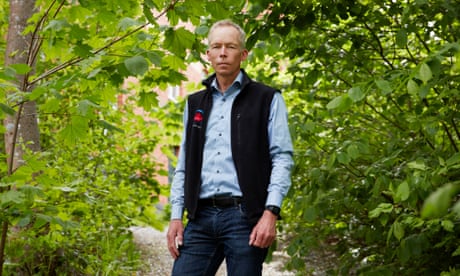


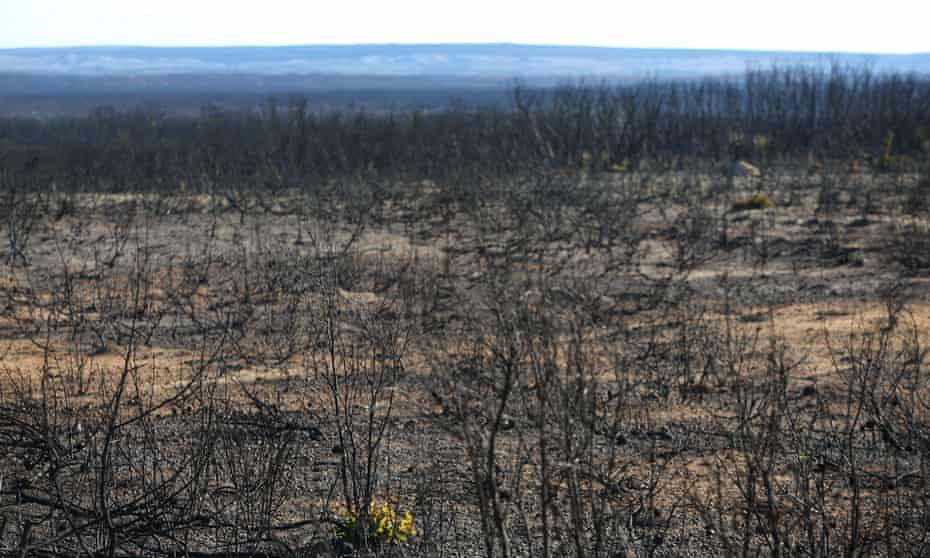
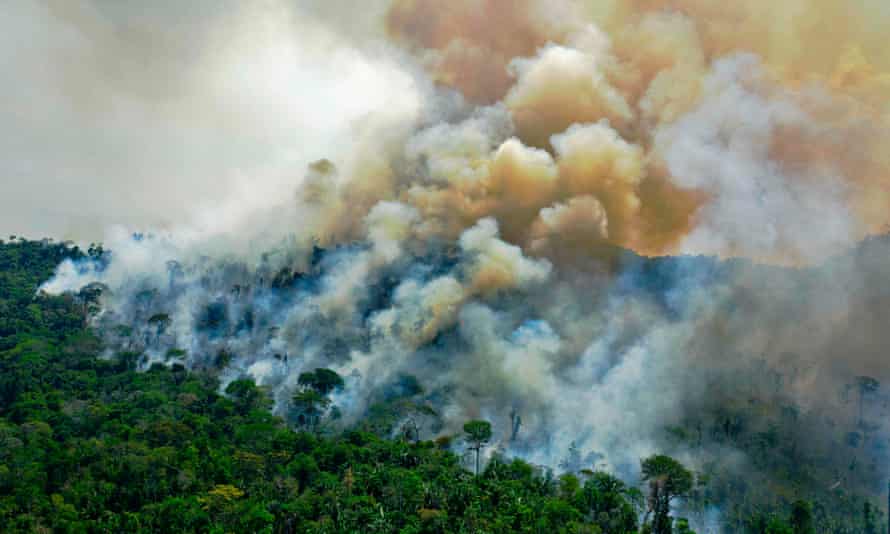


 Photo: Shutterstock