Norwegian Dies During Recreational Hunt, Hunting Companion Under Suspicion
Reply

By Madeline Bartos
October 6, 2026 / 7:57 PM EDT / CBS Pittsburgh
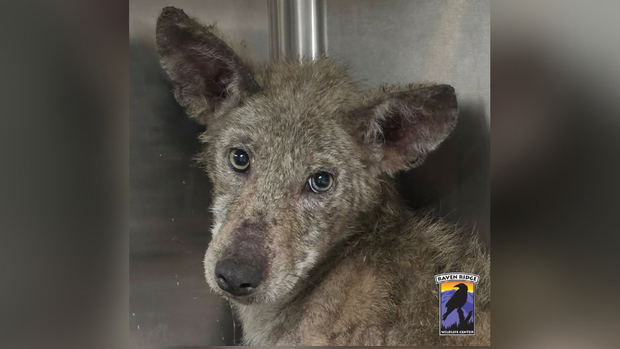
A Pennsylvania wildlife center got a call from a woman who was trying to catch a cat but instead caught a fox or dog. It turns out what she had really trapped was a sick coyote.
The Raven Ridge Wildlife Center in Washington Boro, Lancaster County, said the woman wasn’t sure what animal she had caught in her trap, but when they saw the photo, they realized it was a coyote suffering from mange. He was so hungry, weak and sore that he had gone into the trap in search of food.
In 11 years of operating, Raven Ridge Wildlife Center said this is only the second coyote they’ve ever cared for.
“The rehabilitation process for this coyote will be lengthy, but our team is dedicated to supporting his recovery from pain, fear, and discomfort,” the wildlife center wrote in a Facebook post.
As a keystone species, coyotes play a crucial role in maintaining healthy ecosystems, the wildlife center said. Coyotes help control small mammal populations, preventing overgrazing and seed damage. This also reduces the risk of diseases like Lyme disease. And coyotes regulate populations of mesocarnivores like skunks and raccoons, helping support the survival of ground-nesting birds.
The wildlife center said coyotes are “highly elusive and intelligent animals” that have learned to adapt to both rural and urban environments.
“This adaptability may also contribute to public fear and misunderstanding,” Raven Ridge wrote on Facebook. “Through their intelligence and resilience, coyotes demonstrate our own potential to adapt and coexist amid rapid ecological and social changes. By fostering greater understanding and appreciation for coyotes and other native carnivores, we can move beyond fear and ignorance.”
Fox or dog? Sick coyote caught in trap meant for cat in Pennsylvania – CBS Pittsburgh
| Amendment 83 Could Bring Back Steel-Jawed Leghold Traps, Bear Baiting, Wildlife-Killing Contests in Colorado |
| Animal Wellness Action is sounding the alarm about this dangerous measure that is opposed by animal advocates and responsible hunters alike. |
| By Wayne PacelleYou can tell a lot about Amendment 83 — a measure to enshrine the right to hunt and trap into Colorado’s constitution — by looking at the handiwork and associations of its architect, Dan Gates.He’s the Colorado representative of the NRA. The president of the Colorado Trappers and Predator Hunters Association. The Colorado director of the National Trappers Association. And the vice president of Fur Takers of America.He’s allied with Kansas-based Hunter Nation and the Arizona-based Safari Club International that recognizes its members for killing polar bears and other bears (“Bears of the World” award) and lions, jaguars, and other felines (“Cats of the World” award).Gates and his financiers are trying to present Amendment 83 — after spending $1.3million to get enough signatures to qualify it — as a benign measure to affirm the value of hunting and trapping.They’ve pledged to spend $10 million to pass it on Nov. 3. And I can assure you their crusade to insert this “right” into the state constitution is not an empty gesture. It’s designed to be a weapon in their hands. Read the fine print of 83: Amendment 83 seeks to protect “traditional methods” of hunting and trapping and to use them as “preferred means” of managing wildlife populations.National Trappers and the Safari Club Plan to Overturn Current LawsIn 1992, with a 70% majority, voters stopped the horrifying practice of allowing the hunting of black bears in the spring, when mothers nurse dependent cubs. When the mother is shot, the cubs are orphaned, and the family group is lost.That same measure, Amendment 10, prohibited shooting bears over garbage piles in a baited kill. And it forbids chasing bears with packs of dogs to set up the shooting of a bear from a tree trunk or a tree limb.Amendment 83 is designed to nullify Amendment 10. In August, in talking about Amendment 83, Gates told the Cowboy State Daily that “CPW’s hands are tied by that ballot initiative.”And the second target — a core ambition for Gates given that his profession is trapping wildlife — is to overturn the 1996 ballot measure to restrict cruel and indiscriminate steel-jawed leghold traps and snares.Amendment 83’s language that hunting and trapping are the “preferred” means of managing wildlife creates a setup for a courtroom challenge to the law to restrict cruel and indiscriminate traps. For example, if a citizen expresses concern that there’s a bobcat in a neighborhood, or a beaver has built a dam and created an unwelcome pond, then proponents could demand trapping as the “preferred method” and kill the animals even though non-lethal methods would be the smart move.If a legal case ensues, a single judge would be in a position to overturn a law passed by millions of Colorado voters. Amendment 83 and Its Attack on Colorado Parks and WildlifeTwo years ago, during the Proposition 127 campaign to stop unsporting and inhumane trophy hunting and trapping practices for mountain lions and bobcats, Gates argued that Coloradans should trust Colorado Parks and Wildlife (CPW) and not allow voters to decide matters through democratic decision-making.Now, in a head-snapping but predictable 180-degree turn, Gates is working to create a constitutional right to hunt and trap, including by “traditional methods,” that would not only supersede the rights of voters but also CPW.Any future proposal involving hunting or trapping — halting killing bobcats for their fur, or halting the use of highly toxic lead ammunition that kills more than 100 species of wild animals — could potentially raise these questions: Does this restriction impermissibly burden the constitutional right to hunt? Does it interfere with a “traditional method”? Can the state demonstrate that the restriction satisfies Amendment 83’s requirements?That could affect debates over trapping methods, predator killing, hunting seasons, methods of take, wildlife-killing contests, and any sort of other reform that citizens advance.The danger is structural.Colorado would be elevating hunting from an extensively regulated activity into a constitutional right while using undefined language about “traditional methods.” Future wildlife protections could then be evaluated against that constitutional command.And let’s face it, what’s more traditional than the use of steel-jawed traps, set across the landscape of the Rockies even before statehood? Our “No on 83” Campaign Needs Your HelpWe are being outspent 20 to 1 by the trophy hunters and trappers.But we are far from conceding this fight. Today, we are launching an advertisement against Amendment 83 (see it here). And with our allies at Colorado Hunters and Anglers for Sensible Wildlife Conservation, we have billboards going up across the Front Range (see an example here).Will you dig deep and help us expand the placement of these billboards and other advertisements? We can win because the people of Colorado are smart enough to see through this scam.If voters even get a whiff of our message, they won’t want to restrict their own voting rights, disband democratic decision-making processes, and unleash an assault on the wild animal communities of Colorado.But time is short. Voting has started, closing in 28 days. Let’s not allow these extremists to pull a fast one over Colorado voters and turn the state into a free-for-all when it comes to injuring and killing wildlife.Please join us for a critical online town hall on our efforts to defeat Amendment 83; register for free here.Wayne Pacelle President, Animal Wellness ActionShannon McBride Colorado State Director, Animal Wellness Action P.S. Ballots are due by 7 p.m. on Tuesday, Nov. 3. If you can, chip in $83 to defeat 83 today. P.P.S. Live in Colorado? Take ten seconds to pledge to vote NO at VoteNo83.org, and ask a friend to find Amendment 83 on their ballot too.Paid for by Animal Wellness Action. Contributions to Animal Wellness Action are not tax-deductible. Gifts support AWA’s work to defeat Amendment 83 and related wildlife protection efforts, and may be publicly reported under Colorado law. |

