Fortunately for Cougars and Wolves, there’s Only One Washington

From the Capital Press article:

One Washington, two sides

by Don Jenkins    March 26, 2015

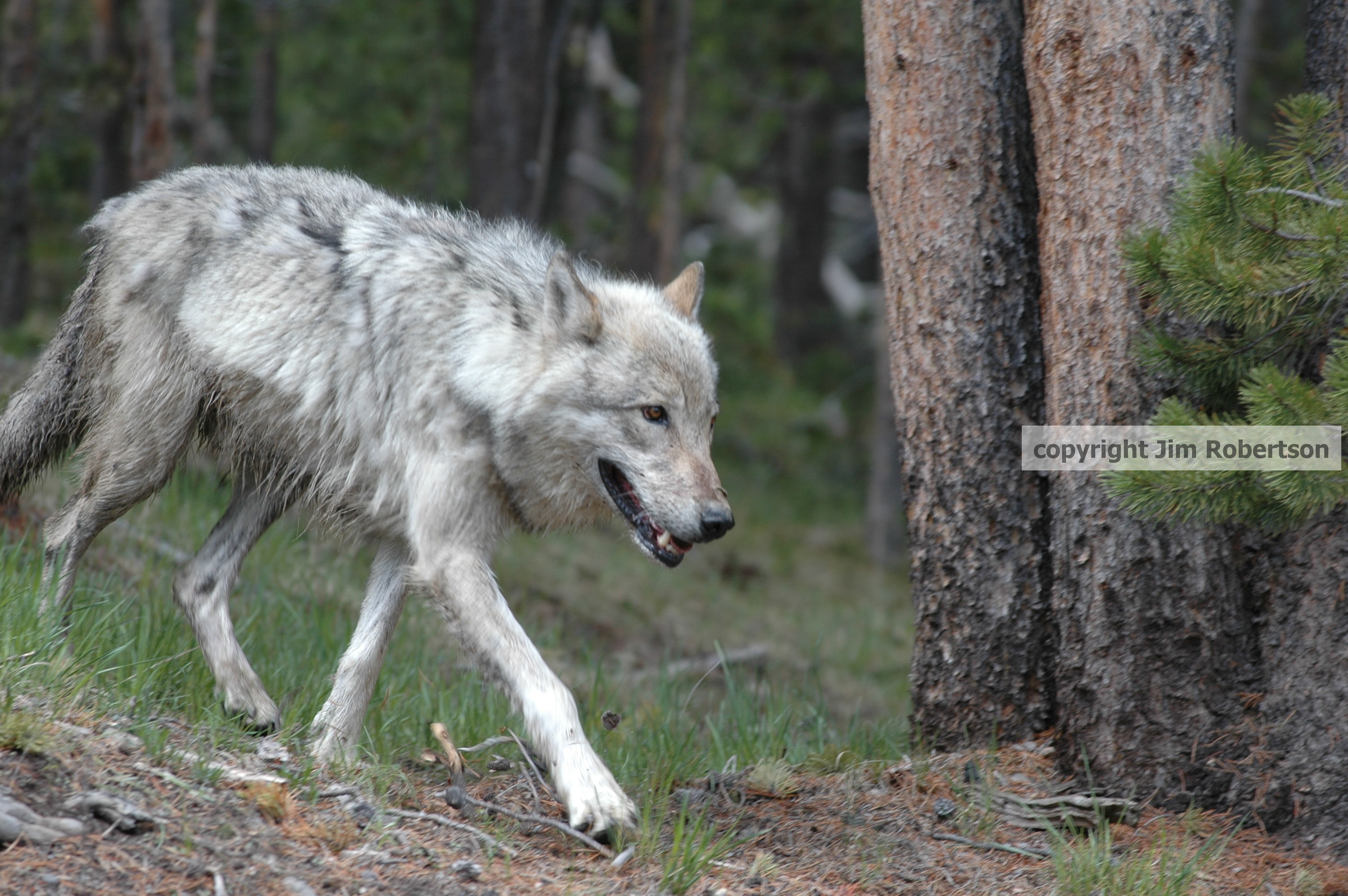
OLYMPIA — Residents of Eastern Washington are frustrated with the more populous Westside of the state. And nowhere was that frustration more prominent than one day last month in the Capitol. On the docket were cougars and wolves, two hot-buttoncopyrighted Hayden wolf in lodgepoles issues that split the state right down the center of the Cascade Range.

In one hearing, Eastside ranchers were asking senators to loosen the state’s law against using hounds to chase cougars and keep the predators away from livestock.

In another hearing, an Eastside county commissioner told legislators that his constituents were fed up with wolves.                                                                              …

In the weeks since, lawmakers have agreed to take a close look at the wolf problem. The hounds, however, will remain on the leash. …

More: http://www.capitalpress.com/Washington/20150326/one-washington-two-sides#.VRRp-qw3hjc.facebook

Wolf harvest down slightly from last year

http://www.greatfallstribune.com/story/outdoors/hunting/2015/03/17/wolf-harvest-slightly-last-year/24928657/

Montana hunters and trappers killed 207 wolves during the 2014-15 season, which came to a close Sunday.

That was 23 fewer wolves than the 230 killed in the 2013-14 season.

Montana Fish, Wildlife and Parks wasn’t surprised by those numbers. That’s well within normal season-to-season hunting fluctuations, said John Vore, game management bureau chief with FWP.

A number of factors could contribute to that decrease.

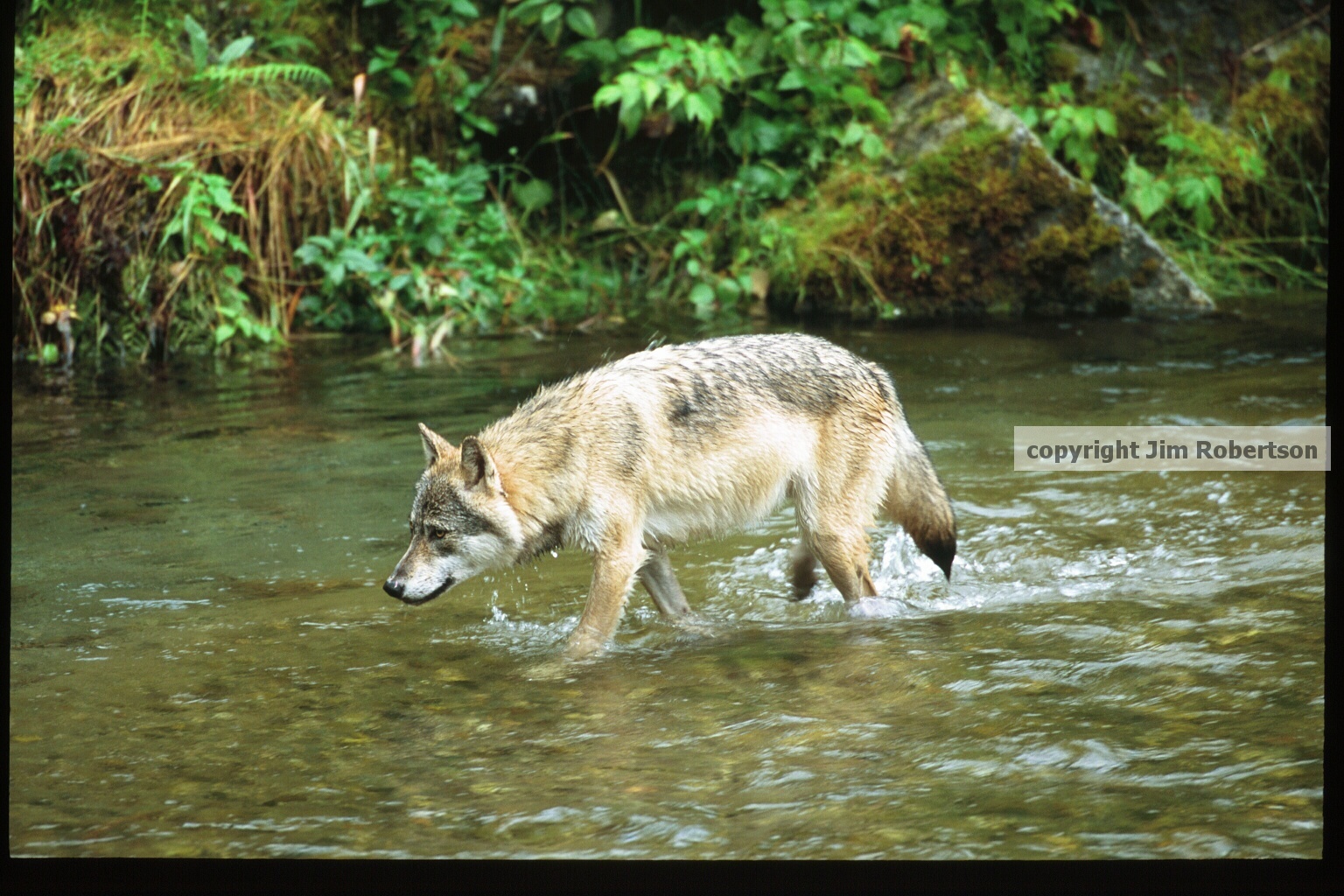
copyrighted wolf in riverWe suspect the wolf population is down a little bit,” Vore said.

The weather was also very different between the two seasons, said Ron Aasheim, FWP spokesman.

Wolf hunters also may not have been as motivated after a few seasons of wolf hunting, he said. Hunters who were really interested and committed to getting a wolf when wolf hunting first became legal may have already harvested a wolf last year or the year before and may not have worked as hard this year.

FWP issued 20,383 wolf licenses this season, compared to 24,479 last season.

Along the Rocky Mountain Front, hunters took 11 wolves and trappers took eight. Last year, 12 wolves were taken in Region 4.

No wolves were killed this year in the Highwoods or Little Belts, said Ty Smucker, wolf management specialist in Region 4.

FWP is preparing is wolf population report. That should be out in the next couple weeks, Aasheim said.

A history of wolf hunts in Montana

2009: During Montana’s first regulated wolf hunt, hunters harvested 72 wolves during the fall hunting season. As hunters approached the overall harvest quota of 75 wolves, FWP closed the hunt about two weeks before the season was scheduled to end.

2010: The hunting season was blocked by a federal court ruling in August 2010 that returned wolves to the federal endangered species list. In April 2011, the U.S. Congress enacted a new federal law delisting wolves in Montana and Idaho, and in portions of Washington, Oregon and Utah.

2011-12: The wolf hunting season ended with a total harvest of 166 wolves, 75 percent of the overall quota of 220 wolves. The season was initially set to end Dec. 31, but was extended to Feb. 15.

2012-13: This was the first time wolf trapping was allowed in the state. There was no statewide quota. Hunters took 128 wolves and trappers took 97 wolves for a total of 225.

2013-14: Montana’s wolf hunting season was extended and the bag limit was increased to five wolves. Hunters killed 143 wolves and trappers took 87 wolves, for a total of 230 wolves.

2014-15: Hunters killed a 130 wolves and trappers killed another 77 for a total of 207 animals.

What’s next and when will it end? Idaho officials kill 19 wolves to boost elk herds

[Yesterday it was reported that Alaska killed 18 wolves to boost moose (for humans, of course), today, Idaho officials announced that they killed 19 wolves to boost elk herds (also for the benefit of humans). What’s next and when will it end?]

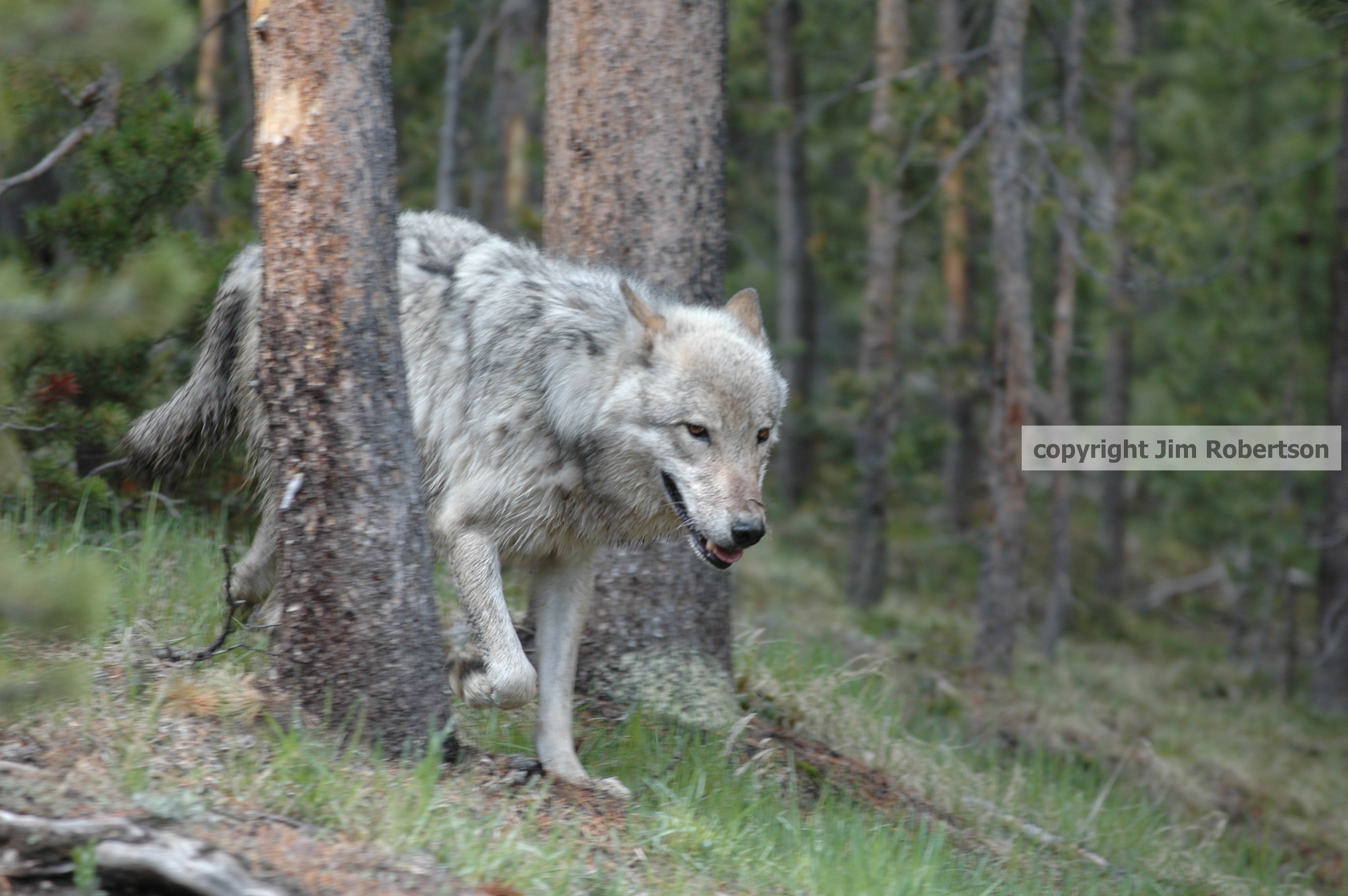
copyrighted Hayden wolf walking

LEWISTON, Idaho (AP) – Idaho officials say 19 wolves have been killed in northern Idaho in an effort to reduce wolf numbers and increase the elk population.

The Idaho Department of Fish and Game on Monday announced the killings carried out last month by the U.S. Department of Agriculture’s Wildlife Services in the Lolo Hunting Zone.

Jerome Hansen of Fish and Game tells the Lewiston Tribune in Lewiston that elk numbers in the region have dropped dramatically over the past 26 years.

Fish and Game says the area had an estimated 16,000 elk in 1989 but that the agency now believes the population could be as low as 1,000.

More: http://www.ktvb.com/story/news/local/regional/2015/03/10/elk-wolves-killed/24697063/

18 wolves shot near Interior AK village to boost moose population

http://www.adn.com/article/20150313/18-wolves-shot-near-interior-village-boost-moose-population

Dermot Cole

Discovery Channel filmmaker: Wildlife documentaries are often fabricated sensationalism

Wildlife documentaries are eye-opening and inspirational, but according to a confessional new book from Oscar-nominated filmmaker Chris Palmer, the methods they use to evoke those responses in viewers go well beyondcopyrighted Hayden wolf in lodgepoles artistic license.

How many of our favorite shows and networks have rented animals from game parks and zoos and passed them off as wild, used actors as fake scientists giving interviews, and mistreated animals in order to get ratings? RedOrbit spoke to the author to find out.

Full Story: http://www.rawstory.com/rs/2015/03/discovery-channel-filmmaker-wildlife-documentaries-are-often-fabricated-sensationalism/

Oregon wolves a conservation success story/Delisting would be a mistake

copyrighted Hayden wolf in lodgepoles

Oregon wolves a conservation success story, biologist says

 Eric Mortenson

Capital Press   March 6, 2015 

With nine packs and six pairs that may grow to form more, Oregon’s gray wolf population is increasing at a healthy pace.
SALEM — With nine known packs and six “start-up pairs” identified, Oregon’s gray wolves are continuing to increase and are spreading from the northeast corner of the state, the state’s wolf program coordinator reported to the state Department of Fish and Wildlife Commission Friday.

Wildlife biologist Russ Morgan said Oregon’s wolves are increasing at a pace identical to their recovery in the northern Rocky Mountains.

“From a conservation perspective this is very much a measure of success,” Morgan said.

The 2014 shows Oregon has a minimum of 77 wolves, including 26 known pups, in nine packs. More importantly, eight of those packs contained breeding pairs, meaning they had at least two pups that survived to the end of the year.

The numbers mean ODFW now moves into what’s known as Phase 2 of the Oregon Wolf Plan, the hard-fought compromise that governs wolf conservation and management in the state. It also means the agency can propose removing wolves from the state’s endangered species list. That’s likely to be a lengthy public process. More immediately, Phase 2 gives ranchers the right to shoot wolves caught in the act of biting, killing or chasing livestock.

State delisting would eliminate endangered species status for wolves in the eastern third of the state. Wolves in the rest of Oregon — all areas west of state Highways 395, 78 and 95 — remain covered under the federal Endangered Species Act, administered by the U.S. Fish and Wildlife Service. The federal jurisdiction includes the Southwest Oregon Cascades now inhabited by the well-traveled OR-7 and his mate and pups.

Oregon’s true wolf population is unknown but is certainly higher than 77, Morgan said. The state tracks wolves from signals emitted by radio collars, but only 33 wolves have been collared in a decade of work. Many of those collars have failed, or the wolves have died or been killed, leaving researchers with only 13 collared wolves at year’s end. Three radio-collared wolves dispersed out of state in 2014, Morgan said. One was killed in Idaho, one was killed in Montana, and the third is living in Washington, Morgan said.

In his remarks to the wildlife commission and in an interview, Morgan said five of the six pairs living outside designated packs are known to be male-female pairs, which could produce pups and expand to pack status.

“These pairs are very important, they really represent an increasing population,” Morgan said.

In comments to the commission, representatives of three hunting organizations said the state should continue following the wolf plan guidelines.

“Certainly the population growth has caused some issues, but we strongly support staying the course with your plan,” said Dave Wiley, representing the Rocky Mountain Elk Foundation.

Stephanie Taylor of Portland, who said she has an environmental science degree and hopes to become a wolf biologist, said it is “premature” to allow ranchers to take lethal measures against wolves.

Jerome Rosa, executive director of the Oregon Cattlemen’s Association, said the population increase means it is time to “think about the maximum number of wolves that will be acceptable.”

Rosa said the OCA is working on a idea to help fund endangered species programs with a self-imposed fee assessed to ranchers. “It would be unprecedented for our organization,” he said.

The OCA has previously said it expects more attacks on livestock this year if wolves remain on the endangered species list.

Conservation groups oppose delisting Oregon wolves too soon. Oregon Wild, a key player in formulating the wolf plan, said the wolf count represents “great progress” but does not represent biological recovery. Conservation director Doug Heiken has said the state needs to see better geographical distribution of wolves as well. He said that will happen over time if wolves are not prematurely delisted and “persecuted.”

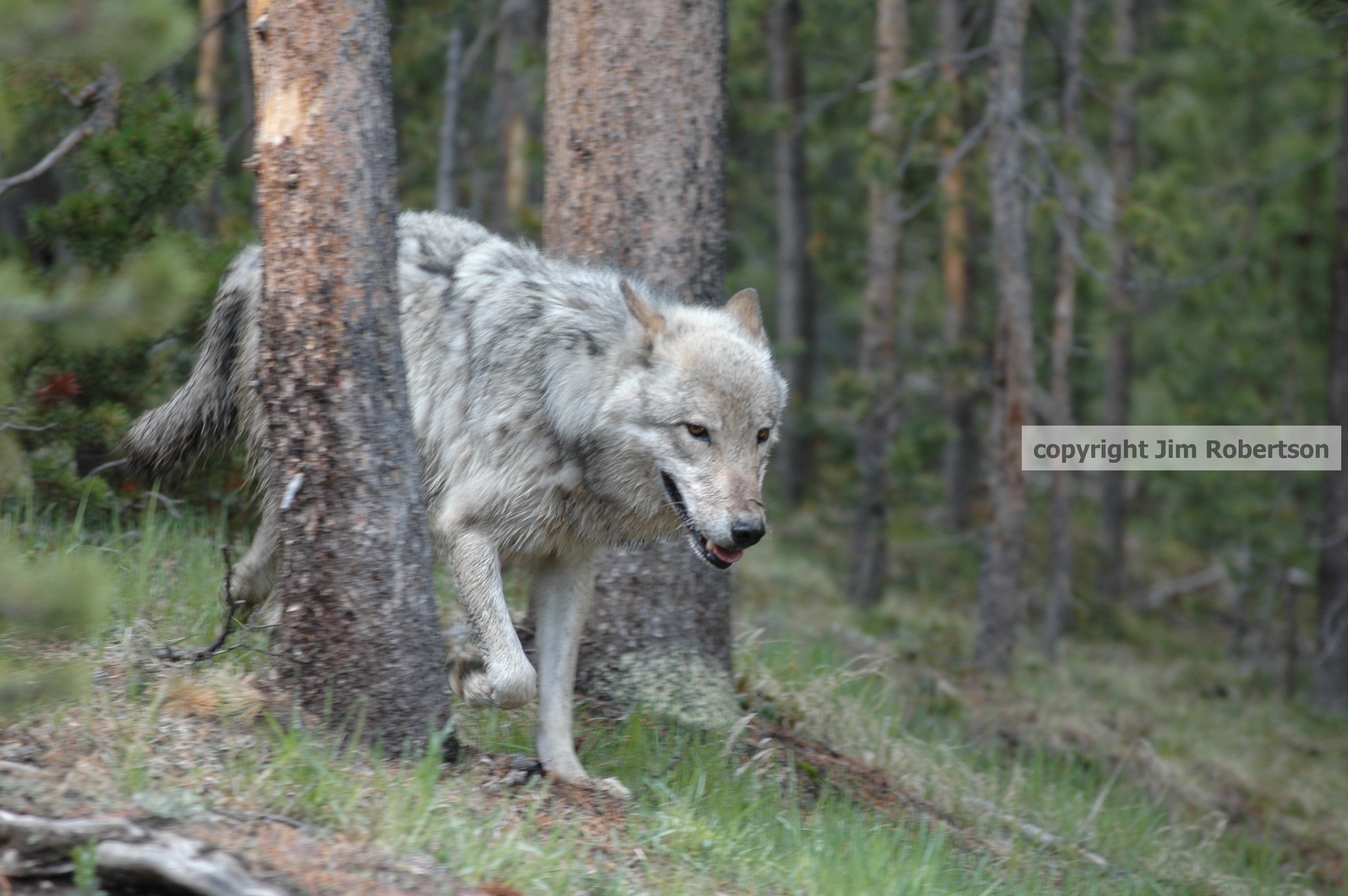
Could Fewer Wolf Kills Mean Fewer Wolves?

Trappers in Montana have killed 77 gray wolves and hunters have shot 127 so far this winter — a total of 204 animals — as the season for the animals nears its end.copyrighted wolf in river

Montana Fish, Wildlife and Parks spokesman Ron Aasheim said the final tally for this winter’s wolf harvest is expected to fall short of the 230 wolves killed in the 2013-2014 season.

The trapping season closed Feb. 28, and Montana’s rifle hunting season for gray wolves ends March 15.

Six of the predators have been killed by landowners, under a new state law that allows wolves to be killed if they are considered a potential threat to livestock or human safety.

In neighboring, Idaho hunters have shot 113 of the animals so far this winter and trappers have killed 92.

The state’s total harvest of 205 wolves is well short of the prior year’s total of 302 animals killed.

Idaho’s wolf season ends March 31 for most of the state but continues year-round in some areas.

Wyoming did not have a wolf hunting season this winter. After losing their federal protections across the Northern Rockies in 2011 and 2012, wolves were put back on the endangered species list in Wyoming in September under a court order.

U.S. District Judge Amy Berman Jackson sided with wildlife advocates who said Wyoming’s declaration of wolves as unprotected predators that could be shot on sight in most of the state afforded insufficient protection.

Legislation pending before Congress would nullify the judge’s decision.

There were 1,691 wolves in the Northern Rockies at the end of 2013, the most recent data available.

http://trib.com/news/state-and-regional/winter-wolf-harvests-trailing-in-northern-rockies-most-hunting-trapping/article_d585057d-f9b6-50f1-b661-e5e4f6be8006.html

Michigan DNR appeals ruling that put grey wolves back on federal endangered species list

Featured Image -- 7624

By Jonathan Oosting

LANSING, MI — The Michigan Department of Natural Resources on Friday announced that it is appealing a recent federal ruling that returned the state’s grey wolves to the endangered species list.

The ruling, issued by U.S. District Judge Beryl Howell in December, reinstated federal protections for wolves in Michigan and other Great Lakes states that had been removed in 2012, effectively blocking local control efforts.

“Returning wolf management to wildlife professionals in the state of Michigan is critical to retaining a recovered, healthy, and socially-accepted wolf population in our state,” said DNR Director Keith Creagh said in a statement.

“Michigan residents who live with wolves deserve to have a full range of tools available to sustainably manage that population.”

Michigan’s Upper Peninsula is home to slightly more than 600 wolves, up from just six in the 1970s. The DNR has advocated for stronger management and backed the state’s first ever wolf hunt in 2013 as a means to reduce conflicts with livestock and comfort levels around humans.

Michigan’s grey wolf population has been the subject of intense debate in recent years, with the state’s Republican-led Legislature approving two separate hunting laws that were rejected by voters. But a third wolf hunt law, initiated by a petition drive and approved by lawmakers, cannot be overturned via referendum.

Animal rights groups, energized by the December ruling that reinstated federal protections, argue that hunting seasons in Michigan and other Great Lakes states have jeopardized the wolf recovery.

Jill Fritz, state director of the Humane Society of the United States and the Keep Michigan Wolves Protected coalition, said she was not surprised by the DNR’s appeal but “baffled” by the logic.

“I’m curious how having a wolf hunt — and that’s exactly what they want to do — would help retain a quote ‘recovered, healthy, and socially-accepted wolf population,'” she said. “I cannot make any sense of any part of that sentence.”

HSUS and allies have asked the U.S. Fish and Wildlife Service to “downlist” Great Lakes wolves, reclassifying them as a threatened species rather than an endangered one, which would give the state flexibility to kill or remove nuisance wolves.

Livestock attacks have been an issue for some farmers in the U.P. As MLive previously reported, there were 35 wolf attacks on livestock or dogs in Michigan last year, up from 20 in 2013 but lower than the 41 in 2012.

DNR Wildlife Division Chief Russ Mason, in a statement, called Michigan’s wolf recovery a “great success story” but said the endangered status “leaves farmers and others with no immediate recourse when their animals are being attacked and killed.”

http://www.mlive.com/lansing-news/index.ssf/2015/02/michigan_dnr_appeals_ruling_th.html

How Many Wolves Died for Your Hamburger?

by               06/27/2014

Population and Sustainability Director, Center for Biological

http://www.huffingtonpost.com/stephanie-feldstein/how-many-wolves-died-for-your-hamburger_b_5535494.html

When you bite into a hamburger or steak, you already know the cost to the cow, but what about the wolves, coyotes, bears and other wildlife that were killed in getting that meat to your plate?

There are a lot of ways that meat production hurts wildlife, from habitat taken over by feed crops to rivers polluted by manure to climate change caused by methane emissions. But perhaps the most shocking is the number of wild animals, including endangered species and other non-target animals, killed by a secretive government agency for the livestock industry.

Last year Wildlife Services, an agency within the Department of Agriculture, killed more than 2 million native animals. While wolf-rancher conflicts are well known, the death toll provided by the agency also included 75,326 coyotes, 3,700 foxes and 419 black bears. Even prairie dogs aren’t safe: They’re considered pests, blamed for competing with livestock for feed and creating burrow systems that present hazards for grazing cattle. The agency killed 12,186 black-tailed prairie dogs and destroyed more than 30,000 of their dens.

The methods used to kill these animals are equally shocking: death by exploding poison caps, suffering in inhumane traps and gunned down by men in airplanes and helicopters.

How many of the 2 million native animals were killed to feed America’s meat habit? No one really knows. This is where the secrecy comes in: While we know that they frequently respond to requests from the agricultural community to deal with “nuisance animals,” Wildlife Services operates with few rules and little public oversight. That’s why the Center for Biological Diversity, where I work, has called on the Obama administration to reform this rogue agency to make it more transparent and more accountable. Despite the growing outcry from the public, scientists, non-governmental organizations and members of Congress, the federal agency shows no signs of slowing its killing streak.

There are two important ways that you can help rein in Wildlife Services. First, sign our online petition demanding that the Department of Agriculture create rules and public access to all of the agency’s activities. Second, start taking extinction off your plate. Our growing population will mean a growing demand for meat and for the agency’s deadly services, unless we take steps to reduce meat consumption across the country. By eating less or no meat, you can reduce your environmental footprint and help save wildlife.

Also see: https://exposingthebiggame.wordpress.com/2012/08/18/save-the-wolves-go-vegan/

copyrighted Hayden wolf walking

Number of wolves in Oregon grows to 77

http://www.statesmanjournal.com/story/news/2015/02/24/number-wolves-oregon-increase/23968745/


The number of gray wolves in Oregon has increased for the sixth year in a row, as the species slowly expands into the western half of the state, according to the annual report issued by the Oregon Department of Fish and Wildlife.

The number of wolves increased to 77 confirmed wolves in nine packs, up from 64 wolves in eight packs the previous year. Twenty-six of the wolves listed were pups less than a year old.

Seven wolves have now reached the Cascade Range, including the famous wandering wolf OR-7, which became head of the newly formed Rogue Pack, which has five members including three pups. The pups marked the first known wolf reproduction in the Oregon Cascades since the mid-1940s.

The Keno Pair, also in the Southern Cascades, has two members.

Even with the increase, ODFW said that the number of wolf conflicts with livestock (depredation) decreased to 11 incidents, down from 13 the previous year.

Wolves in Oregon are listed statewide as endangered under the Oregon Endangered Species Act. Wolves occurring west of Oregon Highways 395/78/95 are federally protected as endangered under the federal ESA.

Wolves in eastern Oregon are now under “Phase II” management, which triggers a status review and could result in changes to how wolves are managed.

Zach Urness has been an outdoors writer, photographer and videographer in Oregon for seven years. He is the author of the book “Hiking Southern Oregon”