“Just to see one is amazing, and especially to see one right here, right off the beach — they don’t come into shore in this area,” said Dianna Schulte, of the Blue Ocean Society. “You might see them off Cape Cod around Provincetown in the early spring, but for Rye, Hampton here, I’ve never…
Spilled seeds from feeders particularly raise risk of disease spreading, society says
CBC News · Posted: May 05, 2022 8:39 AM PT | Last Updated: May 5
Birds are pictured at a feeder in 2015. The B.C. SPCA is asking locals to temporarily remove backyard feeders as avian flu spreads in the province. (Yvon Theriault)
35
comments
The B.C. Society for the Prevention of Cruelty to Animals has asked the public to temporarily take down backyard bird feeders and empty any bird baths as avian flu continues to spread across the province.
The society on Thursday said the disease can spread via feeders “because they encourage unnatural congregations of birds and attract other wildlife.”
Spilled seeds are especially dangerous, according to a statement, because birds feeding from the ground are also exposed to droppings piled up below the feeder.
“On rare occasions, this virus can also cause disease in humans who have been in close contact with infected birds, or heavily contaminated areas,” wrote Andrea Wallace, manager of wild animal welfare for the B.C. SPCA.
“We need to do everything we can to stop H5N1 [avian flu virus] in its tracks.”
As for the public, on top of removing bird feeders and emptying bird baths, Wallace said the public should also keep an eye out for sick birds.
“Birds may appear lethargic, unusually ‘fluffed up,’ have nasal discharge, or have excessively watery eyes or swelling of the head and eyelids,” she said.
There were five avian flu outbreaks among poultry flocks in the Okanagan and Metro Vancouver as of Wednesday. The virus can sicken many different species of birds, including farm animals like chickens and turkeys, but also wild and pet birds as well.
The H5N1 strain is considered highly contagious.
The affected farms have been placed under quarantine. B.C. has ordered all commercial poultry operators with more than 100 birds to move their flocks indoors until the spring migration ends in May to help stem the spread.
The latest confirmed infections are part of a larger outbreak sweeping across North America, including other provinces. Last week, the U.S. Centers for Disease Control and Prevention reported the first human case of infection, though it said the risk to the public remains low.
The Canadian Food Inspection Agency has said the illness is not considered a significant concern for healthy people who are not in regular contact with infected birds.
Spring turkey season runs from May 1st thru May 31st.
If you turkey hunt, or have a turkey hunter in your life, you already know that the spring hunting season is underway in the Hudson Valley. TheDepartment of Environmental Conservationwanted to remind anyone interested in hunting this year that they must follow a few rules. Those rules include every hunter having and carrying on their person a hunting license and a turkey permit.
Hunters are allowed to hunt 1/2-hour before sunrise and up to noon and are allowed to take two bearded birds but only one bird per day. If you do take a turkey while in the woods you must immediately fill out the carcass tag and attach it to…
David Bennett died two months after groundbreaking surgery in which a genetically modified pig’s heart was transplanted into him
Photo provided by the University of Maryland School of Medicine shows Surgeon Bartley P Griffith leading a team in transplant of a pig heart into patient David Bennett. Photograph: University of Maryland School of Medicine (UMSOM)/EPA
The 57-year-old patient who survived two months after undergoing a landmark pig heart transplant died of a pig virus, his transplant surgeon announced last month.
In January, David Bennett, a handyman who suffered from heart failure, underwent a highly experimental surgery at the University of Maryland medical center in which doctors transplanted a genetically modified pig’s heart into him.
Shortly after undergoing the surgery, Bennett died in March. The hospital simply said his condition had worsened over the span of a few days but did not provide an exact cause of death.
Last month, Bennett’s transplant surgeon, Bartley Griffith, revealed that the pig’s heart was infected with a porcine virus known as porcine cytomegalovirus, which may have contributed to Bennett’s death. In a webinar hosted by the American Society of Transplantation on 20 April, Griffith described the virus and doctors’ attempts to treat it, MIT Technology Review first reported on Wednesday.
“We are beginning to learn why he passed on,” said Griffith, adding, “[the virus] maybe was the actor, or could be the actor, that set this whole thing off.”
According to experts, the transplant was a “major test of xenotransplantation,” a process that involves transferring tissues between different species. They believe that the experiment may have been derailed as a result of an “unforced error”, as the pigs that were bred to provide organs are supposed to be free of viruses.
“If this was an infection, we can likely prevent it in the future,” Griffith said during the webinar.
The biggest challenge in animal-to-human organ transplants is the resilience of the human immune system, as it can attack foreign cells in a process called rejection and trigger a response that will ultimately destroy the transplanted organ or tissue.
As a result, companies have been biologically engineering pigs by removing and adding various genes to help conceal their tissues from potential immune attacks. The heart used in Bennett’s case came from a pig that underwent 10 gene modifications carried out by Revivicor, a biotechnology company.
Despite worries that xenotransplantation could trigger a pandemic if a virus were to adapt within a human body and spread to others, experts believe that the specific type of virus in Bennett’s donor heart is not capable of infecting human cells.
According to Jay Fishman, a specialist in transplant infections at Massachusetts General hospital, there is “no real risk to humans” of it spreading to others. Rather, the concern stems from the ability of porcine cytomegalovirus to trigger reactions that can damage and destroy not only the organ, but also the patient.
Experts are hesitant to fully attribute Bennett’s death to the virus. According to Joachim Denner, a researcher at Free University of Berlin’s Institute of Virology, “This patient was very, very, very ill. Do not forget that … Maybe the virus contributed but it was not the sole reason.”
Two years ago, Denner led a study in which researchers reported that pig hearts transplanted into baboons lasted only several weeks if they contained porcine cytomegalovirus. On the other hand, hearts that were free of the infection were able to survive over six months.
Shortly after Bennett’s surgery, Griffith and his team had frequently monitored his recovery through various blood tests. In one of the tests, doctors examined Bennett’s blood for traces of various viruses and bacterias and found “a little blip” that indicated the presence of porcine cytomegalovirus. However, because its levels were so low, the doctors assumed that the result could have been an error.
Griffith also revealed that because the special blood test was taking approximately 10 days to carry out, doctors were unable to know that the virus was already beginning to multiply rapidly. As a result, this may have triggered a reaction that Griffith now believes was likely “cytokine explosion,” a storm of exaggerated immune response that can cause serious issues.
On the 43rd day of the experiment, doctors discovered that Bennett was breathing hard and warm to the touch. “He looked really funky. Something happened to him. He looked infected,” said Griffith, adding, “He lost his attention and wouldn’t talk to us.”
In attempts to fight Bennett’s infection while keeping his immune system under control, doctors provided him with intravenous immunoglobulin as well as cidofovir, a drug sometimes used in Aids patients. Bennett displayed signs of recovery after 24 hours before his condition worsened again.
“I personally suspect he developed a capillary leak in response to his inflammatory explosion, and that filled his heart with edema, the edema turned into fibrotic tissue, and he went into severe and unreversing diastolic heart failure,” Griffith said in the webinar.
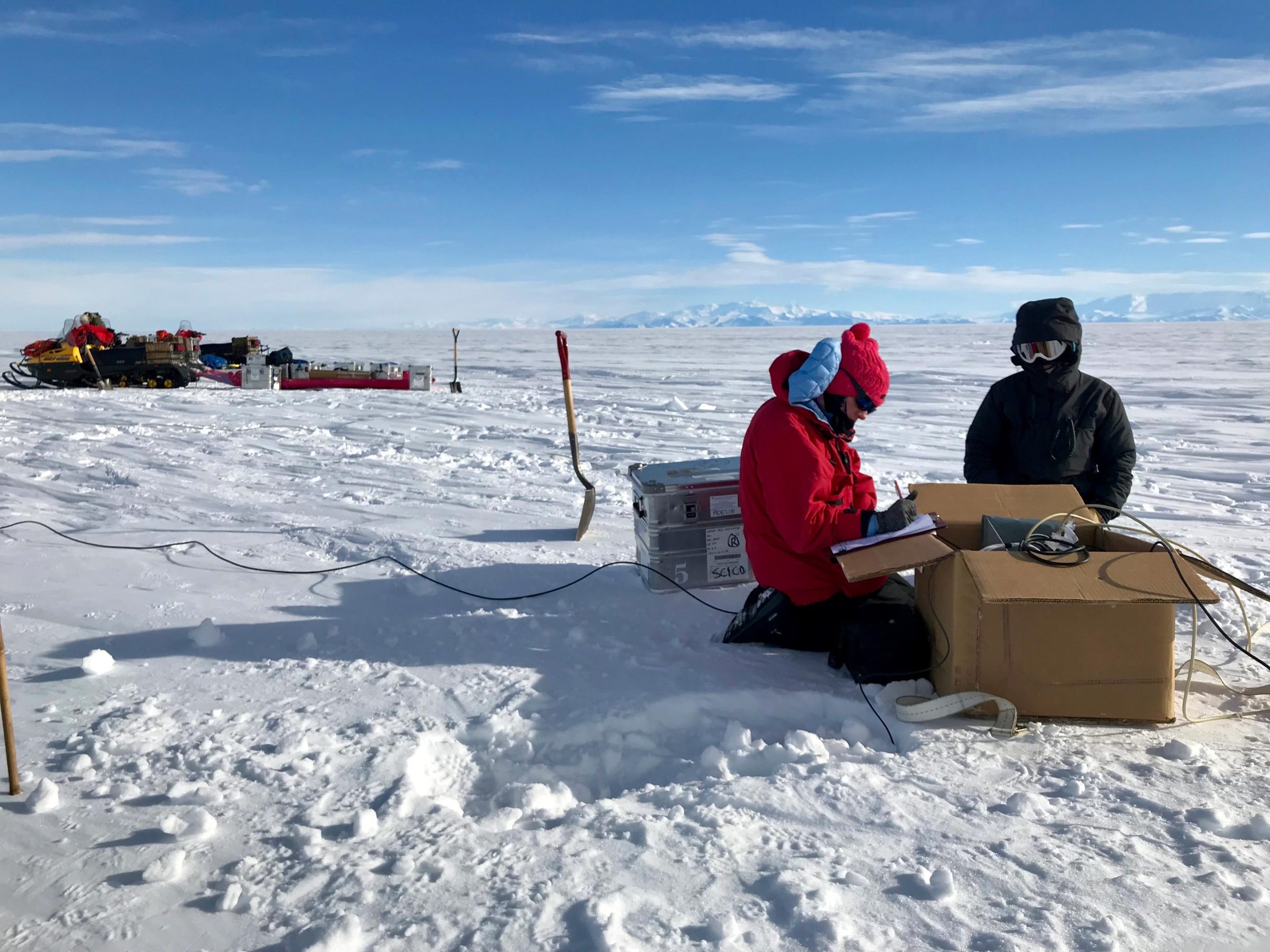
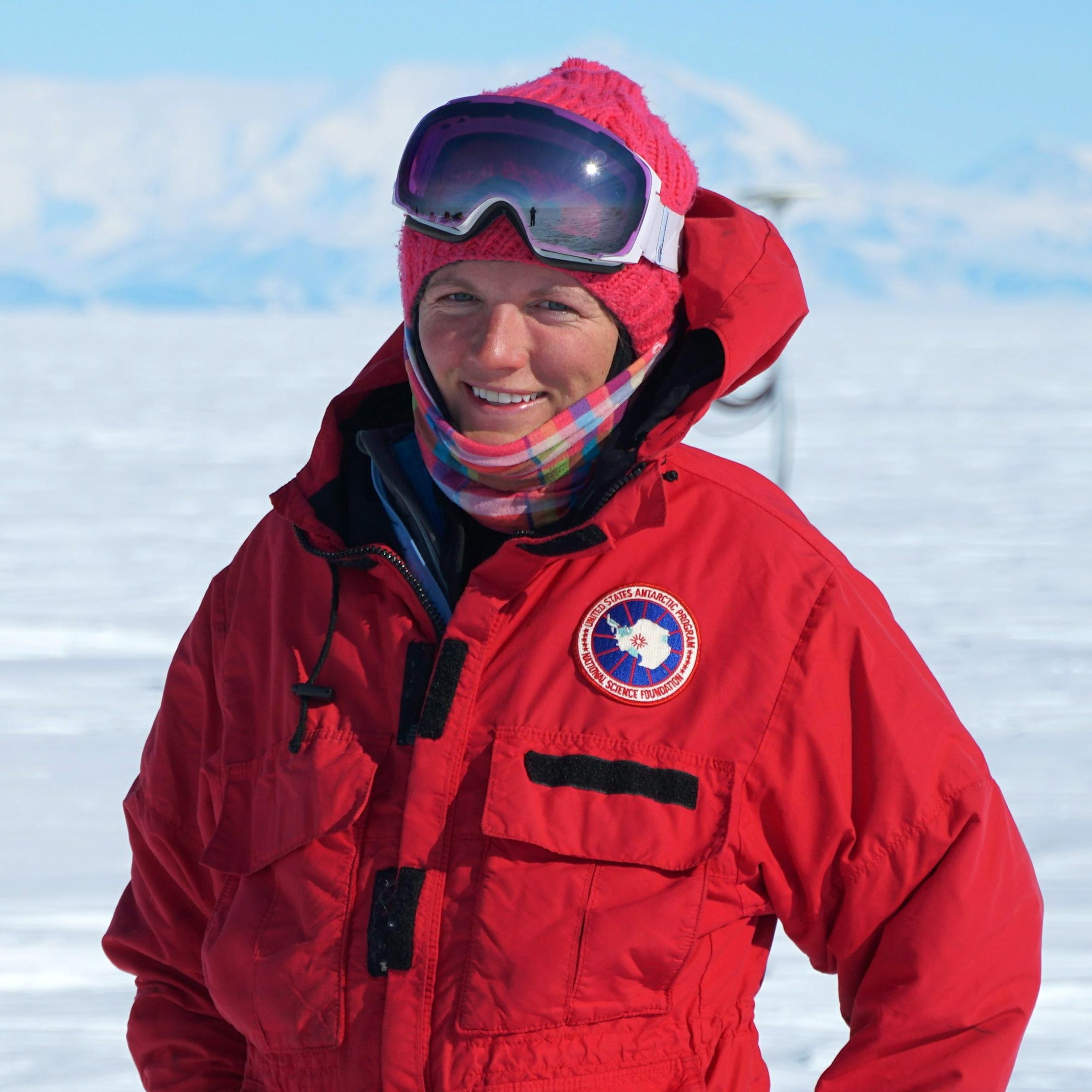
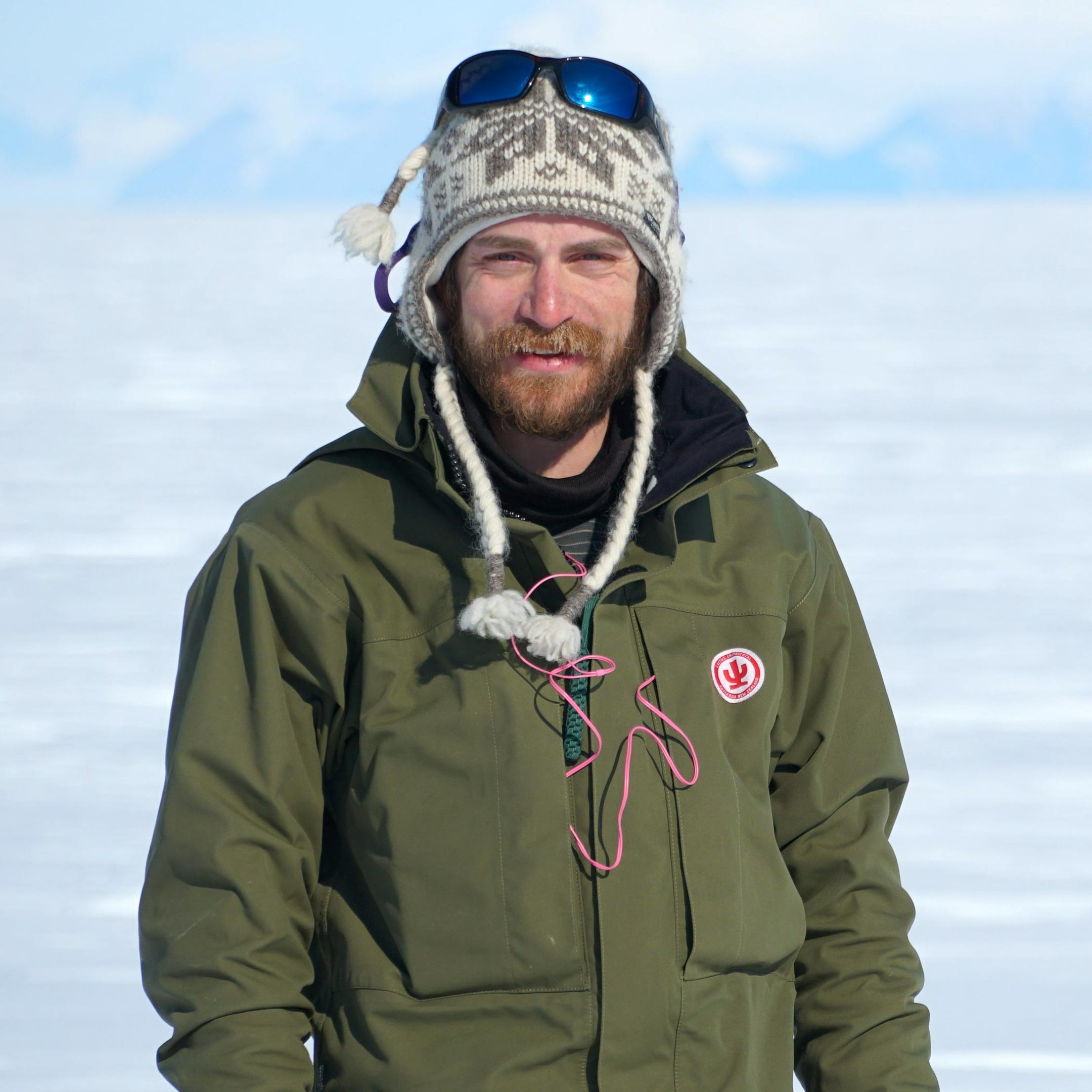
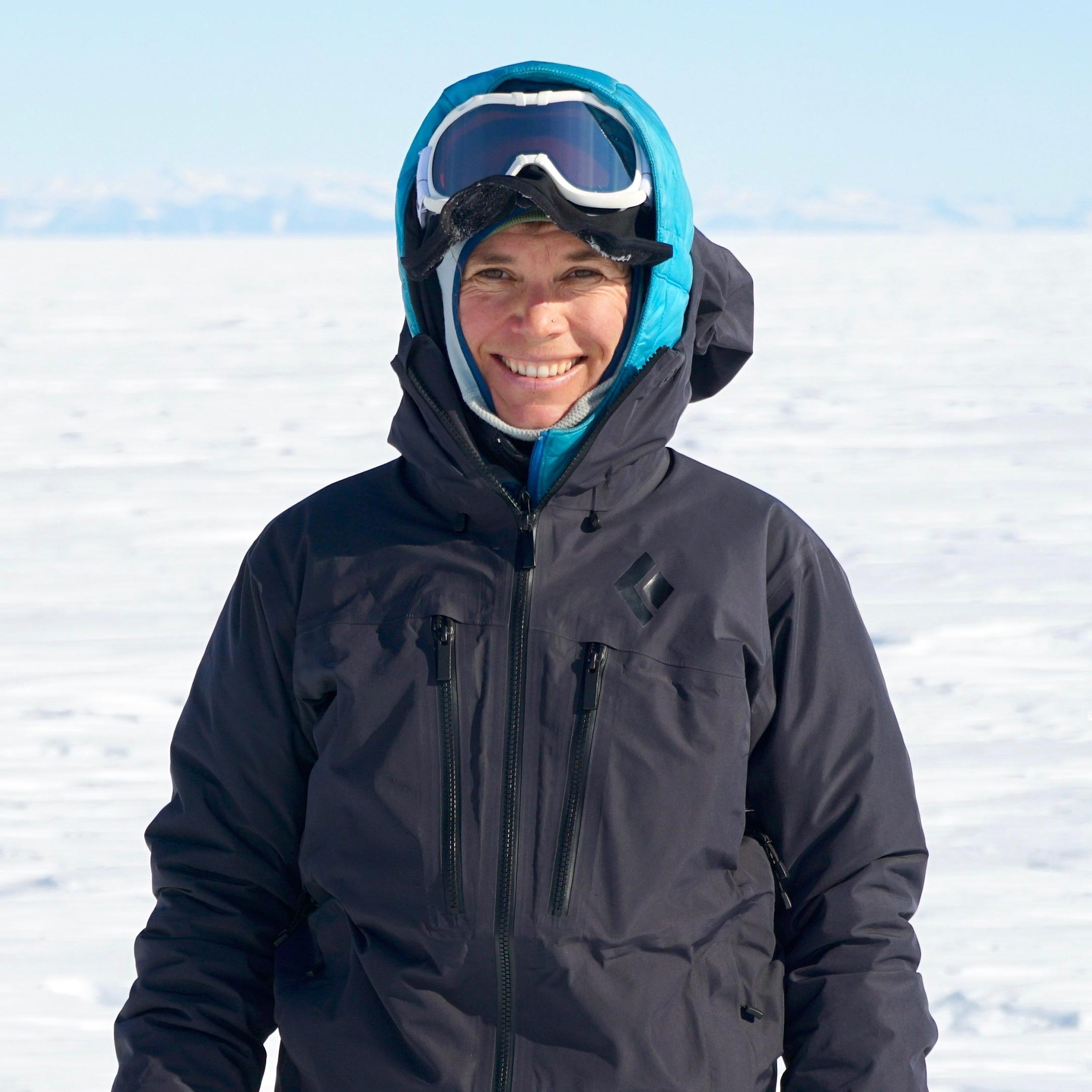
Lead author Chloe Gustafson and mountaineer Meghan Seifert install geophysical instruments to measure groundwater below West Antarctica’s Whillans Ice Stream. Credit: Kerry Key/Lamont-Doherty Earth Observatory
Previously unmapped reservoirs could speed glaciers and release carbon.
Many researchers believe that liquid water is a key to understanding the behavior of the frozen form found in glaciers. Meltwater is known to lubricate their gravelly bases and speed up their march toward the sea. In recent years, scientists in Antarctica have discovered hundreds of interconnected liquid lakes and rivers cradled within the ice itself. And, they have imaged thick basins of sediments under the ice, potentially containing the biggest water reservoirs of all. But so far, no one has confirmed the presence of large amounts of liquid water in below-ice sediments, nor investigated how it might interact with the ice.
Now, a research team has for the first time mapped a huge, actively circulating groundwater system in deep sediments in West Antarctica. They say such systems, probably common in Antarctica, may have as-yet unknown implications for how the frozen continent reacts to, or possibly even contributes to, climate change. The research was published in the journal Science on May 5, 2022.
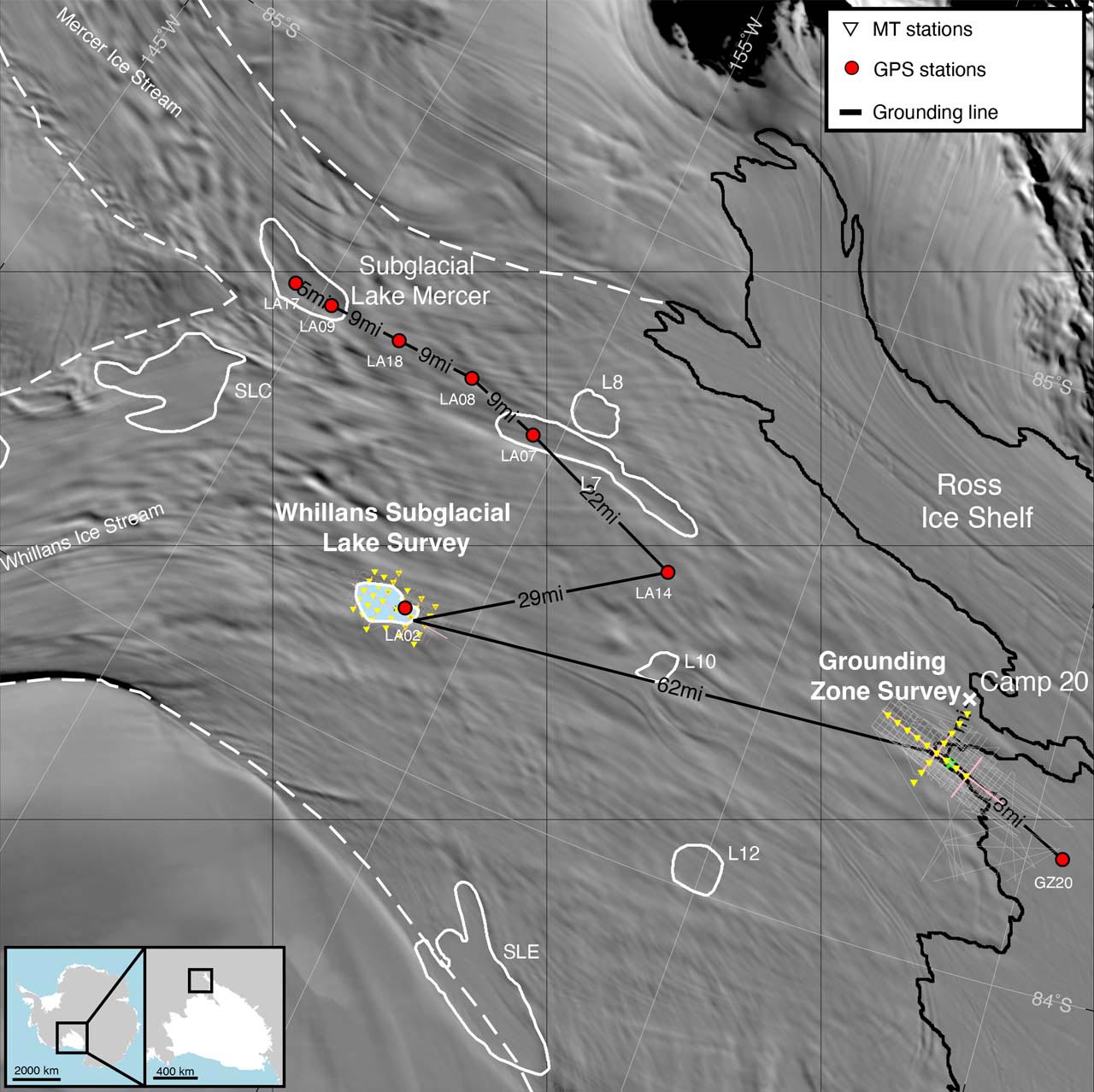
Survey locations on the Whillans Ice Stream. Electromagnetic imaging stations were set up in two general areas (yellow markings). The team traveled to wider areas to perform other tasks, shown by red dots. Click on the image to see a larger version. Credit: Courtesy Chloe Gustafson
“People have hypothesized that there could be deep groundwater in these sediments, but up to now, no one has done any detailed imaging,” said the study’s lead author, Chloe Gustafson, who did the research as a graduate student at Columbia University’s Lamont-Doherty Earth Observatory. “The amount of groundwater we found was so significant, it likely influences ice-stream processes. Now we have to find out more and figure out how to incorporate that into models.”
Scientists have for decades flown radars and other instruments over the Antarctic ice sheet to image subsurface features. Among many other things, these missions have revealed sedimentary basins sandwiched between ice and bedrock. But airborne geophysics can generally reveal only the rough outlines of such features, not water content or other characteristics. In one exception, a 2019 study of Antarctica’s McMurdo Dry Valleys used helicopter-borne instruments to document a few hundred meters of subglacial groundwater below about 350 meters of ice. But most of Antarctica’s known sedimentary basins are much deeper, and most of its ice is much thicker, beyond the reach of airborne instruments. In a few places, researchers have drilled through the ice into sediments, but have penetrated only the first few meters. Thus, models of ice-sheet behavior include only hydrologic systems within or just below the ice.
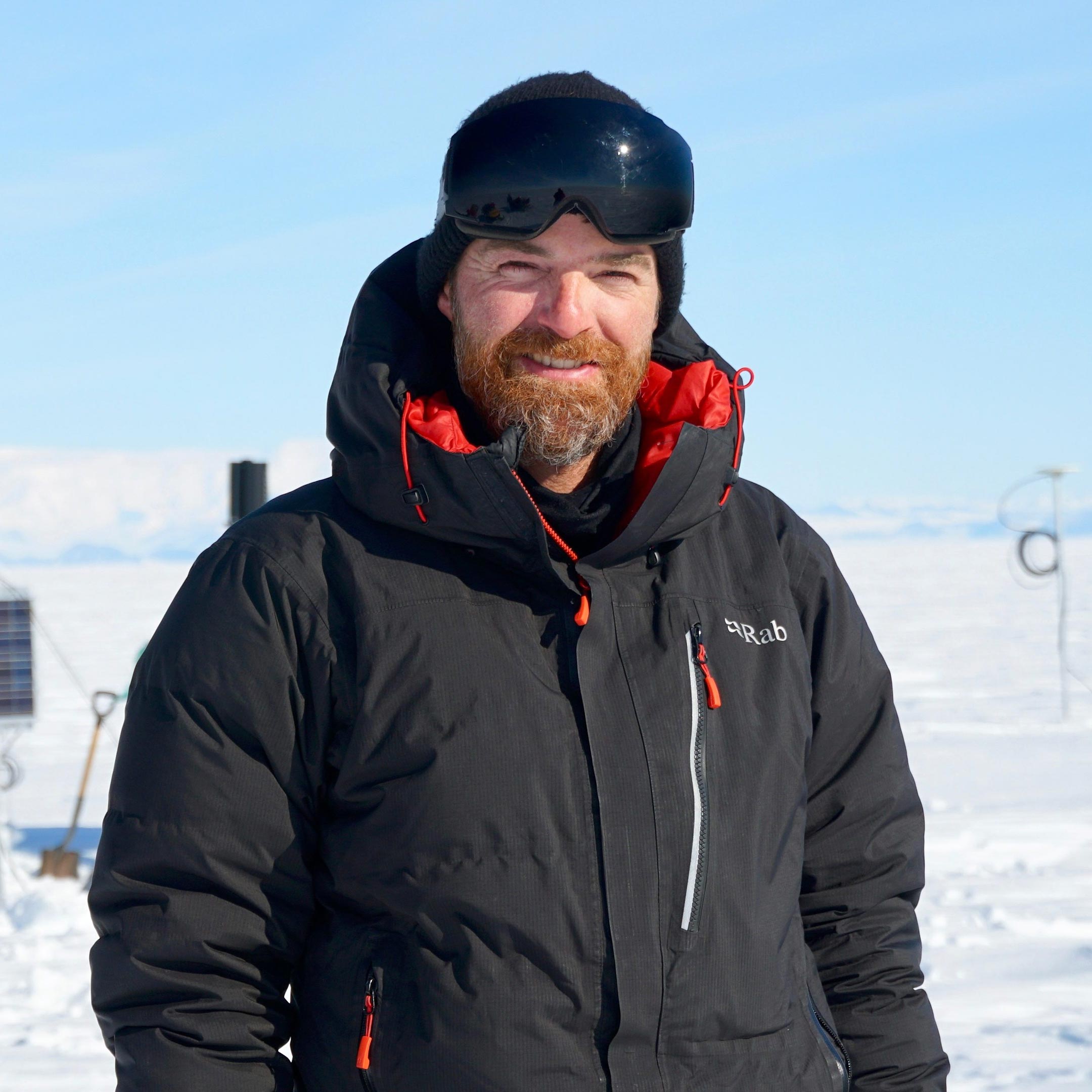
Coauthor Matthew Siegfried pulls up a buried electrode wire. Credit: Kerry Key/Lamont-Doherty Earth Observatory
This is a big deficiency; most of Antarctica’s expansive sedimentary basins lie below current sea level, wedged between bedrock-bound land ice and floating marine ice shelves that fringe the continent. They are thought to have formed on sea bottoms during warm periods when sea levels were higher. If the ice shelves were to pull back in a warming climate, ocean waters could re-invade the sediments, and the glaciers behind them could rush forward and raise sea levels worldwide.
The researchers in the new study concentrated on the 60-mile-wide Whillans Ice Stream, one of a half-dozen fast-moving streams feeding the Ross Ice Shelf, the world’s largest, at about the size of Canada’s Yukon Territory. Prior research has revealed a subglacial lake within the ice, and a sedimentary basin stretching beneath it. Shallow drilling into the first foot or so of sediments has brought up liquid water and a thriving community of microbes. But what lies further down has been a mystery.
In late 2018, a U.S. Air Force LC-130 ski plane dropped Gustafson, along with Lamont-Doherty geophysicst Kerry Key, Colorado School of Mines geophysicist Matthew Siegfried, and mountaineer Meghan Seifert on the Whillans. Their mission: to better map the sediments and their properties using geophysical instruments placed directly on the surface. Far from any help if something went wrong, it would take them six exhausting weeks of travel, digging in the snow, planting instruments, and countless other chores.
The team used a technique called magnetotelluric imaging, which measures the penetration into the earth of natural electromagnetic energy generated high in the planet’s atmosphere. Ice, sediments, fresh water, salty water, and bedrock all conduct electromagnetic energy to different degrees; by measuring the differences, researchers can create MRI-like maps of the different elements. The team planted their instruments in snow pits for a day or so at a time, then dug them out and relocated them, eventually taking readings at some four dozen locations. They also reanalyzed natural seismic waves emanating from the earth that had been collected by another team, to help distinguish bedrock, sediment, and ice.Chloe GustafsonKerry Key
Their analysis showed that, depending on location, the sediments extend below the base of the ice from a half kilometer to nearly two kilometers before hitting bedrock. And they confirmed that the sediments are loaded with liquid water all the way down. The researchers estimate that if all of it were extracted, it would form a water column from 220 to 820 meters high—at least 10 times more than in the shallow hydrologic systems within and at the base of the ice—maybe much more even than that.
Salty water conducts energy better than fresh water, so they were also able to show that the groundwater becomes more saline with depth. Key said this makes sense, because the sediments are believed to have been formed in a marine environment long ago. Ocean waters probably last reached what is now the area covered by the Whillans during a warm period some 5,000 to 7,000 years ago, saturating the sediments with salt water. When the ice readvanced, fresh meltwater produced by pressure from above and friction at the ice base was evidently forced into the upper sediments. It probably continues to filter down and mix in today, said Key.
The researchers say this slow draining of fresh water into the sediments could prevent water from building up at the base of the ice. This could act as a brake on the ice’s forward motion. Measurements by other scientists at the ice stream’s grounding line—the point where the landbound ice stream meets the floating ice shelf—show that the water there is somewhat less salty than normal seawater. This suggests that fresh water is flowing through the sediments to the ocean, making room for more meltwater to enter, and keeping the system stable.Matt SiegfriedMeghan Seifert
However, the researchers say, if the ice surface were too thin—a distinct possibility as the climate warms—the direction of water flow could be reversed. Overlying pressures would decrease, and deeper groundwater could begin welling up toward the ice base. This could further lubricate the base of the ice and increase its forward motion. (The Whillans already moves ice seaward about a meter a day—very rapid for glacial ice.) Furthermore, if deep groundwater flows upward, it could carry up geothermal heat naturally generated in the bedrock; this could further thaw the base of the ice and propel it forward. But if that will happen, and to what extent, is not clear.
“Ultimately, we don’t have great constraints on the permeability of the sediments or how fast the water would flow,” said Gustafson. “Would it make a big difference that would generate a runaway reaction? Or is groundwater a more minor player in the grand scheme of ice flow?”
The known presence of microbes in the shallow sediments adds another wrinkle, say the researchers. This basin and others are likely inhabited further down; and if groundwater begins moving upward, it would bring up the dissolved carbon used by these organisms. Lateral groundwater flow would then send some of this carbon to the ocean. This would possibly turn Antarctica into a so-far unconsidered source of carbon in a world already swimming in it. But again, the question is whether this would produce some significant effect, said Gustafson.
The new study is just a start to addressing these questions, say the researchers. “The confirmation of the existence of deep groundwater dynamics has transformed our understanding of ice-stream behavior, and will force modification of subglacial water models,” they write.
The other authors are Helen Fricker of Scripps Institution of Oceanography, J. Paul Winberry of Central Washington University, Ryan Venturelli of Tulane University, and Alexander Michaud of Bigelow Laboratory for Ocean Sciences. Chloe Gustafson is now postdoctoral researcher at Scripps.
Reference: “A dynamic saline groundwater system mapped beneath an Antarctic ice stream” by Chloe D. Gustafson, Kerry Key, Matthew R. Siegfried, J. Paul Winberry, Helen A. Fricker, Ryan A. Venturelli and Alexander B. Michaud, 5 May 2022, Science. DOI: 10.1126/science.abm3301
OMAHA, Neb — Bird flu is killing an alarming number of bald eagles and other wild birds, with many sick birds arriving at rehabilitation centers unsteady on their talons and unable to fly.
“It’s quite a sight to see an eagle with a six-foot wingspan having uncontrollable seizures because of highly pathogenic avian influenza,” said Victoria Hall, executive director of the University of Minnesota’s Raptor Center. “At that point, they’re so far into the disease there’s no treatment options left.”
The latest outbreak of the highly contagious virus has led to the culling of about 37 million chickens and turkeys in U.S. farms since February, and the U.S. Department of Agriculture has confirmed 956 cases of bird flu in wild birds, including at least 54 bald eagles. But the actual number is likely significantly higher because not every wild bird that dies is tested and the federal tally doesn’t include cases recorded by wildlife rehabilitation centers.
The latest reported toll is nearly 10 times higher than the 99 confirmed cases in wild birds during the last bird flu outbreak in 2015. This time, the virus has been detected in birds in 34 states, indicating it is far more widespread than seven years ago.
The U.S. Geological Survey’s National Wildlife Health Center also collects data from wildlife officials on suspected and confirmed bird flu deaths. It lists 8,536 recent wild bird deaths from avian influenza.
“This is definitely an unprecedented event,” said researcher Rebecca Poulson, who has been studying avian influenza for 15 years at the University of Georgia’s Southeastern Cooperative Wildlife Disease Study. “The number of birds and species and states already in which it has been detected is pretty alarming.”
Water fowl including ducks and geese, which typically carry the virus, and the raptors and scavengers that feed on them are the most commonly sickened birds, but cases have been confirmed in more than three dozen species. Ducks and geese are usually able to live with the virus without getting sick, but latest variant is proving more contagious and more deadly.
“We are seeing a tremendous impact from this virus,” said Hall, whose Raptor Center in St. Paul, Minnesota, treats roughly 1,000 birds a year. “We are seeing birds coming in suffering from this virus every single day.”
Recap of important historical events that took place on that day.
Ads By Connatix
Nearly 61% of the 188 birds the rehabilitation center has tested since late March have had bird flu and all but one of those died. Hall said the center had to set up an area where workers wearing protective gear test sick and injured birds for avian influenza and quarantine them before bringing them into the center, to avoid infecting other birds.
None of the 114 positive cases the center has recorded, including 28 bald eagles, are included in the USDA count, Hall said. She said a great horned owl recovered from the virus, giving her hope that some wild birds may be able to fight it off.
USDA officials haven’t responded to questions about why they are excluding the data from rehabilitation centers.
Scientists estimated in a study published three years ago that the number of wild birds in North America had fallen by nearly 3 billion since 1970 as humans continue to encroach on their habitat. But it’s too soon to know what impact the bird flu will have on bird populations because the outbreak is ongoing and there hasn’t been enough time to study it, according to U.S. Fish and Wildlife Service veterinarian Samantha Gibbs, and other experts.
“We’re quite concerned. I think that we’re going to be watching very carefully what the mortality rates are throughout the spring and summer,” Gibbs said.
Gibbs and Poulson said they fear the virus could survive the summer, when it usually dies off, leading to fall infections when migratory birds return south. That happened in Europe, where the virus is circulating first.
Bald eagles — the U.S. national symbol since the 1700s — are among America’s most celebrated conservation success stories. With an estimated 300,000 bald eagles in the country today — a population that quadrupled between 2009 and 2021 — the bird was removed from the U.S. Endangered Species List in 2007. Given that, experts believe the species should weather the impact of this virus.
State and federal officials will track the success of nesting eagles this spring and summer to gauge the impact of the virus.
Credit: KARE 11
In Georgia, where three bald eagles that died tested positive for bird flu, the state Department of Natural Resources has documented a sharp drop in bald eagle reproduction this year in six coastal counties where many migratory birds spend the winter. Fewer than half of the 73 nests found there produced offspring, while nests elsewhere in the state had a success rate close to the average of 78% recorded in recent years.
Some experts, including Hall, suggest that residential bird feeders should be removed to avoid further spread of the virus, but the USDA and the U.S. Fish and Wildlife Service haven’t recommended that because bird flu isn’t common among the songbirds that frequent backyards. Still, they say it’s important to regularly clean bird feeders to help limit the spread of other diseases.
“Wild birds could use all the help they can get right now,” Hall said.
When the virus is found on poultry farms, officials slaughter entire flocks to curb the spread, even when most birds have no symptoms. So far, 37.36 million birds have been killed in 32 states.
USDA officials stress that bird flu doesn’t jeopardize food safety because infected birds aren’t allowed to enter the food supply, and properly cooking poultry and eggs to 165 degrees Fahrenheit will kill any viruses or bacteria.
Health officials also say bird flu doesn’t represent a significant health risk to people, even though one human case of the disease was confirmed in Colorado last month. Officials say people are unlikely to catch the virus unless they have prolonged direct exposure to infected birds.
Extreme restrictions combined with tough-on-crime laws could put medical professionals in severe legal jeopardy
Supporters of abortion rights and anti-abortion protesters gather at the Indiana federal courthouse in Indianapolis on Tuesday. Photograph: Michelle Pemberton/AP
The end of a federal right to abortion in the US would have profound and detrimental impacts on medical education, the freedom to practice medicine and patients’ ability to seek medical advice without fear of prosecution, doctors and legal experts said.
The warnings come as a leaked supreme court draft opinion and accompanying reporting from Politico show a majority of justices voted to overturn Roe v Wade, a landmark decision that has protected the federal right to an abortion for nearly 50 years.
If the court’s opinion does not change substantially from the leaked draft, at least 26 states would be certain or likely to ban abortion. Until the court issues a final decision, expected in June, Roe prevents states hostile to abortion from banning the procedure before a fetus can survive outside the womb.
“If this decision ends up being similar to what [was leaked], this is going to substantially affect abortion care, obstetrics care and healthcare more generally,” said Dr Nisha Verma, a Darney-Landy fellow with the American College of Obstetricians and Gynecologists.
Such a decision would represent a seismic shift in the American healthcare landscape, with devastating consequences for medical care, education and the doctor-patient relationship.
“It really starts with doctors, because overturning Roe will have a severe chilling effect,” said Lindsay Lewis, co-author of a report by the National Association of Criminal Defense Lawyers that studied the potential criminal effects of ending Roe, and a board member of the same organization.
Abortion restrictions are now more likely to contain extremely narrow exemptions to save the lives of pregnant people, severe criminal penalties for providers and to lack exemptions for rape and incest.
That puts doctors in the position of trying to interpret legislation that is often extremely narrow. In one recent example, an Oklahoma abortion ban makes performing an abortion a felony punishable by up to 10 years in prison. In addition, medical exemptions for the procedure are exceedingly narrow.
An abortion can be legally performed only in the event the medical emergency “cannot be remedied by the delivery of the child”. “Medical emergency” is strictly defined as when a threat to a person’s life “by a physical disorder, physical illness or physical injury including a life-endangering physical condition caused by or arising from the pregnancy itself”.
Functionally, these restrictions on medical exemptions have made new abortion bans much stricter than even some that existed before Roe was decided, when some states allowed women to seek clearance for an abortion from hospitals boards on the basis of psychological crises.
“For basically the past decade, or a little over the past decade, these exceptions have simply become so narrow as to be functionally unusable,” said Elizabeth Nash, an expert on state abortion restrictions at the Guttmacher Institute, a reproductive rights research organization. “There are very few people who meet these definitions.”
In another example, should Roe fall, doctors who perform an abortion against state law in Alabama could be face up to 99 years in prison.
“This has the potential to turn the doctor-patient relationship on its head,” said Lewis. Doctors may not feel comfortable advising women they could go to another state to seek abortions, while women may be uncomfortable being open about speaking about her considerations.
What’s more, tough-on-crime laws passed in the nearly 50 years since Roe was decided mean some zealous prosecutors could charge doctors, and a host of other people, with aiding and abetting, conspiracy or accomplice crimes related to the end of a pregnancy.
Abortion bans would also have a dramatic impact on medical education, in particular on residents in obstetrics and gynecology who are required to learn routine abortion care as part of training.
“Largely because of the politicization of obstetric and abortion care, the public sees these as two very different and separate things,” when in fact, “pregnancy management and pregnancy termination are very interconnected,” said Dr Kavita Vinekar, assistant professor at the University of California Los Angeles school of medicine and a fellow with Physicians for Reproductive Health. “A lot of the skills we use in obstetrics are directly related to the training we receive in abortion care.”
A study co-authored by Vinekar found that nearly half (44%) of obstetrics and gynecology residents, or about 2,600 residents, will attend programs in states that could outlaw abortion training.
Already, some programs have pioneered efforts to help residents from Texas, which banned abortion at six weeks in 2021 September, to travel to states where it is legal. But it is not simple or easy.
“I’m trying to think of ways to help, so there are not huge training and education deficits in our workforce, but I am also very nervous about it,” said Dr Jody Steinauer, a co-author of the study and director of the Ryan residency and training program at the Bixby Center for Global Reproductive Health at the University of California, San Francisco.
Additionally, Steinauer said she worries that workforce shortages will threaten pregnant people in states where abortion is banned, because few doctors will want to practice under the threat of prosecution, unable to provide safe, evidence-based care.
Advertisement
“Just the emotional distress factor would be enough to make people not want to practice in these states,” Steinauer said.
Existing abortion restrictions, even as Roe stands, means pregnant people may seek abortion care far from where they live. Verma has seen patients come to Georgia from Alabama and Tennessee, which have more restrictions. However, the threat of prosecution may pose a threat.
“In too many of these cases,” a person who was prosecuted “has come to the attention of law enforcement by someone from whom they’ve sought medical care,” said Jill Adams, executive director of If/When/How, a reproductive rights legal group.
Although anti-abortion lawmakers often argue they exempt women from punitive statutes, laws that confer rights on fetuses have already resulted in prosecutions. Those criminal sanctions are likely to expand should Roe fall.
That was probably the case for Lizelle Herrera, a Texas woman who was charged with murder for a “self-induced abortion”. Charges were later dropped – abortion is legal because Roe remains the law of the land – but historians warn the case is a forewarning of things to come. There is no requirement for healthcare providers to report pregnant people to law enforcement for self-managed abortions, which are legal.
“In a time when we’re trying to end mass incarceration, we will see far more women, far more people of color, far more poor people – these are the people we see getting abortions – being charged with crimes and going to jail simply for exercising what once was their right to determine what to do with their own bodies when it comes to pregnancy,” said Lewis.
By Kitty Block and Sara Amundson May 06, 2022Proposition 12 bans the extreme confinement of egg-laying hens, mother pigs and veal calves in California and ensures that eggs, pork and veal sold within the state come from animals who were not confined in tiny cages where they can’t turn around and otherwise engage in natural behaviors. agnormark/iStock.comThe norm on factory farms is to lock egg-laying hens, mother pigs and calves used for veal in cages so small they’re virtually immobilized. In 2018, California voters overwhelmingly approved Proposition 12, a historic ballot measure that banned the extreme confinement of these animals within the state. Proposition 12 also ensures that eggs, pork, and veal sold in California come from facilities where the animals were not confined in tiny cages where they can’t turn around and otherwise engage in natural behaviors.Rather than choosing to comply with this reasonable measure, some members of the pork industry filed a lawsuit attempting to overturn Proposition 12, which the United States Supreme Court has agreed to hear.The Trump administration supported the pork industry’s suit by filing an amicus brief in the Ninth Circuit in favor of striking down this important law. We believe that filing reflected a misunderstanding of the purpose of Proposition 12, as it relied on the industry’s mischaracterization of the ballot measure. The Biden administration has an opportunity to correct this misunderstanding, and we’re urging the administration to support California’s authority and Proposition 12 before the Supreme Court.We are not alone in this view. We are grateful to Congresswoman Kim Schrier, D-Wash., for leading a sign-on letter urging the Biden administration to support Proposition 12. In just a short time, her letter garnered signatures from 100 members of the House Democratic caucus spanning 24 states—from Arizona to Kansas to North Carolina—demonstrating that the Proposition 12 case is a matter of broad concern across the country. The signatories included 17 members of the House Judiciary Committee, who joined in this request for a firm federal stance before the U.S. Supreme Court in support of states’ rights to legislate to protect their citizens. Just last month, Senators Dianne Feinstein, D-Calif., Alex Padilla, D-Calif., Cory Booker, D-N.J., and Agriculture Committee Chairwoman Debbie Stabenow, D-Mich., sent their own letter to Agriculture Secretary Vilsack urging the Biden administration to support Proposition 12 before the Supreme Court.The pork industry’s challenge to Proposition 12 has serious implications for all states’ ability to promote animal welfare, protect public health and take action on climate change, among other concerns. While this case may appear to be only about pork, the Supreme Court’s decision could dictate how states are able to protect their people and environments from dangerous practices by large, multistate conglomerates. Pork industry representatives claims the United States Constitution is violated any time in-state regulation of a business indirectly causes that business to adjust its out-of-state operations. They’re essentially trying to create a “big business” exemption from regulations that protect animals, the environment and public health. This theory is particularly dangerous and threatening to state climate change laws, which oil industry trade groups and others have so far unsuccessfully challenged, making the same sort of arguments the pork industry is making in this case before the Supreme Court.Climate change not only creates more severe weather, posing serious risk and harm to humans, but it will have devastating consequences for animals. Just last month, the Washington Post reported that ocean animals face mass extinction from climate change. The National Park Service has warned that climate change can cause animal starvation since rising temperatures can reduce food sources. And of course, animals ranging from pets to those at zoos and farms are in jeopardy from increasingly intense and frequent storms.The case against Proposition 12 doesn’t just threaten states’ ability to protect the environment. A ruling in favor of the pork industry could also allow giant corporations to dodge state laws that prohibit, for example, wildlife trafficking, unsafe worker conditions, and child labor.We hope the Biden administration will heed the appeal by Congresswoman Schrier and other legislators and support California’s ability to protect animals, the environment and public health via Proposition 12. Proposition 12 is crucial for what it does in the interests of animals raised for food. And it is crucial for many other concerns, too. For all these reasons, we’re doing our best to persuade the federal government to adopt a better position in the case before the Supreme Court.Sara Amundson is president of the Humane Society Legislative Fund.The post The other Supreme Court case you should be following appeared first on A Humane World.Related StoriesPushing the federal law to end cruel slaughter of horses to the finish line – EnclosurePushing the federal law to end cruel slaughter of horses to the finish lineCosmetics animal testing is in the spotlight—now’s the time to end it – Enclosure
A sick dolphin stranded on a Texas shore died after being harassed by beachgoers — and the feds are now offering a $20,000 reward to catch those responsible, authorities said.
The female bottlenose dolphin washed up on Quintana Beach near Freeport, Texas on April 10, and drowned after beachgoers pushed the animal back out to sea, tried to swim with it and even rode it,local outlet KHOU reported.
Avian Influenza (Bird Flu) ‑ Fiction versus Fact Thinking Like a Chicken – News & Views!
To date more than 33 million chickens, turkeys, ducks and other domesticated birds have been destroyed by the U.S. poultry industry and the Department of Agriculture claiming that these massacres are the only way to control the latest round of avian influenza on poultry farms. Millions more birds are being exterminated in Canada and across the globe. Why are factory-farmed birds so susceptible to avian influenza, and what do wild birds have to do with the disease for which they are being blamed? Join me for a look at the causes behind the carnage that the poultry industry and its government allies do not want people to see, but that everyone needs to.
KAREN DAVIS, PhD is the President and Founder of United Poultry Concerns, a nonprofit organization that promotes the compassionate and respectful treatment of domestic fowl including a sanctuary for chickens in Virginia. Inducted into the National Animal Rights Hall of Fame for Outstanding Contributions to Animal Liberation, Karen is the author of numerous books, essays, articles and campaigns. Her latest book is *For the Birds: From Exploitation to Liberation: Essays on Chickens, Turkeys, and Other Domesticated Fowl* published by Lantern Publications & Media.