Tick bites are making people allergic to meat, and experts say cases are on the rise

Andrea Michelson 

Apr 26, 2022, 1:20 PM

lone star tick alpha gal meat allergy
This undated photo provided by the U.S. Centers for Disease Control and Prevention shows a female Lone Star tick, which, despite its Texas-sounding name, is found mainly in the Southeast. 
  • The lone star tick is spreading a mysterious meat allergy in parts of the US.
  • The tick is local to the Southeast and has spread to the Northeast and Midwest.
  • Its bite may cause alpha-gal syndrome, an acquired allergy to red meat and other animal products.

Over 3 million people read Morning Brew; you should tooEmail address

By clicking ‘Sign up’, you agree to receive marketing emails from Insider as well as other partner offers and accept our Terms of Service and Privacy Policy.

A growing number of American adults have developed an unusual allergy to meat and other animal products due to the bites of an aggressive tick species.

People with alpha-gal syndrome (AGS) typically report allergic reactions, from hives and stomach troubles to full-on anaphylaxis, hours after eating pork or beef. The symptoms might seem random for individuals who have never had issues with meat in the past, but scientists have identified a common thread: the lone star tick.

Experts have been studying the tick connection since 2009, when the first cases of AGS were described in medical literature. Researchers figured there must be a common inciting event that caused the allergy to develop, especially given that early cases were clustered in the Southeastern US.

The lone star tick is a common pest in the region, accounting for more than 90% of tick bites in the Southeastern states by some estimates. The species has spread up the Eastern seaboard and to the Midwest in recent years, leaving cases of AGS in its wake.

More than 34,000 cases of AGS were reported between 2010 and 2018. Experts say more cases are being reported each year, including some individuals who developed such a severe allergy that even the smell of cooking meat could set off a reaction.

The allergy is linked to a molecule found in animal fat and muscle

Alpha-gal syndrome is often referred to as a red meat allergy, as most affected individuals report reactions after eating pork or beef. However, some people with AGS react to a wider range of animal products.

Amy Shea, a woman in Georgia, told local news station CBS46 that she had an upset stomach and broke out in hives about an hour after having a bite of a pot roast. She said she went into anaphylactic shock upon arriving at the emergency room. Since that incident, even the smell of meat cooking at a barbecue is enough to trigger a reaction for Shea.

Shea has a severe case of AGS, so she’s sensitive to other animal products aside from meat. The alpha-gal molecule is found in the muscles and fat of most mammals — except for humans and other primates — and trace amounts make it into dairy products or gelatin derived from animals.

For people like Shea, who are highly sensitive to alpha-gal, the syndrome is all the more disruptive to normal life. Shea told CBS she can’t eat any animal products, and she also has to check soap and cosmetic packaging for collagen and other animal-derived ingredients.

Another odd feature of AGS is its onset: while most food allergy symptoms appear immediately after ingestion, an AGS reaction may occur hours after someone eats meat. This poses a problem, allergist Scott Commins told Sarah Zhang for the Atlantic, because, “at 2 a.m., no one really in the ER thinks to ask what you had for dinner at 8 p.m.”

Tick season spans from early spring to late fall

Health officials across the US have warned the public about the start of tick season, which typically spans from early spring to late fall. The lone star tick is especially aggressive during that time, according to the US Centers for Disease Control and Prevention.

The CDC recommends people prevent the spread of tick-borne illnesses, like AGS and the more common Lyme disease, by avoiding tick bites. Ticks thrive in grassy, brushy, and wooded areas, so make sure to perform a thorough check for bugs after going outside. You can also buy tick-treated clothing or EPA-registered insect repellent.

3 types of viruses that can jump from animals to humans, and which ones scientists are watching to prepare for the next pandemic

Andrea Michelson 

https://www.insider.com/3-viruses-scientists-are-watching-for-the-next-pandemic-2022-4

Apr 30, 2022, 5:00 AM

GettyImages 1187134857
Bats are frequent hosts of zoonotic diseases. 
  • Scientists say climate change and globalization have driven the spread of zoonotic disease.
  • Zoonotic diseases are spread from animals to humans, or from humans to animals.
  • Coronaviruses, ebola, and mosquito-borne diseases are among those under surveillance.

Over 3 million people read Morning Brew; you should tooEmail address

By clicking ‘Sign up’, you agree to receive marketing emails from Insider as well as other partner offers and accept our Terms of Service and Privacy Policy.

https://93e75e93426792e88a59f139e6d6feb5.safeframe.googlesyndication.com/safeframe/1-0-38/html/container.html

As the COVID-19 pandemic begins to wane in several countries, scientists around the world are keeping tabs on other viruses that could spread from animals to humans.

Many of the most devastating viruses in human history have originated in animals and evolved to infect humans. Some species, like mosquitos, are known to transmit viruses like Zika and West Nile via their bites. Bats, rats, monkeys, and birds have also hosted a variety of pathogens that later jumped to humans.

Viruses are notoriously adaptable, as constant mutations can help them reproduce in new hosts — and humans have made it relatively easy for viruses to jump species in the past century or so. Global development has driven humans and animals closer together, and as we creep into each other’s environments, there’s a greater likelihood of sharing viruses.

Climate change also plays a major role. A warming planet, areas of high population density, and the movement of tropical species create prime conditions for a viral shake-up. One modeling study, published Thursday in the journal Nature, indicated that a mammalian melting pot is already brewing in parts of the world, demonstrating a need for scientists to keep a close eye on emerging diseases in animal populations.

Here are a few types of viruses that scientists are watching now:

Some coronaviruses that can cause severe illness

MERS virus camel
The Middle East Respiratory Syndrome (MERS) virus, which can cause fever, coughing, shortness of breath and pneumonia, originated in camels. 

The Centers for Research in Emerging Infectious Diseases (CREID) has teams at eight centers around the globe tracking various coronaviruses.

Coronaviruses are a large family of viruses that usually cause mild to moderate upper-respiratory tract illnesses in humans. However, a few novel coronaviruses — meaning they were new to humans — have caused large-scale outbreaks including severe disease.

Before COVID-19 became the biggest threat of the coronaviruses, SARS and MERS both jumped from animals to humans. 

SARS, or severe acute respiratory syndrome, is widely believed to spread from bats to another small mammal before it reached humans in 2002, sickening people in 26 countries. Cases of SARS were reported to be more severe and with a higher mortality rate compared to COVID-19 on average; however, the SARS outbreak burned out much quicker than the COVID-19 pandemic.

Middle East respiratory syndrome originated in dromedary camels and evolved to spread to humans in 2012. Compared to other coronaviruses, MERS does not spread as easily between humans, so outbreaks of the illness have been contained to close contacts. Cases have been reported at very low rates in recent years, according to surveillance by the WHO.

Scientists are still keeping tabs on Ebola, linked to contact with bats and monkeys

fruit bats
The grey-headed flying fox, a type of fruit bat. 

Ebola virus is another zoonotic disease that most likely transferred from bats or monkeys to humans, causing hemorrhagic fevers that can be deadly. People with Ebola or similar illness may vomit blood in severe cases, and it doesn’t help that the virus spreads through direct contact with bodily fluid and tissue.

Ebola is a member of the family filoviruses, which all tend to infect hosts in that same way. A virus with an advantageous mutation could jump from animals to humans at a wet market where fresh meat is sold, and then it’s just a matter of time before it adapts to spread between humans as well.

Another filovirus called Marburg virus was confirmed to have spread from monkeys to humans working in a lab in Germany in 1967. The disease is relatively rare today, but outbreaks have sickened and killed people in Africa, where the affected monkeys originated.

Mosquito-borne illnesses are a growing concern for humans, but they don’t have the same pandemic potential

mosquito
Mosquitos can spread flaviviruses like Zika, dengue, and yellow fever. 

Flaviviruses, a family of tiny, single-stranded viruses transmitted by ticks and mosquitos, remain a serious threat to humans, but they’re unlikely to reach the same scope as COVID-19. 

Viruses like West Nile, dengue, and yellow fever can enter the human bloodstream by mosquito bite, but they cannot spread from person to person. These diseases can only reach as far as infected mosquitos can travel — an area that’s fast expanding as the planet warms.

Scientists have predicted that the number of West Nile cases, as well as the geographic space they cover, will increase especially in the northern US in future years. Other mosquito-borne diseases, like malaria, are expected to spread globally as well as their hosts expand to cover a larger area. 

KEEP READING

HEALTH

Tick bites are making people allergic to meat, and experts say cases are on the riseMore: ScienceInfectious diseasepandemicsCOVID-19

Scientists Warn That Climate Change Could Spark the Next Major Pandemic

TOPICS:Climate ChangeGeorgetown UniversityInfectious DiseasesPublic Health

https://5412a355efb90d879e635790f76bb3c7.safeframe.googlesyndication.com/safeframe/1-0-38/html/container.html

By GEORGETOWN UNIVERSITY MEDICAL CENTER APRIL 30, 2022

Global Infectious Disease Pandemic

As the global climate continues to warm, scientists predict wild animals will be forced to relocate their habitats – likely to regions with large human populations. This will dramatically increase the risk of a viral jump to humans that could lead to the next major pandemic. 

Researchers anticipate that as the earth’s temperature continues to warm, wild animals will be compelled to migrate their habitats – most likely to areas with dense human populations – drastically raising the danger of a viral jump to humans, which might lead to the next pandemic.

This connection between climate change and viral transmission is described by an international research team led by scientists at Georgetown University in a paper entitled “Climate change increases cross-species viral transmission risk” which was published on April 28, 2022, in the journal Nature.

In their study, the researchers conducted the first comprehensive assessment of how climate change will restructure the global mammalian virome. The work focuses on geographic range shifts—the journeys that species will undertake as they follow their habitats into new areas. As they encounter other mammals for the first time, the study projects they will share thousands of viruses.

In 2070, human population centers in equatorial Africa, south China, India, and Southeast Asia will overlap with projected hotspots of cross-species viral transmission in wildlife. Credit: Colin Carlson/Georgetown University

They argue that these shifts provide greater opportunity for viruses such as Ebola or coronaviruses to emerge in new places, making them more difficult to track, and into new types of animals, making it easier for viruses to jump across a “stepping stone” species into humans.

https://5412a355efb90d879e635790f76bb3c7.safeframe.googlesyndication.com/safeframe/1-0-38/html/container.html

https://5412a355efb90d879e635790f76bb3c7.safeframe.googlesyndication.com/safeframe/1-0-38/html/container.html

“The closest analogy is actually the risks we see in the wildlife trade,” says the study’s lead author Colin Carlson, PhD, an assistant research professor at the Center for Global Health Science and Security at Georgetown University Medical Center. “We worry about markets because bringing unhealthy animals together in unnatural combinations creates opportunities for this stepwise process of emergence – like how SARS jumped from bats to civets, then civets to people. But markets aren’t special anymore; in a changing climate, that kind of process will be the reality in nature just about everywhere.”

Of concern is that animal habitats will move disproportionately in the same places as human settlements, creating new hotspots of spillover risk. Much of this process may already be underway in today’s 1.2 degrees warmer world, and efforts to reduce greenhouse gas emissions may not stop these events from unfolding.

An additional important finding is the impact rising temperatures will have on bats, which account for the majority of novel viral sharing. Their ability to fly will allow them to travel long distances, and share the most viruses. Because of their central role in viral emergence, the greatest impacts are projected in southeast Asia, a global hotspot of bat diversity.

“At every step,” said Carlson, “our simulations have taken us by surprise. We’ve spent years double-checking those results, with different data and different assumptions, but the models always lead us to these conclusions. It’s a really stunning example of just how well we can, actually, predict the future if we try.”

As viruses start to jump between host species at unprecedented rates, the authors say that the impacts on conservation and human health could be stunning.

“This mechanism adds yet another layer to how climate change will threaten human and animal health,” says the study’s co-lead author Gregory Albery, PhD, a postdoctoral fellow in the Department of Biology in the Georgetown University College of Arts and Sciences.

“It’s unclear exactly how these new viruses might affect the species involved, but it’s likely that many of them will translate to new conservation risks and fuel the emergence of novel outbreaks in humans.”

Altogether, the study suggests that climate change will become the biggest upstream risk factor for disease emergence—exceeding higher-profile issues like deforestation, wildlife trade, and industrial agriculture. The authors say the solution is to pair wildlife disease surveillance with real-time studies of environmental change.

https://5412a355efb90d879e635790f76bb3c7.safeframe.googlesyndication.com/safeframe/1-0-38/html/container.html

https://5412a355efb90d879e635790f76bb3c7.safeframe.googlesyndication.com/safeframe/1-0-38/html/container.html

“When a Brazilian free-tailed bat makes it all the way to Appalachia, we should be invested in knowing what viruses are tagging along,” says Carlson. “Trying to spot these host jumps in real-time is the only way we’ll be able to prevent this process from leading to more spillovers and more pandemics.”

“We’re closer to predicting and preventing the next pandemic than ever,” says Carlson. “This is a big step towards prediction—now we have to start working on the harder half of the problem.”

“The COVID-19 pandemic, and the previous spread of SARS, Ebola, and Zika, show how a virus jumping from animals to humans can have massive effects. To predict their jump to humans, we need to know about their spread among other animals,” said Sam Scheiner, a program director with the U.S. National Science Foundation (NSF), which funded the research. “This research shows how animal movements and interactions due to a warming climate might increase the number of viruses jumping between species.”

Reference: “Climate change increases cross-species viral transmission risk” by Colin J. Carlson, Gregory F. Albery, Cory Merow, Christopher H. Trisos, Casey M. Zipfel, Evan A. Eskew, Kevin J. Olival, Noam Ross and Shweta Bansal, 28 April 2022, Nature.
DOI: 10.1038/s41586-022-04788-w

First case of bird flu in Alaska confirmed in Mat-Su

State veterinarian worries deadly bird flu is on its way to Alaska.

By Tim Rockey

https://www.alaskasnewssource.com/2022/04/30/bird-flu-confirmed-mat-su/

Published: Apr. 30, 2022 at 11:54 AM PDT

ANCHORAGE, Alaska (KTUU) – The Alaska Department of Environmental Conservation reported that the state’s first case of avian influenza has been confirmed in “a non-commercial backyard flock of chickens and ducks in the Matanuska-Susitna Borough.”

The department press release describes avian influenza as highly pathogenic virus and said that the Office of the State Veterinarian is working with the U.S. Department of Agriculture’s Animal and Plant Health Inspection Service to respond.

“With this confirmed case, it’s clear that migrating birds have brought avian influenza to Alaska this spring,” said Dr. Robert Gerlach, Alaska State Veterinarian. “We are relying on flock owners to keep an eye on their animals for signs of illness, and to report any possible cases of avian influenza promptly to their own veterinarian or to our office.”

Related: State veterinarian worries deadly bird flu is on its way to Alaska

The release said that nasal discharge, sneezing, coughing, respiratory distress, or sudden death of multiple birds should be concerning signs to flock owners. Additional symptoms that the release says may be signs of avian influenza are a drop in water consumption, lethargy, difficulty walking, diarrhea, or blue discoloration of the comb and wattles or a swollen comb, wattles, legs, or head.

ADVERTISEMENT

The release said that Alaskans who suspect avian influenza cases among their own flocks or wild birds should contact Gerlach at 907-375-8215 or by email at bob.gerlach@alaska.gov.

The release also said that human health risk from the avian influenza is “very low,” but highly contagious for birds, and stresses that flock owners should take precautionary measures. The department also provided a fact sheet with additional signs to watch for, precautionary measures and contact information for state officials.

The Centers for Disease Control and Prevention confirmed the first U.S. case of human avian influenza in Colorado on Thursday. Since the beginning of the bird flu outbreak this year, over 35 million poultry have been affected. There have been 34 states with wild birds that have contracted avian influenza, and 29 states that have had poultry outbreaks according to the CDC.

Stay informed on the go with breaking news and weather alerts from the Alaska’s News Source and Alaska’s Weather Source apps.

Editor’s note: This article has been updated with additional information.

Food industry adjusting to large outbreak of avian flu in Canada, around the world

Social Sharing

About 166,000 birds in Alberta euthanized or killed by the avian flu strain H5N1 in Canada since late 2021

The Canadian Press · Posted: Apr 12, 2022 11:52 AM MT | Last Updated: April 12

Agriculture and Agri-Food Canada says there are lots of factors driving up the cost of food so it’s difficult to find a direct link between high costs for eggs and poultry and the virus, but the agency is watching closely. (David Mdzinarishvili/Reuters)

78

comments

Agriculture and Agri-Food Canada says the food industry is making adjustments to maintain supplies of poultry and eggs in the face of a large outbreak of avian flu in Canada and around the world.

The Canadian Food Inspection Agency says this has been an unprecedented year globally for avian flu, or bird flu as it’s also known.

Outbreaks of the highly pathogenic avian flu strain H5N1 have been detected in Alberta, Ontario, Newfoundland and Labrador, Nova Scotia since late 2021.

So far, about 260,000 birds have been euthanized or killed by the virus in Canada. Approximately 166,000 of those were in Alberta and 84,000 were in Ontario.

While most forms of avian flu are mild, H5N1 can cause serious disease and death in birds.

Agriculture and Agri-Food Canada says there are lots of factors driving up the cost of food so it’s difficult to find a direct link between high costs for eggs and poultry and the virus, but the agency is watching closely.

“Poultry and egg production in Canada are supply managed and there are mechanisms in place that modelling boards can deploy to give them the flexibility to adjust to the kind of disruption that we are talking right now,” said Donald Boucher, director general of sector development with Agri-Food Canada.

“We know that some of those measures have been implemented as well, in the context of the current (avian influenza) outbreak.”

The Canadian Food Inspection Agency believes migratory birds are responsible for Canada’s 25 outbreaks, and expects there will be more cases as flocks continue to fly north for the summer. So far, there has been no evidence of farm-to-farm transmission.

“I think this is, in more recent memory, one of the larger number of cases in multiple provinces of avian influenza and the first time that we’ve had H5N1,” said Dr. Mary Jane Ireland, chief veterinary officer.

The Canadian Food Inspection Agency has set up control zones in areas with active outbreaks in Ontario and Alberta to quarantine infected animals and limit the movement of goods and livestock in and out of the affected areas.

It’s a stressful experience for farmers and small flock owners, Ireland said, particularly because of the impact on their livelihoods.

She said the agency is preparing to respond to further detections in anticipation of further outbreaks.

No human cases have been detected in Canada, and avian influenza is not a significant public health concern for healthy people who are not in regular contact with infected birds.

Nate Horner, Alberta’s agriculture minister, said the affected producers are having a difficult time. 

“This case is an important reminder of the importance of strict biosecurity measures and early detection,” Horner said in a news release Tuesday.

“HPAI [highly pathogenic avian influenza] is a reportable disease, so if you suspect or confirm a case in your flock, you are required to report it to the CFIA or the Office of the Chief Provincial Veterinarian.”

He added that there is no risk to food safety in the province. 

With a human testing positive for avian flu, are locals concerned of an outbreak?


by Nick VolturoSaturday, April 30th 2022

UserWay icon for accessibility widget

thumb_29125.png

0 seconds of 0 secondsVolume 90%

thumb_29125.png

Facebook Share Icon
Twitter Share Icon
Email Share Icon

https://local21news.com/news/local/with-the-first-human-testing-positive-for-avian-flu-are-locals-concerned-of-an-outbreak

LANCASTER COUNTY, Pa. — The US recording its first case of the highly contagious bird flu in Humans.

Officials say the man was working on a commercial farm in Colorado when he was directly exposed to the avian flu.

READ MORE | A human tests positive with the avian flu in Colorado

With an outbreak locally in Lancaster County, are people concerned about catching this virus?

A community alarmed with 6 farms impacted, and millions of birds euthanized as the outbreak of the highly pathogenic bird flu plagues Lancaster County.

Aaron Chernak says it’s just another virus to have to worry about.

“It reminds me of years ago when we had the swine flu, bird flu going around, and we still have the pandemic stuff so that still concerns me.”

Joe Weitzel says he worries this could lead to prices surging at the grocery store.

“If they don’t get this under control, they are going to lose all the birds and that is only going to make inflation worse.”

A half dozen commercial chicken flocks are in peril and more than 3 million birds already destroyed.

James Pinto says he worries about the farmers, who are losing out on their livelihood.

“I really feel for the farmers that have to deal with this, they’re losing out too and that’s a whole lot of revenue that they will never get back.”

The Department of Agriculture is rigorously testing poultry transports, no products are leaving farms where tests results aren’t finalized or when they come back positive.

Pinto says this outbreak will take a toll on the AG industry in Lancaster.

“Lancaster County being such a big agriculture area and brining in birds like that Is a real big concern.”

After the first human testing positive for the avian flu, Pinto and Chernak are being extra cautious.

“If the last few years have taught us anything its don’t underestimate what these little viruses can do,” Pinto says, “we know how much covid went around and avian flu and swine flu are all in the same family, they are all very contagious.”

While others like Doug refuse to chicken out, “I didn’t worry about the covid, I am not going to worry about a couple bird feathers or whatever.”

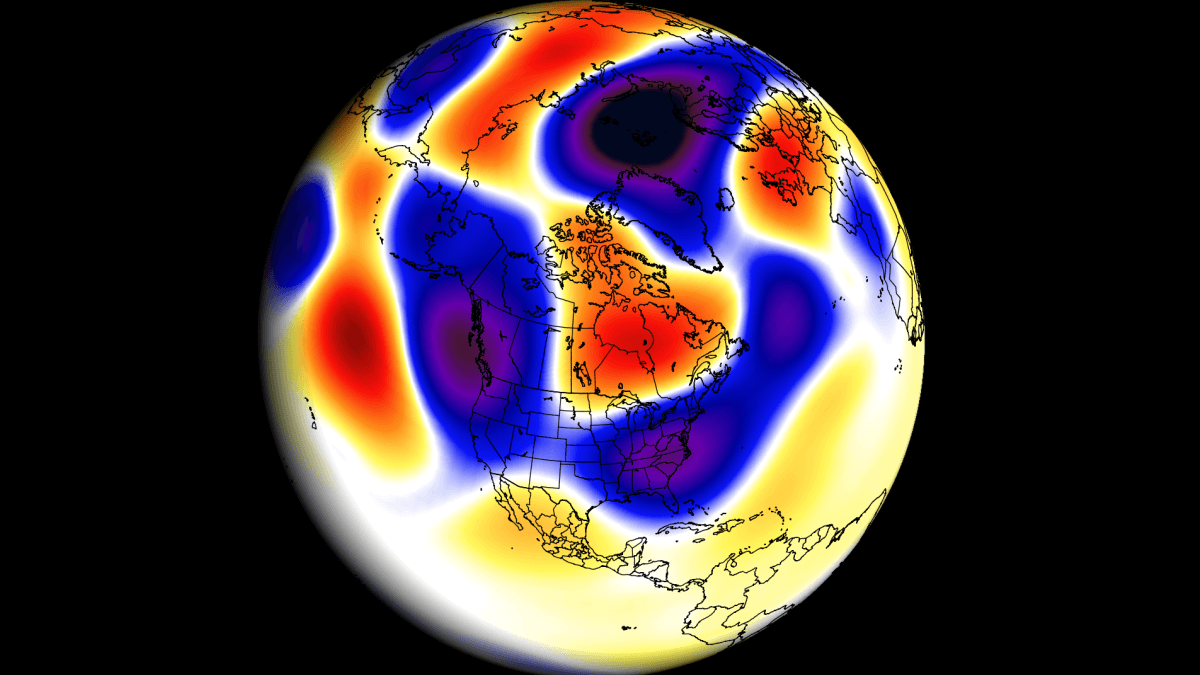
MAY Weather Forecast: Polar Vortex collapse effect is now subsiding, but what will the new pattern look like, as we head for the last Spring month?

Exposing the Big Game's avatarThe Extinction Chronicles

By:AuthorAndrej Flis

Posted onPublished:01/05/2022

CategoriesGlobal weather

The collapse of the Polar Vortex has shaped the weather in the past weeks. But now the latest forecasts show that these effects are diminishing quickly. New weather patterns will develop in the month of May over North America and Europe, significant also for weather development into Summer.

The Polar Vortex is a very powerful short-to-medium range weather driver. For this reason, we monitor its activity high above in the stratosphere. The Polar Vortex underwent a strong collapse event in March, with the effects lasting for a few weeks.

We are now seeing a forecasted shift in the weather patterns, starting to set a tone also for the coming Summer.

polar-vortex-weather-forecast-spring-summer-season-update-may-2022-united-states-north-hemisphere-cold-pressure-pattern-warming

RISE AND FALL OF THE POLAR VORTEX

Every year as we head into autumn, the polar regions receive less and less sunlight. With less solar energy, cooling begins over the north…

View original post 3,251 more words

New government maps show nearly all of the West is in drought and it’s not even summer yet: “This is unprecedented”

Exposing the Big Game's avatarThe Extinction Chronicles

https://www.cbsnews.com/news/west-climate-change-water/

APRIL 29, 2022 / 12:28 PM/ CBS NEWS

https://www.cbsnews.com/embed/video/?v=64d9fdddcfcd7c0233101a6295268df01651432274#vVcLb%2BM2Ev4rgoD6gEtok3rLRXDnJJveou1usNvF4RAHBkVRsi56VZTseLP%2B7zdDyc%2Ft3abFoUhgUuQMOe%2F5%2BGLyrq3qnG%2FMadt08tKM5SoT0pzCRD3BlnlprrJYVub0xcxaWShz%2BvBitpsaaVZVDPtZDFNHen4gYptEliOJwx2fRDyxCfN9T1IWR4FNgbaonz%2FI5C1ytIkS6Xu6fmP%2FoGaV5Svn6V%2Bf4rVs86cb8WPqAXXVZGlWvomzNqtKYOkULKq8S2G%2BlqqVTUnipurSZUtaoE1lo8iawzqRhWxSWYoNcLRZm6O4%2F%2BxZjIHF2LEYmsU4ZonlEzDAJOny%2FA%2FwC15WZSZ4%2Fsvv522zAoh5UZtT5rnMsqlPXUopSNU1vDcFo%2Fbh8yceyRzuoGzq2HBA3n%2BXIDp4p%2BCpVOg%2BhVZftm2tpvPJfCIiVcq1YmOYZHBfm4mxqIr5ZNlF80k2nzTziUUtaz6hDszC%2BSSg1KOh6xDJpU2cxOYkYklCPMvzQpfaLvX4fNIuuyIqeZbPJ55Dn22PziehDMPYZn7EeRIIyWJbeF4k7MCxBPWTCO%2BwQiLaggx%2BPbiViw0JA7QDGc4b%2F7tOQc3ln64PswL67FugUBLSQMbcp1EYSClsPwGNLOrFSRxG3LL%2FgELbS7NuIPvk%2BlOTn2im6hxycsyLPB1n1XzCa9BmBYrozAQJv5FJ88lw8HxySOej8%2BumiseQy3pnPNixt93wAVeB9Za5OjchfAVWwELLDvwA%2FIxqsYUmLDjqPS7sLtjdav3p1yZVU%2FAWruU1GlGny3zyTIpapp8%2B%2FAQU3Zmx1%2Bv1qSyDkV9bb7SNM%2FW2qCtkMKcJzxUUVqilmdBVNNapKpjLIOBC2%2FaJEzGPcCZ9EvgC8sO1HJ%2FHh1oH8pCiasqsTBUReVZjHVxmsuGNWELpfkAKY0eB5efo0%2BgZHiG8eCPL9hcU5B0vsCrdXH80fj6w7Y%2B83vQED%2BcUx5%2FGze5gnueDEORUiHOpHyHIZZ2pKobDGegnudKVnaGyMi1Avn6jqyFmldqbD66YCQEr13klnvbFTX1SsvnYRUo0WSTjPbmqq1JVzY5uKZ9ntzLhXY6xQC%2Fhz9Sr14dVO7x03Es3hA2wPTgqWfe%2Fizwrn05ixE%2Bo749X42RdNMW4lC3kZDyfpFAh%2FiZUFl%2B9QNUFRpxvR1yV6yvXojZjI8FxF3%2B3oyTn6dV31jUvRASDLEQDg8rbWg968ddWD9CTcUgiHuPephQwlJ1m4LLNRoVsmytGLXt0uAvyKxnm39mzH6oqzeXt7O3Nx9nbxYrC%2Fqoprx4%2BzN7dvv%2F5cQTWrq9WBa8Z3gdJ5IzUkeCr%2Boj4%2BwUoV2YSTF0uILMWoNQ9vaE3tj%2B7JRa9cYjz5s4nszvLJddvrm%2BumXd7F7hvRoAqwFM1puECMu9K2xSk%2B866g%2F%2Bz3But0g7NpYftSH2%2BekGoIpuFyj7L7WgJGfaNE2pEKsCGw3akc%2FDqRQ%2FbUQ91rl76cTuCs1usF1drGY1Qw0wtYAmcqcft6CUp1AKSiBdq%2B72p84kXurWioyFCjt2OYQT2M6e9ARES9DTa%2BViawP3wfYHuv0DnX6DrL9DxF%2Bj2C3T6Bbr8Ah1%2Bge6%2BQGcjjAJ3IwiwAAUc34EuhzP7z%2BlXLkeZwelAsfMkrKDjEcuh6y%2B04zEXT0RH558yfR0AsP%2BqENDg6iQI%2Flf5xc6B3kfD9WGAwn3Gz%2BNQwGSGYPjGSfUAW4dwMPdF2RxCwjzCv7uwQL4hMDTqjAbt%2B6DQTu%2FDQzfwA%2BUOP29hGXv%2BE5RBHSpVoUTVSD2HhmhTAHeBB%2FHh9AX53UFg4cHSX7GEwUepFqpdpCgb6tSv8HrB0TXv5pPZnkagWCvB2H5Fm%2Bb4bJQq7VG9qLoSmhlixAeo5VEOsuYZcuhausXI1b5SvwW3rP8Kt3Zc38YnYx5Hi%2BcClSy65%2FumqmXTbn6U0NlM6ISAs1wPwGPMXCd0QsBNNrc9c%2Fuo84BraAsWbmW6wTmsLau4b%2FmyjLWqQx9NJG%2B7RsZEIHKW2GGHkADJoWNg9zk8FzCD6wwmewzwvAQ4Iqo8l6IHEns2QIRnZwMOOPN8pt6UPMqxS%2Bl%2BxxuwWS5nHcjb4JPowfTtgFpSUuLxICKMSYuEMbMIpSxIZMApjahuuMesu1aNTV9HxoFAP7RCKgPbSuAoz46IwyAheUg9ElIn8RwZez5NDuLcd9EtyI%2BmB8hFqEOs0GDe1AqgHBzIdu8auNBIqxUgI%2BzdBhQRZahltQZJeJNvDOjbRpUY7VIaiKCMTBnZ4RXEy9jI2r%2BA3FVryJUsDdUVgKSMjWynxtxsl0ivjK4ENCBkDFeAZc0jMXbug42yXQyrmDp7L%2FWWBSgPYN%2BLiLRcl0AUgRESFhFL%2BlYoAjuJkwQNd%2BDbmzWHqt5KQyx5Cdn3uKsRw9WHd3KmbuUK7aZbQ7ojQJcs8OmMlQvG8%2BcsLP0jQ6B4huIe%2B72PvTRnKHBgHK7AEg6Zlq3QyNGurmnnR4GgiWNLwiG0iCMEA%2BezgHiRzwLLCRLXFTuGARSeYUlQP8Py4Qx3vteP8p34g8U%2FVl0jdsxDeYoacO%2F9UBG1MEPNWOAxi4Ph9o%2Fle94udb714B8DhgzmJ735e7StMfae6%2Fy59BWCf81pEKcaGKvfALJKZIDsMaq0yqdnaEnyLEFyjg2kD23tPglxGfNmczj55KivSN7Gqq8ClPq2xUhksRBi1ZEkSnhIEp%2BFQWKFkeu6CCB8GkNmR0Amk75YcDuhhFohY4HDAh%2FA7GMfi4NrX2eLxf2BYzDk9HWcu5i83XXR08j88uXLwetIe9%2FAQc3mQw%2BfsJMM9%2BEmtgPePAHiKdObvOri902qw4jRW5tZkMeWe3fn%2BiGdOSG9dW7%2FPourCOIz1fl%2F2mbNoc%2BaQ6M9RQavb7RQ9PlpWz0%2BadurdWq7Qdcb%2Feg5WmwlxE1XoISI27L8aHvQX5ZYUPChjEcXMs74faV0%2FRhSP5f6oYg%2B%2Fr%2Fkge503zzp97%2BJt9v%2FAA%3D%3D

In an unprecedented move, Southern California officials declared awater shortage emergencyand asked roughly 6 million residents to limit all outdoor watering to just once a week.

“We knew climate change would stress our water supplies and we’ve been preparing for it but we did not know it would happen this fast,” said Gloria Gray, chairwoman of the Metropolitan Water District Board of Directors.

The latestgovernment mapsshow nearly all of the West is in drought, and 95% of California is suffering severe or extreme drought.

“This is real. This is serious. This is unprecedented,” said Adel Hagekhalil, general manager for the Metropolitan Water District of Southern California.

map.jpg
The latest government map drought.DROUGHTMONITOR.UNL.EDU

California is not alone as reservoirs across the West are draining. WATCH MOREFloating homes andrent control

https://imasdk.googleapis.com/js/core/bridge3.512.0_en.html#goog_1775741354

https://imasdk.googleapis.com/js/core/bridge3.512.0_en.html#goog_766070968

https://imasdk.googleapis.com/js/core/bridge3.512.0_en.html#goog_301588192

javascript:false

Lake Mead, the…

View original post 108 more words

Bird Flu Epidemic: Where Have Outbreaks Been Detected?

Exposing the Big Game's avatarThe Extinction Chronicles

A virulent strain of avian influenza has resulted in the deaths of more than 27 million chickens, turkeys and other birds.

https://www.cnet.com/news/first-human-case-of-h3n8-bird-flu-detected-in-china/?fbclid=IwAR2YSgKmfKctaRwlxYfSlVuYdRoMedxF3sHZWEeU3U6asFOE9KGUsOscbRw

Dan Avery

April 29, 2022 10:22 a.m. PT

8 min read

Highly pathogenic avian influenza has been detected in chicken and turkey farms in 29 states.

Getty Images

A virulent bird flu epidemic continues to spread across the US, with outbreaks detected at poultry farms in at least 29 states. More than 27 million chickens and turkeys have died or been destroyed since February, when the first case was detectedat a turkey farm in Indiana.

The US Department of Agriculture called H5N1, a strain of highly pathogenic avian influenza, “a serious concern for our nation’s poultry industry” and has approved nearly $263 million to support rapid response efforts.

H5N1 has also been reported in wild birds in 34 states, resulting in the deaths of red-tailed hawks…

View original post 2,192 more words

Firefighters battling the nation’s largest active wildfire brace for strong winds

Exposing the Big Game's avatarThe Extinction Chronicles

  • Facebook
  • Twitter
  • Flipboard
  • Email

May 1, 202210:42 AM ET

https://www.npr.org/2022/05/01/1095812382/new-mexico-wildfire-updates

THE ASSOCIATED PRESS

The Cerro Pelado Fire burns in the Jemez Mountains on Friday, April 29, 2022 in Cochiti, N.M..

Robert Browman/AP

Over 1,000 firefighters backed by bulldozers and aircraft battled the largest active wildfire in the U.S., after strong winds had pushed it across some containment lines and closer to a small city in northern New Mexico.

Calmer winds on Saturday aided the firefighting effort after gusts accelerated the fire’s advance to a point on Friday when “we were watching the fire march about a mile every hour,” said Jayson Coil, a fire operations official.

Ash carried 7 miles (11 kilometers) through the air had fallen on Las Vegas, population about 13,000, and firefighters were trying to prevent the fire from getting closer, said Mike Johnson, a spokesperson with the fire management team.

But fire managers warned of windy…

View original post 534 more words