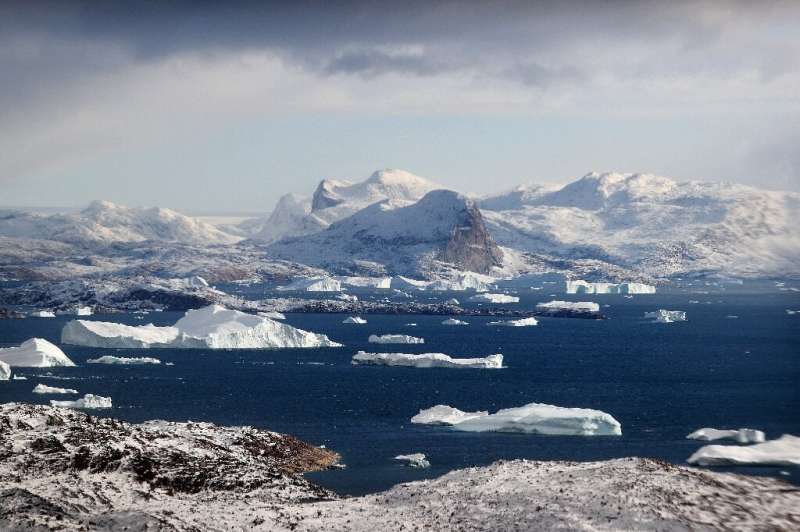
Greenland’s immense ice sheet has lost enough ice in the past 20 years to submerge the entire United States in half a metre of water, according to data released this week by Danish researchers.
The climate is warming faster in the Arctic than anywhere else on the planet and melting ice from Greenland is now the main factor in the rise in the Earth’s oceans, according to NASA.
Since measurements began in 2002, the Greenland ice sheet has lost about 4,700 billion tonnes of ice, said Polar Portal, a joint project involving several Danish Arctic research institutes.
This represents 4,700 cubic kilometres of melted water—”enough to cover the entire US by half a meter”—and has contributed 1.2 centimetres tosea level rise, the Arctic monitoring website added.
How does Russia’s army compare with Ukraine’s?02:39
(CNN)President Joe Bidenhas formally approved the deployment of 3,000 US troops to Poland, Germany and Romania, the Pentagon announced Wednesday, in a move to bolster NATO countries in Eastern Europe with tens of thousands of Russian troops amassed along Ukraine’s border.The deployments to Eastern Europe, which were first reported by CNN, are a show of support to NATO allies feeling threatened by Russia’s military moves near Ukraine and the threat of an invasion, US officials said.Pentagon press secretary John Kirby said the deployments included roughly 2,000 troops that would deploy from the United States to Poland and Germany. In addition, approximately 1,000 troops currently based in Germany were moving to Romania.
Kirby said that the moves, which would happen in the…
SCIENTIST APRIL CRAIGHEAD SHARES WHAT THE CRAIGHEAD INSTITUTE HAS FOUND SO FAR IN ITS EXAMINATION OF USER IMPACTS ON WILDLIFE NEAR BOZEMAN, ATTITUDES TOWARD ANIMALS AND EACH OTHER
byApril CraigheadSUPPORT USGET NEWSLETTERThe trends of outdoor recreation pressure being documented, and the impacts of rising numbers of humans on wildlands being examined by the Craighead Institute is more than just a concern around Bozeman, Jackson Hole and Big Sky. It’s a phenomenon that is occurring up and down the Rockies from New Mexico to Canada. The question is how are public land managers dealing with this new reality to protect wildlife and prevent user conflicts? Photo of Handies Peak Wilderness Study Area in Colorado courtesy Bureau of Land Management by April Craighead We have all witnessed a large increase in recreational use on public lands and local trails in our area since…
New research finds that wolves living in areas with high densities of human-created linear features, roads, seismic lines or pipelines, need far less space to survive than in less disturbed areasRob Gibson / CastanetJan 30, 2022 9:52 AM
New study explores the impact of human activity on wolves in B.C.University of British Columbia Okanagan
As the B.C. government decides to continue its controversial wolf cull program for another five years, the University of British Columbia Okanagan has released a study on how human activity impacts wolves in our province.
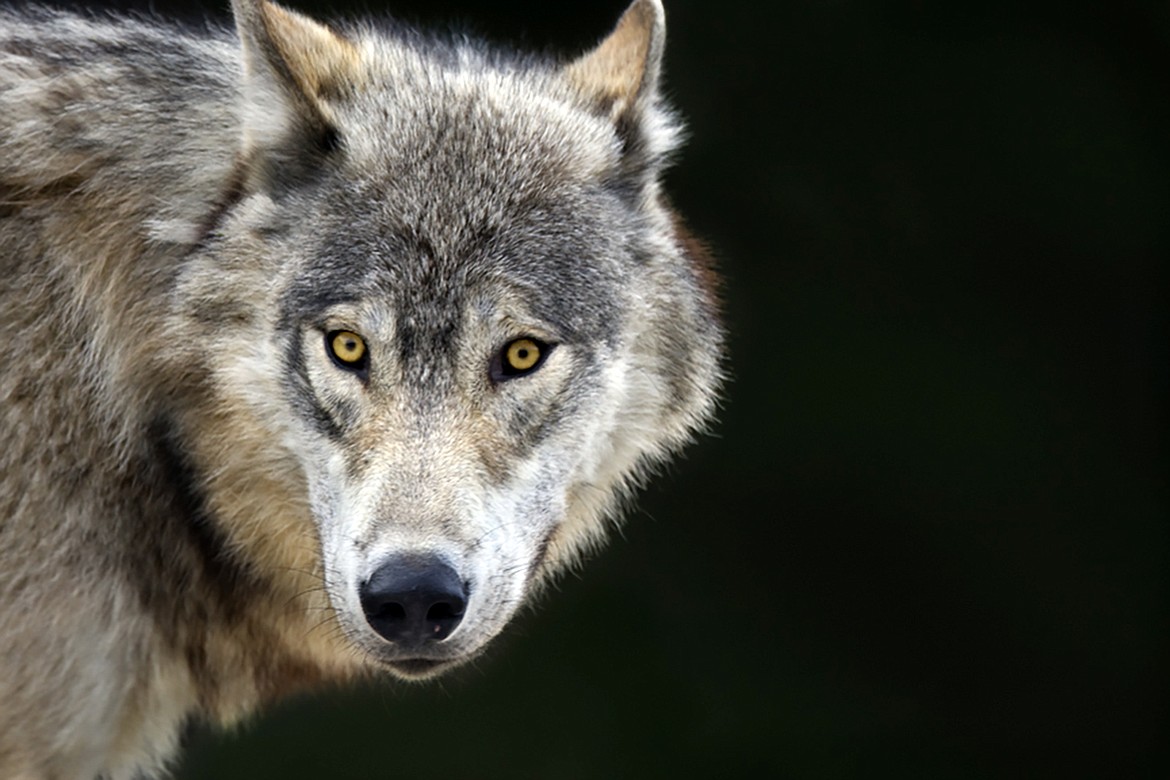
New research from UBCO’s Irving K. Barber Faculty of Science has found that wolves living in areas with high densities of human-created linear features, roads, seismic lines or pipelines, need far less space to survive than in less disturbed areas.
According to the study, like humans, wolves are intelligent predators, and they use human-built infrastructure like, trails, seismic lines and roads to help them get around easier.
“Smaller home ranges mean that, all else being equal, more wolves can fit into a given space. Our study is important for understanding how food and movement combine to influence home range size. Wolves can have profound impacts on their prey, and even plant communities. If humans are driving changes to those links in the food web, we need to understand how and then find a way to manage our part of the equation,” explains Melanie Dickie, a doctoral student who works with UBCO biologist Dr. Adam T. Ford.
Dickie’s team looked at data from 142 wolves outfitted with GPS devices in order to determine food availability for ungulates (deer, elk caribou) and their predators. Then they looked at how much easier roads and other linear features made it for wolves to access food in their home ranges.
Linear features enable the movement of predators like wolves which increases their encounter rates with prey and, as a result, their kill rates.
Increased wolf kill rates have important consequences, in particular for woodland caribou, which are in decline across much of their range as a result of increased predation.
By restoring linear features, it’s hoped that it will make it more difficult for wolves to hunt, which in turn should naturally reduce their numbers.
In contrast, in high-productivity areas, restoration may reduce wolves’ hunting efficiency, but likely will not affect regional density.
“This research is a great example of how ecological theory can support wildlife management,” says Dr. Rob Serrouya, study co-author and director of the caribou monitoring unit at Alberta’s Biodiversity Monitoring Institute. “Pushing our understanding of how movement and habitat use influences the distribution and abundance of species, will directly link to how we manage those species.”
Dr. Ford says it’s important for researchers to continue monitoring human activity when looking at species’ survival rates in Canada.
“This study adds human activity to the equation with the goal to help save caribou within a rapidly-changing environment,” Dr. Ford says.
A recent Castanet poll asked “should the province have extended its wolf cull for another five years?” More than 7,800 people responded with 45.2 per cent saying no they should not, while 42.5 per cent indicated the province should continue the wolf cull, 12.2 per cent were unsure.
A little after lunchtime on Jan. 14, Brad Herrick was heading out the door to walk his dog, Ruby, when he thought he saw a dog running loose.
About 20 yards away, it was trotting down the sidewalk on East Dayton Street past Lapham Elementary School. It was skinny and its brown coat looked “disheveled.”
Herrick, an ecologist with the UW Arboretum, did a double-take.
“That’s a coyote,” he realized.
Karl Lang shot this photo of a coyote feasting on a rabbit from the window of his home on…
The left subpanel shows the ice thickness used to initialize the model (shading) and the contemporary coast line (black contour line) while the right subpanel depicts the corresponding bedrock topography. These data are derived from the ETOPO1 data set. Credit: DOI: 10.1371/journal.pone.0259816
A team of researchers working at the Alfred Wegener Institute Helmholtz Centre for Polar and Marine Research has found via models, that due to a long lag time, the Greenland ice sheet could continue losing ice over the next century whether global warming is brought under control or not. They have posted a paper describing their findings in the open-access journalPLOS ONE.
Prior research has shown that the volume of Greenland’s ice sheet is growing smaller nearly every year as the planet grows warmer. In this new effort, the researchers suspected that reductions in the volume of the ice sheet…
Experts have been hard-pressed with evaluating the risk of the BA.2 subvariant, stumped by why it has become dominant in some countries while failing to take off in othersShare in FacebookShare in TwitterSend in e-mailSend in e-mailSaveSave article to reading listZen ReadPrint article
ONLY $1 FOR THE FIRST MONTH WHEN YOU BUY AN ANNUAL SUBSCRIPTIONSUBSCRIBE
People wear protective face masks in Tel Aviv on Sunday.Credit: Hadas ParushIdo EfratiGet email notification for articles from Ido EfratiFollowFeb. 1, 2022 2:46 AMhttps://trinitymedia.ai/player/trinity-player.php?pageURL=https%3A%2F%2Fwww.haaretz.com%2Fscience-and-health%2Fomicron-s-new-subvariant-a-more-infectious-more-puzzling-covid-strain-1.10580797&subscriber=0&isDarkMode=0&unitId=2900001646&userId=327b1799-56b7-42ee-9159-e922d1c143eb&isLegacyBrowser=false&version=20220201_4b701d2057380b695444cb1e63318932d990edae&useCFCDN=0&themeId=190
The number of infections caused by the BA.2 subvariant of the BA.1 omicron coronavirus has surged in the past two weeks, and now accounts for 11 percent of cases among travelers entering Israel. The figure jumped from 7 percent following the entry of a group of Nepalese workers infected with the new subvariant into the country.
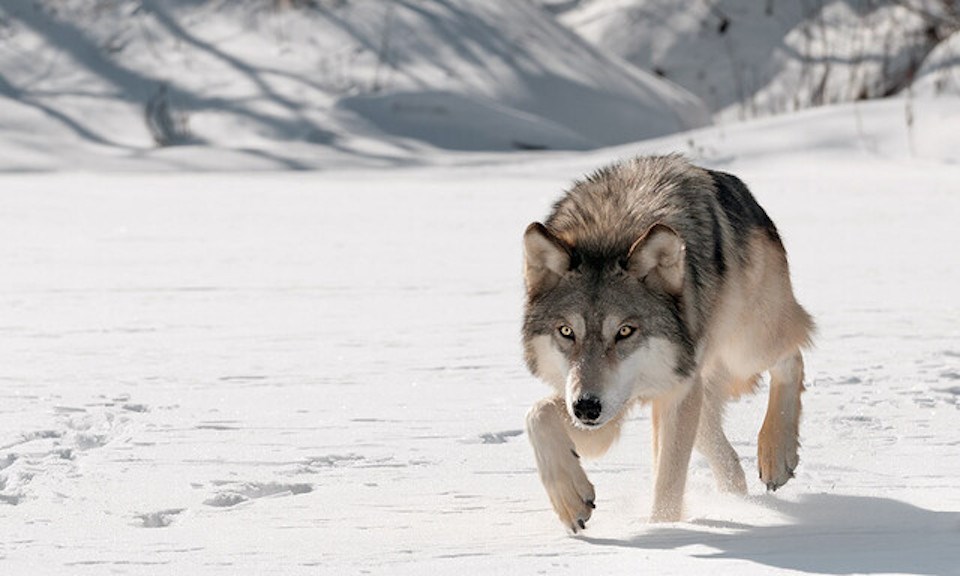
A wolf stops for a brief moment inside Yellowstone National Park. (Jeremy Weber/Daily Inter Lake)ByJOHN MCLAUGHLIN Daily Inter Lake|January 30, 2022 1:00 AM
Following years of record regional harvests, hunters and trappers in the northwestern corner of the state have so far achieved less than a third of total state-sanctioned wolf kills for the season.
The state Fish and Wildlife Commission set its Region 1 wolf hunting and trapping threshold this year — quitting the use of a “quota” — at 195 animals.
Year-to-date, the Region 1 effort, mostly comprising Lake, Sanders, Lincoln and Flathead counties, tallied 52 wolves tagged so far, according to state Fish, Wildlife and Parks Department data available Friday.
That’s down from the 101 killed in the region by this time last year, according to FWP.
The season’s regional harvest lull comes amid added hunting and trapping opportunities offered by the state.
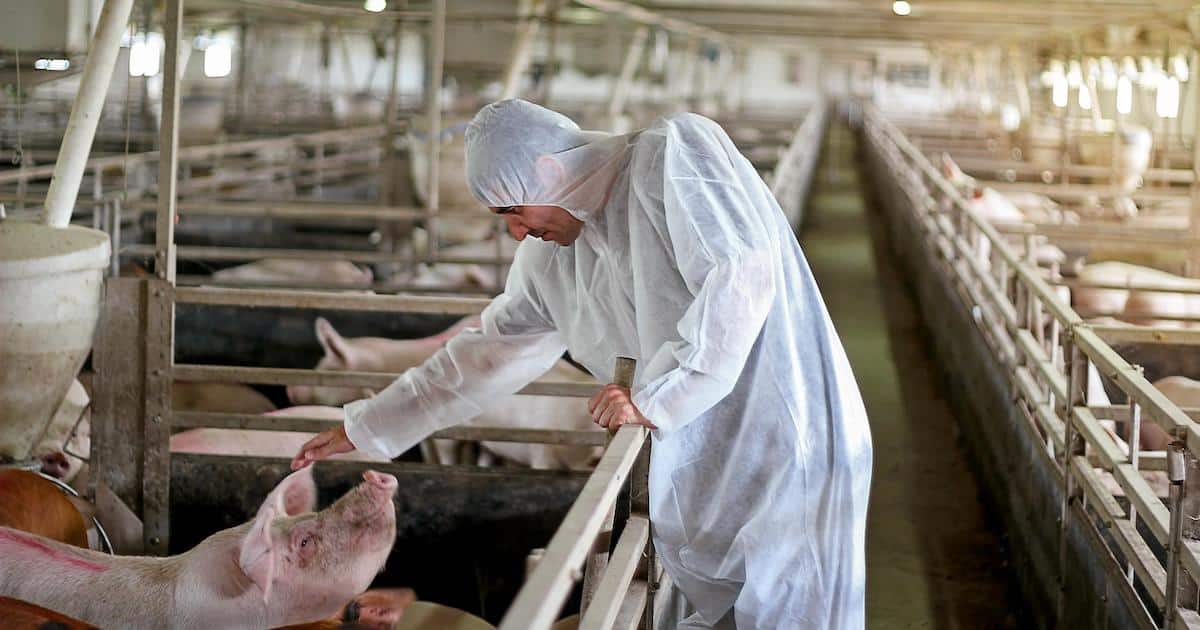
Seventeen pork slaughter plants processed more than 3 million hogs in 2020, accounting for 65 percent of the nation’s pork production, according to a U.S. Department of Agriculture working paper published Dec. 2.
More than half of all federally inspected pork slaughter plants in the U.S. process fewer than 1,000 hogs annually, but these small plants accounted for only 0.1 percent of pork production in 2020.
The working paper analyzed the impact of COVID-19 on pork slaughter rates in the U.S. and found that the number of hogs slaughtered dropped in the first few months of the pandemic before recovering to match—and in some cases exceed—2019 levels.https://datawrapper.dwcdn.net/bdQg9/2/Read More