An Adirondack hunter fell out of his tree stand recently. He suffered undisclosed injuries and made his way back to his truck. He was unable, though, to get into his vehicle.
Fortunately, a state Forest Ranger happened to be driving by, noticed him on the ground next to his truck and rescued him.
That rescue was included in the state Department of Environmental Conservation’s weekly report on Forest Ranger rescues and other Ranger-related incidents across the state. All information for the following situations was supplied by the DEC.
A 43-year-old man who slipped and slid about 50 feet down an embankment while hunting late Tuesday night near Paauilo refused medical treatment after being rescued by Hawaii Fire Department personnel.
According to a written fire department statement, eight units responded to the 11:31 p.m. call about the accidental fall of a hunter on Kamehameha Schools land.
The hunter reportedly told rescuers that he managed to keep from falling into an even deeper precipice by grabbing onto a lone tree on the embankment as he slid downward.
Jeff Walters·CBC News·Posted: Dec 18, 2020 7:00 AM ET | Last Updated: December 18
The Ministry of Natural Resources is investigating who shot Carrot the deer with an arrow. Carrot was named by Lee-Anne Carver, who says Carrot frequents her yard in Kenora, Ont.(carrotthemagicdeer/Facebook)
5 comments
A deer in Kenora, Ont., which was struck by an arrow, has had the black carbon-fibre arrow removed from its head.
The deer, which is named Carrot by a homeowner in Kenora, was shot around December 9 with the arrow.
The two men were hunting in a zone that is currently closed to deer hunting, according to the DEM. (Shutterstock)
RICHMOND, RI — A Wakefield man was injured in a hunting accident Thursday, according to the Rhode Island Department of Environmental Management.
The unidentified 28-year-old man and his partner were deer hunting in the woods near Shannock Hill Road in Richmond around 3 p.m., the DEM said. This area, part of deer management zone two, closed to deer hunting Dec. 13 and will reopen the week between Christmas and New Year’s. At that time, it will be open to doe hunting only.
The hunting partner was using buckshot, which is illegal in Rhode Island. The man was hit in his lower back and buttocks. His current condition is unknown.
The moon could be affecting how much methane is released from the Arctic Ocean seafloor, a new study finds.
The tides, which are controlled bythe moon, affect how much methane is released from seafloor sediments: Low tides mean less pressure and more methane released, while high tides create more pressure, and therefore less methane emission.
The research was conducted in the west-Svalbard region of the Arctic, with the findings published Oct. 9 in the journalNature Communications.
“It is the first time that this observation has been made in the Arctic Ocean. It means that slight pressure changes can release significant amounts of methane. This is a game-changer and the highest impact of the…
A bear is seen surprising a jogger from the bushes on a trail while a bystander distracts bear so runner can flee.
TheU.S. Fish and Wildlife Service(FWS) is offering up to $2,000 for information that could aid with its investigation into the illegal killing of agrizzly bearin Wyoming.
The FWS said the grizzly, which is classified as threatened in the state, was discovered Sept. 9in the Crow Creek drainage area of the Wind Creek Reservation. No other details of how the animal was killed, or how it was found, were made available in the FWSnews release.
A representative for the FWS told Fox News that a local agent…
UPDATED ON: DECEMBER 16, 2020 / 4:25 PM / MONEYWATCHhttps://www.cbsnews.com/embed/video/?v=f1dbe88b864469ed8fec118e6505e46a#vVZti9w2EP4rxtAv5XSW%2FO6FUnJNaUPDJSQNtJzDIktjW41tuZa8e0e4%2F96R7d27S0tTaFOO5WRpNC%2FPzDyjjz6frR47fufv7DTDhX9QErS%2F%2B%2BgrC73xdzcffXs3gr%2FzD1r6F76SuKQRzSmIiNQJy0ichBkpqiIikoOkIg%2BrmDrZfrx9A%2FULd0Nf%2Ffamf8mSa%2FPLr%2Fv8uobk2LyKan1r7fNXc%2F0CpU03NyjZdLriHfl95hMfrBqADNoSGPTctMRqIuapItArY5QeDOGGCB2SDg7QGdIqSyYQepK4bFrUapXtnPffvQq9VchDIW8V8jYhCR9QBBf13HWnGz8sjngPjnjoiLc64lntOUe8syMeN97f2hB80IMSvPv5y%2Bi3qgdjeT%2F6O5bkRUpZRENKKUY3T9yiDn%2BXpunD50teQYd%2BMLajKSro1u8BIcA097wB4%2BrAuPS11o5mVwZlICozwNGEl7hQaM8qcSl0XwbtXJWBKoOpDEI0XAY0KQOWlkEMWVoIGRIWcUZikDGpIqwYWuexQB8LEUIZ2Hbuq4GrrgzSmN5GKWrIZciymtdpluRJFudVliWpZAmWVx7SqnY2WEKcS0TwqdJ6ICFN4xg3NyWXv40Nxtb%2BZRDRFwyChTm9zZwKdKdIREEjVkBax2FFWRzGhWA1A5FA%2FE%2BjuL%2FwxwkOCo7vpu5JOGbslIBL3nfNpdJlwEcM4RDizzVzGXyu%2BcpgU1wG%2FpkBHukfJy0vsf2Xk8sNvBWw7QNNIWRtZz7FjWVRnqU0TIo0jtyhiyvdL5I9Nxamyz6a85PZ8P%2B3W%2Bup5xbt8tHBuLRGGdySfoTm3ZuXKDF%2FAvfxeHzqzAbzf8lcSyaUedGP2jnr72reGaRnJGslFnp2FZ3zKBNpUmHxYEHGlahIRWVK6ooCF2FWsCx%2FYFbns%2BsFBROfRIuUf7PuvcfK4hMM9men%2FZr3C2Fevb1%2BLH11tx7crCfvsRxhVEZL3GNoA7hxFOMzZxCaHtWtB%2FOI1WXMOQTedc%2BEwJ2rTosPZ8Ix7wxMb%2BfKiElVIM%2FiZkSw9HSSa%2BH22XOo%2Bdy5nNEL%2FPOX3auH3ai4iJOLpHCsOHHxQQ2NgwxzZRBgWNZYaRGlCc2REUW8xbtl1LF1iltfO5P4MZi9sfvGoeKSvu7wcc9dvNdl8My%2FRzT6%2Bfb1pEeY7N1PgOD6YZyB5EkasQxJKy7igoVRxKPUv0fEe7B84Vd00UJz59a412q51iIMclG7Ja8GbucJpKsilHfjdZvL6DBC5OB%2BmHa4RBLAxbk4b1tsFKG7DsRa4edrZfCp7jL4Vpl9p5sG5F4N31DHPY%2BRVOb7gVedy9L6auATUmgHz2b0f3ID%2F8ZP8rwOC44Vn2Q5ieuKkUo6nmOJTGUdpRWkrvKeXD2VmJrUwD11wJl54I%2BklrcEqhFVFcWomVUkTlFpzqKE1IhvHIW5dBCfr7yeq%2BcYlMsHMgRhSOGpF7Ido7swfxA7TeW1ib1JidbrZ2NxDFvPtqAmbyHnwau1tiP6Z70i%2B8oNahwgB%2FB0XXuiw7lpwRMtHxq48ObBM%2FzOPLJyStlgEfn9tuvq7ZyZFT2acprSFNELk4Rg5SSE1xhtCBnOmjyqZV07XB7unaB76oOTkcjt4mRagvmAJLKwy3M4OFh81%2F7NScBV%2BN49%2Flwf4%2F8flaOfG7%2FHYrk7citap9OdvF0N451HZ%2BvRpgv73nWvQniOUPkbfS1JjHOZJ7kQBGe7JIxBSAqJyaGU5TXknNKKni5sjPTECkapsNfjM7Rv9TyJP4lVSMXydceto%2FnF8Mbce%2Bfm%2FgEN97nZ2SScdeCdmntX8jiLatU9OnYXUAQGh6GbVK5Jzo%2B8T0f0n2bGOr3WkiLnkiJHtGjbOzICvsqBFBmuMCw8wTok87DMhR6k4q81eoDwb1B3wOWWyC9q2xnYcPp3ihZe%2BqyrX2a03t%2F%2FAQ%3D%3D
This year’s economic shutdowns have done little to reduce the world’s carbon emissions. While pollution has dipped, greenhouse gases keep accumulating in the atmosphere, locking in future decades of climate disruption and extreme weather. A recent United Nations report says the so-called emissions gap — the “difference between where we are likely to be and where we need to be” on climate policy — is as big as ever.
As for who’s chiefly responsible for the gap, it’s the global rich, the report says. Just 10% of the world’s population emits nearly half of the world’s carbon pollution. The top 1% of income earners around the world, a group that includes 70 million people, account for 15% of emissions — more than the 3.5 billion people in the bottom 50%.
The upshot: When it comes to cutting their emissions, “The richest 1% would need to reduce their current emissions by at least a factor of 30, while per capita emissions of the poorest 50% could increase by around three times their current levels on average,” the U.N. says. That translates into a reduction of 97% in carbon emissions for the wealthiest people.https://datawrapper.dwcdn.net/QXGB3/2/
“It’s not true of other pollutants,” he added. “Rich countries tend to be cleaner on other things, have cleaner water and air, but that’s not true for CO2.”
That’s partly because wealthier people consume more: They buy more goods, own more cars, have larger houses that take more energy to heat and cool. Carbon emissions are effectively embedded across much of the global economy, so consuming in general is akin to polluting.
But some particularly polluting activities remain the province of the global rich. At the top of the list: international air travel, which, if it were a country, would be the eighth-largest emitter in the world.https://www.cbsnews.com/embed/video/?v=f1dbe88b864469ed8fec118e6505e46a#1Vdtb%2BM2Ev4rgoD2gEMYU6JeDSyKZJOgi2sXi24X%2FbBeGBQ5snkriYJI2Q4W%2Be83I8tO1u2h7RV3wCWIRYucFz4z88zkSyhHb%2FtGPobLWjYOrsKd0WDD5ZfQeGhduPz4JfSPPYTLcGd1eBUajUspRMlVVbKi0DlL6jxjMpaa6SRVqUjiWHCFZ9v%2B8BPUb0gienjIs%2FtEsJt7IVgsbu6ZuBM5y%2B%2BiLC3uHtLb%2BxQlXDNu8PTW7lndPJpuw2Rdg%2FKOqca00gNTW9ltAI964xty63u7D9pRbQNtwQVHqeAoFcxCwVHoO5TS8BllcFGPTXNWAQP8zQXbk6ZZibKdH0w1etTr7YUyVKFkZzujZPPzX9PjTQvOy7YPl1GaFyKNsijhnKO34yC9sV24zOPnbz%2FICho0x6NlFKN8c%2Fze4Y0wPq3cgKMAOsJ9633vlqvFaqEq18Hexde4MGjOG3WtbLtabMdqtTCrxbBaxDzmqwWP8C9bLbJcpSpJOcviqmYJZCmrRAmM4%2BusAFEJrlcLvx3bqpOmQYGEH0SGGnRVCp3XseaVwJ%2BoLiol00JDBkWuM0k2eMbIJdaeQj3jcoSFxZyLTBRs1nn9z36DV93%2Bz%2B8UxQU%2F5KQiyWte5rrM46TKsjKudZ2WEY%2FwyQuhxH94qaersB9gZ2D%2FYWi%2Bup3rG6PgWrbN5trY1UL2eKNdjH9Uo%2BjaH6ip1WJWvlqE5%2BJ%2BYWO%2F31%2FPKB6ROxpBtGrTgLfOIQbfOTsOCl6ZHmvc%2BQFki1f7tpd%2B%2B%2Bqb%2BKEFbSQ9%2BwN%2BEt744BF9ZPgRZVkeiZQnIi%2BTaYdn69e379%2Buf%2Fxl%2FTCh9PqI0usJpfWEUsLXXlbownUrxuLke%2Fx%2F6nxtBzxDzNlTUKcyXi0OrO1h8%2BGnH%2FDEeBH8X91tDvrvUuMUaOPetL11HoYzsSPPGzURO9VQUugiLZRiOZYliyKIWamjmHEeFTUUkvOKP%2FNxazt43EuvtlSDBgY5qC32jI8vdz5hIssBOv8zWXorW6LEH2n%2Fl0vJ28fj9seX%2B5%2BwEqA3zmrcidA2SEfUF0bkCGxaVH3cGHtMaufOV5NNc6MUvrltrPp8ZkL3wcHwfqycQvYFfT7uets5O5zObeFwcwe1HBsKEL%2FC33B6e%2Fv8VpRXSXqVlsTWg1SfEX6CEgPjlB1gWmNuCs5TXmTYGhIUojSZw0fdIsNXfyeT%2BKVza%2BfXG0KIInx8I%2Fu1pPu%2BXS1uwqcnajA9JYr7Lc6L%2Fi3nnaT%2BGEFcS12tDy051Y6Hd4PtYfCP%2FwCMbhgnOWiZZiLKdZQmZVJGsRBSZOETBrsFL6c%2Bg4h42DzSGt9trT7mOXR6usWcQ1P%2BMruDAccN1tt%2BbORAeB6nC7wChoVC%2FNzacYkVjYtz9h%2B2yOjKNg0m%2FlRCZ7H5yKUBrH%2Fj1o3dbECvTfeKE9%2B%2BDKFx9x2VKjrth5GSaUBEG7gZ8SYDzS4fw7Qo6riUFQNszzjuVBGrEBCmolRnuhZZBRml%2F1eipww3g%2BlkYHY4LOzki1PTWIRqVFWJBDVHFUsyVFog3bAakU5EXGgC%2ByzybqzuEGqKDPIUw3KNsiDGKYAv4%2BL52Gkc2TS2kk0wGBxF2tHhODT6wG%2FBDIGSQ2W7oLbW9%2BifD8r8G5pNMJ92ENi6vphSroKxC5x8dC%2BsnOLWeYR%2FPb%2BlRD%2BH54gezyTPeIboxWnKMIdSZC68bQx5XKpCYP%2BsCZdnuRN0F5PSJxrfdtgSZ9Ma3GdktYnu7mBHsITEQZvTAaqTNc2xRCD4%2FN4QH16SFu28Pxq%2BpDramnUh4RBtGIRnD1U48%2BmbP8Gl%2FgUtfmVlRJqardBESROdaQ3STnIG%2B%2F3Uwy4Fq0F2%2Bl0jPbWXyZWZHNbk%2BPoZH%2Fo6W55PkD8gGzO2VAT9YKljPm%2BTAB6BjlDFXR0%2BvZh3LweVX%2FUqWhERUZKxc5KxPVr0W6xNwP85gJU5rvBauIOZycZual1TQ35n0QMMyAwLtMTfx9j%2BV42TgRmov6ZoIqPfdfVP9PSnp38B
While flying has become more democratized in recent years, “Aviation remains the preserve of high-income earners,” the UN said. A study last month in the journal Global Environmental Change found that just 2% to 4% of the world’s inhabitants boarded an international flight in 2018, and half of all emissions from commercial flights come from 1% of the world’s population. (That’s not accounting for private flights, which are even more intensely polluting.)
PEOPLE are being advised not to touch sick or dead birds after suspected cases of bird flu in Warwickshire.
Cases of avian influenza were recently confirmed in swans in Evesham, and in Stratford it was reported the bodies of two swans retrieved from River Avon for analysis, had died of the condition.
Cases have also been reported across the country and closer to home have been confirmed in Herefordshire and are understood to be in Worcester and Shropshire.
Public Health England and local council bosses are urging residents and members of wildlife organisations not to touch sick or dead wild birds.
With infection numbers on the rise, Defra has declared the country as an Avian Influenza Prevention Zone to prevent the disease spreading to poultry and captive birds. This means it is a legal requirement for all bird keepers to follow strict biosecurity measures and for all poultry and captive birds to be housed.
The strain can spread to other birds, but there have been no human cases of infection reported.
While the risk to human health is considered very low, health bosses say it is vital people do not touch sick live birds or bird carcasses.
Public health England regional disease control spokesman Dr James Chipwete said: “During the last week there have been confirmed cases of avian influenza in swans in Evesham, and we are receiving an increasing number of reports of sick and dead swans in Worcester. We are awaiting results of investigations currently being undertaken.
“We know that people are concerned for the welfare of the swans, especially ensuring they are fed in these colder months, however it is important that people avoid contact with these sick or dead birds. Even though no cases of human infection have been associated with this strain of avian flu, as a precaution, anyone who was not wearing appropriate PPE while in contact with the droppings or birds in an area where the infection has been confirmed, will require close monitoring and a course of antiviral medication for 10 days from last contact with infected birds.
“We have seen a number of avian flu cases in poultry and captive birds across the country – with confirmed cases in Herefordshire last month, and suspected cases now in Warwickshire.
“People must avoid touching potentially infected birds at all costs, and if you do see any sick or dead birds by waterways or on your private land, please leave them and call the Defra helpline. In areas where the infection has been confirmed, anyone who has been in contact with sick or dead birds or their droppings, while not wearing the correct PPE, should make sure any footwear is properly cleaned and thoroughly wash their hands in soap and water. They should then notify Public Health England’s Health Protection Team to arrange for antiviral medication and active surveillance of their condition. If someone handled infected birds while wearing adequate PPE, they must still undergo surveillance.”
Call Defra on 03459 335577 or ring 0344 225 3560 to speak to Public Health England’s Health Protection Team.
Fallen tree stand in Sargent Ponds Wilderness Area
Recent NYS DEC Forest Ranger actions:
Town of Arietta Hamilton County Wilderness Rescue:On Dec. 12 at 11:25 a.m., DEC’s Ray Brook Dispatch was notified via radio by Forest Ranger Milano about a 60-year-old hunter from Long Lake who had fallen out of a tree stand. While on routine patrol in Sargent Ponds Wilderness Area, Ranger Milano noticed a truck parked at the end of North Point Road and saw an injured man crouched next to his vehicle waving frantically. The Forest Ranger had recently transferred into the Long Lake area and was in the right place at the right time — North Point Road is a dead-end road with no cell phone coverage and the hunter had not informed anyone he was going into the woods. Ranger Milano called…




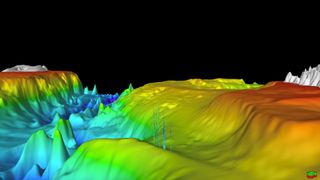 In this digital reconstruction, methane can be seen rising as flares from the sea floor.(Image: © Andreia Plaza Faverola)


