Animal Agriculture and Its Negative Impact on Climate Change

Animal Agriculture and Its Negative Impact on Climate Change

One of the most overlooked factors of accelerated climate change is animal agriculture. Could changes to the human diet help us slow down the climate crisis?Reading Time: 6 minutes
Animal agriculture has long left its mark upon the earth. Forests have fallen and grasslands trampled in favor of crops and pastureland. Now, however, this sector’s impacts are being felt in the atmosphere – carrying troubling implications for every living thing on the planet.

The agriculture sector is one of the biggest drivers of anthropogenic – meaning human-caused – climate change. Animal agriculture, which sees the raising and processing of ruminants, poultry, and marine life, accounts for some of the biggest sources of greenhouse gasses. Global temperatures rise as forest cover decreases, and oceans warm as they absorb ever-more carbon dioxide. 

Yet there are solutions to these problems – among which is the adoption of plant-based diets. It is not too late for the world to take action against the perils of a changing climate, but time for action is now. 

How Does Animal Agriculture Affect The Environment

Practicing agriculture does not necessarily come naturally to us as a species. For much of human prehistory, people lived in societies oriented around hunting and gathering. The earliest signs of agriculture can be dated at around 12,000 years ago, yet since the dawn of the Industrial Revolution, agriculture has taken on an entirely new face, adopting intensive practices such as concentrated animal feeding operations (CAFOs) which foster truly heartbreaking conditions for farmworkers, animals, and surrounding communities alike. 

Called humanity’s greatest mistake by some due to the resulting hard labor, diminished nutrition, and social inequality brought by agriculture, this system of food production now presents the world with a new quandary: environmental destruction on scales that can no longer be ignored. 

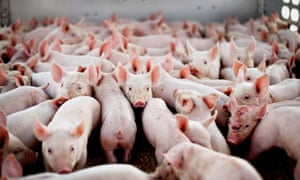
CAFOs produce enormous amounts of waste, which collect in vast open-air lagoons that can be breached by extreme weather events or gradually seep into groundwater. Water pollution from CAFOs can cause algal blooms which can devastate entire marine ecosystems. Air pollution is generated from CAFOs as manure is vaporized, sending toxic wafts through the air to surrounding communities. 

Vast fields of monocrops also cause a host of environmental effects, including air pollution. Pesticides and herbicides are sprayed in liberal amounts, which can cause a host of debilitating illnesses, including cancers, for farmworkers and surrounding communities. Soil depletion is also a serious looming issue. Monocropping, along with the overuse of agrochemicals including synthetic fertilizers like nitrogen and phosphorus, are denying fields a fallow period or crop rotation has the effect of leeching soils of their nutrients. These practices render soils far less productive over time. It takes hundreds, if not thousands, of years for soils to become abundantly fertile again. 

Impact Of Animal Agriculture On Climate Change

Out of all the human activities that cause climate change, agriculture is one of the biggest contributors. Estimates as of 2020 put the sector’s global contributions at 37 percent. Below are a few key factors accounting for climate change emissions resulting from human-cased agriculture. 

Land Use

A full 50 percent of the world’s livable land – meaning land that is ice-free and fertile – is being used for agriculture. No other human activity takes up more space. In contrast, all urban areas account for around one percent of livable land use. A whopping 77 percent of agricultural land is dedicated to raising animals, including grazing and the land used to grow their feed, including vast monocrops of species like corn and soy. Surprisingly, this huge expenditure of resources and land use provides only 18 percent of the world’s calories. 

Land used for any type of agriculture – be it livestock or crops meant for people or animals – is brought under cultivation by clearing forests and grasslands, which are carbon sinks due to their abilities to absorb carbon. Currently, forests consume roughly a quarter of all anthropogenic CO2, yet the more forests are slashed and burned to make way for pastureland or monocrops, the less carbon will be absorbed, resulting in accelerated climate change.

Livestock

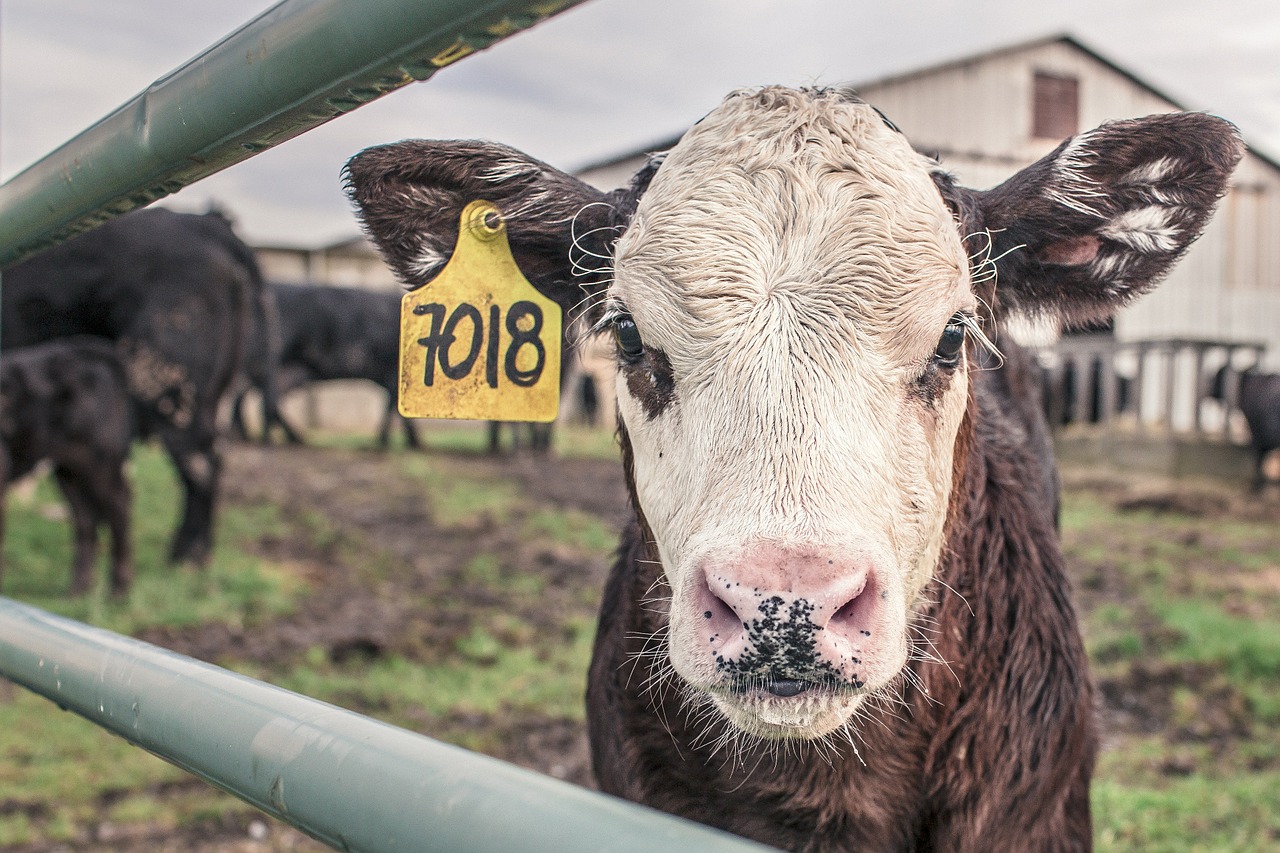
Farmed animals – referred to as livestock – generate over 14 percent of all anthropogenic emissions, with estimated totals hovering around seven gigatonnes of carbon dioxide emitted every year. The bulk of these emissions are due to raising cattle for meat and dairy, contributing 60 percent of total livestock emissions.  These emissions are thanks to the vast amounts of resources cows consume, the land they require for pasture (in the case of beef cattle), and other manure they produce. Cow manure contains nitrous oxide and methane, the latter being one of the most potent greenhouse gasses due to its outsized ability to absorb heat. 

Fisheries

Marine life, including fish, shellfish, shrimp, and other animals are taken from the seas in astronomical numbers. Nets, some of which are large enough to contain 12 jumbo jet airplanes, are dragged through the water or across the bottom of the seafloor, capturing everything in their path. Direct fishing activity, plus the energy expended to transport, process, and refrigerate carcasses amounted to an estimated total of 179 million tonnes of greenhouse gasses in 2011 – and this number likely will continue to grow as demand for seafood increases. 

How Do Greenhouse Gases Affect the Climate?

In greenhouses designed to grow plants, the transparent glass structure allows sunlight into the greenhouse while preventing heat from escaping. The earth’s atmosphere functions in a similar way, with gas molecules acting like the glass. Certain gases are more effective at absorbing heat than others; these include methane, nitrous oxide, and perhaps the most infamous, carbon dioxide. These three gasses are among the main culprits of climatic warming and change caused by human activities. 

One of the biggest drivers of global warming has been the release of carbon into the atmosphere due to the burning of fossil fuels such as natural gas, oil, and coal, which power many aspects of modern life. Even electric cars, which run on batteries and do not themselves generate carbon emissions, draw electricity from grids still run on fossil fuels (although the goal of using 100% renewable energy for electric grids is more achievable than ever). When carbon released from fossil fuel burning is released into the atmosphere, it binds with oxygen and forms carbon dioxide and begins trapping heat in the atmosphere. Because carbon emissions make up the vast majority (81 percent, as of 2018) of total greenhouse gases, they pose one of the gravest threats to climate stability. 

Although carbon is the greatest emitted by volume, other greenhouse gases can be much more potent. For example, one ton of nitrous oxide – emitted by agricultural processes including the use of nitrogen fertilizers in crop production – is equivalent to nearly 300 tons of carbon dioxide.

Methane is approximately 30 times more potent in its ability to absorb and trap heat in the atmosphere than carbon dioxide.

Can Greenhouse Gas Emissions From Animal Agriculture Be Reduced?

By far, the most effective way to reduce the animal agriculture sector’s greenhouse gas footprint is to significantly reduce, and eventually eliminate animal agriculture. While this might sound “extreme”, it is the state of industrial animal agriculture – characterized by inhumane CAFOs, waste lagoons teeming with pathogens and antibiotics, and requiring enormous land and feed inputs – which is even more extreme. 

This is not to say that eliminating animal agriculture is something easily accomplished. Demand will have to decrease, thanks to people turning to plant-based diets. The ease of adopting these diets is not the same for everyone, however. Many lower-income neighborhoods in the United States are classified as food deserts, where a lack of grocery stores forces people to endure extremely limited options, such as gas stations or fast-food restaurants. 

People in nations like the United States who do not live in food deserts bear much of the responsibility for reducing demand for animal products. Fortunately, plant-based options abound to replace animals in a wide range of products, from cheese to milk to burgers and sausages. Beyond Meat and Impossible Foods are two of the leading companies in the plant-based meat sector, helping the idea of plant-based meats go mainstream and helping people understand that it’s possible to achieve the BBQ-worthy tastes without the climate side-effects. Plant-based meats use up to 99 percent less land and emit up to 90 percent fewer greenhouse gas emissions.

Animal Agriculture And Global Warming

Flying in planes or driving SUVs have long been understood as having negative impacts on the global climate. While these are certainly deserving of critique and change, the agriculture sector deserves time in the spotlight. If industrial agriculture continues to grow unchecked, global warming will increase – with potentially disastrous impacts, the beginnings of which are being felt today. Methane, produced by livestock including sheep, goats, and cows, is a greenhouse gas with a terrific ability to trap heat in the atmosphere. The agriculture industry is responsible for fully 40 percent of the total anthropogenic greenhouse gas emissions.

In order to curb global warming, and keep the global temperature increase below 1.5 degrees Celsius, the United Nations Intergovernmental Panel on Climate Change says that global emissions will need to be reduced by around 40 to 50 percent. According to the U.N., the only way to achieve these reductions is to drastically increase forested land – which means reclaiming land currently under cultivation and to stop intrusions into existing forests.  

Conclusion

Due to its profound impacts on the climate and environment around the world, agriculture may well be humanity’s gravest mistake – because it may be our undoing. Unless greenhouse gas emissions are seriously curbed, the world is going to be a far more difficult place to endure. Reducing demand for animal agriculture and adopting a plant-based diet is among the most important actions any individual can make. 

Tropical Storm Isaias Expected To Make Landfall As A Hurricane In Carolinas

Exposing the Big Game's avatarThe Extinction Chronicles

Waves kicked up by Tropical Storm Isaias crash along Deerfield Beach, Fla., on Sunday. Isaias is expected to make landfall as a hurricane in the Carolinas on Monday evening.

Joe Raedle/Getty Images

The National Hurricane Center is warning residents of the Carolinas to brace for the effects of Tropical Storm Isaias, which is expected to make landfall as a hurricane in northeastern South Carolina and southern North Carolina by Monday evening.

The storm is expected to linger in North Carolina on Monday, traveling inland through the night before swirling up the Mid-Atlantic coast and into the northeastern United States on Tuesday night.

“Heavy rainfall from Isaias will result in flash and urban flooding, some of which may be significant in the eastern Carolinas and the mid-Atlantic, through Tuesday night near the path of Isaias up the East Coast of the United States. Widespread minor to moderate…

View original post 339 more words

Fauci: No one can predict how bad the pandemic will get this fall

Exposing the Big Game's avatarThe Extinction Chronicles

Dr. Anthony Fauci, Director of the National Institute for Allergy and Infectious Diseases, testifies before a House Subcommittee on the Coronavirus Crisis hearing on Capitol Hill on July 31, 2020 in Washington, D.C.
Dr. Anthony Fauci, Director of the National Institute for Allergy and Infectious Diseases, shown here testifying before a House Subcommittee on the Coronavirus Crisis hearing on July 31 in Washington, D.C.
(Image: © Kevin Dietsch-Pool/Getty Images)

As the school year approaches and flu season looms on the horizon, the U.S. continues to battle a worsening coronavirus pandemic. No one can predict how the pandemic will play out in the fall, the nation’s top infectious disease expert said today.

“I do not know…nor can anyone know what the fall is going to bring,” Dr. Anthony Fauci, the director of the National Institute of Allergy and Infectious Diseases said today (Aug. 3) during a Q&A put together by the Journal JAMA Network. Back…

View original post 415 more words

PEER on Double-Crested Cormorants

Public Employees for Environmental Responsibility

July 15, 2020

Comments: Migratory Bird Permits: Management of Conflicts Associated with
Double-Crested Cormorants (Phalacrocorax auritus) Throughout the United
States Proposed Rule by FWS on 06/05/2020 ID: FWS-HQ-MB-2019-0103-1411

These comments are submitted on behalf of Public Employees for Environmental
Responsibility (PEER):

1. Public Resource Depredation Reversal Unexplained

In Chapter 3.0 of the 2017 Environmental Assessment for issuing
Double-crested Cormorant (DCCO) depredation permits, the U.S. Fish and
Wildlife Service (FWS) eliminated reduction of adverse impacts on
free-swimming fish populations from the list of resources qualifying for
permits. In section 3.2, FWS stated that to determine if there may be
significant impacts essential to a reasoned choice among alternatives the
agency would need additional information requiring analyses beyond the scope
of the EA. FWS acknowledged that scientific evidence to demonstrate DCCO
presence as a limiting factor for declines in free-swimming fish on a
landscape level was limited, and that available data indicate impacts are
likely site-specific. FWS also noted limited ability to clarify whether DCCO
depredation on free-swimming fish is compensatory or additive and that in
some systems, the issue is further complicated by introduction of invasive
species.

In 2020, however, FWS revived the idea of a Public Resource depredation
permit for 48 states and an unknown number of tribes yet cites no new
information to justify the reversal of its 2017 position.

2. Not Science Based

The current FWS proposal is not based on new scientific research. Indeed,
the new proposal appears as legally vulnerable as the predecessor
Depredation Orders (DOs) which were invalidated by court order in 2016 in a
lawsuit brought by PEER.

In the succeeding years, FWS has failed to take the required “hard look” at
impacts or to explore alternatives. Instead, FWS appears to have fashioned
what it believes to be a political solution that is unsupported by any
scientific research. In short, this proposal appears to be the antithesis of
competent wildlife management.

3. Nature of Conflict Undocumented

The purported purpose of the new FWS plan is to reduce predation of fish by
DCCOs. Yet, FWS has not even specified which fish populations are at risk
from unabated DCCO predation.

In the prior litigation, PEER and co-plaintiffs offered significant evidence
that DCCOs actually benefitted native fish populations by feeding on
invasive species that were competing with those native stocks. FWS offers no
evidence that these impacts have changed.

Further, FWS overlooks evidence in its own Draft Environmental Impact
Statement (DEIS) that

* The majority of studies find that important commercial and
sport-fish species made up a very small proportion of the cormorant diet.
(p.30)
* Invasive fish make up much of DCCO diets, up to 85% of the biomass
during periods of the breeding season, (p.31)
* There remains “much controversy regarding whether cormorants, in and
of themselves, have the ability to affect an entire fish population.” (p.33)

In addressing the criticism that FWS has failed to show that
avian-suppression measures have had an appreciable impact on the fish
populations that such measures were supposed to protect, FWS response is
that “assessing the influence of predation on a fishery is a complex
endeavor that requires vast amounts of data.” (DEIS, p.33). Yet, FWS has not
marshalled any of this data.

Instead, it offers vague generalities. In its Federal Register notice FWS
states:

“Importantly, reducing the abundance of double-crested cormorants is not the
goal of the Service or this proposed management action. Reducing their
overall abundance does not guarantee that conflicts in specific areas will
decrease. If cormorants are attracted to an area due to food resources,
nesting habitats, or other factors, those places will remain attractive
regardless of the size of the cormorant population and may still experience
damage to the resources. Rather, the goal of the Service is to reduce the
number of conflicts with cormorants by combining lethal and nonlethal
methods and allowing the lethal take of cormorants only when supported by
information that such take would reduce conflicts.”

This distinction is meaningless, however, since FWS lacks data to indicate
whether conflicts will be reduced.

4. No Coherent Explanation for Eschewing Individual Permit System

In his May 25, 2016 ruling, U.S. District Judge John D. Bates concluded that
revoking or vacating these DOs was the appropriate remedy by finding that
individual permits for removal, as are used for most other birds protected
by the Migratory Bird Treaty Act (MBTA), would be sufficient to alleviate
any “any serious detrimental impact” caused by cormorants.

Nothing in the latest FWS filing invalidates that finding or explains why
the issuance of individual depredation permits is an unworkable approach for
controlling excessive DCCO damage.

In its Federal Register notice, FWS stated that “between 2007 and 2018, the
number of permit requests to take depredating birds (exclusive of requests
to act under the depredation orders) increased from slightly less than 200
to almost 300.” This hardly seems like a burdensome number, considering it
covers all bird species. FWS does not specify the number of depredation

permits it has issued in the past few years for DCCOs except to claim that
they are administratively burdensome.

In that notice, the FWS declares that “the use of only depredation permits
to address conflicts will become increasingly time- consuming and
cumbersome, and will be less responsive to needs of those seeking relief
from conflicts with cormorants.” The basis for that statement is not
articulated.

In its place, FWS proposes far more elaborate permits for 48 states, the
District of Columbia, and an unknown number of tribes. Unless FWS does not
intend to perform the monitoring described in its DEIS, the level of
administrative burden on FWS will actually increase under its proposed rule.

In the DEIS, FWS concedes it “can still authorize the take of as much as
76,000 cormorants nationwide under depredation permits for other purposes
(e.g., human health and safety, property, aquaculture, vegetation,
co-nesting species damage).” (P.62). However, FWS does not explain why the
take of that many DCCOs is insufficient.

5. One-Size-Fits-All Proposal Inappropriate

Contrary to the earlier DOs which were limited to Eastern states, the new
FWS proposal is national (the lower-48) in scope. Yet, FWS makes no showing
that there is a DCCO problem in all 48 states or that shoot-on-sight permits
are an appropriate remedy in any one state.

In the earlier litigation, the lack of appropriate controls in DCCO hunting
programs within South Carolina and Texas was a factor in the ruling striking
down the DOs. FWS offers no evidence indicating that the failures of these
state programs have been cured.

6. Sole Focus on DCCOs Unexplained

DCCOs are not the only aquatic wildfowl that eat fish, yet it is the only
species FWS targets for mass lethal removal. FWS offers no evidence
justifying this singular focus. If all DCCOs were suddenly to be lethally
removed, it is unclear whether other birds would fill that void with the
same impact on fish populations.

The closest thing to a rationale can be found in the DEIS where it explains
why the No Action alternative was rejected:

“Because mortality of cormorants would occur only from natural causes, the
continental and regional populations would likely increase to the carrying
capacity of the landscapes they inhabit before density-dependent mortality
and/or recruitment limit further growth. At that point, the populations
would stabilize around a mean value, although annual and periodic
fluctuations in abundance around that mean would occur due to extant
environmental conditions. Given the growth of cormorant populations in the
absence of lethal management efforts, the abundance of cormorants likely
would be higher than it is currently. Additional population growth would
result in increased conflicts between cormorants and society exacerbating
issues that presently exist. Therefore, we do not believe this alternative
to be a reasonable action.” (p.20)

This is hardly a compelling rationale. Nor does it explain why this
reasoning would not apply to every cormorant species or every fish-eating
bird species.

7. Bias against Non-Lethal Measures

The FWS Potential Take Limit model used to justify killing more than 123,000
wild cormorants presupposes the failure of non-lethal measures in favor of
lethal removal. However, the empirical basis for this presupposition is
never presented, let alone explained.

The DEIS cites studies that “have shown that harassment at hatchery release
sites is often sufficient to reduce cormorant foraging until fish are able
to disperse. Likewise, non-lethal measures are sometimes effective at
deterring migrating cormorants from foraging on local fish stocks as they
are moving through an area.” (p. 62)

FWS claims that it permits would require that non-lethal means are exhausted
prior to undertaking lethal removal. If these studies are correct, no lethal
take should be required to protect fish populations and state-wide permits
would be unnecessary.

8. Take Level May Be Excessive

The DEIS states that the current estimate of cormorant abundance in the
continental U.S. and Canada is 871,001 to 981,394 birds. (p.24). FWS’
proposal would set an allowable take of 123,157 cormorants per year,
nationally. (p.10)

That take level would allow removal of between 1 in 7 and 1 in 8 cormorants
in North America every year for the five-year duration of the permits.

Notwithstanding FWS’ convoluted Potential Take Level calculations, this take
allowance appears excessive and could destabilize DCCO populations.

9. FWS Lacks Ability to Monitor

These high take levels underscore the importance of FWS monitoring of DCCO
populations, what the DEIS labels “an important component of all the
alternatives.” (p.10)

Yet, FWS admits that it “has not yet developed population-monitoring
programs for the alternatives presented in this DEIS.” (p. 57) The Service
also concedes that “To minimize significant negative impacts to the Southern
and Western populations, the Service would need to develop a more
comprehensive take-tracking program that would entail participation of
monitoring from WS [USDA Wildlife Service], states, tribes, and commercial
aquaculture facilities to ensure authorized take levels are not exceeded.”
(p. 58)

FWS further recognizes the particular vulnerability of “the Western and
Southern populations, which may be more vulnerable to negative impacts if
authorized take is exceeded.” (p. 72) These are regions that were outside
the scope of the previous DOs.

Yet, it is not at all clear that FWS has the ability or the organizational
will to invest in achieving substantially upgraded monitoring capability,
especially since the driving motive behind this plan is easing the agency’s
administrative burden. In sort, FWS should not proceed with this proposal
until it has developed the monitoring capacity to prevent excessive DCCO
take.

10. Harm to Co-Nesting Birds Inappropriately Minimized

The DEIS acknowledges “an increasing concern” about harm to co-nesting birds
who will also be driven from their nests during DCCO take operations and
creating “opportunities for gulls to prey on eggs and chicks” of co-nesting
species (p.45). Yet, on the next page of the DEIS, FWS goes on to minimize
this concern with the statement –

“However, the Service anticipates the unintentional take of nontarget
species to occur infrequently and involve very few individuals of a
particular species.” (p.46)

FWS offers no evidence or analysis for this apparently unfounded optimism.

11. No Meaningful Check on Take of Look-Alike Birds

FWS also discounts the danger to look-alike bird species, such as neo-tropic
cormorants, great cormorants, and anhingas. The DEIS points out why this
should be a concern:

“Those species often intermix with cormorants. The misidentification of a
bird species that appears similar to a cormorant can occur especially when
those species mix with cormorants in flight and lowlight conditions.” (p.46)

The only safeguard FWS identifies is that states and tribes with permits
would be required to report any other species of bird taken incidentally due
to double-crested cormorant management activities under this permit, along
with the numbers of birds of each species taken.

It is unclear how often misidentifications will ne noticed, especially if
carcasses are promptly destroyed. Moreover, states and tribes have no
incentive to report mistakes, especially if doing s could result in
suspension or loss of their permit.

Nonetheless, without evidence or analysis, FWS dismisses this concern in the
DEIS, writing:

“The Service anticipates the unintentional take of nontarget species to
occur infrequently and involve very few individuals of a particular species;
therefore, the Service does not anticipate cumulative adverse effects to
occur from unintentional take of nontarget species under any of the
alternatives.”(p.75)

12. The Illogic of Depredation Trigger

The permits FWS proposes would authorize killing DCCOs only when cormorants
are committing or are about to commit depredations. Yet, DCCOs diet consists
almost entirely of fish. Thus, these birds are always either predating on
fish or are about to. In essence, FWS through this proposal and past DOs
wants to extend shoot-on-sight authority to whichever entity it deputizes to
dispatch cormorants.

This indiscriminate approach is poor wildlife management which reflects no
credit on FWS.

13. Inability to Assess Environmental Impacts

Without any knowledge of what permits will be issued for taking what numbers
of cormorants in what locations under what circumstances, it is impossible
to evaluate the environmental impacts of this proposal.

Protecting seabirds: Volunteers help secure the future of common murres, cormorants, gulls and other seabirds

Volunteers help secure the future of common murres, cormorants, gulls and other seabirds

California’s accessible North Coast seabird habitat is vulnerable to potential human disturbances that include kayaking, fishing boats, low flying airplanes, drones, human movement on low tide or climbing rocks. (Bob Wick/Bureau of Land Management)

https://www.times-standard.com/2020/07/12/protecting-seabirds/

By HEATHER SHELTON | hshelton@times-standard.com | Times-StandardPUBLISHED: July 12, 2020 at 4:10 a.m. | UPDATED: July 13, 2020 at 7:42 a.m.

For the past four years, “community scientists” have been volunteering their time in the Trinidad area to help make a difference in the life of seabirds.

These local volunteers assist the North Coast Chapter of the Seabird Protection Network in this endeavor, collecting information to identify current or potential disturbances to nesting seabirds, including common murres, cormorants and gulls.

“The volunteer seabird monitors … play an important role in gathering data about the health of local seabird populations and, in the process, become powerful advocates for this often-overlooked resource along the California coast,” said Carol Vander Meer, director of community engagement for the Trinidad Coastal Land Trust, which provides training and support to the volunteers.

Trinidad seabirds, like most seabirds, typically spend much of their life on the ocean and only come to the coastal rocks to breed. Trinidad’s “sea stacks” are part of the California Coastal National Monument, which encompasses more than 20,000 rocks, islands, exposed reefs and pinnacles along the California coastline, as well as 7,924 acres of public land in six onshore units: Trinidad Head, Waluplh-Lighthouse Ranch, Lost Coast Headlands, Point Arena-Stornetta, Cotoni-Coast Dairies and Piedras Blancas.  TOP ARTICLES1/5READ MORE49ers add veteran tight end Jordan Reed amid Kittlecontract talks

Pictured is a past community science field training in Trinidad. (Bureau of Land Management photo)

“The sea stacks off the Trinidad area are the third most important seabird breeding area along the California coast with over 100,000 nesting common murres (Uria aalge). These offshore rocks provide safe haven for at least 10 seabird species to nest, roost, molt and rest during the breeding season,” said Leisyka Parrott, interpretive specialist at the Bureau of Land Management’s Arcata office, which oversees the North Coast Chapter of the Seabird Protection Network in collaboration with state, federal and private partners, including the California Coastal National Monument, U.S. Fish and Wildlife Service, California State Parks, California Department of Fish and Wildlife, Trinidad Coastal Land Trust, the city of Trinidad, Trinidad Museum, Trinidad Rancheria, Yurok Tribe, Humboldt State University and Redwood Region Audubon Society.

“I feel like the timing is ripe for the North Coast Chapter of the Seabird Protection Network, and I am happy to be a part of it,” Parrott said.

The North Coast Chapter was established in 2016 using U.S. Fish and Wildlife Service funding secured from the natural resources damage assessment process from two oil spills in Humboldt Bay in 1997 and 1999, which affected coastal beaches and wildlife along the Humboldt County coast. (Other Seabird Protection Network chapters include Gualala Point-Bodega Head, Bodega Head-Point Sur, Point Sur-Point Mugu and Channel Islands.)

“This money isn’t endless, so we want to establish this program and carry it into the future largely with the help of a volunteer community,” said Lynn Roberts, a recently retired biologist with the U. S. Fish and Wildlife Service’s Arcata field office.

Volunteer community scientists collect data in the field on data sheets, and then enter that information into a centralized data portal when they get home.

“This allows the information to be easily complied and any changes or trends (to) be easily identified and shared,” Vander Meer said.

This year’s breeding season — which runs April to August — marks the North Coast Chapter’s fourth year of monitoring human disturbances in areas around seabird nesting habitat.

“Trinidad is a popular destination for tourists and locals alike during the summer nesting season,” Parrott said. “Kayakers, fishing boats, beachgoers, drones and even helicopters can disturb nesting birds, causing them to flush and expose eggs/chicks to predators and detrimental environmental conditions if left too long. Too many disturbances could potentially cause adults to abandon eggs during critical times.”

Vander Meer said: “Our ultimate goal is to allow seabirds to thrive by reducing human disturbance through environmental education, which hopefully promotes responsible recreation.”

Bruce Hales is one of the area’s community scientists participating in the seabird monitoring project.

“I’ve always enjoyed observing all wildlife, in particular birds,” Hales said. “I would have liked to have a career studying them, but for various reasons, that never happened. When I discovered there was a local citizen scientist observation of seabirds program, I figured here was an opportunity where I could take the skills I’ve acquired from a lifetime of amateur observation and apply them to a meaningful scientific endeavor.

“The most interesting part of this program,” he added, “is going out to specific spots on a regular basis and recording what you see. You get to witness the incremental changes that happen over time. Seeing the same birds week after week building nests, sitting on eggs and hatching chicks, and watching them feed, grow and finally fledge, seems to give me a personal stake in this natural process — and I do what I can to make sure it continues.”

Training for volunteer seabird monitoring takes place every March. This year’s training, however, was canceled due to the COVID-19 health crisis, so several previous volunteers stepped up to help out in 2020, receiving a refresher training session via Zoom. (To learn more about 2021 seabird monitoring training opportunities, check in at www.trinidadcoastallandtrust.org.)

In 2019, 34 community scientists volunteered 579 hours toward seabird population monitoring, educational outreach and recording disturbance events, according to information from the U.S. Fish and Wildlife Service.

For more information about the North Coast Chapter of the Seabird Protection Network, go to www.blm.gov/site-page/programs-national-conservation-lands-california-california-coastal-national-monument-1. For more information about the California Coastal National Monument, visit www.blm.gov/programs/national-conservation-lands/california/california-coastal.

Trinidad’s “sea stacks” are part of the California Coastal National Monument. Pictured is a sunset in Trinidad. (Bob Wick/Bureau of Land Management)

Conservation groups raise concerns about Ontario hunt of cormorants this fall

Exposing the Big Game's avatarCommittee to Abolish Sport Hunting Blog

Groups say justification for culling birds in province not based on science

A cormorant stands on a tire floating in Lake Ontario in the waters off Toronto’s Tommy Thompson Park. (Robert Krbavac/CBC)

Conservation groups say they are concerned about an Ontario government decision to allow a hunt of double-crested cormorants across the province this fall.

The Ontario ministry of natural resources and forestry announced the hunt on Friday, calling it a “fall harvest,” and said it will allow a hunter with an outdoors card and small game licence to kill up to 15 birds a day from Sept. 15 to Dec. 31. Hunters will be allowed to shoot the birds from stationary motorboats.

According to the ministry, the rationale for the killing of the birds is that they reduce fish stocks and their droppings damage natural habitat. It says they hurt the livelihoods of commercial fishermen…

View original post 1,184 more words

The pandemic highlights the gruesome animal abuses at US factory farms

Andrew Gawthorpe

https://www.theguardian.com/commentisfree/2020/aug/03/coronavirus-animal-abuse-us-factory-farms

Stories have emerged of mass killings of chickens and pigs, a tiny fraction of daily abuses heaped on farmed animals

Mon 3 Aug 2020 08.53 EDT

Shares297

Among other methods, pigs have been killed by a method known as ventilator shutdown, in which the airways to a barn are closed off and steam is introduced.
 Among other methods, pigs have been killed by a method known as ventilator shutdown, in which the airways to a barn are closed off and steam is introduced. Photograph: Bloomberg/Bloomberg via Getty Images

More than any event in recent history, the coronavirus pandemic has made plain the consequences of our abuse of animals. From the Chinese wet market where the virus likely emerged to the American slaughterhouses which have become key vectors of transmission, our ravenous demand for cheap meat has been implicated in enormous human suffering. But the suffering is not ours alone. The pandemic has also focused our attention on how American agribusiness – which has benefited from deregulation under the Trump administration – abuses animals on an industrial scale.

Republican proposal slashes weekly unemployment benefits to $200 – as it happened

 Read more

As slaughterhouses across the nation have been forced to close by the virus, gruesome stories have emerged of the mass killing of millions of chickens and pigs who can no longer be brought to market. Chickens have been gassed or smothered with a foam in which they slowly suffocate. Among other methods, pigs – whose cognitive abilities are similar to dogs – have been killed by a method known as ventilator shutdown, in which the airways to a barn are closed off and steam is introduced. A whistleblower’s video shows thousands of pigs dying as they are slowly suffocated and roasted to death overnight.

Although the pandemic has focused attention on these incidents, they represent a tiny fraction of the daily abuses heaped on farmed animals. The billions of animals slaughtered every year in the United States are intelligent, sensitive beings capable of feeling a range of emotions. They are driven to raise their young and form complex social structures, both impossible under the conditions of modern farming. Instead, they live short, painful, disease-ridden lives. Chickens, who make up over 90% of the animals slaughtered every year, suffer the worst. Their deaths are subject to effectively no federal regulation, meaning the birds are frequently frozen, boiled, drowned or suffocated to death.

Trump has moved to deregulate agribusiness even further, giving companies that abuse animals freer rein to prioritize profit over welfare

Unsurprisingly, the Trump administration has moved to deregulate agribusiness even further, giving companies that abuse animals freer rein to prioritize profit over welfare. The administration dropped enforcement of animal welfare statutes and moved forward with proposals to reduce the role of government inspectors in overseeing conditions at slaughterhouses – proposals which an inspector general says are based on faulty data. The administration also removed from public view a searchable database of animal inspection reports, shielding abusers from scrutiny. The records only went back online when Congress forced the administration’s hand.Advertisementhttps://tpc.googlesyndication.com/safeframe/1-0-37/html/container.html

As in other areas, the culture war waged by Trump’s supporters has enabled his pro-business policies. “Soy boy” has emerged as the insult of choice among the alt-right, identifying meat consumption and complicity with animal suffering as markers of masculinity. When the right cast the Green New Deal as an assault on the American way of life, they were sure to include copious meat consumption among the precious tenets under threat. “They want to take your hamburgers,” former White House aide Sebastian Gorka told a conservative audience, equating the Green New Deal with “Communism”. The reactionary writer Jordan Peterson, who has made a fortune from trolling the left, even chimed in by claiming to follow an all-beef diet.

Bringing an end to the atrocity which is America’s system of animal agriculture requires challenging both the coziness of the government-agribusiness connection and the cultural norms which underpin it. But other recent developments have shown how hard this will be. Sales of meatless meat have exploded in recent years, but they remain a tiny fraction of overall sales. Meanwhile, although Cory Booker became only the second vegan to seek a major party presidential nomination, the strength of cultural and political headwinds prevented him from drawing a link between his dietary preferences and public policy. When pushed, he embraced the framing of the issue favored among the right, declaring the freedom to eat meat “one of our most sacred values”.

As concern over abusive practices on factory farms and public interest in alternative diets have grown, businesses and their political allies have fought back with laws intended to restrict the information and choice available to consumers. So-called “ag-gag” laws, which criminalize undercover investigations of conditions on farms, have been joined by state laws preventing plant-based alternatives from using labels such as “meat” or “sausage”. The Food and Drug Administration is even considering a nationwide ban on the use of the word “milk” to label alternatives derived from soy or oats, in an effort to protect the dairy industry.

In the face of so many vested interests, even the harm caused by the pandemic looks unlikely to lead to fundamental change in America’s system of food production anytime soon. But there are glimmers of hope. When meat supplies dwindled in the first weeks of the lockdown, sales of plant-based products surged, suggesting consumers see them as a genuine alternative. If these products can be improved to a point where they can compete with meat on taste and cost, consumers and even the meat industry might embrace them on a large scale, potentially spelling the end of industrialized animal abuse.

For both the billions of animals raised and killed each year and for ourselves, that day cannot come soon enough. There is nothing natural or inevitable about factory farms, which have transformed human agriculture into a monstrosity which would be unrecognizable to previous generations. After they pass into history, future generations will view them as one of the greatest crimes ever perpetrated by humankind. As coronavirus ravages our economies and our bodies, it is clearer than ever that only a pervasive and self-defeating blindness prevents us from seeing factory farms the same way.

  • Andrew Gawthorpe is a historian of the United States at Leiden University

Burger King’s New Low-Methane Burgers Aren’t Going to Save Us

Burger King’s New Low-Methane Burgers Aren’t Going to Save Us

The meat industry is under intense scrutiny for its climate impact, with beef singled out as the biggest culprit. But if you want to save the planet, opt for the salad. It’s that simple.Reading Time: 5 minutes

July is over and with it Burger King’s short-lived but much-touted experiment with low-methane burgers. Two weeks ago, an ad for burgers made from cows fed with lemongrass to reduce the climate impact of their burps went viral, garnering the company free advertising by virtually all major media networks as well as some well-deserved criticism. Now the ad, like all things viral, is on its way to being forgotten, and the allegedly low-methane burger will fade off menus. But the whole episode can tell us a lot about how meat producers are greenwashing their products.

Burger King, like other companies that sell beef, is beginning to feel the heat from global climate change, and they are responding to the climate crisis by presenting unsustainable products as environmentally friendly. Don’t be fooled. Any way you slice it, beef’s climate cost can’t be reduced with marginal fixes like lemongrass.

The viral ad announcing Burger King’s new “low emissions” burger is a joke—and a fart joke at that. It opens with a boy styled in a white cowboy suit with a guitar in hand. He kicks open a saloon door embedded in a gassy bovine rectum (yes, really!) and, backed by a chorus of two-stepping tykes, he honky-tonks his way through psychedelic pastures and rolling hills among farting woodcut cows. The kids dance past melting icebergs and above billowing methane clouds, before donning hats decorated with lemongrass tufts. “Since we are part of the problem, we’re working to be part of the solution,” Burger King concludes. But they’re only half right!

The scene sure is something, but the science is dubious. Cows mostly burp, not fart methane. That Burger King is sniffing the wrong end of the cow is, at best, a joke and, regardless, a reminder that the company is in the burger business and not science business. The 33 percent methane reduction the company promises by switching to “low emissions” beef is also misleading. The claim is not based on peer-reviewed science, and the alleged reduction only accounts for emissions in the final “fattening” stage of production—as opposed to a cow’s entire life—meaning its total contribution to reducing greenhouse gasses (GHGs) is probably closer to 3-4 percent. Tellingly, Burger King released the ad on the same day that scientists announced that global methane emissions have grown dramatically in the past two decades.

Burger King’s ad is just the latest example of a growing trend of greenwashing in beef marketing. Beef industry organizations such as the National Cattlemen’s Beef Association and the Beef Checkoff Program regularly issue press releases and factsheets touting the “sustainability” of beef, while major beef producers publicly swear they’re cutting GHG emissions. And it seems to be working, with some major media organizations lapping up the message that “Low-methane meat is a thing now.”

It’s easy to see why Big Beef is working hard to cast their product as climate-friendly. Over the past two decades, the meat industry has come under intense scrutiny for its climate impact, with beef singled out as the biggest culprit. Livestock—between methane emissions, the production of feed, and other production costs—contribute about 15 percent of total global GHGs and, since cattle make up 40 percent of that, cattle alone make up about 6 percent of humanity’s GHG footprint. In the U.S., cattle represent 3.7 percent, or about 240,500,000 metric tons, of GHGs per year.

The average American eats about 57 pounds of beef per year, and between the domestic and export market, the U.S. produces around 27 billion pounds annually. That’s 33.6 million head of cattle, with just four enormous producers—Cargill, Tyson Foods, JBS USA, and National Beef—accounting for 85 percent of the supply. These cattle have a massive environmental footprint and require an enormous amount of land.

Beef advocates are mustering a defense of their climate impact under the slogan, “It’s not the Cow. It’s the How.” Some acknowledge the impact of large-scale, feedlot-fed beef, but encourage smaller-scale “regenerative” agriculture. These advocates contend that cattle grazing stimulates carbon sequestration in soils and that cows’ manure can substitute for carbon-intensive synthetic fertilizers, thereby offsetting methane emissions and making cattle GHG-neutral. Evangelists of regenerative agriculture argue that it could become the dominant form of cattle production. This is unlikely. Not only is the scientific community not sold on its climate benefits, but the system cannot be scaled up to supply low-cost beef to low-cost retailers and restaurants like Burger King. According to Matthew Hayek, Ph.D., who studies the environmental impacts of our food system at New York University, there simply isn’t enough land in the U.S. to graze all those cows.

For the commodity beef producers, meanwhile, their only option is to find ways of cutting emissions within existing production chains. Increasingly, they have resorted to changing cows’ diets to try and reduce their carbon footprint. Studies have shown, for instance, that feeding cows seaweed can potentially reduce methane emissions by upwards of 60 percent. The industry has been quick to use these studies to boast that they are part of the solution to global climate change.

But these methane reductions are theoretical, marginal, and impractical. Globally, most cows eat a standard diet. It is unclear that feed additives can be produced affordably at scale. Enormous monocultures of algae required for cattle feed may also have serious ecological costs. And, like Burger King’s sustainability claims, these solutions focus primarily on the “finishing” stage of production. To put it simply, there’s no such thing as a zero-emissions cow, and even a reduced-emissions cow produces far more GHGs than other protein sources. And none of this addresses the cattle industry’s other ecological impacts, like deforestation and contamination of waterways. This solution is also incompatible with regenerative agriculture: feed additives require standardization and scaled mass confinement, exactly the thing regenerative grazing is supposed to eliminate.

Big Beef is trying to put lipstick on the, er, cow. The emerging scientific consensus is that beef production needs to be massively reduced globally, and diets need to adapt if we’re to keep food production within planetary limits.

Meanwhile, the entire meat industry now faces heightened criticism unrelated to GHGs. Recently, we’ve seen packers strong-arm vulnerable workers into COVID-19 “superspreader” slaughterhouses. We’ve seen the industry respond to production bottlenecks by “depopulating” (industry-speak for killing) millions of farm animals. We’ve seen hurricanes dump millions of gallons of livestock manure into drinking water. Now add this to the butcher’s bill: agriculture is responsible for half of all zoonotic disease and a full quarter of all infectious diseases since 1940.

This moment of crisis should be a moment of transformation, not greenwashing. Whatever consumers choose to order at Burger King (we recommend the meat-free, actually low-impact Impossible Burger), we should not applaud solutions that trivialize the scale and nature of the problem. Big Beef must be regulated to ensure that its workers are safe and that the price of its product reflects its true cost to the public, workers, future generations, and animals. It should be taxed, and those monies should be invested in public projects aimed at environmental sustainability, GHG reduction, and the development of cellular agriculture that would allow consumers to eat beef without the cows and their burps. And, ultimately, industrial animal agriculture should be eliminated.

In the meantime, being a conscientious consumer is hard. We all make compromises. But if you think that eating Burger King’s “low emissions” burger is a real solution, you’re the sucker. Want to save the planet? Opt for the salad. It’s that simple.