Deforestation can cause wildlife to come into close contact with humans, causing a release of pathogens and new diseases. Photo: Wikimedia Commons
In the middle of this pandemic, we all recently celebrated the 50th anniversary of World Earth Day that symbolises support for environment protection. Although this is perhaps the first time we are not taking nature for granted, this pandemic surely raises questions about how we impact our planet.
The World Health Organization (WHO) on March 11, 2020, upgraded the status of the novle coronavirus disease (COVID-19) outbreak from epidemic to pandemic. Calling it as a pandemic is an acknowledgement of its global spread.
The coronavirus, named for the protein protrusions that decorate the outside of the virus like a crown…
The June 14 editorial “Unregulated trophy hunting not only cruel but also bad for the environment” overlooked a salient point: How can self-described trophy hunters claim they are wildlife conservationists when their overriding objectives are trophies, self-aggrandizement and profit?
Oversight hunting and trapping has been for many decades been dominated by trophy hunters and trappers. They have zero concern for wildlife’s best interests, as shown by maximized killing quotas.
Many of the state Wildlife Department’s employees are trophy hunters. The nine-member state Wildlife Commission has a statutory majority represented by wildlife-killing promoters. The actions of both bodies tell a long-term story of carnage and destruction.
Hunting and trapping are readily allowed on supposed wildlife refuges.
Nevada has 96-hour trap inspection, the 47th-worst inspection interval in the country. Target and nontarget species are finished off…
Some who stop eating meat continue eating fish in the belief that it’s good for them and that fishing is less cruel and destructive than farming – nothing could be further from the truth
You don’t need to eat fish to get your quota of essential fatty acids (Photo: Adobe. Do not use without permission)
We need fats called essential fatty acids for our cell membranes, brain and nervous system. They help regulate blood pressure, blood-clotting, immune and inflammatory responses and are called ‘essential’ because we can’t make them in our bodies, we must get them from food. ALA is an omega-3 essential fatty acid found in plant foods such as flaxseeds, rapeseeds, soya, walnuts and their oils.
We convert it, in our bodies, into the longer-chain omega-3s EPA and DHA. These are also found in oily fish, which they obtain from algae. Conversion rates in the body can be low, which is why some people insist that fish oils are essential for health. They are not, in fact, they could be doing more harm than good.
UK guidelines recommend that we should eat at least two 140g portions of fish a week, one of which should be oily. This contributes to the widespread belief that eating oily fish or taking omega‐3 fish oil supplements reduces our risk of heart disease, stroke and death. The research tells a different story.
These findings are consistent with many other high‐quality reviews. They also found that ALA from plant foods may slightly reduce the risk of cardiovascular events and arrhythmia (abnormal heart rhythm).
Another 2018 review, this time from the British Journal of Nutrition, found that higher ALA intakes from plant foods were linked to a reduced risk of heart disease. So it seems you’re better off with plant-based omega-3s. In fact, over the past two decades, many studies have shown a similar lack of effect from fish oils and a beneficial effect from consuming ALA directly from plant foods.
Mercury rising
Some studies show that oily fish, and particularly fish oil supplements, can actually have the opposite effect than that claimed and instead increase the risk of cardiovascular events.
The American Heart Association says this might be explained by the damaging effects of methylmercury, an environmental contaminant found in fish. A study of men in Eastern Finland, where mercury levels in fish are high, found that the level of mercury in their hair and the amount of fish they ate were linked to an increased risk of cardiovascular death.
In other words, those eating the most fish also had the highest levels of mercury in their hair and the highest levels of cardiovascular death.
Some studies show that fish oil supplements can actually increase the risk of cardiovascular events (Photo: Adobe. Do not use without permission)
Toxic shocker
All the world’s oceans are contaminated with toxic pollutants such as methylmercury, polychlorinated biphenyls and dioxins, and many act as damaging neurotoxins.
They can accumulate as you move up the food chain, especially in oily fish, cancelling out any supposed beneficial effects of omega-3s.
Conflicting advice
We have the extraordinary position in the UK, where women who are pregnant or breastfeeding are advised to eat oily fish because the omega-3s it contains can help a baby’s nervous system develop.
On the other hand, all girls and women who are breastfeeding, are pregnant or who are planning a pregnancy – and even those who may one day in the future want to have a child – are warned not to eat more than two portions of oily fish a week.
The reason for this advice is that pollutants in the fish may build up and seriously affect the baby’s development in the womb. And there are more warnings – children, pregnant women and women trying to get pregnant are also told to avoid eating shark, swordfish or marlin because they contain more mercury than other fish and this can damage a developing baby’s nervous system.
So, damned if you do, damned if you don’t!
Oily fish includes: herring, pilchards, salmon, sardines, sprats, trout and mackerel. However, the list of fish to limit or avoid has been extended to include some white fish which may also contain similar levels of pollutants – sea bream, sea bass, turbot, halibut and huss (dogfish). And this is supposed to be a health food.
Norovirus
Pollutants are not the only problem as filter-feeding shellfish, such as mussels and oysters, can accumulate bacteria and viruses from their environment and when eaten raw, can pose a direct threat to health. Norovirus is one of them and can cause fever, nausea, vomiting, cramping and diarrhoea.
It is one of the most common causes of food poisoning in the UK and is also called the winter vomiting bug because it’s more common in winter, although it can be caught at any time of year. Norovirus infections spread very easily from person-to-person contact or simply by touching surfaces that have been contaminated with the virus and then touching your mouth.
Outbreaks are common in hospitals, nursing homes, schools and cruise ships and can also occur in restaurants and hotels. The virus is usually mild and lasts for one to two days. Symptoms include vomiting, projectile vomiting, diarrhoea and fever. Most people make a full recovery within a couple of days but it can be dangerous for the very young and elderly people.
Many outbreaks are linked to shellfish contaminated by human faecal sources. Contamination of bivalve shellfish, particularly oysters, with norovirus is recognised as a food safety risk, one study found 69 percent of 630 oyster samples ordered from vendors across the UK were found to be contaminated with norovirus.
Those pregnant or breastfeeding are advised to eat oily fish – but those trying to get pregnant are warned not to eat more than two portions of oily fish a week (Photo: Adobe. Do not use without permission)
Hepatitis E
Hepatitis E is endemic in many developing countries where it is spread via a faecal-oral route. Outbreaks are relatively rare in developed countries due to better infrastructure, water supply and sanitation.
However, there have been clusters of infection in developed countries not associated with travel to areas where the virus is prevalent that are instead associated with zoonotic transmission. In the UK, there has been a steep rise in cases over the last decade.
Fish farms now provide more than half of all fish consumed by humans but are certainly not the answer. These overcrowded, unnatural pens transmit disease and cause water pollution; choking marine life with persistent organic pollutants, antibiotics, chemicals from parasitical treatments, anaesthetics, disinfectants, feed additives, metals and antifoulants.
Farmed fish tend to contain less omega-3s as they are fed omega-6-rich vegetable oils in addition to fishmeal and fish oils. Yes, fish are being pulled out of the sea in order to feed farmed fish and livestock.
Our oceans are being decimated and ancient coral reefs destroyed at an unprecedented level by fishing on an industrial scale. Marine ecosystems are collapsing as bottom-trawlers plough through sea beds, with up to 90 per cent of some fish species having been depleted, decimating populations of large-bodied marine animals who depend upon them.
This domino effect could disrupt ocean ecosystems for millions of years to come. The nonsensical belief that fish cannot feel pain still prevails despite abundant scientific evidence showing that fish experience conscious pain in the same way as mammals and birds. Pain is an essential element of evolution, teaching creatures which things it is essential to avoid.
Fish in the U.K.
Surprisingly for an island nation, fish is not a popular food in the UK, with the average adult consuming just 54g of oily fish per week.
The good news is you don’t have to destroy the oceans, inflict pain or eat neurotoxins and carcinogens to get your essential omega-3s. Plant foods can provide more than enough to keep your heart healthy and combat inflammatory conditions such as arthritis.
Or, if you choose, you can take an algal-based vegan omega-3 supplement supplying EPA and DHA without the risk of contamination, and none of the ethical and environmental concerns of eating fish. Help our oceans become healthy again and leave fish alone.
Excerpt : Someday I must tell my son what I have done. My comfortable, safe life is in large part a product of theinternal combustion engine. Fossil fuels power the trains that take us to the beach, the factories that make his plastic bucket and spade, the lights I switch off when I kiss him good night. We can make small adjustments: recycling, buying reusable bottles for our water and ice coffee, foregoing the occasional plastic bag. But these small things, even multiplied by a large population, are still small in the end.
I cannot deny my son or myself the ease of modern life, and I have no wish to isolate him from friends and family by insisting on radical changes. A carbon-free life seems a solitary one: no travel to see grandparents, awkward refusals of invitations, precious time with friends replaced by gardening, canning, mending…
The Department of Justice is launching a probe into beef companies, following beef prices almost doubling earlier this year, after more than 20 slaughterhouses across the U.S. were forced to shutter due to COVID-19 outbreaks.
Bloomberg reports that ‘regulators are also scrutinizing potential price manipulation, and on Capitol Hill, lawmakers are clamoring for a crackdown’, adding that ‘farmers have long complained about the dominance of just a handful of companies in beef and poultry markets, but antitrust enforcers haven’t before taken significant action against the companies’.
Antitrust laws
The probe follows reports that while consumers were paying these staggeringly high prices for meat, meat packing giants were extremely low prices to ranchers and farmers.
The probe will investigate whether these meatpacking companies are manipulating prices. If so, they could be violating antitrust laws – aka competition laws – statutes developed by the U.S. government. They were put in place to protect consumers by ensuring that fair competition exists in an open-market economy
‘Broken’
Ben Gotschall is interim executive director for the Organization for Competitive Markets, which advocates against consolidation in agriculture.
He told Bloomberg: “The market’s been broken for a long time, and the pandemic has just made it worse. Meatpackers are making record profits, and the ranchers are going out of business.
“Whatever Trump’s motivation might be, if he does the right thing you have to take it. I hope it’s more than just lip service.”
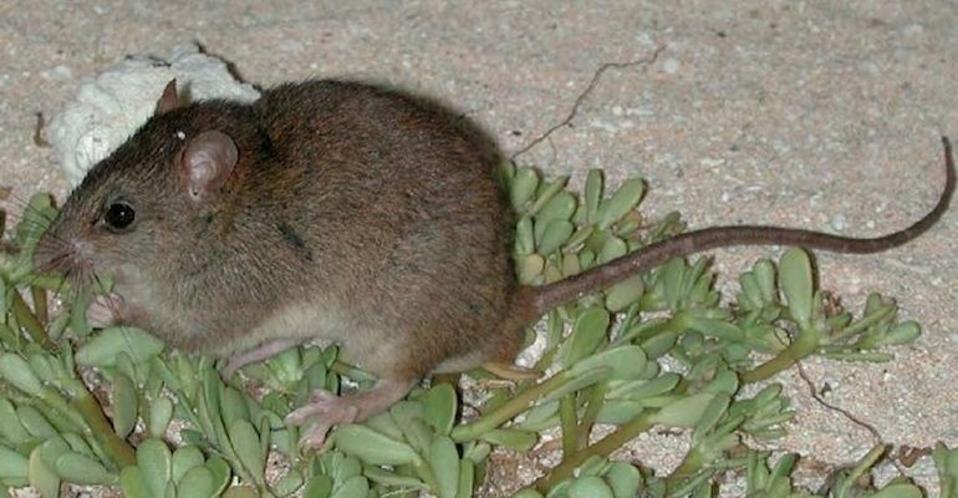
Bramble cay melomys Melomys rubicola. In 2016 declared extinct on Bramble cay, where it had been … [+]
STATE OF QUEENSLAND
An estimated 99% of all species ever living on planet Earth are now extinct. Extinction is part of life’s history, and the extinction of single species happens all the time. Over time lost species are eventually replaced as natural selection acts on the survivors, evolving new species. Mass extinctions in the geological record are defined by the loss of a large part of biodiversity in a (geologically speaking) short interval, like a few hundred to thousands of years.
Paleontologists recognize five big mass extinction events in the fossil record. At the end of the Ordovician, some 443 million years ago, an estimated 86% of all marine species disappeared. At the end of…
PRATT – Though Kansas coyote hunters can already hunt at night year-round without the aid of lights, a new proposal will be discussed at the Kansas Department of Wildlife, Parks and Tourism (KDWPT) Commission’s June 25 virtual meeting that would allow the use of lights, night vision, and thermal imaging to hunt coyotes.
“Most other Midwest states allow this activity in some form with apparently no more legal or safety issues than other types of hunting,” said KDWPT furbearer biologist Matt Peek, ”And pressure from hunters, and in some cases livestock producers, for us to allow this has really grown in recent years.”
In response to requests from the public, Commissioners asked the department…
As a consequence of the pandemic, slaughterhouses are shutting down as they become COVID-19 hotspots, their employees becoming sick in record numbers. Meanwhile, farmers who have no flexibility to hold animals for even a few extra weeks are deploying brutal forms of “depopulation,” including shutting off ventilation systems and allowing the animals to die from heat stress or suffocation, according to the ASPCA.
Today’s industrial farms raise massive numbers of pigs, chickens, turkeys, and cows in intensive confinement, mired in their own waste and lacking enough space to simply move about freely. These farms also breed animals for extreme growth and production rates that further endanger their health and welfare. Conditions like these have torturous consequences including lameness, skeletal disorders, and painful skin lesions. Yet, they are still standard operating procedure for the few large companies that control how most farm animals are raised and slaughtered in this country.
As a consequence of the pandemic, this cruel machine is now starting to crumble under the weight of its callous greed, layering even more tragedy on top of longstanding suffering. Slaughterhouses owned by enormous meat companies are shutting down as they become COVID-19 hotspots, their employees becoming sick in record numbers due to wholly inadequate worker protections.
Meanwhile, farmers raising animals for these companies — pressured by strict contracts to maintain factory-like production rates with razor-thin margins — have no flexibility to hold animals for even a few extra weeks and are deploying brutal forms of “depopulation.” One method involves shutting off barns’ ventilation systems with animals sealed indoors to die from hours of heat stress or suffocation.
Industrial animal agriculture isn’t just cruel to animals, dangerous for workers, and economically unstable for farmers — it may also become a breeding ground for the next global pandemic. While COVID-19 likely originated in wildlife, groups like the Food and Agriculture Organization and scientists around the world have long been warning that industrialized animal farming practices can increase the risks of zoonotic diseases. Industrial animal agriculture hallmarks like extreme crowding of animals, poor air quality, inadequate waste management, and reliance on antibiotics are all kindling for the brushfire of pandemics.
The real-life evidence to justify these warnings is stark and sobering. Between 1997 and 2006, highly pathogenic strains of H5N1 bird flu were linked to poultry farms in China, with a 60% mortality rate in humans who caught the virus. In 2009, the H1N1 swine flu jumped from commercially raised pigs in Mexico to humans and killed hundreds of thousands of people worldwide.
To prevent illness in stressful conditions that would typically sicken animals, many farms resort to the prevalent use — and overuse — of antibiotics. Currently, in the EU and the U.S., over 75% of all produced antibiotics are used in animal agriculture. The bacteria found in animals — Salmonella, Campylobacter, E. coli — are the same ones that cause illness in humans, and the drugs used by industrial farms are the same ones we use to cure those illnesses. This indiscriminate misuse of antibiotics to prevent — rather than treat— infections is vastly increasing the rate at which bacteria gain resistance. A 2019 study showed that antibiotic resistance has nearly tripled in farm animals.
As drugs lose their effectiveness on farms, they’re not working to cure human infections either. In the U.S. alone, 35,000 people die each year from antibiotic-resistant diseases.
This dangerous situation has long demanded a bold solution, but the pandemic has raised the stakes even higher for humans and animals, creating even more urgency but also a unique opportunity for action.
First and foremost, the U.S. Department of Agriculture (USDA) should immediately stop allowing slaughterhouses to convert to even faster slaughter speeds, which endanger animals as well as workers. The USDA must also heed the call of Rep. Lloyd Doggett (D-TX) and 21 other members of Congress who recently urged the agency to block the use of the most inhumane depopulation methods. But we cannot stop there.
Congress should also promptly enact the Farm System Reform Act, ambitious legislation introduced by Senator Cory Booker (D-NJ) and Representative Ro Khanna (D-CA) that would put an end to factory farming by 2040. The legislation includes a phase-out plan that would provide funds to help farmers transition from the factory farm model to more humane and sustainable farming systems. The public can help by asking their congressional representatives to support and co-sponsor this vitally important bill.
These goals may seem too lofty to some, but the unprecedented dangers we now face makes this the right moment to build a more humane and resilient food system that values animals, people, and the planet.
By Region 8 Newsdesk|June 15, 2020 at 12:30 PM CDT – Updated June 15 at 12:30 PM
JONESBORO, Ark. (KAIT) – If you’ve ever wanted to go gator hunting, here’s your chance.
The Arkansas Game and Fish Commission announced Monday hunters have until midnight June 30 to submit their applications for the 2020 alligator season.
Each permit allows for the harvest on one alligator, which must be at least 4’ long, according to a news release.
Hunters, who must be at least 16 years of age, can have as many as three assistants on the hunt. But, the AGFC says only the permit holder will be allowed to snare, harpoon, or dispatch the alligator.
Hunting will be allowed 30 minutes after sunset until 30 minutes before sunrise Sept. 18-21 and Sept…


 Deforestation can cause wildlife to come into close contact with humans, causing a release of pathogens and new diseases. Photo: Wikimedia Commons