Default Mono Sans Mono Serif Sans Serif Comic Fancy Small CapsDefault X-Small Small Medium Large X-Large XX-LargeDefault Outline Dark Outline Light Outline Dark Bold Outline Light Bold Shadow Dark Shadow Light Shadow Dark Bold Shadow Light BoldDefault Black Silver Gray White Maroon Red Purple Fuchsia Green Lime Olive Yellow Navy Blue Teal Aqua OrangeDefault 100% 75% 50% 25% 0%Default Black Silver Gray White Maroon Red Purple Fuchsia Green Lime Olive Yellow Navy Blue Teal Aqua OrangeDefault 100% 75% 50% 25% 0%There’s now a local animal rights group set to speak to the Mobile City Council Tuesday in an effort to save the beavers.
Published: Mar. 24, 2025 at 3:15 PM PDT|Updated: 21 hours ago
MOBILE, Ala. (WALA) -Taking care of “nuisance beavers” in the city of Mobile has become a hot button issue.
There’s now a local animal rights group set to speak to the Mobile City Council Tuesday in an effort to save the beavers.
The Mobile City Council has already voted to re-hire Randy Howell with Waylon Wildlife Services LLC for about $13,000 a year.
Howell said he’s been catching beavers in Mobile for close to 20 years.
Howell said he sets up and checks on multiple traps in 23 locations across Mobile.
The goal is to keep the beavers from damming up local waterways so debris doesn’t pile up in neighborhoods.
Howell said because of state law, he can’t take the beavers and re-locate them.
In his words, there’s “no magic land to take the beavers to”.
According to him, the beaver could carry a disease or spread a certain type of algae into other waterways. So because of that, he does kill the beavers after he traps them.
It’s a necessary evil, he said that must happen in order to keep roads from flooding and development to continue.
On the other side of that, Awakening Respect and Compassion for All Sentient Beings, or ARC, plans to speak to at Mobile City Council meeting Tuesday.
ARC director, Tracey Glover said they want a humane solution to the beaver problem instead of them being killed.
She said she plans to ask council about the process to trap and kill the beavers and present humane alternatives.
Howell said he would love it if he didn’t have to kill the beavers, but doesn’t think it’s possible.
We like to think we have animals figured out: Owls prowl at night, squirrels scamper by day, and bears sleep through winter. But it turns out wildlife isn’t following our rule book, and a new global study reveals just how much their schedules are shifting in ways we never expected.
What’s happening?
A massive study led by researchers from the University of Rhode Island and Colorado State University found that the presence of humans is dramatically altering the daily schedules of many animals, Earth.com reported.
By analyzing 8.9 million wildlife images from camera traps across 38 countries, scientists discovered that more than half (61%) of the 400 mammal species studied don’t follow the activity patterns we’ve assumed for years. And 74% changed their activity in response to humans.
“I expected some variation, but basically most species that we had adequate data on showed that they would change their diel activity,” said Brian Gerber, the lead researcher of the study.
Some animals have become night owls (literally) to steer clear of human activity, while others are embracing the daylight, possibly lured by city lights or the promise of an easy meal. These findings challenge our long-held beliefs that animal behavior is set in stone.
“The most striking thing is that when you are taught an animal is diurnal or is nocturnal, that is not always correct,” Gerber explained.
FROM OUR PARTNER
Score up to 60% off your next e-bike with this amazing website
Upway is the No. 1 destination for e-bikes — with up to 60% off retail prices and a wide selection of top-tier brands like Cannondale, Specialized, Rad Power Bikes, and many more.
Shop for electric city cruisers, cargo bikes, mountain bikes, and everything in between with brand-new and certified pre-owned options. Whatever you choose, you’ll get it delivered straight to your doorstep in just a few days.
Disrupting an animal’s routine isn’t a small change; it can have serious consequences. Animals that suddenly find themselves navigating an unfamiliar time of day may struggle to hunt, find food, or avoid predators.
And it’s not only about survival. These shifts could lead to more unexpected run-ins with humans. A nocturnal animal suddenly venturing out in daylight might wander into traffic, and a species that’s normally out in the daytime could find itself in the wrong place at the wrong time when predators are lurking. These disruptions ripple through entire ecosystems, throwing off the delicate balance that keeps nature in check.
This is yet another example of how human expansion forces wildlife to adapt in ways they weren’t built for. Some species might be able to keep up, but for others, the rapid changes could be too much, contributing to population declines and threatening biodiversity.
What’s being done about it?
Conservationists are finding ways to reduce human disruptions to wildlife. Efforts like creating safe migration corridors, protecting green spaces, and dimming artificial lights help animals stick to their natural rhythms. Some cities have even launched “dark sky” initiatives to cut excessive nighttime lighting, making it easier for nocturnal creatures to stay on schedule.
After receiving more than 3,000 public comments, Indiana’s Natural Resources Commission on Tuesday approved a bobcat trapping season in 40 southern Indiana counties.
The vote tally was not announced at the meeting but wasn’t unanimous.
There will be a statewide harvest, capped at 250 bobcats, allowing licensed trappers to take one bobcat per season and sell the hide. The season will begin Nov. 8. Trappers can use a cage trap, foothold trap types permitted under law or a snare with a relaxing snare lock.
Lawmakers mandated that the Indiana Department of Natural Resources establish a bobcat trapping season in 2024 legislation.
DNR gathered data before proposing specific rules. Project head Geriann Albers said the agency worked to procure data on bobcat populations, including by having Purdue University create a population model.
“Bobcats are important to us. We have a strong foundation and plans for the future to keep monitoring them because they are important to Indiana,” Albers said.
Need to get in touch?
Have a news tip?
DNR also held several public hearings on its plans and took written comments.
Aaron Bonar, an administrative law judge for the commission, acknowledged that the majority of public comments were against the proposal and many sought to establish a zero bag limit. But he said that wouldn’t be in compliance with the Indiana General Assembly’s mandate.
While before a House committee in February last year, bobcat season author Sen. Scott Baldwin said the bag limit would be driven by science.
“DNR’s process could very well result in season one (having) zero bobcats allowed to be taken. That’s very much a possibility. If science dictates, season one may not allow the taking of any bobcats,” Baldwin said. “All this bill says is: establish a season, start the process and figure it out.”
Once an endangered species in Indiana, bobcats were removed from the state’s endangered species list in 2005.
Since then, the bobcat population has grown — especially in recent years, according to DNR.
Samantha Chapman, Indiana state director at Humane World for Animals, said it was a “sad day” for wildlife conservation in Indiana.
“The Natural Resources Commission’s decision to green-light the trapping and killing of 250 of Indiana’s recovering bobcats – when there is still no adequate population data and no scientific evidence to justify killing hundreds of bobcats – contradicts ethical and science-based wildlife conservation,” she said in a news release. “This instead favors a tiny special interest group who wish to profit off Indiana’s wildlife by selling bobcat furs to overseas markets.”
The counties where bobcat trapping will be allowed are Bartholomew, Brown, Clark, Clay, Crawford, Daviess, Dearborn, Dubois, Floyd, Franklin, Gibson, Greene, Harrison, Jackson, Jefferson, Jennings, Johnson, Knox, Lawrence, Martin, Monroe, Morgan, Ohio, Orange, Owen, Parke, Perry, Pike, Posey, Putnam, Ripley, Scott, Spencer, Sullivan, Switzerland, Vanderburgh, Vermillion, Vigo, Warrick and Washington.
The U.S. has almost doubled imports of Brazilian eggs once used only for pet food and is considering relaxing regulations for eggs laid by chickens raised for meat, as President Donald Trump‘s administration seeks to bring down sky-high prices spiked by bird flu.
While none of the Brazilian or broiler chicken eggs would wind up on grocery shelves, they could be used in processed foods such as cake mixes, ice cream or salad dressing, freeing up more fresh eggs for shoppers. Allowing the use of broiler chicken eggs would require changing regulations, and some food safety experts warned that this could risk tainting food products with harmful bacteria.
Nationwide economic strain persists from the virus that has wiped out nearly 170 million chickens, turkeys and other birds since early 2022. Grocery shoppers peruse thinly stocked shelves, restaurants have raised menu prices, and wholesale egg prices surged 53.6% in February before easing a bit in March.
The egg shortage has fueled food inflation even as Trump’s trade disputes have threatened to disrupt supply chains and raise costs for fresh produce and other goods.
In February, the administration announced a $1 billion plan to lower egg prices, which includes helping farmers prevent the spread of the virus and researching vaccine options. The Trump administration is also promoting imports from countries such as Turkey, Brazil, and South Korea, which typically send a few eggs to the U.S., and has asked Europe to send more.
U.S. egg imports from Brazil in February increased by 93% from a year earlier, the Brazilian Animal Protein Association said.
The U.S. Food and Drug Administration told Reuters it is reviewing a petition from the National Chicken Council to allow the sale for human consumption of eggs laid by chickens that the council’s members raise for meat.
Currently, broiler chicken producers destroy millions of those eggs because they lack sufficient refrigeration to meet an FDA food-safety requirement.
In 2023, the FDA denied a similar request from the council, citing salmonella risk. The chicken industry hopes the agency will now support the effort as aligned with Trump’s goal of slashing unnecessary regulations, said Ashley Peterson, the council’s senior vice president of scientific and regulatory affairs.
Get the Susan Page newsletter in your inbox.
Get the latest story from Susan Page right in your inbox.
Delivery: VariesYour Email
“We need more yolks for folks,” said U.S. Representative Dusty Johnson, R-South Dakota, who is co-sponsoring a bill to allow the eggs to be used in food products.
Meat, eggs dumped
Each year, broiler chickens lay about 360 million eggs that are not fit to hatch chicks, according to the council. Some are used to manufacture vaccines, exported or used for other purposes, the petition said, but most are destroyed.
Wayne-Sanderson Farms, a top U.S. producer of chicken meat, probably throws away about 500,000 eggs per week that do not meet specifications, said Mark Burleson, the company’s senior director of veterinary services.
Such eggs were once sold to egg-breaking plants to be pasteurized and used in processed foods. But in 2009, an FDA rule aimed at reducing illness from salmonella required eggs to be refrigerated at 45 degrees Fahrenheit (7 degrees Celsius) starting 36 hours after they are laid.
Chicken producers keep broiler eggs at about 65 degrees and do not have equipment in place to refrigerate them at the lower temperature on the FDA’s timetable, the council and farmers said.
The council said the eggs are pasteurized and do not threaten public health. It said it was not aware of safety issues with them before the 2009 rule.
Food safety experts said insufficient refrigeration may increase pathogens to levels where pasteurization is not fully effective.
“There is a real possibility of trading off increased risk of foodborne illness for some proportion of eggs going into the egg products market,” said Susan Mayne, who was director of FDA’s Center for Food Safety and Applied Nutrition when it considered the previous petition.
Egg imports, laws considered
In January, the Trump administration allowed imports of Brazilian eggs to be processed into food products for people, after they were previously only allowed for use in pet food, according to the Brazilian Animal Protein Association.
Brazilian authorities had already proved that Brazil meets U.S. requirements to export eggs to be processed for human consumption, the association said.
However, Brazil is affected by Newcastle disease, a virus that often kills poultry, the U.S. Department of Agriculture said, and the country cannot supply the U.S. with eggs for sale in grocery stores or pasteurized liquid eggs for human consumption.
States including Nevada and Arizona have paused animal welfare policies that required eggs to come from cage-free hens, in an effort to address tight supplies and high prices.
Nevada in February suspended a 2021 law requiring all eggs sold in the state to come from cage-free hens.
In Arizona, state lawmakers are considering a proposal to repeal a similar rule that was already delayed due to bird flu, said Patrick Bray, executive vice president of the Arizona Farm and Ranch Group, which represents farmers.
“A few years ago, the consumer was demanding a cage-free product,” Bray said. “Now, the consumers’ eyes have been opened up a little bit as we’ve lost hundreds of millions of birds and egg prices are through the roof.”
Before cooking and consuming the gift from a local hunter, the man remembers handling the raw meat with bare hands.
Experts suspect it was at this moment that he was unknowingly exposed to a sneaky bacterium, Brucella suis.
Years later, the man began experiencing feverish symptoms, intermittent pain, excess fluid, and a hardening of the skin on the left side of his chest, according to a case study, led by infectious disease specialist Jose Rodriguez from the University of Florida.
When doctors finally figured out what was going on, the insidious bacterial infection had already slipped into the man’s defibrillator, passing through the chest wall, the left subclavian vein, and into the muscular tissue of his left ventricle.
The safest option was to replace the medical device completely.
PET scans showing markers of infection surrounding the cardiac defibrillator generator device. (Rodriguez et al., Emerging Infectious Diseases, 2025)
Globally, brucellosis is the most common bacterial infection that spreads from animals to humans, and it is usually carried by cows, goats, sheep, and pigs.
Infections of B. suis and its close relatives are tricky to treat because they can hide inside immune cells for years on end, causing only mild, feverish symptoms that come and go at random. Since the bacteria are hard to isolate and grow in the lab and easily misidentified, as occurred in this case, blood tests don’t always pick them out.
Defibrillators are a perfect place for Brucella bacteria to hide. Antibiotics are difficult to deliver to these implants because of their limited blood supply, which means that if infected, taking out the whole device is often the only way to ensure proper treatment.
While severe and life-threatening, a Brucella infection of a defibrillator is extremely rare. In a 30-year review of 5,287 patients with a defibrillator, only one patient had a Brucella infection requiring complete device and lead removal with antibiotic therapy.
A series of unfortunate events led to the Florida man’s diagnosis.
In the spring of 2019, long after the man had handled raw pig meat, he began experiencing uncomfortable symptoms on the left side of his chest.
The unfortunate fellow, who also suffers from type 2 diabetes and heart failure, was admitted to the hospital several times that year, where he was treated with a whole host of antibiotics.
His blood cultures revealed an infection with a different bacterium from B. suis, and an ultrasound of his heart showed his defibrillator had migrated to the left chest wall, just below the nipple.
In 2020, his symptoms persisted, so the man sought treatment once again at a Veterans Affairs Medical Center in Gainesville, Florida.
While doctors could find no outward sign of bacteria on his defibrillator’s valves or leads, they were concerned by the possibility of an overlooked infection, and so they decided to take the automated implant out of his body.
Lab analysis later confirmed the device was contaminated by B. suis. The previous bacterium was a misidentification.
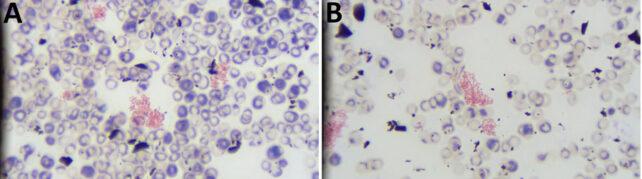
Blood samples showing Brucella suis infection (pink clumps) in the Florida man. (Rodriguez et al., Emerging Infectious Diseases, 2025)
“Substantial delays between Brucella exposure and clinical symptoms have been previously reported in patients with cardiac implantable electronic device infections,” write the authors of the case study.
“In this case, the intermittent use of antibiotics with device retainment likely led to a prolonged clinical course.”
After six weeks of taking two antibiotics, the man’s infection was cleared.The patient was outfitted with a new defibrillator four months after his old one was removed.
Now, more than three years later, his blood shows no clinical evidence of brucellosis. His story is a cautionary tale to all who partake in eating unpasteurized dairy products or wild animals.
In the US, feral swine (Sus scrofa) are the principal carriers of B. suis, as livestock are often vaccinated against these infections. Today, there are more than a million feral pigs living in Florida, which suggests the infection may be endemic to some parts of the nation.
When faced with a seemingly impossible mission, the answer is to find the impossible solution through the application of passion, courage and imagination. We’ve done the impossible before. Let’s do it again.We upheld the global moratorium on commercial whaling and sank half the outlaw Icelandic whaling fleet in 1986 without any legal repercussions. We stopped the Icelandic whalers again in 2023. We stopped them yet again in 2024. We have a job to finish, and we must stop them for good in 2025!
Last year, I spent five months in a Greenland prison for opposing illegal Japanese whaling. Being detained on an extradition demand by Japan presented me with the opportunity to use my incarceration to focus international attention on the continued illegal whaling operations of the Japanese whaling fleet and the continued unlawful slaughter of pilot whales and dolphins in the Danish Faroe Islands.Japan failed to extradite me once again despite 13 years of persecution by politically abusing the Interpol Red Notice on the charge of conspiracy to trespass and to obstruct business. I emerged from that Greenlandic prison determined to continue the fight to abolish whaling worldwide.
Over the last fifty years, I’ve shut down pirate whalers, forced the Japanese whaling fleet out of the Southern Ocean Whale Sanctuary, sank half the Icelandic whaling fleet and half the Spanish whaling fleet. I also led a campaign to invade the Soviet Union in 1981 to secure evidence of illegal whaling.When I began this quest in 1977, numerous nations were whale killers. We helped to end whaling in Spain, Russia, South Korea, South Africa, Peru, Chile and even Australia. It has been a long and difficult struggle and in the process thousands of whales were spared from the deadly harpoons. These victories came with a cost that I am willing to pay. Exiled, a fugitive from Japan for opposing the killing of whales and from Costa Rica for saving sharks. I have been jailed and beaten yet I have never been convicted of a felony crime.In 2017, Costa Rica dropped the Red Notice when the government was changed, and the new Costa Rican Environment Minister called me to apologize for the previous government’s false charges.In 2022, I was unlawfully and deceitfully dismissed from the organization I created by opportunistic people that I thought were my longtime friends because they thought I was too controversial (despite our successes) and my tactics too aggressive (even though I have never injured a single person).
I am 74 years old, and I have been fighting the whalers since I was 24 and I am not ready to quit, not yet, not until the insidious slaughter of the whales worldwide is ended. This fight has been the primary purpose of my life for over half a century, and I need to follow through, I need to stop the remorseless slaughter of the largest self-aware sentient beings on this planet. And to do this I am requesting your support to allow my ships to set out on a voyage to save threatened Fin whales, the second largest life forms in the sea.We need to be ready in two months. We need to sail for Iceland, and we need to save the lives of Fin whales threatened by the fanatical obsession of Kristján Loftsson, the wealthiest and most influential man in Iceland, a self-declared modern-day Captain Ahab. He intends to send his two ships to sea to inflict death and suffering. We intend to intervene to save lives and to uphold the global moratorium on the killing of whales.Will you join me in this great endeavor of compassion for the lives of the whales?The Fin whales need us, and we must answer the call.
US turns to Brazil for eggs during bird flu outbreak
Summary
Companies
Egg prices soared after bird flu killed millions of laying hens
US expands imports as part of a $1 billion plan to lower prices
Broiler chicken producers ask FDA to ease refrigeration rule
States reconsider animal welfare policies to address egg supply
March 24 (Reuters) – The U.S. has almost doubled imports of Brazilian eggs once used only for pet food and is considering relaxing regulations for eggs laid by chickens raised for meat, as President Donald Trump’s administration seeks to bring down sky-high prices spiked by bird flu.
While none of the Brazilian or broiler chicken eggs would wind up on grocery shelves, they could be used in processed foods such as cake mixes, ice cream or salad dressing, freeing up more fresh eggs for shoppers. Allowing use of broiler chicken eggs would require changing regulations, and some food safety experts warned that this could risk tainting food products with harmful bacteria.
Keep up with the latest medical breakthroughs and healthcare trends with the Reuters Health Rounds newsletter. Sign up here.
Advertisement · Scroll to continue
Nationwide economic strain persists from the virus that has wiped out nearly 170 million chickens, turkeys and other birds since early 2022. Grocery shoppers peruse thinly stocked shelves, restaurants have raised menu prices, and wholesale egg prices surged 53.6% in February before easing a bit in March.
The egg shortage has fueled food inflation even as Trump’s trade disputes have threatened to disrupt supply chains and raise costs for fresh produce and other goods.
In February, the administration announced a $1 billion plan to lower egg prices, which includes helping farmers prevent the spread of the virus and researching vaccine options. The Trump administration is also promoting imports from countries such as Turkey, Brazil and South Korea that typically send few eggs to the U.S., and has asked Europe to send more.
Advertisement · Scroll to continueReport This Ad
U.S. egg imports from Brazil in February increased by 93% from a year earlier, the Brazilian Animal Protein Association said.
The U.S. Food and Drug Administration told Reuters it is reviewing a petition from the National Chicken Council, opens new tab to allow sale for human consumption of eggs laid by chickens that the council’s members raise for meat.
Currently, broiler chicken producers destroy millions of those eggs because they lack sufficient refrigeration to meet an FDA food-safety requirement.
In 2023, the FDA denied a similar request from the council, citing salmonella risk. The chicken industry hopes the agency will now support the effort as aligned with Trump’s goal of slashing unnecessary regulations, said Ashley Peterson, the council’s senior vice president of scientific and regulatory affairs.
“We need more yolks for folks,” said U.S. Representative Dusty Johnson, R-South Dakota, who is co-sponsoring a bill to allow the eggs to be used in food products.
MEAT EGGS DUMPED
Each year, broiler chickens lay about 360 million eggs that are not fit to hatch chicks, according to the council. Some are used to manufacture vaccines, exported or used for other purposes, the petition said, but most are destroyed.
Wayne-Sanderson Farms, a top U.S. producer of chicken meat, probably throws away about 500,000 eggs per week that do not meet specifications, said Mark Burleson, the company’s senior director of veterinary services.
Such eggs were once sold to egg-breaking plants to be pasteurized and used in processed foods. But in 2009, an FDA rule aimed at reducing illness from salmonella required eggs to be refrigerated at 45 degrees Fahrenheit (7 degrees Celsius) starting 36 hours after they are laid.
Chicken producers keep broiler eggs at about 65 degrees and do not have equipment in place to refrigerate them at the lower temperature on FDA’s timetable, the council and farmers said.
The council said the eggs do not threaten public health because they are pasteurized. It said it was not aware of safety issues with them before the 2009 rule.
Food safety experts said insufficient refrigeration may increase pathogens to levels where pasteurization is not fully effective.
“There is a real possibility of trading off increased risk of foodborne illness for some proportion of eggs going into the egg products market,” said Susan Mayne, who was director of FDA’s Center for Food Safety and Applied Nutrition when it considered the previous petition.
EGG IMPORTS, LAWS RECONSIDERED
The Trump administration in January allowed imports of Brazilian eggs for processing into food products for people, after they were previously only allowed for use in pet food, according to the Brazilian Animal Protein Association.
Brazilian authorities had already proved that Brazil meets U.S. requirements to export eggs to be processed for human consumption, the association said.
However, Brazil is affected by Newcastle disease, a virus that often kills poultry, the U.S. Department of Agriculture said, and the country cannot supply the U.S. with eggs for sale in grocery stores or pasteurized liquid eggs for human consumption.
States including Nevada and Arizona have paused animal welfare policies that required eggs to come from cage-free hens, in an effort to address tight supplies and high prices.
Nevada in February suspended, opens new tab a 2021 law requiring that all eggs sold in the state come from cage-free hens.
In Arizona, state lawmakers are considering a proposal to repeal a similar rule that was already delayed due to bird flu, said Patrick Bray, executive vice president of the Arizona Farm and Ranch Group, which represents farmers.
“A few years ago, the consumer was demanding a cage-free product,” Bray said. “Now, the consumers’ eyes have been opened up a little bit as we’ve lost hundreds of millions of birds and egg prices are through the roof.”
Reporting by Leah Douglas in Washington and Tom Polansek in Chicago. Additional reporting by Ana Mano in Sao Paulo; Editing by Emily Schmall and David Gregorio
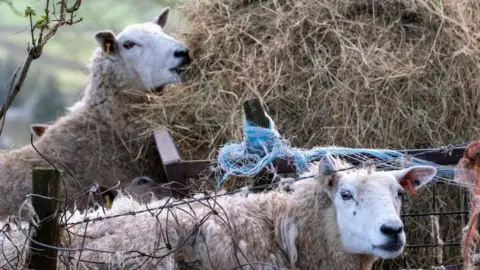
The case was found in a single sheep on a farm in Yorkshire (stock image)
The world’sfirst case of bird flu in sheep has been found in the UK, the nation’s chief veterinary officer has confirmed.
The exact location of the farm has not been revealed, but a government spokesperson said the case was identified on a site in Yorkshire where bird flu had been confirmed in captive birds.
The spokesperson said the single infected sheep had been “humanely culled” and no further cases among the flock were found after “extensive testing”.
“There is no evidence to suggest an increased risk to the nation’s livestock population,” they added.
Christine Middlemiss, the UK’s chief veterinary officer, said “strict” measures had been put in place to prevent the further spread of the disease.
She added: “While the risk to livestock remains low, I urge all animal owners to ensure scrupulous cleanliness is in place and to report any signs of infection to the Animal Plant Health Agency immediately.”
‘Risk very low’
Bird flu, also known as avian influenza or H5N1, is a disease caused by a virus that infects birds and sometimes other animals.
A government spokesperson said there had been a “small number” of cases of bird flu in humans in the UK since 2021.
All bar one had been asymptomatic, although they warned the infection “can be serious”.
The infections were detected in people who had “close and prolonged contact with a large number of infected birds”.
The spokesperson said the disease continued to infect new mammals and spread between them, “increasing the opportunities the virus has to evolve”.
“The concern is that these changes in the virus may at some point allow it to spread readily between people.”
Dr Meera Chand, emerging infection lead at the UK Health Security Agency, said current evidence “suggests that the avian influenza viruses we’re seeing circulating around the world do not spread easily to people”.
Dr Chand added: “The risk of avian flu to the general public remains very low.”
A government spokesperson said the infected sheep was a female who had been showing signs of mastitis, an inflammation of the udder tissue.
The lambs of the affected ewe tested negative for bird flu, the spokesperson added.
While this is the first time this virus has been reported in a sheep anywhere in the world, bird flu has previously been detected in livestock in other countries, according to Defra.
According to the American public health agency the Centers for Disease Control and Prevention (CDC), cases have previously been found in the US in dairy cows.
The risk of avian flu to the general public “remains very low”
The National Sheep Association (NSA), which represents the views and interests of sheep producers in the UK, said mixing different animals was “questionable at the best of times, but should be avoided when England is undergoing a period of mandatory housing measures for poultry due to bird flu outbreaks”.
The Yorkshire farm where the case was found was a smallholding where sheep and poultry were being kept together, a spokesperson added.
NSA chief executive Phil Stocker said the positive case was “not a threat to food safety of consumers”.
National Farmers’ Union president Tom Bradshaw said: “Farmers are understandably concerned that avian influenza has been found in a sheep.
“This remains a single case within what is understood to be a backyard flock, and no other infection has been found amongst the remaining sheep.
“Commercial producers continue to do all they can to protect their animals by following strict biosecurity measures.
“While the risk to the nation’s livestock population remains low, it’s vital that all keepers of domesticated poultry, cattle, sheep and goats maintain high standards of biosecurity and remain vigilant for any signs of disease.”
Defra has placed England in an “avian influenza protection zone” to prevent bird flu and stop it spreading.
Thirteen regions have also seen mandatory housing measures introduced, which state that birds must be kept inside.
They are Cheshire, Hull, East Riding of Yorkshire, Herefordshire, Lancashire, Merseyside, Norfolk, North Yorkshire, Shropshire, Suffolk, Worcestershire, and York
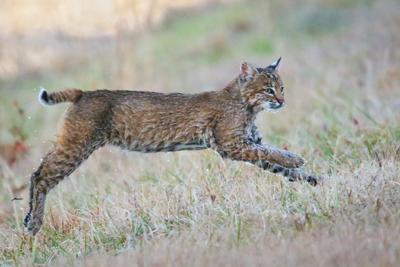
Bobcat hunters can set traps this winter in five local Indiana counties.
Indiana’s Natural Resources Commission has approved a bobcat trapping season in 40 southern Indiana counties, including Dearborn, Franklin, Ohio, Ripley, and Switzerland.
The season will run from Nov. 8 to Jan. 31. Licensed trappers will be allowed to harvest one bobcat per year, up to a statewide maximum of 250 bobcats. State lawmakers mandated the department formulate rules for a trapping season in 2024. The rules are currently awaiting final signatures from Gov. Mike Braun and Attorney General Mike Rokita.
“There’s a lot of us super excited about it. We’ve been having to release these animals for years,” said Indiana State Trappers Association Board member Nick Erny, while advocating for the trapping season.
He expects the bag limit will be increased in the coming years.
While the Indiana DNR says the bobcat population is sufficient to prevent threats of extinction, Indiana Public Broadcasting reports critics, like Samantha Chapman with Humane World for Animals, argue there isn’t adequate population data. That, she said, contradicts science-based wildlife conservation.
Jack Sutton is executive director of the Oak Heritage Conservancy, which manages 15 nature preserves across southeast Indiana, including its largest, Hilltop Preserve, in West Harrison, Ind., just across the state line from Ohio. He says the conservancy has spotted bobcats on its trail cameras at some locations.
“Bobcats are a phenomenal success story,” he says. “They were listed on the state’s endangered species list in 1969 but in 2005 they were de-listed. In the past 20 years, their population has grown. The fact that DNR is taking steps to add them to the [list of] animals that are permitted to be trapped — I think it demonstrates how the population has grown and is doing quite well.”
That said, he doesn’t expect the conservancy will allow trapping on its lands.
Could this affect Ohio’s bobcat population?
Sutton suggests it might be a good idea to study how trapping in Indiana may or may not affect the bobcat population in Ohio.
Bobcats are native to Ohio but were extirpated from the state by the 1850s, meaning while they weren’t extinct, there weren’t any here. The Ohio Department of Natural Resources reports the wild cat species began repopulating in the mid-1900s, but sightings are more frequent in the southern and eastern parts of the state.
“There’s probably some bobcats coming in from from the west through Indiana,” says Wildlife Management Supervisor Brett Beatty of the Ohio Department of Natural Resources (ODNR) Wildlife Division’s District 5. “Honestly, there’s no way to know just how much [trapping in Indiana] would impact our population directly, especially as our populations get more established here and have their own territories.”
He says it’s uncertain if hunting in those Indiana counties near Ohio could force bobcats to extend their territories into Ohio.
“I have full confidence in Indiana DNR to continue to monitor their population through their research and harvest data, and then we can see the results, and we’ll get a good feel for what’s happening over there,” he adds. “Through our sightings and reports that we receive — particularly on the border counties there — we can do a little side-by-side and see if there’s any impact.”
The most recent report from the state, dated September 2023, states the Division of Wildlife had 561 confirmed sightings of bobcats in 2021. Sightings are largely confirmed using trail or security cameras and roadkill reports.
Bobcats have been confirmed in 81 of Ohio’s 88 counties, including all counties in southwest Ohio. Warren County was the most recent to join the list, with the first confirmed sighting coming in 2021.
A 2023 report from researchers at Ohio University concluded the state’s bobcat population could withstand limited harvesting. It noted a high level of monitoring would be required to ensure the population remained stable.
More about bobcats
According to the Ohio Department of Natural Resources, bobcats are generally solitary creatures. They eat rabbits, hares, rodents (squirrels, woodrats, mice, voles), deer, and less commonly, birds, reptiles, insects, and eggs.
Beatty says bobcats present minimal risk to your household pets.
“Typically, the only interactions I see would be folks with poultry, whether it be backyard chickens or ducks or something like that, that sometimes get predated by bobcats. Folks [should] make sure their pen is sound, that nothing can get in or they can’t get out, just doing good husbandry practice with your backyard birds,” he says.
They breed year-round, though most usually from December to May. Offspring born in the spring and summer are usually ready to head out on their own by fall or winter. The animals can weigh 15-30 pounds and be about 30-50 inches long, with short tails of about 4-5 inches.
Awoman in Wyoming was hospitalized in February after contracting avian influenza H5N1 from exposure through her backyard chicken flock. However, human infections from backyard poultry are generally rare.
Avian flu can spread from birds to people through direct contact with infected birds, touching contaminated surfaces or inhaling the virus. Many infected birds do not show symptoms but remain contagious. Avian flu can also spread to dairy cattle, pigs, goats, cats and dogs.
As of February, Colorado had seen 10 human cases of bird flu since May 2024. Nine came from workers exposed to commercial chicken farms and the last from a dairy farm.
Nationwide, there have been 70 human cases of bird flu with one fatal case. There is no known human-to-human transmission, with most human cases seen in farm workers in contact with infected cattle and poultry. General risk of avian flu to the public remains low.





 (Image Source/Getty Images)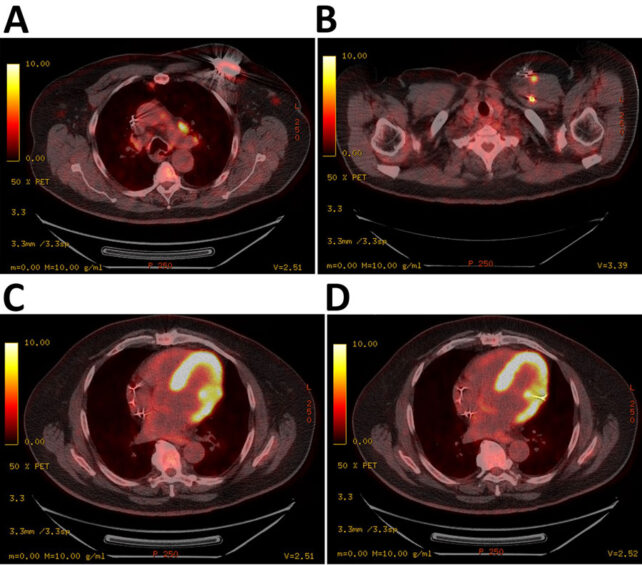



 Exposing the Big Game