





By Dr. Sanchari Sinha Dutta, Ph.D.Aug 4 2024
https://www.news-medical.net/news/20240804/H5N1-avian-flu-found-in-Texas-dairy-cattle-and-milk-sparking-concerns-about-underreported-infections.aspx
Scientists at the University of Texas Medical Branch (UTMB), USA, have detected H5N1 highly pathogenic avian influenza virus (HPAIV) in cattle and milk samples collected from two dairy farms in Texas.
The study, which is currently available on the medRxiv preprint* server, highlights the need to develop effective interventions against H5N1 HPAIV to prevent pathogen spillover.
 Image Credit: McKenzie Kizer / Shutterstock
 *Important notice: medRxiv publishes preliminary scientific reports that are not peer-reviewed and, therefore, should not be regarded as conclusive, guide clinical practice/health-related behavior, or treated as established information.
H5N1 highly pathogenic avian influenza A viruses (HPAIV) have caused millions of deaths in wild birds and poultry across the world. Recently, these viruses have been identified in many animal species, with HPAIV H5N1 HA clade 2.3.3.4b being the most predominant type in these spillover events.
The U.S. Department of Agriculture has recently detected H5N1 HPAIV infection in 172 cattle farms in 13 states. Four dairy farm and nine poultry farm workers have also been suspected to have these infections recently.
Considering the seriousness of the situation, the current study was designed to investigate the presence of novel respiratory viruses in two Texas dairy farms.
The study was conducted in two dairy farms in Texas, where H5N1 HPAIV infection was recently detected in cattle. The farm owners invited the scientists to investigate, as they had a research proposal to study novel respiratory viruses in livestock farms in the United States and Mexico.
A total of 17 farm workers were recruited in the study. They provided nasopharyngeal and serum samples for the analysis. Five out of 17 workers reported experiencing respiratory illnesses and using different medications for the condition.
From both farms, a total of 39 cattle nasal swab samples and 14 milk samples were collected for molecular assays, cell and egg culture, and Sanger and next-generation sequencing to isolate and characterize respiratory viruses.
Pittcon Highlights: Bioanalytical and Life Sciences eBook Check out the highlights from Pittcon in the Bioanalytical & Life Sciences IndustryDownload the latest edition
Three-hour bioaerosol samples were also collected from different farm regions to investigate the presence of novel viruses in the environment.
The study detected H5N1 HPAIV in nine of 14 milk samples and one of 39 cattle nasal swab samples. However, none of the nasopharyngeal swabs collected from farm workers tested positive for influenza A viruses and coronaviruses.
One nasal swab collected from a sick cow showed the presence of severe acute respiratory syndrome coronavirus 2 (SARS-CoV-2).
Among 14 serum samples collected from farm workers, two showed elevated levels of neutralizing antibodies against a recombinant influenza A H5N1 virus.
Among 24 bioaerosol samples collected from both farms, none showed molecular evidence of influenza A and coronaviruses.
H5N1-positive milk samples were further analyzed using Sanger sequencing and next-generation sequencing for viral characterization. The findings revealed that viruses are closely related to other recent Texas epizootic H5N1 strains of clade 2.3.4.4b.
The mutational analysis revealed the presence of multiple common mutations across isolated viral genomes. These mutations are associated with viral virulence and propagation, host specificity shift, and drug resistance.
The study highlights the presence of H5N1 HPAIV infections in cattle in two Texas dairy farms. Although the virus was detected only in one cattle nasal swab sample, about 64% of milk samples tested positive for H5N1 HPAIV.
These findings indicate that although the virus is rapidly cleared from the nasal tissues, infected cattle can shed H5N1 HPAIV in milk for a prolonged period of time.
Most importantly, the detection of anti-HPAIV neutralizing antibodies in farm workers highlights the possibility of previous infections that remained undetected during the acute infection phase.
This highlights the possibility of underreporting of HPAIV infections in farm workers, which can subsequently lead to large outbreaks even outside farm worker communities.
“I am very confident there are more people being infected than we know about,” senior author Gregory Gray, MD, MPH, a UTMB infectious disease researcher, told NPR. “Largely, that’s because our surveillance has been so poor.”
The U.S. Centers for Disease Control and Prevention (CDC) decide whether to vaccinate farm workers against HPAIV based on surveillance data, which indicate a low prevalence of HPAIV infection.
This low prevalence is due to low testing rates among farm workers. Many infections may remain undiagnosed among people who have been exposed to sick dairy cattle.
“Maybe what we see isn’t exactly the tip of the iceberg, but it’s certainly not the whole story,” said Richard Webby, director of the World Health Organization Collaborating Center for Influenza at St. Jude Children’s Research Hospital in Memphis, Tennessee.
Studies identifying novel respiratory viruses are infrequently conducted in dairy farms because of the fear of business loss. As Gregory Gray mentioned, without collaborative efforts between the government and the livestock industry, the U.S. risks about this virus will remain in the dark.
This highlights the need for collecting more comprehensive epidemiological data necessary to design future interventions against H5N1 HPAIV on cattle farms.
The Canadian-American actor explained that ‘a lot of people have kids even before they think about it’ and the internet couldn’t agree more.
ByNeha B.
August 4, 2024
 Cover Image Source: Seth Rogen and wife Lauren Miller attend the 2018 MTV Movie And TV Awards at Barker Hangar on June 16, 2018, in Santa Monica, California. (Photo by Jeff Kravitz/FilmMagic)
https://imasdk.googleapis.com/js/core/bridge3.656.2_en.html#goog_2051908817
0 seconds of 30 secondsVolume 0%
Just like a Hollywood rom-com scene, it was a summer night in 2004. Screenwriter Will Reiser was attending a party with his date. This is where his friend Seth Rogen and a friend of his date, Lauren Miller, bumped into each other. Seth and Lauren liked each other so much that they ended up going on a date at 4 am that very night, eating grilled cheese sandwiches, and playing Spanish Scrabble until sunrise. Since then, they have made some bold choices in their romantic relationship, from moving in together in 2005 to deciding to “not have kids.” Seth has often been asked why they chose to remain childless. In a March 2023 episode of the “Diary of a CEO” podcast, Seth revealed the answer and people are applauding his thinking for that.

Speaking to host Steven Bartlett, the Golden Globes nominee said that not having children actually “helped him succeed” in Hollywood. At about 51 minutes into the podcast, Seth said, “There’s a whole huge thing I’m not doing, which is raising children.” Steven attempted to break into this thought process by saying, “But it might make you happier,” to which Seth quickly replied, “I don’t think it would.” The 40-year-old star added that he has obviously worked with a lot of children, in films like “Horton Hears a Who!” (2008), “Kung Fu Panda” (2008), “Monsters vs. Aliens” (2009), “The Simpsons” (1989) and “American Dad! “(2005). Nevertheless, he said, “Some people want kids. Some people don’t want kids.”

The Canadian-American actor explained that “a lot of people have kids even before they think about it.” Most people just seem to go through the routine process of a career followed by marriage followed by having kids. But neither Seth nor his wife were like that at any time in their relationship. They were always content not having kids. “The older we get, the happier and reaffirmed with our choice to not have kids,” Seth said, feeling relieved, “Thank God, we don’t have children.”
https://giphy.com/embed/GOcEpwF2m65AvBkga6
“We get to do whatever we want,” Seth continued. He even listed some of the things he and his wife can now do and would not have been able to if they had kids. “We are in the prime of our lives. We’re smarter than we’ve ever been. We understand ourselves more than we’ve ever had. We have the capacity to achieve the level of work and a level of communication and a level of care for one another and a lifestyle – we can live with one another,” he said before bursting into short hysterical laughter. The filmmaker reaffirmed that they are so happy they chose to remain child-free. “Me and my wife get a lot of active enjoyment out of not having kids than having kids.”


Seth’s free thinking touched the hearts of people who expressed admiration for him. A child-free woman, @ninabradshaw2267, commented that it was “really refreshing” for her to “hear someone speak about being child-free.” @mikehunthurst6953 affirmed, “Having kids is a choice, not a requirement.”
2 minute read
https://time.com/7007802/rfk-bear-carcass-central-park/

By Anna Gordon
August 5, 2024 8:36 AM EDT
Robert F. Kennedy Jr. has confessed to retrieving a bear carcass killed by a motorist and leaving it in New York’s Central Park with a bicycle on top 10 years ago in a bizarre new video he posted on X on Sunday.
The video, which was shared with the caption, “Looking forward to seeing how you spin this one, @NewYorker,” came ahead of a critical profile of the independent presidential candidate published on Monday.
https://imasdk.googleapis.com/js/core/bridge3.656.2_en.html#goog_648691590
While recounting the story to actress Roseanne Barr, RFK Jr. said that he had been driving in upstate New York on his way to a hunting trip when a woman driving in front of him hit a bear with her car, accidentally killing it. “I pulled over and I picked up the bear and put him in the back of my van because I was gonna skin the bear and … put the meat in my refrigerator,” he said.
Read More: Inside the Very Online Campaign of RFK Jr.
RFK Jr. said that the hunting trip ran late and he had dinner plans and needed to be at the airport that evening. “The bear was in my car and I didn’t want to leave the bear in my car because that would have been bad,” he added.
At that time, fatal bicycle accidents in New York City that were getting major media attention. RFK Jr.’s friends, who were drinking, decided to leave the bear carcass with an old bicycle he had. “We thought it would be amusing for whoever found it,” RFK Jr. said.
https://imasdk.googleapis.com/js/core/bridge3.656.2_en.html#goog_216879580
Two women walking their dogs discovered the bear the next day and alerted police. “To think people would do something like this to an animal—very disturbing,” one resident told CBS news.
The carcass was sent to Albany for a necropsy, which said that the animal was likely hit by a motor vehicle and was not a case of animal cruelty.
This is not the first unusual incident involving RFK Jr. during his longshot presidential campaign. Earlier this year, he denied eating a dog after a friend showed Vanity Fair a photo of him about to take a bite of a charred animal. RFK Jr. also revealed in May that he suffered memory loss more than a decade ago, potentially related to a parasite doctors found in his brain.
Photographer Cheryl Alexander was ‘horrified’ to see her iconic image of the Canadian sea wolf Takaya being used for a wolf hunting ad
Leyland Cecco in TorontoSun 4 Aug 2024 06.30 EDTShare https://www.theguardian.com/world/article/2024/aug/04/canada-wolf-takaya-killed-hunting-site
Ever since he was killed by a hunter in 2020, the Canadian sea wolf Takaya has appeared all over the world.
Paintings, poems, sculptures and statues – including a 150lb (68kg) mixture of driftwood, sea shells and dried kelp – have memorialized a wolf whose legacy reflects the complex relationship between humans and wildlife.
But photographer Cheryl Alexander, a relentless advocate against government-sanctioned wolf culls, was shocked to see her most famous image used to advertise a big game hunting company.
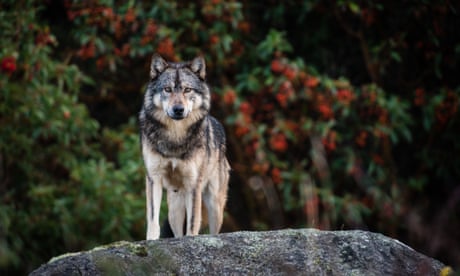
“I was shocked and a bit horrified. And it really pissed me off that company was using Takaya as an advertisement to come up to Canada and kill a wolf,” she told the Guardian. “It hurt too because Takaya has become, in many ways, an international image for positive coexistence with humans.”
The unlikely story of the wolf’s years of self-imposed isolation captivated residents of Vancouver Island, some of whom would paddle by the rocky outcrops and windswept trees hoping to glimpse the animal. But one day in late March, a hunter’s rifle brought an untimely end to the wolf.
Alexander recently found British Columbia-based Terminus Mountain Outfitters was using her photo to advertise its wolf hunting package. She soon posted to her Instagram page, appealing to her 33,000 followers to share news of the company’s decision to use the photo.
The owner of Terminus said in a statement he didn’t mean to “offend” anyone with the image.
“[A web design company] chose some live wildlife photos to use on the [website]. July 27th I was contacted by a disgruntled person upset about a wolf picture that they recognized as a wolf named Takaya. I had no idea of the story behind this wolf or even which of the three pictures on my website was of Takaya. I asked my web developer … to simply remove all three of the photos. July 29th they were removed. Neither I nor my web developer meant to offend anyone,” he said. “Unfortunately, because of the media attention we are now getting emails that are threatening and quite angry when we had nothing to do with the live pictures chosen. We are a legal family-run business.”
Both the image, and the page on wolf hunting, have since been taken down.
In British Columbia, hundreds of wolves – which are seen as vermin that must be eradicated – are killed for sport each year. Hunters usually only take the pelts, discarding the remains. Channelling growing outrage – and changing perceptions – Alexander and local conservation groups have started a petition calling for a moratorium on wolf hunting in British Columbia that has so far received more than 65,000 signatures. Alexander has also founded the non-profit Takaya’s Legacy which works to support wolf protection initiatives.
While Takaya’s legacy has aligned with the aims of conservation groups, his curiosity – or lack of fear – also raised difficult questions about the relationship locals had fostered with the wolf that led to his demise.
“I was angry about the photo, but there’s a silver lining, because it actually allows word to get out there about what’s happening in Canada regarding trophy hunting – the whole range of wild animals that are hunted in Canada is quite disgusting,” said Alexander. “We’re grappling with loss of biodiversity. That trophy hunters are continuing to hunt them just for fun and for recreation is not acceptable.”
Colorado Poultry Workers Battle Bird Flu in Heat Wave as US Struggles to Contain Outbreak
August 3, 2024 by Kaiser Health News Leave a Comment
By Amy Maxmen
Six people who work at a poultry farm in northeastern Colorado have tested positive for the bird flu, the Centers for Disease Control and Prevention reported July 19. This brings the known number of U.S. cases this year to 10.
The workers were likely infected by chickens, which they had been tasked with killing in response to a bird flu outbreak at the farm. The endeavor occurred amid a heat wave, as outside temperatures soared to 104 degrees Fahrenheit.
“The barns in which culling occurs were no doubt even hotter,” said CDC principal deputy director Nirav Shah at a July 16 press briefing. Wearing N95 respirators, goggles, and other protective gear was a challenge. Industrial fans whipped feathers around the facility that could have carried the virus, Shah added.
In this environment, the farmworkers collected hundreds of chickens by hand and placed them into carts where they could be killed by carbon dioxide gas within two minutes.
“If a farm worker gets severely ill or dies from an H5N1 infection, it will be a stain on US public health that we didn’t do more with the tools we have,” Jennifer Nuzzo, director of the Pandemic Center at Brown University, posted on X. “You don’t send farm workers in to cull H5N1 infected birds without goggles and masks. Period. If it’s too hot to wear those protections, it’s too hot to cull. We need vaccines to be made available to farm workers. We have to stop gambling with peoples’ lives.”
More than 99 million chickens and turkeys have been infected with a highly pathogenic strain of the bird flu that emerged at U.S. poultry farms in early 2022. Since then, the federal government has compensated poultry farmers more than $1 billion for destroying infected flocks and eggs to keep outbreaks from spreading.Play Video
Don’t like ads? Become a supporter and enjoy The Good Men Project ad free
As summer temperatures rise across the country, Shah said, the agency is contending with how to offer farmworkers “safety from the virus, as well as safety from extreme heat.”
The H5N1 bird flu virus has spread among poultry farms around the world for nearly 30 years. An estimated 900 people have been infected by birds, and roughly half have died from the disease.
The virus made an unprecedented shift this year to dairy cattle in the U.S. This poses a higher threat because it means the virus has adapted to replicate within cows’ cells, which are more like human cells. The four other people diagnosed with bird flu this year in the U.S. worked on dairy farms with outbreaks.
Scientists have warned that the virus could mutate to spread from person to person, like the seasonal flu, and spark a pandemic. There’s no sign of that, yet.
So far, all 10 cases reported this year have been mild, consisting of eye irritation, a runny nose, and other respiratory symptoms. However, numbers remain too low to say anything certain about the disease because, in general, flu symptoms can vary among people with only a minority needing hospitalization.
The number of people who have gotten the virus from poultry or cattle may be higher than 10. The Centers for Disease Control and Prevention has tested only about 60 people over the past four months, and powerful diagnostic laboratories that typically detect diseases remain barred from testing for bird flu. Testing of farmworkers and animals is needed to detect the H5N1 bird flu virus, study it, and stop it before it becomes a fixture on farms.
Researchers have urged a more aggressive response from the CDC and other federal agencies to prevent future infections. Many people exposed regularly to livestock and poultry on farms still lack protective gear and education about the disease. And they don’t yet have permission to get a bird flu vaccine.
Nearly a dozen virology and outbreak experts recently interviewed by KFF Health News disagree with the CDC’s decision against vaccination, which may help prevent bird flu infection and hospitalization.
“We should be doing everything we can to eliminate the chances of dairy and poultry workers contracting this virus,” said Angela Rasmussen, a virologist at the University of Saskatchewan in Canada. “If this virus is given enough opportunities to jump from cows or poultry into people, it will eventually get better at infecting them.”
To understand whether cases are going undetected, researchers in Michigan have sent the CDC blood samples from workers on dairy farms. If they detect bird flu antibodies, it’s likely that people are more easily infected by cattle than previously believed.
“It’s possible that folks may have had symptoms that they didn’t feel comfortable reporting, or that their symptoms were so mild that they didn’t think they were worth mentioning,” said Natasha Bagdasarian, chief medical executive for the state of Michigan.
In hopes of thwarting a potential pandemic, the United States, United Kingdom, Netherlands, and about a dozen other countries are stockpiling millions of doses of a bird flu vaccine made by the vaccine company CSL Seqirus.
Seqirus’ most recent formulation was greenlighted last year by the European equivalent of the FDA, and an earlier version has the FDA’s approval. In June, Finland decided to offer vaccines to people who work on fur farms as a precaution because its mink and fox farms were hit by bird flu last year.
The CDC has controversially decided not to offer at-risk groups bird flu vaccines. Demetre Daskalakis, director of the CDC’s National Center for Immunization and Respiratory Diseases, told KFF Health News that the agency is not recommending a vaccine campaign at this point for several reasons, even though millions of doses are available. One is that cases still appear to be limited, and the virus isn’t spreading rapidly between people as they sneeze and breathe.
The agency continues to rate the public’s risk as low. In a statement posted in response to the new Colorado cases, the CDC said its bird flu recommendations remain the same: “An assessment of these cases will help inform whether this situation warrants a change to the human health risk assessment.”
KFF Health News is a national newsroom that produces in-depth journalism about health issues and is one of the core operating programs at KFF—an independent source of health policy research, polling, and journalism. Learn more about KFF.
TOPICS:Avian FluFliesInfectious DiseasesKyushu UniversityPublic Health
By Kyushu University August 3, 2024
Researchers at Kyushu University discovered that blowflies in southern Japan carry the bird flu virus, potentially introducing a new route of transmission. Their findings, which highlight the significant implications for poultry farming and public health, suggest that controlling these insects could be crucial in preventing further outbreaks.

Researchers at Kyushu University have found that blowflies, which are highly attracted to decaying flesh and feces, are carriers of the bird flu virus in southern Japan. Their study, published in Scientific Reports, suggests a potential new transmission route for bird flu and underscores the importance of developing new strategies to prevent and control the disease in poultry farms.
Since 2020, bird flu has been spreading rapidly around the globe, leading to the death of millions of wild birds and the culling of more than half a billion farmed birds worldwide. In Japan, where a single case of infection on a poultry farm mandates the culling of the entire stock, the 2022-2023 winter season saw a record-high of 326 outbreaks of bird flu, resulting in the sacrifice of 17.7 million birds. Some strains of bird flu have also jumped to mammals, including cows, goats, dogs, and cats, and since March, an uptick of cases in poultry and dairy workers, with a high fatality rate, has raised significant concern.
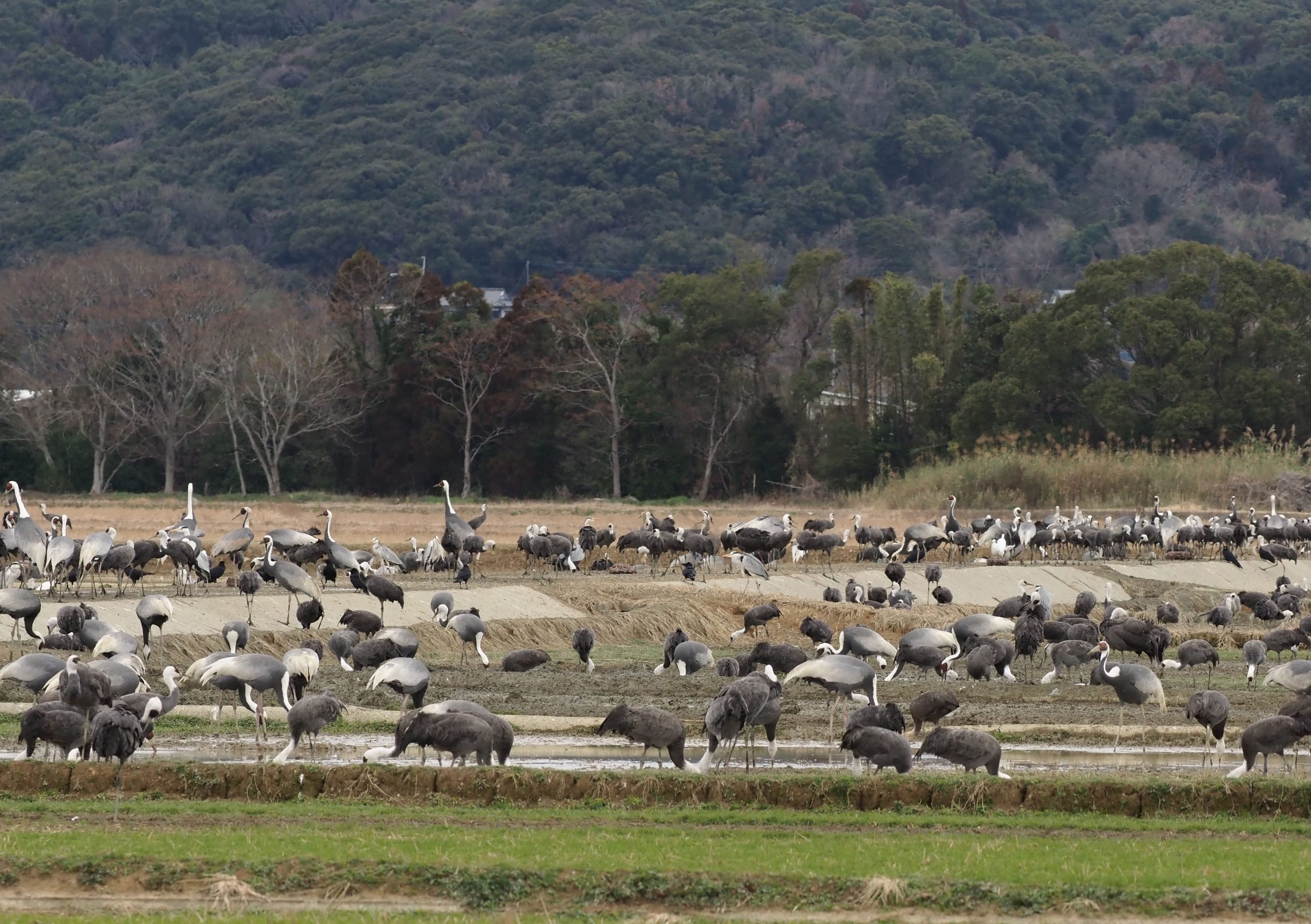
In winter, thousands of cranes migrate to Izumi city in Southern Japan. During winter 2022-2023, 1600 cranes out of colony of 10000 cranes died from bird flu. Credit: Ryosuke Fujita, Kyushu University

“Bird flu has been causing substantial damage to wildlife and the poultry industry, and also holds great risk for humans who work closely with livestock. It’s therefore vital to understand how the virus spreads and its potential routes of transmission to control and prevent outbreaks,” explains first author Associate Professor Ryosuke Fujita of Kyushu University’s Faculty of Agriculture.
In this research, the scientists studied a wild crane colony in Izumi city, Kagoshima Prefecture, in southern Japan. In winter, the prime season for bird flu, thousands of cranes migrate to this area, with their dense numbers making them vulnerable to infection. During winter 2022-2023, 1600 cranes out of a colony of 10000 cranes died from bird flu.
“We were notified about the cranes being infected and we had to act quickly,” says Fujita.
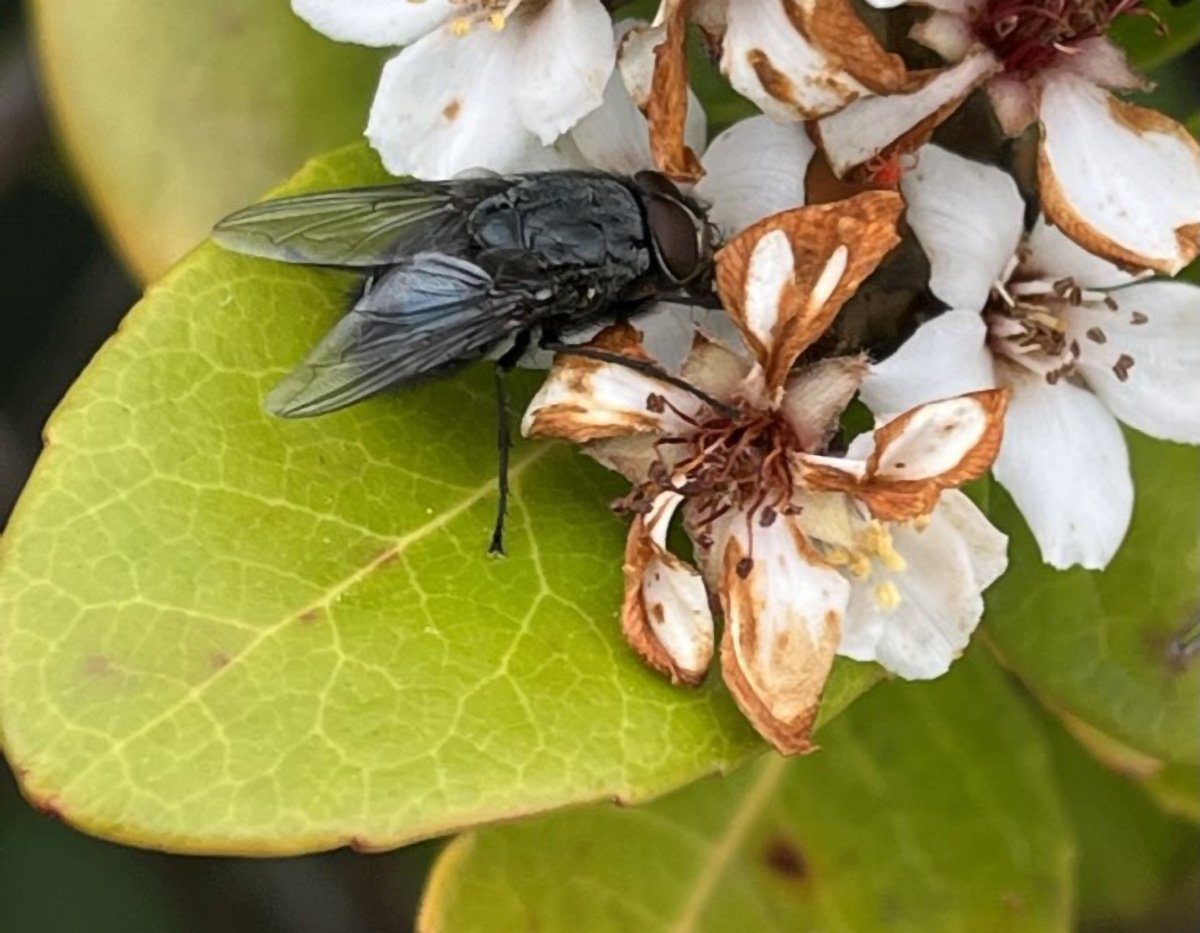
Along with his colleagues, he set traps at different locations around Izumi city to collect blowflies. “We were particularly interested in one species of blowfly, Calliphora nigribarbis, as unlike other fly species, they are active in winter, coinciding with the peak season of bird flu. This, along with their attraction to the flesh and feces of animals, makes them a prime suspect for spreading the virus,” adds Fujita.
The researchers collected 648 blowflies and discovered that 14 blowflies were carrying the bird flu virus. The majority of virus-positive blowflies were collected from the sample site closest to the crane colony. “While 14 blowflies may seem like a low number, this represents a prevalence in blowflies of 2.2%, which is a huge percentage compared to other diseases spread by insects,” explains Fujita. The research team also used genetic testing to confirm that the blowflies were carrying the same virus strain that has been infecting the crane colony.
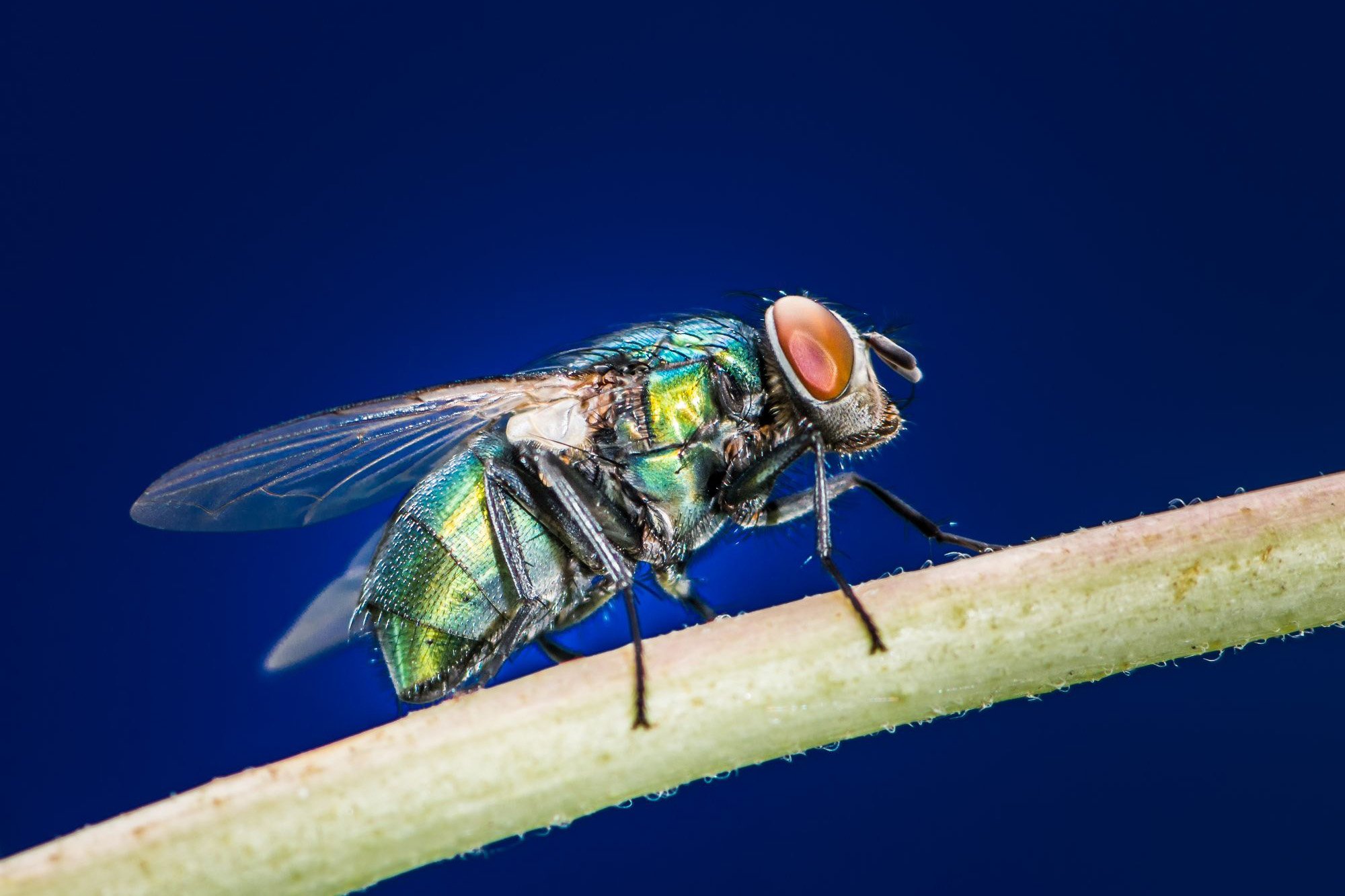
Blowflies, a family of flies strongly attracted to decaying flesh and feces, are carrying the bird flu virus in southern Japan, highlighting a potential new route of bird flu transmission. Image captured from Kyushu University’s Biodiversity Conservation Zone. Credit: Ryosuke Fujita, Kyushu University

Unlike birds and mammals which the virus infects and replicates inside, blowflies instead ingest the virus from infected dead birds or their waste, with the virus maintaining infectivity for up to two days. Blowflies are capable of flying at least 2 km per day, so the researchers estimate that is it feasible for them to reach nearby poultry farms or other wild bird populations within a 4 km range. The researchers believe that as the blowfly moves from place to place, it could contaminate surfaces, food sources, and water sources, with healthy birds becoming infected through direct contact with these contaminated sources, or by ingesting adult or larval blowflies.
In Japan, where farmers often use closed farming systems instead of open spaces to control infections and maximize production, countermeasures aimed at eliminating blowflies could be implemented fairly easily, helping to protect farmers from severe financial damage.
“By keeping areas clean and using fly control methods, such as fine nets or insecticides, we can reduce the risk of virus spread to indoor poultry farms. However, in outdoor farms in other countries, and in wild bird populations, controlling blowflies may be logistically impossible,” says Fujita.
Having identified that blowflies carry the virus, Fujita and his colleagues are now collaborating with the government to capture blowflies in quarantined sites around infected poultry farms, hoping to find definitive evidence that blowflies are causing these outbreaks. Fujita and his colleagues are also developing new tools that use artificial intelligence to assess and predict the potential risks of vector insects. “By using advanced technologies alongside on-the-ground research, we can better understand and control the spread of bird flu and other insect-borne diseases, ultimately safeguarding both animal and human health,” concludes Fujita.

Reference: “Blowflies are potential vector for avian influenza virus at enzootic area in Japan” by Ryosuke Fujita, Takuji Tachi, Masato Hino, Kosuke Nagata, Masahiro Saiki, Mizue Inumaru, Yukiko Higa, Kentaro Itokawa, Nozomi Uemura, Ryo Matsumura, Izumi Kai, Kyoko Sawabe, Mutsuo Kobayashi, Haruhiko Isawa, Takahiro Kusakabe, Kazunori Matsuo and Shinji Kasai, 4 May 2024, Scientific Reports.
DOI: 10.1038/s41598-024-61026-1
The study was funded by the Japan Society for the Promotion of Science.