No longer considered predators, Oregon beavers get new protections from state
Reply

PublishedJune 4, 2024

Angela Symons
Mon, June 17, 2024 at 3:49 a.m. PDT·5 min read

After months of deliberations, the EU’s Nature Restoration Law has finally been approved.
The first-of-its-kind regulation aims to restore Europe’s damaged ecosystems and boost biodiversity.
“There is no time for a break in protecting our environment,” says Alain Maron, environment minister for the Brussels region. “Today, the Council of the EU is choosing to restore nature in Europe, thereby protecting its biodiversity and the living environment of European citizens.”
Environmental organisations have celebrated the law’s passing, with The Nature Conservancy’s Noor Yafai calling it “a momentous day for nature” that will deliver “a vital boost to efforts to implement international climate and biodiversity targets”.
Here’s everything you need to know about the ruling and how it could help Europe meet its climate goals.
The Nature Restoration Law aims to restore at least 20 per cent of the EU’s land and sea areas by 2030, and all degraded ecosystems by 2050.
It is the first comprehensive, continent-wide law of its kind.
The law sets binding targets and obligations for EU member states to rehabilitate their natural habitats – 80 per cent of which are currently in poor condition.
It focuses especially on those with the most potential to capture and store carbon.
This includes restoring wetlands, rivers, forests, grasslands, urban and marine ecosystems – and the species they host.
Its goals are to increase biodiversity, as well as harnessing the power of nature to clean our water and air, pollinate crops and improve food security, and prevent and reduce the impact of natural disasters like floods.
As part of the EU Biodiversity Strategy, it is hoped the Nature Restoration Law will help Europe meet the Paris Agreement pledge to limit global warming to 1.5°C.
The Nature Restoration Law was first proposed by the European Commission back in June 2022.
Towards the end of that year, it received a boost at the COP15 UN Biodiversity Conference in Montreal, Canada, when countries agreed to ‘30×30’ – a pledge to restore 30 per cent of the world’s degraded ecosystems by 2030.
But last year, backlash from conservative parties in Europe – including the European People’s Party (EPP) – stopped the proposal in its tracks.
They claimed the bill would threaten the livelihoods of European farmers, decrease food production, disrupt supply chains and push up food prices for consumers.
It has since been the subject of fierce debate and infighting, with the European Commission, left-wing groups, climate scientists and commercial players arguing that the law is essential to the long-term viability of European industry, and some conservatives breaking away from the EPP’s stance to vote in favour of the law last July.
A provisional agreement was reached in November but it soon faced further opposition as farmer protests swept across Europe at the start of this year.
Farmers say the EU’s environmental regulations are putting added strain on an industry already badly impacted by climate change.
They point to contradictory regulations that at once require farmers to reduce their environmental impact while increasing food production.
With fuel subsidies being removed and emissions regulations ramped up, farmers have complained of a lack of support in the green transition.
It became a major issue in the lead up to the EU election, contributing to the rise of the right.
In a vote held among EU environment ministers today, Finland, Hungary, Italy, the Netherlands, Poland and Sweden rejected the law, while Belgium abstained.
But Austria, which had been internally divided, flipped at the last minute in favour, allowing the minimum threshold for it to pass.
Under the new law, EU member states will prioritise restoration of Natura 2000 protected areas, which cover Europe’s most valuable and threatened species and habitats.
Those deemed in poor condition under the new regulation will need to be restored by at least 30 per cent by 2030, 60 per cent by 2040 and 90 per cent by 2050.
They must also make efforts to prevent deterioration of areas already improved by restoration measures and those that host important land and marine habitats such as peatlands and coral beds.
The law includes specific measures to restore Europe’s declining pollinator populations, and protect certain species of butterflies and birds.
As well as helping to plant at least three billion new trees by 2030, EU countries must make sure there is no net loss on urban green spaces and tree canopy cover.
This is a defining moment in the fight to restore Europe’s endangered forests.
“This is a defining moment in the fight to restore Europe’s endangered forests… which are being assailed from different directions – including logging, demand for bioenergy, wildfires and pests,” says Siim Kuresoo, European Forest Campaigner at forests and rights NGO, Fern. “This law provides the vital structure to direct desperately needed resources and energy to restoring nature across Europe.”
Additionally, human-made barriers will be removed from rivers to improve water connectivity, with a goal of restoring 25,000 km of rivers to free-flowing conditions by the end of the decade.
It also has the potential to “unlock significant investment in nature and biodiversity”, both public and private, says Yafai of The Nature Conservancy.
Now the regulation has been green-lit, it will be published in the EU’s Official Journal and enter into force, becoming directly applicable in all member states.
Its impacts will be reviewed by the Commission in 2033.
1 day ago

Image Credit :skapuka/Shutterstock
Help keep One Green Planet free and independent! Together we can ensure our platform remains a hub for empowering ideas committed to fighting for a sustainable, healthy, and compassionate world. Please support us in keeping our mission strong.Pay
Cocaine trafficking is endangering rare tropical birds as traffickers push into remote forests to avoid detection, a study in Nature Sustainability reveals. Two-thirds of key bird habitats in Central America are at risk from “narco-driven” deforestation. For four decades, U.S. drug policy has failed to curb illegal networks, pushing traffickers deeper into forests. Here, they build infrastructure for drug shipments and establish cattle pastures to launder money and control territories. Lead author Amanda Rodewald from Cornell Lab of Ornithology highlights the severe impact on both vulnerable human and non-human populations, particularly Indigenous communities.
Millions of hectares of tropical forests have been destroyed by narco-trafficking, forcing Indigenous people to either cooperate or flee. Co-author Nicholas Magliocca from the University of Alabama stresses that resistance often leads to violence and land dispossession.
For the first time, researchers have quantified the impact on bird populations. They found 67 migratory bird species, including endangered golden-cheeked warblers, at increased risk. Remote sensing shows that 15-30% of annual deforestation in Nicaragua, Honduras, and Guatemala is due to cocaine trafficking.
You May Like
Step into Spring With a Guided Adventure in OregonTravel OregonLearn More
The largest remaining forests in Central America, the “five great forests,” are experiencing rising cocaine trafficking. Traffickers use these forests for cattle ranching to launder money. Magliocca argues that U.S. drug policy has failed, as cocaine trafficking has expanded globally. The study suggests that creating jobs, clarifying land tenure, and improving forest protection can help tackle the problem. Empowering Indigenous groups to control their territories can protect against narco-trafficking and other environmental crimes.

Being publicly-funded gives us a greater chance to continue providing you with high-quality content.Click here to Support Us
Easy Ways to Help the Planet:
Read More https://www.onegreenplanet.org/animals/cocaine-trafficking-threatens-rare-tropical-birds-in-central-america/?fbclid=IwZXh0bgNhZW0CMTEAAR310_gxBEc-HE1mT67Y3FadTwTuYdZhuL6onY9M8bmPbPGniqJR_ydOYiQ_aem_Kn9SB4dHo776OsbNsZqpug
June 13, 2024
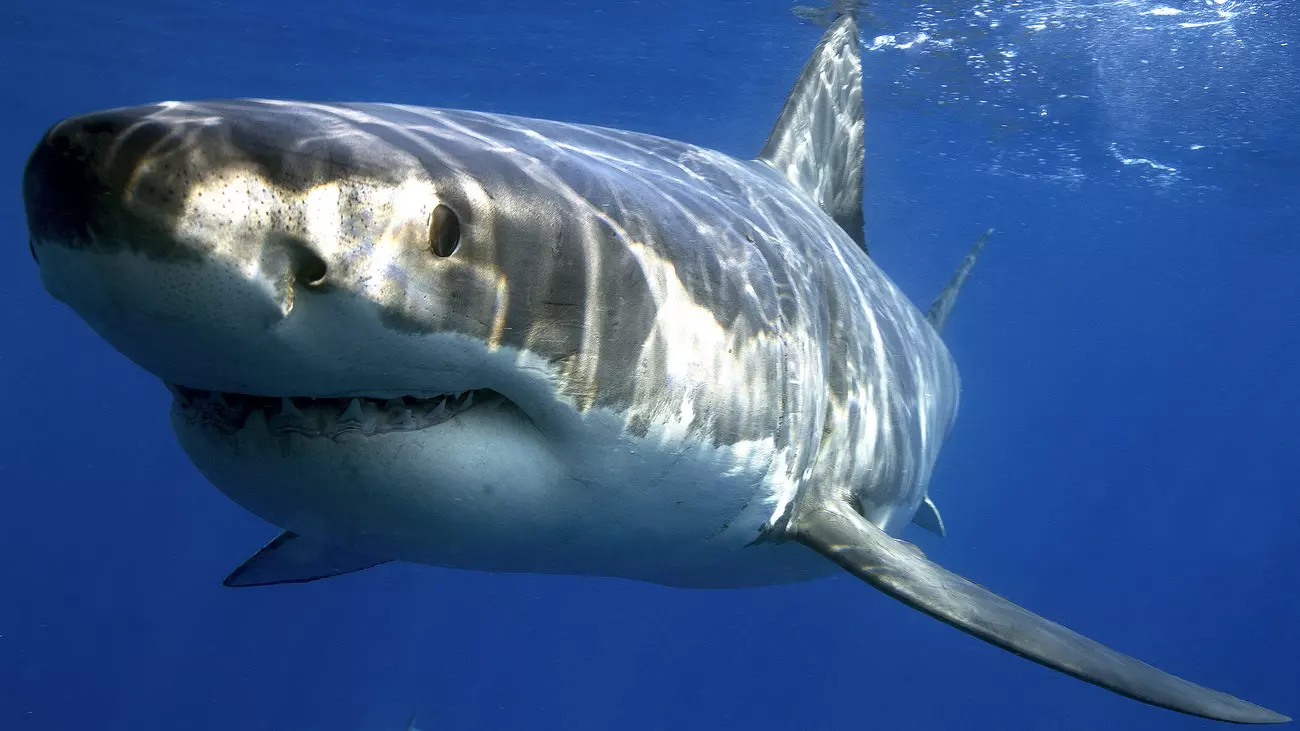
“Sharks play a critical role in keeping oceans healthy, balancing the food chain and ensuring species diversity. Only on your movie screen will they swim through the Seine or the River Thames in London and eat people as if they’re gobbling down potato chips with ketchup squirted all over.
Back in the 70s, the movie Jaws did sharks no favour. We’re still doing damage control giving their reputation a complete makeover by recognising their amazing contribution to a healthy planet. Now we’re up against another movie piggybacking on this less than favourable image of the species, having sharks behave like a menacing predator, while in reality we are the ones hunting them to extinction.
It seems ‘Under Paris’ could be intended to show the shark as a victim of humankind and raise awareness about ocean pollution, loss of habitat and shark conservation. Yet it still emphasizes the eternal stereotype of radical activists and sharks as the villain in the story. Nature and wildlife conservation organisations like IFAW, however, base their campaigns on scientific reports and approaches aiming for both people and animals to thrive.
It’s time to set the record straight: Sharks keep our marine ecosystems healthy, and this makes our planet more climate change resilient. They capture carbon, not dead humans – with climate change being the real horror here. The movie also portrays the mutated shark who has adapted to climate change, and people being too busy with their lives to pay attention to looming disaster. If we don’t take urgent action, we may find Paris and other places like London, Amsterdam or Berlin actually under water in the future.
If you’re still not convinced after watching ‘Under Paris’ and you’re looking for more evidence – click here for more info on how sharks benefit our planet and help combat climate change.”
– Barbara Slee, senior program manager International Policy at IFAW

