No direct evidence COVID began in Wuhan lab, US intelligence report says

BY OLIVIA GAZIS

JUNE 23, 2023 / 10:45 PM / CBS NEWS

The U.S. intelligence community has found no direct evidence of a “biosafety incident” or of the pre-pandemic presence of the virus that causes COVID-19 at a laboratory in Wuhan, China, according to a report released Friday by the Office of the Director of National Intelligence (ODNI).   

The newly declassified document added details to a growing body of inconclusive evidence about the origins of the pandemic. 

The 10-page report, which was mandated by legislation passed by Congress and signed into law in March by President Biden, looked specifically at potential links between the Wuhan Institute of Virology and the start of the COVID-19 pandemic, but did not make an assessment of the likelihood the outbreak began there.  

While some lab researchers heightened their risk of accidental exposure to viruses at WIV through insufficient safety precautions, and “several” fell ill in the fall of 2019, the report found, U.S. intelligence agencies remain divided on whether the pandemic began through natural transmission or by accident. 

The report notes that some scientists at the institute genetically engineered coronaviruses through common practices, but that there was “no information” indicating such work was done on the virus that causes COVID-19. “Almost all” the agencies studying the issue assess the virus “was not genetically engineered,” it said.  

https://imasdk.googleapis.com/js/core/bridge3.578.0_en.html#goog_1246483221

https://imasdk.googleapis.com/js/core/bridge3.578.0_en.html#goog_1712118369

https://imasdk.googleapis.com/js/core/bridge3.578.0_en.html#goog_1117019398Top StoriesREAD MOREGarland denies allegations that DOJ interfered in HunterBiden investigation

The report also says that several WIV researchers showed some symptoms “consistent with but not diagnostic of COVID-19” in the fall of 2019, with some showing symptoms unrelated to the disease, and some confirmed to have been sick with other, unrelated illnesses.  

The timing and type of the workers’ illnesses “neither supports nor refutes either hypothesis of the pandemic’s origins because the researchers’ symptoms could have been caused by a number of diseases and some of the symptoms were not consistent with COVID-19,” the report said.  

China has consistently denied that the virus originated in the Wuhan lab and a spokesperson for its Foreign Ministry previously accused the U.S. of a “politicization of origin tracing.”  

In a pair of declassified assessments released last year, ODNI revealed that U.S. intelligence agencies had coalesced around two “plausible” theories – that the virus was the result of natural transmission or the result of a lab accident.  

https://cf6c5ddbdb34ff9bf5e51961c272f5a7.safeframe.googlesyndication.com/safeframe/1-0-40/html/container.html

In Friday’s report, their breakdown was consistent. Five U.S. intelligence entities continue to believe that the virus originated naturally. Two, the FBI and the Department of Energy, favor the lab leak theory, albeit “for different reasons.” And the CIA and another agency have been unable to make a determination without additional information.  

“The Chinese Communist Party and the Chinese People’s Liberation Army have some serious explaining to do,” said House Intelligence Committee Chairman Mike Turner and Chairman of the Select Subcommittee on the Coronavirus Pandemic Brad Wenstrup in a joint statement, adding their view that ODNI’s report added “credence” to the lab leak theory. 

“While we appreciate the report from ODNI, the corroboration of all available evidence along with further investigation into the origins of COVID-19 must continue,” they said.   

In public testimony before the Senate Intelligence Committee in March, Director of National Intelligence Avril Haines said the lack of cooperation from the Chinese government was a “key, critical gap” in explaining the pandemic’s origins.  

“It is a really challenging issue,” Haines told the panel in March. “And I think our folks honestly are trying to do the best that they can to figure out what, exactly, happened, based on the information they have available to them.”  

Trending News

Ecological tipping points could occur much sooner than expected, study finds

Exposing the Big Game's avatarThe Extinction Chronicles

Amazon rainforest and other ecosystems could collapse ‘very soon’, researchers warn

Jonathan WattsGlobal environment editor

@jonathanwattsThu 22 Jun 2023 12.15 EDT

Ecological collapse is likely to start sooner than previously believed, according to a new study that models how tipping points can amplify and accelerate one another.

Based on these findings, the authors warn that more than a fifth of ecosystems worldwide, including the Amazon rainforest, are at risk of a catastrophic breakdown within a human lifetime.

“It could happen very soon,” said Prof Simon Willcock of Rothamsted Research, who co-led the study. “We could realistically be the last generation to see the Amazon.”

The research, which waspublished on Thursdayin Nature Sustainability,is likely to generate a heated debate. Compared with the long-established and conclusively proven link between fossil fuels and global heating, the science of tipping points and their interactions is relatively undeveloped.

https://5434de12dd091e24bfd59313a23248fe.safeframe.googlesyndication.com/safeframe/1-0-40/html/container.html

View original post 502 more words

‘Gateway to Hell’ Leaks So Much Methane Scientists Want It Plugged

Exposing the Big Game's avatarThe Extinction Chronicles

BYPANDORA DEWANON 6/21/23 AT 10:04 AM EDT01:33

5 Easy Ways To Reduce Your Personal Impact On The Environment

Share https://www.newsweek.com/gateway-hell-turkmenistan-leaking-methane-1808158?fbclid=IwAR2bcIHK3l-wZn28SFk-3T1XmeVpdBqSfxDc1xrB7JllMWnZ_g05QiMKRt8

Share on FacebookShare on TwitterShare on LinkedInShare on RedditShare on FlipboardShare via EmailComments

TECH & SCIENCETURKMENISTANGREENHOUSE GASESCLIMATE CHANGEENVIRONMENT

https://trinitymedia.ai/player/trinity-player.php?pageURL=https%3A%2F%2Fwww.newsweek.com%2Fgateway-hell-turkmenistan-leaking-methane-1808158&unitId=2601060880&userId=255962eb-2ed8-4d73-9b67-5b5b564d10d2&isLegacyBrowser=false&version=20230622_a29a21673c7d508b6de48be2b664ea9f2c27185d&useBunnyCDN=0&themeId=140

An enormous fiery pit in Turkmenistan has drawn increasing scrutiny from environmentalists and the country’s government for its contribution to climate change. The Darvaza gas crater, dubbed Turkmenistan’s “Gateway to Hell,” has been spewing methane into the atmosphere for roughly 50 years.

“As far as I understand, the crater was formed during the Soviet era when the Soviets were attempting to drill for natural gas in the region,” Stefan Green, director of Genomics and Microbiome Core Facility at Chicago’s Rush University who has studied the crater’s biology, toldNewsweek.

“At the time [of the crater’s formation], drilling technology…

View original post 623 more words

Hundreds of sea lions and dolphins are turning up dead on the Southern California coast. Experts have identified a likely culprit.

Exposing the Big Game's avatarThe Extinction Chronicles

https://www.cbsnews.com/news/sea-lions-dolphins-deaths-southern-california-coast-domoic-acid/?fbclid=IwAR1_ddDa6YcA2eb8Ao9Gl7COIAEa28rmB6k4-aHtzB2krHrE7M7E8tNbwbw

Marine mammal rescue organizations have been swamped with reports of sick and dead sea lions and dolphins along the Southern California coast this month, and experts believe a bloom of harmful algae is to blame.

Hundreds of sea lions are believed to have died in the first weeks of June, according to astatementby the National Oceanic and Atmospheric Administration’s National Marine Fisheries Service, known as NOAA Fisheries.

The number of dead dolphins has reached about 100, according to Michelle Berman Kowalewski, founder and director of the Channel Islands Cetacean Research Unit, a Santa Barbara-based biosurveillance organization.

California Marine Mammal Deaths
This image provided by Channel Islands Marine and Wildlife Institute, shows dead and injured marine mammals ashore on a beach in Santa Barbara County, Calif., on Tuesday, June 20th, 2023./ AP

Tissue samples have been collected for tests to confirm the animals are victims ofdomoic acid, a neurotoxin produced…

View original post 417 more words

Unusually warm temperatures globally as summer officially begins

Exposing the Big Game's avatarThe Extinction Chronicles

ByCody Matz

PublishedJune 21, 2023 9:40AM

https://www.fox9.com/news/unusually-warm-temperatures-globally-as-summer-officially-begins?fbclid=IwAR0zgBXrPUBmTKXwx_9fzU4TVczsXphE7hZDr3p-5N6N-3HEvz9iVJHy86s

FOX 9

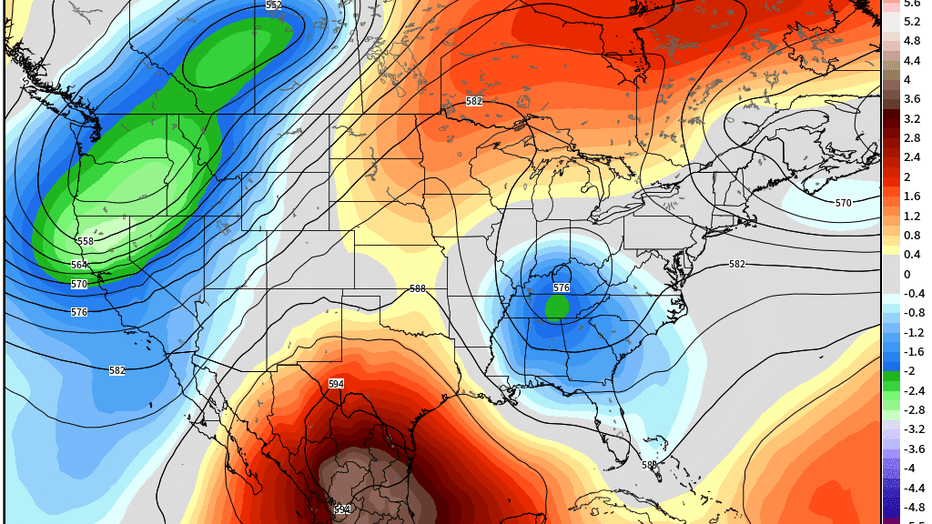
EDEN PRAIRIE, Minn. (FOX 9)-It has felt a lot like summer for a few weeks now, but it officially kicks off at 9:57 Wednesday morning.The warmth here in Minnesota though pales in comparison to other parts of the world as earth is experiencing a spike in temperatures over the last few months.

While we are in the midst of a stretch of 90s, other parts of the world are much hotter.After big heat waves earlier this spring that have taken thousands of lives from Southeast Asia to India to parts of Africa, the Southern United States and Mexico are now one of the hottest parts of the planet when compared to average.

Heat Dome

A heat dome over parts of the Southern United States.

Seniors under 85 can get $50,000 life insurance for $13/monthSearchAlike|

Sponsored

Learn More

A heat…

View original post 467 more words

DEC: Bird Flu Won’t Stop Fall Pheasant Hunting

Exposing the Big Game's avatarCommittee to Abolish Sport Hunting Blog

Wed, June 21, 2023byEd Vivenzio

 Facebook  Twitter  LinkedIn  Pinterest  E-Mail

pxhere

Following the loss of the pheasant flock at its Reynolds Game Farm in March due to bird flu, the New York State Department of Environmental Conservation has announced the Fall pheasant season will proceed as planned.

The DEC says it is acquiring birds from a commercial hatchery to supplement upland bird hunting in New York . The Department releases 30,000 pheasants on public land each year as the state doesn’t have enough sufficient habitat to support self-sustaining wild pheasants.

The birds will head to Reynolds Game Farm until they are ready to be released across the state.

“Pheasant hunting serves as an introduction to hunting for many New York hunters,” said DEC Commissioner Basil Seggos. “DEC was devastated by the loss of the State’s breeder flock…

View original post 39 more words

Exploding volcano does something scientists have never seen before

Exposing the Big Game's avatarThe Extinction Chronicles

Mashable

MashableFollow

Story by Mark Kaufman•5h ago

Earthcontinues to surprise us.

One of our planet’s large undersea volcanoes, the Hunga Volcano in the South Pacific,astonished scientistswhen it erupted in January 2022. The blast sent pressure waves around the planet. Itblew awhopping 58,000 swimming poolsworthof water into the atmosphere— an unprecedented amount. And the explosion’s plume of ash and waterreached over 35 miles high— the highest ever observed.These Savings Accounts Are Paying At An All Time High (12% Interest)

These Savings Accounts Are Paying At An All Time High (12% Interest)

Ad

TopAnswersToday

Now, researchers report observations of the same Hunga eruption in Tonga producing a lofty volcanic thunderstorm that produced the most intense lightning ever recorded. At its peak, the sprawling storm created 2,615 flashes per minute, smashing the previous record of 993 flashes.

“This series of events on Jan. 15 led to an extreme version of volcanic lightning that…

View original post 524 more words

Something is very wrong with us

Exposing the Big Game's avatarThe Extinction Chronicles

Washington Examiner

Washington ExaminerFollow

Story by Becket Adams•4h ago

This photo provided by OceanGate Expeditions shows a submersible vessel named Titan used to visit the wreckage site of the Titanic. In a race against the clock on the high seas, an expanding international armada of ships and airplanes searched Tuesday, June 20, 2023, for the submersible that vanished in the North Atlantic while taking five people down to the wreck of the Titanic.©Provided by Washington Examiner

Perhaps it’s a side effect of our unprecedentedwealth, leisure, and comfort. Perhaps it’s the result of so many broken social promises, our imperial misadventures, or the general coarsening of our national spirit and discourse. Whatever the cause, something is wrong. You can see it in how we speak to one another. You can see it in how we react to national and local crises. From the very top to the bottom, we…

View original post 944 more words

Warming Pacific Ocean waters periodically unleash extreme weather around the globe. Climate change may make it worse.

The Week US

The Week USFollow

Here comes El Niño

Story by The Week Staff • 7h ago

The Week US

Here comes El Niño

Was this content a good use of your time?

Your feedback will help us improve the product

Storm moves in over coast. by wildestanimal/Getty Images.© by wildestanimal/Getty Images.

Warming Pacific Ocean waters periodically unleash extreme weather around the globe, and climate change may make it worse. Here’s everything you need to know:

What is El Niño?

It’s a natural, cyclical warming of Pacific Ocean waters that makes global weather more extreme. The phenomenon was named back in the 1600s, when Peruvian fishermen noticed that waters sometimes warmed around Christmastime in the Eastern Pacific Ocean, affecting their catch and the weather. They named the phenomenon El Niño — “The Boy” — after the infant Jesus. The effects of an El Niño vary throughout the world: Some regions experience severe drought and wildfires, while others get massive downpours and flooding. The last full El Niño ended in 2016 — the hottest year on record. A new one was detected this month forming in the Pacific, and some meteorologists warn that this could be a “Super El Niño,” dramatically raising global temperatures for a year or more.

Why would this one be stronger?

Global ocean temperatures already have smashed records in four of the past five years. The WMO predicts a 66% chance that this El Niño will temporarily raise global temperatures by roughly 0.7 degrees on top of previous warming of about 2 degrees, sending atmospheric temperatures zooming past the 2.7-degree Fahrenheit (1.5-degree Celsius) threshold established by the Paris climate agreement as a tipping point for more severe consequences. The World Meteorological Organization (WMO) is predicting that there is a 98% likelihood that at least one of the next five years, and the five-year period as a whole, will be the warmest on record. “We’re in unprecedented territory,” said Michelle L’Heureux, a meteorologist with the National Oceanic and Atmospheric Administration’s Climate Prediction Center.

How does an El Niño form?

Related video: El Niño has fully loaded, what it means for Canada’s summer (The Weather Network)

but tend not to lock in temperatures when they’re warm.

Loaded: 100.00%Play

Current Time 0:22

/

Duration 1:09QualitySettingsCaptionsFullscreen

The Weather Network

El Niño has fully loaded, what it means for Canada’s summerUnmute

0

View on Watch

More videos

In the Eastern Pacific, near the equator, trade winds usually flow from east to west, pushing warm surface water toward Australia and Asia and letting cooler water rise to the surface near the Americas. For reasons scientists don’t fully understand, during an El Niño period, those winds tend to die down or reverse, allowing the warm surface water to flow eastward and preventing cold water from rising. The moisture of the warm water evaporates into the atmosphere, causing the global temperature to rise, currents to shift, and local weather systems to depart from their usual patterns. Forecasters generally wait until sea surface temperatures rise 0.9 degrees Fahrenheit for at least three months before declaring an El Niño’s arrival, which usually occurs every two to seven years.

What happens then?

El Niño usually strikes first in the Southern Hemisphere from July to September (their winter). North America then experiences the impact from December through January. In the southeastern third of the U.S., that often means downpours, flooding, and landslides. But areas further north in the Americas tend to see warmer, drier conditions, which create prime conditions for wildfires such as the 400-plus blazes now burning across Canada. The 1997-98 El Niño caused an estimated 23,000 deaths. El Niño-fueled fires in Southeast Asia alone contributed to as many as 100,000 deaths in 2015 and 2016. Dartmouth researchers recently estimated that each El Niño saps an average of $3.4 trillion from the global economy, destroying crops and preventing the flow of goods and services.

What can we expect from this El Niño?

Scientists can only guess, because it arrives to a changed world. We’ve just seen the end of an abnormally long La Niña — a countervailing phenomenon in which strong Pacific trade winds periodically increase the upwelling of cold, deep water, producing many of the opposite effects of an El Niño. That La Niña began in 2020 and lasted for most of the past three years before ending in March — but its normal cooling effect did not materialize. Instead, ocean temperatures continued rising, and 2020, 2021 and 2022 remained hotter than any El Niño year before 2015. Though the U.S. is usually given a reprieve from strong, frequent Atlantic and Caribbean hurricanes during El Niños, that’s not expected to be the case this time.

Why not?

The world’s oceans have absorbed more than 90% of the warmth generated by fossil fuels. As a result, North Atlantic temperatures — which reached nearly 73 degrees this month — are now higher than at “any day in recorded history,” according to UCLA climatologist Daniel Swain. The Pacific also appears to be warming in a lasting way. Warm waters make for frequent and powerful hurricanes and cyclones, and forecasters expect an above-average season this year. Marine heat waves also speed up the melting of ice sheets and kill off fish stocks and wildlife. The severe warming of the 2015-16 El Niño destroyed nearly a third of the coral in the Great Barrier Reef. A recent Australian study suggests El Niño/La Niña temperature shocks have grown 10% more extreme since 1960. The double whammy of this El Niño on top of climate change, scientists warn, could trigger weather extremes and disasters of unprecedented scope and scale. “There’s a huge amount of heat stored below the surface that’s ready to erupt,” said NOAA senior scientist Michael McPhaden. “The escalator is only going up.”

Peru as ground zero

The cyclical pattern of current and weather changes Peruvian fisherman named El Niño actually dates back thousands of years, at least to the last Ice Age, geological research has determined. The phenomenon may have even played a role in the collapse of ancient civilizations such as the Inca. Every region in the world is affected differently by El Niños; for Peru, they usually bring a major increase in rainfall and storms. Over recent decades, the country has been severely battered during El Niño, with whole villages sliding off sodden mountainsides. In 2017, heavy rain and flooding displaced some 300,000 Peruvians. And this year’s El Niño is already being blamed for downpours and a consequential outbreak of mosquito-borne dengue fever that has sickened nearly 140,000 people. “The increase in temperature is going to continue, and diseases like dengue are one of the results,” said Dr. Luis Pampa of Peru’s National Health Institute. “We don’t have to be fortune tellers to say that, if we do not not take this problem seriously, it could get worse.”