EDGEFIELD — South Carolina has recently taken a progressive step by overturning its outdated ban on Sunday hunting on public lands. This decision comes as a result of extensive public support for allowing hunting activities on Sundays.
“We are pleased that the regulations that allow Sunday hunting on a significant portion of the public land in South Carolina for a large part of deer season and some weekends during small game season have been approved,” said Larry Deas, NWTFSC state chapter president.
A majority of states already practice this regulation, as the prohibition on Sunday hunting in South Carolina has its origins in outdated blue laws, lacking scientific foundations in wildlife-management principles. These restrictions not only impede efforts to recruit, retain and reactivate hunters (known as R3), but also unfairly limit hunter access…
The images — grainy and taken from a distance by drones and trail cameras — offer tantalizing hints the large woodpecker may yet exist almost 80 years after the last agreed-upon sightings, in Louisiana.
Several experts said it adds toprior indicationsof their survival. They called on the government to drop the pending proposal to write off the so-called Lord God Bird — a nickname derived from the exclamation some viewers made upon seeing one.
El Niño is a weather pattern that occurs in a region of the eastern Pacific Ocean near the equator. It usually happens once every two to seven years, according toNational Geographic.
The name El Niño means “the boy,” compared to “the girl,” orLa Niña. But where La Niña brings colder surface temperatures, El Niño means things areheating up— a condition that affects the climate worldwide.
How El Niño works
National Geographicexplains the conditions that cause El Niño. Normally, strong currents of air called “trade winds” blow from east to west over the Pacific. Matching ocean currents push the warmest water at the ocean’s surface from South America toward Australia and Southeast Asia.
During El Niño, though, the trade winds get much weaker, air…
From the Poconos to the Jersey Shore to the mouth of the Delaware Bay, what do you want to know about climate change? What would you like us to cover?Get in touch.
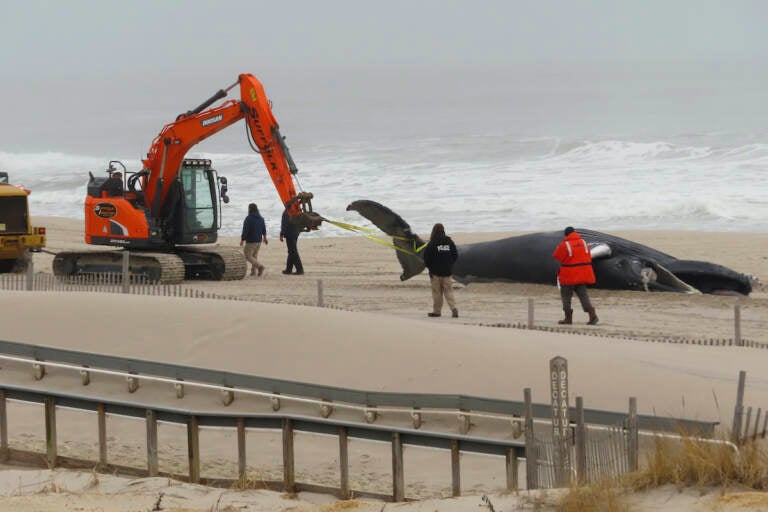
State lawmakers held a second hearing this month addressing the recent spate ofwhale deaths in New Jersey.
“The culprit is a changing climate, and our inability societally to get it under control,” Shawn LaTourette, New Jersey Department of Environmental Protection Commissioner (NJDEP)…
Smoky air is moving over the United States as Canada struggles to contain a series of large wildfires in Alberta, located in the western part of the country.
More than 93 fires were still active on Friday and close to 3,000 square miles of land have been burned, reportedthe British Broadcasting Company.
It’s an “unusual year,” officials say, because of the severe heat, lack of rainfall and worsening wind conditions — making the perfect storm for wildfires, per theWashington Post.
“People have called this season certainly unprecedented in recent memory because we have so many fires so spread out,” Christie…
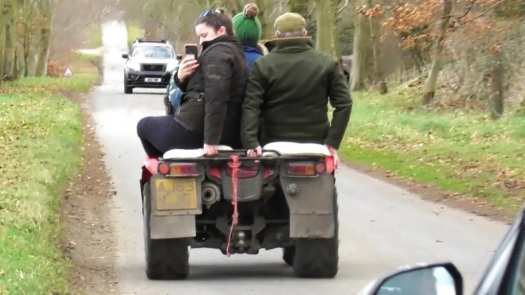
Supporters following the Dunston Harriers on an overloaded quad bike which is also illegally displaying an illegible registration plate. Police on the day took no action. Image South Norfolk Hunt Saboteurs
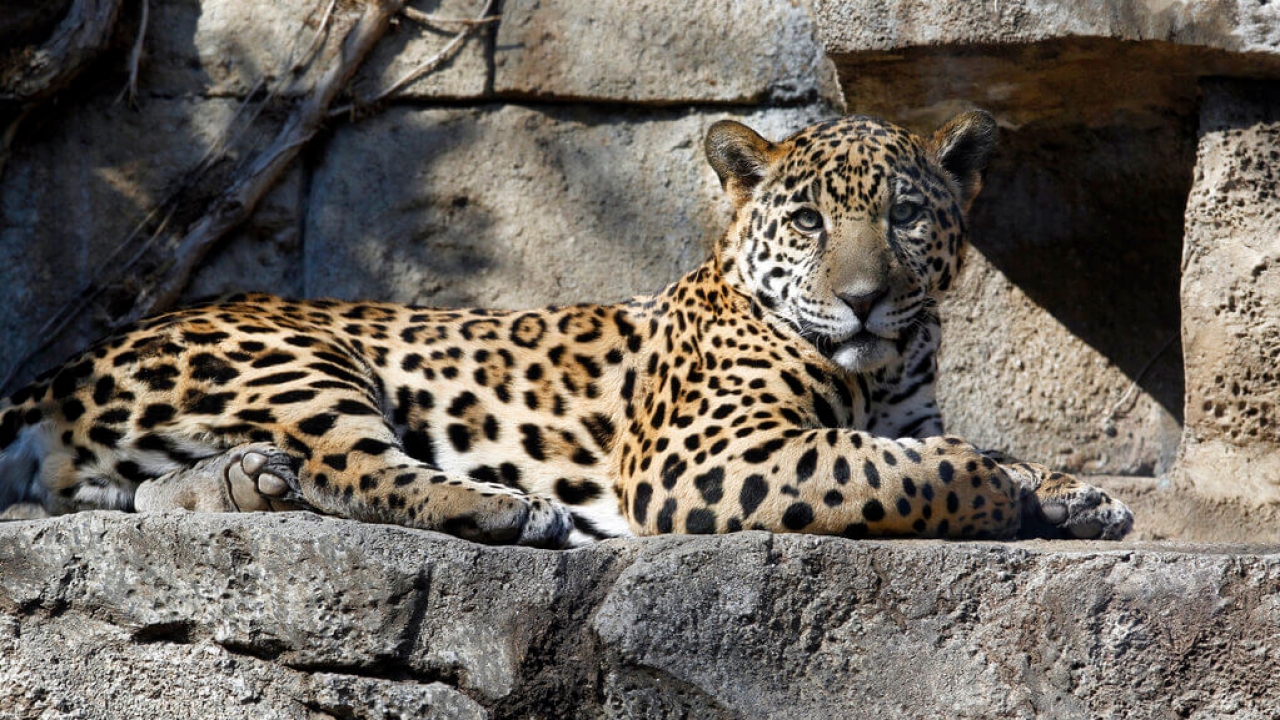
An appeals court on Wednesday ruled that federal wildlife regulators incorrectly marked parts of the U.S. as critical habitat for endangered jaguars.
The three-judge panel found that the U.S. Fish and Wildlife Service had not done enough to prove that the land in question was critical to jaguars’ survival.
The Fish and Wildlife Service had marked certain parts of southern Arizona as critical jaguar habitat. This ruling applies only to that contested land, not to jaguars’ entire known range within the United States.
The ruling comes as part of a copper mining case. Rosemont Copper Co., an arm of Canada-based Hudbay Minerals, plans to build a $1.9 billion open-pit copper mine in southern Arizona.
In 2014, more than 350,000 acres in southern Arizona were classified as critical habitat for jaguars. An Arizona district court affirmed that designation in 2020, and the mining company appealed.
US agency: Environmental impact study to look at threat to sea turtles
A group appears to have made progress in its fight with a U.S. agency over plans to dredge a shipping channel as loggerhead turtles nest.LEARN MORE
According to the Fish and Wildlife Service, the jaguar’s range extends into small portions of Arizona and New Mexico, on the border with Mexico.
Judge Danielle Forrest pointed out that only a very small portion of the jaguars’ overall range is in the United States.
Forrest wrote in the majority opinion for the court: “Habitat that ‘may (or may not) be important to the conservation of jaguars’ definitionally is not essential to conservation. To conclude otherwise would render meaningless Congress’s limitations on the government’s authority to designate land as unoccupied critical habitat.”
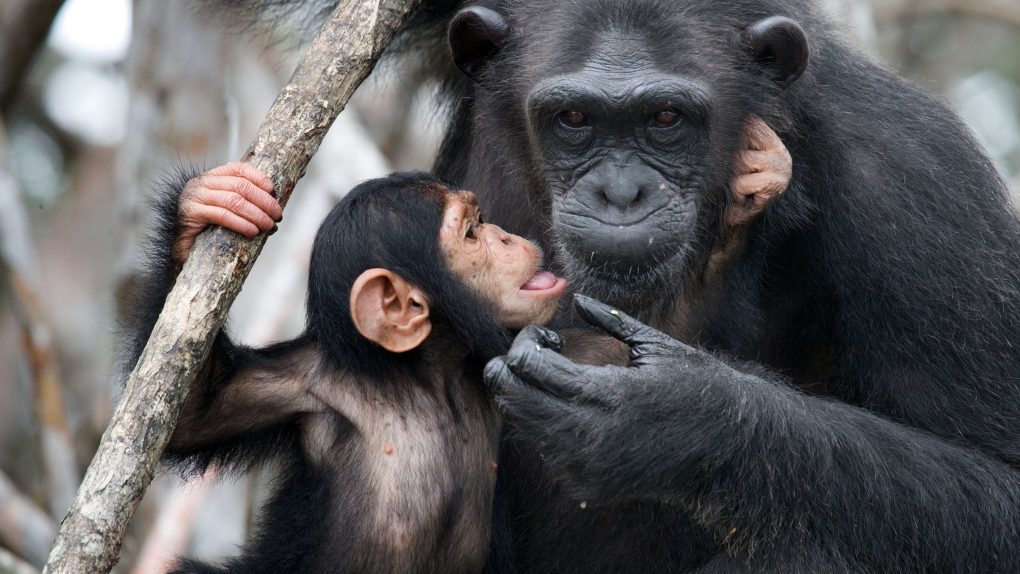
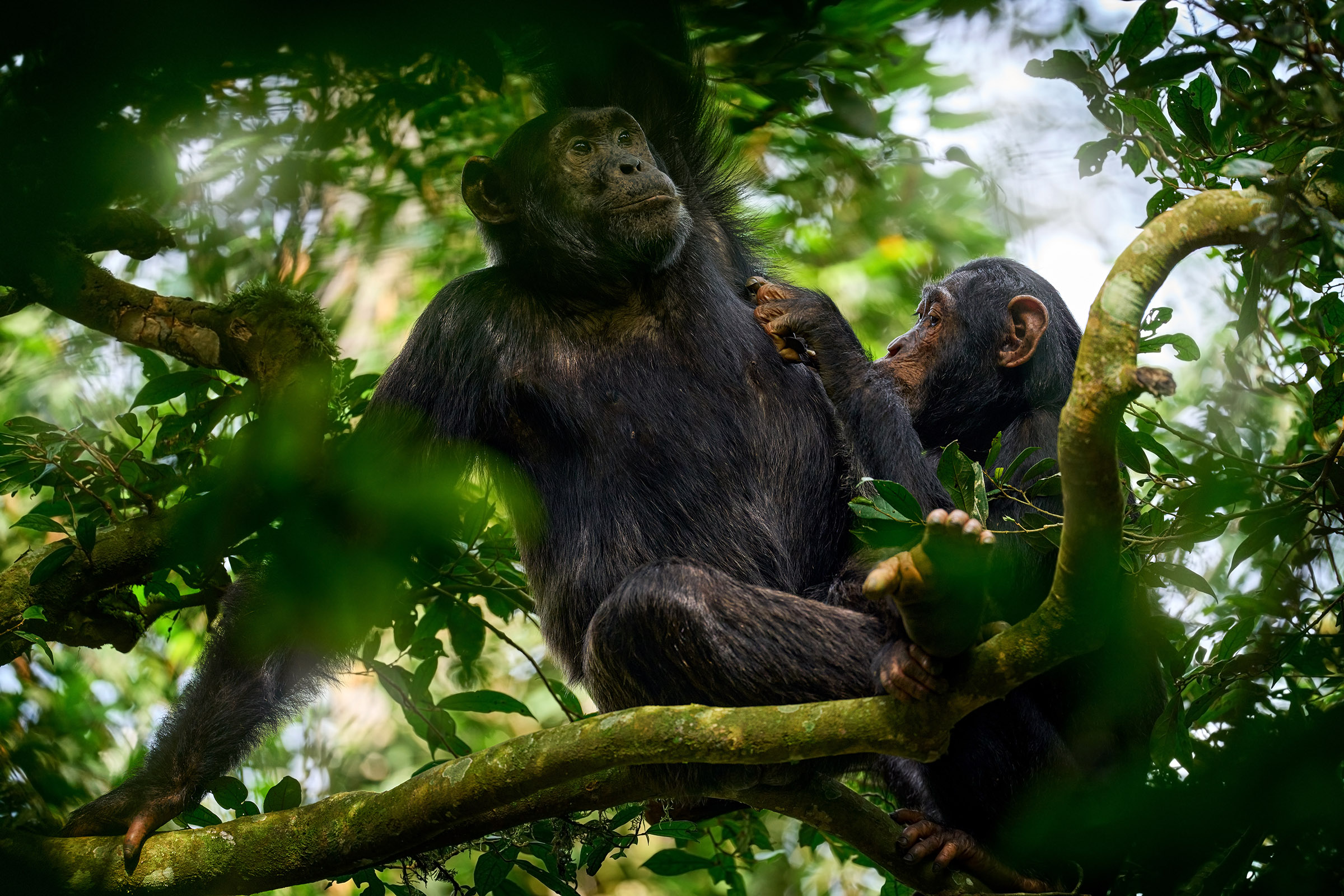
Scientists have moved one step closer to decoding the languages that animals like chimpanzees use to communicate. According to a new study published in Nature, chimpanzees have specific words, or noises, that signify different human words, and they can even be combined into “syntactic-like structures,” creating a unique chimpanzee language.
The research began following anecdotal data that chimpanzees might combine different calls or noises when encountering certain creatures, like snakes. To test the data, researchers set up snake presentations and then recorded how the chimps responded to the appearance of the snakes. According to the study, the chimps produced various “alarm-huus” and “waa-barks” when encountering snakes particularly.
Based on the observations made by the researchers, chimpanzees have their own language and even their own “words” for things like surprise/danger and even “come quickly.” When they see a snake, the chimps seem to combine these noises together, which the researchers suggest communicates surprise and calls for other chimps around the caller.
It’s an intriguing bit of research that helps showcase just how similar animal communication can be to humans. Further, the researchers conclude that the “compositional structures may not have evolved de novo in the human lineage,” and that instead, “the cognitive building-blocks facilitating syntax may have been present in our last common ancestor with chimpanzees.”
It’s possible that the language used by chimpanzees is some kind of precursor to how human language itself evolved. At least, that appears to be the suggestion that the researchers are making here. Language has always been something that humans believed was special to them because they were able to combine various words and noises to mean different things.
But, with this new research, the basic blocks of how human syntax evolved and even began could turn what scientists think they know about human syntax on its head, and it could help further strengthen the ties between humanity’s evolution and animals like chimpanzees.
Donnie Goode points out one of seven holes in his rural Tucumcari trailer that he and authorities believe were caused by an errant turkey hunter.Ron Warnick/Quay County Sun Photo
TUCUMCARI — On the afternoon in April 21, Donnie and Lora Goode were in their rural Tucumcari trailer when they heard a loud bang.
The Goodes found a large hole in the back window of their residence he knew came from a firearm projectile. They called the Quay County Sheriff’s Office, and they found seven holes in their trailer caused by a shotgun discharge.
“Once inside, she pointed out a line of travel of the projectile they dislodge prior to my arrival,” wrote sheriff’s Sgt. Rudy Vallejo in his report. “From the initial impact to where the projectile stopped…