Shovelnose sturgeon in many ways pale in comparison to lake sturgeon. They weigh less and aren’t nearly as long. They live much shorter lives, and they’re not as popular a target for anglers.
Nevertheless, shovelnose sturgeon are a native fish known for their flesh and roe, an important part of the ecosystem, and they are protected with conservative harvest limits to ensure their populations remain stable. Minnesota Department of Natural Resources conservation officers and conservation wardens with the Wisconsin DNR had this all in mind in the spring of 2019, when they received a tip and began looking into the potential illegal take of shovelnose sturgeon in Pool 9 of the Mississippi River.
Over the course of the next two years, officers conducted a large-scale investigation that included hundreds of hours of surveillance and documentation of a number of violations. As part of the…
Anew study published in Nature Communications concludes that genetic changes are making recent outbreaks of avian flu more severe in mammals. The scientists behind the research warn the disease now poses a bigger risk to humans. While avian influenza has been spreading at historic rates in farmed and wild bird populations since 2021, viruses change over time, and the danger this disease poses to many other species could continue to increase.
“This is not just a chicken virus now,” says lead author Dr. Richard Webby, who studies infectious disease at St. Jude Children’s Research Hospital, and influenza in animals and birds at the World Health Organization. “It’s also infecting other avian and mammal species in the U.S. It’s a higher exposure risk for humans and other mammals than we’ve ever had in North America. We’ve never really been exposed to this level of circulation of these highly pathogenic flu viruses.”
So, exactly how worried should we be that gene mutations of avian flu will cause the next human global pandemic? Let’s take a look.
Mammals at Risk
The scientists behind the new study found that as H5N1 avian flu spread in North America, the virus became able to “severely infect” mammalian brains, marking “a notable departure from previous related strains of the virus.”
Researchers were surprised at the virus loads found in the brains of ferrets, which were purposefully infected as part of the study. Some became very ill, experiencing “rapid weight loss, lethargy, and severe neurologic symptoms, including ataxia [loss of muscle control and coordination] and hindlimb paralysis.”
“That’s not the first time we’ve seen H5 viruses in the brain, but these are probably some of the most virulent we’ve looked at over 24 years of following these viruses,” says Webby.
While in the past, other influenza capable of resulting in severe disease have not spread beyond the initial bird populations impacted, this strain has spread significantly in farmed chicken flocks before infecting other species, St. Jude’s research finds.
What Does This Mean for Humans?
Avian flu has already infected humans, including in the United States. According to the WHO, there have been six confirmed cases around the world since 2020.
While the WHO encourages strict surveillance for any potential animal-to-human spread, the UN agency also emphasizes that all six cases thus far have resulted from close contact with birds, with some individuals either managing outbreaks or working with poultry.
Health agencies maintain the threat posed by avian flu to humans remains very low. Webby concurs, but warns that this may not always be the case, as the virus is changing. He also points out that we should not only consider human risk of transmission, but how bad the illness may be once contracted.
“Someone would have to work pretty hard to infect themselves with this virus,” says Webby. “But if they do happen to be infected, there’s a real chance of getting a severe disease from it.”
The latest identified human case of H5N1 was reported in Chile in late March, when a 53-year-old man was “hospitalized with severe illness,” according to the CDC.
Avian Flu Updates
In the U.S. alone, nearly 60 million farmed birds have been culled or died due to the spread of avian flu, and over 6,900 wild birds have been impacted. Nearly all U.S. states — 47 in total — have reported experiencing outbreaks in their poultry flocks.
According to a recent report from the World Organization for Animal Health, 1.5 million poultry were killed or died in just the three-week period between March 30 and April 20, 2023. The report concludes that although the disease’s spread may have already peaked in many places, avian flu is now affecting wild birds in new areas of the world, including Gambia. In May, top poultry exporter Brazil declared a 180-day state of emergency amid cases found in wild populations.
The consensus among health agencies seems to be that overall, avian flu poses a relatively low risk to human public health at this time, but that officials must remain vigilant.
“We have already witnessed in recent years an unprecedented number of deaths in wild birds, and outbreaks in domestic birds in many countries,” writes the WHO. H5N1’s spread from avian species to mammals and outbreaks on Spanish mink farms “underline the unpredictable nature of the disease and its potential risk to human health.”
So what can consumers do to stem the spread of avian flu? Of course, it would be wise to avoid handling wild birds or poultry. Abstaining from eating poultry and supporting the industrial farming system that drives avian flu’s spread is also a way not to contribute to the virus’s continuing mutation. While heat from cooking kills avian flu, handling or consuming raw poultry is not without health risks. If you’re worried about supporting the spread and mutation of avian flu, consider buying a plant-based chicken option instead.
The potential of diseases such as Avian Influenza (bird flu) to spread rapidly world-wide has accelerated research on zoonoses—diseases that are transmitted between animals and humans. Source – John Pearce, U.S. Geological Survey, Public Domain
Avian influenza in birds worldwide is changing rapidly, and the surging number of cases seen in mammals is cause for concern.
Since first emerging in 1996, the H5N1 avian influenza virus had previously been confined to primarily seasonal outbreaks.Starting in 2005,experts began identifying key events – like new clades, new species being infected, and the spread to new areas – as the avian flu virus gained greater virulence.
“It is most likely that we are seeing a blend of extreme weather events being multiplied and exacerbated by the human activity-caused warming climate,” writes Don Paul.Joseph Cooke/Buffalo News
Late last week, the New York State Department of Environmental Conservation issued twoair quality alertsfor our region due to high ground levels of ozone being generated by heating in a stagnant air mass. On Monday, the DEC issued another Air Quality Alert for a different reason. Smoke particulate matter is being transported from Canadian wildfires, and some of it is reaching ground level, presenting a potential hazard, in particular for those with chronic lung disease. Still, it should be noted the vast majority of the smoke will stay aloft, andconcentrations near the groundwill not…
Climate change is remapping where humans can exist on the planet. As optimum conditions shift away from the equator and toward the poles, more than 600 million people have already been stranded outside of a crucial environmental niche that scientists say best supports life. By late this century, according toa study published last month in the journal Nature Sustainability, 3 to 6 billion people, or between a third and a half of humanity, could be trapped outside of that zone, facing extreme heat, food scarcity and higher death rates, unless emissions are sharply curtailed or mass migration…
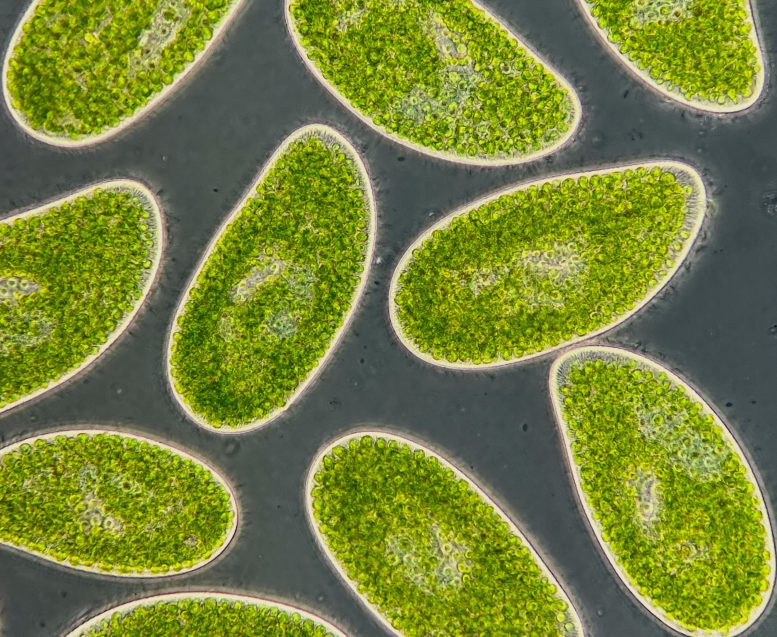
Found in lakes and rivers worldwide, single-celled creatures like theseParamecium bursariacan both eat and photosynthesize. Microbes like this play a double role in climate change, releasing or absorbing carbon dioxide — the heat-trapping greenhouse gas that is the primary driver of warming — depending on whether they rely on an animal-like lifestyle or a plant-like lifestyle. Credit: Daniel J. Wieczynski, Duke University
Increased heat levels might drive oceanic plankton and other unicellular organisms toward a carbon threshold, which could potentially exacerbate global warming. However, recent studies suggest that it might be feasible to identify early warning signs before these organisms reach that critical point.
A group of scientists researching a widespread yet frequently overlooked class of microbes…
A Mactier man pleaded guilty to trespassing for the purpose of hunting and discharging a firearm from a roadway. He was fined $8,000 and had his hunting licence suspended for two years.
The court heard that on November 7, conservation officers were conducting a controlled deer decoy operation in the Port Carling area. The operation was in response to public reports of trespassing and unsafe hunting practices in the area. Officer say that Derek Morgan shot at the deer decoy from the roadway with a shotgun and slug on property he did not have permission to hunt on.
Justice of the Peace Margo Ballagh heard the case in Bracebridge, on Wednesday, May 17, 2023.
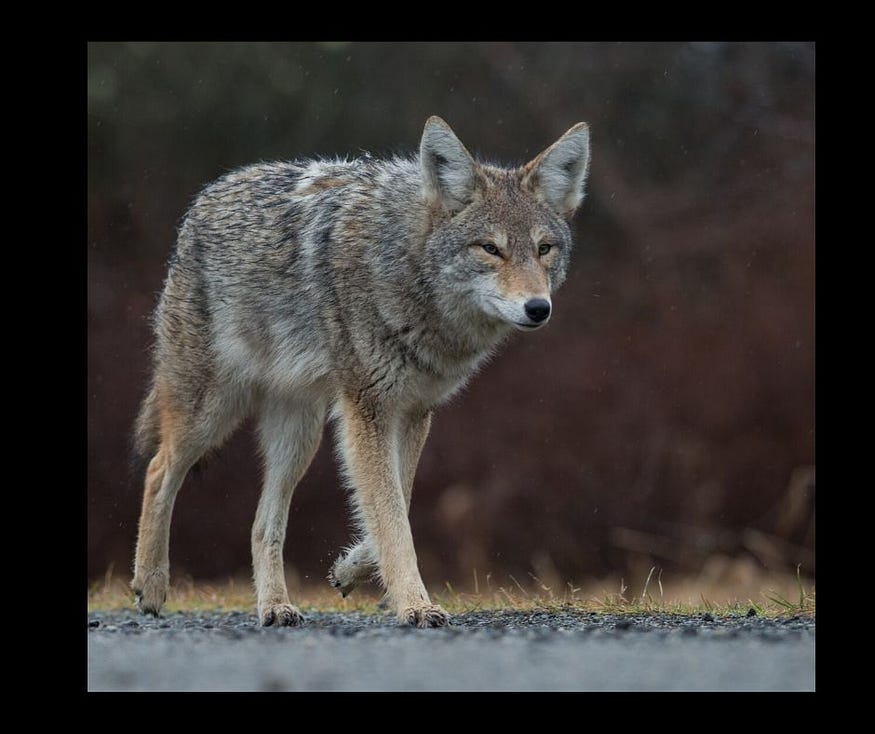
In December of 2019, Animal Rights activists in the Capital Region of NY caught wind of a local Fire Department’s plans for a Coyote hunt fundraiser intended for Mid January 2020. Alarmed not only for the animals but for the poor example set by an organization whose mission is to save people’s lives, a petition was circulated and numerous activists wrote letters, made phone calls and posted on social media asking the Hancock NY Volunteer Fire Department to reconsider.
Some, like myself, offered to make donations to the FD if they would change their strategy and ensure no animals are harmed. The correlation between violence toward animals and other forms of violence including child abuse and domestic violence has been established repeatedly.
While one could make the claim that this is different, it is cultural or…
Forecasters warn of unpredictability, weather ‘chaos’ as El Niño develops
A developing El Niño is already dramatically influencing Earth’s weather, scrambling precipitation patterns and boosting temperatures higher and higher. Forecasters say it’s only a matter of time before El Niño’s arrival is official, and there is concern it could incite unprecedented extreme weather.
Scientists don’t yet know how strong this El Niño will become, and its intensity will have big implications for where extreme weather occurs and its severity. But they do know it’s arriving amidthe highest ocean temperatures in modern records.
Jennifer Francis, a climate scientist at the Woods Hole Research Center,warned in a recent podcastto “expect chaos,” especially if this El Niño turns out strong.





 WEATHER FORECAST
 50°F