Photo Jim Robertson
http://www.japantimes.co.jp/news/2014/02/22/national/japan-takes-baby-steps-toward-a-proper-debate-about-animal-rights/#.Uwo9mrCYZy1
by Philip Brasor Feb 22, 2014
On Jan. 10, convenience store chain Family Mart started selling a new bentō (boxed lunch) with a heavy-duty name to complement its hefty ¥600 price: Famima Premium Koroge Wagyu-iri Hamburger Bento, which “contains” high-quality Japanese ground beef. For an added touch of extravagance, it also came with a side of foie gras.
A month later, the company withdrew the product after receiving complaints about the foie gras, which is made from the fatty livers of geese. Animal welfare groups claim the manufacture of foie gras amounts to animal cruelty since the birds are force-fed. A Family Mart PR person told Tokyo Shimbun that the company only received 22 complaints, but that it was enough to persuade it to pull the item. The reporter hinted that the company may have actually withdrawn it due to bad sales, but in any case, it’s significant that complaints related to animal rights would be taken seriously by a Japanese business and picked up by the media. It’s not a topic that’s usually covered unless non-Japanese are involved.
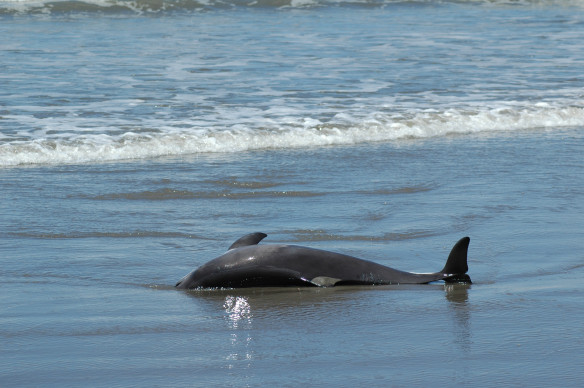
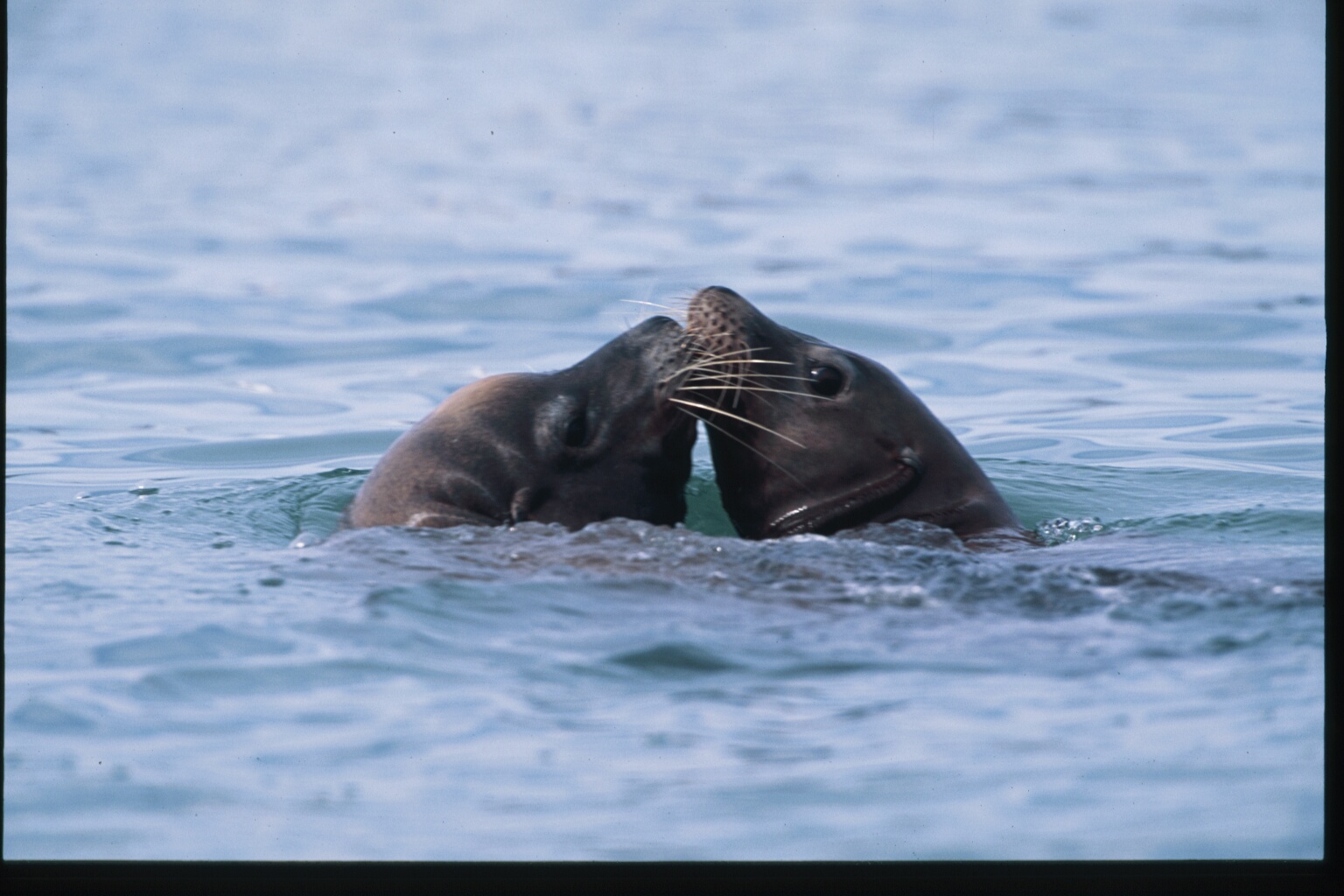
Like Caroline Kennedy. The new U.S. ambassador to Japan recently attracted media scrutiny for a tweet expressing her and the U.S. government’s objection to the dolphin “drive hunt” taking place in Taiji, Wakayama Prefecture. Ever since “The Cove” won the Oscar for best documentary of 2009, the world has come down on the whaling town for its yearly cull, which involves scaring dolphins into a cove, separating some for sale to aquariums and marine shows, and killing others for food. Taiji says the condemnation is unfair, since this is how the town makes its living. People who object are hypocrites because humans raise cows and pigs for slaughter. What’s the difference?
Protests are viewed by the Japanese press as a form of cultural bias: Those who complain think dolphins are special, more intelligent than other animals and thus should not be killed for food. But recent editorials in the Tokyo and Asahi Shimbuns, prompted by the Kennedy tweet, downplay the cultural-chasm theory. Asahi says it is more about “how we want to live as human beings.” Why are dolphins special? The feeling is that there is “less distance” between our two species because dolphins are biologically equipped to “communicate,” thus giving them the means to display “intelligence.” And the more an animal “fulfills the condition of being human,” the greater its right to be treated the same way, meaning they should have similar rights as people do in a given society.
However, the logical pillars of this argument as erected by the Asahi were designed to be knocked down. The paper interviewed Koichi Tagami, a lecturer on ethics at Rissho University, who says human rights stem from self-consciousness, which implies “independent reasoning.” If other animals manifest self-consciousness in some way, they deserve to have their rights protected, including the right not to have pain inflicted on them. So if we grant those rights to dolphins, Tagami argues, then all animals that feel pain should have that right, including cows and pigs. Even robots, he reasons, have the right to object to being “controlled” by humans.
The editorial quotes other scholars who point out differing attitudes toward animals in other countries, and how certain animals are protected while others aren’t depending on the culture. The point seems to be that it is impossible to formulate legal guidelines that cover all aspects of animal welfare when there is no global consensus on what is basically a philosophical issue.
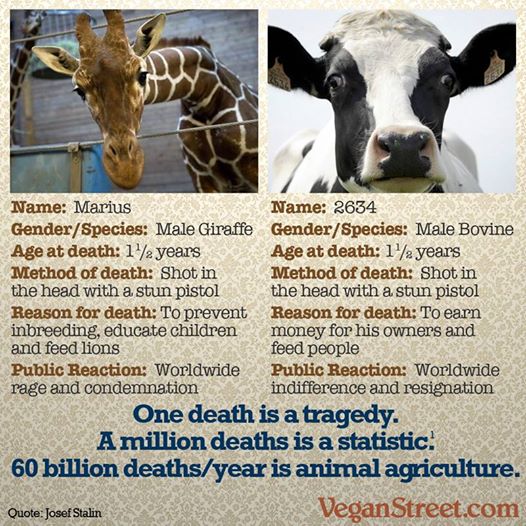
But the Asahi’s academic approach conveniently avoids touching on the most important aim of the animal welfare movement, which is to prevent suffering. Tagami’s theory about freedom from pain is merely a talking point. Though the average person may find advocacy of animal rights too intense at times, the worldwide trend is toward less suffering. Slaughterhouses in Europe must anesthetize livestock before they are killed. Most in the U.S. slaughter animals only after they are stunned. Last week, Denmark outlawed meat-processing techniques used for halal and kosher food, which dictate that animals be conscious when they are slaughtered. The move was met with condemnation from Muslim and Jewish groups. Even nonreligious people wondered about the law after a Danish zoo killed a perfectly healthy giraffe and fed it to lions because the giraffe could not be bred. Its genetic material was already over-represented in the captive environment.
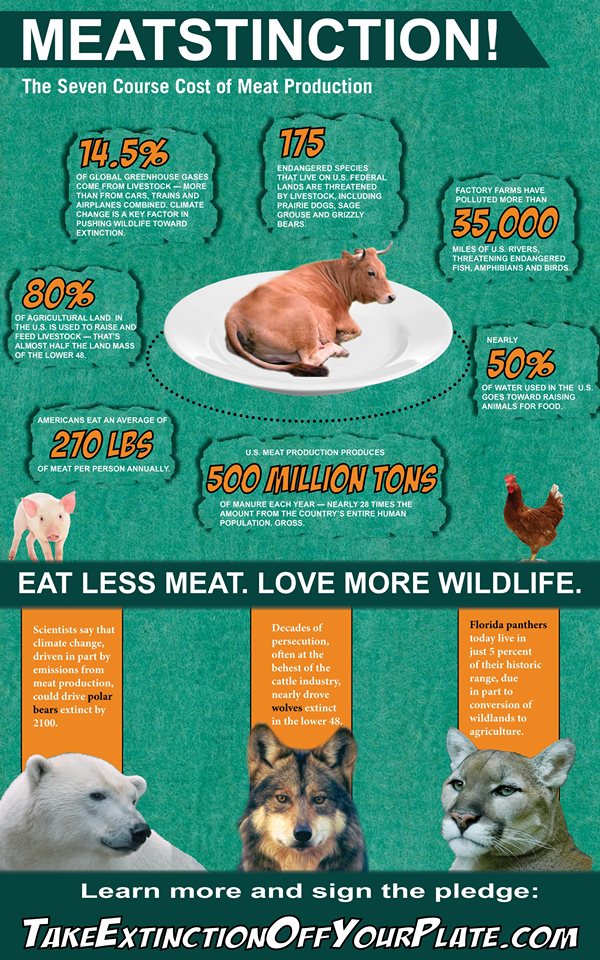
Tokyo Shimbun’s editorial enters this realm by tying animal welfare to commerce. What’s cruel is the mass-production methods of most meat-processing businesses, which are designed to be cheaper and more efficient. Filmmaker Aya Hanabusa made a movie about a Japanese butcher that showed how he raised his livestock from birth and personally killed the animals before processing their meat for sale. She told Tokyo Shimbun that before you can call dolphin culls cruel, you have to apply the same ethical criteria to animals raised “as industrial products.”
In this regard, Taiji fishermen say they have adopted “slaughterhouse methods” to make sure the dolphins they kill “die instantly,” an assertion that anyone who has seen “The Cove” may have a problem with. In any event, they invited Kennedy to witness the cull and see for herself, since what galled them was her suggestion that it is “inhumane.”
Semantics mean something here, and both sides stretch points to their advantage. Taiji claims outsiders are interfering with their “traditional way of life,” but the town didn’t start the drive hunt until 1969, when it needed live animals for its recently opened whaling museum. The anti-cull activists, on the other hand, insist that dolphin meat is dangerous due to high levels of mercury, a contention that is incidental to the cruelty argument. In a world where meat-eating is common, it’s unlikely either side is going to budge unless the Japanese media joins the discussion in a meaningful way.




 Exposing the Big Game