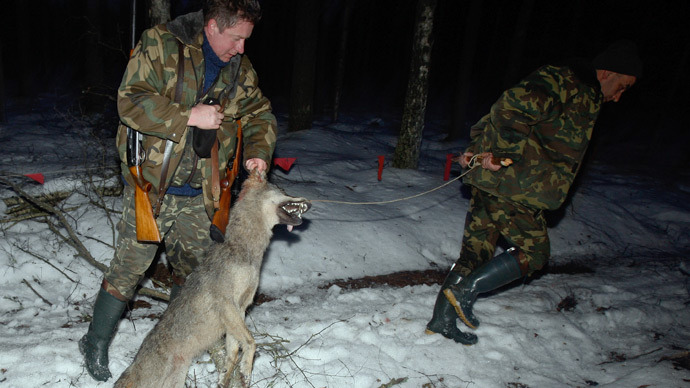
Exposing the Big Game

Forget Hunters' Feeble Rationalizations and Trust Your Gut Feelings: Making Sport of Killing Is Not Healthy Human Behavior

Exposing the Big Game

Costa Rica First to ban sport hunting

As The Huffington Post reports, in December of 2012, Congress unanimously voted to ban hunting as a sport in the Latin American country. It was in 2010 that the popular initiative was proposed to Congress, with an accumulated 177,000 signatures calling for a ban on hunting.

Under the new law, those caught hunting will face up to four months in prison or fines of up to $3,000. Smaller penalties were also included in the reform for hunters who steal wild animals or keep them as pets. Among Costa Rica’s most treasured and sought-after species are jaguars, pumas, and sea turtles; but thanks to the new legislation, they are now much safer.

Credit: www.whitewolfpack.com

With a population of 4.5 million people and an ecosystem that boasts more than 500,000 species, the diversity of Costa Rica is what attracts tourists from all over the world. In fact, tourism is the country’s number one industry.

Said environmental activist Diego Marin, who campaigned for the reform, to local radio:

“We’re not just hoping to save the animals but we’re hoping to save the country’s economy, because if we destroy the wildlife there, tourists are not going to come anymore.”

However, not all foreigners are interested in catching some waves or taking a leisurely stroll through the country’s gorgeous parks. Some are most interested in capturing exotic felines to sell on the black market, or are in pursuit of securing rare and colorful parrots to sell as pets elsewhere.

It is to be noted that there are limits on the ban. The legislation does not apply to hunting by some indigenous groups for survival, or to scientific research.

Still, as a very environmentally conscious country, Costa Rica’s initiative will likely boost conservation efforts and maintain its diversity for years to come.

“Costa Ricans think of themselves as “people who are in a very good relation with the environment,” said Alonso Villalobos, a political scientist at the University of Costa Rica. “And in that way, we have made a lot of progress. We have a stronger environmental consciousness.”

What are your thoughts on this news? Share your comments below. 


This article (Costa Rica Becomes The FIRST Nation To Ban Hunting!) is free and open source. You have permission to republish this article under a Creative Commons license with attribution to the author and TrueActivist.com.
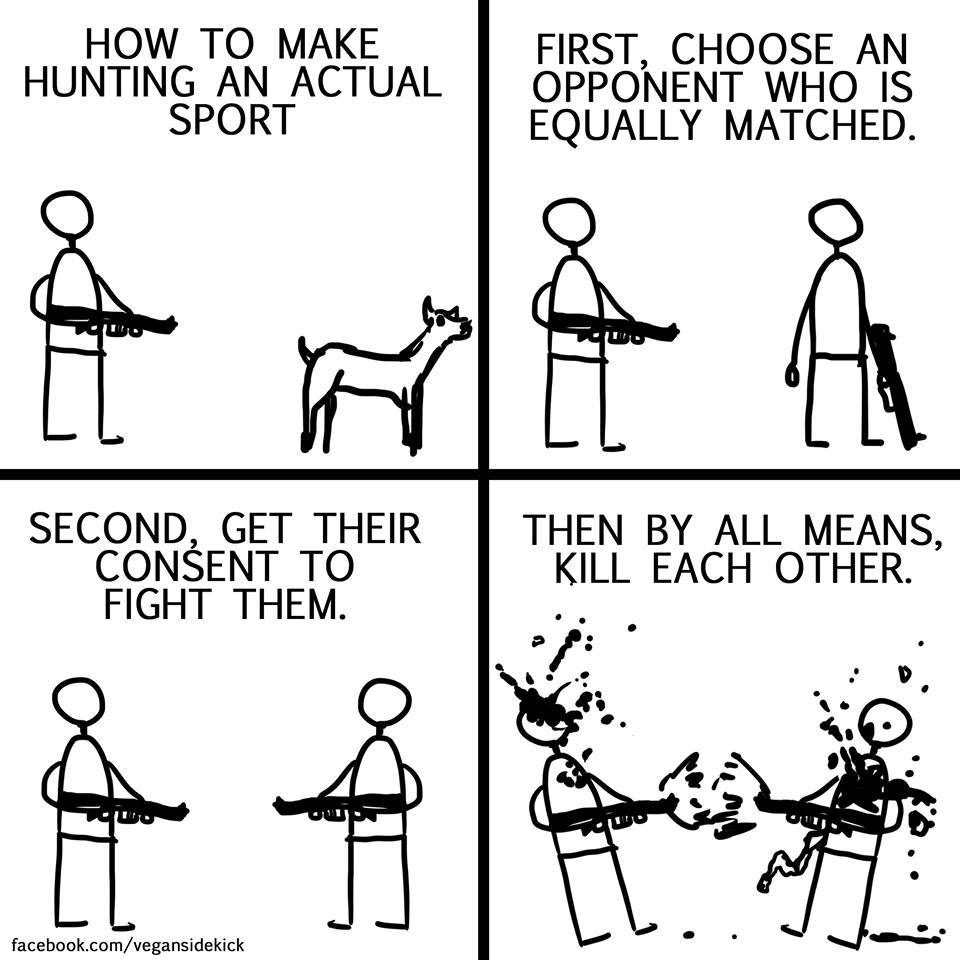
Albania hunting ban takes aim at depopulation


 http://www.aljazeera.com/indepth/features/2014/11/albania-hunting-ban-takes-aim-at-depopulation-2014111812148301986.html

Wildlife numbers falling rapidly, but a controversial new ban on hunting seeks to protect Albania’s animals.

Last updated: 22 Nov 2014

Tirana, Albania – Bujar Hyka and his friends headed out in their jeep west of Albania’s capital on a recent Sunday morning. Dressed in camouflage, the men navigated the vehicle through rough terrain with three restless English Setters eagerly waiting to jump out.

A year ago, this would have been a hunting trip. But under Albania’s new anti-hunting law, Hyka and his friends have been forbidden to kill animals and now simply hike weaponless through the country’s pristine wilderness.

“The government doesn’t understand that hunting is a sport; they are1907320_10152809923380861_1562740061849294556_n ruining our sport,” said Hyka, 59, head of one of Albania’s hunters and fishermen’s organisations. “It’s like someone taking a football away from footballers.”

Earlier this year, the Albanian government imposed a two-year moratorium on all hunting to save its endangered animal population. Reports suggest 30-50 percent of Albania’s wildlife species have seen a steep decline in the past decade. Hunting is one of the main reasons for the loss.

Among the endangered species in the country are the Balkan lynx, the Egyptian vulture, the Dalmatian pelican, the European eel, and the Albanian water frog.

More Here

Thanks to C.A.S.H.: The Committee to Abolish Sport Hunting 


Wildlife-killing Contests Targeting Nongame Animals Banned by CA

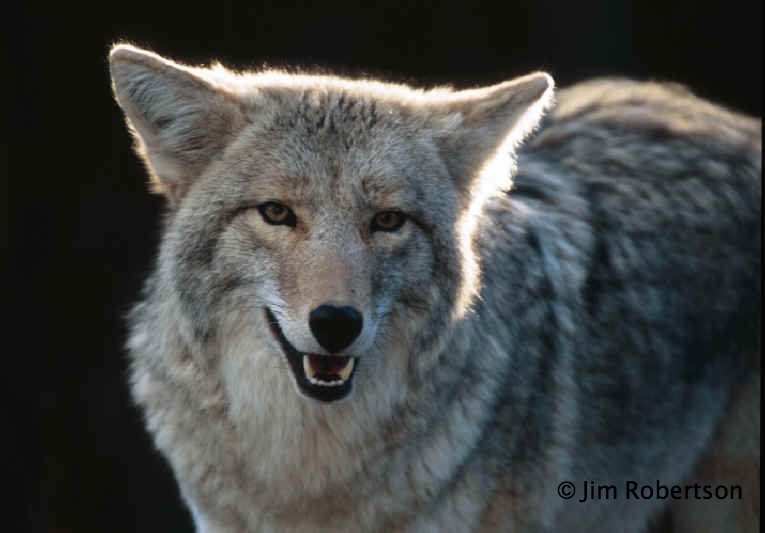
Jim Robertson-wolf-copyright

For Immediate Release, December 3, 2014

Contact:  Amaroq Weiss, (707) 779-9613

Wildlife-killing Contests Targeting Nongame Animals Banned by
California Fish and Game Commission

VAN NUYS, Calif.— In response to overwhelming public support for banning wildlife-killing contests, the California Fish and Game Commission voted today to adopt regulations prohibiting hunting “derbies” targeting species such as coyotes, raccoons and badgers. The ban came after thousands of Californians expressed opposition to the killing competitions.

“We’re grateful that the commissioners responded to the public’s call for science-based, ethical and ecologically sound stewardship of California’s wildlife,” said Amaroq Weiss, the Center’s West Coast wolf organizer. “Banning contests that reward people, including children, for killing animals is the right thing to do.”

Few Californians knew that existing state law allowed wildlife-killing contests. That changed in early 2013 after wildlife conservation groups pushed to increase public awareness of an annual “coyote-drive” killing contest held in Northern California. While wildlife-hunting contests occur throughout the state, the location of the coyote-killing competition sparked additional attention because it was held in Northern California counties frequented by OR-7, the dispersing Oregon wolf who became California’s first confirmed wild wolf in 87 years.

Outrage over the antiquated killing contests, including the threat to dispersing wolves like OR-7, resulted in public outcry for a statewide ban.

Under California law species such as coyotes, raccoons, badgers and others are designated as “nongame mammals” or “furbearers” — both of which can be killed in any number without limit. The commission’s decision to ban competitions targeting those two categories of animals was based, in part, on its recognition that subjecting the species to contest hunts does not reflect good sportsmanship. The commission’s vote does not ban contest hunts of species that are designated as game mammals, such as deer and elk.

“Today’s vote adds a measure of restraint and respect for species that are highly persecuted by some members of society and revered and loved by others,” said Weiss.  “The commission and the state wildlife agency it oversees are required by state law to manage our natural resources, including wildlife, according to ecosystem-based management based on credible science, and these contests don’t come close to meeting those standards.”

Additional efforts across the country to end wildlife contest-hunts are meeting with success. In response to a lawsuit filed by the Center and allies, the U.S. Bureau of Land Management decided last week to withdraw a permit it had issued to a private party for a predator-killing contest in Idaho. Earlier this year a coyote-killing contest in Oregon was shut down after public outcry, and Washington residents spoke out at a commission hearing against similar contests.

The Center for Biological Diversity is a national, nonprofit conservation organization with more than 800,000 members and online activists dedicated to the protection of endangered species and wild places.

EU court upholds seal fur ban!

524840_463568800387796_314270912_n
The EU’s three-year-old ban on seal fur will remain intact after the bloc’s highest court threw out a legal challenge by the Canadian Inuit and the country’s fur trade.
The case had been brought by Inuit community group, Inuit Tapiriit Kanatami (ITK), and the Fur Institute of Canada, with both organizations claiming that their livelihood depends on the trade.
Continuing reading here:
http://euobserver.com/economic/119959

Los Angeles Bans Animal Traps that Grip or Snare

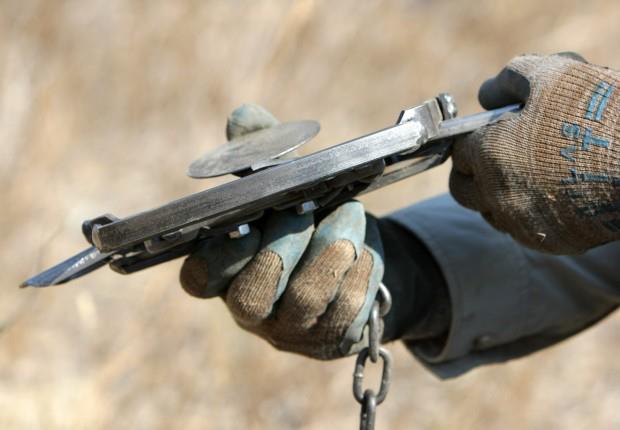
In a victory for animal rights, the Los Angeles City Council voted unanimously to ban traps that grip or snare foxes, coyotes, and other such animals in the city, labeling such traps as inhumane.


The new rule disallows commercial trappers from using any traps that grip or snare the animals in any way. However, such traps can still be used for mice, rats, and other small rodents.


Cage traps that utilize a locking door can still be used by commercial trappers, which will allow many to stay in business.


The city’s Department of Animal Services will also create measures that ensure locking door traps are not used inhumanely, in instances such as keeping a locked animal caged for hours in summer heat.


Wildlife protection groups applaud the decision, saying that the banning of such traps will prevent suffering and it will keep other animals safe.


The impetus behind banning such traps was the fact gripping or snaring devices often do not actually kill the animal, but leave it to suffer.


In addition to eliminating suffering, banning such traps will ensure that pets are not accidentally injured or killed by snare or grip traps.


Trapping groups in Los Angeles did not offer any public comment on the ban, however, the president of a local wildlife management service told city council earlier in the year that revolving door traps are not an efficient way to catch coyotes.


Animal rights group around the country, including PETA, offered support for the ban, which may prompt other cities in the United States to propose such bans in their respected councils.

538458_532697610088640_841278349_n

Maine voters to be asked about bear hunting

The November ballot will include a measure that would ban the use of bait, dogs or traps in bear hunting.

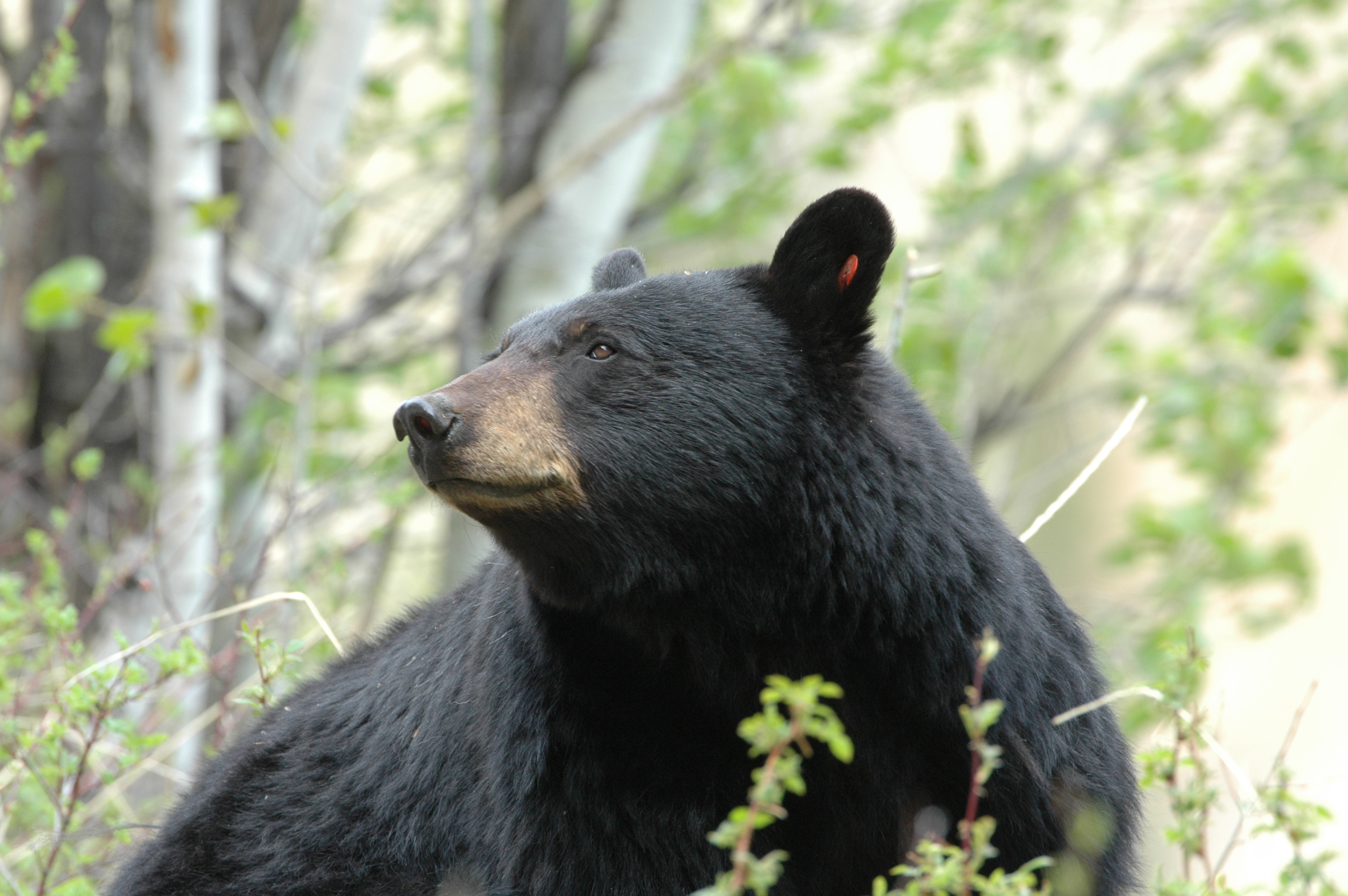
Photo Copyright Jim Robertson

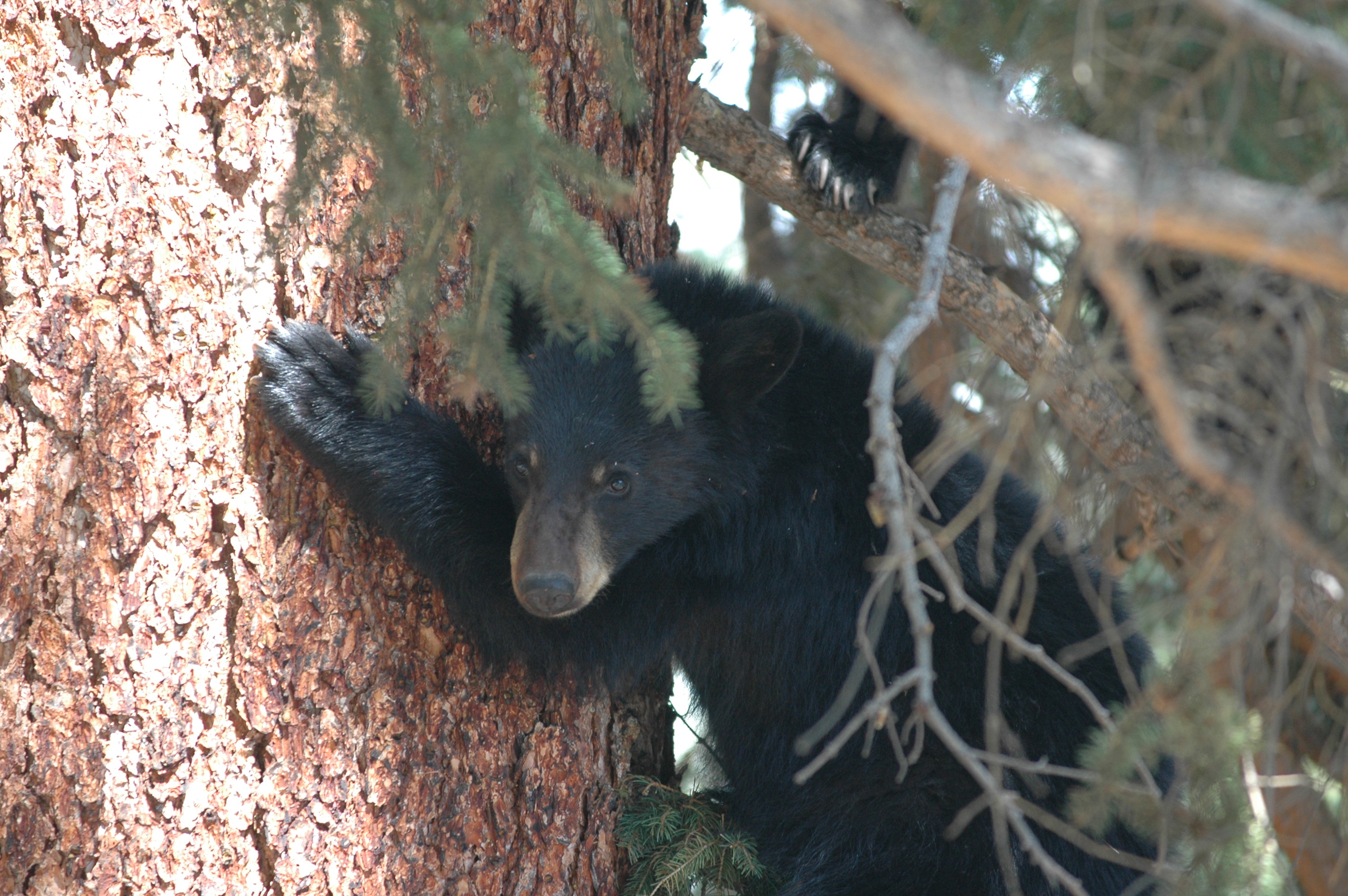
Photo Copyright Jim Robertson

Maine officials say a November ballot question will ask Maine voters if they oppose three methods of bear hunting except under certain circumstances.

State officials released the ballot language on Thursday. It asks: “Do you want to ban the use of bait, dogs or traps in bear hunting except to protect property, public safety, or for research?”

Supporters of the restrictions passed the threshold months ago necessary to put the initiative on the fall ballot. The vote comes 10 years after Maine voters narrowly rejected a similar ballot initiative.

Opponents of restrictions say the rules would hurt Maine’s tourism and economy. Proponents say baiting bears with human food habituates them to human smells and lessens their instinctive fear of people.

Baiting accounts for 80 percent of the state bear hunt.

Maine voters to be asked about bear hunting

Anti-Hunting Group Gathers 78K Signatures to Ban Bear Baiting in Maine

http://www.outdoorlife.com/blogs/newshound/2014/02/group-delivers-more-78000-signatures-ban-bear-baiting-maine

by Gayne C. Young

Mainers for Fair Bear Hunting, a group that vehemently opposes hunting bears over bait, with hounds, and by trapping, delivered more than 78,000 signatures to Secretary of State Matthew Dunlap’s office on Monday in an attempt to ban such methods on November’s ballot, The Bangor Daily News reports.

The group claims that the signatures were gathered in 417 cities and towns throughout the state over the last four months.

“This is a very important issue to Mainers across the state. Unfortunately, Maine has the notorious distinction of being the only state that allows all three of these inhumane, unsporting and unnecessary practices,” Katie Hansberry, Mainers for Fair Bear Hunting Campaign Director, said upon delivering the signatures.

The Maine Department of Inland Fisheries and Wildlife disagrees. According to a fact sheet put out by the agency, roughly 80 percent of bears taken in the state are done so over bait. Eleven percent are done so with hounds. Three percent by trapping. Despite the high percentages for baiting and hunting with hounds, the statewide success rate for hunting bears with these methods stands at only 30 percent.

Because of this, and because these hunt methods are vital to the management of Maine’s bears, the Department of Inland Fisheries and Wildlife, all three candidates for governor and the Maine AFL-CIO all oppose the ban.

Furthermore, David Trahan, Sportsman’s Alliance of Maine Executive Director, said banning these methods would not only reduce the number of bears killed by hunters but would lead to an increase in nuisance bears that would have to be killed by the state.

Maine has 30 days to certify the petition before it can be placed on the ballot. A similar ban was rejected by voters in 2004.

Wildlife Photography ©Jim Robertson, All Rights Reserved

Wildlife Photography ©Jim Robertson, All Rights Reserved

“People Who Feel Pleasure When They Kill Animals Cannot be Called Normal”

MP Oleg Mikheyev, of the center-left Fair Russia parliamentary party, told reporters on Monday just what I’ve been saying all along: “People who feel pleasure when they kill animals cannot be called normal.” That quote appeared in the following article entitled, “Russia mulls total ban on game hunting.” (It appears Russians have their own version of Dennis Kucinich—too bad no American politician is willing to go as far…)

Russia may soon ban both amateur and professional hunting, only allowing indigenous peoples in remote regions and certified rangers to hunt.

Mikheyev entered a draft law to ban most hunting for preliminary discussion and expressed his belief that hunting is unnecessary and immoral, regardless of whether one sees it as a sport, a pastime or an industry. “What many people call hunting now is more of a cruel killing…” The MP noted that modern hunters use helicopters and specially built towers, and that in Russia’s Far East region many animals are killed on an industrial scale, and their carcasses are smuggled to China where they are used in traditional medicines.

Fines for poaching cannot rectify the problem, Mikheyev argues, as they are too small and cannot be increased due to corruption. He suggested a total ban on hunting, and the introduction of criminal penalties for poachers totaling up to 500,000 rubles ($16,000), or three to five years in prison; poaching is currently an administrative offense in Russia.

[Unfortunately] the bill provides for some exceptions – hunting will be allowed for indigenous peoples of the Far North, Siberia and the Far East regions, but on the condition that hunters use only traditional weapons. (What, no rifles or snowmobiles?) Hunting quotas will also remain for forest rangers, but candidates will now be required to pass a psychological test to get a hunting permit (a practice that should be adopted by the US, Canada, etc., etc.).

“People who feel pleasure when they kill animals cannot be called normal. The procedure [of taking a psychological test] can help us in early detection of latent madmen and murderers,” Mikheyev told daily newspaper Izvestia.

Mikheyev also pointed to African countries, saying that nations like Zambia and Botswana did the right thing when they sacrificed income from safari tourism in order to safeguard endangered species.

Fair Russia will discuss the new bill next Monday; if approved, it will be submitted to the State Duma committee for natural resources and ecology. …

(Cross your fingers, but don’t necessarily hold your breath just yet.)

ban-game-hunting-total_si