I’m an animal, and if you don’t know it yet, it’s my duty to inform you, you’re one too. All we animals, the big-brained two-leggers, the furry four-leggers, the feathered and the finned are carbon-based creatures made up of the same ingredients. Every last earthling oozed from the same original, primordial stew pot.
The sooner we accept that we’re all animals, the sooner we can make peace with the others of this planet, rather than doing battle with them. Ultimately, it’s to our detriment that we deny evolution any longer. Humankind can’t live in a vacuum. We need all our best science to figure how to live with the many diverse, interconnected life forms that help keep this planet hospitable.
Bill Nye, ‘the Science Guy,’ recently stated in his Big Think video (which has been viewed nearly 3 million times so far), “I say to the grownups, if you want to deny evolution and live in your world, that’s completely inconsistent with the world we observe, that’s fine. But don’t make your kids do it.”
In rebuttal, the spokesman of a group of ‘Young Earth Creationists’ proclaimed, “No, we are not just evolved animals as Nye believes; we are all made in the image of God.” Young Earth Creationists, or ‘Biblical Creationists,’ as they prefer to be called, believe in a literal interpretation of the creation story in the book of Genesis. They say the weeklong account of God creating the earth and everything in it represents six 24-hour periods (plus one day of rest) and date the age of the earth between 6,000 and 10,000 years.
Nye’s view falls in line with the vast majority of scientists, who date the age of the earth and the universe as 4.5 billion years old. “The idea of deep time of billions of years explains so much of the world around us. If you try to ignore that, your worldview becomes crazy, untenable, itself inconsistent,” Nye said in his video. Still, polling from Gallup has shown for the past 30 years that between 40-46% of the survey respondents believe in creationism: that God created humans and the world within the past 10,000 years.
Granted, there are folks whose belief in creationism compels them to treat “God’s creatures” with compassion. As far as I’m concerned, people can believe whatever they want—as long as it promotes kindness to all sentient beings. Although I’ve never read it, I understand the Bible contains a number of passages that promote benevolence toward the vulnerable. (Before someone says something like, ‘If you haven’t read the bible, you’re ignorant of what you speak,’ I will argue that a person could end up even more ignorant and confused after reading it.)
Unfortunately, for the majority of believers, creationism leads to a sense of human superiority and the self-serving notion that we humans are in a higher realm of importance than the rest of the animal kingdom. This convenient fallacy has been used to justify the exploitation of animals over the centuries and continues to have widespread acceptance to this day.
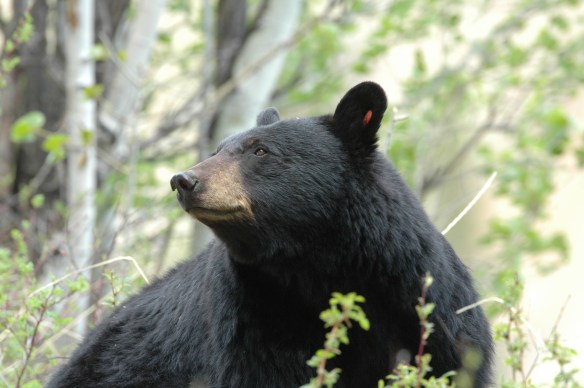
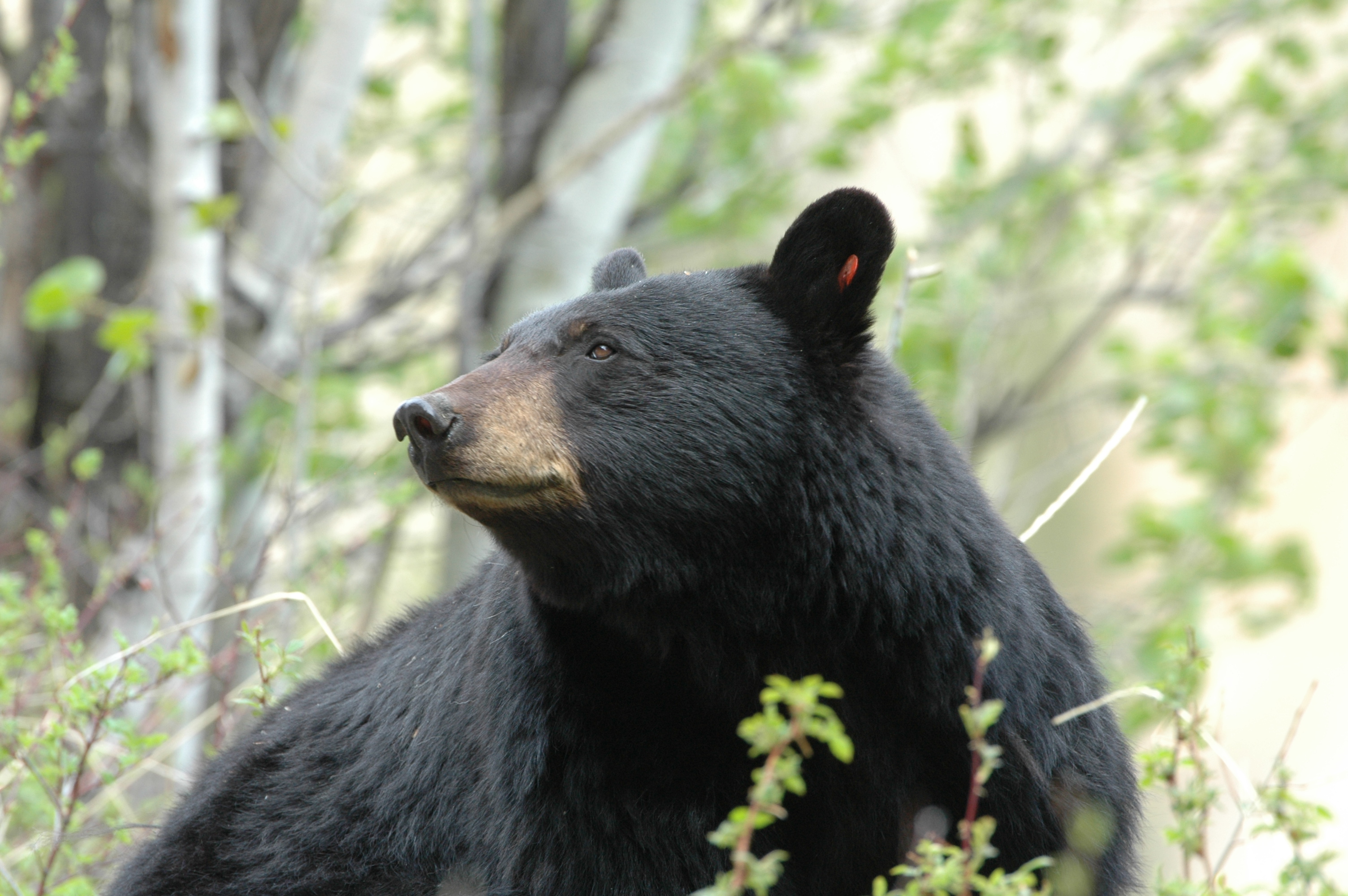
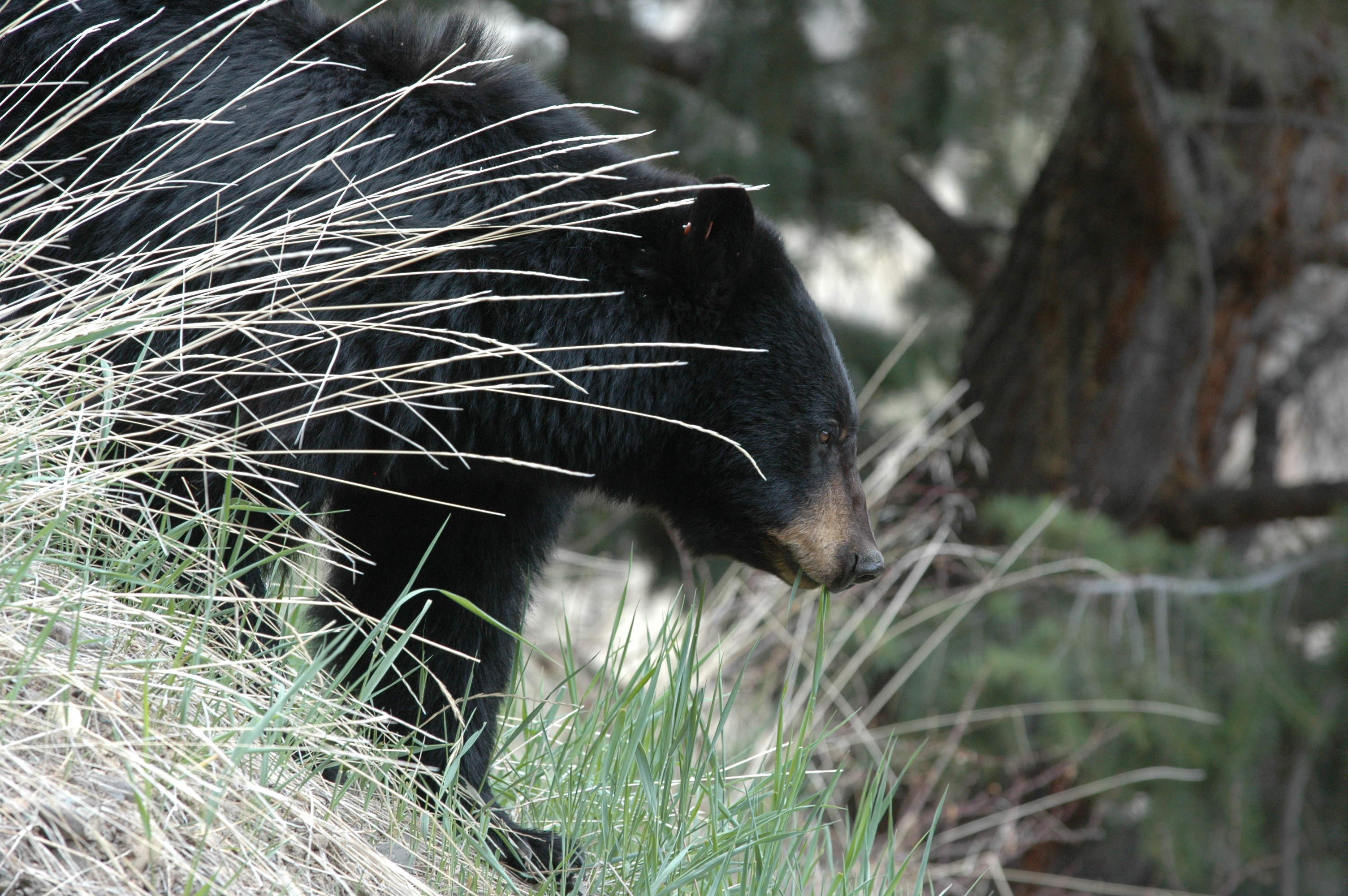
For example, my uncle, a hunter who boasted of killing the largest black bear in the state, held to a word for word interpretation of the Bible which led to his belief that, “Humans were meant to subdue the earth” drawing his own conclusion, “There’s no earthly purpose for cougars.” His reasoning, shared by so many people the country over, was: to make life better for humans we should rid the world of species like cougars, bears, coyotes and wolves. Another example of this kind of stinkin’ thinkin,’ Republican vice Presidential candidate Paul Ryan is a “pro-life” creationist bow-hunter who doesn’t see the hypocrisy in committing the sin of killing non-human animals for sport.
The idea of creationism was abandoned by the mainstream scientific community shortly after Darwin introduced The Origin of Species in 1859. By 1880 nearly every major university in America was teaching evolution. Bill Nye summed up his video with, “In another couple centuries I’m sure that worldview [creationism] won’t even exist. There’s no evidence for it.” While it seems only logical that any continued cultural advancement would include the acceptance of sciences such as geology, paleontology and evolution, I’m not so sure I share his optimism for the further progress of humanity.
Text and Wildlife Photography ©Jim Robertson


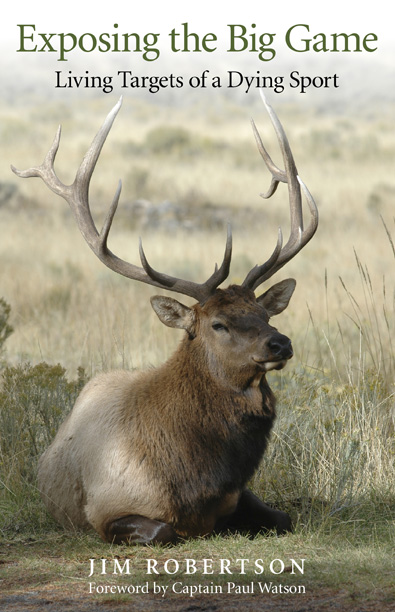
 Exposing the Big Game