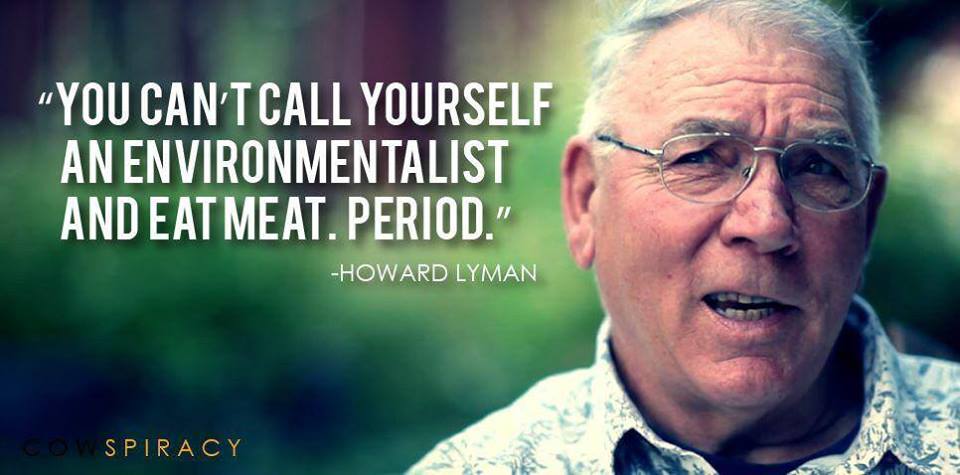
Just Ask Howard Lyman
Reply

http://www.biologicaldiversity.org/news/press_releases/2015/tule-elk-04-16-2015.html
For Immediate Release, April 16, 2015

—Wildlife Photography ©Jim Robertson
Contact: Jeff Miller, Center for Biological Diversity, (510) 499-9185
250 Native Elk Die Inside Fenced-in Area at Point Reyes National Seashore
Despite High Mortality, Park Service Considering Plan to Remove or
Fence Free-roaming Elk at Behest of Ranchers
POINT REYES, Calif.— The National Park Service has acknowledged that that more than 250 tule elk died inside the fenced Pierce Point Elk Preserve at California’s Point Reyes National Seashore from 2012 to 2014, likely due to lack of access to year-round water. While nearly half the elk inside the fenced area died, free-roaming Point Reyes elk herds with access to water increased by nearly a third during the same period.
The news comes as the Park Service considers a ranch management plan to either remove or fence in some of the free-roaming elk herds, while extending park cattle grazing leases for up to 20 years.
“Tule elk need room to roam, and native wildlife in our national park should not be fenced in or prevented from finding water and food,” said Jeff Miller with the Center for Biological Diversity. “The loss of nearly half the Pierce Point elk herd highlights how important it is that the Park Service not cave to commercial ranchers who want free-roaming Point Reyes elk fenced in.”
Tule elk are native and endemic to California. There were once 500,000 tule elk in the state but by the late 1800s impacts from cattle ranching and hunting had reduced them to only 28 elk. From one surviving herd, tule elk were reintroduced throughout the state and there are now 4,300 elk in 25 herds. Tule elk were returned to Pierce Point at Point Reyes in 1978, and a free-ranging herd was established in the park in 1998. Point Reyes Seashore is the only national park with tule elk.
The Pierce Point herd declined from 540 elk in fall of 2012 to 286 elk by 2014, a drop of 47 percent. There are no natural year-round fresh water sources on Pierce Point and the elk in the preserve are prevented from migrating by a large, elk-proof fence. During the same drought period, the free-roaming Point Reyes elk herds — which had access to water — increased by 32 percent. The Limantour herd grew from 94 to 120 elk and the Drakes Beach herd increased from 66 to 92 elk.
Cattle ranchers who enjoy heavily subsidized cattle grazing leases on public lands within the national seashore are lobbying the Park Service toremove or fence out the free-roaming elk from ranching areas, because elk are eating grass they believe should be reserved solely for their cattle. The Park Service is considering evicting the free-roaming elk under a planning process initiated for 28,000 acres of leased dairy and beef cattle ranches within the park and Golden Gate National Recreation Area lands in Marin County administered by the national seashore. The Park Service is also proposing extending ranching leases for up to 20 years, and may allow ranchers to expand their operations to animals other than cattle, which would create more conflicts between livestock and native wildlife.
“The reintroduction of elk to the Point Reyes peninsula is a success story for conservation of native species, but the elk are in jeopardy of eviction to benefit a few lease holders,” said Miller. “The Park Service already prioritizes commercial cattle grazing in Point Reyes. Now these subsidized ranchers want to dictate park policies that could eliminate native elk and harm predators and other wildlife.”
Background
There are 13 cows for every elk in the national seashore, with nearly 6,500 dairy and beef cattle and only 498 elk. One-quarter of the national seashore is devoted to commercial cattle operations, with grazing on nearly 18,000 acres under 39 leases. Ten ranching families were paid $19.6 million by the public from 1963 to 1978 for the purchase of ranch lands added to Point Reyes National Seashore. Many of those same families still enjoy heavily subsidized grazing lease rates within the park, paying one-half to one-third the cost they would pay for non-federal grazing land in Marin.
The Park Service is required under its enabling legislation to manage the seashore “without impairment of its natural values” and for “maximum protection, restoration, and preservation of the natural environment.” Restoring native wildlife and ecosystem processes is supposed to be one of the primary missions of the Park Service.
Elk graze on grasses and flowering plants and also browse shrubs and trees. Unlike cattle, elk move around to take advantage of seasonal food sources. Elk can reduce fire danger by browsing brush that is unpalatable to cattle, without impacts to water quality. Extensive studies have documented the negative environmental impacts of overgrazing cattle, including erosion and soil loss, water pollution, degradation of wetland and stream habitats and spread of invasive plants.
Cattle-ranching requires excessive amounts of water — each beef and dairy cow drinks 12 and 35 gallons of water per day, respectively. Accounting for all water use, a typical dairy farm with around 700 cows can use over 3 million gallons of water every day; and every pound of California beef requires about 2,464 gallons of water to produce.
Point Reyes ranchers raise the specter of Johne’s disease as a reason for evicting the Point Reyes elk.Johne’s is a wasting disease of domestic livestock that is spread from confined cattle to wild ruminants such as elk and deer. It is documented that Point Reyes cattle infected the Pierce Point elk herd with the disease. The disease takes 3 to 4 years to produce symptoms. By that time, milk production of most dairy cows peaks and they are removed for slaughter, but infected elk begin to waste away. The Park Service reports that more than 200 recent testing samples show no evidence of the disease in the free-roaming elk. Despite previous high rates of cattle infection in Point Reyes dairies, the Park Service does not require testing or reporting of the disease.
The Center for Biological Diversity is a national, nonprofit conservation organization with more than 825,000 members and online activists dedicated to the protection of endangered species and wild places.
[The following is a statement a friend made at the recent WDFW hearing]…
I am not a rancher, but I have dear friends who own a fourth generation family ranch in Montana, located in wolf country. Through good stewardship and the use of Anatolian shepherd dogs and range-riders, they have lost no livestock to wolf depredation. They have, however, lost sheep and cows over the years to injury, illness and poachers.
I am not a city dweller, and never have been, but my stand for wolves should hold no less weight if I were. Washington’s wolves belong to no one; they belong to the landscape and to their own packs. They certainly do not belong to irresponsible ranchers and to the Washington Department of Fish and Wildlife (WFDW).
For a time, I lived in an old log cabin on 146 acres in Northwest Montana, a stone’s throw from a collared wolf pack, and I listened to their haunting howls during the morning’s wee hours.
Following Montana, I lived in the Methow Valley (on the east slopes of Washington’s North Cascade mountains), fifteen crow miles from the Lookout wolf pack, the pack that the White family all but destroyed. The White’s had lost no livestock to wolves while they attempted to ship bloody wolf pelts to Canada, emailing boasts and images of the dead wolves to friends.
I spoke up for the Wedge Pack in Olympia (WA’s capitol), after seven members of the pack were shot from a helicopter by Wildlife Services in 2012, all to protect irresponsibly ranged cows grazing on terrain unsuitable to livestock. Lethal removal of the Wedge, said WDFW director Phil Anderson, would hit a re-set button with ranchers so that the action would not need to be repeated. I was at the meeting when he spoke these words and they were indeed in this context.
I now live a handful of miles from the Canadian border, on the west slopes of the North Cascades and I will tell you there are wolves here, dispersers and with packs on the horizon. I saw my first wolf fourteen years ago in this greater Kulshan area, and my second wolf nine years ago in a canyon above the Methow Valley.
On Tuesday, October seventh, I attended the WDFW wolf meeting in Colville, Stevens County, in northeastern Washington. I sat quietly and observed during the meeting, taking notes and quotes, as well as images with my camera. The crowd in attendance was filled mainly with ranchers and with those opposing wolf recovery. It was a lynch mob scene! WDFW allowed the crowd to call out mean-spirited comments to those few who spoke in support of wolves (this was ranching country, after all). WDFW allowed those speaking against wolves to talk well in excess of their allotted three minutes, permitting speakers to talk back to the WDFW panel and refuse to sit down and shut up when asked. Rancher Len McIrvine refused to stop talking well after using his and other’s time allotments, and the crowd cheered. The department allowed this behavior.
WDFW allowed the crowd to stand and cheer loudly when there was talk of wolves having been killed: the Ruby creek female hit by a car and the Huckleberry female flushed out of dense forest (forest unsuitable for grazing) and shot from a helicopter by Wildlife Services.
I acquired the necropsy report for the Huckleberry female and interviewed the department’s veterinarian who had performed the necropsy and had written the report. It is notable that the Huckleberry pack female’s stomach was empty when she was shot dead. She had not eaten for close to two days. She certainly hadn’t been eating the rancher Dashiell’s sheep, and so the non-lethal tactics and helicopter hazing had worked. And yet a wolf needed to die.
The Colville crowd called for three more Huckleberry wolves to die, and better yet the whole pack! They demanded a total of at least four dead wolves, although the department had said they would shoot “up to four wolves” never guaranteeing they would shoot four wolves total. The WDFW panel just sat and listened to the calls for more dead wolves, nodding their heads and looking sympathetic, never making this correction to the ranchers’ demands for more wolf blood to be spilled.
The department’s initial statement regarding the aerial assault on the Huckleberry pack is that they would only shoot if there were multiple animals under the helicopter as a means of size comparison so that they would only take out pups and two year-old wolves. They would not target black, adult wolves as the collared male is black (they use the collars for tracking purposes, of course). Later the department’s directive was amended (changed and twisted) and it was stated they would remove any wolf (or wolves) but for the collared male.
When the Huckleberry female was shot, she was the sole animal under the under helicopter and weighed close to 70 pounds while alive (reports of 65 and 66 lbs were post-mortem, although WDFW never made this clear). Said the department’s carnivore specialist Donny Moratello, “We were certainly disappointed in this outcome but, there was no way to sort from the air in this circumstance.” When I asked him why take the risk of shooting the wrong wolf if there is no means of comparison, he replied, “You know going into it you get what you get. We did not have the opportunity to sort in this case.” As well as saying, “To not shoot (a wolf) they would have not been complying with the directive at that point, they would not be following orders.”
So, you get what you get. The helicopter had been up on multiple occasions over a number of days, unable to spot animals due to the visibility limits of the dense terrain, terrain unsuitable for healthy and responsible ranching and in which the sheep were being grazed. Simply, the lethal endeavor was becoming too expensive, so they flushed out a single black, adult sized wolf and shot. Blam! They shot the breeding female whose pups at the time were only a little over 4 months old and unable to hunt on their own. The department’s reports to this day say the pups were almost full grown but, this is grossly inaccurate as per their own veterinarian.
It is also important to note from WDFW’s own reports and slide presentation, that most of the wolf activity and depredations fell outside of Dashiell’s grazing allotment. Dashiell had not had a working range rider for close to thirty days; during the onset and well into the confirmed depredation activity. He had merely two working guard dogs which, is insufficient for the size of the herd (1800) and sprawling, densely forested terrain. Two more guard dogs and additional human presence were added around the period of the Huckleberry kill order, but it was too little too late. Wolves needed to die.
Additionally, rancher Dashiell had not been removing sheep carcasses including well before the confirmed depredations, as evidenced by the carcass’ level of decomposition and thus, the inability to determine cause of death.
Northeastern Washington commissioners spoke in support of the ranchers and the call for dead wolves, speaking to taking matters of wolf control in their own hands. There was talk of shooting, trapping and most of all, poisoning the wolves. In a Seattle Times article Rancher Len McIrvine is quoted as saying, “Our ancestors knew what had to happen — you get poison and you kill the wolves.”
The quad-county commissioners grandstanded and played to the lynch mob. Jim DeTro, Okanogan County commissioner opened his speech with, “Welcome to Okanogan County where you can now drink a Bud’, smoke a bud and marry your bud.” He said this with obvious disdain and the crowd laughed loudly. He said, “People in my county have decided to not shoot, shovel and shut up, but to be totally silent.” He said this as a wink and nod to poisoning wolves while the department panel sat there silently, nodding their heads up and down and looking sympathetic.
I tell you, when a wolf is killed illegally and poisoned, WDFW is guilty of complicity by not speaking out against these illegal acts and by nodding their heads up and down in agreement.
DeTro continued on that people in his county don’t want the agency to know when they’ve seen a wolf or experienced (alleged) wolf depredation. They want, he said, to take matters in their own hands. DeTro then said smiling proudly, “Olympia, you have a problem.”
Mike Blankenship, Ferry County commissioner, stood there and encouraged people to take matters in their own hands, as well. All the while, WDFW just sat there nodding their heads, looking sympathetic and remaining silent. More complicity!
A local sheriff said, “Wolves are messy eaters, scattering a cow from hell to breakfast,” and making other inflammatory statements about wolves to the again cheering crowd. He said he was “pissed” that only one Huckleberry pack member had been killed.
One rancher cried out angrily, “Wolves kill to eat!” I was curious then, as to what he had done to his livestock before they ended up in the grocer’s meat section, if his livestock were not also killed to be eaten.
At the end of the meeting, WDFW director Phil Anderson acted very cozy and familiar with the ranchers, in spite of them having raked him mercilessly over the coals for not killing more wolves. He looked sympathetic and referred to them by name, and recalled riding around in their trucks with them. Anderson said he would plan a closed meeting with the area ranchers to discuss wolf issues and management.
I demand that NO meeting in relation to Washington wolves be closed. Two final points:
* In the case of the Huckleberry pack, the department did not adequately implement the state’s wolf management plan, nor did they adhere to their own published procedures, before lethal removal took place. This negligence WILL NOT be repeated.
* We demand full documentation of every wolf mortality, and that given the threats to use poisons, we expect that toxicology reports be made public as part of any necropsy, where cause of death has not otherwise been determined. If wolves are poisoned, WDFW will be held guilty of complicity due to their behavior in Colville; supporting poisoning by remaining silent and nodding their heads up and down.
While I sat silently during the Colville meeting, a rancher two rows back passed me a piece of paper on which he had scrawled, “Wolf Lover!” When I looked back at him he scowled at me severely. I wrote in reply on the note, “So?” along with a happy face, and passed it back to him. I’ll take his accusation as a complement.

Wolves are making a comeback in Eastern Washington’s timbered mountains and dry-grass lowlands, with their population growing 38 percent in the last six years. The price of success, though, includes growing conflicts with ranchers.
Seattle Times environment reporter
When the cougar trackers finally figured out it wasn’t a big cat that was wiping out Dave Dashiell’s livestock, the wolves already were on their way to killing or wounding 33 sheep.
By then even dogs, traps and specialists armed with lights, paintball guns and rubber bullets couldn’t keep the wolves and livestock apart.
“There were days when I walked down a drainage and when I came back two hours later there was a dead lamb where I walked,” Dashiell’s tearful wife, Julie, told a state wildlife panel last weekend.
And by the time a government aerial hunter aboard a helicopter unintentionally shot and killed a breeding female wolf amid the cedar, grand fir and thick underbrush of Dashiell’s Stevens County grazing land, the outrage had reached almost everyone.
Less than a decade after the state’s first wolf pack in 70 years returned to Eastern Washington’s timbered mountains and dry-grass lowlands, tempers have returned to a boil. But with the state’s wolf packs now numbering 15 and wolf populations growing 38 percent in six years, these conflicts, in some ways, are the price of success.
For the last six weeks, it seems, no side has been happy. Ranchers are furious that the state backed off in September without killing more of northeast Washington’s Huckleberry wolf pack. Conservationists are furious that the lone wolf killed after conflicts with livestock was the one government officials implied they would not target.
Tens of thousand of emails flooded the state, most opposed to killing wolves at all. One county adopted a resolution proclaiming its citizens free to kill the predators themselves. Another county declared a state of emergency.
Trappers just this weekend started trying to catch or dart a wolf so habituated to people she’s aggravating rural residents and playing with nearby sheep dogs. A legislator told wildlife officials that ranchers were getting death threats. One reported his cows being shot.
The tensions highlight a reality that wolf experts have known Washington would face eventually: The chief barrier to the return of healthy populations of Canis lupus is rarely habitat or disease, but maintaining a healthy degree of social tolerance.
“Yes, wolves are recovering, and their population is increasing and naturally dispersing,” said Nate Pamplin, who oversees the wolf program for the Washington Department of Fish and Wildlife (WDFW). “We’ll do everything we can to minimize conflicts. But it will be necessary at times for the department to lethally remove wolves.”
Yet with a wildlife issue that touches hearts and pocketbooks, and salts festering wounds left by decades of land-use battles, details matter.
While wolf recovery enjoys overwhelming support in Washington, how well recovery will proceed in coming years depends in part on how all sides navigate these budding skirmishes.
Because nobody thinks they are going away.
Trouble on the rise
Aside from the Methow Valley cattle rancher who killed a wolf and tried to mail its pelt to Canada in a bloody FedEx box in 2008, Washington wolf recovery had, for the most part, been relatively smooth. Until two years ago.
In 2012, wildlife officials killed seven wolves in northeast Washington after several were caught killing cattle owned by a rancher very public about his disdain for wolves.
After a quiet grazing season in 2013, the conflicts blew in like a tornado again this summer.
When some of the sheep Dave and Julie Dashiell turned out on their private allotment on Hancock Timber land in June went missing, they attributed it at first to the cost of doing business. When more died, they thought they had a hungry cougar, but experts determined the culprit was canine.
Then the Dashiells’ losses mounted through August, and state teams sent to haze the wolves weren’t effective. The state contracted with a federal government hunter to shoot up to four younger wolves. But the terrain is so thick, dense and steep, and the helicopter had only a brief window to work, so the hunter killed a single wolf, which turned out to be the pack’s breeding female.
“It was less than ideal for us to learn that,” Pamplin said. But the state pointed to studies suggesting packs in Alaska often stay together even when a different female assumes mating duties.
With Labor Day coming and grouse season starting up, state officials decided hunting or trapping had to end.
The Dashiells moved their sheep to new rangeland, which proved difficult to find, and discovered several hundred sheep were missing. The losses may have nothing to do with wolves, but for many the link was clear.
“My husband and I came from nothing,” a clearly shaken Julie Dashiell said last weekend. “We came from nothing to watch it all go down the drain in a matter of minutes. Our losses probably total over $100,000.”
While the move and the lone wolf-kill appeared to halt livestock deaths for the moment, Eastern Washington ranchers were livid the state didn’t keep reducing the pack.
“If we’re going to have livestock and wolves on the environment, something is going to die,” Stevens County Commissioner Wes McCart told the commission that oversees WDFW. “And right now it seems like that’s a one-way street.”
Len McIrvin, who lost two cows on different rangeland and was the cattleman who lost the livestock in 2012, was more blunt: “Our ancestors knew what had to happen — you get poison and you kill the wolves,” he said.
McIrvin said he’s been harassed by wolf lovers. A Ferry County sheriff’s deputy confirmed last week that a cow was shot on McIrvin’s land. But he pointed out that the cow was butchered, which made it more likely an act of someone stealing meat rather than a political protest.
As the tensions deepened during the last two months, environmentalists held a conference call with the governor, and the Dashiells’ summer conflict quickly become the center of a major dispute that has simmered since 2012:
When, precisely, should the state start killing wolves? How much did this rancher — and should others — do proactively to avoid potential conflict? And who decides, before the wolf-killing starts, whether or not ranchers’ efforts have been enough?
Wildlife officials maintain these issues are largely settled, with some steps outlined in the state’s wolf recovery plan.
And the Dashiells certainly had taken steps to avoid wolf-livestock conflicts. They helpfully put off grazing until late June, after deer and moose have given birth, which offers wolves an alternate source of food. Dashiell and his wife ran sheep using guard dogs, which can deter predators.
And he moved quickly when necessary to remove carcasses of dead livestock so they wouldn’t attract more wolves.
Dashiell, however, didn’t enter into a cooperative agreement with the state to take proactive measures, such as using range riders, which the department would help pay for.
Before wolves are killed, “we need a referee in real time that people trust who could judge whether a rancher has shown due diligence,” said Mitch Friedman of Conservation Northwest.
Calls to Dashiell’s cellphone were returned by Jamie Henneman, a spokeswoman for Stevens County’s local ranching group. Henneman said ranchers already are doing everything they could possibly do.
“The rancher is running a private business,” she said. “He needs to have the latitude to run his business any way he thinks is best.”
Finding what works
While the state’s wolf population still hovers in the low 50s, a dozen of the 15 packs are located in northeast Washington, with conflicts mostly stemming from just two — the Huckleberry and Profanity packs.
So some ranchers there are trying to be pragmatic.
For the last several years, John and Melva Dawson and their son Jeff, outside Colville, have used money from outside groups to hire their daughter to work as a professional range rider.
“The wolves are here to stay — haven’t got a choice about that,” said John Dawson. “We can’t just go out like a wild man and start shooting them all. So I’m trying to do whatever I can to just stay in business.”
His daughter puts in up to 12 hours a day for five months, circling the cattle, preventing contact by wolves. And when a wolf with a radio collar is near, she tracks the animal on her laptop and goes out with her four-wheeler to drive it away.
“Sometimes they just circle around and get out of sight,” Dawson said. “But we’re putting the message to them that they don’t want to eat here.”
The Dawsons haven’t lost a cow to a wolf in years, and if they did, some environmentalists say they would react without suspicion.
“If a pack started eating Dawson’s cattle, I’d say, kill those buggers,” Friedman, the environmentalist, said. “We know sometimes wolves have to go. The debate occurs when ranchers are being less than diligent or when pro-wolf people suspect anti-wolf people are manipulating them.”
No one believes range riders are the solution to every wolf conflict. The terrain in Eastern Washington is often too rough and brushy. And managing sheep can be more complex than running cattle.
But state officials said they know this corner of the state hasn’t seen its last conflict. State officials are hosting a meeting in Colville on Tuesday to talk with ranchers and others about wolves — and to encourage more people to consider precautionary steps.
“I remain very concerned about this pack coming into the next grazing season,” Pamplin, with WDFW, said of Huckleberry. “We’re going to work very hard with this rancher and others to figure out what preventive measures can be deployed. Are there other things that can be considered?”
But if conflicts resurface, some wolves again may have to go, he said, “but not at a level that hinders recovery in Washington.”
Craig Welch: 206-464-2093 or cwelch@seattletimes.com.
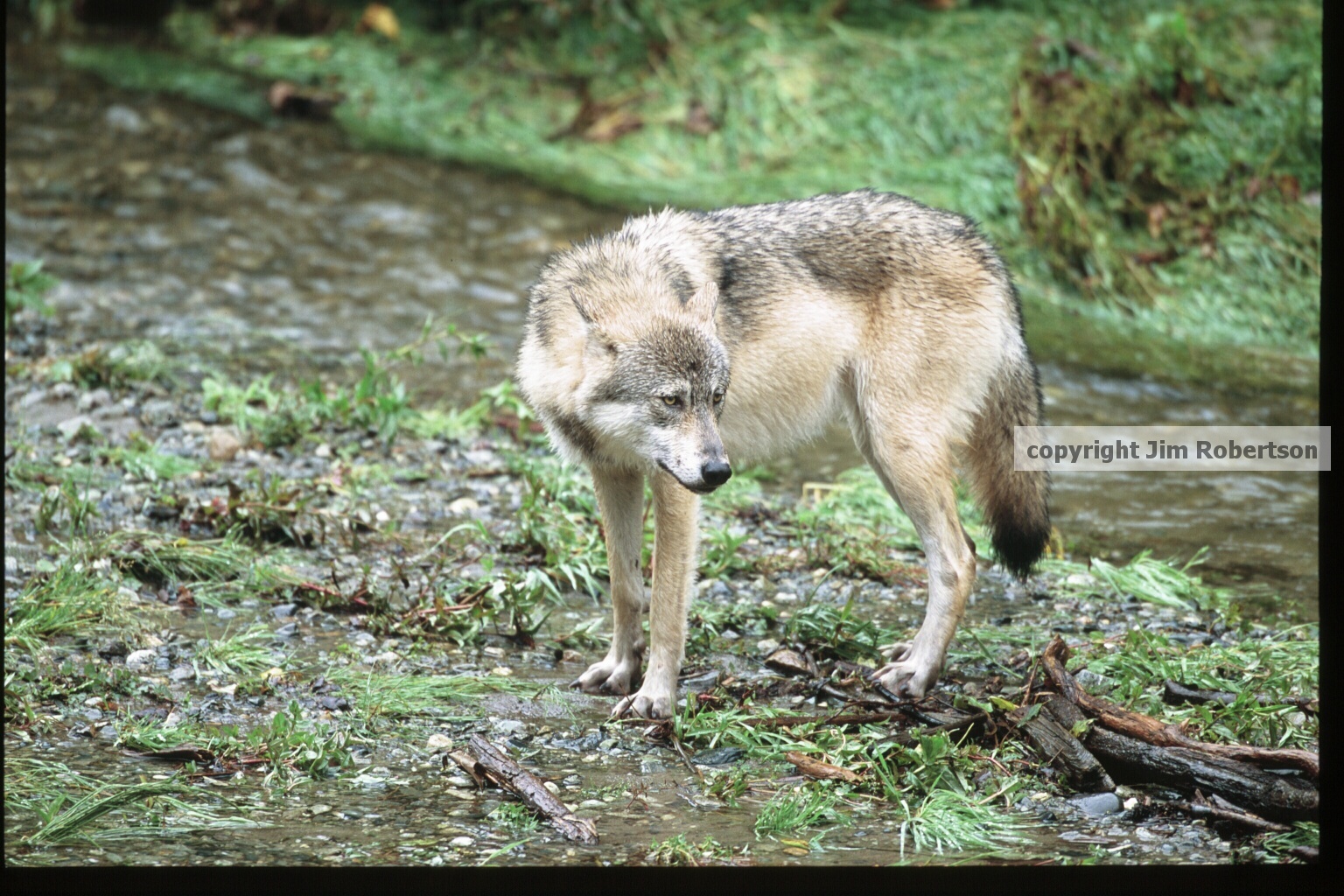
Divided public comment starts rescheduled bison meeting
by LAURA LUNDQUIST, Chronicle Staff Writer The Bozeman Daily Chronicle | 0 Comments
BILLINGS – The group charged with exploring the possibility of a free-roaming bison herd in Montana has hard work ahead, according to many eastern Montana ranchers attending a Fish, Wildlife & Parks meeting.
“This is a pipe dream of somebody’s,” said Greg Oxarart of the South Phillips County Grazing District. “You as a panel — do you want bison in your backyard? Not many people do. I hope you take that into consideration. You have a tough job ahead of you.”
FWP Director Jeff Hagener created the group to brainstorm where and how a free-roaming bison herd could be created in Montana.
Several of the 50 people in the audience carried signs stating “No free-roaming bison” and wore buttons bearing red X’s over a bison. Most were from Phillips and Valley counties, which contain the C.M. Russell Wildlife Refuge and the American Prairie Reserve.
Some had attended the first meeting of the discussion group in Lewistown in September. That meeting produced a list of guiding principles for any future plan, including respecting private property rights and managing bison as “wildlife” through a FWP management plan.
The group was scheduled to have its second meeting in Lewistown in April. But after receiving a number of heated emails and phone calls, Hagener canceled the Lewistown meeting at the last minute.
Some people were concerned by a series of events involving Yellowstone bison, including a court ruling that bison in quarantine remain wildlife, but a main complaint was that no time had been scheduled during the meeting for public comment.
On Monday, Hagener said no comment had been scheduled because the informal group was created for discussion and would not make any decisions. He also emphasized that the group had nothing to do with the management of Yellowstone bison.
“We are allowing public comment because a lot of the members of the group thought it was appropriate to have that,’” Hagener said. “Hopefully, we’ll come to a result that’s gone through a process with a lot of public opportunity, and we’ve allowed the public to be involved all the way along.”
Facilitator Ginny Tribe opened the public comment session with the reminder that any resulting plan would have a “no action” alternative where the state would not create a free-roaming herd.
“This group has already agreed on some of these principles so keep that in mind when you make your comments,” Tribe said.
Even so, comment ranged from vehement opposition to any bison to a proposal of the exact location on the CMR Wildlife Refuge where FWP should put 1,200 bison.
Dyrck Van Hyning displayed maps of the Southerland Bay region along the northern shore of the Fort Peck Reservoir in the CMR Refuge and said the 33,000 acres could house up to 1,200 bison, based upon the Bureau of Land Management’s grazing guide of 24 acres per cow.
“There’s no private land. There’s natural boundaries. This would be a good place for a pilot project that could start small,” Van Hyning said.
A Department of the Interior report on U.S. bison herds, released a few weeks ago, named the CMR Refuge as a good site for the transplant of bison but categorized future management as highly complex because of the resistance from nearby ranchers.
Hagener said the DOI would not move to put bison on the CMR Refuge without coordinating with the state of Montana.
That assurance didn’t assuage Phillips County ranchers, who cited concerns about property and fence damage, competition for grazing resources, the loss of livelihood and brucellosis. Some were worried about losing grazing allotments on the refuge.
Craig French of Phillips County said the meeting might not be about Yellowstone bison but ranchers can’t ignore the Yellowstone situation.
“If it was in my power to do so, I would hold these people responsible and throw them in jail for cruelty to the animals and mismanagement of the land,” French said. “At least we agree that things need to be grazed. We’re arguing over what should graze.”
Jim Posewitz of Helena also argued for the animals but said people have a moral responsibility to recover a species that they almost eliminated in the late 1880s.
“What happened in Montana is shameful. We have become the bone yard of a continent,” Posewitz said. “Will this be the point in Montana history where we become committed to finishing the wildlife restoration legacy?”
Sheep rancher Becky Weed of Belgrade said that bison and Montana cattle ranchers shared one trait that could serve as common ground for resolution: both need natural functioning ecosystems.
“It’s up to this group to try and explain to each other why the bison issue and the long-term cattle ranching issues are really one and the same,” Weed said. “This is a plea to the ranchers and to the environmentalists to understand why we all have a vested interest in seeking some kind of resolution to this.”
Following public comment, the group started problem-solving exercises to develop some recommendations by the end of Tuesday.

There is a silly little drama going on in Nevada and the Neo Cons, the militias and the welfare ranchers would have us believe there is another Waco about to happen.
For some strange reason I am on the Conservative Daily mailing list. I think they confused the word “conservation” with the word “conservative.”
Joe Otto who I assume speaks for the Conservative Daily sent me this message today (below) and I could not resist responding to it.
It’s all about a rancher named Cliven Bundy who has not paid his grazing fees since 1990 and is now upset that the government has come to collect over two decades in back fees.
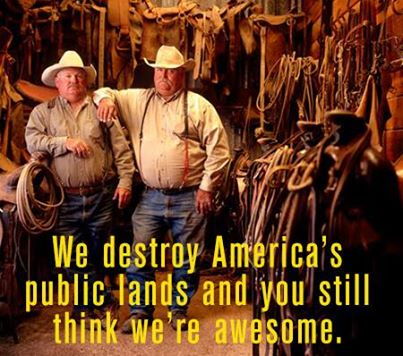
You see, Cliven believes that he has every right to graze his cows free of charge on public land. It’s called welfare ranching and they believe their “right” to feed at the public trough trumps the right of endangered species to exist.
So I decided to inject my comments into Otto’s somewhat hysterical letter defending Cliven and his fellow welfare ranchers from the tyranny of Obama. You see when anything happens they don’t agree with, Obama is always at fault, and Obama is especially at fault when the thing the Neo Cons are upset with is something initiated by one of the two former Bush Presidents like this particular case.
Anyhow, this is Otto’s letter with my comments.
Dear Conservative, (PW: You mean dear conservationist Otto. You were addressing me I think.)
By now you have probably heard about the crisis surrounding the Bundy Ranch in Bunkerville, Nevada. In case you haven’t, here is the basic synopsis.
(PW: Yes the Fox Network has their undies in a knot over this, which means it is hardly a major story elsewhere.)
Cliven Bundy is a cattle rancher whose family has lived near Bunkerville, NV for the last 140 years. The Bundy family’s cattle have always grazed on what had always been state-owned, public land. In 1993, the Federal Government discovered that Bundy’s grazing area was also home to the endangered Desert Tortoise. As a result, the Bureau of Land Management (BLM) swooped in and took over control of the land. In order to dissuade farmers and ranchers from using the land and threatening the tortoise population, the BLM instituted a policy where ranchers would be forced to pay a grazing fee before using the land.
(PW: Let me see, the Bundy family has lived on the land for 140 years and the desert turtle has lived there for hundreds of thousands of years. The Bundy family took their land by force from Native Americans but the turtles were there even before the Native Americans. In 1993, the government did not discover that the grazing area was home to the turtle. They knew that. What they discovered was that the turtle was endangered and one probable cause was over-grazing by rancher Bundy’s cows.)
For Cliven Bundy, this was an unacceptable affront to his livelihood. His family has lived off this land for over a century, long before the creation of the BLM, and the idea that he would now have to pay a tax to protect a turtle was nothing short of absurd.
(PW: To the turtles it is an unacceptable affront to their right to survive as a species. Rancher Bundy believes the turtle’s right to survive is absurd yet he believes he has a God-given right to graze his cattle for profit at public expense. It is also not a tax but a grazing fee. In exchange for the fee, Bundy gets to graze his cattle. Bundy wants free food for his cows at public expense. In other words he wants welfare.)
So, Bundy refused to pay the tax. He allowed his cattle to graze on the land and didn’t pay the federal government a dime to do it. Why should he? The land is technically state-owned public land, yet the federal government want’s a cut because of an endangered turtle. Well, after twenty years of court battles, the Bureau of Land Management has finally swooped in and begun confiscating Bundy’s cattle at gunpoint to pay the $1.1 million that he owes in back “grazing fees” for using public land! This is absurd and should be a wake-up call to everyone! The government doesn’t care about common sense or decency… these militarized agencies and bureaus will use every law, regulation, and technicality to come after YOU with the full weight of the Federal government!
(PW: The law assessed a fee and rancher Bundy refused to pay the fee for over two decades and now he seems surprised that the government has called to collect back fees. Otto states the land is state owned and public but somehow rancher Bundy has a right to use it free of charge. Bundy owes back fees and the government is collecting those back fees by the confiscation of the cattle that Bundy has been raising at the expense of the public. It’s a classic case of welfare ranching where the rancher believes he is entitled to have his animals raised for slaughter at public expense. I hope the government does use every law, regulations and technicality to collect the back fees and to protect the right of the turtles to survive.)
Tell Congress to STOP the out-of-control militarization of agencies like the Bureau of Land Management and put an end to the Obama administration’s intimidation tactics!
(PW: I intend to tell Congress in the words “Good on you for defending the turtles and enforcing the grazing fees.”
How despicable is this… The federal government is seizing a rancher’s cattle because he didn’t pay a $1.1 Million “grazing fee” that was set up to protect a damn turtle! Anyone with half a brain can see that this is ludicrous… yet the government continues to wage its war on Cliven Bundy and proceeds to seize his cattle at gunpoint.
(PW: If anyone else does not pay their bills, they forfeit their property. Why should ranchers be exempt and above the law. Why should the public support Cliven’s damn cows? Why do his damn cows have more rights than the desert tortoise? The government is not waging war on Bundy, they are simply enforcing the law. Personally I disapproved of the fee myself. He should have been banned completely from grazing his cows on the land occupied by an endangered species.”)
I’ve said it before: It is absolutely ridiculous that we have so many militarized, non-law enforcement agencies in government. Agencies like the Department of Education, the National Oceanic and Atmospheric Administration, the IRS, and even the Bureau of Land Management have been arming themselves to the teeth for years.
(PW: I’ve never seen an armed IRS agent, That would be scary, hell they are scary enough unarmed. I have certainly never seen an armed member of the Department of Education but considering all the school shootings, that might not be a bad idea. A law has been broken and it is being enforced. Pretty damn straight forward to me.)
Now, the full weight of the government has come down on the Bundy ranch. There are snipers watching the family’s movements, armed agents rounding up cattle, and the BLM has effectively made the whole area a “constitution free zone,” or at least that’s what they want it to be. The land is public land on a public road. Yet, anyone who wants to protest the government’s tyrannical actions is limited to doing so within a preset “First Amendment Zone” set up by government officials.
(PW: Can someone tell me where in the Constitution it says that ranchers have the right to graze for free on public land? The land as Otto says is public land on a public road. It is not Clive Bundy’s land. It is however turtle land. Thank you United States government for defending our endangered turtles. As for snipers, the fact is with dozens of trigger happy militia nut bars in camo, armed to the teeth, the deployment of snipers seems like a reasonable response. I admit the First Amendment zone is unacceptable but by order of the Governor of Nevada it has been taken down.)
That is ridiculous, and the protesters have fanned out, taking their frustration directly to the federal agents. In the last two days, one protester has been tackled to the ground and another has been shot with a stun gun. Now, militias from around the country have been mobilized and are beginning to arrive in Nevada to defend the ranch from this clearly tyrannical action. One county official warned the “inbred” militiamen (his words, not mine) from neighboring Utah that if they come to Cliven Bundy’s aid, then they “better have funeral plans.”
(PW: Oh no not the Mormons!!! I hope this is not another Mountain Meadow Massacre. It is amazing to see so many ultra conservatives ready to rise up and die to defend welfare rights for ranchers. Oh the tyranny of collecting unpaid bills.)
How despicable is that? Rather than defend the local rancher against the government thugs, the local Clark County Commissioner is actually threatening people if they show up to help him!
(PW: Yes I would imagine that the Clark County Commissioner would be opposing mob rule. When a bunch of wild eyed men in camo arrive with heavy weaponry it is reasonable for the County Commissioner to condemn their invasion of his county.)
I pray to God that there isn’t bloodshed. I really hope that the Federal government realizes that they are waging this war over nothing but a damn turtle and pull back. I mean, think about it… people could actually die over a dispute over cattle grazing on a turtle sanctuary… What on earth is this world coming to?
(PW: It is a world where human greed is eradicating endangered species and diminishing biodiversity. Otto you said it yourself, it’s a turtle sanctuary. It seems to me that people would be making a decision to risk dying for some damn cow. I think the turtle is much more deserving, after all it is a sanctuary for turtles. This is not a dispute over a turtle anyhow, it is a dispute over the fact that a welfare rancher has refused to pay his grazing bill.)
The fact remains that this is just one of the latest attempts for the Federal government to use loopholes to seize property for the “common good.” There is a case in Colorado where a couple’s mountain cabin is being seized and demolished to create “open space.” The government is actually using eminent domain to seize a piece of property just to create more open space.
(PW: If you build a cabin on public land you don’t have rights to the land just because you built the cabin. People have seized too much open space for their own use and by doing so they deprive nature of open space for wildlife. Nature needs more open spaces, more turtles and fewer cows.)
Rather than using common sense and restraint, the Federal government looks for every opportunity to come down hard on average citizens! This has to stop!
(PW: If citizens are a threat to the survival of an endangered species they should be stopped. Welfare ranchers are not average citizens, they are people who have grown rich at the public expense.)
The government shouldn’t be allowed to levy $1.1 Million fines on hard working Americans because their family’s ranch’s historical grazing grounds are now occupied by an endangered turtle! Americans from across the country shouldn’t have to mobilize in order to fend off tyrannical government agents!
(PW: It is not a fine, it’s a grazing fee, a fee that rancher Bundy has refused to pay for over two decades. Bundy’s lands are not now being occupied by an endangered turtle. The turtle’s land is being occupied by Bundy’s cattle.)
What if the government came into your home or business and threatened you because of a technicality or nonsense regulation? Things like this happen every day across America because we have given the Executive branch and its numerous agencies too much power over our lives!
(PW: When the U.S. Court and the IRS came after us for defending whales they were acting on the request of the Japanese whalers, I did not see many conservatives defending our rights to defend the whales. No most of them were defending the “right” of Japanese whalers to use American courts to stop American whale defenders.)
The Obama administration wouldn’t even send in one soldier to protect our ambassador in Benghazi, but it has sent in over 200 agents to harass a rancher in Nevada! This is despicable! The time has come to rein in these out of control, militarized government agencies. Congress must put an end to the Obama administration’s intimidation tactics!
(PW) Wow, they actually managed to fit Libya into their rant. That’s a stretch. The law removing free grazing rights came under the George H. Bush administration, not Obama.)
Tell Congress to STOP the out-of-control militarization of agencies like the Bureau of Land Management and put an end to the Obama administration’s intimidation tactics!
I will tell them in the words of George W. Bush, “Go get ‘em boys.” We need to put an end to Welfare ranching.
Sincerely,
Joe Otto
Conservative Daily
A lot of folks, dismayed and disgusted by the cruel and callous treatment of non-humans animals by our species, console themselves with notions of Karma, as in: “They’ll get what’s coming to them…” But the trouble with Karma is it’s too damn slow and indiscriminate to stop ongoing abuses and injustices in their tracks. Besides, it’s not guaranteed, and humans don’t always learn from it.
While it’s understandable that people want to see the perpetrators of animal abuse punished, maybe we should focus our energies on the primary objective—to halt current cruelties and head off any potential future threats against the innocents. But I don’t pretend to know how best to do this or to make the ignorant see the light. I find myself torn between two divergent stances held by readers who commented to one of my blog posts (about the National Cattlemen’s Beef Association) a few days ago. First Chris stated:
“They mention that wolves pose a threat to private property, especially livestock. Animals are NOT your private property! End of story. Leave the wolves alone! That being said, I wouldn’t wish mad cow disease on anyone. These people are just ignorant and in denial of the facts. We should show them compassion and try to get them to realize the damage that they do. Very few of us Vegans have been Vegan for life. Most of us had to unlearn what we were taught and work to bring out our natural compassion. That is why I think it is unfair to call names and wish harm upon these people. It does frustrate me as well but we should be the beacon of light to draw others to our way of life and not repel them with vicious attacks and wishes of harm.”
To which Geoff replied: “With all due respect, being ‘ignorant and in denial of the facts’ seems a pretty lame excuse for those promoting and engaging in reprehensible behavior towards wolves and other wild animals. How much traction would that same excuse get in the human political sphere if employed to excuse practices like racial discrimination, genital mutilation, and ethnic cleansing? And why after half-a-century of non-stop “environmental education” in this country do we still have ignorant yokels in denial of ecological facts? Could it just be that stupidity, selfishness, and a pathological intolerance for other sentient beings has more to do with the problem than a simple lack of access to scientific facts?
“It seems that many good-hearted people like yourself that do all the right things in their own personal lives still fail to acknowledge how late is the hour, how desperate is the situation for much of the world’s non-human ‘citizens.’ Hoping that western ranchers who have already extirpated bison, wolves, prairie dogs, badgers, black-footed ferrets, coyotes, mountain lions, et al. from their native habitat will finally come around after just a few more generations of “education” is a fool’s paradise.
“There is nothing wrong about calling a spade a spade, or murderously intolerant selfish ignorant bastards just that. And a good fatal case of mad cow disease seems to me like poetic justice for those who brought this very pathogen into being by feeding discarded parts of slaughtered sheep as a source of cheap protein to cattle themselves being raised for slaughter and then managed to spread it around North America into wild ungulate populations courtesy of game ranches.”
This whole dilemma brings to mind the classic 1986 film, The Mission, in which Robert De Niro plays Rodrigo Mendosa, a guilt-ridden former mercenary and slave-runner who seeks redemption for killing his own brother in a fit of jealousy. As penance, Rodrigo drags a heavy net full of his weaponry (sword, armor, etc.) to a remote mission above an imposing waterfall near the headwaters of the Amazon, to become a missionary under the empathetic guidance of the earnest, nearly Christ-like Father Gabriel (Jeremy Irons).
But the peaceful, priestly existence is cut short by the backward politics of the time (the 18th century), when the area falls under the rule of pro-slavery Portugal. Mendosa and two of his fellow Spanish Jesuit priests decide to fight to protect the Indian tribe under their charge. When Father Gabriel learns of this, he tries to diffuse the violent situation, “If you die with blood on your hands, Rodrigo, you betray everything we’ve done. You promised your life to God. And God is love!” Adding, “If might is right, then love has no place in the world. It may be so, it may be so. But I don’t have the strength to live in a world like that, Rodrigo.”
I see an analogy here, with Geoff in the role of Rodrigo and Chris as Father Gabriel. Unfortunately, both characters are killed by invading Portuguese troops: Rodrigo in battle and Father Gabriel while carrying a cross, leading his congregation in unarmed protest.
“The world is thus,” a plantation owner tells a head of the church, Father Altamirano, after the mission is burned and those Indians who were not killed outright have been taken as slaves.
“No, Señor,” replies Altamirano. “Thus have we made the world.”

Text and Wildlife Photography ©Jim Robertson, 2013. All Rights Reserved
…Mexican Wolves, that is. Some people are never satisfied. Although there are only around 75 individuals remaining on Earth, the “Cattleman’s Beef Association” wants the government to remove the Mexican wolf from the federal list of endangered species and turn their “management” over to hostile states…
http://www.cattlenetwork.com/cattle-news/210839191.html
NCBA, PLC call for full delisting of wolves nationwide
National Cattlemen’s Beef Association | Updated: 06/10/2013
The National Cattlemen’s Beef Association (NCBA) and the Public Lands Council (PLC) expressed support for the proposal by the U.S. Fish and Wildlife Service (FWS) to remove the gray wolf from the list of threatened and endangered species. The livestock associations added, however, that Mexican wolves in the Southwest should also be delisted. In their announcement, FWS stated the Mexican wolf will remain on the list of endangered species.
The wolf, placed on the list of endangered species under the Endangered Species Act (ESA) over three decades ago, has far surpassed FWS recovery goals across the country, according to NCBA President and Wyoming rancher, Scott George. He added that, unlike most other species listed under the ESA, wolves pose a serious threat to wildlife, humans and private property, especially livestock.
“It’s time to turn management over to the states,” said George. “Wolf depredation of livestock is increasing to untenable levels in areas where wolves are still protected. We were given relief in Wyoming when it was finally delisted here. It’s only fair to allow all producers across the country that same relief.”
According to FWS, the proposal to delist the gray wolf comes after a “comprehensive review confirmed its successful recovery following management actions undertaken by federal, state and local partners.” However, FWS added that it intends to maintain protection status and expand recovery efforts for the Mexican wolf in the Southwest.
PLC President Brice Lee, a rancher from Colorado, said that wolves in the Southwest have also recovered and do not warrant federal protection.
“The wolf population in Arizona and New Mexico has almost doubled in the last three years, thanks to the work of the state fish and game departments,” Lee said. “We feel that at a certain point, it’s possible to over-study and over-capture these animals. It’s time to stop with these government studies and allow them be truly wild, while the state departments continue their successful management.”
Lee stated that the FWS does not have the resources to continue managing the wolf as endangered, let alone compensate ranchers for their losses. Studies have shown, he said, that for every confirmed kill of livestock there are seven to eight that go unconfirmed.
“We appreciate FWS’ recognition that the gray wolf is recovered,” George stated. “But it’s also time to end the unwarranted listing of Mexican wolf. Wolf depredation threatens ranchers’ livelihoods and rural communities, as well as the economies relying on a profitable agricultural industry.”
– See more at: http://www.cattlenetwork.com/cattle-news/210839191.html#sthash.NesEph7B.dpuf
Oregon Ranchers Want More Authority To Kill Wolves
AP | April 16, 2013 1:04 p.m. Salem, Oregon
by:AP
Part of Series:
Ecotrope
Eastern Oregon ranchers are asking the Oregon Legislature for more authority to kill wolves that threaten their livestock.
Gray Wolf
U.S. Fish and Wildlife Service
Gray Wolf
Ranchers told a House committee Tuesday that their existing authority to kill wolves caught in the act of killing livestock isn’t enough. Three Eastern Oregon legislators have proposed allowing ranchers to kill any gray wolf they reasonably believe has attacked or harassed their livestock.
Conservationists worry that wolf populations would dwindle.
Both sides are planning meetings to work on a compromise. The House Environment and Natural Resources Committee took no action on the bill Tuesday.
____At the same time, also from Oregon:
URGENT ALERT!
Cougar killing bills are moving to the Oregon house floor.
1. Please immediately contact your representatives and ask them to vote NO on bills that allow counties to overturn the Oregon state law prohibiting the unethical practice of setting packs of hounds on cougars to chase them up trees for easy targets by trophy hunters.
These bills set a terrible precedent by letting counties decide which state laws they chose to acknowledge.
You can find your representatives’ contact information here:
http://www.leg.state.or.us/findlegsltr/
2. Contact Governor Kitzhaber and ask him to VETO any bills that increase cougar mortality and/or overturn the ban on cougar hounding. Tell him you voted with the majority of Oregonians twice to keep unethical trophy hunting practices out of Oregon, not just out of your county.
Governor Kitzhaber
503-378-4582
http://www.oregon.gov/gov/Pages/ShareYourOpinion.aspx
For more information on cougars go to:
http://predatordefense.org/cougars.htm


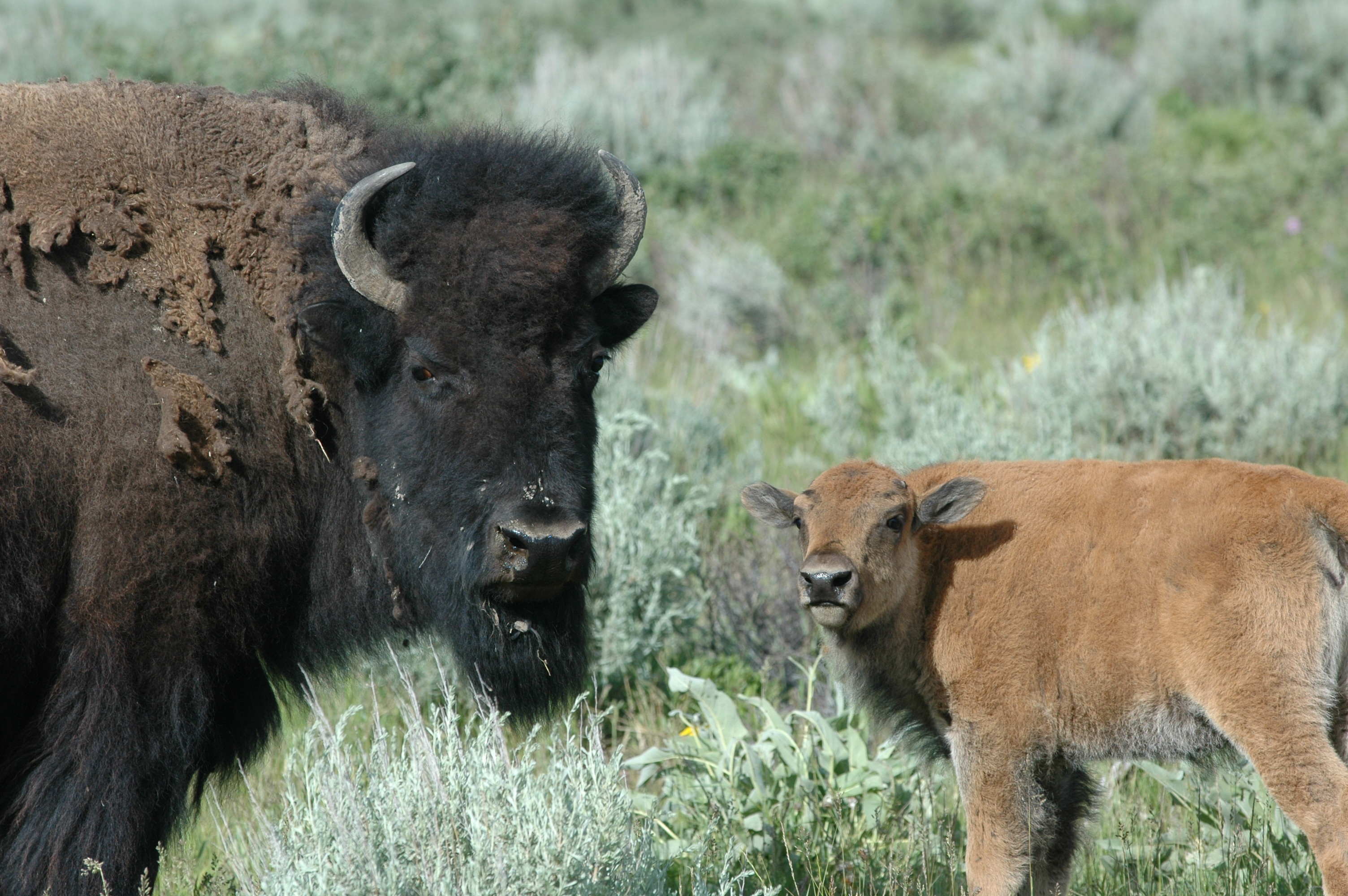
 Exposing the Big Game