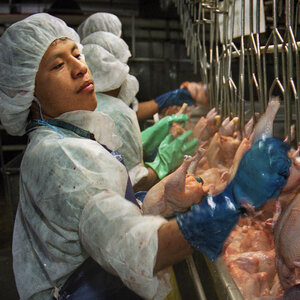
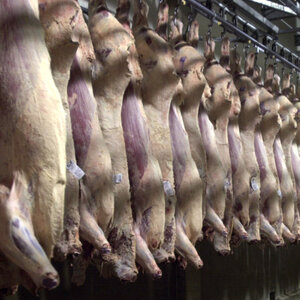
“I Feel So Bad For Those Turkeys Hauled on Freezing Nights”

United Poultry Concerns <http://www.UPC-online.org>
16 December 2019

The Letter to the Editor that follows this Introduction was written by Shane
Zoglman and published Nov. 20, 2019 by *The Dubois County Herald* in
Indiana, a
mid-Western state with a large poultry and egg industry. In granting
permission
to UPC to share his letter with our readers, Shane added some information
about
his own evolution:

Howdy, sure, post away. For some history, back when I was a teenager, and
didn’t have any good examples or guidance in the form of grownups, I
worked
for about 4 years on a chicken farm, that is, an egg farm, gathering eggs
from
the mega-sized houses, taking out the dead and crippled chickens and also
taking out the old ones, loading them on semis and putting the new young
birds
in the cages.

I also did a few part time jobs of working for a farm where I helped load
turkeys into the semis. I have to say I didn’t think about the animals’
suffering, it just didn’t enter my mind. So I am someone who has seen both
sides and has changed a lot over the years. The thing I do not understand
is
people that never wake up. I think a big help in my waking up to animal
cruelty was stumbling onto the Shark Online YouTube channel years ago. I
had
been to a couple rodeos as a kid, but again, never was aware of the
cruelty as
I see it now after seeing their videos of rodeo cruelty.

These days I do not buy guns and ammo to kill animals with. I buy
binoculars
to enjoy watching them with, and instead of putting effort into killing,
I put
effort and money into taking in animals that need a home as well as
trying to
spread some of the message in my own way that things need to change. –
Shane
Zoglman

Here is Shane’s letter in *The Dubois County Herald*, Nov. 20, 2019:
___________________________________________

Protect turkeys in trucks from frigid temps
Dubois County Herald
<https://duboiscountyherald.com/b/protect-turkeys-in-trucks-from-frigid-temps>

November 20, 2019

To the editor:

Well it is wintertime in Dubois County again and once again the turkey
manufacturing industry has done nothing to alleviate the suffering of
turkeys
being trucked down the highways at night in open cages, going 60-mph with no
protection from the horrific freezing cold.

The profiteers of the turkey manufacturing industry cannot be bothered to
spend
a few bucks to lessen the cruelty they inflict on their product. After all,
a
healthy profit margin is what life is all about, right?

After their freezing cold, 18-wheeled torture trip, many of the turkeys are
thrown still alive into boiling hot water. Then they are sold and shipped to
China, where most turkeys “manufactured” in America end up. It’s so great
that
China gets the food and people in Dubois County get the pollution, the
stink and
the humanity-degrading, low-paying jobs of inflicting cruelty on animals
while a
few rich people at the top get the money.

What does it say that Dubois County has so many churches and so many
Christmas
decorations and so many people that claim to be Christians and yet so much
unnecessary horrific animal cruelty and no complaint of it, or effort to do
anything to stop it?

You cannot look at humans in middle America and convince me that monsters
do not
exist. Happy Thanksgiving, everyone.

– Shane Zoglman
*Jasper*


United Poultry Concerns is a nonprofit organization that promotes
the compassionate and respectful treatment of domestic fowl.
Don’t just switch from beef to chicken. Go Vegan.
http://www.UPC-online.org/ http://www.twitter.com/upcnews
http://www.facebook.com/UnitedPoultryConcerns

View this article online
<https://upc-online.org/transport/191216_i_feel_so_bad_for_those_turkeys_hauled_on_freezing_nights.html

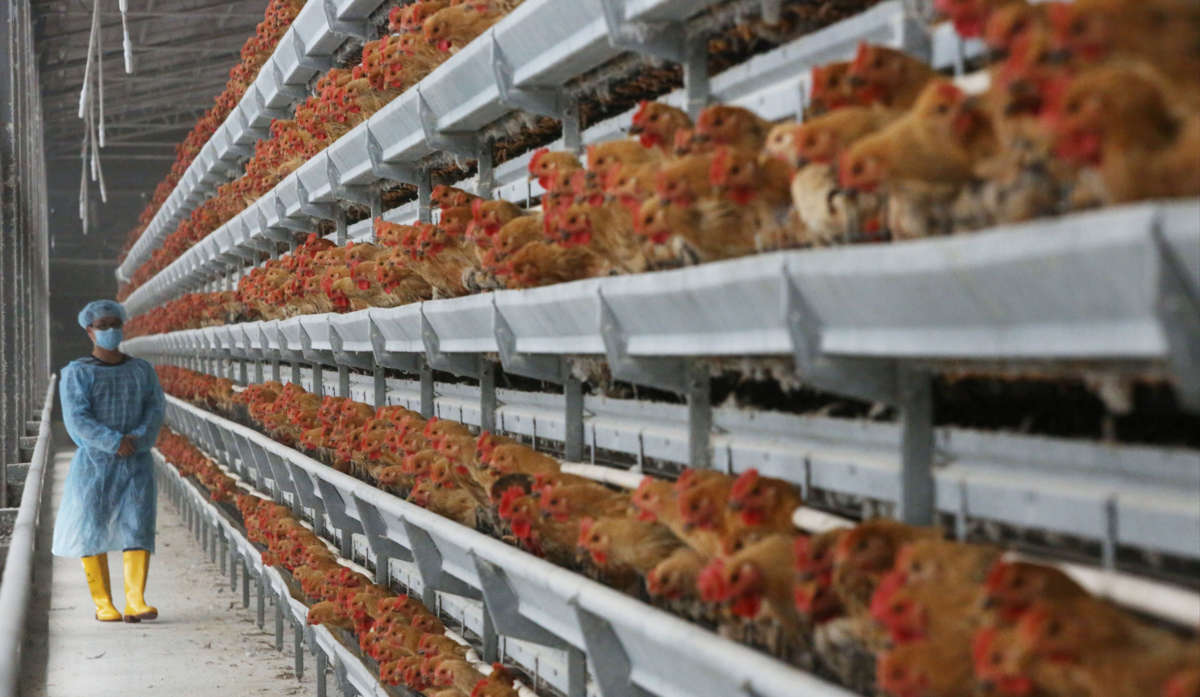
Factory Farm Conditions Are Unhealthy for Animals and Bad for People, Too

In 2014, the Review on Antimicrobial Resistance, commissioned by the U.K. government and Wellcome Trust, estimated that 700,000 people around the world die each year due to drug-resistant infections. A follow-up report two years later showed no change in this estimate of casualties. Without action, that number could grow to 10 million per year by 2050. A leading cause of antibiotic resistance? The misuse and overuse of antibiotics on factory farms.

Flourishing antibiotic resistance is just one of the many public health crises produced by factory farming. Other problems include foodborne illness, flu epidemics, the fallout from poor air and water quality, and chronic disease. All of it can be traced to the current industrial approach to raising animals for food, which puts a premium on “high stocking density,” wherein productivity is measured by how many animals are crammed into a feeding facility.

Oversight for the way factory farms operate and manage waste is minimal at best. No federal agency collects consistent and reliable information on the number, size and location of large-scale agricultural operations, nor the pollution they’re emitting. There are also no federal laws governing the conditions in which farm animals are raised, and most state anti-cruelty laws do not apply to farm animals.

For example, Texas, Iowa and Nebraska have excluded livestock from their animal cruelty statute and instead created specific legislation aimed at farm animal abuse that makes accepted or customary husbandry practices the animal welfare standard.

After New Jersey created similar legislation, the New Jersey Society for the Prevention of Cruelty to Animals sued the New Jersey Department of Agriculture, claiming that “routine husbandry practices” was too vague. The New Jersey Society won, and as a result, the state’s Department of Agriculture has created more specific regulations.

In North Carolina, any person or organization can file a lawsuit if they suspect animal cruelty, even if that person does not have “possessory or ownership rights in an animal.” In this way, the state has “a civil remedy” for farm animal cruelty.

Still, the general lack of governmental oversight of factory farms results in cramped and filthy conditions, stressed-out animals and workers, and an ideal setup for the rampant spread of disease among animals, between animals and workers, and into the surrounding environment through animal waste.

Antibiotic Resistance

The problem: In 2017, nearly 11 million kilograms of antibiotics — including 5.6 million kilograms of medically important antibiotics — were sold in the U.S. for factory-farmed animals. Factory farms use antibiotics to make livestock grow faster and control the spread of disease in cramped and unhealthy living conditions. While antibiotics do kill some bacteria in animals, resistant bacteria can, and often do, survive and multiply, contaminating meat and animal products during slaughter and processing.

What it means for you: People can be exposed to antibiotic-resistant bacteria by handling or eating contaminated animal products, coming into contact with contaminated water or touching farm animals, which of course makes a farmworker’s job especially hazardous. Even if you don’t eat much meat or dairy, you’re vulnerable: Resistant pathogens can enter water streams through animal manure and contaminate irrigated produce.

Developments: The European Union has been much more aggressive than the U.S. in regulating antibiotic use on factory farms, banning the use of all antibiotics for growth promotion in 2006. But the U.S. is making some progress, too. Under new rules issued by the Food and Drug Administration (FDA), which went into effect in January 2017, antibiotics that are important for human medicine can no longer be used for growth promotion or feed efficiency in cows, pigs, chickens, turkeys and other animals raised for food.

Additionally, 95 percent of medically important antibiotics used in animal water and feed for therapeutic purposes were reclassified so they can no longer be purchased over the counter, and a veterinarian would have to sign off for their use in animals. As a result, domestic sales and distribution of medically important antimicrobials approved for use in factory farmed animals decreased by 43 percent from 2015 (the year of peak sales) through 2017, reports the FDA.

However, the agency still allows routine antibiotic use in factory farms for disease prevention in crowded and stressed animals, so these new rules aren’t nearly enough, says Matthew Wellington, antibiotics program director for the U.S. Public Interest Research Group Education Fund.

“The FDA should implement ambitious reduction targets for antibiotic use in the meat industry, and ensure that these medicines are used to treat sick animals or control a verified disease outbreak, not for routine disease prevention,” Wellington said in a statement, according to the Center for Infectious Disease Research and Policy.

National Resources Defense Council Senior Attorney Avinash Kar agrees. “Far more antibiotics important to humans still go to cows and pigs — usually when they’re not sick — than to people, putting the health of every single one of us in jeopardy.”

Water and Pollution

The problem: Livestock in this country produce between 3 and 20 times more waste than people in the U.S. produce, according to a 2005 report issued by the Environmental Protection Agency (EPA). That’s as much as 1.2-1.37 billion tons of manure a year. Some estimates are even higher.

Manure can contain “pathogens such as E. coli, growth hormones, antibiotics, chemicals used as additives to the manure or to clean equipment, animal blood, silage leachate from corn feed, or copper sulfate used in footbaths for cows,” according to a 2010 report by the National Association of Local Boards of Health. Though sewage treatment plants are required for human waste, no such treatment facility exists for livestock waste.

Since this amount far exceeds what can be used as fertilizer, animal waste from factory farms typically enters massive, open-air waste lagoons, which spread airborne pathogens to people who live nearby. If animal waste is applied as fertilizer and exceeds the soil’s capacity for absorption, or if there is a leak or break in the manure storage or containment unit, the animal waste runs off into oceans, lakes, rivers, streams and groundwater.

Extreme weather increases the possibility of such breaks. Hurricane Florence, for example, flooded at least 50 hog lagoons when it struck the Carolinas last year, and satellite photos captured the damage.

Whether or not the manure is contained or spread as fertilizer, it can release many different types of harmful gases, including ammonia and hydrogen sulfide, as well as particulate matter comprised of fecal matter, feed materials, pollen, bacteria, fungi, skin cells and silicates, into the air.

What it means for you: Pathogens can cause diarrhea and severe illness or even death for those with weakened immune systems, and nitrates in drinking water have been connected to neural tube defects and limb deficiencies in newborns (among other things), as well as miscarriages and poor general health. For infants, it can mean blue baby syndrome and even death.

Gases like ammonia and hydrogen sulfide can cause dizziness, eye irritation, respiratory illness, nausea, sore throats, seizures, comas and death. Particulate matter in the air can lead to chronic bronchitis, chronic respiratory symptoms, declines in lung function and organic dust toxic syndrome. The Centers for Disease Control and Prevention (CDC) reported that children raised in communities near factory farms are more likely to develop asthma or bronchitis, and that people who live near factory farms may experience mental health deterioration and increased sensitization to smells.

Developments: It is difficult to hold factory farms accountable for polluting surrounding air and water, largely for political reasons. The GOP-controlled Congress and the Trump administration excused big livestock farms from reporting air emissions, for instance, following a decade-long push for special treatment by the livestock industry.

The exemption indicates “further denial of the impact that these [emissions] are having, whether it’s on climate or whether it’s on public health,” says Carrie Apfel, an attorney for Earthjustice. In a 2017 report from the EPA’s Office of the Inspector General, the agency admitted it has not found a good way to track emissions from factory farms and know whether the farms are complying with the Clean Air Act.

No federal agency even has reliable information on the number and locations of factory farms, which of course makes accountability even harder to establish.

Foodborne Illness

The problem: The United States has “shockingly high levels of foodborne illness,” according to an investigation jointly conducted by the Bureau of Investigative Journalism and The Guardian, and unsanitary conditions at factory farms are a leading contributor.

Studying 47 meat plants across the U.S., investigators found that hygiene incidents occur at rates experts described as “deeply worrying.” One dataset covered 13 large red meat and poultry plants between 2015 and 2017 and found an average of more than 150 violations a week, and 15,000 violations over the entire period. Violations included unsanitary factory conditions and meat contaminated with blood, septicemic disease and feces.

“The rates at which outbreaks of infectious food poisoning occur in the U.S. are significantly higher than in the UK, or the EU,” Erik Millstone, a food safety expert at Sussex University told the Guardian.

Poor sanitary practices allow bacteria like E. coli and Salmonella, which live in the intestinal tracts of infected livestock, to contaminate meat or animal products during slaughter or processing. Contamination occurs at higher rates on factory farms because crowded and unclean living conditions increase the likelihood of transmission between animals.

It also stresses out animals, which suppresses their immune response, making them more susceptible to disease. The grain-based diets used to fatten cattle can also quickly increase the risk of E. coli infection. In poultry, the practice of processing dead hens into “spent hen meal” to be fed to live hens has increased the spread of Salmonella.

What it means for you: According to the CDC, roughly 48 million people in the U.S. suffer from foodborne illnesses annually, with 128,000 hospitalizations and 3,000 deaths each year. Salmonella accounts for approximately 11 percent of infections, and kills more people every year than any other bacterial foodborne illness.

Developments: In January 2011, President Obama signed the Food Safety Modernization Act (FSMA), the first major piece of federal legislation addressing food safety since 1938. FSMA grants the FDA new authority to regulate the way food is grown, harvested and processed, and new powers such as mandatory recall authority.

The FSMA “basically codified this principle that everybody responsible for producing food should be doing what the best science says is appropriate to prevent hazards and reduce the risk of illness,” according to Mike Taylor, co-chairman of Stop Foodborne Illness and a former deputy commissioner for foods and veterinary medicine at the FDA. “So we’re moving in the right direction.”

However, almost a decade later, the FSMA is still being phased in, due to a shortage of trained food-inspectors and a lack of funding. “Congress has gotten about halfway to what it said was needed to successfully implement” the Act, Taylor said.

The Flu

The problem: Both the number and density of animals on factory farms increase the risk of new virulent pathogens, according to the U.S. Council for Agriculture, Science and Technology. In addition, transporting animals over long distances to processing facilities brings different influenza strains into contact with each other so they combine and spread quickly.

Pigs — susceptible to both avian and human flu viruses — can serve as ground zero for all sorts of new strains. Because of intensive pig farming practices, “the North American swine flu virus has jumped onto an evolutionary fast track, churning out variants every year,” according to a report published in the journal Science.

What it means for you: These viruses can become pandemics. In fact, viral geneticists link the genetic lineage of H1N1, a kind of swine flu, to a strain that emerged in 1998 in U.S. factory pig farms. The CDC has estimated that between 151,700 and 575,400 people worldwide died from the 2009 H1N1 virus infection during the first year the virus circulated.

Breast, Prostate and Colon Cancer

The problem: Factory farms in the U.S. use hormones to stimulate growth in an estimated two-thirds of beef cattle. On dairy farms, around 54 percent of cows are injected with recombinant bovine growth hormone (rBGH), a growth hormone that increases milk production.

What it means for you: The health effects of consuming animal products treated with these growth hormones is an ongoing international debate. Some studies have linked growth hormone residues in meat to reproductive issues and breast, prostate and colon cancer, and IGF-1, an insulin-like growth hormone, has been linked to colon and breast cancer. However, the FDA, the National Institutes of Health and the World Health Organization have independently found that dairy products and meat from cows treated with rBGH are safe for human consumption.

Because risk assessments vary, the EU, Australia, New Zealand, Japan, Israel and Argentina have banned the use of rBGH as a precautionary measure. The EU has also banned the use of six hormones in cattle and imported beef.

Developments: U.S. Department of Agriculture guidelines allow beef products to be labeled with “no hormones administered” and dairy products to be labeled “from cows not treated with rBST/rBGH” if the producer provides sufficient documentation that this is true. Consumers can use this information to make their own decisions about the risks associated with hormone-treated animal products.

What You Can Do

You can vote for local initiatives that establish health and welfare regulations for factory farms, but only a tiny number of states, including California and Massachusetts, are even putting relevant propositions on the ballot.

Another option is to support any of the nonprofits that are, in lieu of effective government action, taking these factory farms to task. The Environmental Working GroupEarthjustice and the Animal Legal Defense Fund are among those working hard to check the worst practices of these factory farms. Another good organization is the Socially Responsible Agricultural Project, which works with local residents to fight the development of factory farms in their own backyards.

Buying humanely raised animal products from farms and farmers you trust is another way to push back against factory farming. Sadly, products from these smaller farms make up only a fraction of the total. In the U.S., roughly 99 percent of chickens, turkeys, eggs and pork, and 70 percent of cows, are raised on factory farms.

You can support lab-grown “clean” burgers, chicken and pork by buying it once it becomes widely available. Made from animal cells, the process completely spares the animal and eliminates the factory farm. “The resulting product is 100 percent real meat, but without the antibiotics, E. coliSalmonella, or waste contamination,” writes the Good Food Institute.

In the meantime, you can register your objection to factory farming by doing your bit to reduce demand for their products. In short, eat less meat and dairy, and more plant-based proteins.

More than $13 billion has been invested in plant-based meat, egg and dairy companies in 2017 and 2018 alone, according to the Good Food Institute, and Beyond Meat’s initial public offering debut in May marked the most successful one since the year 2000.

Lest you think that what you do on your own can’t possibly make a difference, consider one of the major drivers behind all this new investment: consumers are demanding change.

“Shifting consumer values have created a favorable market for alternatives to animal-based foods, and we have already seen fast-paced growth in this space across retail and foodservice markets,” says Bruce Friedrich, executive director of the Good Food Institute.

This article was produced as part of a partnership between Stone Pier Press and Earth | Food | Life, a project of the Independent Media Institute. An earlier version appeared on Stone Pier Press.

On World Day for Farmed Animals, Let’s Honor Who They Are

The amount of pain and suffering these animals endure is incalculable.

Posted Oct 02, 2019

Over 150 million animals are killed for food around the world every day—just on land. That comes out to 56 billion land animals killed per year in the U.S. alone. Including wild-caught and farmed fishes, we get a daily total closer to 3 billion animals killed.” 

October 2 is World Day for Farmed Animals. On the website for the annual recognition of what these billions of nonhuman animal (animal) beings go through at the hands of humans before they’re brutally killed for unnecessary meals we read:

“Each year, an estimated 70 billion cows, pigs, chickens, turkeys, and other sentient land-based animals are caged, crowded, deprived, drugged, mutilated and macerated in the world’s factory farms. Then they are brutally slaughtered for our dinner table. Countless aquatic animals are caught and suffocated by vast trawler nets, so we can have our fish fillet or tuna fish salad.”

When fishes and other water animals are thrown into the equation—billions of these sentient beings also are farmed animals—the number easily swells to trillions of animal beings killed each year on food farms and in the wild.

Slaughtering sentience: How much pain per pound do these animals suffer?

“…the question is not, Can they reason? nor, Can they talk? but, Can they suffer? Why should the law refuse its protection to any sensitive being?… The time will come when humanity will extend its mantle over everything which breathes…”  —Jeremy Bentham

It’s a sad fact that the amount of pain and suffering these animals endure before they’re killed truly is incalculable. So-called “food animals,” including fishes and other aquatic animals, are intelligent and sentient, feeling beings. (See “It’s Time to Stop Pretending Fishes Don’t Feel Pain.”) When someone eats animals and animal products, they’re consuming a good deal of pain and suffering. While many people are led to believe that consuming dairy is OK, because the animals are kept alive, dairy animals also deeply suffer when they’re used and abused as “milk machines.” (See “The Scary Facts of Dairy Violate the Five Freedoms” and “The Mistreatment of Female ‘Food Cows’ Includes Sexual Abuse.”)

It’s also important to recognize that “being smart” really isn’t a factor in how much animals, including humans, suffer. It’s what they feel that’s important. (See, for example, “Are Pigs as Smart as Dogs and Does It Really Matter?” and references therein.) A young girl once asked me if so-called “food animals” suffer like her companion dog suffers when he’s in pain. When I said, “Yes, they do,” she blanched and almost started crying.

At another talk I was asked, “How much pain per pound do these animals suffer?” and I said that it was really impossible to calculate any meaningful number, but it’s a good question to get discussions going about what these animal beings endure in their relatively short and horrific lives.

Those who choose to eat other animals and animal products also endure a good deal of cognitive dissonance. On many occasions, I hear people lament something like, “Oh, I know they suffer, but I really like my _____.” You can fill in the blank with meat, beef, pork, bacon, chicken, fish, lobster, and so on. (See “‘Oh, I know animals suffer, but I love my steak'”: The self-serving resolution of the ‘meat paradox.‘”)

I often hear people say that farmed animals aren’t treated all that bad and that there are regulations and laws that adequately protect them. However, it’s a fact that the regulations and laws that supposedly protect farmed animals are incredibly weak and weakly enforced, and egregious violations are very common.

Far too much lip service is given to protecting these amazing and fascinating animals. And it’s because people—including those who use them and eat them—know that there is incredible and inexcusable suffering among the trillions of food animals who wind up in humans’ mouths that regulations and laws exist in the first place. If these animals didn’t suffer, there would be no reason to protect them. Current regulations allow for more than 1,100 pigs to be slaughtered per hour.

Even with iconic animal welfarist Dr. Temple Grandin’s work to help farmed food animals along, the amount of pain and suffering farmed food animals endure is reprehensible, and, of course, avoidable. Only an extremely tiny percentage of these sentient beings may, in fact, benefit, as they trod along her so-called “stairway to heaven” on their way to the killing floor while hearing, seeing, and smelling the slaughter of others. Their lives before their death sentence are actualized—right after birth, as they mature, and when they’re shipped to slaughterhouses as if they’re unfeeling objects—and are inarguably, brutally horrific. (See “Stairways to Heaven, Temples of Doom, and Humane-Washing” and “My Beef With Temple Grandin: Seemingly Humane Isn’t Enough.”)

The language we use to refer to other animals really matters. On World Day for Farmed Animals, let’s honor all nonhumans who are used for food. It’s really a matter of who we eat, rather than what we eat, when it comes to the sentient nonhumans who wind up in our mouths. A few years ago, after I gave a talk and asked people to consider who they are choosing to eat rather than what they were eating, I learned that five people changed their meal plans because the word who made them realize “they were eating pain and suffering.”

Asking people to change their meal plans isn’t some sort of “radical animal rights” move, as some claim it to be. In fact, it’s all about decency. It’s about showing respect and compassion and honoring who these individuals really are: namely, deeply feeling sentient beings. We need a Golden Rule for how we treat other animals based on decency. Silence isn’t golden; it’s deadly.

It’s high time to phase out food animals and animal products once and for all. All of these animal beings need all the help they can get and then some. World Day for Farmed Animals is a perfect time to honor and to respect who these fascinating beings truly are.

References

https://www.psychologytoday.com/us/blog/animal-emotions/201910/world-day-farmed-animals-lets-honor-who-they-are

The Companies Behind the Burning of the Amazon

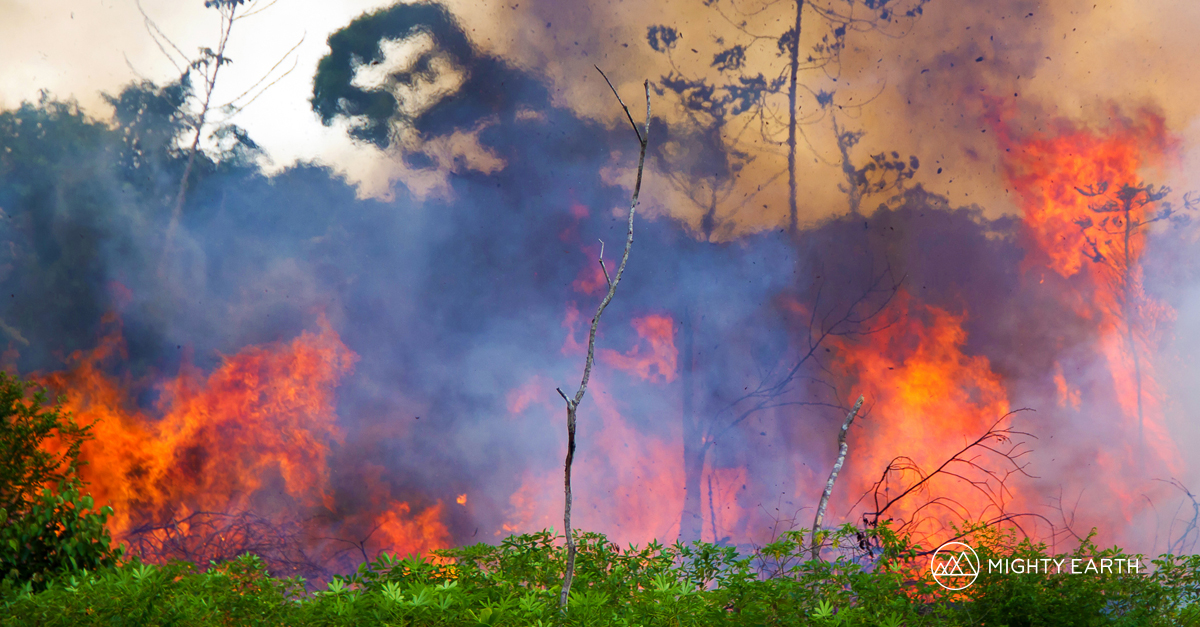
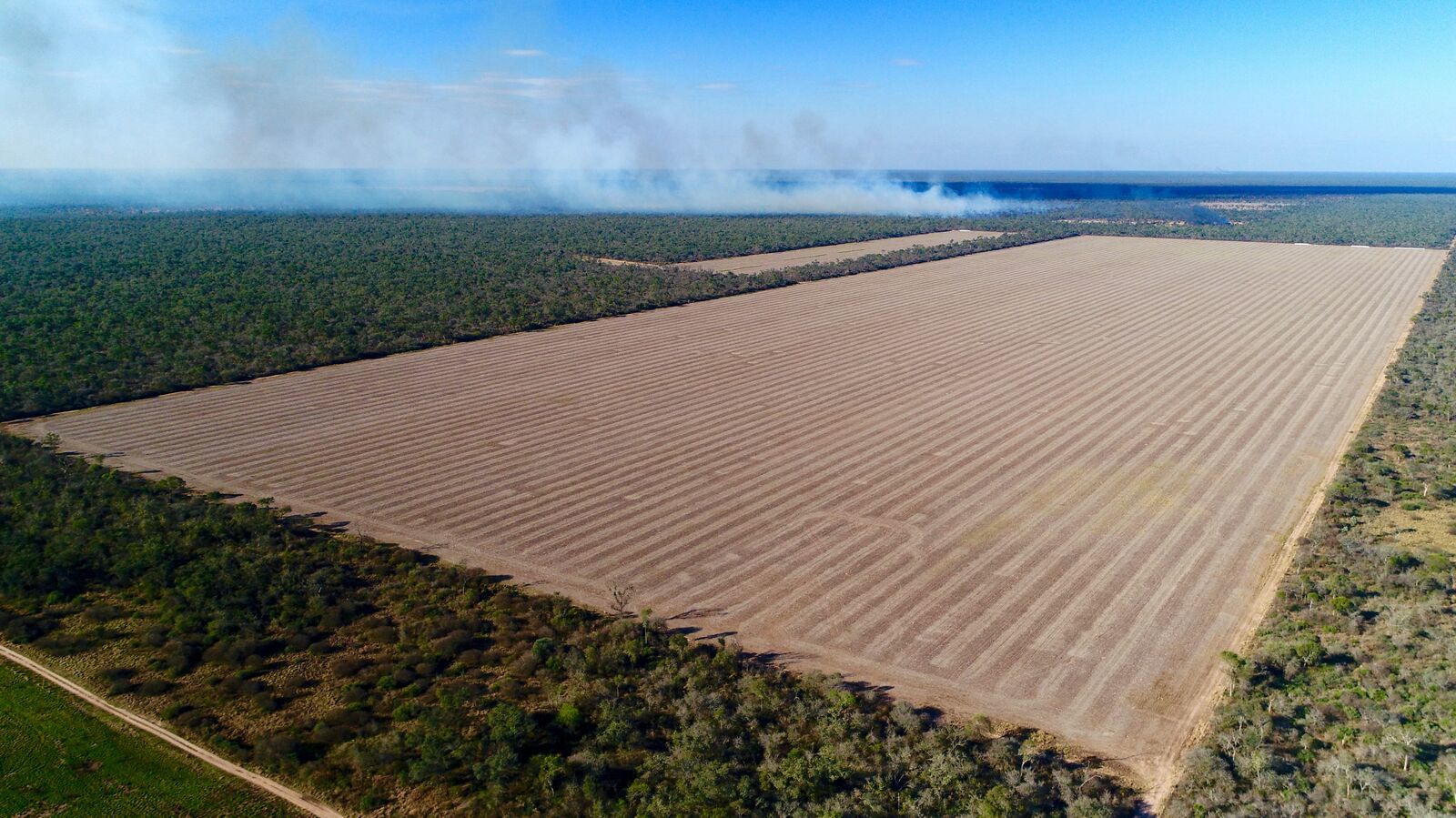
The burning of the Amazon and the darkening of skies from Sao Paulo, Brazil, to Santa Cruz, Bolivia, have captured the world’s conscience. Much of the blame for the fires has rightly fallen on Brazilian President Jair Bolsonaro for directly encouraging the burning of forests and the seizure of Indigenous Peoples’ lands.

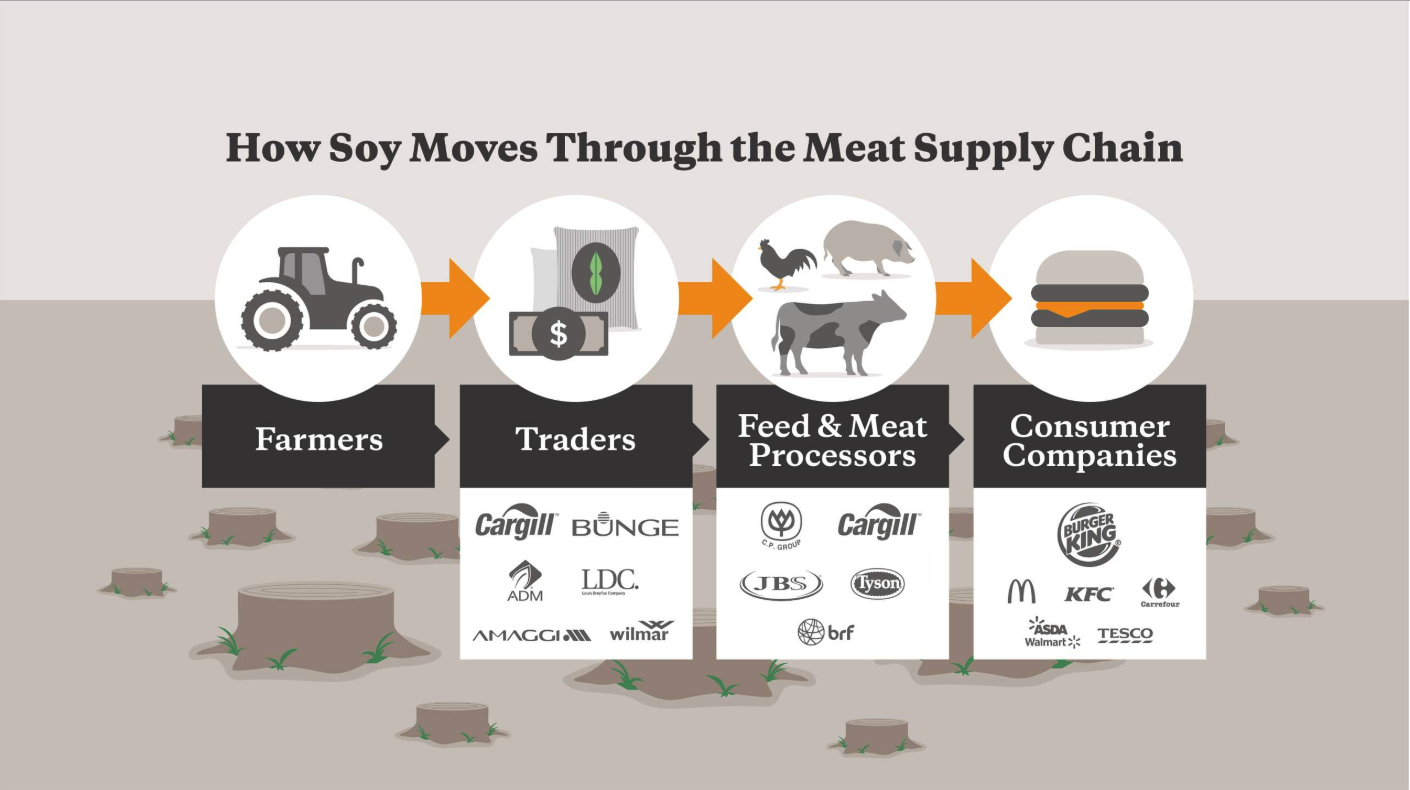
But the incentive for the destruction comes from large-scale international meat and soy animal feed companies like JBS and Cargill, and the global brands like Stop & Shop, Costco, McDonald’s, Walmart/Asda, and Sysco that buy from them and sell to the public. It is these companies that are creating the international demand that finances the fires and deforestation.

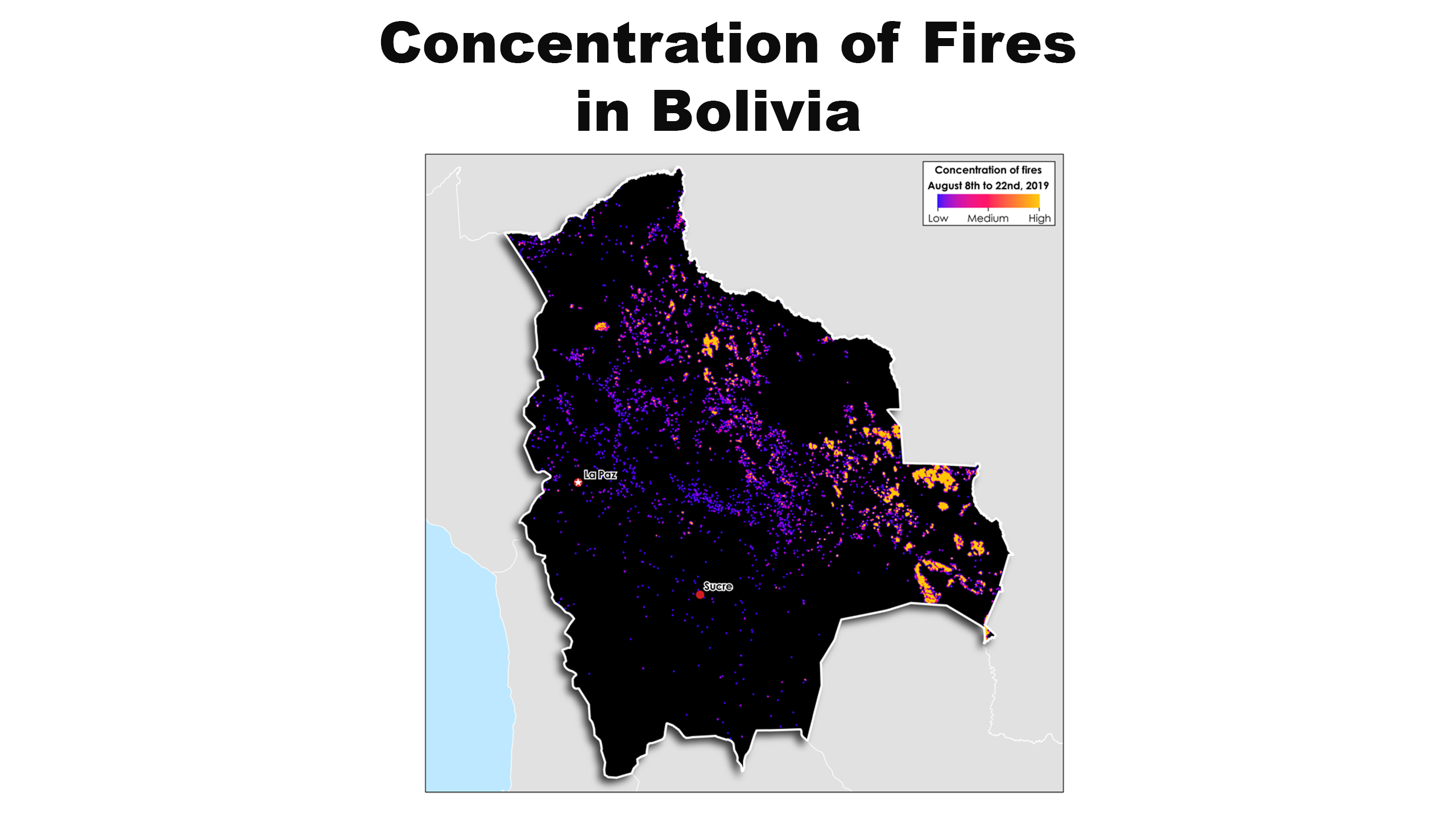
The transnational nature of their impact can be seen in the current crisis. Their destruction is not confined to Brazil. Just over the border, in the Bolivian Amazon, 2.5 million acres have burned, largely to clear land for new cattle and soy animal feed plantations, in just a few weeks. Paraguay is experiencing similar devastation.

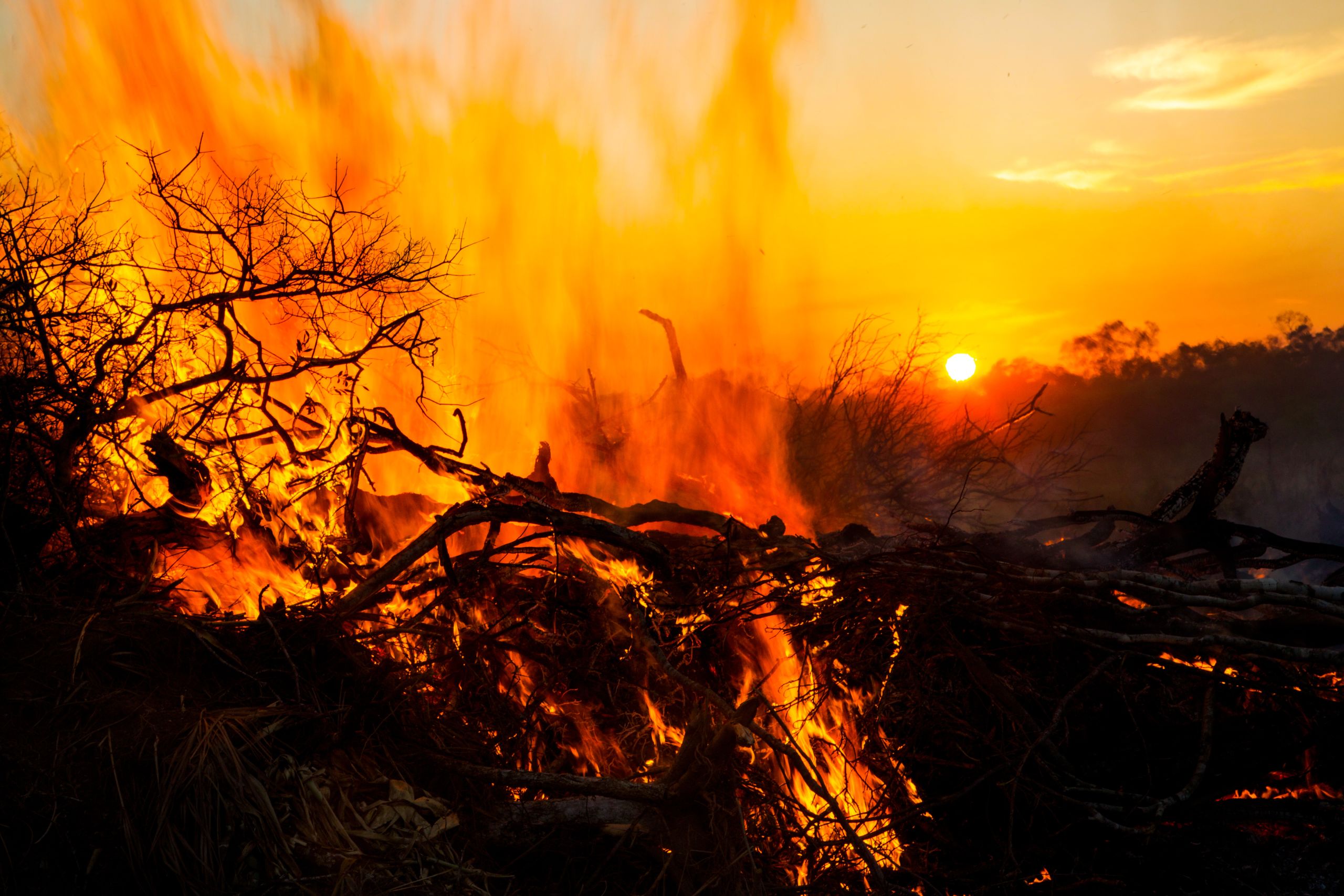
Logs burn at sunset in Bolivia. Photo Credit: 2017, Jim Wickens/Ecostorm

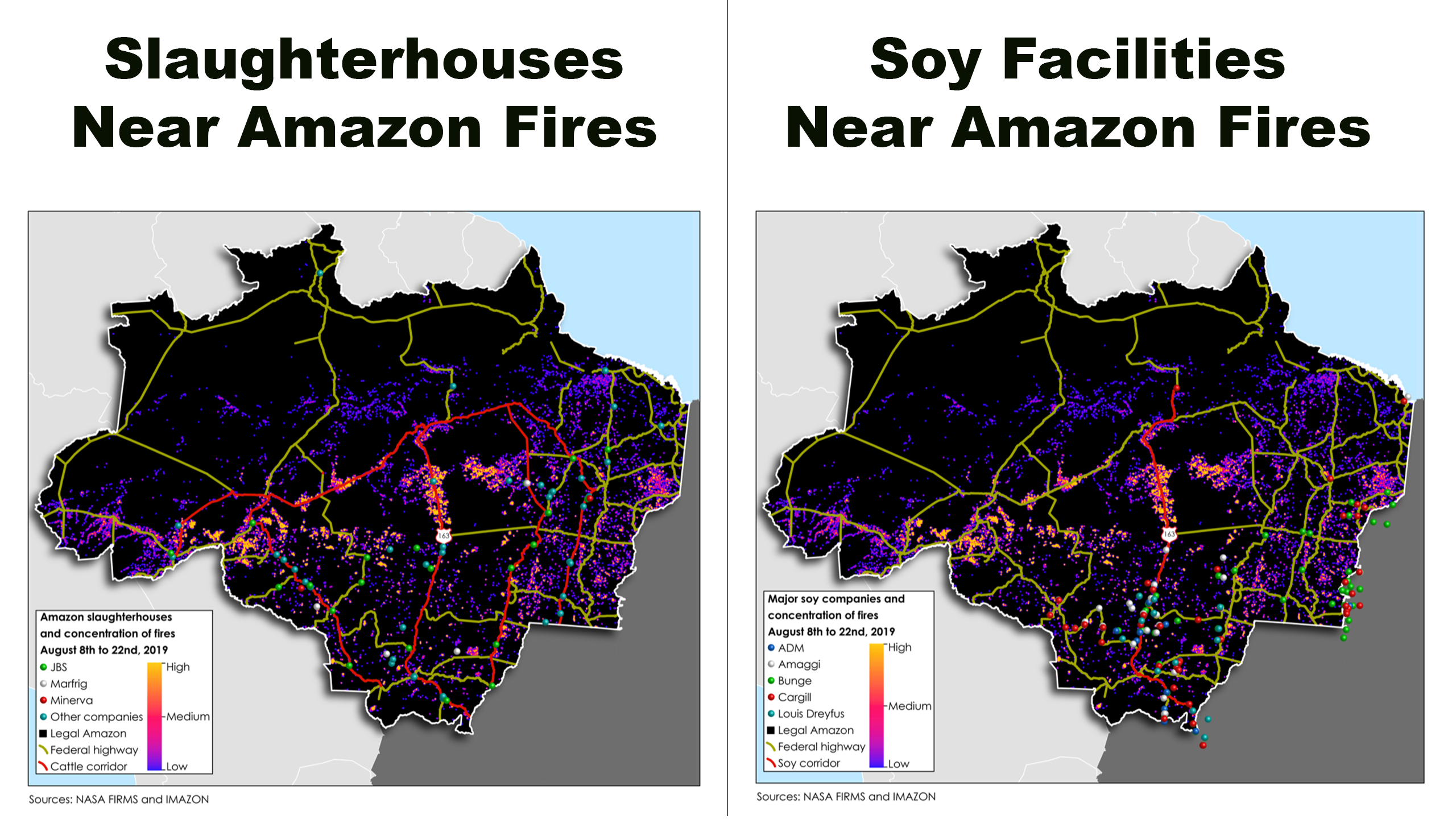
New maps and analysis from Mighty Earth, based on data from NASA, CONAB, and Imazon and released here for the first time, show which companies are most closely linked to the burning:

Cattle

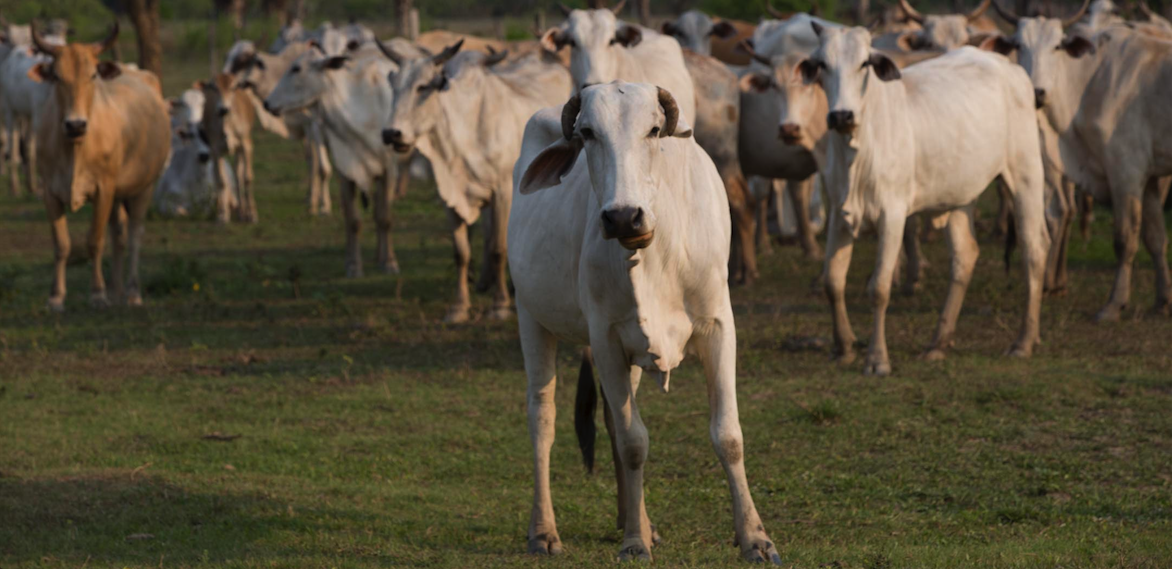
Both domestic and international demand for beef and leather has fueled the rapid expansion of the cattle industry into the Amazon. From 1993 to 2013, the cattle herd in the Amazon expanded by almost 200%  reaching 60 million head of cattle. While deforestation for cattle had been reduced thanks to both private sector and government action, the new wave of deforestation this year shows that the large international beef and leather companies and their customers and financiers continue to create markets for deforestation-based cattle.

The effects of this demand can be seen in the clustering of deforestation near slaughterhouses and roads that have access to slaughterhouses. The company most exposed to deforestation risk in the maps above is JBS,  both Brazil’s largest meatpacker, and the world’s largest meat company. JBS, like other major Brazilian meatpackers signed the 2009 Cattle Moratorium, pledging not to buy beef from cattle connected to deforestation. However,  investigations by government and NGOs have repeatedly found serious violations by JBS, including through laundering cattle.

These scandals reached their apotheosis with the Cold Meat (Carne Fria) scandal in 2017, in which the Brazilian government enforcement agencies produced extensive evidence showing that JBS was sourcing cattle from protected areas.  This and other investigations found that JBS violated both government and its own policies by buying laundered cattle that had been raised in areas linked to deforestation and then transported to “clean ranches” to evade the requirements. The two brothers who control the company were imprisoned for their role in corruption scandals in Brazil.

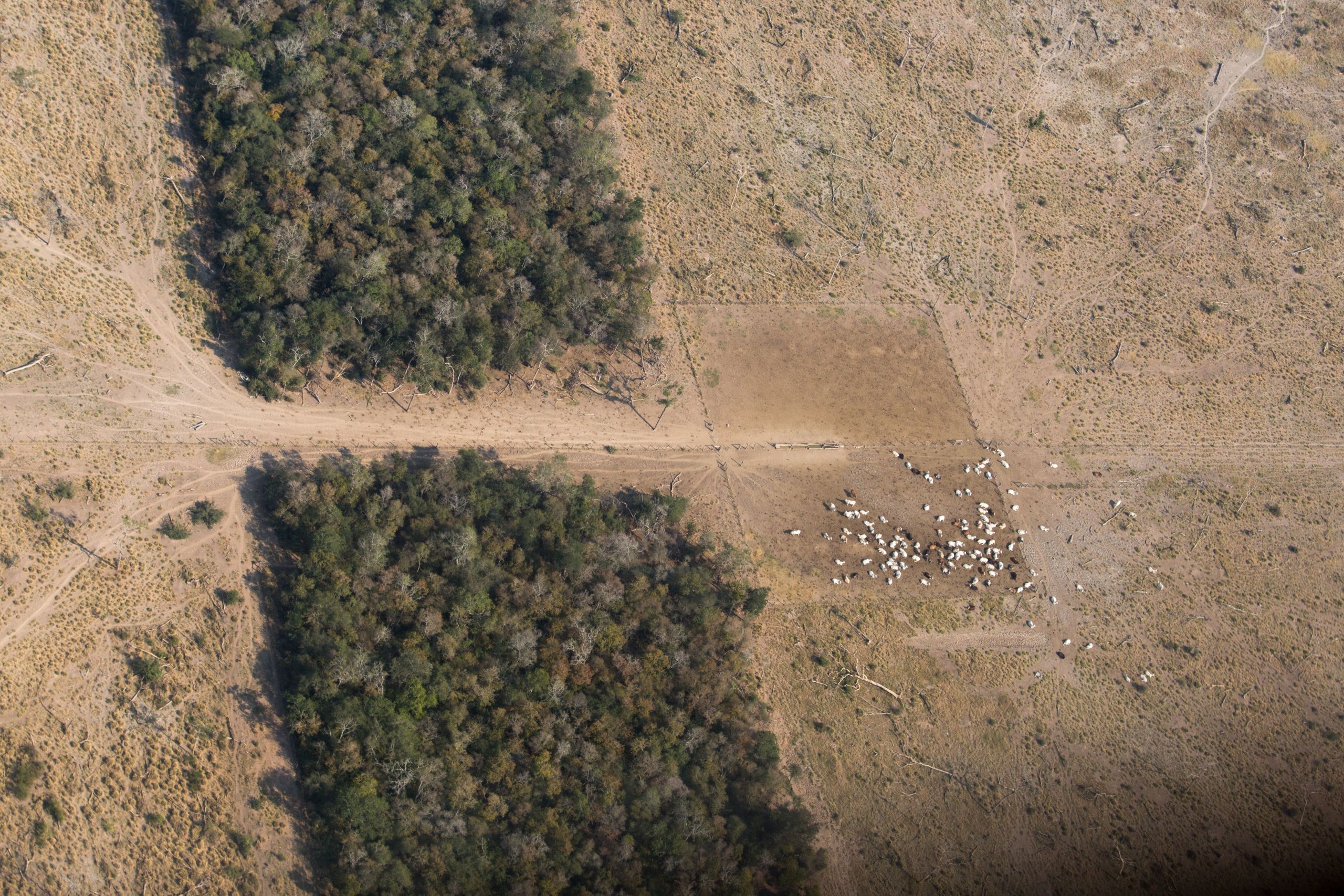
Aerial cattle field and forest edge. Photo credit: Jim Wickens/Ecosotrm

Soy

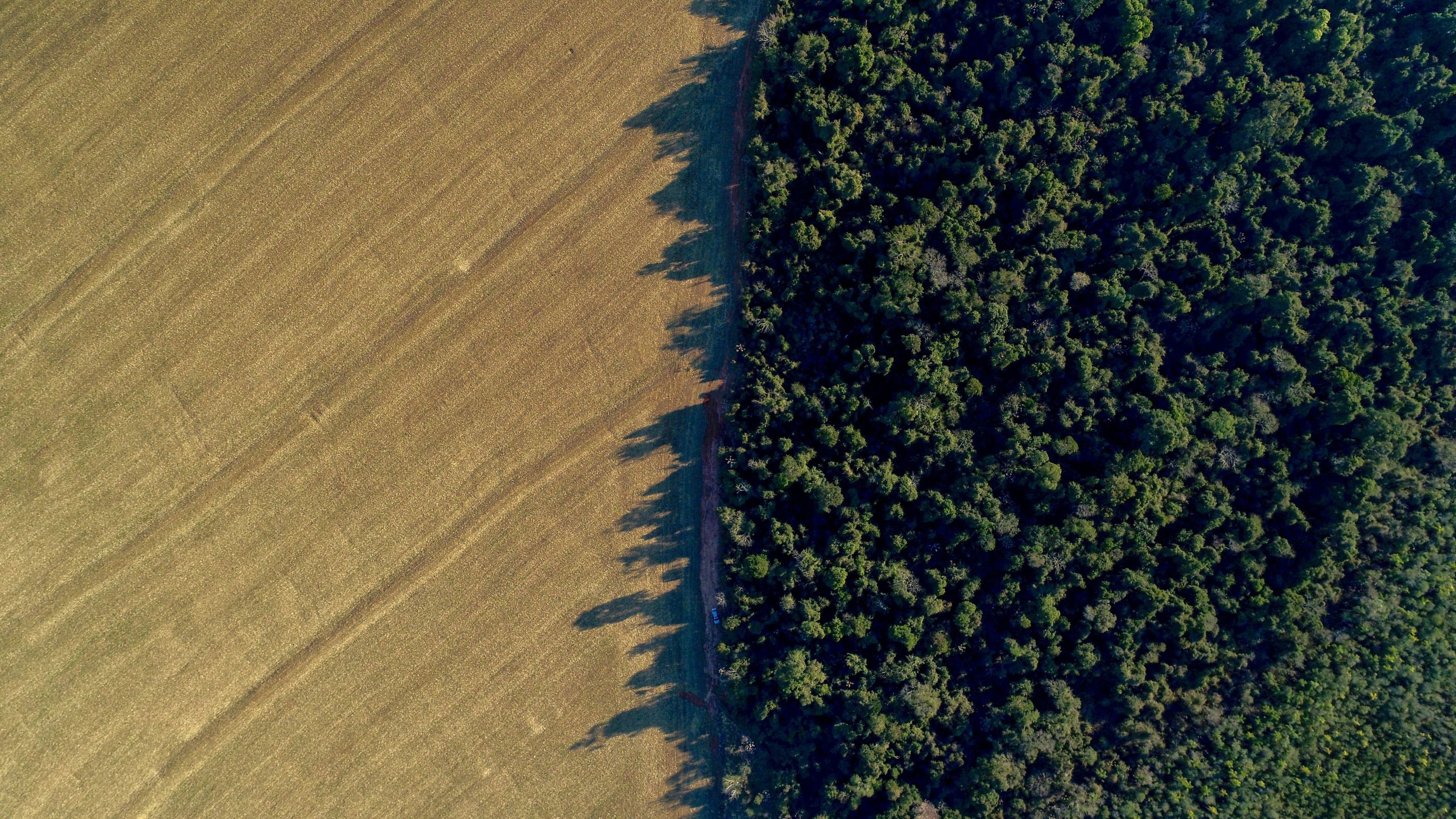
Soy supply chains work differently from cattle, and that is reflected in the maps above. Much of the current wave of deforestation has happened close to BR-163. Big soy farmers routinely transport their soy down Highway BR-163 to Cargill’s major port at Santarem, where it is put on ships and sent around the world to be fed to livestock in Europe, China, and elsewhere. There are similar dynamics around other highways on the map. Cargill, Bunge and other leading soy traders have participated in the Amazon Soy Moratorium in Brazil for the last dozen years, in which they committed to cease sourcing from suppliers who engaged in deforestation for soy. Overall, the Soy Moratorium has been a major success, virtually eliminating deforestation for soy.

However, the Soy Moratorium contained two major loopholes. First, the big soy traders can continue to purchase soy from farmers who engage in large-scale deforestation, as long as the deforestation is for crops other than soy. The location of the deforestation close to BR-163 suggests that farmers are exploiting this loophole to continue deforestation even as they sell soy to major traders like Cargill and Bunge. The location of the deforestation close to BR-163 suggests that farmers are exploiting this loophole to continue deforestation even as they sell soy to major traders like Cargill and Bunge.

Second, the Soy Moratorium only applies to the Brazilian Amazon. Major soy traders have continued to drive deforestation in the Bolivian Amazon Basin, the Brazilian Cerrado, and the Gran Chaco of Argentina and Paraguay, creating a major incentive for the rapid deforestation in Bolivia in the last several weeks. Mighty Earth’s reports The Ultimate Mystery Meat and Still At It showed Cargill’s extensive links to deforestation in the Bolivian Amazon basin, and its repeated refusal to take action against key suppliers even when confronted with repeated evidence. And as much attention as the Amazon is getting, Brazil’s half a billion acre, highly biodiverse forest-savannah mosaic known as the Cerrado has been even more deforested. While 80% of the Amazon is still intact, cattle, soy and agriculture interests have destroyed more than half of the Cerrado, putting this ecosystem at even greater risk. Mighty Earth found that in the Cerrado, where deforestation has continued, two companies were primarily responsible for driving deforestation, Cargill and Bunge.

Cargill is the largest trader of soy from Brazil and the world’s largest food and agriculture company. Mighty Earth’s July 2019 report The Worst Company in the World profiled Cargill’s extensive deforestation in South America and elsewhere around the world, building on previous investigations in Bolivia, Brazilian Cerrado, Paraguay, and Argentina.

Although Bunge is a bigger player in the Cerrado, across South America – in Bolivia, Paraguay and Argentina, Mighty Earth’s previous analyses of deforestation linked to soy animal feed in South America found Cargill most closely associated with deforestation. The company has refused to discontinue suppliers Mighty Earth found engaged in deforestation after evidence was shared with them, and has bitterly resisted efforts to expand successful industry-wide platforms for monitoring and policing deforestation to South America outside the Brazilian Amazon.

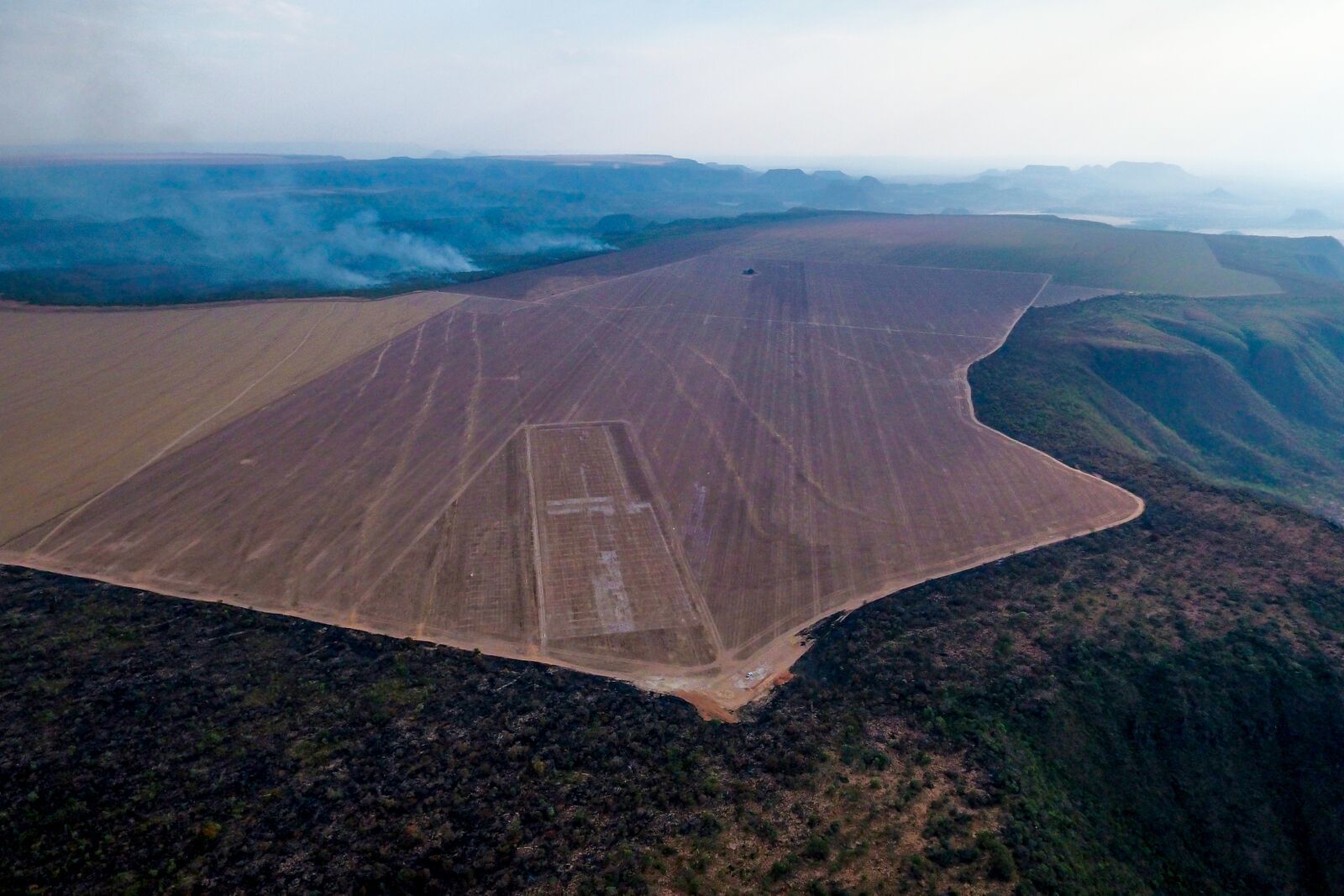
Table top mountains in the Brazilian Cerrado reduced to soy cultivation. Photo credit; Jim Wickens/Ecostorm

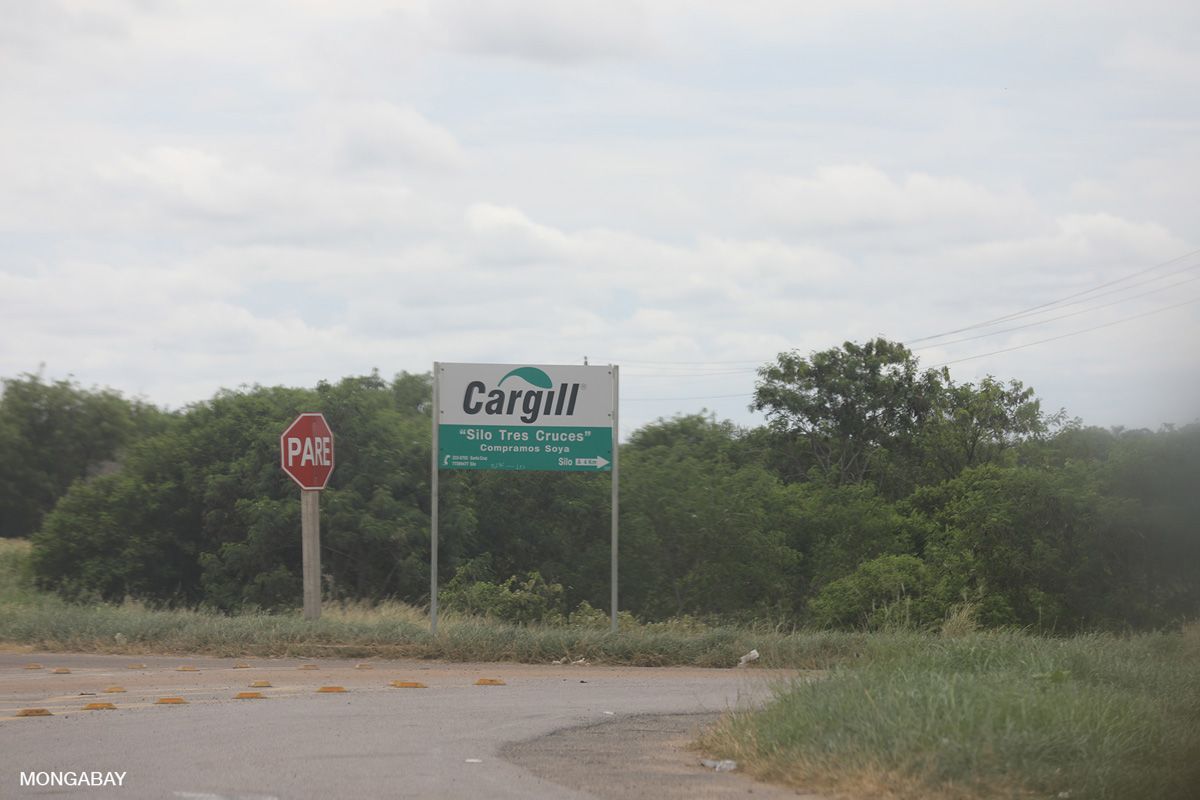
Sign for a Cargill silo in Bolivia reads ‘We buy soy’. Cargill is the biggest privately-held company in the U.S., and while it might not be a household name, people consume its products every day. Photo credit: Jim Wickens/Ecostorm

Five years ago, companies including Cargill, Unilever, and Yum Brands stood on stage at the Climate Summit in New York and proclaimed their commitment to removing deforestation from their supply chains by 2020. So too has the Consumer Goods Forum, whose members include Walmart, Mars and Danone.

They have yet to deliver on this commitment.

Now, with one year until their deadline and the Amazon in flames, it is far past time to act.

These companies must take responsibility for the impacts of their products. They must eliminate the market incentives that promote this reckless environmental destruction.

The Consumer Goods Forum and companies like McDonald’s, Burger King, and Ahold Delhaize – which owns Stop & Shop as well as Hannaford, Food Lion, Pea Pod, and Giant supermarkets – cannot continue to look the other way while the Amazon burns. They should instead source only from suppliers and regions that show evidence of eliminating deforestation. Not in another ten years. Not in five years. Not in one year. Now. Today.

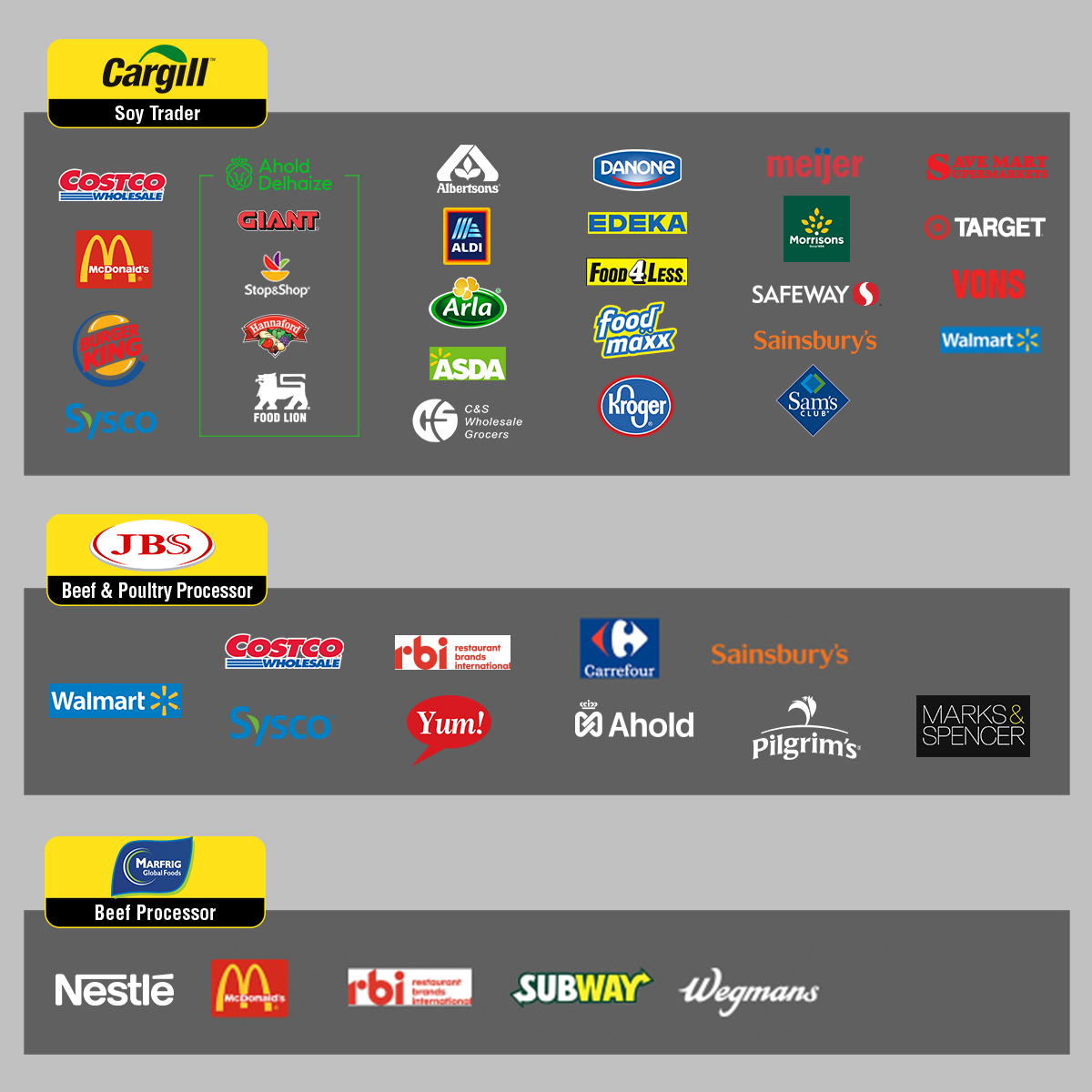
The chart below shows the largest customers of the slaughterhouses and soy animal feed traders most associated with cattle and soy deforestation, respectively.

Brands

Several brands stand out for their contracts and relationships with the suppliers most responsible for deforestation.

Ahold Delhaize: The Netherlands-based supermarket powerhouse owns the brands Stop & Shop, Giant, Food Lion, and Hannaford in the United States and Albert Heijn, Delhaize, Etos, Albert, Alfa-Beta, and others across Europe. While consistently touting its sustainability commitments, Ahold continues selling its customers products from some of the worst companies in the world. With knowledge of Cargill’s ongoing child labor issues and its role in deforestation across South America, Ahold has simultaneously pushed Cargill to do a better job even while launching a joint venture partnership with them to provide the store-branded meat to Stop & Shop stores. In addition, Ahold Delhaize conducted business worth a whopping $113 million with JBS in 2019 through food sales and other partnerships.

As egregious as Ahold Delhaize’s actions are, they are not alone:

McDonald’s: McDonald’s is probably Cargill’s largest and most important customer. McDonald’s restaurants are essentially storefronts for Cargill. Cargill not only provides chicken and beef to McDonald’s, they prepare and freeze the burgers and McNuggets, which McDonald’s simply reheats and serves.

Sysco: With $55 billion in annual revenue, Sysco is the world’s largest distributor of food products to restaurants, healthcare facilities, universities, hotels, and inns. Despite claiming that they will “protect the planet by advancing sustainable agriculture practices, reducing our carbon footprint and diverting waste from landfill, in order to protect and preserve the environment for future generations,” they have honored Cargill as their most valued supplier of pork and beef and did $525 million worth of business with JBS in 2019 through sales and other partnerships.

Costco: Both JBS and Cargill list Costco as one of their top customers. Popular with families and small business owners, it ranks as the world’s third largest retailer. Costco states that it “has a responsibility to source its products in a way that is respectful to the environment and to the people associated with that environment.” According to their website, “Our goal is to help provide a net positive impact for communities in commodity-producing landscapes, by doing our part to help reduce the loss of natural forests and other natural ecosystems, which include native and/or intact grasslands, peatlands, savannahs, and wetland.” Nevertheless, according to Bloomberg, Costco conducted $1.43 billion worth of business with JBS in 2019.

Burger King/Restaurant Brands International: Burger King’s practice of selling meat linked to Cargill and other forest destroyers has earned the fast food giant a ‘zero’ on the Union of Concerned Scientists deforestation scorecard. Burger King has asked Cargill to stop destroying forests in their supply chain…but the deadline isn’t until 2030. It is also a significant customer of JBS. Burger King is part of the Restaurant Brands International (RBI) chain that also includes Tim Horton’s and Popeye’s.

Nestle: Based in Switzerland, Nestle is the largest food and beverage company in the world. Nestle was among the first companies to make zero-deforestation commitments, but only started actually monitoring its supply chains nine years later in 2019 – and only for palm oil, not for soy or pulp/paper. Recently certifying 77 percent of its supply chain as deforestation-free, Nestle continues to buy from Cargill for its pet food subsidiary, Nestle Purina Petcare. Bloomberg data also shows Nestle as one of Marfrig’s top customers.

Carrefour: The French company Carrefour is one of the world’s largest supermarket chains, the majority owner of the largest supermarket chains in Brazil, and at risk for cattle-driven deforestation. It has significant supply chain links to Cargill and JBS. Carrefour has committed to eliminating deforestation from its products by 2020, but the policy does not apply to processed or frozen beef products—which means that only around half of Carrefour’s beef distribution in Brazil is covered by its zero-deforestation policy.  According to Chain Reaction Research, 35 percent of the beef and beef products it sampled came from slaughterhouses located within the Legal Amazon including a 2.3 percent from high-risk slaughterhouses.

Casino: Casino, which owns Pão de Açúcar, is a French supermarket giant that prizes its reputation for sustainability in its home country. But as the second-largest supermarket chain in Brazil, it continues to purchase from Cargill, Bunge, and Brazil’s major cattle suppliers.

Walmart: Arkansas-based corporation Walmart is the single-largest company in the world by revenue, and also the largest private employer. Walmart also has a major presence in the UK, through its wholly-owned subsidiary ASDA. Walmart’s stated policy is “as a member of the Consumer Goods Forum, we supported the resolution to achieve zero net deforestation in our supply chain by 2020,encourage our suppliers of [beef, soy, palm oil, pulp and paper] products to work to source products produced with zero net deforestation. We ask suppliers to avoid ancient and endangered forests, to encourage conservation solutions, and to increase recycled content.” Nevertheless, Walmart conducted business with JBS worth $1.68bn in 2018 and remains a leading customer of Cargill meats and other products.

E. Leclerc: E.Leclerc is a French retail chain, with more than 600 locations in France and more than 120 stores outside of the country. Of the supermarket chains in France, Leclerc has perhaps the least robust sustainability policies. A recent report by SherpaFrance Nature Environment and Mighty Earth shows Leclerc failing on soy sustainability measures across the board. The company refuses to join industry calls to protect the endangered Cerrado, has not fulfilled legal obligations to disclose its sources, and has neither develop an alert mechanism to identify risk or follow up on deforestation alerts provided by others.  E.Leclerc’s latest sustainability report makes no commitments on meat sourcing, or any other commodity but palm oil.

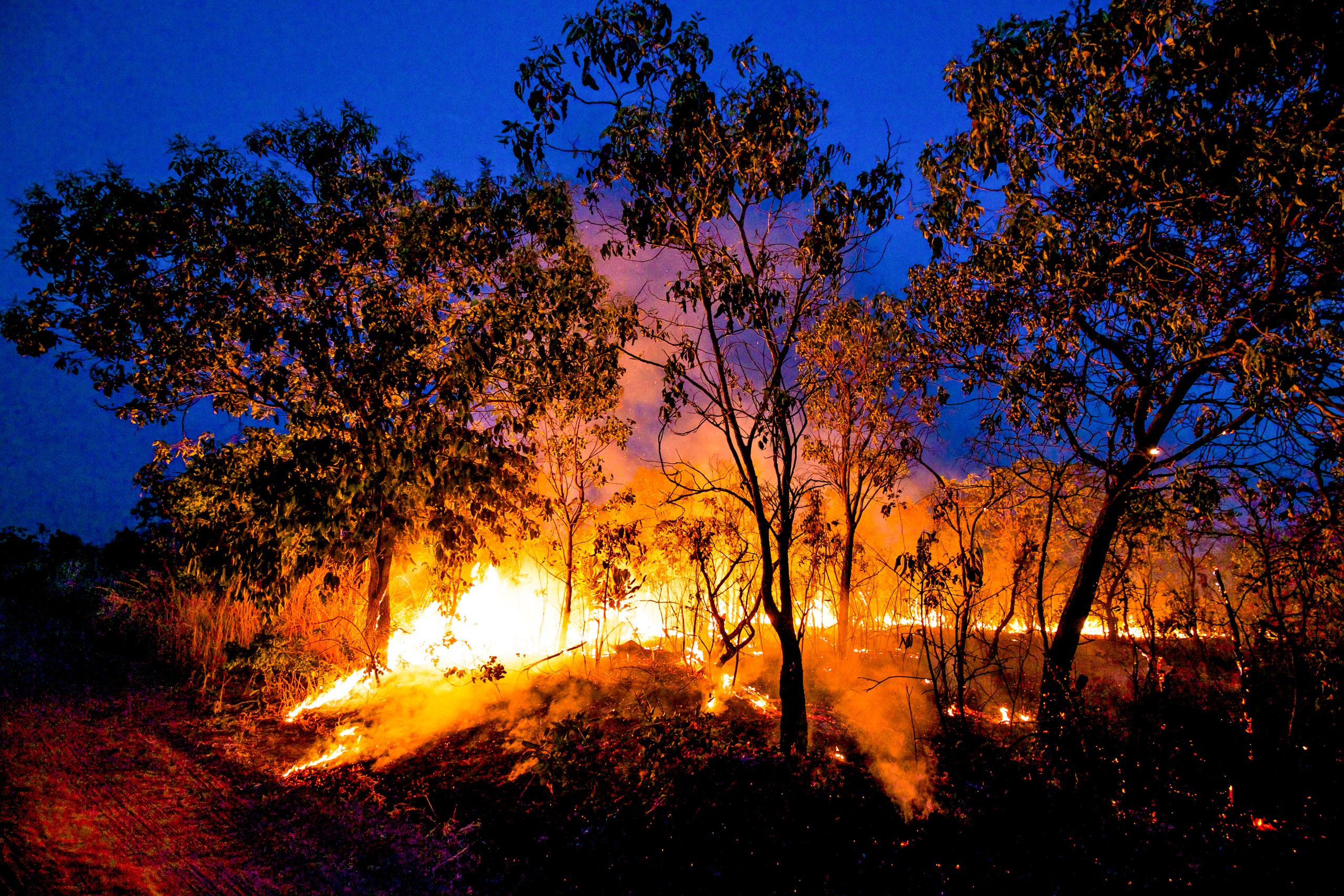
By night forest fires can be seen for miles, tearing through Brazil’s Cerrado ecosystems. Photo credit: 2017, Jim Wickens/Ecostorm

A Preventable Disaster

While the rate of burning has increased dramatically in the last several months in response to Bolsonaro’s policies, these companies have been driving deforestation for years across South America. In many cases, they have bitterly resisted efforts to create systems that would allow for agriculture to expand without deforestation.

Bolsonaro’s mobilization of the army to fight the fires may help in the short term, as will Bolivian president Evo Morales’ new willingness to accept international help to fight fires. But as long as these international companies are creating a market for beef, pork, and chicken that is indifferent to deforestation, this type of environmental disaster is likely to continue.

After years of remarkably successful conservation initiatives that cut Brazil’s deforestation rate by two-thirds, Brazil’s president Jair Bolsonaro has reopened the doors to rampant destruction as a favor to the agribusiness lobby that backs him. That industry is accountable for the atmosphere of lawlessness, deforestation, fires, and the murder of Indigenous peoples that followed. According to data released by Brazil’s National Institute for Space Research (INPE), deforestation of the Brazilian Amazon in July 2019 increased 278 percent over the previous July. Bolsonaro responded to this news by firing the head of the INPE.

The recent fires are the latest example of the cattle and soy industries trying to take advantage of a culture of impunity in both Brazil and Bolivia. Since January 2019, more than 74,000 fires have broken out across Brazil – an 85 percent increase from the same point in 2018. In Bolivia, 2.5 million acres have burned in two weeks.

These are not wildfires. Nearly all are the result of intentional land clearing attempts undertaken by ranchers and industrial soy farmers feeding global markets and international companies. In fact, on August 10, farmers in the Amazon held a “Day of Fire” to show their support for Bolsonaro’s policies.

According to the Smithsonian Institute, these fires, which are large enough to see their effects from space, pose a significant threat to the “lungs” of the planet, one of the world’s last best defenses against climate change.

The deforestation crisis in Brazil and Bolivia wouldn’t be happening without companies like Cargill, Bunge, and JBS and their customers – companies like Stop & Shop, McDonald’s, Burger King, and Sysco – who create the market demand that finances the destruction.

KFC is testing meatless chicken wings and nuggets

Beyond Meat and KFC have partnered to offer the first fast-food plant-based chicken at one Atlanta location.

A tub of Beyond chicken nuggets, reading “Beyond Fried Chicken: A Kentucky Fried Miracle”
Beyond Meat’s meatless nuggets will be for sale at a KFC in Atlanta — and, if that goes well, potentially at KFC locations everywhere.
 Courtesy of KFC + Beyond Meat

No chickens were harmed in the making of the new KFC nuggets and wings going on the menu in Atlanta.

A single KFC franchise — the one near the SunTrust Park baseball stadium in Atlanta — is now offering meatless chicken from the plant-based food company Beyond Meat. The deal makes KFC the first fast-food restaurant to serve plant-based chicken.

The early results? Hours-long lines, with cars and pedestrians wrapped around the building as customers try to get a taste.

Ashley Renne@HeyAshleyRenne

2 hour wait and line wrapped around the building at @kfc for this Vegan chicken here in ATL y’all. They cut off the drivethrough and will be sold out by 3pm. 🌱

View image on Twitter
See Ashley Renne’s other Tweets

It’s a huge step forward for both companies — and for chickens, nearly 50 billion of which are raised in factory farms in the US annually.

“KFC is an iconic part of American culture and a brand that I, like so many consumers, grew up with. To be able to bring Beyond Fried Chicken, in all of its KFC-inspired deliciousness to market, speaks to our collective ability to meet the consumer where they are and accompany them on their journey. My only regret is not being able to see the legendary Colonel himself enjoy this important moment,” said Ethan Brown, founder and CEO of Beyond Meat, in the press release announcing the deal.

Beyond Meat has signed deals with Del Taco, Carl’s Jr., Subway, and the national food distributor Aramark, among restaurants and grocery stores nationwide. Competitor Impossible Foods has teamed up with Qdoba, Burger King, and the national distributor Sodexo, among others.

So far, Beyond Meat — like its competitors — has largely focused on imitation beef, with its signature Beyond Burger and new offerings of imitation ground beef. There are some good reasons for plant-based companies to start with beef: Cows are huge contributors to global warming, and there are big sustainability gains from replacing them with plant-based products.

But there are also some good reasons chicken should be at the top of the agenda. Each cow produces a lot of burgers, which means we kill far more chickens than cows to get the same amount of meat. And chickens are among the worst-treated animals on factory farms, caged in small, chemical-treated spaces where disease is rampant, and engineered to grow so quickly that their legs give out. Chicken farming also contributes to public health problems like antibiotic resistance and the spread of bird flu — and yes, chicken factory farms have a carbon footprint too.

For those reasons, animal welfare researchers have urged plant-based meat companies to figure out a substitute for chicken and other farmed chicken products like eggs. Now, Beyond Meat has answered that call with a partnership with the most famous fast-food chicken restaurant in America.

“Beyond Fried Chicken is available in nuggets with choice of favorite dipping sauce, like KFC’s signature Finger Lickin’ Good sauce, or boneless wings tossed in one of three delicious sauce options: Nashville Hot, Buffalo or Honey BBQ,” KFC announced. If consumers in Atlanta agree that they’re finger-lickin’ good, the meatless nuggets could hit menus elsewhere soon.

Chicken Plants See Little Fallout From Immigration Raids

LISTEN·3:49PLAYLIST

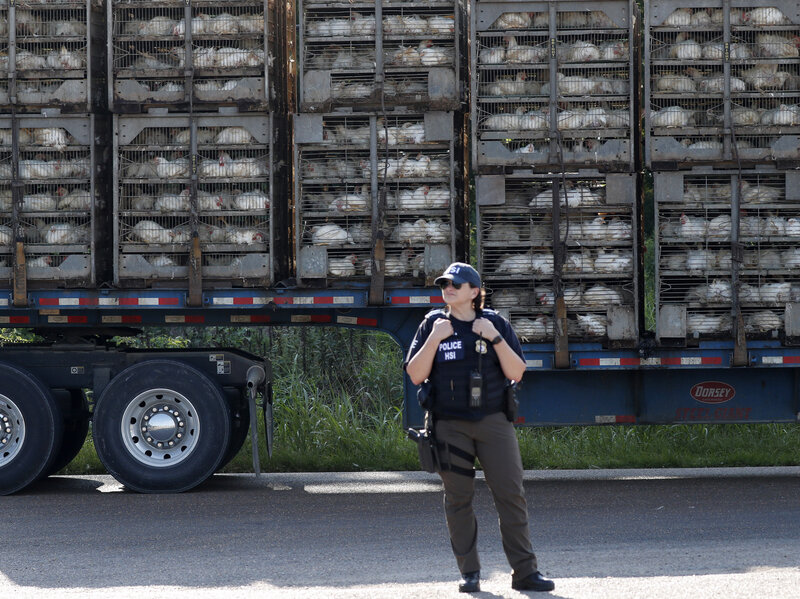
A trailer loaded with chickens passes a federal agent outside a Koch Foods plant in Morton, Miss., on Wednesday.

Rogelio V. Solis/AP

Federal agents carried out one of the largest immigration raids in recent history this week, arresting nearly 700 workers at chicken processing plants in Mississippi.

But you can still buy a rotisserie bird at your local supermarket tonight for less than $10.

So far, the government crackdown has had little effect on the wider food-processing industry, a dangerous business which is heavily reliant on immigrant labor.

The Trump administration says its crackdown helps discourage illegal immigration. But workers’ advocates warn it leaves vulnerable employees open to exploitation and unsafe working conditions.

“Americans really need to think about where their chicken and where their beef and their pork comes from and really demand that the industry raise labor standards,” says Debbie Berkowitz, who directs a health and safety program at the National Employment Law Project.

Authorities raided seven Mississippi poultry plants on Wednesday, arresting 680 people suspected of living in the country illegally. So far, no charges have been brought against the five companies that run the plants, although federal officials say that could change as the investigation is ongoing.

The Trump administration has focused considerable resources on workplace immigration probes. Investigations and audits more than tripled last year, and arrests of workers rose even more. But there was no comparable increase in the number of employers cited.

“These enforcement actions are always aimed toward the workforces,” says Ted Genoways, whose 2014 book The Chain focuses on the food processing industry. “No one ever seems to ask how it is that a company comes to employ a factory full of people who do not have legal immigration status.”

Genoways says that’s reminiscent of other high-profile raids on a meatpacking plant in Postville, Iowa, in 2008 and at half-a-dozen Swift plants in 2006.

“In all those cases, there were work stoppages, huge numbers of people swept up, families divided, but little to no consequences for the people who did the hiring,” he says. “And those plants were back up and in production in fairly short order.”

Koch Foods, one of the companies raided in Mississippi this week, said in a statement that it closed for one shift on Wednesday, but planned to keep operating to “minimize customer impact.” The company also advertised a hiring fair in Mississippi next Monday, and advised job applicants to bring two forms of ID.

Koch Foods — no relation to the Koch Brothers — paid nearly $4 million last year to settle a complaint brought by the Equal Employment Opportunity Commission. Latina workers at the company’s plant in Morton, Miss., accused the company of both racial and sexual harassment. The company admitted no wrongdoing.

Another of the companies raided this week, Peco Foods, had two workers suffer amputations last year at a chicken processing plant in Arkansas.

The chicken industry boasts that its processing plants have gotten safer. The rate of workplace injuries was cut by half between 2003 and 2016. But poultry workers are still twice as likely to suffer serious injuries and six times as likely to contract a workplace illness as other private-sector employees.

Berkowitz, who was chief of staff at OSHA during the Obama administration, says those numbers are likely understated, because of declining government inspections.

“The industry is totally dependent on finding workers who will not raise issues and who, to a degree, live in fear of the company and they’ll just keep their head down and do the work,” Berkowitz says. “For the last 30 years that’s been immigrant labor.”

A quarter-century ago, the late journalist Tony Horowitz documented the miserable conditions in a chicken processing plant in a Pulitzer Prize-winning story for the The Wall Street Journal. Industry observers say little has changed since then.

“On a good day, the work is repetitive and stressful,” Genoways says. “On a bad day, if there’s a single mistake made by anyone in a group, there’s a high risk of accident.”

If anything, the pressure on workers has only increased, as processing lines move ever faster.

“Meatpacking remains one of the most dangerous jobs in America,” Genoways says. “And because of that, for really more than a century it’s been a job that’s very often done by first-generation immigrants who are just looking for a foot in the door and a way up the economic ladder in America.”

Protester interrupts Jeff Bezos event to plead for ‘abused’ chickens

A protester interrupted a keynote interview with Jeff Bezos at Amazon’s re:MARS conference in Las Vegas last week to plead with the billionaire executive to help “abused” chickens.

The protester, identified as Priya Sawhney of Direct Action Everywhere, walked on stage to plead with the Amazon CEO about the welfare of chickens in factory farms.

“I am Priya Sawhney and I have been inside Amazon’s chicken farms where animals are criminally abused and I’m asking you today …” Sawhney said before security agents swarmed her and ushered her offstage.

“Jeff, please, you’re the richest man on the planet. You can help the animals,” Sawhney can be heard shouting from backstage.

Amazon does not own any chicken farms, but it does source chicken products from businesses that DXE has targeted with protests, such as Petaluma Poultry and Pitman Family Farms.

The 9th National Animal Rights Day will be celebrated on Sunday June 2, 2019

,in 30 cities around the world!


Protesters solemnly holding out dead animals

Join Karen Davis and United Poultry Concerns at the 9th National Animal Rights Day (NARD) NYC! Karen will speak “For the Birds – From Exploitation to Liberation. How Do We Get There?”

http://upc-online.org/activism/190529_the_9th_national_animal_rights_day_will_be_celebrated_on_sunday_june_2_2019.html

Date:
Sunday, June 2, 2019 starting at 11:30am.

Place:
Union Square Park @ 17th Street between Broadway and Park Avenue South in Manhattan.

Call to Action:
NYC folks- we are just a few days away from the Ninth Annual National Animal Rights Day, which began in New York City 9 years ago!

Come join us as we stand in solidarity with 30 other cities around the world to commemorate the BILLIONS of animals who are killed at the hands of humans every year and honor them in their death in a respectful, silent and powerful ceremony. Following the ceremony there will be motivational speakers, performers, free vegan food, raffle prizes, and more to help educate the public about how we can protect our planet and change the world for animals starting with living a cruelty-free lifestyle. For more information about our mission and past events, please check out our website at www.thenard.org.

Gravestone for 64 billion land animals and one trillion water animals

Photo courtesy of Mary Finelli of www.fishfeel.org


Breaking news: Washington governor signs historic law to end cage confinement of egg-laying hens

https://blog.humanesociety.org/2019/05/breaking-news-washington-governor-signs-historic-law-to-end-cage-confinement-of-egg-laying-hens.html

May 7, 2019

Washington Gov. Jay Inslee has just signed into law the strongest protections for egg-laying hens ever passed in any state legislature. This historic win will benefit approximately eight million hens each year, freeing them from cage confinement by the end of 2023. The measure builds upon our previous work in states like California and Massachusetts where voters have passed transformational ballot measures against the cage confinement of farm animals in recent years.

Washington’s new law phases out the production and sale of eggs from caged hens, regardless of where the eggs were produced.

In a typical cage facility, each bird has less space than the dimensions of an iPad on which to live her entire life. While cage-free does not equal cruelty-free, this measure will significantly reduce the birds’ suffering. In addition to banning cages and requiring more space per bird, the law also mandates that hens be provided with vital enrichments, including scratch areas, perches, nesting and dust bathing areas.

The HSUS has spearheaded the passage of this law and others in a dozen states — from Florida to Ohio to Arizona — to eliminate extreme confinement. These successes bolster the work we have done with some of the largest food corporations in recent years, both in the United States and globally, to end cruel cage confinement practices by their suppliers. As a result, lawmakers and corporations are increasingly realizing that the future is cage-free.

In Washington, we partnered with Democratic and Republican legislators, key stakeholders in the agricultural sector, and other leading animal protection groups to ensure the bill’s success. It is a remarkable illustration of how good people in all walks of life can come together to create lasting and transformational change for animals. The HSUS will continue to work with lawmakers, non-government organizations, volunteers, donors and other members of the public to continue paving the way toward this more humane reality.

Let’s take a moment to celebrate today’s remarkable win for animals. But let’s also keep in mind that billions of farm animals around the world are still suffering in cruel cages. The laws in Washington, California and Massachusetts set a great precedent for other states and countries to follow, and further support corporate policy commitments reforming how farm animals are raised. Let’s keep the momentum going as we work toward the day when no farm animal is locked in a cage.

Tyson Chicken recalls almost 12 million pounds of frozen chicken


Photo credit: MGN

EDITOR’S NOTE: This release is being reissued as an expansion of the March 21, 2019 recall, which consisted of 69,093 pounds of frozen, ready-to-eat chicken strip products. The scope of this recall expansion now includes more information and an additional 11,760,424 pounds of product.

Tyson Foods, Inc., a Rogers, Ark. establishment, is recalling approximately 11,829,517 million pounds of frozen, ready-to-eat chicken strip products that may be contaminated with extraneous materials, specifically pieces of metal, the U.S. Department of Agriculture’s Food Safety and Inspection Service (FSIS) announced today.

The frozen, ready-to-eat chicken strip items were produced on various dates from Oct. 1, 2018 through March 8, 2019 and have “Use By Dates” of Oct. 1, 2019 through March 7, 2020. The chart contains a list of the products subject to recall.

The products subject to recall bear establishment number “P-7221” on the back of the product package. These items were shipped to retail and Department of Defense locations nationwide, for institutional use nationwide and to the U.S. Virgin Islands.

The problem was discovered when FSIS received two consumer complaints of extraneous material in the chicken strip products. FSIS is now aware of six complaints during this time frame involving similar pieces of metal with three alleging oral injury.

Anyone concerned about an injury or illness should contact a healthcare provider.

FSIS is concerned that some product may be in consumers’ freezers. Consumers who have purchased these products are urged not to consume them. These products should be thrown away or returned to the place of purchase.

FSIS routinely conducts recall effectiveness checks to verify recalling firms notify their customers of the recall and that steps are taken to make certain that the product is no longer available to consumers. When available, the retail distribution list(s) will be posted on the FSIS website at www.fsis.usda.gov/recalls.

Consumers with questions about the recall can contact Tyson Foods Consumer Relations at 1-866-886-8456. Members of the media with questions about the recall can contact Worth Sparkman, Public Relations Manager, Tyson Foods, Inc., at Worth.Sparkman@Tyson.com (479) 290-6358.

Consumers with food safety questions can “Ask Karen,” the FSIS virtual representative available 24 hours a day at AskKaren.gov or via smartphone at m.askkaren.gov.

The toll-free USDA Meat and Poultry Hotline 1-888-MPHotline (1-888-674-6854) is available in English and Spanish and can be reached from 10 a.m. to 6 p.m. (Eastern Time) Monday through Friday.

Recorded food safety messages are available 24 hours a day. The online Electronic Consumer Complaint Monitoring System can be accessed 24 hours a day at http://www.fsis.usda.gov/reportproblem.