Exposing the Big Game

Forget Hunters' Feeble Rationalizations and Trust Your Gut Feelings: Making Sport of Killing Is Not Healthy Human Behavior

Exposing the Big Game

US and Canadian Bird Population Dropped by Nearly 3 Billion in 48 Years

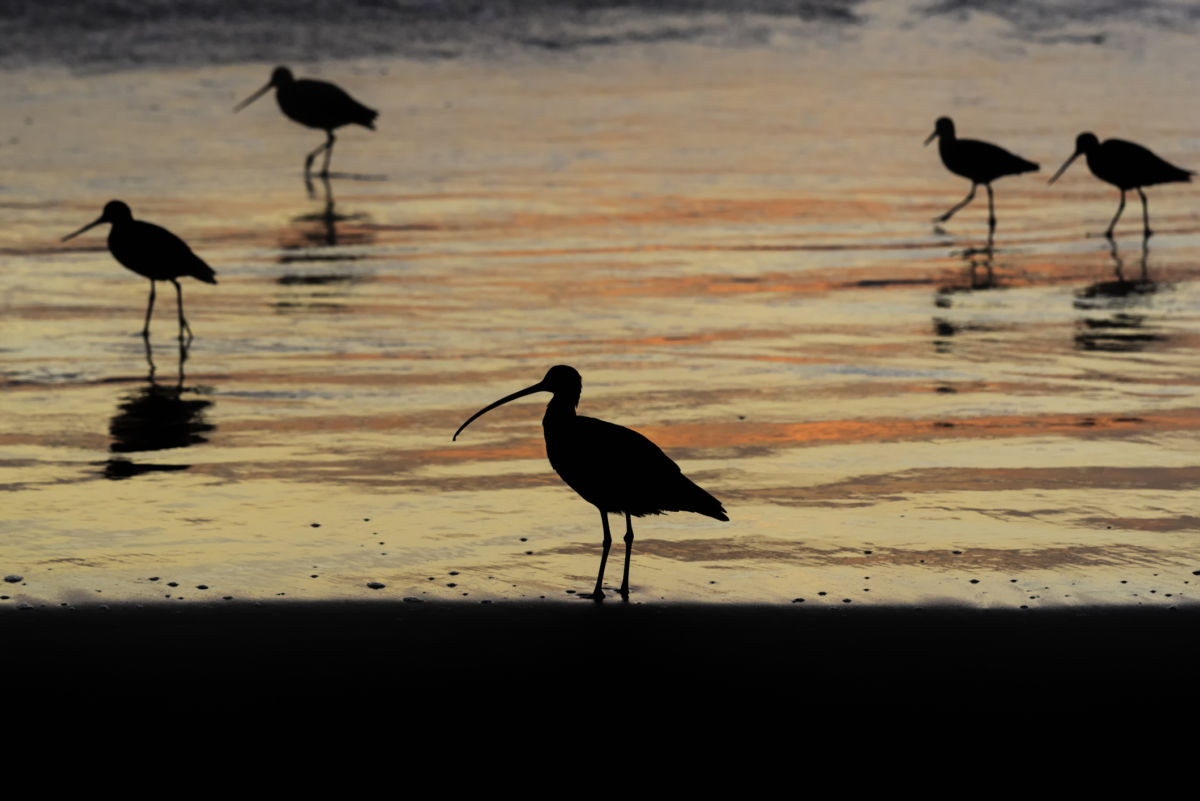
America’s birds have taken wing. Ornithologists calculate that in the past 48 years, total U.S. bird numbers, reckoned together with Canada’s, have fallen drastically. There are now 2.9 billion birds fewer haunting North America’s marshes, forests, prairies, deserts and snows than there were in 1970. That is, more than one in four has flown away, perhaps forever.

Birds are one of the better observed species. Enthusiastic amateurs and trained professionals have been carefully keeping note of bird numbers and behaviour for a century or more.

A flock of avian scientists reports in the journal Science that they looked at numbers for 529 species of bird in the continental U.S. and Canada to find that while around 100 native species had shown a small increase, a total of 419 native migratory species had experienced dramatic losses.

Swallows, swifts, nightjars and other insectivores are in decline, almost certainly because insect populations are also in trouble.

Grassland birds are down 53%: more than 720 million fewer. Radar records of spring migrations suggest that these have dropped by 14% just in the last decade. More than a billion birds have deserted the American forests.

The 529 species studied were spread across 67 bird families, and of these 37 were less abundant than they had been. Where there had been concerted efforts at bird conservation, numbers were on the increase, especially for waterfowl and some of the raptors, such as the bald eagle, but while the gains are measured in millions, the losses are counted in billions.

“Multiple, independent lines of evidence show a massive reduction in the abundance of birds,” said Ken Rosenburg of Cornell University’s ornithology laboratory, who led the study.

“We expected to see continuing declines of threatened species. But for the first time, the results showed pervasive losses among common birds across all habitats, including backyard birds.”

That America’s birds are in trouble is not news. Nor is the loss of the planet’s living things confined to the U.S.: researchers have warned that, worldwide, a million or more species of plant and animal face extinction.

Pest Control

Climate change creates unexpected hazards: as northern hemisphere springs get ever earlier, migrant birds may arrive too late to take full advantage of supplies of caterpillars, aphids or other foods. Birds have an important role in ecosystems: they control pests, they disperse seeds and they are themselves food for other predators.

The researchers argue that all is not lost: conservation action and legislation has been shown to work, but as ever more natural habitat is destroyed, as sea levels rise to damage coastal wetlands, as global temperature rises begin to change local climates, there needs to be much more urgency in response.

“These data are consistent with what we are seeing elsewhere with other taxa showing massive declines, including insects and amphibians,” said Peter Marra, one of the authors, once of the Smithsonian Museum and now at Georgetown University in the U.S.

“It’s imperative to address immediate and ongoing threats, both because the domino effect can lead to the decay of ecosystems that humans depend on for our own health and livelihoods – and because people all over the world cherish birds in their own right. Can you imagine a world without birdsong?”
The Companies Behind the Burning of the Amazon

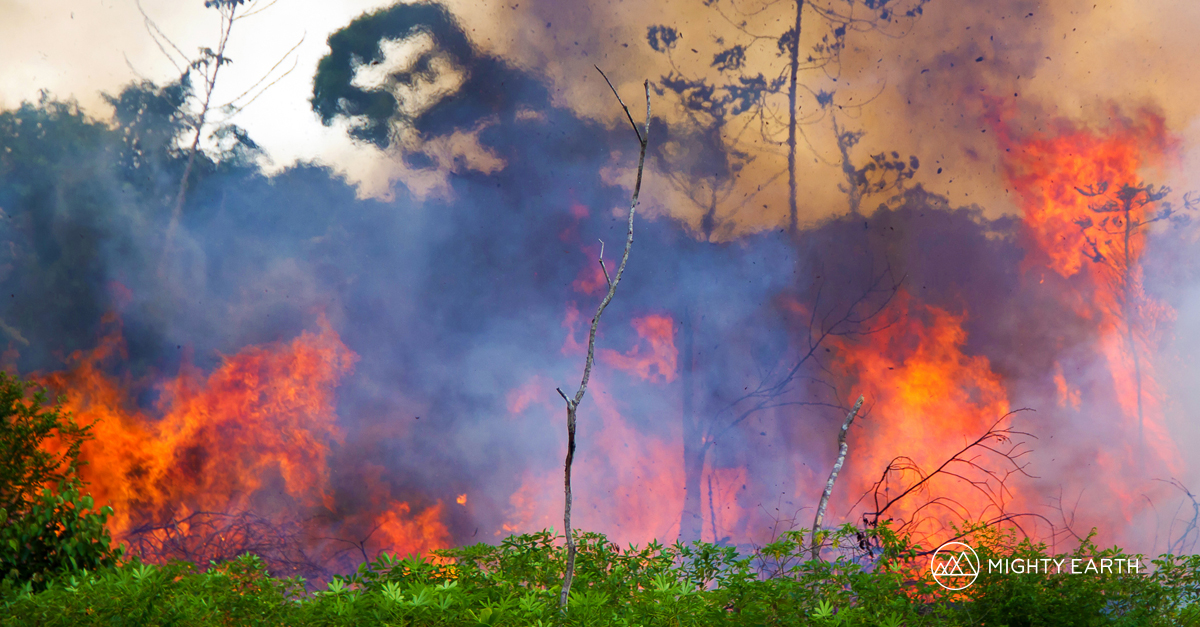
The burning of the Amazon and the darkening of skies from Sao Paulo, Brazil, to Santa Cruz, Bolivia, have captured the world’s conscience. Much of the blame for the fires has rightly fallen on Brazilian President Jair Bolsonaro for directly encouraging the burning of forests and the seizure of Indigenous Peoples’ lands.

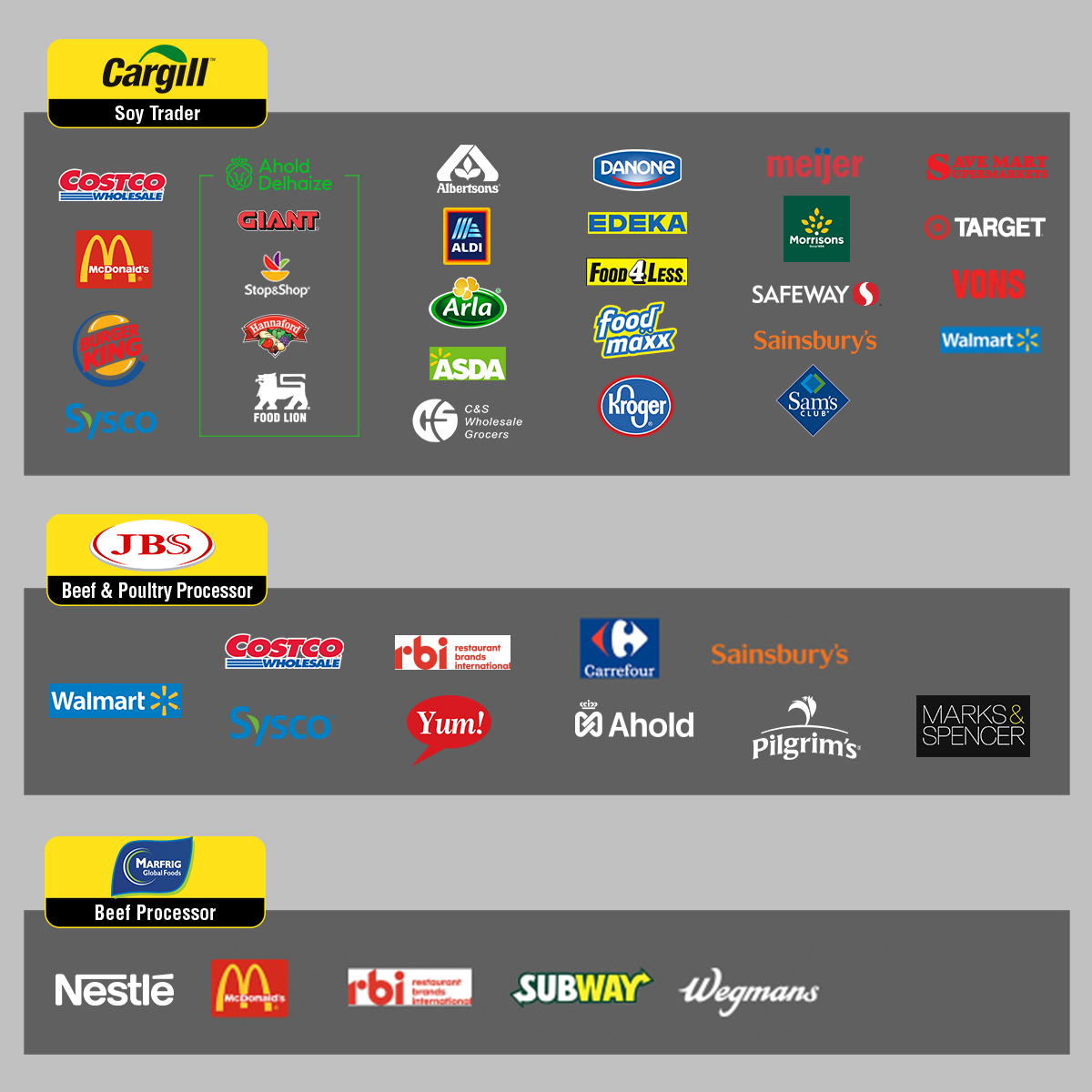
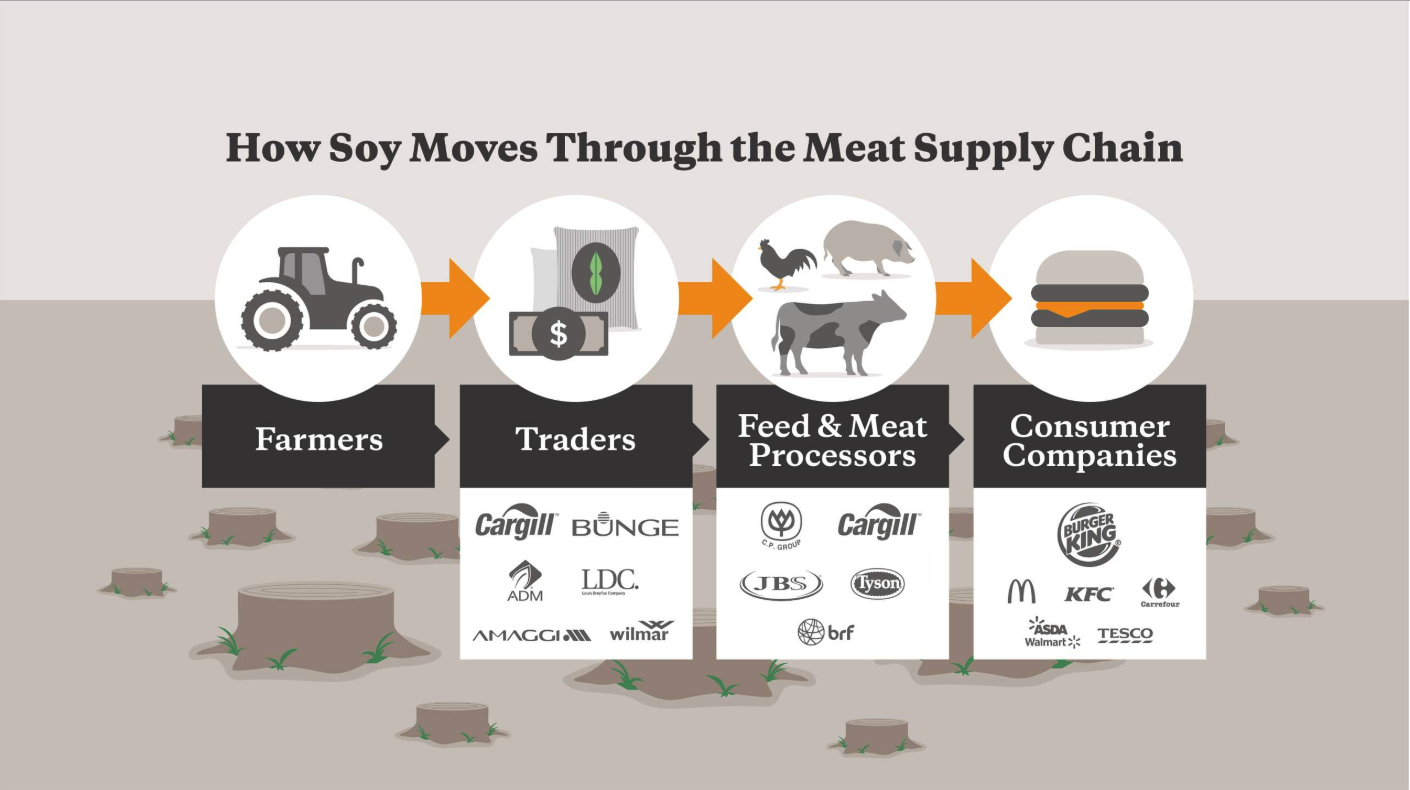
But the incentive for the destruction comes from large-scale international meat and soy animal feed companies like JBS and Cargill, and the global brands like Stop & Shop, Costco, McDonald’s, Walmart/Asda, and Sysco that buy from them and sell to the public. It is these companies that are creating the international demand that finances the fires and deforestation.

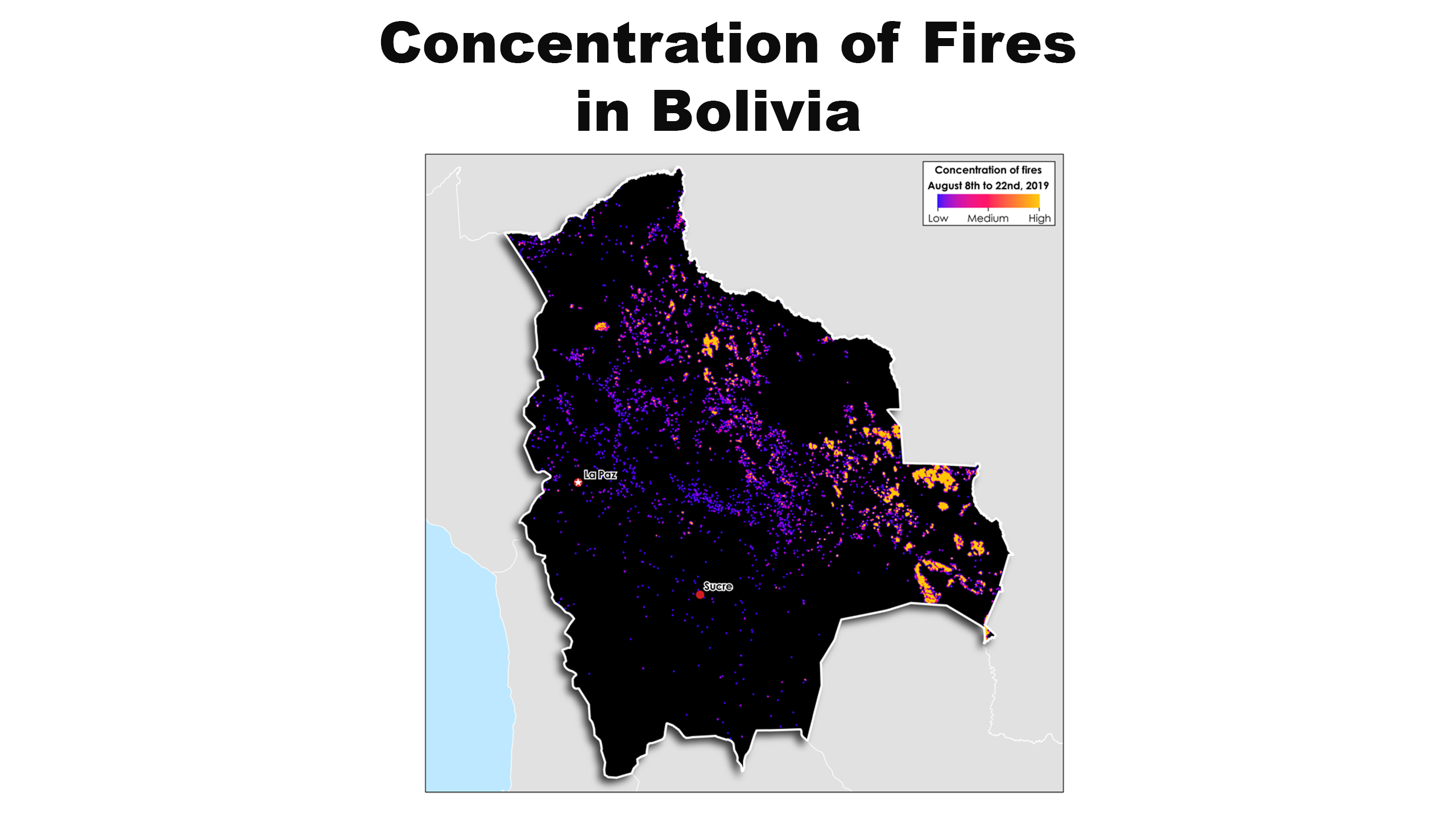
The transnational nature of their impact can be seen in the current crisis. Their destruction is not confined to Brazil. Just over the border, in the Bolivian Amazon, 2.5 million acres have burned, largely to clear land for new cattle and soy animal feed plantations, in just a few weeks. Paraguay is experiencing similar devastation.

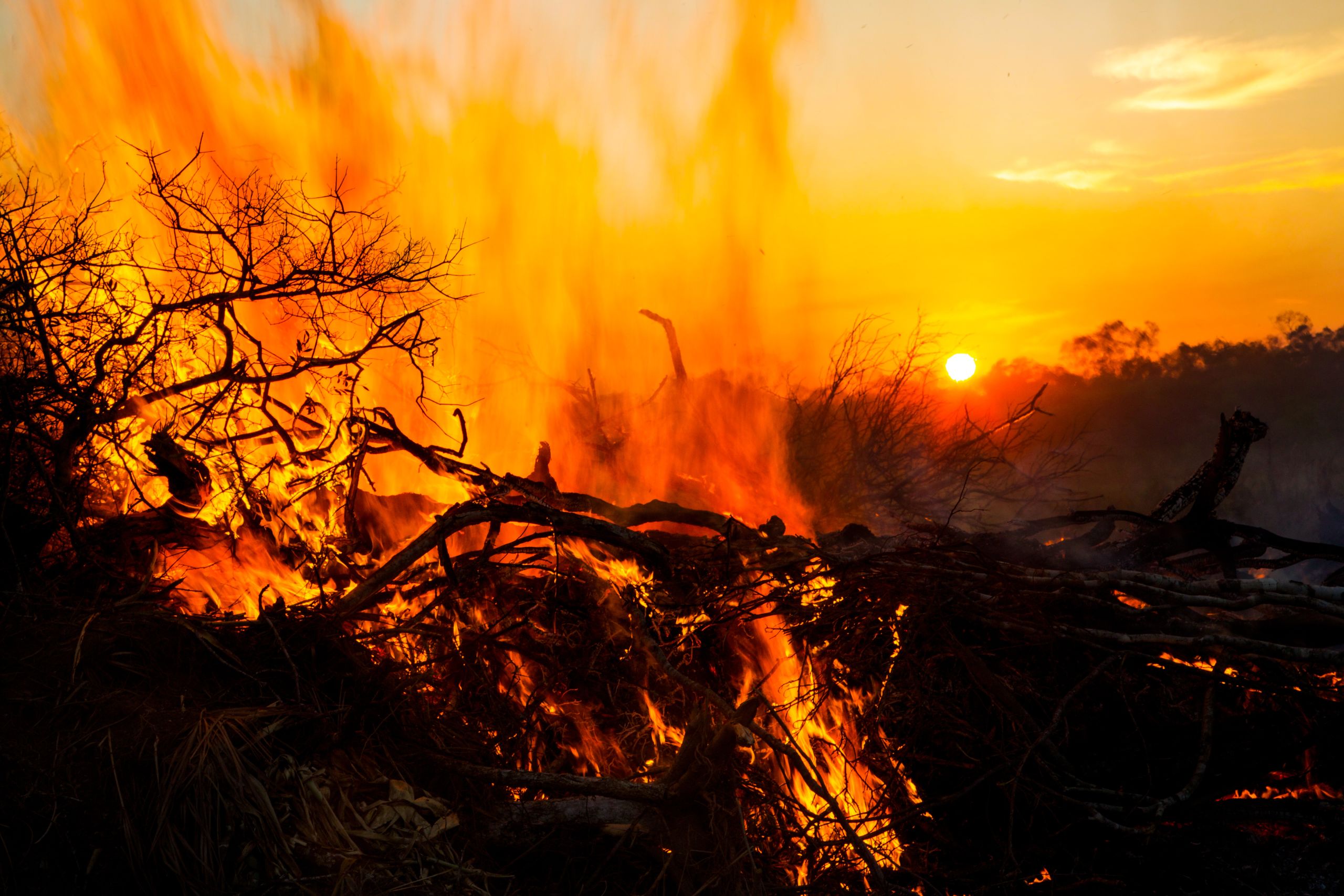
Logs burn at sunset in Bolivia. Photo Credit: 2017, Jim Wickens/Ecostorm

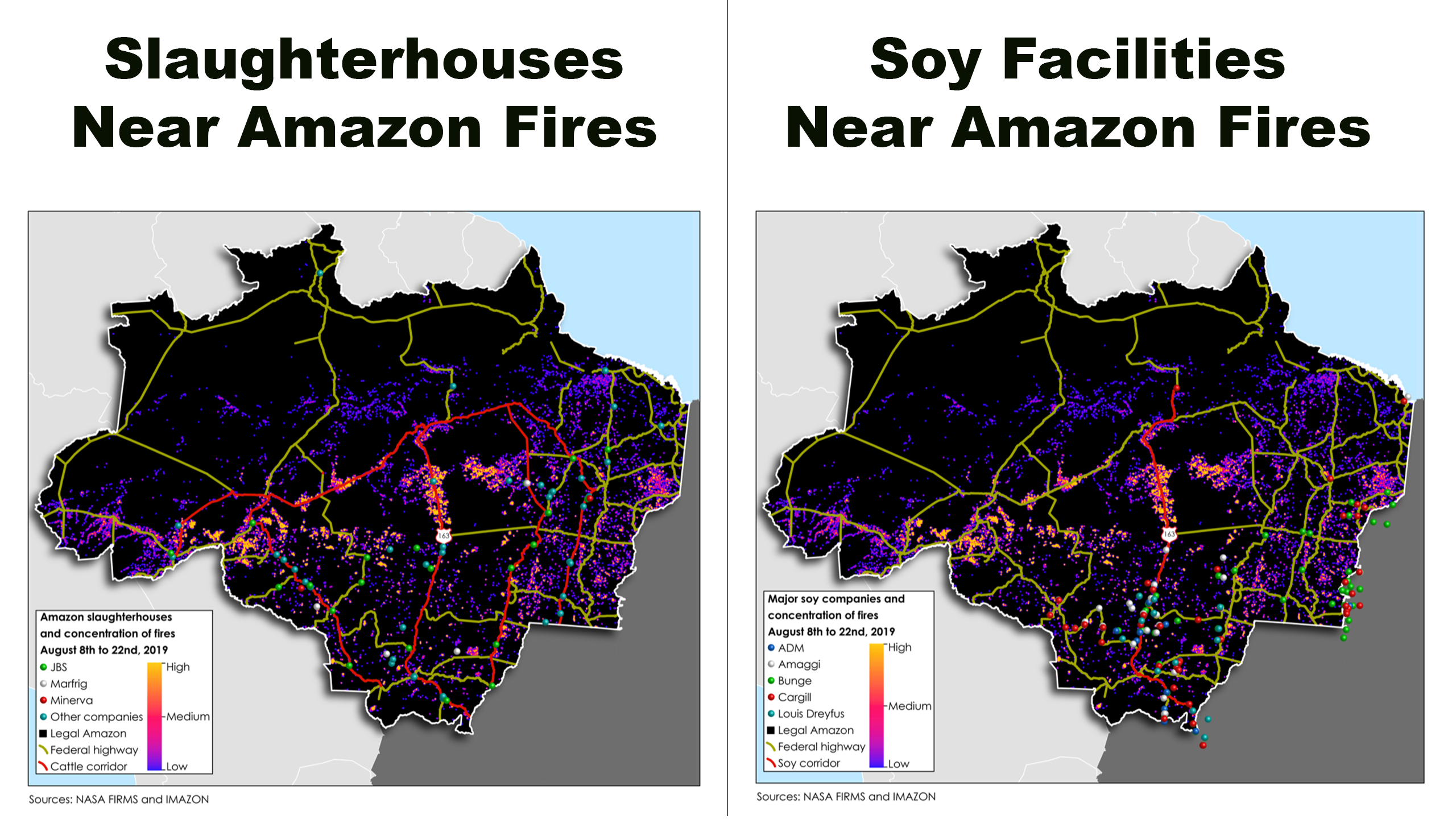
New maps and analysis from Mighty Earth, based on data from NASA, CONAB, and Imazon and released here for the first time, show which companies are most closely linked to the burning:

Cattle

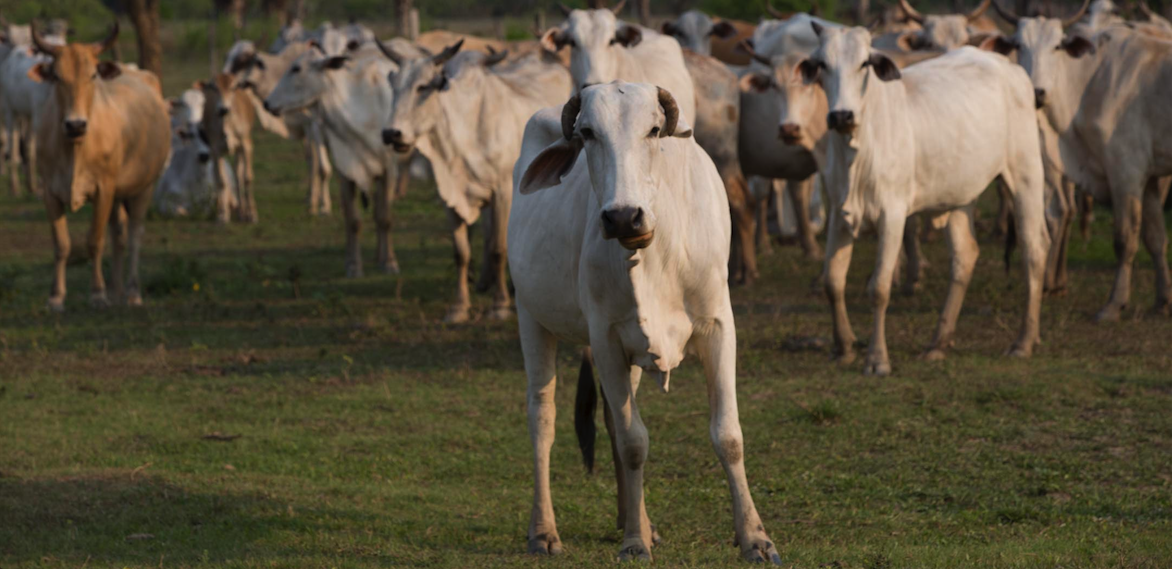
Both domestic and international demand for beef and leather has fueled the rapid expansion of the cattle industry into the Amazon. From 1993 to 2013, the cattle herd in the Amazon expanded by almost 200%  reaching 60 million head of cattle. While deforestation for cattle had been reduced thanks to both private sector and government action, the new wave of deforestation this year shows that the large international beef and leather companies and their customers and financiers continue to create markets for deforestation-based cattle.

The effects of this demand can be seen in the clustering of deforestation near slaughterhouses and roads that have access to slaughterhouses. The company most exposed to deforestation risk in the maps above is JBS,  both Brazil’s largest meatpacker, and the world’s largest meat company. JBS, like other major Brazilian meatpackers signed the 2009 Cattle Moratorium, pledging not to buy beef from cattle connected to deforestation. However,  investigations by government and NGOs have repeatedly found serious violations by JBS, including through laundering cattle.

These scandals reached their apotheosis with the Cold Meat (Carne Fria) scandal in 2017, in which the Brazilian government enforcement agencies produced extensive evidence showing that JBS was sourcing cattle from protected areas.  This and other investigations found that JBS violated both government and its own policies by buying laundered cattle that had been raised in areas linked to deforestation and then transported to “clean ranches” to evade the requirements. The two brothers who control the company were imprisoned for their role in corruption scandals in Brazil.
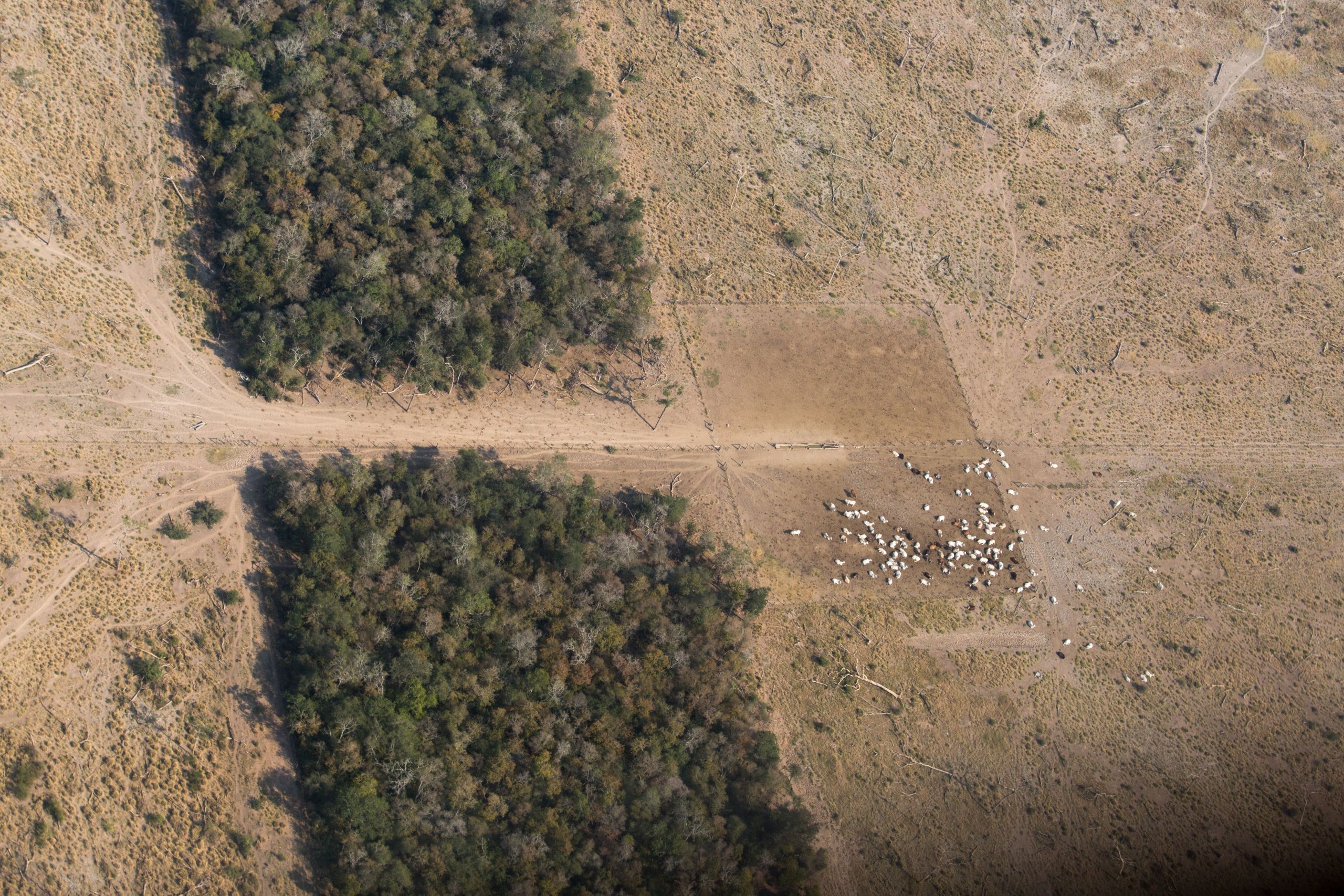
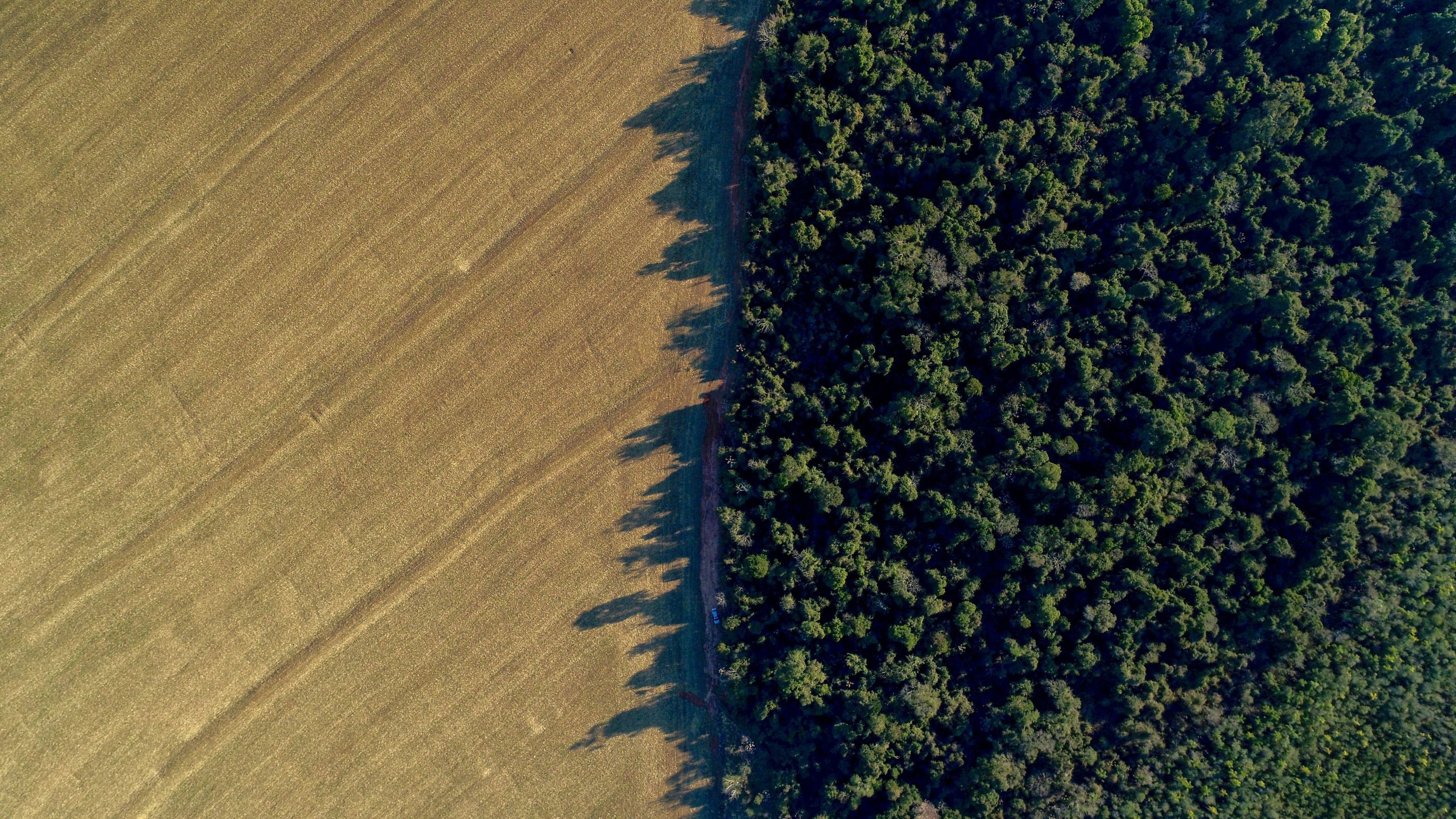
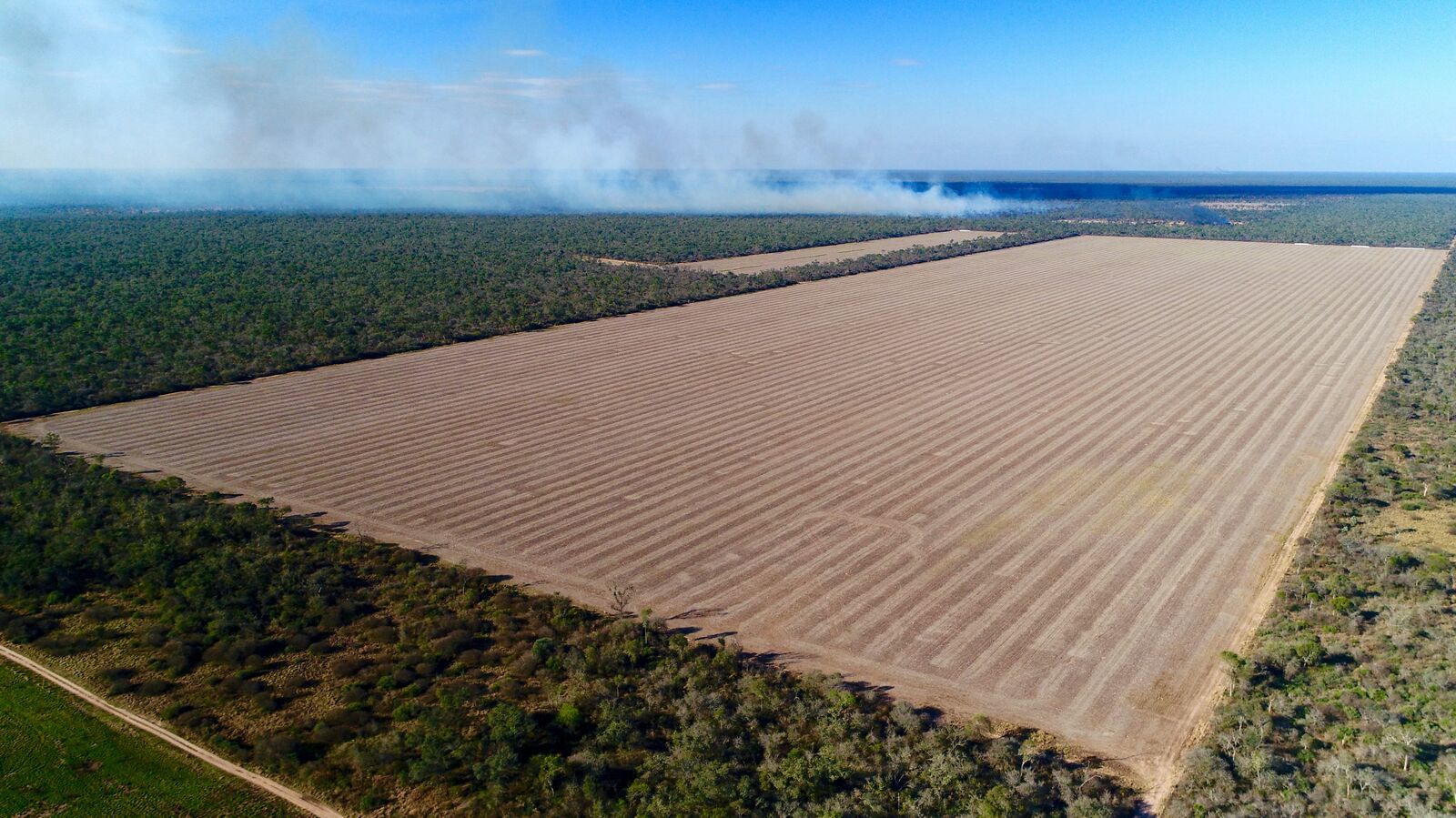
Aerial cattle field and forest edge. Photo credit: Jim Wickens/Ecosotrm

Soy

Soy supply chains work differently from cattle, and that is reflected in the maps above. Much of the current wave of deforestation has happened close to BR-163. Big soy farmers routinely transport their soy down Highway BR-163 to Cargill’s major port at Santarem, where it is put on ships and sent around the world to be fed to livestock in Europe, China, and elsewhere. There are similar dynamics around other highways on the map. Cargill, Bunge and other leading soy traders have participated in the Amazon Soy Moratorium in Brazil for the last dozen years, in which they committed to cease sourcing from suppliers who engaged in deforestation for soy. Overall, the Soy Moratorium has been a major success, virtually eliminating deforestation for soy.

However, the Soy Moratorium contained two major loopholes. First, the big soy traders can continue to purchase soy from farmers who engage in large-scale deforestation, as long as the deforestation is for crops other than soy. The location of the deforestation close to BR-163 suggests that farmers are exploiting this loophole to continue deforestation even as they sell soy to major traders like Cargill and Bunge. The location of the deforestation close to BR-163 suggests that farmers are exploiting this loophole to continue deforestation even as they sell soy to major traders like Cargill and Bunge.

Second, the Soy Moratorium only applies to the Brazilian Amazon. Major soy traders have continued to drive deforestation in the Bolivian Amazon Basin, the Brazilian Cerrado, and the Gran Chaco of Argentina and Paraguay, creating a major incentive for the rapid deforestation in Bolivia in the last several weeks. Mighty Earth’s reports The Ultimate Mystery Meat and Still At It showed Cargill’s extensive links to deforestation in the Bolivian Amazon basin, and its repeated refusal to take action against key suppliers even when confronted with repeated evidence. And as much attention as the Amazon is getting, Brazil’s half a billion acre, highly biodiverse forest-savannah mosaic known as the Cerrado has been even more deforested. While 80% of the Amazon is still intact, cattle, soy and agriculture interests have destroyed more than half of the Cerrado, putting this ecosystem at even greater risk. Mighty Earth found that in the Cerrado, where deforestation has continued, two companies were primarily responsible for driving deforestation, Cargill and Bunge.

Cargill is the largest trader of soy from Brazil and the world’s largest food and agriculture company. Mighty Earth’s July 2019 report The Worst Company in the World profiled Cargill’s extensive deforestation in South America and elsewhere around the world, building on previous investigations in Bolivia, Brazilian Cerrado, Paraguay, and Argentina.

Although Bunge is a bigger player in the Cerrado, across South America – in Bolivia, Paraguay and Argentina, Mighty Earth’s previous analyses of deforestation linked to soy animal feed in South America found Cargill most closely associated with deforestation. The company has refused to discontinue suppliers Mighty Earth found engaged in deforestation after evidence was shared with them, and has bitterly resisted efforts to expand successful industry-wide platforms for monitoring and policing deforestation to South America outside the Brazilian Amazon.

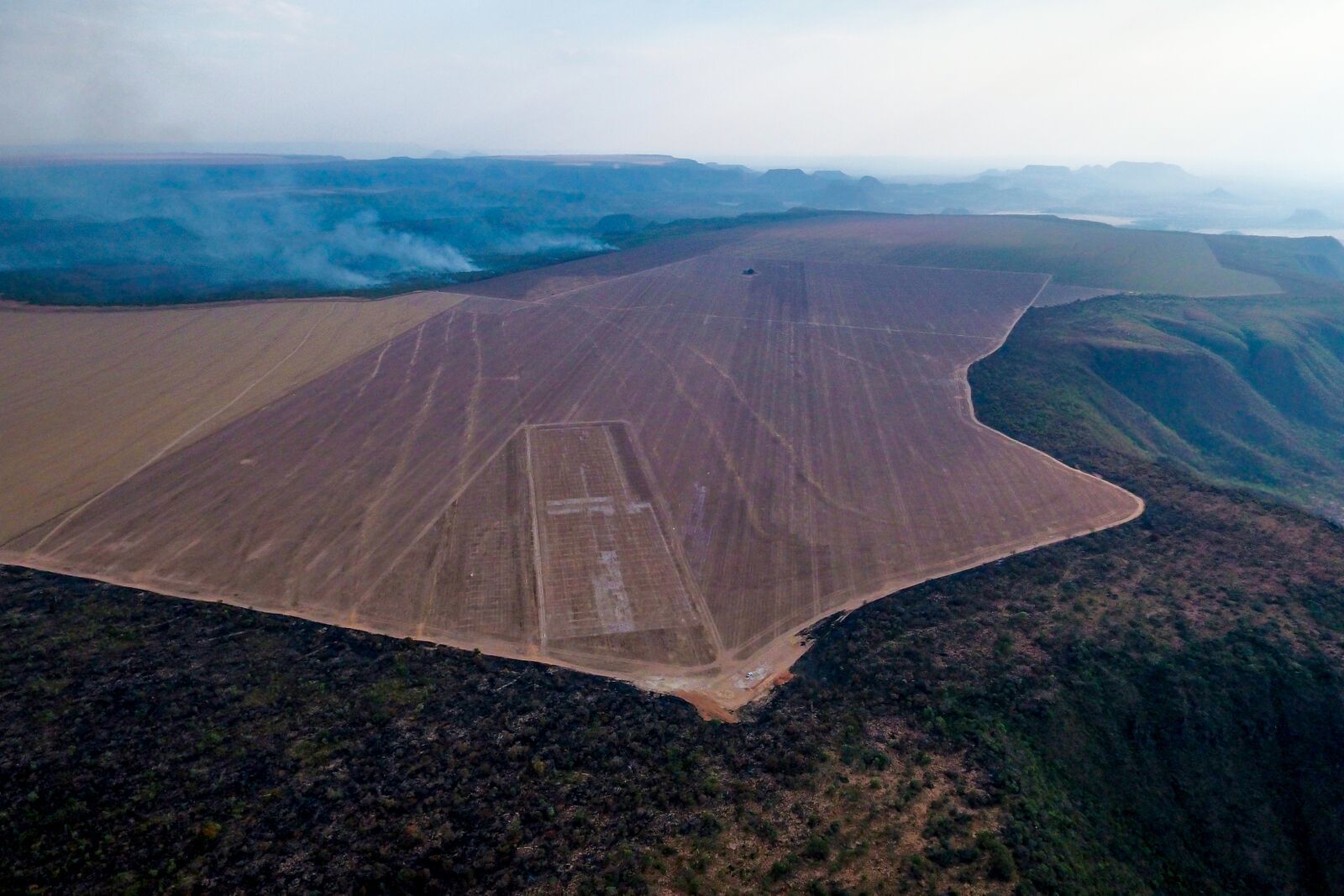
Table top mountains in the Brazilian Cerrado reduced to soy cultivation. Photo credit; Jim Wickens/Ecostorm

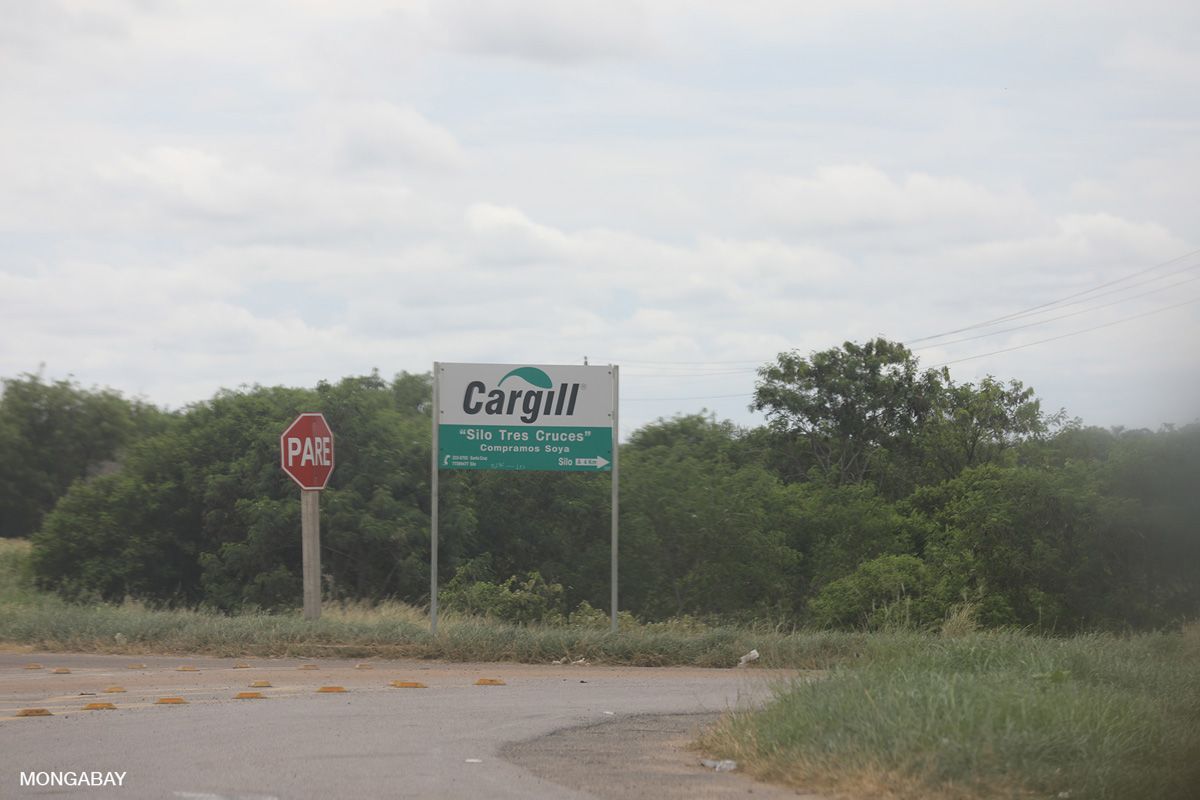
Sign for a Cargill silo in Bolivia reads ‘We buy soy’. Cargill is the biggest privately-held company in the U.S., and while it might not be a household name, people consume its products every day. Photo credit: Jim Wickens/Ecostorm

Five years ago, companies including Cargill, Unilever, and Yum Brands stood on stage at the Climate Summit in New York and proclaimed their commitment to removing deforestation from their supply chains by 2020. So too has the Consumer Goods Forum, whose members include Walmart, Mars and Danone.

They have yet to deliver on this commitment.

Now, with one year until their deadline and the Amazon in flames, it is far past time to act.

These companies must take responsibility for the impacts of their products. They must eliminate the market incentives that promote this reckless environmental destruction.

The Consumer Goods Forum and companies like McDonald’s, Burger King, and Ahold Delhaize – which owns Stop & Shop as well as Hannaford, Food Lion, Pea Pod, and Giant supermarkets – cannot continue to look the other way while the Amazon burns. They should instead source only from suppliers and regions that show evidence of eliminating deforestation. Not in another ten years. Not in five years. Not in one year. Now. Today.

The chart below shows the largest customers of the slaughterhouses and soy animal feed traders most associated with cattle and soy deforestation, respectively.

Brands

Several brands stand out for their contracts and relationships with the suppliers most responsible for deforestation.

Ahold Delhaize: The Netherlands-based supermarket powerhouse owns the brands Stop & Shop, Giant, Food Lion, and Hannaford in the United States and Albert Heijn, Delhaize, Etos, Albert, Alfa-Beta, and others across Europe. While consistently touting its sustainability commitments, Ahold continues selling its customers products from some of the worst companies in the world. With knowledge of Cargill’s ongoing child labor issues and its role in deforestation across South America, Ahold has simultaneously pushed Cargill to do a better job even while launching a joint venture partnership with them to provide the store-branded meat to Stop & Shop stores. In addition, Ahold Delhaize conducted business worth a whopping $113 million with JBS in 2019 through food sales and other partnerships.

As egregious as Ahold Delhaize’s actions are, they are not alone:

McDonald’s: McDonald’s is probably Cargill’s largest and most important customer. McDonald’s restaurants are essentially storefronts for Cargill. Cargill not only provides chicken and beef to McDonald’s, they prepare and freeze the burgers and McNuggets, which McDonald’s simply reheats and serves.

Sysco: With $55 billion in annual revenue, Sysco is the world’s largest distributor of food products to restaurants, healthcare facilities, universities, hotels, and inns. Despite claiming that they will “protect the planet by advancing sustainable agriculture practices, reducing our carbon footprint and diverting waste from landfill, in order to protect and preserve the environment for future generations,” they have honored Cargill as their most valued supplier of pork and beef and did $525 million worth of business with JBS in 2019 through sales and other partnerships.

Costco: Both JBS and Cargill list Costco as one of their top customers. Popular with families and small business owners, it ranks as the world’s third largest retailer. Costco states that it “has a responsibility to source its products in a way that is respectful to the environment and to the people associated with that environment.” According to their website, “Our goal is to help provide a net positive impact for communities in commodity-producing landscapes, by doing our part to help reduce the loss of natural forests and other natural ecosystems, which include native and/or intact grasslands, peatlands, savannahs, and wetland.” Nevertheless, according to Bloomberg, Costco conducted $1.43 billion worth of business with JBS in 2019.

Burger King/Restaurant Brands International: Burger King’s practice of selling meat linked to Cargill and other forest destroyers has earned the fast food giant a ‘zero’ on the Union of Concerned Scientists deforestation scorecard. Burger King has asked Cargill to stop destroying forests in their supply chain…but the deadline isn’t until 2030. It is also a significant customer of JBS. Burger King is part of the Restaurant Brands International (RBI) chain that also includes Tim Horton’s and Popeye’s.

Nestle: Based in Switzerland, Nestle is the largest food and beverage company in the world. Nestle was among the first companies to make zero-deforestation commitments, but only started actually monitoring its supply chains nine years later in 2019 – and only for palm oil, not for soy or pulp/paper. Recently certifying 77 percent of its supply chain as deforestation-free, Nestle continues to buy from Cargill for its pet food subsidiary, Nestle Purina Petcare. Bloomberg data also shows Nestle as one of Marfrig’s top customers.

Carrefour: The French company Carrefour is one of the world’s largest supermarket chains, the majority owner of the largest supermarket chains in Brazil, and at risk for cattle-driven deforestation. It has significant supply chain links to Cargill and JBS. Carrefour has committed to eliminating deforestation from its products by 2020, but the policy does not apply to processed or frozen beef products—which means that only around half of Carrefour’s beef distribution in Brazil is covered by its zero-deforestation policy.  According to Chain Reaction Research, 35 percent of the beef and beef products it sampled came from slaughterhouses located within the Legal Amazon including a 2.3 percent from high-risk slaughterhouses.

Casino: Casino, which owns Pão de Açúcar, is a French supermarket giant that prizes its reputation for sustainability in its home country. But as the second-largest supermarket chain in Brazil, it continues to purchase from Cargill, Bunge, and Brazil’s major cattle suppliers.

Walmart: Arkansas-based corporation Walmart is the single-largest company in the world by revenue, and also the largest private employer. Walmart also has a major presence in the UK, through its wholly-owned subsidiary ASDA. Walmart’s stated policy is “as a member of the Consumer Goods Forum, we supported the resolution to achieve zero net deforestation in our supply chain by 2020,encourage our suppliers of [beef, soy, palm oil, pulp and paper] products to work to source products produced with zero net deforestation. We ask suppliers to avoid ancient and endangered forests, to encourage conservation solutions, and to increase recycled content.” Nevertheless, Walmart conducted business with JBS worth $1.68bn in 2018 and remains a leading customer of Cargill meats and other products.

E. Leclerc: E.Leclerc is a French retail chain, with more than 600 locations in France and more than 120 stores outside of the country. Of the supermarket chains in France, Leclerc has perhaps the least robust sustainability policies. A recent report by SherpaFrance Nature Environment and Mighty Earth shows Leclerc failing on soy sustainability measures across the board. The company refuses to join industry calls to protect the endangered Cerrado, has not fulfilled legal obligations to disclose its sources, and has neither develop an alert mechanism to identify risk or follow up on deforestation alerts provided by others.  E.Leclerc’s latest sustainability report makes no commitments on meat sourcing, or any other commodity but palm oil.

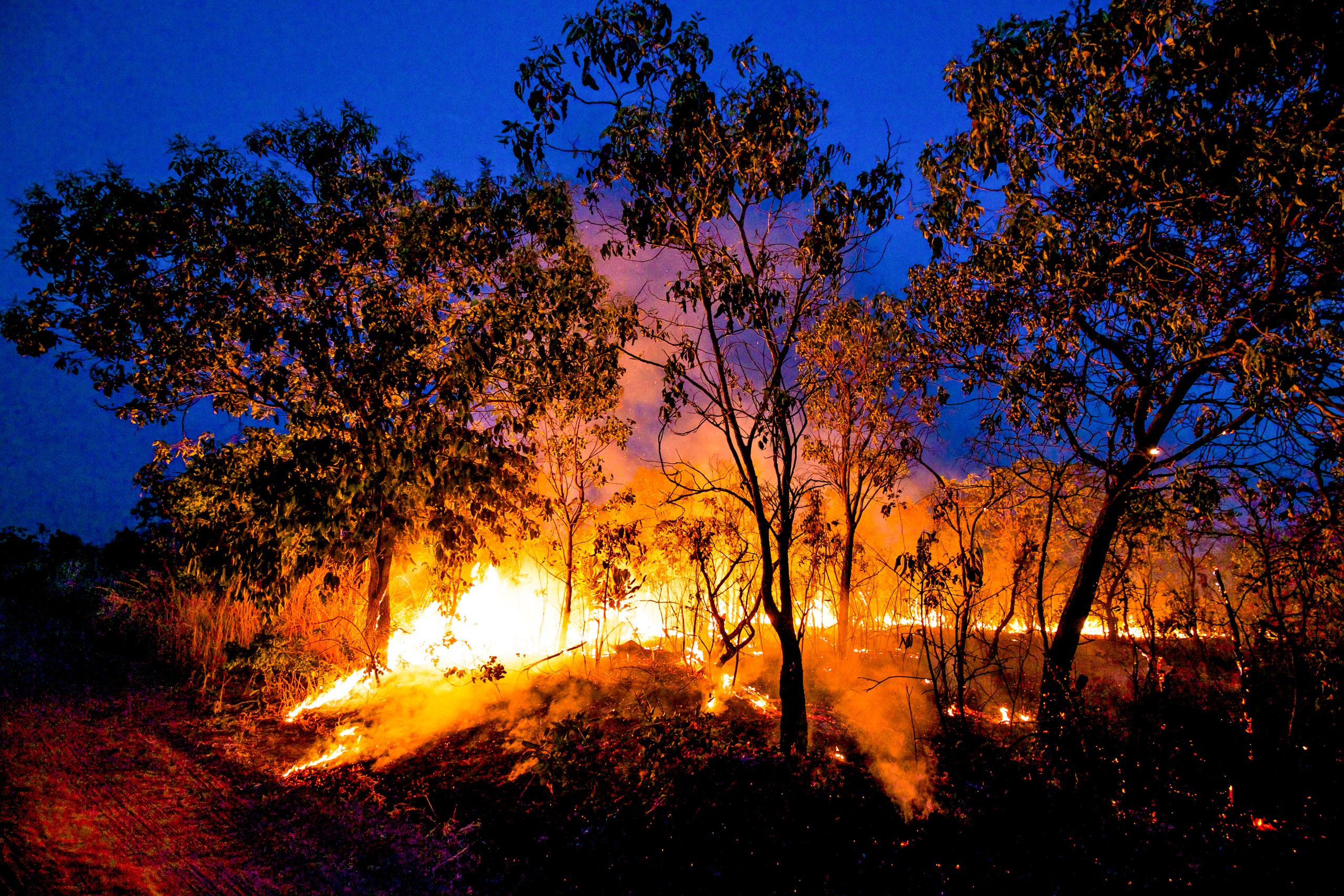
By night forest fires can be seen for miles, tearing through Brazil’s Cerrado ecosystems. Photo credit: 2017, Jim Wickens/Ecostorm

A Preventable Disaster

While the rate of burning has increased dramatically in the last several months in response to Bolsonaro’s policies, these companies have been driving deforestation for years across South America. In many cases, they have bitterly resisted efforts to create systems that would allow for agriculture to expand without deforestation.

Bolsonaro’s mobilization of the army to fight the fires may help in the short term, as will Bolivian president Evo Morales’ new willingness to accept international help to fight fires. But as long as these international companies are creating a market for beef, pork, and chicken that is indifferent to deforestation, this type of environmental disaster is likely to continue.

After years of remarkably successful conservation initiatives that cut Brazil’s deforestation rate by two-thirds, Brazil’s president Jair Bolsonaro has reopened the doors to rampant destruction as a favor to the agribusiness lobby that backs him. That industry is accountable for the atmosphere of lawlessness, deforestation, fires, and the murder of Indigenous peoples that followed. According to data released by Brazil’s National Institute for Space Research (INPE), deforestation of the Brazilian Amazon in July 2019 increased 278 percent over the previous July. Bolsonaro responded to this news by firing the head of the INPE.

The recent fires are the latest example of the cattle and soy industries trying to take advantage of a culture of impunity in both Brazil and Bolivia. Since January 2019, more than 74,000 fires have broken out across Brazil – an 85 percent increase from the same point in 2018. In Bolivia, 2.5 million acres have burned in two weeks.

These are not wildfires. Nearly all are the result of intentional land clearing attempts undertaken by ranchers and industrial soy farmers feeding global markets and international companies. In fact, on August 10, farmers in the Amazon held a “Day of Fire” to show their support for Bolsonaro’s policies.

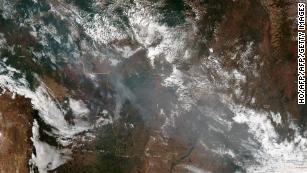
According to the Smithsonian Institute, these fires, which are large enough to see their effects from space, pose a significant threat to the “lungs” of the planet, one of the world’s last best defenses against climate change.

The deforestation crisis in Brazil and Bolivia wouldn’t be happening without companies like Cargill, Bunge, and JBS and their customers – companies like Stop & Shop, McDonald’s, Burger King, and Sysco – who create the market demand that finances the destruction.

Beyond Meat uses climate change to market fake meat substitutes. Scientists are cautious

[These articles never even mention the cruelty issue of animal agriculture, which is the main reason I, and other vegans, boycott meat…]
KEY POINTS
  • As concerns mount over the dangers of a rapidly warming planet, upstart food companies are targeting a major climate-damaging food: beef.
  • Beyond Meat and its privately held rival Impossible Foods have recently grabbed headlines and fast-food deals for their plant-based burgers that imitate the taste of beef.
  • They’ve also turned the environmental benefits of abstaining from meat into a key marketing tool for their products — drawing some skepticism from environmental researchers who say plant diets are healthier and less carbon emitting than producing processed plant-based products.
  • “Beyond and Impossible go somewhere towards reducing your carbon footprint, but saying it’s the most climate friendly thing to do — that’s a false promise,” said Marco Springmann, a senior environmental researcher at the University of Oxford.
GP: Impossible Burger at Burger King 190808
In this photo illustration, the new Impossible Whopper sits on a table at a Burger King restaurant on August 8, 2019 in Brooklyn, New York.
Drew Angerer | Getty Images

As concerns mount over the dangers of a rapidly warming planet, upstart food companies are targeting a major climate-damaging food: beef.

Beyond Meat and its privately held rival Impossible Foods have recently grabbed headlines and fast-food deals for their plant-based burgers that imitate the taste of beef.

They’ve also turned the environmental benefits of abstaining from meat into a key marketing tool for their products — drawing some skepticism from environmental researchers who say plant diets are healthier and less carbon emitting than producing processed plant-based products.

Animal agriculture is responsible for 14.5% of global greenhouse emissions, according to the United Nations’ Food and Agriculture Organization, with 65% of those emissions coming from beef and dairy cattle. Scientists warn that climate change will trigger an international food crisis unless humans change the way they produce meat and use land.

While companies producing imitation meat boast of the environmental benefits, some researchers point out that for people wanting to substantially lower their carbon footprint, having unprocessed plant-based diets instead of eating imitation products is healthier and better for the planet.

Beyond and Impossible use different sources of proteins to create their meatless meats. Beyond primarily works with protein from peas, while Impossible uses genetically modified soy.

“It makes sense to develop alternatives to beef, because we have to change our eating habits to more plant-based diets if we want to limit global warming to under 2 degrees Celsius. Impossible and Beyond tap into this market,” said Marco Springmann, a senior environmental researcher at the University of Oxford.

“However, while their processed products have about half the carbon footprint that chicken does, they also have 5 times more of a footprint than a bean patty,” he said. “So Beyond and Impossible go somewhere towards reducing your carbon footprint, but saying it’s the most climate friendly thing to do — that’s a false promise.”

VIDEO06:05
Is fake meat a healthier choice?

In fact, a recent landmark report from the Intergovernmental Panel on Climate Change, a group of UN scientists, said that shifting towards plant-based diets would be a critical way to mitigate and adapt to climate change, as simply cutting carbon emissions from automobiles and factories won’t be enough to avert an impending crisis.

“On the consumption side, with people in developed countries wanting more cheap meat, and now in developing countries people wanting cheaper meat — it’s pushing the planet in the wrong direction,” said Hans-Otto Portner, a climatologist who co-chairs the IPCC’s working group on impacts, adaptation and vulnerability.

“It’s not sustainable. It’s a warning signal. If the world wants to keep to the UN’s sustainable development goals by 2030, there is something wrong here, there is a mismatch.”

Millennials driving shift away from meat

On Beyond Meat’s website, “positively impacting climate change” is listed second, behind “improving human health.” The founders of both Beyond and Impossible have named the environment as the motivating factor for creating their businesses.

Mintel found that 16% of U.S. consumers avoid animal products for environmental reasons. That reasoning is much more common with the 18 to 34 year olds, with nearly a quarter of that demographic saying that rationale applied to them.

“There’s a large enough group of millennials where it’s worth it to them to pay for more for their food. They take into account the values of the company, whether it’s best for the environment,” said Kit Yarrow, a professor at Golden Gate University who researches consumer psychology.

Products from Beyond and Impossible target flexitarians – people are looking to consume less meat. For the same reason, if you look for a Beyond Burger in the grocery store, you’re more likely to find it in the meat case than next to other vegan or vegetarian options.

There has been a historical dietary shift away from beef in the U.S. American consumers eat about a third less beef than they did in the 1970s, according to the World Resources Institute.

Promoting dietary shifts can be complicated, and assessing the impact of these changes on an international scale involves making assumptions about agricultural practices, the ability to choose what you eat and market forces.

Still, if everyone in the U.S. were to reduce meat consumption by a quarter, and eat substitutes like plant proteins, it would save 82 million metric tons of greenhouse emissions each year, according to a new study in the journal Scientific Reports. If everyone went vegetarian, it would save 330 metric tons per year – roughly 5% saved.

Impossible’s website includes a 2019 lifecycle assessment report by the sustainability firm Quantis, which spells out the smaller environmental footprint of the Impossible Burger. It found that the Impossible Burger used 96% less land, 87% less water and 89% less greenhouse gas emissions.

Rachel Konrad, Impossible’s chief communications officer, said that the Impossible Burger also has public health benefits because of its reduced land, water and energy use.

“It doesn’t contribute to the antibiotics arms race or the well known risk of antibiotic resistance — one of the biggest threats to global health, food security, and development today,” Konrad said in a statement.

“If Beyond’s products help people switch from normal beef to a replacement, it’s not so bad. But it should not be the end goal,” Springmann said. “The carbon footprint of these processed plant-based products falls in between chicken and beef.”

Beyond commissioned its own lifecycle assessment, which was published in September 2018. The company has since tweaked the formula for its burgers. The report completed by the University of Michigan includes customers and consumers among the list of primary audiences for the study.

The study found that from cradle to distribution, the Beyond Burger generates 90% less greenhouse gas emissions and requires 46% less energy, 99% less water and 93% less land compared to a quarter pound of U.S. beef.

The data about U.S. beef production came from a 2017 lifecycle assessment by the National Cattleman’s Beef Association, a lobbying group for beef producers. Beyond and its vendors primarily contributed the data for the Beyond Burger.

Climate researchers called on corporations making these meat substitutes and touting environmental benefits to continue assessing the carbon footprint of their production methods.

“In principle, the processed meat substitutes makes production more efficient. In that respect, it’s a benefit, and these plant burgers could be an attractive product,” Portner said. “It also depends on the carbon footprint of [the company’s] production. That needs to be keyed into the picture.”

Springmann said that Beyond and Impossible need to better assess their carbon footprint, saying that these companies make claims about sustainability that they do not sufficiently back with data.

“At minimum, they should continually assess the carbon footprint of their companies,” he said.

GP: Beyond Meat inc. Debuts Initial Public Offering At Nasdaq MarketSite
Ethan Brown, founder and chief executive officer of Beyond Meat, center, celebrates with his wife Tracy Brown, center left, and guests during the company’s initial public offering (IPO) at the Nasdaq MarketSite in New York, on Thursday, May 2, 2019.
Michael Nagle | Bloomberg | Getty Images

New normal for plant-based burgers

Partnering with Beyond or Impossible allow restaurants or food service companies to tout a commitment to the environment, as Sodexo did in its August announcement.

“Sodexo is committed to providing customers with more plant-forward and sustainable options as part of their diet,” said Rob Morasco, senior director culinary development, Sodexo, when the company partnered with Impossible.

In recent years, consumers have increasingly put pressure on restaurants to become more environmentally friendly by swapping out plastic straws or using compostable to-go containers.

In turn, by serving an Impossible or Beyond burger, Burger King or Carl’s Jr. can normalize plant-based burgers for consumers because of their meat-oriented reputation, Yarrow said.

“People say all the time that they want to eat more fish or eat less sugar, but they don’t normally do it,” she said.

Last year, McDonald’s became the first restaurant chain to commit to science-based targets to reduce greenhouse gas emissions at its restaurants and offices by 36% by 2030. While the Golden Arches has yet to offer a plant-based burger at its U.S. restaurants, doing so could demonstrate its commitment to the targets.

Big Food companies jumping in on the plant-based food trend are also using the environmental angle.

For example, when Nestle announced that it would bring a meatless ground meat product to Europe last week, it said in a tweet that it was meeting consumer demand for food “with less impact on the environment.”

Beyond Meat did not respond to a request for comment.

The Amazon is burning because the world eats so much meat

(CNN)While the wildfires raging in the Amazon rainforest may constitute an “international crisis,” they are hardly an accident.

The vast majority of the fires have been set by loggers and ranchers to clear land for cattle. The practice is on the rise, encouraged by Jair Bolsonaro, Brazil’s populist pro-business president, who is backed by the country’s so-called “beef caucus.”
While this may be business as usual for Brazil’s beef farmers, the rest of the world is looking on in horror.
So, for those wondering how they could help save the rainforest, known as “the planet’s lungs” for producing about 20% of the world’s oxygen, the answer may be simple. Eat less meat.
It’s an idea that Finland has already floated. On Friday, the Nordic country’s finance minister called for the European Union to “urgently review the possibility of banning Brazilian beef imports” over the Amazon fires.
Brazil is the world’s largest exporter of beef, providing close to 20% of the total global exports, according the United States Department of Agriculture (USDA) — a figure that could rise in the coming years.
Last year the country shipped 1.64 million tonnes of beef — the highest volume in history — generating $6.57 billion in revenue, according to the Brazilian Beef Exporters Association (Abiec), an association of more than 30 Brazilian meat-packing companies.
The growth of Brazil’s beef industry has been driven in part by strong demand from Asia — mostly China and Hong Kong. These two markets alone accounted for nearly 44% of all beef exports from Brazil in 2018, according to the USDA.
And a trade deal struck in June between South America’s Mercosur bloc of countries and the European Union could open up even more markets for Brazil’s beef-packing industry.
Speaking after the agreement as announced, the head of Abiec, Antônio Camardelli, said the pact could help Brazil gain access to prospective new markets, like Indonesia and Thailand, while boosting sales with existing partners, like the EU. “A deal of this magnitude is like an invitation card for speaking with other countries and trade blocs,” Camardelli told Reuters in July.
Once implemented, the deal will lift a 20% levy on beef imports into the EU.
But, on Friday, Ireland said it was ready to block the deal unless Brazil took action on the Amazon.
In a statement Irish Prime Minister Leo Varadkar described as “Orewellian” Bolsonaro’s attempt to blame the fires on environmental groups. Varadkar said that Ireland will monitor Brazil’s environmental actions to determine whether to block the Mercosur deal, which is two years away.
He added Irish and European farmers could not be told to use fewer pesticides and respect biodiversity when trade deals were being made with countries not subjected to “decent environmental, labor and product standards.”
In June, before the furor over the rainforest began, the Irish Farmers Association called on Ireland not to ratify the deal, arguing its terms would disadvantage European beef farmers.
Deal or no deal, Brazil’s beef industry is projected to continue expanding, buoyed by natural resources, grassland availability and global demand, according to the Organisation for Economic Co-operation and Development (OECD).
And, with that growth, comes steep environmental costs.
Brazil’s space research center (INPE) said this week that the number of fires in Brazil is 80% higher than last year. More than half are in the Amazon region, spelling disaster for the local environment and ecology.
Alberto Setzer, a senior scientist at INPE, told CNN that the burning can range from a small-scale agricultural practice, to new deforestation for mechanized and modern agribusiness projects.
Farmers wait until the dry season to start burning and clearing areas so their cattle can graze, but this year’s destruction has been described as unprecedented. Environmental campaigners blame this uptick on Bolsonaro, who they say has encouraged ranchers, farmers, and loggers to exploit and burn the rainforest like never before with a sense of impunity.

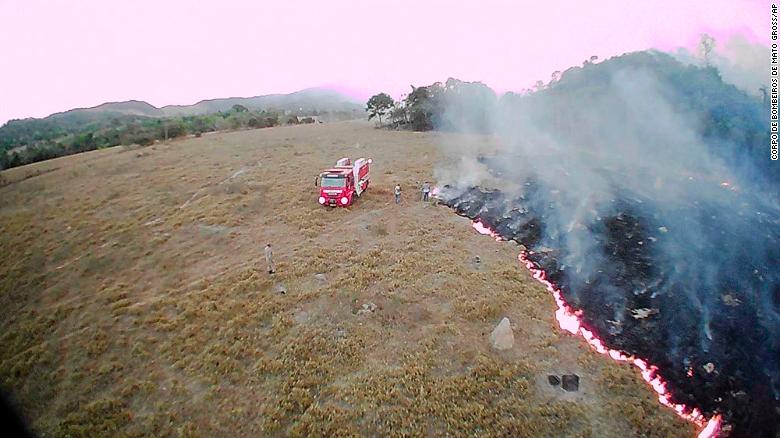
Brush fires burn in the Brazilian state of Mato Grosso on August 20.

Bolsonaro has dismissed accusations of responsibility for the fires, but a clear shift seems to be underway.
And if saving the rainforest isn’t enough to convince carnivores to stop eating Brazilian beef — the greenhouse gas emissions the cattle create may be.
Beef is responsible for 41% of livestock greenhouse gas emissions, and that livestock accounts for 14.5% of total global emissions. And methane — the greenhouse gas cattle produce from both ends — is 25 times more potent that carbon dioxide.
An alarming report released last year by the UN Intergovernmental Panel on Climate Change (IPCC) report, said changing our diets could contribute 20% of the effort needed to keep global temperatures from rising 2°C above pre-industrial levels. Namely, eating less meat.
Still, global consumption of beef and veal is set to rise in the next decade according to projections from the Organisation for Economic Co-operation and Development (OECD) and the Food and Agricultural Organization of the United Nations (FAO).
A joint report predicted global production would increase 16% between 2017 and 2027 to meet demand.
The majority of that expansion will be in developing countries, like Brazil.

Whale euthanasia a rare decision

Humpback washed ashore in Waldport

https://www.dailyastorian.com/news/local/whale-euthanasia-a-rare-decision/article_c98bee4a-c052-11e9-a833-b7014205c16c.html?utm_source=Coast+Region&utm_campaign=23d8ef1c05-EMAIL_CAMPAIGN_2019_08_13_12_26_COPY_04&utm_medium=email&utm_term=0_e5e9c44ad5-23d8ef1c05-234572957
Beached humpback
A volunteer pours a bucket of water over a 20-foot juvenile humpback whale in Waldport.

The decision to euthanize a young humpback whale that washed ashore alive in Waldport this week was one agencies rarely have to make, but scientists say it was the right call.

The beached, 20-foot juvenile was reported early Wednesday morning north of the Alsea River and euthanized by injection on Thursday after rescue attempts failed.

Volunteers with the Oregon Marine Mammal Stranding Network coordinated round-the-clock efforts to care for the whale. But after multiple high tides and several unsuccessful attempts to swim past the surf, the whale remained stranded.

A decision had to be made.

“They’re hard choices,” said Bruce Mate, director of the Marine Mammal Institute at Oregon State University. “I feel this one was appropriate.”

The National Oceanic and Atmospheric Administration ultimately made the call to euthanize the whale, but in consultation with people on the ground and other experts. They took a number of factors into consideration, including the animal’s age.

It is early in the season for a humpback that young to be fully weaned from its mother’s milk, Mate noted.

The mother may have died or been injured. Or, Mate theorized, food may have been so scarce the mother decided to wean it early. Either way, once the young whale was on the beach, the chance of reuniting it with its mother was unlikely.

“However it got separated from its mother, its chances of survival were remote even without this stranding event,” Mate said. “It was just way too young and small to make it on its own.”

On the beach, it was only suffering, he said.

Gravity

Deep water supports large whales’ enormous weight. Stranded on land without that support, gravity begins to tear them apart, said Kristin Wilkinson, the Washington state and Oregon stranding coordinator for NOAA’s West Coast Regional Office.

Water ditch
A ditch was dug around the whale to create a small pool of standing water for the whale to rest in.

Organs and circulatory systems can begin to collapse. Prolonged exposure can lead to blistered skin and hyperthermia.

Attempts to tow a whale back into water can injure or dislocate the tail or even paralyze the animal. Dredging around a whale to create a channel to deeper water can cause other environmental disruptions.

In 1979, Mate was on the scene after 41 sperm whales stranded on the beach in Florence. At the time, they were not allowed to euthanize the animals.

“If we could have, I would have,” Mate said. “There was no question. They stranded at the highest tide. They were never going to get back in the water and their death was a long and anguished one.”

It took upward of three days for most of the whales to die.

Mate and other researchers were poised to collect samples 20 minutes after each whale died to try to determine why the animals stranded in the first place.

But when they sent these freshly collected samples off for analysis, they were told, “These are tissue samples from an animal that’s been dead for three days.”

For the whales, everything had started to break down well before they finally died.

Since 2015, at least four large whales stranded alive onshore in the Pacific Northwest were able to free themselves, but all of them beached again and died, according to information compiled by NOAA in 2018. Last year, a large gray whale beached near Olympic National Park was able to refloat after several attempts.

Nationwide, an average of eight large whales have stranded alive in recent years. Most die within 24 hours of being stranded, even if they return to deeper water. Only about two a year are ever euthanized.

Each case is different. “It really just depends on the location, the animal’s overall condition, what resources are available, what trained staff are available. … It’s not a formula,” Wilkinson said.

Reports of marine mammal strandings in general are slightly lower in Oregon than in California or Washington state. Between 2007 and 2016, Oregon had a reported 3,776 strandings of dead and alive animals, most of them sea lions and seals. Whales accounted for only 1% of the stranded animals.

“Most of the time when we get a whale washed up, it’s either dead or almost dead,” said Chris Havel, associate director for the Oregon Parks and Recreation Department. “Getting a young animal that was relatively healthy … that’s an unusual experience for us.”

“It’s a hard thing to witness,” he said.

Pushed back

The young humpback in Waldport had tried to swim past a sandbar into deep water during high tides on Wednesday and Thursday, but every time it oriented itself toward the ocean, it would get pushed back, according to Brittany Blades, the curator of mammals at Oregon Coast Aquarium, who stayed overnight to monitor the whale.

Dehydrated whale
With the help of towels, buckets of water and volunteers, the beached humpback was kept wet to protect it from dehydration.

“As the night went on, the whale stranded further on shore due to the strong waves and extremely high tide,” Blades said in a statement.

The group gathered around the whale considered trying to move the whale closer to the water, but decided the plan wasn’t feasible. Given the amount of time the whale had already spent stranded on land, Blades said it was likely the internal organs had already “suffered irreparable damage that is not externally apparent.”

A Washington state veterinarian administered a series of injections to humanely euthanize the whale. The method NOAA follows involves first sedating the animal so it is fully asleep with needles that cause about as much pain as a vaccine shot.

Then, a veterinarian delivers potassium chloride to stop the heart.

Sometimes the whale reacts in these final moments, briefly raising its flippers or tail, a movement referred to as “the last swim.”

“This may be difficult to witness, but if euthanasia is being administered, qualified veterinarians have determined it is the most humane option for the whale,” Wilkinson notes in a fact sheet she compiled about large live whale strandings.

Scientists and researchers will perform a necropsy on the Waldport whale and collect samples. The whale will be buried on the beach near the site of the final stranding.

How to keep your pets safe in this weekend’s extreme heat

5 hr 18 min ago

https://www.cnn.com/us/live-news/heat-wave-july-2019/index.html

About 185 million people across the US are under a heat watch, warning or advisory as of Friday morning –– and forecasts say it’s only going to get hotter.

This means it’s important to make sure your furry, four-legged friend doesn’t overheat.

Here are some tips from the ASPCA on how to keep your pets cool:

  • Make sure they get plenty of fresh, clean water all day. They can get dehydrated quickly when it’s hot or humid out.
  • Be sure your pet has a shady place to go or keep them indoors.
  • Animals with flat faces, like Pugs and Persian cats, are more susceptible to heat stroke since they cannot pant as effectively. Keep them, along with pets that are elderly, overweight or have a heart or lung disease, in air-conditioned rooms as much as possible.
  • Never leave your pet alone in a parked car.
  • You can trim longer hairs, but never shave your dog. The layers of dogs’ coats protect them from overheating and sunburn, according to the ASPCA.
  • If you put sunscreen on your pet, make sure it specifically says it’s for animals.
  • Don’t let your dog be on hot asphalt for long. Their body can heat up quickly because they are so close to the ground. The pads on their paws can also burn if the pavement has been in the sun.

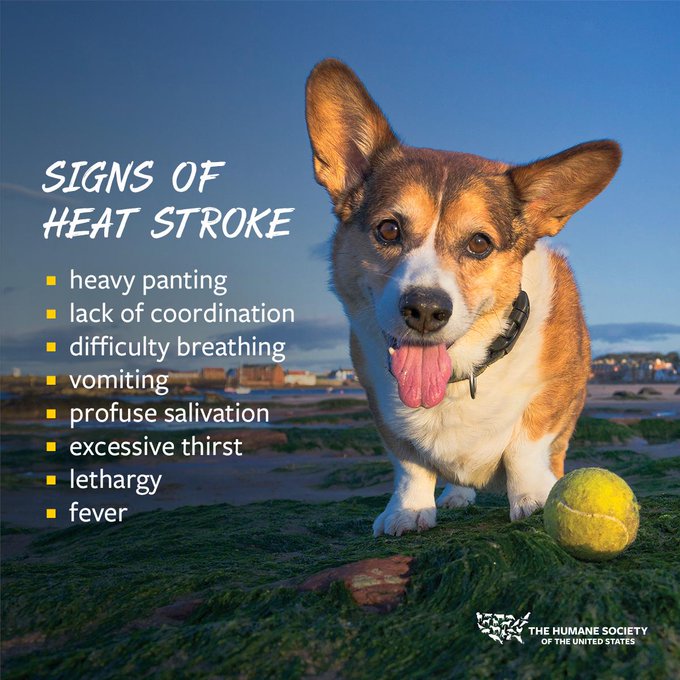
Another important aspect to keeping your pet safe in extreme heat is knowing the signs of heat stroke.

The Humane Society of the United States tweeted some of the signs to watch for:

  • Heavy panting
  • Lack of coordination
  • Difficulty breathing
  • Vomiting
  • Profuse salivation
  • Excessive thirst
  • Lethargy
  • Fever

Read the tweet:

The Humane Society of the United States

@HumaneSociety

Extreme temperatures can cause heatstroke. Pets that are very old, very young, overweight, have short muzzles, or have heart or respiratory disease will have a much harder time breathing in extreme heat. https://hsus.link/yq8zlo 

View image on Twitter
69 people are talking about this

Can methane burps be bred out of cows?

Measurements are taken of methane that comes out of grass-fed cows in Fermoy, County Cork, Ireland.

PHOTOGRAPH BY MARK THIESSEN, NAT GEO IMAGE COLLECTION

A study of more than 1,000 cows throughout Europe found that the microbes in their guts responsible for methane are inherited.

Underneath the lazy demeanor of a cow is a complex digestive system that transforms grass into the complex carbohydrates cows need to live. A byproduct of that digestion is methane—a lot of methaneone of the most potent greenhouse gases found on Earth.

Though methane stays in the atmosphere for less time than carbon, it’s highly effective at trapping heat. The EPA estimates around 25 percent of methane in the U.S. comes from cows.

Reducing those methane emissions is a major goal for environmentalists trying to mitigate the impacts of climate change, and new research indicates that they may be able to achieve that goal by altering the genetic makeup of common cows.

Some microbes inside cows more actively contribute to producing methane than others. A new study in the journal Science Advances shows that many methane-producing microbes are inherited, and by selectively breeding cows without those inherited traits, scientists think they’re one step closer to engineering a more environmentally friendly cow.

It’s a prospect that makes scientists hopeful. Meat and dairy consumption have been on the rise for the past decade, and many countries are scrambling to feed growing populations while simultaneously reducing emissions.


What 1,000 European cows can tell us

In 2012 the European Union commissioned a team of more than 30 scientists to research the relationship between livestock and methane emissions.

They called their research project Ruminomics—ruminants are a category of animals like cows, buffalo, yaks, and sheep. The rumen is the first of four compartments found in a ruminant’s stomach, where grass is partially digested via fermentation before passing through the rest. Ninety-five percent of the excess methane is expelled via their burps.

It’s in the rumen that the methane production process begins. Bacteria produce hydrogen as they begin fermenting carbohydrates, and single-celled organisms called archaea combine that hydrogen with carbon dioxide to produce methane.

You can think of it “like a triangle,” says study author John Wallace from the University of Aberdeen. “At the corners of the triangle you have three things: one is emissions, two is the rumen microbiome, and the third is the host animal’s genome. The aim of our study was to see how connected those were.”

They looked at Holstein cows on farms in the U.K. and Italy, as well as Nordic Red dairy cows in Sweden and Finland. Specialized tools were designed to collect samples by inserting a brass cylinder into a cow’s mouth and pulling fluid from the rumen where the scientists could see a pool of protozoa, fungi, bacteria, archaea, and DNA crucial to the experiment. Breath samples were also taken to measure how much methane cows were burping.

Pause

Unmute

Current Time 0:10
/
Duration 0:15

Loaded: 0%

Progress: 0%

Fullscreen

AD ENDS IN: 0:05
CLIMATE 101: AIR POLLUTIONWhat is air pollution? Learn how greenhouse gases, smog, and toxic pollutants affect climate change, and human health.
SELECT FOOTAGE COURTESY OF NASA

Of each cow’s core microbes in the rumen, Wallace says their results identified which microbes were passed down from one generation to the next. Certain microbes like the succinovibrionaceae were common in cows that produced less methane.

Greener pastures for greener cows

“Our idea now is that since we know these organisms are heritable and interconnected, this can be a target for breeding animals with improved milk yields, lower emissions, or other properties that people might want,” says Wallace. “If we could inoculate young animals with a low-methane microbiome, we have every reason to believe that will persist throughout life, which will lead to animals producing much less methane.”

In a place like California where there’s a target to reduce methane emissions by 40 percent, low-methane cows “could be part of the solution,” says Ermias Kebreab from the University of California Davis.

Kebreab said he was excited by the study’s results, and that it’s a good first step toward work that will still take years to practically execute. His own work has centered on how diet affects the amount of methane produced by cows. Last year he found that adding methane to their feed significantly reduces the emission.

Both Kebreab and Wallace said a big hurdle will be convincing farmers to let their cows be bred for low-emission traits, since farmers tend to select for money-making traits like milk production and size, but lower emissions wouldn’t have any direct financial benefit. In regions without emissions reduction targets, Kebreab said farmers would need additional economic incentive.

Wallace says selective breeding of lower-methane cows has already begun, and there have yet to be noticeable negative side effects.

NASA Model Shows Greenland’s Ice Sheet Will Disappear Over the Next 1000 Years, Raising Sea Levels by 7 Meters

[warning: Not to be taken seriously]

NASA Model Shows Greenland’s Ice Sheet Will Disappear Over the Next 1000 Years, Raising Sea Levels by 7 Meters

Great news! Humankind’s greatest-ever engineering project is nearing completion. Soon we will have warmed the Earth enough to get rid of all those pesky ice sheets and other frozen areas. The finish line is in sight.

If we all work together for the next thousand years, we’ll finally reach our goal!

NASA has been tracking our progress and in a recent press releaseconfirmed what optimists have been thinking quietly to themselves for a while now. At our current rate of global carbon emissions, significant portions of the planet will be ice free in a quick-as-a-wink millennium.

Not only that, but humanity’s parallel effort to raise the sea levels are looking real good, too.

New data from NASA’s Operation IceBridge program shows that the melting Greenland ice sheet will raise global sea levels more than previously thought. According to a computer model in a new study, only 200 years of melting at the present rate could contribute from .48 to 1.6 meters (19 to 63 inches) to global sea level rise.

This is fantastic news for the project, because these numbers are at least 80 percent higher than previous estimates, which only forecast up to 35 inches of sea level rise from Greenland’s melting ice.

If this sounds too good to be true, and makes you question the methods behind this new study, read on.

The team of researchers behind this new study is from the Geophysical Institute at the University of Alaska Fairbanks. The lead author is Andy Aschwanden, a research associate professor at the Institute.

The team ran their computer model 1500 times, to the year 3,000. There were three groups of 500 simulations for different climate scenarios. In each scenario, the parameters were adjusted for key land, ice, ocean and atmospheric variables. The outcome is largely dependent on human emissions.

The most optimistic scenario shows that if humanity can just hold on for another thousand years at our current rate of emissions, the nuisance ice sheet in Greenland will be gone for good. But we can’t rest; there’s lots of work for us to do.

If pesky environmentalists get their way, and our emissions are stabilized by the end of this century, then ice loss will fall to 26-57 percent of total mass by 3000. Even more worrisome is the scenario where we drastically reduce our emissions and they begin to decline by the end of this century. Then we’d only lose between 8 and 25 percent of Greenland’s ice, and that would mean a sea level rise of only 1.8 meters (six feet.) Nobody wants that.

The data behind the study largely comes from the specialized fleet of aircraft in NASA’s Operation Ice Bridge. That fleet is documenting the changing nature of the Earth’s polar regions, filling the observational gap in between the end of ICESat in 2010, and the beginning of its successor, ICESat 2. (ICESat 2 launched in November, 2018.)

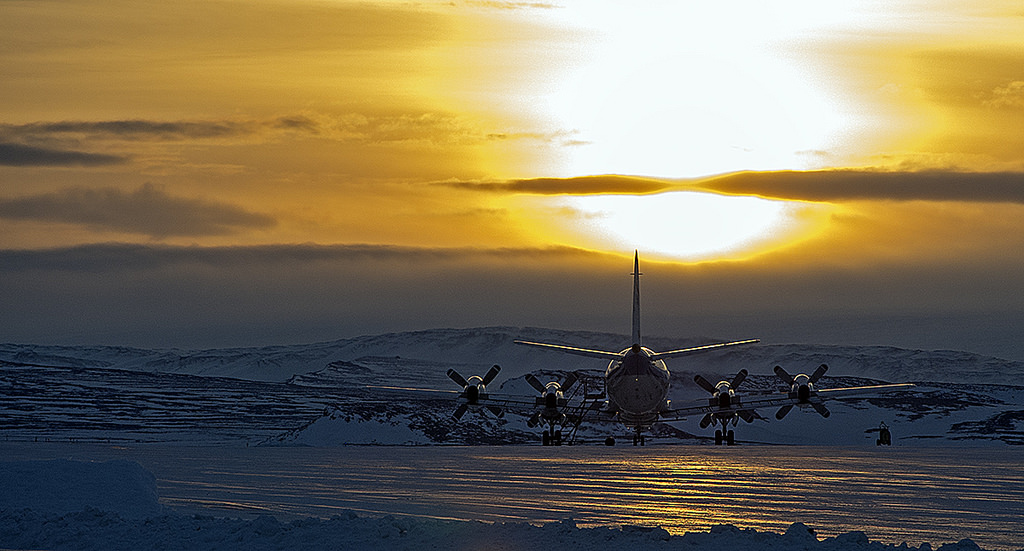
NASA P-3B waits outside the hangar at Thule Air Base with the Greenland Ice sheet in the background. The aircraft is set to begin the 2013 season of NASA’s Operation IceBridge mission to survey Earth’s polar ice sheets in unprecedented three-dimensional detail. The plane just arrived from NASA Wallops Flight Facility in Virginia – see my P-3B photos below. Credit: NASA/Goddard/Michael Studinger

There’s a reason that an ice-free Greenland has remained only a beautiful dream for so long. It’s because it’s high enough to create its own weather. Reaching up to an altitude greater than 10,000 feet above sea level, the ice sheet is like a mountain, sticking up so high into the atmosphere that it affects weather patterns. Each year, it generates almost enough snowfall to replace the ice lost to melting.

But it can’t hold out forever. Inevitably, as long as we continue to emit enough GHGs, the interior of the ice sheet will thin, and snowfall will decline. Eventually, there won’t be enough snowfall to replenish the sheet, and victory will be at hand.

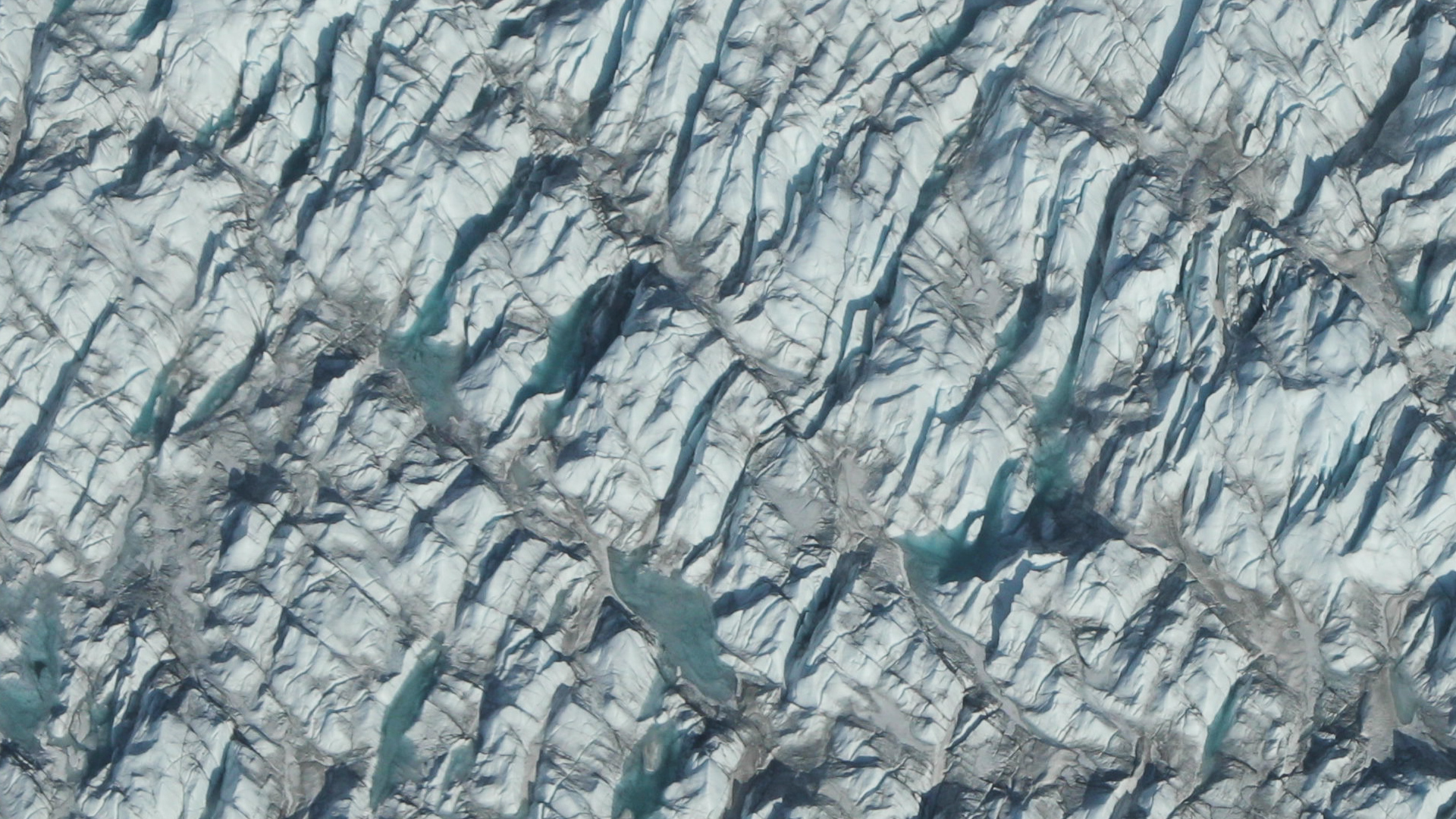
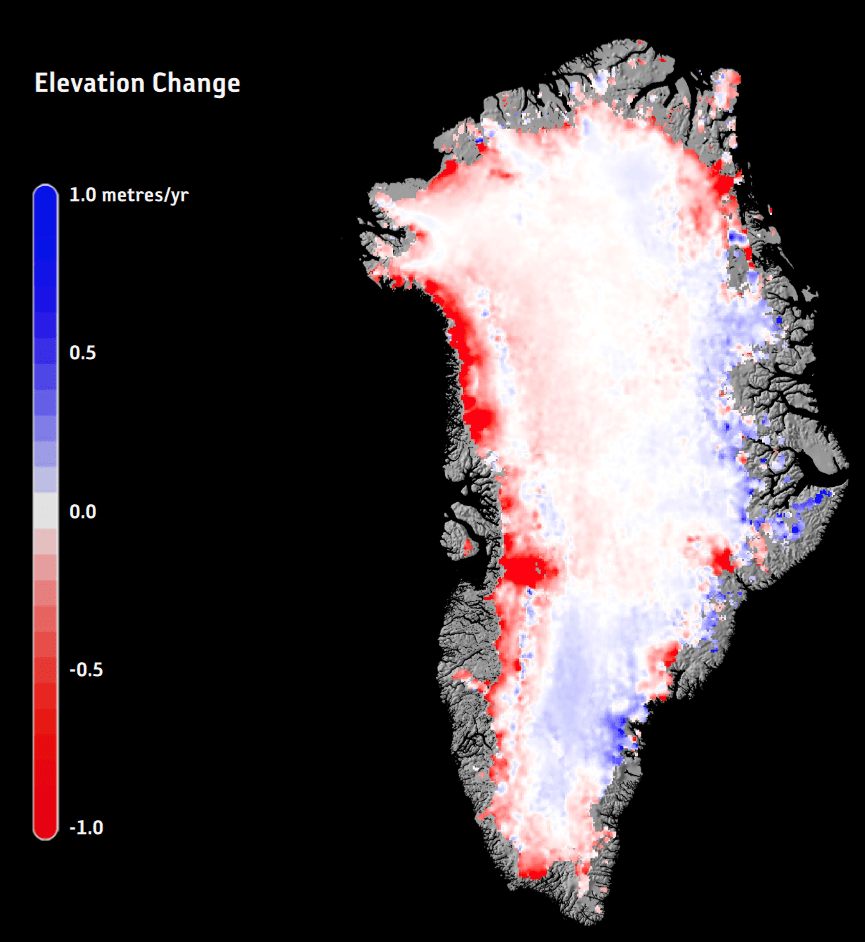
This image shows the change in Greenland ice thickness in just one year, 2015. Image Credit: ESA/Planetary Visions.

“In the warmer climate, glaciers have lost the regions where more snow falls than melts in the summer, which is where new ice is formed,” said Mark Fahnestock, research professor at the Geophysical Institute and the study’s second author. “They’re like lumps of ice in an open cooler that are melting away, and no one is putting any more ice into the cooler.”

“If we continue as usual, Greenland will melt,” lead author Andy Aschwanden said. “What we are doing right now in terms of emissions, in the very near future, will have a big long-term impact on the Greenland Ice Sheet, and by extension, if it melts, to sea level and human society.”

Without NASA, and programs like Operation IceBridge, we’d be operating in darkness. We’d never know how close we are to the end of the project. Luckily, keen scientists are keeping an eye on the ice.

This helpful video explains in less than a minute the amazing progress being made on Operation Greenland Ice Melt. Credit: NASA/Goddard Space Flight Center Scientific Visualization Studio

“NASA’s space and airborne campaigns, like IceBridge, have fundamentally transformed our ability to try and make a model mimic the changes to the ice sheet,” Fahnestock said. “The technology that allows improved imaging of the glacier bed is like a better pair of glasses allowing us to see more clearly. Only NASA had an aircraft with the instruments and technology we needed and could go where we needed to go.”

The scientists have done their part. They’re keeping track of the melting ice sheet, and preparing frequent progress reports. Even so, some people feel left behind.

Some people feel discouraged over climate change. They think that there’s not much they can as an individual to have a positive effect. But it’s not true. There’s plenty you can do!

Here are a few suggestions:

  • Buy a huge pickup truck and drive it around on meaningless, aimless journeys, like to get milk.
  • Drive to far away stores, even when there’s one closer, just to get the kind of cheese you like.
  • Buy a house much larger than you need, tear out the insulation and the double-pane windows. Then run the heating system with the doors and windows open.
  • Lobby your political representatives for more pipelines.

There’s a lot more you can do, but that’s enough to get started.

All decked out: Russia’s shipbuilding major unveils its plans for Arctic cruise liners

All decked out: Russia’s shipbuilding major unveils its plans for Arctic cruise liners

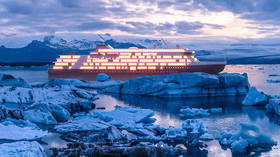
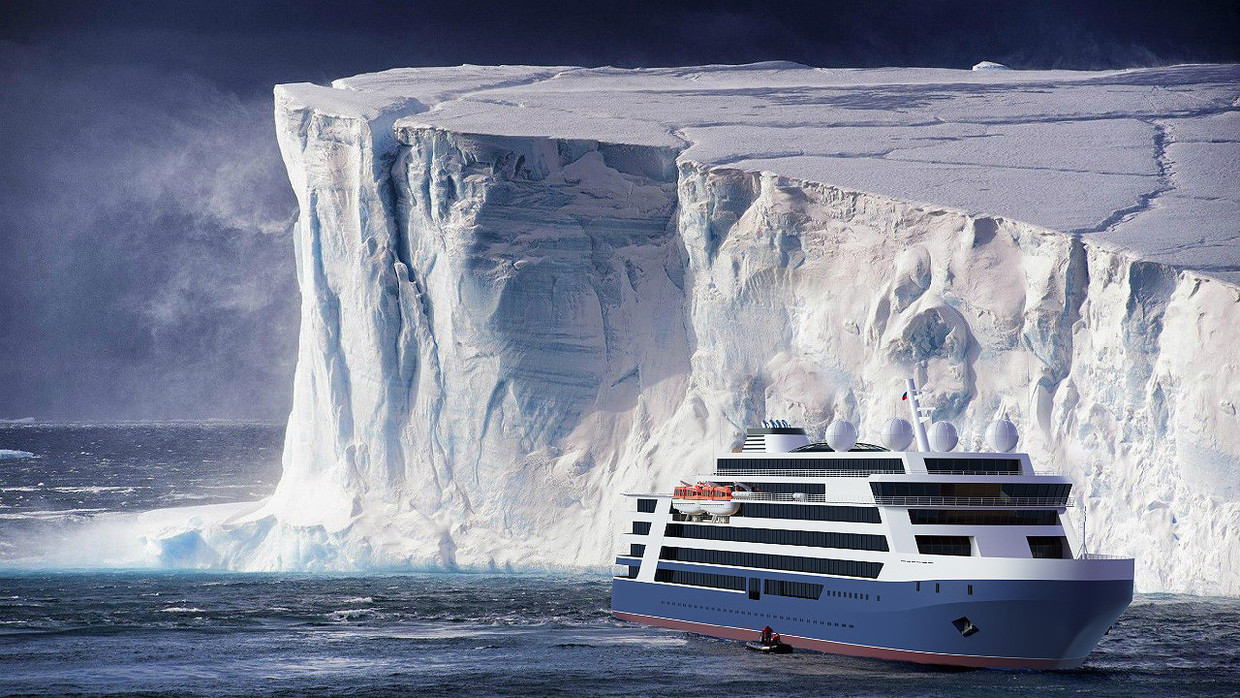
The company sees the development of Arctic cruise ship-building a high priority objective for current market conditions. United Shipbuilding Corporation (USC) may offer potential contractors several types of holiday cruisers, including Almaz, Vimpel and Iceberg models, all designed by the company’s subsidiaries.

Valued at up to $300 million each, such liners could potentially be equipped with a helipad or its own on-board casino, according to the company’s CEO Aleksey Rakhmanov.

“The vessels will be able to boast a helicopter deck, an ice deflector, swinging propellers, as well as five-star interiors and public areas with casinos, if permitted by the current legal provisions,” the top executive said, stressing that casinos may boost the return on investments as they may attract markedly different people.

According to Rakhmanov, every cruise ship will be able to carry up to 350 passengers, providing the travelers with various entertainment options, from submersion in a diving bell to sports activities like jet-skiing. The CEO expects Russian companies to become potential contractors for USC’s unique vessels.

Dolphins Dying at Triple Normal Rate Along Gulf Coast

USFW Handout/Reuters

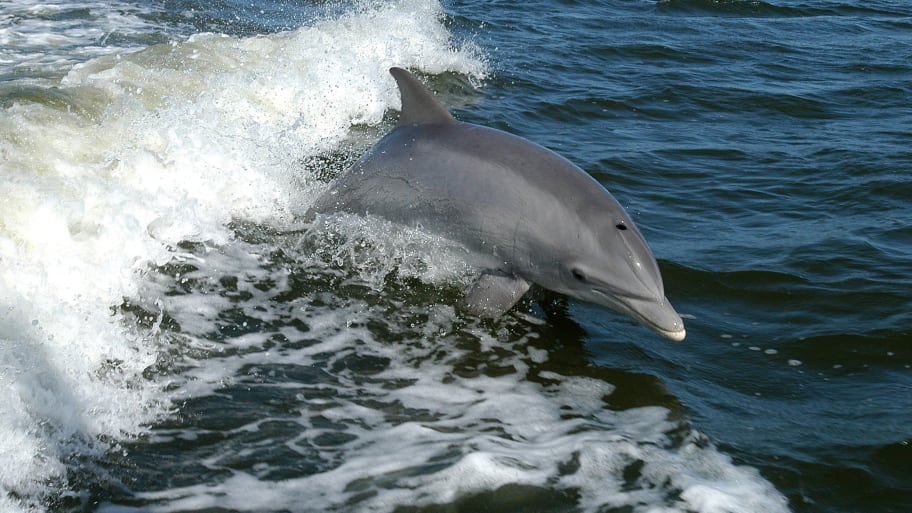
Scientists along the U.S. gulf coast say that the dolphin death rate is now three times the normal rate. Most of the 279 bottlenose dolphins stranded along the gulf in Florida, Alabama, Mississippi and Louisiana since Feb. 1 have died, officials with the National Oceanic and Atmospheric Administration said, according to NBC News. Scientists studying the carcasses say lesions consistent with freshwater exposure point to recent Midwest flooding. They also suspect the 2010 Deepwater Horizon oil spill, which has had devastating long-term effects on marine life. “[Dolphin] reproduction in some of the heaviest oiled areas continues to be abnormal,” Teri Rowles, coordinator for NOAA Fisheries’ Marine Mammal Health and Stranding Response Program told NBC News.