
https://www.businessgreen.com/news/4012376/study-climate-impact-butter-times-plant-spreads
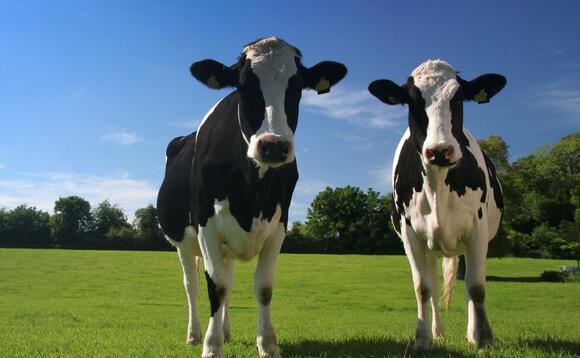
Cow’s methane-heavy burps and farts blamed for CO2 associated with butter in study commissioned by margarine maker Upfield
The climate impact of consumer diets has yet again fallen under the spotlight, after research this week concluded butter is 3.5 times more harmful to the environment on average than margarine and plant-based spreads, due in large part to cows’ methane emissions.
The study was commissioned by global margarine maker Upfield – responsible for plant-based brands including Flora, Rama and Blue Band – in another sign of how firms are seeking to promote the climate credentials of their products to increasingly eco-conscious consumers.
It asked scientists to carry out a large-scale life cycle assessment looking at the production, transport, sale, and use of 212 plant-based spreads and margarines sold across 21 European and North American markets, and then compare their greenhouse gas emissions to the impact of 21 dairy butters.
The results found the average CO2 impact for every kilogram of plant-based spread and margarine produced was around 3.3kg, compared to 12.1kg of CO2 equivalent for dairy-based products, making emissions from butter around 3.5 times higher.
The bulk of emissions associated with butter occur during milk production, according to the study, which found enteric emissions from cows – aka methane from burping and farting – made up 39 per cent of greenhouse gases from dairy-based spreads.
It means that just one 250g of butter results in the equivalent of 1kg of cow emissions, the study estimated, with methane a particularly potent greenhouse gas which is around 80 times more powerful than CO2 at trapping heat, and responsible for around a quarter of global warming.
Every one of the 212 plant-based spreads analysed fared much better in the study in terms of carbon impact, with associated emissions ranging from less than 1kg to almost 7kg, whereas butter products generated between over 8kg to nearly 17kg of CO2 for every kilogram produced.
Beyond emissions too, the life cycle assessment – the largest of its type to date, according to Upfield – concluded that margarines and plant-based spreads consistently had lower impacts than butter in terms of climate, water and land.
Cattle feed production including cow burps, farts, and manure management “contributed significantly to climate change impacts, with a higher impact than most other factors”, the study found. Some farming groups have argued that new diet supplements and other technologies can serve to curb methane emissions from cattle, but the industry is still regarded as a large and growing source of emissions.
Sally Smith, head of sustainability at Upfield, said the study highlighted the need for a “fundamental transformation of our food system” in order to tackle climate change, arguing that people in western countries needed to cut down on their meat and dairy intake.
She also argued it was important for firms to help consumers to understand the impact of their food choices on the planet. “It is our responsibility as a forward-thinking company to understand and act to address the impact of our plant-based products on the environment,” said Smith. “A shift to regenerative agricultural practices will be key for both arable and dairy farmers. Robust lifecycle assessments help ensure that our approach is data driven and grounded on the latest scientific evidence.”





 Exposing the Big Game