Exposing the Big Game

Forget Hunters' Feeble Rationalizations and Trust Your Gut Feelings: Making Sport of Killing Is Not Healthy Human Behavior

Exposing the Big Game

Not just cruel to animals, these farms may breed the next pandemic

 | Opinion

ASPCA op-ed

As a consequence of the pandemic, slaughterhouses are shutting down as they become COVID-19 hotspots, their employees becoming sick in record numbers. Meanwhile, farmers who have no flexibility to hold animals for even a few extra weeks are deploying brutal forms of “depopulation,” including shutting off ventilation systems and allowing the animals to die from heat stress or suffocation, according to the ASPCA.

By Matt Bershadker

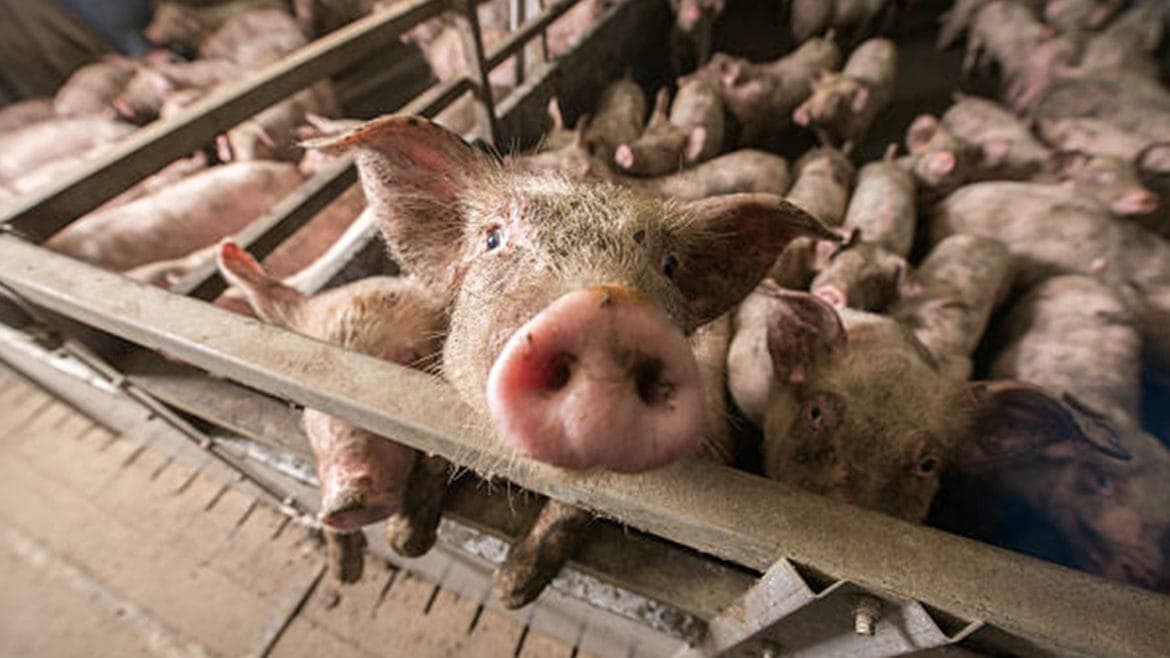
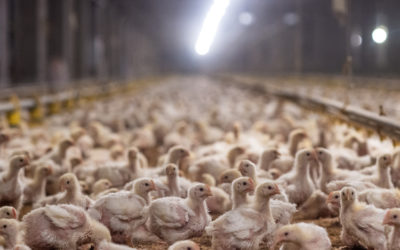
Today’s industrial farms raise massive numbers of pigs, chickens, turkeys, and cows in intensive confinement, mired in their own waste and lacking enough space to simply move about freely. These farms also breed animals for extreme growth and production rates that further endanger their health and welfare. Conditions like these have torturous consequences including lameness, skeletal disorders, and painful skin lesions. Yet, they are still standard operating procedure for the few large companies that control how most farm animals are raised and slaughtered in this country.

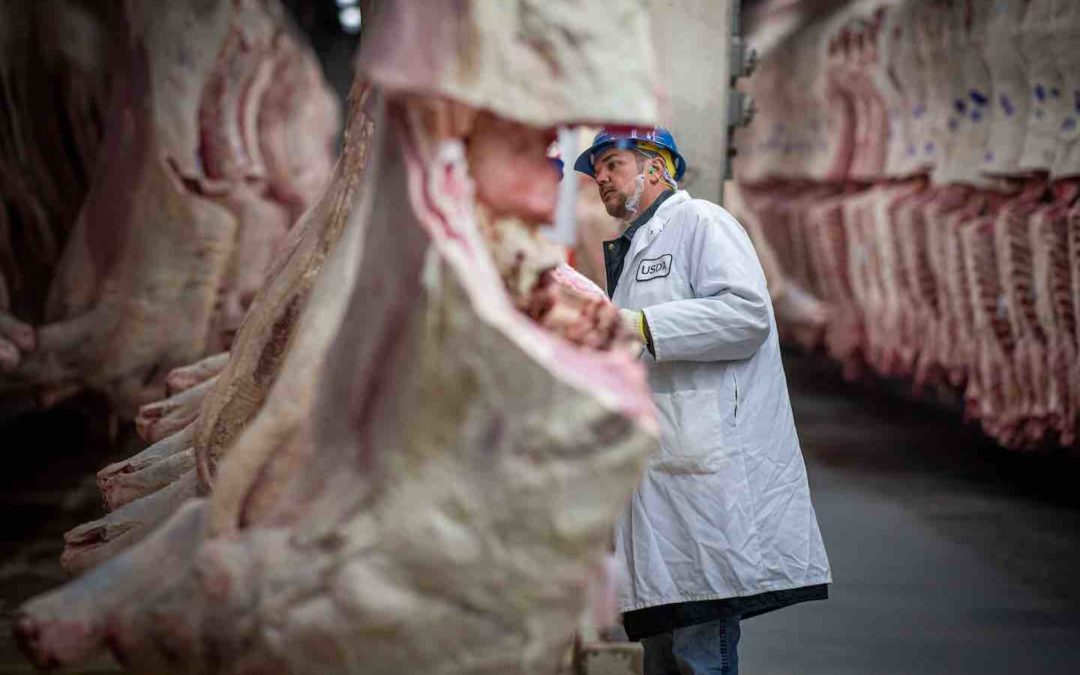
As a consequence of the pandemic, this cruel machine is now starting to crumble under the weight of its callous greed, layering even more tragedy on top of longstanding suffering. Slaughterhouses owned by enormous meat companies are shutting down as they become COVID-19 hotspots, their employees becoming sick in record numbers due to wholly inadequate worker protections.

Meanwhile, farmers raising animals for these companies — pressured by strict contracts to maintain factory-like production rates with razor-thin margins — have no flexibility to hold animals for even a few extra weeks and are deploying brutal forms of “depopulation.” One method involves shutting off barns’ ventilation systems with animals sealed indoors to die from hours of heat stress or suffocation.

Industrial animal agriculture isn’t just cruel to animals, dangerous for workers, and economically unstable for farmers — it may also become a breeding ground for the next global pandemic. While COVID-19 likely originated in wildlife, groups like the Food and Agriculture Organization and scientists around the world have long been warning that industrialized animal farming practices can increase the risks of zoonotic diseases. Industrial animal agriculture hallmarks like extreme crowding of animals, poor air quality, inadequate waste management, and reliance on antibiotics are all kindling for the brushfire of pandemics.

The real-life evidence to justify these warnings is stark and sobering. Between 1997 and 2006, highly pathogenic strains of H5N1 bird flu were linked to poultry farms in China, with a 60% mortality rate in humans who caught the virus. In 2009, the H1N1 swine flu jumped from commercially raised pigs in Mexico to humans and killed hundreds of thousands of people worldwide.

To prevent illness in stressful conditions that would typically sicken animals, many farms resort to the prevalent use — and overuse — of antibiotics. Currently, in the EU and the U.S., over 75% of all produced antibiotics are used in animal agriculture. The bacteria found in animals — Salmonella, Campylobacter, E. coli — are the same ones that cause illness in humans, and the drugs used by industrial farms are the same ones we use to cure those illnesses. This indiscriminate misuse of antibiotics to prevent — rather than treat— infections is vastly increasing the rate at which bacteria gain resistance. A 2019 study showed that antibiotic resistance has nearly tripled in farm animals.

As drugs lose their effectiveness on farms, they’re not working to cure human infections either. In the U.S. alone, 35,000 people die each year from antibiotic-resistant diseases.

This dangerous situation has long demanded a bold solution, but the pandemic has raised the stakes even higher for humans and animals, creating even more urgency but also a unique opportunity for action.

First and foremost, the U.S. Department of Agriculture (USDA) should immediately stop allowing slaughterhouses to convert to even faster slaughter speeds, which endanger animals as well as workers. The USDA must also heed the call of Rep. Lloyd Doggett (D-TX) and 21 other members of Congress who recently urged the agency to block the use of the most inhumane depopulation methods. But we cannot stop there.

Congress should also promptly enact the Farm System Reform Act, ambitious legislation introduced by Senator Cory Booker (D-NJ) and Representative Ro Khanna (D-CA) that would put an end to factory farming by 2040. The legislation includes a phase-out plan that would provide funds to help farmers transition from the factory farm model to more humane and sustainable farming systems. The public can help by asking their congressional representatives to support and co-sponsor this vitally important bill.

These goals may seem too lofty to some, but the unprecedented dangers we now face makes this the right moment to build a more humane and resilient food system that values animals, people, and the planet.

Rethinking meat — from farm to table

https://www.adirondackdailyenterprise.com/opinion/columns/field-and-forest-by-richard-gast/2020/06/rethinking-meat-from-farm-to-table/?fbclid=IwAR06tYGCKzST3OCU2s2nfzZ3mVFhJof3oPGUzDYGxu0fGOcY82ZOIYyWn74

Kate Mountain Farm is one of many Adirondack Harvest-associated local farms offering CSA meats and vegetables. Find local producers at adirondackharvest.com/browse. (Photo provided)

The food supply chain system is vulnerable. America’s meatpacking plants endure some of the highest rates of workplace injury of any U.S. job sector, and COVID-19 has introduced yet another occupational hazard. These crowded facilities have become frighteningly successful vectors for COVID-19 contagion.

On Sunday April 26, a news release entitled, “A Delicate Balance: Feeding the Nation and Keeping Our Employees Healthy” appeared as a full-page ad in The New York Times, The Washington Post and the Arkansas Democrat-Gazette. It was also widely posted on Facebook, Twitter, etc.

Written by John H. Tyson, chairman of the Board of Tyson Foods, the statement declared, “In small communities around the country, where we employ over 100,000 hard-working men and women, we’re being forced to shutter our doors. This means one thing — the food supply chain is vulnerable. As pork, beef, and chicken plants are being forced to close, even for short periods of time, millions of pounds of meat will disappear from the supply chain. … Farmers across the nation simply will not have anywhere to sell their livestock to be processed, when they could have fed the nation. Millions of animals — chickens, pigs and cattle — will be depopulated because of the closure of our processing facilities. The food supply chain is breaking.”

And with that, Southern and Midwestern farmers began euthanizing livestock.

Two days after the publication of Tyson’s letter, President Trump declared that meatpacking plants were “critical infrastructure” under the Defense Production Act of 1950 and prohibited their closure.

While this was happening, vegetable farmers were forced to let their crops rot in the fields or plow otherwise harvestable food into the ground. Dairy farmers, already grappling with low prices, found themselves dumping more than 3.5 million gallons of milk every day (estimate from Dairy Farmers of America). And everywhere, food pantries, facing unprecedented demand, were running out of food. This clearly reveals just how vulnerable, and how unjust, our food supply system can be. It also emphasizes the need to fix it.

Zoonosis: diseases transmitted to humans from animals

Lots of diseases, including most pandemics (e.g. H1N1 [swine flu], H5N1 [bird flu], Ebola, Lyme disease, malaria, rabies, ringworm, West Nile virus, severe acute respiratory syndrome [SARS], HIV/AIDS), originated in animals.

The Spanish flu pandemic of 1918, which infected roughly one-third of the world’s population of 500 million people, killing an estimated 50 million including 675,000 Americans, is believed to have originated on a pig farm. That was long before CAFO factory farms existed.

CAFOs: confined animal feeding operations

CAFO farms can generate a myriad of environmental and public health problems. CAFO manure contains potential contaminants including plant nutrients (e.g. nitrogen, phosphorus) and pathogens (e.g., E. coli, growth hormones, antibiotics, animal blood, silage leachate). The volume of waste produced depends on the type and number of animals farmed. A feeding operation with 800,000 pigs can produce over 1.6 million tons of waste a year. That amount is one-and-a-half times more than the annual sanitary waste produced by the city of Philadelphia, Pennsylvania (GAO, 2008).

The Environmental Protection Agency’s 2000 National Water Quality Inventory found that 29 states specifically identified animal feeding operations (AFOs), not just CAFOs, as contributing to water quality impairment (Congressional Research Service, 2008).

In order to protect their livestock from diseases that might kill entire populations, resulting in huge profit losses, CAFO farmers commonly treat their animals with antibiotics. And poultry fed antibiotic feed show significantly higher weight gain than those fed non-antibiotic feed (Settle et al. 2014). Animals growing at a greater rate than they would otherwise reduces operating costs and increases profit.

But use of antibiotic feed is threatening human health. Every year 2 million people experience serious illness due to untreatable bacterial infection and 23,000 die because the bacteria that made them sick is antibiotic-resistant (Young 2013). When antibiotic-resistant bacteria spreads to a large group of people and cannot be treated, we have what is known as a superbug. And many scientists believe that superbugs are the inevitable consequence we will face if CAFOs continue to use antibiotics indiscriminately in the feed of the nation’s largest source of meats.

Then there’s the animal cruelty issue, which I won’t get into here, other than to say that 9 billion animals, including 8.8 billion chickens, are raised and killed on large, overcrowded U.S. CAFO farms every year (source: Humane Society of the United States).


Locally sourced meat: a better alternative

There’s a better way to keep your freezer full: meat CSAs. Community-supported agriculture (CSA) farm programs directly connect farmers to consumers. You know right where your food is coming from. You’re supporting local farming families that raise top-quality pastured and grass-fed livestock — working with nature rather than against it. Pasture-based farming improves animal health, maximizes cost-efficiency and minimizes farm pollution. You reap the rewards by purchasing affordable, quality meats (and eggs) produced using sustainable farming practices.

You buy a share, and you pick it up when it’s ready. It’s that simple. And most farms offer share sizes to fit everyone’s needs. You can receive meat on a regularly scheduled timetable or one time only.

To learn more or find pretty much every type of locally grown and/or prepared food imaginable (and more), visit adirondackharvest.com/browse or contact your local Cornell Cooperative Extension office.

It’s time to shut down industrial animal farming

It's time to shut down industrial animal farming
© Getty Images

While governments act aggressively to save lives, stop any further spread of COVID-19, and reopen their economies, let’s not wait to prevent the next virus. More will come. Pandemics are picking up their pace. Thankfully, prevention is entirely possible — especially now that behavior change is on the table.

All it takes is a willingness to reconsider how we consume, trade, and treat animals. Big ask? Maybe. But everything should be on the table when hundreds of thousands of lives are at stake.

Here’s the opportunity: If we stop packing animals into crowded, confined areas — to be slaughtered for protein or parts — and if we stop cutting down and endangering their habitat, we can avoid infectious, animal-borne diseases like COVID-19, SARS, the swine flu, and more. (For these reasons, and more, Goldman Sachs now says livestock commodities are looking as ‘precarious as oil’ and U.S. Senators Elizabeth Warren and Cory Booker are calling for a ban on factory farms.)

That’s right. No more lockdowns. No more makeshift morgues. No more market crashes.

It’s that simple. If we want to save human lives and prevent mass casualties from COVID-like catastrophes, all we have to do is rethink and reconfigure our relationship with the animal world.

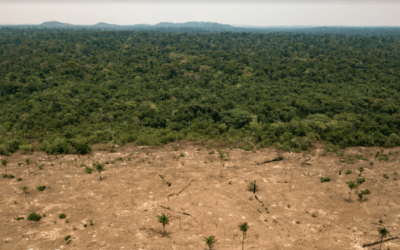
Now that social distancing is a common practice among most populations, to prevent the transmission of the virus, that’s now what animals need to be able to do, too. But in nature. We’ve already altered 75 percent of their land habitat and two-thirds of their marine habitat. That has to stop, now.

A failure to do so — or worse, by locking them up in factory farms in Waco, Texas, and wet markets in Wuhan, China — makes it all the more likely that another deadly pathogen, which should’ve stayed in nature, gets passed to humans.

While presidents and governors will prefer to emphasize that the next deadly virus is controllable primarily through better detection, monitoring and quick response — which is, of course, essential, too — the only real way to truly safeguard society is to stop the industrial and factory farming of animals.

Here’s how bad it’s become: globally, concentrated animal feeding operations — or CAFOs — account for 72 percent of the poultry we consume, 42 percent of eggs, and 55 percent of pork production. In the United States, over 50,000 facilities classify as CAFOs, with another 250,000 industrial-scale facilities just below that classification.

How many animals are confined in these crowded and virus-friendly conditions? In the U.S., that’s 9 billion chickens, 250 million turkeys, 113 million pigs, and 33 million cows — annually.

That’s almost 10 billion ways to start a virus — in just one year in the U.S. alone. And we know that America’s pigs, as just one example, here — most of which are farmed in industrial facilities without fresh air or sunlight — can kill thousands of Americans with a simple swine-flu virus. Over 12,000 Americans died from H1N1 in 2009 — and remember that was from factory farms in the United States.

Seemingly, no federal guidelines are governing how these animals are used and abused. And many U.S. states are trying to punish those who speak out against these cruel factory farms, which is why Animal Legal Defense Fund, and others, are providing these animals fair representation in court. It’s good someone is. A failure to protect these animals results in a failure to protect our health.

Compounding these health concerns, of course, is industrial animal farming’s heavy use of antibiotics, which ends up leaving humans — who consumed antibiotic-laden animal products — all the more vulnerable to bacteria during a pandemic. The result of all of this? People are more susceptible to attack from a diseased, factory-farmed animal.

And if health reasons weren’t sufficient to win the hearts and minds, perhaps economics will. Industrial animal farming is the least efficient and most expensive way to provide protein to humans. It’s two-three times as valuable as plant-based proteins and incredibly inefficient use of cropland, grains, and water for animal consumption (akin to have multiple middle-managers in a supply chain). Turn those crops into direct plant-protein providers for humans — a much more efficient plant-to-mouth supply chain — and we could easily, and nutritiously feed our growing population — as many as 10 billion by 2050.

That’s the opportunity here. And sure, we could also talk about all of the environmental problems associated with industrial animal farming, which include toxic waste, dangerous and deadly pesticide use, and excessive and exorbitant greenhouse gas emissions that come from animal products. Beef protein’s carbon footprint, for example, is 150 times as high as the same amount of plant protein. But if that hasn’t yet motivated people to switch off their factory-farmed animal food, perhaps the prospect of another pandemic will.

All of this seems way too risky to continue. And until we leave this practice behind, putting animals in unhealthy, crowded and immune-compromised positions — as we are doing globally with our factory farms, wet markets, and more — will continue to put us in similarly immune-compromised positions and kill tens of thousands, perhaps even hundreds of thousands of people, each time these pandemics pop up. It’s time to do better. It’s time to save human lives. It’s time to shut down industrial animal farming.

Michael Honda is a former Member of Congress Honda now serves on the board of local Silicon Valley startups and is working on the legislative campaign to repeal the Alien Enemy Act of 1798. Michael Shank is a former congressional staffer and adjunct faculty at New York University’s Center for Global Affairs.

State Program to Help Hog Producers Dispose of Animals They Can’t Sell

The Iowa Department of Agriculture has launched a program to help pork producers deal with hogs they can’t take to market after coronavirus shut downs at packing plants. Ag Secretary Mike Naig says it’s something no producer wants to deal with.

“Farmers are doing everything they can to avoid having to take the step of euthanizing and disposing of animals,” Naig says. “They are finding alternate ways to market, they are selling direct to consumers, they’re changing their feed ration to slow down the rate of gain — they are doing everything they can. This truly is an action, a decision of last resort.”

The Ag Department is offering producers 40 dollars for each animal to help cover some of the disposal costs for market-ready hogs.

“It won’t cover all costs, but it is a part of the cost that they’ll incur to euthanize and dispose of animals,” he says.

Naig says they are still hoping for federal help to cover the loss of revenue from the hogs. Iowa State University estimates that by mid-May there were approximately 600-thousand pigs in Iowa that were unable to go to the packing plants. Iowa producers were faced with killing thousands of chickens and turkeys during the bird flu outbreak five years ago — and Naig says they learned some things then.

“One of the key learnings from that was to really empower producers to make decisions and to take control of the situation,” according to Naig. “They know their operations better than anyone else. And they also know the resources at their disposal better than anyone else. We learned that back in 2015.”

He says they will hand out the funding in at least three rounds.

“The first round closes Friday of this week, and farmers will need to reach out to our office. They can call the main number or they can go to IowaAgriculture.gov and there is a way to apply there. And then we will subsequently roll out rounds two and three,” Naig says.

Naig says this will help producers deal with the short-term problem. In the long-term, he says they need to continue to get making the packing plants safe for workers.

He says that it will allow the employees to confidently show up and know that they can work safely. “That’s ultimately what it takes to return to full processing capacity. Today in Iowa we are running at about 75 percent of our normal processing capacity — an again that number steadily improves each day.” Naig says.

He says this could continue to be a problem throughout the summer. Each applicant who is approved will receive funding for at least one-thousand animals and up to 30-thousand each round, depending on the number of applicants. The money comes from federal coronavirus relief funding.

https://kmch.com/blog/2020/05/31/state-program-to-help-hog-producers-dispose-of-animals-they-cant-sell/

Moral consideration for animals


I WOULD like to gravitate our concerns towards a video that recently went viral, showing a helpless kitten being crushed over and over again by an adult woman for her entertainment/fetish.Also, we have news on 11 cats being ruthlessly poisoned to death over Hari Raya Aidilfitri at the Apartment Seri Lily Bukit Beruntung.

Animal cruelty is real and pervasive. It happens to all different types of animals and in every corner of the world. It is also preventable and unnecessary.

A composed ecosystem is made up of all living organisms. Within this system, all things have their rightful place and warrant the essential consideration and regard for that place and balance.

In the words of Albert Schweitzer, the Alsatian polymath (1875-1965): “We must fight against the spirit of unconscious cruelty with which we treat the animals. Animals suffer as much as we do.

“True humanity does not allow us to impose such sufferings on them. It is our duty to make the whole world recognise it. Until we extend our circle of compassion to all living things, humanity will not find peace.”

Animals are entitled to the possession of their own existence and that their most basic interests – such as the need to avoid suffering – should be afforded the same consideration as similar interests of human beings.

Therefore, it is prejudicial to oppose the suffering of humans while accepting the suffering of animals as simply a fact of life.

By respecting animal rights and having consideration for animal welfare, we also support ecological balance.

However, many animals endure heinous cruelties as people do not recognise that animals have rights, let alone the importance of having those rights.

As sentient beings, animals have the right to live a life free of agony and torment. Just because we are at the top of the food chain, it does not mean that we, humans, are the only ones with rights nor do we have the right to take animal rights away.

Animals couldn’t possibly speak for themselves and for that reason we have the responsibility to protect them. Safeguarding them is something we should take pride in.

It is important to view animals as having an intrinsic value separate from any value they have to humans and are worthy of moral consideration.

In his book Animal Liberation, Peter Singer says the fundamental dictum of equality does not prescribe equal or identical treatment; it demands equal consideration.

Animals are neither inanimate nor automata objects. They have the faculty to suffer in a similar manner and to the same degree that humans do.

Every action that we take which would impede with their needs and welfare, we are ethically obligated to take into account their ability to experience maternal love, fear, frustration, pain, pleasure and also depression.

Animals also have the faculty to exhibit empathy toward humans and other animals in a myriad of ways, particularly reassuring, mourning and even rescuing each other from harm at their own expense.

It is important to acknowledge that empathy in animals stretches across species and continents. This is not just sanguine thinking.

Research has disclosed that illuminating kids to be compassionate to animals can guide them to become good-natured and more heedful in their interactions with other humans.

Additionally, it helps them be more respectful and valuable to society. Francis of Assisi said: “If you have men who will exclude any of God’s creatures from the shelter of compassion and pity, you will have men who will deal likewise with their fellow men”.

Animals are sentient beings and sentience is the only thing that matters when discussing those to whom we should give moral consideration.

In the words of Mohandas Ghandi: “The greatness of a nation and its moral progress can be judged by the way its animals are treated”.

Therefore, as a civilised society, we must count animals as worthy of moral consideration and ethical treatment. The question is not can they reason, nor can they talk, but can they suffer? – May 30, 2020.

* Suzianah Nhazzla Ismail reads The Malaysian Insight.

* This is the opinion of the writer or publication and does not necessarily represent the views of The Malaysian Insight.

Animal activist group secretly tapes euthanization of pigs, alleges they were ‘roasted alive’

Iowa’s agriculture secretary says the animal activist group is ‘kicking farmers when they’re down.” Des Moines Register

A national swine veterinarians group says shutting down a confinement’s ventilation is an acceptable form of euthanasia in “constrained circumstances” such as the COVID-19 meatpacking disruption.

LINKEDINCOMMENTMORE

A California animal rights group says an Iowa pork producer “roasted pigs alive” when it euthanized thousands of hogs it was unable to send to Midwest meatpacking plants that had slowed or halted production as workers fell ill with COVID-19.

Direct Action Everywhere describes the pigs as “shrieking in agony” after Iowa Select Farms, a large pork producer, shut down the ventilation in a rural confinement facility near Aplington in Grundy County to euthanize them.

Jeff Hansen, the company’s CEO, said it “exhausted every possible option,” from finding more barn space to donating pork to food banks and employees, before deciding to euthanize the animals.

Employees are in “tremendous pain knowing that this awful decision had to be made,” Hansen said.

Direct Action Everywhere said it worked with Iowa Select whistleblowers to secretly film company employees destroying the animals.

► PreviouslyIowa livestock producers may have to euthanize pigs as packing plants struggle

The company confirmed the video was taken at the Grundy Center facility where Iowa Select pigs were taken to be destroyed.

“This group illegally infiltrated our facility and installed cameras to record video of the euthanasia process and our team members,” Hansen said in a statement, adding that the group’s actions “only reinforce the hurt” felt by employees.

The video, which the group said was taken with a hidden camera last week, opens with a shot of pigs milling in a large, enclosed space. In another scene shot through a fog that the group says was steam, the barely visible pigs can be heard squealing. In a third scene, two men carrying what the group says are bolt guns walk among the apparently dead pigs, nudging them with their feet. In a final scene, a front-end loader scoops up the carcasses.

The state estimates that 600,000 pigs in Iowa could be destroyed as they back up on farms and cannot be processed into food. Iowa, the nation’s largest pork producer, raises about 50 million pigs a year.

Iowa Agriculture Secretary Mike Naig called the activists’ tactics “disgusting.”

“No producer wants to be faced with this decision. It goes against everything they stand for and do on a daily basis,” caring for the animals and raising them to feed families, Naig said Thursday when asked about the video during a press conference with Gov. Kim Reynolds about the coronavirus’ impact.

“We have folks with a clear agenda who are kicking our farmers when they’re down,” he said, adding that the producers are working with veterinarians who follow national guidelines when euthanizing animals.

► More: Iowa farm forced to euthanize pigs was ‘infiltrated’ by animal activists

Get the Iowa Business Update newsletter in your inbox.

Get the latest scoop on Iowa economic trends, development news, agriculture and retail delivered to your inbox.

Delivery: Varies

The American Association of Swine Veterinarians says shutting down a confinement’s ventilation — which raises the herd’s temperature and causes animals to die of hyperthermia — is an acceptable form of euthanasia in “constrained circumstances.”

The group’s board this month identified the COVID-19 meatpacking disruption as one of those situations. But the board said priority should be given to eight other preferred methods, including shooting, electrocution, gassing with carbon dioxide and manual blunt force, which is used primarily on small pigs.

Chris Rademacher, an Iowa State University Extension swine veterinarian, said shutting down ventilation is likely the best approach to euthanizing a large number of pigs. It’s safer for farmers than shooting, electrocution or using other preferred methods, which are more appropriate options when euthanizing a small number of animals, he said.

Rademacher also said mass depopulation takes less toll on farmers emotionally. “I can’t tell you how many producers get choked up” talking about euthanizing animals, he said.

Matt Johnson, the Direct Action Everywhere investigator, filed a complaint last week with the Grundy County Sheriff’s Office, alleging Iowa Select committed criminal animal neglect.

Grundy County Sheriff Rick Penning said he talked with state veterinarian Jeff Kaisand, who indicated that Iowa Select followed proper procedures in euthanizing the animals. Penning said he would not take further action on the group’s complaint.

However, after filing their complaint last week, Johnson of Berkeley, California, and coworker Linda Cridge of Fishers, Indiana, were charged with trespass, a simple misdemeanor.

A veterinarian who works with Direct Action Everywhere and reviewed the group’s video said shutting down the ventilation “resulted in extreme, prolonged and unnecessary suffering.”

The group said that pigs are “blasted with steam and heat exceeding 140 degrees in a barn.” Two or three hours into the process, the group said, Iowa Select workers walk through the barn, “shooting pigs exhibiting obvious signs of life” with bolt guns.

The American Veterinary Medical Association states that additional action may be needed to ensure pigs succumb after shutting down ventilation systems, such as adding heat and humidity to the confined space. Rademacher said the pigs should quickly lose consciousness with the increased heat and humidity before dying.

The Iowa Department of Agriculture sent a letter to the state’s county attorneys this week, saying that “it is not uncommon for people to question the methods employed” in the challenging situation. It said the swine veterinarians association “recognizes the dire situation” producers face.

Johnson said an Iowa Select whistleblower contacted Direct Action Everywhere because he was concerned about animal welfare.

“When we have a system that is fundamentally broken — with government reinforcing, rather than regulating, an abusive industry which only serves those at the very top — it’s left to ordinary people to take action ourselves and hold our elected officials accountable to the will of the people,” Johnson said in a statement.

He and Direct Action Everywhere targeted state Sen. Ken Rozenboom’s family pig facility for an undercover investigation a year ago, releasing photos and video from the Oskaloosa farm in January.

The group said it sought to expose inhumane treatment of animals at the facility, which was leased to another farmer, because of Rozenboom’s support for the state’s so-called “ag-gag” law. The statute makes it a crime for animal welfare activists, journalists and others to go undercover at meatpacking plants and livestock facilities to document conditions.

Rozenboom called the action a “professional hit job.” State and local investigators said a complaint Johnson filed against Rozenboom, alleging animal abuse, was unfounded.

On Pandemics, Pork Chops and Chicken Nuggets

I’ve wasted too much time lately combing the news for an answer to a crucial question about pandemics like Covid-19: Are they inevitable?

Newscasters and the scientists, doctors and politicians they interview rarely venture beyond daily counts of the stricken to explain why we have pandemics. I suspect it’s because the answer is harder to stomach than the horror of the pandemic itself.

Animals humans raise for food are typically the intermediary hosts of viruses between the wildlife in which they arise – e.g. bats and wild birds – and humans. Consequently, pandemics are a price we pay for eating animals and otherwise using them.

Comedian and political commentator Bill Maher came close to getting it right during the pithy New Rules segment of his April 10 show when arguing for naming Covid-19 the Chinese virus because it seemingly jumped to humans in China’s “wet markets” where live fish, poultry and mammals – including exotics like bats, raccoon dogs and civet cats – are slaughtered on site to satisfy the palate of some Chinese for fresh and exotic meats.

Maher was correct that Chinese wet markets might be culpable for a number of lethal human virus outbreaks, including SARS coronavirus in 2003 and H7N9 Avian flu in 2013.

However, Maher’s initial foray into the origin of pandemics overlooked the uncomfortable fact that Americans’ insatiable taste for animal meat was at the root of other killer virus outbreaks. The H1N1 swine flu of 2009 emerged from a pig confinement operation in North Carolina and was a mutated descendant of a swine flu virus that sprang from U.S. factory farms in 1998. And, even though Chinese chicken farms are credited with the deadly H5N1 bird flu outbreak of 1997 (which killed 60 percent of infected humans), just five years ago a similar bird flu broke out in U.S farms, prompting the slaughter of tens of millions of chickens and turkeys.

Recall also that the 1918 Spanish flu that killed over 50 million people worldwide sprang from farms in Kansas, possibly via pigs or sheep, before transmitting around the world via WWI U.S. soldiers.

To his credit, Maher subsequently course-corrected in an April 24 New Rules segment, proffering that “factory farming is just as despicable as a wet market and just as problematic for our health” and “torturing animals is what got us into this mess.”

U.S. factory farms provide 99% of Americans’ meat, dairy and eggs and are ideal breeding grounds for infectious diseases because of the crowded (and unspeakably inhumane) conditions in which animals are kept. Hence, an overwhelming preponderance of medically important antimicrobials sold nationally are used in food-producing animals.

A hard to swallow truth: Factory farms are America’s cultural equivalent of China’s wet markets.

Many virus pandemics have much to do with society’s dietary choices. Plants do indeed get viruses, but genetic studies provide no evidence that plant viruses are causative agents of disease in humans. A pandemic from eating lentils and broccoli seems highly unlikely.

Humans readily accept the suffering animals endure to satisfy our appetite for meat, and pandemics are just one of the painful costs to us. Others include cardiovascular disease, diabetes, antibiotic resistance, global warming, rainforest destruction and aquifer depletion.

For those who believe that only meat can provide adequate protein to fuel our brains and bodies, consider that Socrates was vegetarian and Patrik Baboumian, dubbed “strongest man on earth,” is vegan.

An athletics documentary available on Netflix, The Game Changers, is an eye-opening starter for doubters that a plant-based diet can sustain optimal health.

Historically, epidemics and pandemics have led to important advances in public health, like widespread understanding of the germ theory, improved sanitation, penicillin and vaccinations. What will Americans learn from Covid-19?

Will we rethink the decades-long erosion of the social safety net, including lack of universal healthcare and opposition to guaranteeing all workers a living wage? Will we reconsider the true value to society of so-called “unskilled” workers, like supermarket checkers, who put themselves at risk now every time they show up for work? And what does it say about our priorities that meat factories are being forced to continue to operate despite high rates of Covid-19 infections among the workers?

Both history and science tell us that, unless we do something different, the next pandemic is somewhere just around the corner. This is driven home by study findings just published in April of six new coronaviruses discovered in Myanmar bats.

My hope is that the global heartache and societal disruptions from Covid-19 will spur a conversation that reaches deeper than blaming pandemics on wet markets and factory farming, but rather confronts humanity with the very real connection between pandemics and eating animals.

Why I’m An Animal Rights Activist When There Is So Much Human Suffering In The World

COVID-19 Exposes Flaws in Animal Protein Production


Latest Coverage

Join Our Newsletter

Sentient Today sifts through what’s out there to find the facts, figures, and hidden treasures about animals, science, and the environment. If you’re an idea seeker, generally curious, or like to learn novel things then this is the newsletter for you.


Featured Articles

What’s Love Got to Do with It?

Imprisoned chicken with eyes closed
Photo credit: Vancouver Chicken Save.

By Karen Davis, PhD,
President, United Poultry Concerns

“Share the fact that you are an animal lover.”
– Advice to farmers depopulating their animals.

There’s love and there’s “love.” There’s humane and “humane.” There’s euthanasia and “euthanasia.” There’s euphemism.

According to Merriam-Webster, “Euphemism derives from the Greek word euphēmos, which means ‘auspicious’ or ‘sounding good.’ The first part of ‘euphēmos’ is the Greek prefix eu-, meaning ‘well.’ The second part is ‘phēmē,’ a Greek word for ‘speech’ that is itself a derivative of the verb phanai, meaning ‘to speak.’ Among the numerous linguistic cousins of ‘euphemism’ on the ‘eu-’ side of the family are ‘eulogy,’ ‘euphoria,’ and ‘euthanasia’; on the ‘phanai’ side, its kin include ‘prophet’ and ‘aphasia’ (‘loss of the power to understand words’).”

Speaking of farmed animals, euphemism is the cover-up equivalent of the mass burials of these animals in the ground or the stomach – their “euthanasia.” Call it collusion, conspiracy, complacency or corruption, a pact between agribusiness and the major news media guarantees that the animals will not truly be seen, heard or empathized with. A stock photo or video clip of a piglet “nursery,” a “meatpacking” plant or a “poultry processing” plant does not enlighten a public content to let industry and the media interpret the meaning of these images. See, for example, Meat Plant Closures Mean Pigs Are Gassed or Shot Instead and Millions of Pigs Will Be Euthanized As Pandemic Cripples Meatpacking Plants.

Though current society seems to have forgotten that the word “euthanasia” means, literally, a good death, or to die well – exemplifying a “loss of the power to understand words” – there’s a kind of implicit social agreement that this term can magically relieve us of culpability for inflicting horrible death and atrocity on innocent nonhuman creatures.

Yet there is awareness of the real meaning of euthanasia, as is evident in the fact that we do not call mass-killing, live burial, suffocation, throat-cutting, gassing, paralytic electric shock and the like “euthanasia” in the case of ourselves. Speciesism is not a mere abstract concept. It’s the wellspring of our attitude toward nonhuman animals. It determines the fate we subject them to and our language of justification.

I’ll wager that once the coronavirus news cycle has passed, the sympathetic attention being paid by the media to the plight of “meatpackers” will dissipate. For the animals, nothing will change, since the major media have shown them no mercy, compassion or acknowledgement to begin with. The occasional op-ed or letter to the editor expressing sorrow for our animal victims is overwhelmed by the standardized coverage. An example of the rare exception is Our Cruel Treatment of Animals Led to the Coronavirus.

An article in the Progressive FarmerHard Decisions: How Consumers View Mass Depopulation, in which I’m cited, draws attention away from the euphemistic use of the word “euthanasia” as a synonym for the mass-extermination of “livestock,” focusing instead on how to manage the negative publicity of “mass depopulation.” An industry representative is quoted: “producers should expect to see visuals hitting the news and social media that will be shocking.”

Actually, this prediction is what has not happened. Farmers needn’t worry that the major news media will blow their cover. Or that “visuals,” if shown, would shock a public worried about having enough “meat” on the table – a worry amped up by the media. As for social media, these outlets seem mainly to attract those who already care strongly one way or the other.

So what’s a farmer to do? Advises the industry representative: “It’s okay to share that this is an incredible crisis for you and your family just like it is for families all around the world. Share the fact that you are an animal lover and have dedicated your life to spending more time with animals than humans. Remind people you are just one person in a community of farmers all dealing with this heartbreaking reality.”

But what, for the farmer, is the “crisis,” the “heartbreaking reality”? It can’t be what the animals are being put through, since for them a terrible death and its attendant pain and terror await regardless. More to the point, the “crisis” is the loss of income, the “waste” and disposal of animals whose purpose, from the farming perspective, is to become a marketable product.

Imprisoned chicken
Photo credit: Vancouver Chicken Save.

Back in the days when I attended farm animal “welfare” conferences, I used to wonder, listening to the speakers and watching their slides, “Do they honestly, personally believe that the filthy, cobwebby, manure-filled buildings, cages and related contrivances of cruelty to chickens constitute welfare?” To what extent, I wondered, did self-deception figure in the professional deception that relies on euphemisms, including that the captive birds are “happy,” “content,” and “singing,” and that farmers “care” about their animals above the bottom line.

Currently, some animal advocates seek to turn agribusiness adversaries into allies in an effort to change the chicken industry from maniacally cruel to marginally kinder. The ultimate goal of this undertaking is to reverse the business of transforming plants into “chicken” by transforming “chicken,” so to speak, into plants. Real chickens in this remake no longer figure in the plant-based version of themselves or in the cellular meat version either.

This reminds me a little, inversely, of how in ancient Greek and Roman mythology, people seek to transform the goddesses of vengeance and retribution, known as the Erinyes or Furies, by giving them the euphemistic name Eumenides, meaning “the Kindly Ones.” A thing to remember about the Furies, though, is that they personify guilt and the pursuit of justice in the wake of murder and other crimes, so transforming them into “the Kindly Ones” amounts to a euphemistic subterfuge to avoid moral reckoning.

The carefully constructed obliteration of our animal victims from the coronavirus coverage shows how casually we turn our Furies into “Kindly Ones” where other species are concerned. In this instance, “the Kindly Ones” function as a disabled conscience. With our words of commission and omission we muzzle our guilt – the condition of guilt we refuse to feel. The animals are being euthanized – put to sleep – so we can rest easy and return to normal.

https://upc-online.org/slaughter/200519_whats_love_got_to_do_with_it.html