New Rule

Children the world over are taught a version of the golden rule, roughly along the lines of, “Do unto others as you would have them do unto you.” Kids are generally told that this directive applies to everyone, from their parents and teachers to their siblings and friends—not just to members of their in-group. And a lot of parents wouldn’t hesitate to invoke the golden rule to stop a child from hurting the family pet. Yet for many people, the bias of speciesism is so entrenched that they can’t seem to recognize a wild animal as a deserving other. But biases and isms are not written in stone. If humanity keeps evolving along a compassion continuum, we will inevitably apply the same rules of consideration to all creatures who have the ability to think and feel.

Perhaps it’s time to update and clarify the golden rule to read: “Do unto other sentient beings as they would have you do unto them.”

The golden rule is an age-old edict rooted in the qualities of empathy and compassion. The former asks that we put ourselves in someone else’s “shoes” while the latter compels us to modify any actions that would harm or aggravate them. Empathy helps us to envision what an animal’s needs and wants are, and how their life in the wild is different from our own. Compassion, in turn, obliges us to respond to signals that we’re alarming or irritating them.

If we act out of empathy and compassion, our conduct should cause a minimum of intrusion into the lives of animals and the wild areas they call home. And naturally if we live by a golden rule that includes all of the animal kingdom, we will never keep anyone captive, trap, poison or snare them or use them as living targets in a bloody, imbalanced game.

This post was excerpted from the book Exposing the Big Game: Living Targets of a Dying Sport

Text and Wildlife Photography ©Jim Robertson, 2013. All Rights Reserved

Text and Wildlife Photography ©Jim Robertson, 2013. All Rights Reserved

Sick Minds Think Alike

Well, the Boston bombers are finally caught or killed and the streets are safe to jog on once again. Now, the only questions that remain are, what kind of people use gunpowder and ball bearings to kill their fellow sentient beings, and why? Well, I ask those questions every day—at least during waterfowl hunting season.

Maliciously spraying lead into a flock of migratory birds may not seem like terrorism to you, but to the ducks and geese on the receiving end of the shrapnel, it certainly does. Don’t get me wrong and somehow think I’m in any way trying to belittle or brush off the horrendous cruelty inflicted on others by the Boston bombers. No, quite the opposite—I want to get to the root of this kind of evil and weed it out of our species, if possible.

So why do people do it? What could possibly motivate someone to bury any scrap of compassion they might have and prey on the innocent? How do they justify the act of killing so many and how can they rationalize away the cruelty they’ve inflicted?

Perhaps the answer can be found in a recent quote from filmmaker Jennifer Siebel Newsom, in this case talking about the growing menace of violence against women: “…it’s about a culture that views women as objects to be acted upon rather than fully realized human beings,”

Objectification—now, isn’t that just what we’re talking about when someone kills, bullies or otherwise victimizes another to further an agenda or satisfy their own self interests? Just as the abuser objectifies women and the bomber objectifies innocent bystanders, hunters view their non-human targets as objects to be acted upon, rather than as fully realized beings.

And speaking of objectifying birds, here’s Huffington Post travel blogger William D. Chalmers’ idea of a joke in the face of a potential global pandemic: an article entitled, “Avoiding Avian Flu While Traveling in China,” wherein he lists the “…top 10 things to avoid in Shanghai as a traveler during the recent avian flu outbreak:

1. No wet markets where chickens are “processed” for dinner. They do things different here in China, no plastic-wrapped boneless chicken breasts in aisle three… they eye-ball their dinner.

2. No squab on a stick as pigeons may be a migratory transmitter. Oh, sorry, you didn’t know squab was pigeon! The things you learn traveling.

3. No less-than-over-hard runny eggs for breakfast. And push away that soft boiled egg too.

4. Avoid alternative modes of popular transportation used by farmers, such as chicken buses!

5. Attracting and posing for pictures with flocks of pigeons in local parks and gardens is probably not a good use of your time.

6. Although well-cooked poultry is fine, you might want to rethink that kung pao chicken or chicken satay. And chicken soup may not be the cure for what ails you.

7. Look on the bright side: eating out in Shanghai is cheaper as KFC is offering super special promotions.

8. While visiting China and jet-lagged up at 3 a.m., maybe you should change the channel when Alfred Hitchcock’s Birds comes on.

9. Try to forget the menacing virus; odds are you’ll probably succumb to the smog or a traffic accident.

10. Three words: designer surgical masks! They are all the rage among fashionistas here.”

Okay, well I’ve got another point to add to his list:
11. Forget the KFC or other over-cooked poultry products—try the tofu; that way you won’t bring the bird flu back home with you to spread among the rest of us…

DSC_0035

Honor Thy Father and Mother—Especially When They’re Right

Last August I wrote a post titled “Honor Thy Father and Mother, Except When They Misbehave,” wherein I argued to those who say, “But my father was a hunter!” Well, so? Look at all the other outdated activities or attitudes we’ve turned our backs on—slavery, racism, sexism all went out of fashion without anyone arguing, “But my father was a racist, sexist, slave owner!” What’s so sacred about hunting that makes it any harder to kiss goodbye than any of our parent’s other wrong-headed behaviors?

On the other hand, I feel sorry for today’s youth whose parents lived during more enlightened times; they really have to work at finding things to rebel about. Lately we’ve been seeing a disturbing new trend: some of today’s young people, who were raised in caring homes by non-hunting parents, are embracing hunting out of some kind of misguided sense rebellion for rebellion’s sake.

Hey kids, if you feel an overwhelming urge to lash out against your parents, please don’t take it out on the animals. Turning to hunting does not make you hip, it makes you an animal abuser, like the budding future serial killer who throws rocks at birds or smashes frogs on the pavement.

(Note to prospective parents: Don’t fool yourself into thinking you can bring a new human into this world and expect to shape their way of thinking—it doesn’t often work out the way you might hope).

As I blogged in a post last July entitled, “The ‘Euphoria’ of Killing,” one young female hipster in her 20s, who decided to go against her progressive parents’ wishes and take up hunting for the first time, wrote of her first kill: “It felt incredible. It really felt pure. Like euphoria to me. It was just this amazing rush of excitement and pride and relief, and I know this word gets overused a lot, but it was empowering. I didn’t believe I had it in me to do that. It shocked me.”

Sure, it’s always shocking when someone learns they get a thrill out of killing. There’s nothing like getting in touch with your inner psychopath, I guess. The hedonistic huntress goes on to relate that she was surprised she didn’t feel much guilt afterwards… Though rarer than their male counterparts, female psychopaths share the same trademark characteristics: a lack of empathy, remorse or guilt.

Part of the case for killing made by modern-day barbarians (or “foodies,” as they sometimes refer to themselves) is that hunting wildlife is a “sustainable” way to feed oneself. The problem is, there’s more than just ONE self in need of feeding.

Since these issues keep coming up, I’m going to share yet another paragraph from an earlier post, this one depicting what would happen on “The Day Seven Billion People Decided to Hunt Their Own Dinner:”

By the end of the day, the bloodlust is satiated, but the Earth is virtually a lifeless wasteland; every animal species has been hunted practically to extinction. Only now do the masses look around for a fresh, new answer. They’re ready to listen to a vision for a truly sustainable future that doesn’t involve killing animals for their dinner.

304224_10150323421256188_1151389461_n

“Ethical Killers”? A Fresh Face Can’t Mask the Ugliness of Hunting

There’s another tedious article out about the resurgence of hunting thanks to “foodie” hipsters–this time in the Vancouver Sun. (What the fuck’s a “foodie” anyway? It sounds like some kind of baby-talk, or something I might say to my dog at feeding time, as in: “Eat your foodie, Honey.”)

A twenty-first century revival of hunting makes no sense, but the media gobbles it up (especially when they can find a pretty young huntress to pose for their articles). How they think they killing can ever be “ethical” is beyond me.

As a fellow blogger rightly pointed out, “I know gun advocates actively court women. I can’t help but think that with all of these so-called trends, there’s a well-financed ‘social media’ campaign being leveraged against animals and for the benefit of profits. Both the meat industry and the gun industry have found a portal through which they can access these demographics: food. They all think they’re being rebellious hipsters, back to the earth, but I suspect the reality is much closer to them being a stat on a page in a back room planning session about how to tap this generation as apologists for cruelty.”

These “hipsters” are either clueless or in denial of the fact that human population is unsustainably increasing out of control. How can a resurgence of hunting in this century be considered “sustainable”? Do they think they live in a bubble? How long before the growing number of hunters correlates to a major drop in wildlife populations? And how long before the hipsters are backing the killing of wolves so there’s more “game” for them to bring back home to Vancouver?  Not for them to worry about, as long as B.C. continues it’s current rate of wolf-killing—an issue conveniently avoided in this article:

8239082

Ethical killers: Hipster hunters take up guns as part of sustainable food movement

The sustainable food movement is helping to reverse a 30-year decline in the popularity of hunting

By Randy Shore, Vancouver Sun

Kesia Nagata is uncomfortable buying commercially produced meat. “It looks all flabby and grey and not at all appealing,” she says. As a Buddhist-raised, recovering vegetarian, the grisly reality of feed lots, slaughterhouses and the shrink-wrapped denial represented by the neatly packaged meat in her grocery store weighs on her soul.

So Nagata – a 22-year-old filmmaker – is learning to hunt. So is her brother, Kai. Both are in their 20s, raised a stone’s throw from Commercial Drive.

“We were vegetarian growing up, so hunting was never really on the radar when we were kids,” she said. “My parents were trying to make a choice about minimizing evil, both nutritional and ethical.”

Not a lot of the animal protein available met their standard. The environmental impact of what she calls “industrial meat” is enough to put Nagata off her feed.

“I want my meat to be grass-finished, and killed as ethically as possible,” she said. “As much as I firmly believe in the necessity of animal protein and saturated fats, the commercial stuff is all toxic.”

B.C. is experiencing a hunting resurgence, fuelled in part by interest from young urbanites like Nagata and her brother, according to hunting instructor Dylan Eyers of Vancouver-based EatWild BC.

“I’ve done courses for years for friends and colleagues,” said Eyers, who is also a park ranger.

“For the past few years, I’ve been concentrating on urban folks from Vancouver who want to explore hunting.”

Eyers’ Vancouver classes attract a startling variety of people – from young men hoping to reclaim a family hunting tradition to urban farmers, vegetable gardeners, hipsters, artists, musicians and foodies looking for a sustainable and ethical way to feed themselves. “A few people roll up in monster trucks, but others ride over on their bikes,” he laughed. “That seems to be a new thing.”

GROWING TREND

Growth in the number of graduates from the Conservation Outdoor Recreation Education course required for hunters in B.C. and annual hunting licence sales over the past eight years are beginning to reverse a 31-year decline in hunting’s popularity between 1982 and 2003.

Western Canada’s hunting and conservation magazine, Outdoor Edge, is full of readers’ snapshots of hunters displaying their prey. But sprinkled among the bearded bushmen and camo-clad weekend warriors are rifle-wielding women and teen girls.

The number of women graduating each year from CORE has been rising steadily – to 1,725 in 2012 from 791 in 2004 – faster even than the number of men.

“We are seeing a lot more women get into hunting,” said Jesse Zeman, vice chairman of the B.C. Wildlife Federation. “The image of hunting is really changing.”

Nagata completed CORE last summer, and was on a crew filming a hunting workshop near Cache Creek, both run by Eyers. About 40 per cent of the people who attend EatWild BC hunter training are women, he said.

“My CORE class was mostly women and two teenagers, one was a girl just graduating high school,” Nagata said.

For many young hunters, Eyers is a bridge, supplying guidance that was traditionally passed from one generation to the next.

“There’s definitely been a break in that connection,” he said, adding that having an experienced mentor is essential for beginners.

Eyers starts every CORE class with a meet and greet, where students talk about their motives for taking up hunting.

“I’d say 70 per cent of them talk about being more aware of where their food comes from, and they have concerns about the meat they are buying and they want to be responsible for how those animals are treated,” he said. “People are gardening more, they want to eat organic, and I think hunting is an extension of that.”

Folksinger Ben Rogers faced a steep learning curve after taking hunting training last year with Eyers.

Although his great-grandfather, grandfather and father were all hunters, Rogers’ father quit hunting when the family moved to North Vancouver. Ben, now 28, never had the benefit of his father’s experience in the field.

And it showed, at first. “I got skunked during duck season,” he said. “It was a trial. I went in blind and didn’t know what to do – didn’t know how to call ducks, didn’t know where to go to get them. I was learning everything from scratch.”

Goose season was kinder and, with the benefit of instruction from experienced hunters, Rogers filled his freezer.

“There’s a lot to learn if you want to be successful. Hunting takes a lot of knowledge and skill,” he said.

Like a lot of hunters, Rogers likes to share his kills, preparing elaborate meals for his friends.

“That’s the reason I do it,” he said.

“It makes sense to hunt for food from the abundance we have, especially animals that have lived their lives in the wild.”

FLAVOURFUL EPIPHANY

Leung Man completed his hunting class last year at the age of 38 as a logical extension of his passion for vegetable gardening, canning, fishing and foraging.

Born and raised in Vancouver, he had no family hunting tradition, but felt like something was missing.

He has taken up the sport with two friends around his age who share his passion for food. “I have started doing things I used to do as a kid, eating from the garden, fishing and foraging for mushrooms, and my friend who is Italian started making salami,” said Man, who is also learning to butcher whole animals.

“Hunting makes sense as part of a DIY foodie lifestyle. There’s a lot of satisfaction that comes from being able to grow or prepare your own food, and you end up with something that tastes great and I know it’s a lot better for me.”

Man confesses he was “blown away” by the flavour of the elk stew Eyers served at his hunting field skills workshop.

“I think the way that we raise food animals is unhealthy, and it’s a really industrialized process,” he said. “An animal that lives in the forest has a fuller, more natural life and diet.”

On their first hunting trip, the friends bagged and ate their first grouse. It was an epiphany.

“We skinned the grouse and we were about to put it on the grill, and I took a whiff and it had the most incredible aroma. It smelled really herbal and kind of nutty,” he said. “You can’t get anything like that at the store. It wasn’t gamey, it wasn’t tough. It had a really full flavour. It was fantastic.”

Nagata’s first hunting experience opened her eyes to the depth of knowledge and skill required to harvest wild game.

“There was a realization of how many layers there are to it,” she said. “Even walking through the bush with the intention of hunting changes the landscape – you just notice everything. It really changed the outdoors for me. I have always loved the outdoors, but I never liked hiking.”

Stalking game switched on a previously unused part of Nagata’s brain.

“I realized this is how I want to be outside,” she said. “It was like something had been missing.”

PSYCHOLOGICAL HURDLE

Most new hunters worry they won’t have the resolve to skin and gut a large animal in the bush, but before you can even try you have to find your prey.

To find your prey usually requires an intimate knowledge of the terrain, the movements of animals in that environment, their feeding habits and other tendencies.

To hunt deer, you also have to be able to identify the species, its gender and the number of points on its antlers – in the worst case – through binoculars, in the brush, in poor light, at a distance of 200 metres or more.

Only then can you pull the trigger.

Killing an animal is another big psychological hurdle.

“I’m an animal lover, so I know it’s going to be hard no matter what,” Nagata said. “But I really want to get the skills and knowledge to do this properly and not be totally traumatized by it.”

Nagata, her brother and two close friends – all inexperienced hunters – saw four deer on their first trip, but none that were legal to shoot.

“We were nowhere close to being able to kill anything,” she admitted. “I guess I’m still just a poser.”

Nagata aspires to take a deer or an elk, when her skills allow it.

“After eating game, even the best beef tastes like garbage,” she said. “When people ask, I tell them that game tastes like meat and everything else tastes like it is trying to be meat. I could live very happily eating elk and salmon.”

Hunting for wild game is an essential element in Nagata’s vision for living lightly upon the earth, which includes sustainably harvested meat, wild fish and homegrown vegetables. She recently moved to a farm in Langley.

“Given the state of the world, I think it’s really important to learn to do these things properly,” she said. “My whole family is hilariously apocalyptic. A lot of our lifestyle choices and justifications for things hinge on peak oil or disaster. You never know.”

Even if the apocalypse never comes, Nagata is eager to opt out of human civilization as it is currently practised, especially the industrial-scale food business.

OPTICS AND ETHICS

Hunting is an endeavour that comes with baggage, and it suffers at times from its duality.

Dreams of splendid meals built around healthy, sustainably harvested wild protein – the goal of the vast majority of hunters – are a sharp contrast to widely circulated, jarring images of blood-soaked trophy kills, animals brought down simply for sport, a fur rug or antlers.

Vancouver Canucks forward David Booth ignited a vitriolic public debate last year when he published pictures of his kills – a mountain goat and a bear that was lured to the kill site – on social media.

Eyers, by contrast, integrates hunting training with gourmet wild game dinners and sausage-making workshops to keep the conversation about hunting firmly focused on food.

“I never want to be in a position of having to defend a David Booth, because that’s not what I’m about,” he said. “What he does is a completely different thing.”

Based on the sales of species permits issued by the government, the number of hunters who shoot trophy animals is dwarfed by the group that hunt for food – deer, elk, moose and game birds.

The CORE course, although required of all who would hunt, is not focused on hunting, but rather on conservation, outdoor safety, ethics, the idea of fair chase, and, especially, accurate wildlife identification.

There is one inescapable truth – that hunting requires you to kill. After a lifetime of eating meat from animals slaughtered in a factory a thousand kilometres away, pulling the trigger and seeing an animal drop to the ground is a sobering experience.

“You need to think of yourself as a predator, part of the natural environment,” Eyers said.

He explains the ways of animals without the anthropomorphic hue of Disney animal stories.

“Animals don’t die of disease and old age in the wild,” he explained. “When they are weakened or aging, they become prey for predators. Nearly every animal that lives is eaten alive in the end.”

Eyers encourages his students to treat killed game with reverence. He performs his own personal ritual to thank his prey each time he kills.

When Eyers’ students finally harvest their first animal, they feel changed by the experience.

“There’s nothing easy about taking the life of an animal. But once you do, it gives you an appreciation for that life and what it provides for you, which is nourishment,” said Rogers, now a successful goose hunter. Even though Rogers had used guns before, it took time to learn how to shoot moving targets. And that was after many fruitless weeks of not really having anything to shoot at.

When he eventually got the chance, Rogers didn’t over-think, and had no concerns about gutting his prey.

“People tend to overestimate the barriers in hunting,” Eyers said. “Most people think they will have trouble gutting an animal. But once you get in there, you recognized things – there’s a heart, those are lungs – and it comes pretty easily.”

The far bigger hurdle for urban dwellers is sitting still in the brush for three or four hours with no smartphone, waiting for game to walk into view, Eyers said.

Finding game is a skill set that is easily underestimated.

Many animals survive by being hard to find and quick to escape, and beginner hunters usually come away with little or nothing to show for their time.

Hunters who succeed in the field become a part of a human tradition that stretches back millennia, and they find an unfamiliar part of themselves awakened by the process of hunting, Eyers said.

NUMBER OF LICENSED HUNTERS IN B.C. CLIMBING AFTER YEARS OF DECLINE

After 31 years of steady decline, the number of hunters licensed in B.C. is once again increasing.

Sales of basic hunting licences to B.C. residents peaked during the 1981-82 season at 174,000, before sliding to less than 82,000 in 2003. Stung by recession, the provincial government doubled licence fees in 1982 as a cash grab, according to Jesse Zeman, vice chairman of the B.C. Wildlife Federation. The Conservation Outdoor Recreation Education (CORE) course required for hunters in B.C. was privatized and removed from high school curricula.

“We went from 12,000 CORE graduates in one year to 1,800 the next,” said Zeman. “We lost 84 per cent of our recruitment in one year.” After the number of active hunters bottomed out in 2003, the provincial government launched a hunter recruitment and retention plan with a target of attracting and maintaining 100,000 active resident hunters. Licence fees and permit fees to hunt individual species were slashed. This year, a new class of inexpensive licences will be introduced to encourage teens to take up the sport, mentored by experienced hunters.

The effort is paying off. More than 97,000 basic resident hunting licences were sold last year.

Hunting and angling licences bring in about $12 million a year to government coffers.

About $2.5 million of that is targeted to conservation programs through the Habitat Conservation Trust. Hunting-friendly organizations such as the BCWF and Ducks Unlimited actively promote wildlife conservation, participate in wildlife counts and research, lobby to protect sensitive habitat, and take on restoration and wildlife recovery projects at little or no expense to taxpayers.

BCWF members donate about 300,000 volunteer hours a year to environmental stewardship in B.C., Zeman said. The province’s recruitment program recognizes the hunting community as an essential element of its wildlife management strategy.

Local hunters and hunting tourism generate about $50 million in economic activity each year, mostly in rural communities, according to government figures.

rshore@vancouversun.com

Listen to a podcast on the revival of hunting at vancouversunpodcasts.com


Stop Calling Them “Human” Rights

Although lately the media (including the “liberal” New York Times) has been busily trying to drag us back to the Stone Age by promoting hunting, I still have to believe we’re gradually evolving overall as a species. Therefore, it’s time to suggest we stop using the term “human rights,” when talking about things that should be considered basic rights for all species.

The human race doesn’t need anything else singling it out to stroke its over-inflated, collective ego. Differentiating between human and non-human rights just encourages those who sneer or scoff at the idea of animal rights. Call it fairness, justice or common decency; or call them natural rights or individual rights. Better yet, why not just use the term animal rights and include human beings in with our fellow animal individuals, all deserving of kindness, consideration and respect.

This notion of human superiority is for the birds.

—Text and Wildlife Photography ©Jim Robertson, 2013. All Rights Reserved

—Text and Wildlife Photography ©Jim Robertson, 2013. All Rights Reserved

Hunting Conditions Us to Killing

The Following is an Op/Ed I sent to the New York Times in response to a recent article they featured glorifying hunting. For some reason, they didn’t print this—it must not have fit in with their agenda…


Hunting Conditions Us to Killing

I’d like to thank the New York Times for inadvertently giving us a glimpse inside the hunter’s mind, through their recent article, “Hunting your own dinner.” In my book, Exposing the Big Game: Living Targets of a Dying Sport, I spend an entire chapter probing “Inside the Hunter’s Mind” and I’m here to tell you, it’s a dark and disturbing place in there—and no one divulges that better than the hunters themselves. Here are a couple of quotes from hunters waxing poetic on the thrills they get out of killing:

“I had wondered and worried how it would feel to kill an animal, and now I know. It feels — in both the modern and archaic senses — awesome. I’m flooded, overwhelmed, seized by interlocking feelings of euphoria and contrition, pride and humility, reverence and, yes, fear. The act of killing an innocent being feels — and will always feel — neither wholly wrong nor wholly right.”

“You’re the last one there…you feel the last bit of breath leaving their body. You’re looking into their eyes and basically, a person in that situation is God! You then possess them and they shall forever be a part of you. And the grounds where you killed them become sacred to you and you will always be drawn back to them.”

Both quotes were from people who considered themselves hunters—men who stalked and killed innocent, unarmed victims. The first was taken from the aforementioned Times article written by Bill Heavey, an editor at large for the “sportsman’s” magazine, Field and Stream. The second one triumphantly reliving his conquest was none other than the infamous Ted Bundy, as he sat on death row musing over his many murders to the authors of The Only Living Witness.

It seems that, whether the perpetrator is engaged in a sport hunt or a serial kill, the approach is similar. Though their choice of victims differs, their mindset, or perhaps mental illness, is roughly the same.

Even our former cold war enemy seems to be light years ahead of the U.S. in moving beyond the barbarity of hunting. Oleg Mikheyev, MP of the center-left Fair Russia parliamentary party, told daily newspaper Izvestia just what I’ve been saying all along: “People who feel pleasure when they kill animals cannot be called normal.”

Mikheyev entered a draft law to ban most hunting in Russia and expressed his belief that hunting is unnecessary and immoral, regardless of whether one sees it as a sport, a pastime or an industry. According to the bill, forest rangers will still be allowed to hunt but must first pass a psychological test, which Mikheyev points out, “…can help us in early detection of latent madmen and murderers.”

Here in the states, Heavey went on to write, “What ran in the woods now sits on my plate… What I’ve done feels subversive, almost illicit.”

Then why do it?

Though some hunters like Heavey may put on a show of innocuousness by temporarily eschewing guns and choosing to test their skill at bowhunting—arguably the cruelest kill method in the sportsman’s quiver—the typical American hunter sets out on their expeditions in a Humvee or some equally eco-inefficient full-sized pickup truck, spending enough on gas, gear, beer and groceries to buy a year’s supply of food, or to make a down payment on a piece of land big enough to grow a killer garden.

Clearly the motive for their madness is more insidious than simply procuring a meal.

There’s been plenty of discussion about controlling weapons to stave off the next school shooting, but the media has been mute over the role hunting plays in conditioning people to killing. And the New York Times article is a shameful example of the press pandering to the 5 percent who still find pleasure in taking life. Do we really want to encourage 7 billion humans to go out and kill wildlife for food as if hunting is actually sustainable and wild animal flesh is an unlimited resource?

Overhunting has proven time and again to be the direct cause of extinction for untold species, including the passenger pigeon, the Carolina parakeet and the Eastern elk. Meanwhile, hunters out west are doing a bang-up job of driving wolves back to the brink of oblivion for the second time in as many centuries.

Heavey ended his Times article gloating, “I have stolen food. And it is good.” Like serial killers and school shooters, hunters objectify their victims; so insignificant are they to them that hunters don’t even recognize them for what they are—fellow sentient beings. Does somebody have to point out the obvious—he didn’t just steal “food,” he stole a life.

Text and Wildlife Photography ©Jim Robertson, 2013. All Rights Reserved

Text and Wildlife Photography ©Jim Robertson, 2013. All Rights Reserved

Okay, Call Me an Anti

A while back I wrote a post called “Who’s the Real Anti?” wherein I pointed out that hunters are anti-wildlife, anti-wilderness, anti-nature and anti-competition, i.e., they’re anti-cougar, anti-coyote and unquestionably anti-wolf. (At the same time, they’re pro-killing, pro-death, and when it comes right down to it, pro-animal cruelty.)

But after watching the inexplicable rise in popularity of hunting (at least as far as the rapidly-growing number of stupid “reality” T.V. shows, like “Duck Dynasty,” “Swamp People,” “Chasing Tail” or God-only-knows what else, not to mention articles glorifying hunting in every paper or periodical across the country (even the New York Times), I’m ready to admit I’m an all-out anti.

Not only am I anti-hunting, anti-trapping, anti-whaling and anti-sealing, I’m anti any form of bullying that goes on against the innocents—including humans. I am not an apologist for the wanton inhumanity of hunting in the name of sport, pseudo-subsistence or conservation-by-killing. And I’m anti any so-called society that allows or encourages such atrocities.

But although I claim to be a misanthropist, I’m not really across the board anti-human per se. Actually, I’m anti-hate, as well as anti-greed, anti-ignorance, anti-apathy; I’m anti-objectification, anti-manipulation, anti-exploitation, anti-domination, anti- cruelty, anti-brutality; I’m anti-thoughtlessness, anti-selfishness, anti-unkindness, anti-egotism and anti those individuals who regularly exhibit any of these behaviors or embrace these traits.

Text and Wildlife Photography ©Jim Robertson, 2013. All Rights Reserved

Text and Wildlife Photography ©Jim Robertson, 2013. All Rights Reserved

Signs I’d Like to See More Of

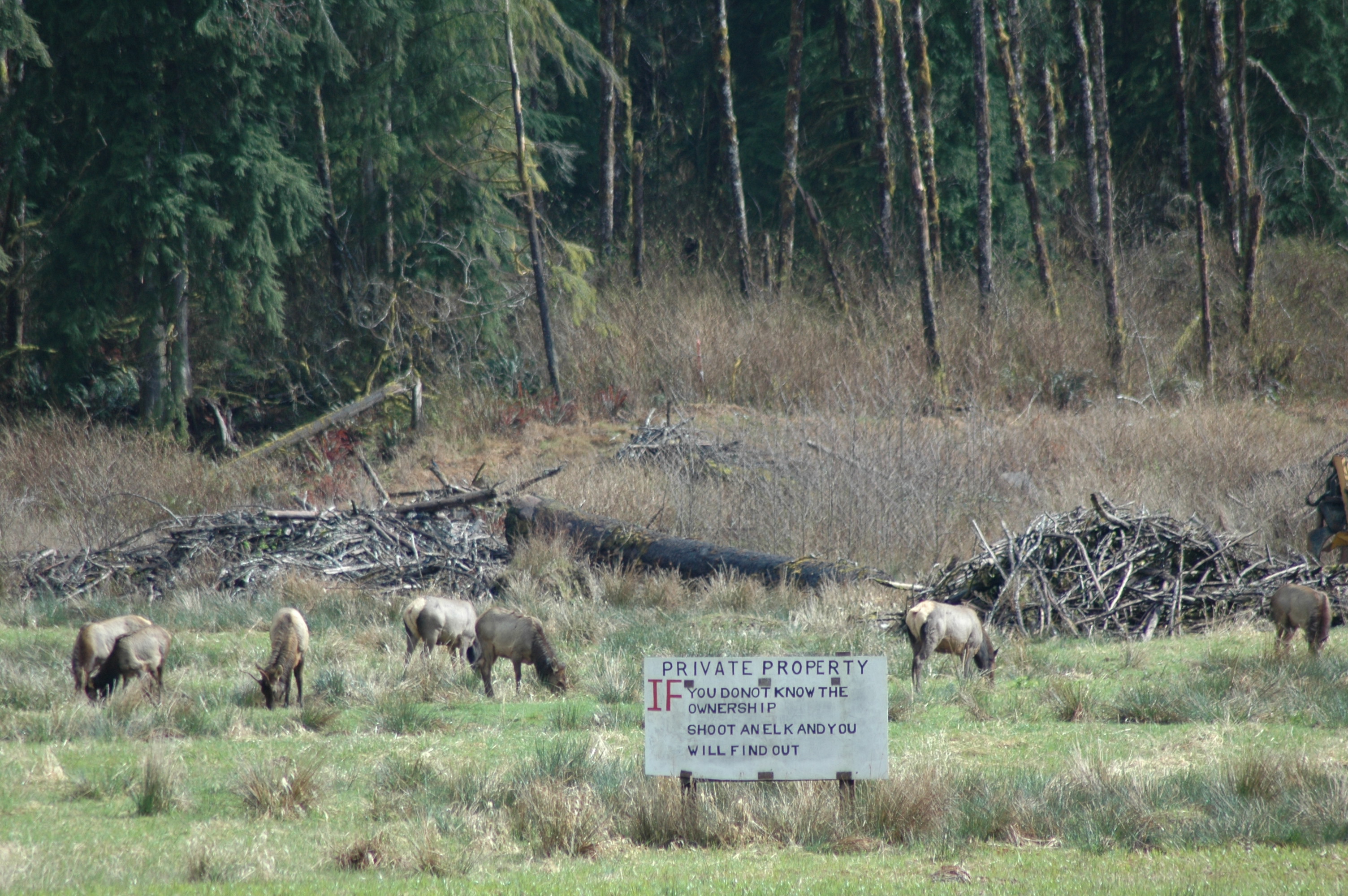
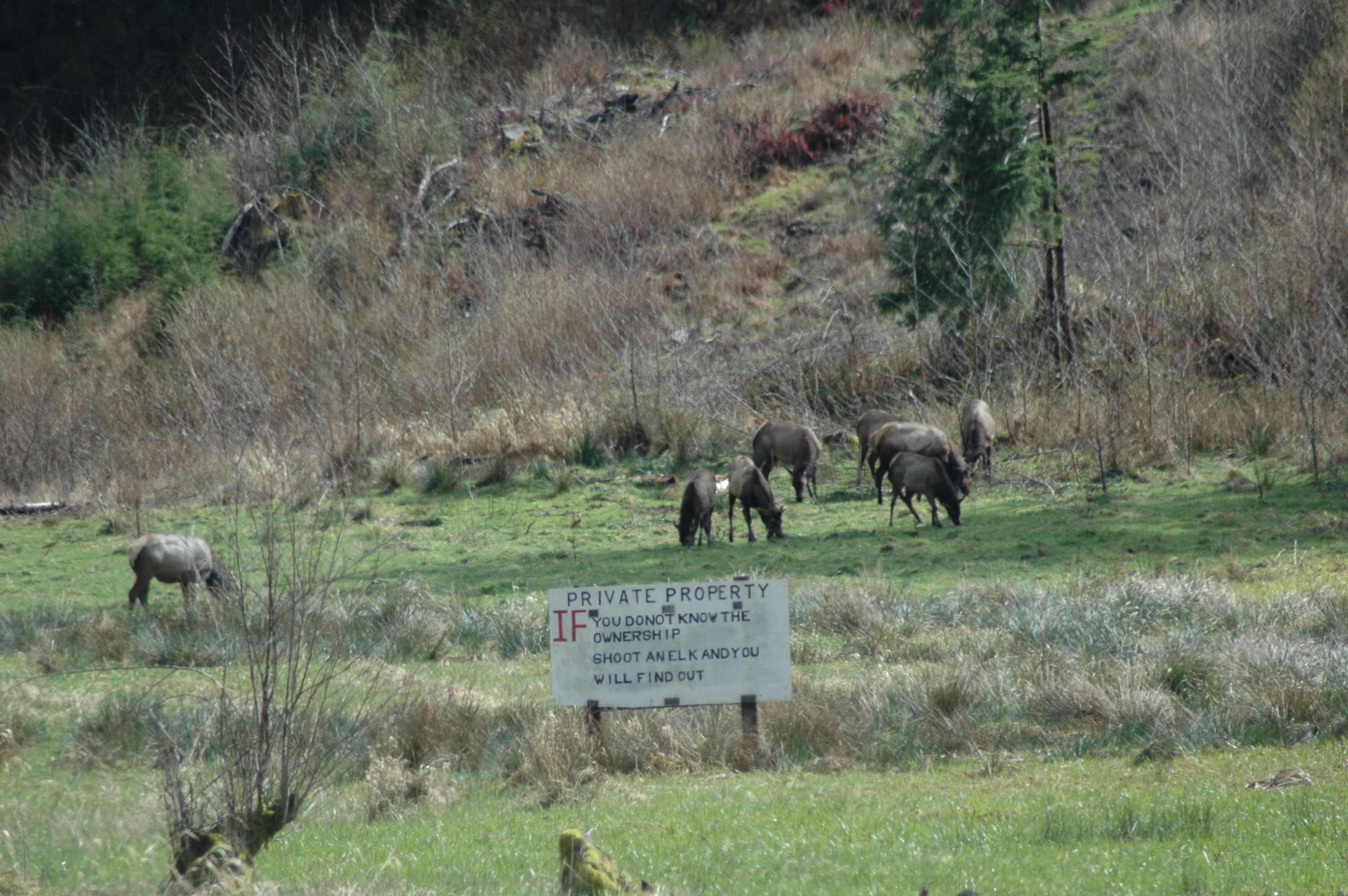
I know that some people have a problem with “Private Property” signs, but there’s no reason to suggest that property owners should not mark their land with “No Hunting” signs. I’d like to see all unnecessary fences taken down or modified so wildlife can pass safely through. But a well-marked piece of private land can serve as a de-facto refuge for our wildlife neighbors—as long as said landowner is not himself a hunter.

Here are some signs I’d like to see more of…DSC_0017

DSC_0026

and of course, this one

734503_607608749267357_1194895074_n

How Do I Hate Thee, Let Me Count the Ways

Now before you go taking offense to this post’s title, let me reassure you that it’s not directed specifically to you, dear reader. I know human beings are not infallible, yet only a few are irredeemable. No, the title is meant for the species Homo sapiens in general, as in…

Humankind, how do I hate thee, let me count the ways:

– I hate that whenever I walk quietly past a local pond, all the ducks, geese and herons rise up and take flight in mortal terror at the sight of a possibly armed and potentially deadly human.
– I can’t stand that the fear of man has become so prevalent that many of our fellow mammalian species have had to adapt by becoming nocturnal.
– I hate that there’s almost nowhere left on the planet where you don’t hear some annoying human noise during the day or see their lights at night.
– I loathe the fact that soon the only species in existence will be those that are forced to serve humankind.
– I hate that the only time wildlife can catch a break is when humans are busy warring with each other.
– And I find insufferable that the most evil genes over the ages keep getting passed on to future generations.

Text and Wildlife Photography ©Jim Robertson, 2013. All Rights Reserved

Text and Wildlife Photography ©Jim Robertson, 2013. All Rights Reserved

I’m About Sick of Control Freaks

What the hell’s going on with state lawmakers and wildlife agencies lately? With just a cursory glance at the headlines this morning I counted at least a half dozen cases of puffed-up politicians overstepping their bounds by offering up some non-human species to appease the bloodlust of a few of their freakiest constituents.
Headlines like “State lawmaker wants open season on woodchucks,” about Wisconsin state representative, Andre Jacque (R-De Pere), who is pedaling a bill that would remove woodchucks from Wisconsin’s protected species list and allow people to kill an unlimited number of them during a season that would run nearly year-round. Jacque said woodchucks are abundant and a “nuisance.”

Though newspaper journalists are, as a rule, impartial, the article’s reporter couldn’t help but see the disturbing trend going on across the dairy state:

Deer, bears, wolves, mourning doves, even wild pigs – if it walks, crawls or flies in Wisconsin, hunters can probably shoot it. Now a state lawmaker wants to declare open season on one more animal: the wily woodchuck.

The bill represents another expansion of hunting rights in Wisconsin and promises to reignite a years-old debate over whether hunters really need another target species. Attempts over the last decade to create hunts for feral cats and mourning doves, the state’s symbol of peace, drew fierce opposition. The state’s new wolf season sent animal lovers into a rage last year and an attempt to create a sandhill crane hunt last spring went nowhere after opponents mounted an intense campaign to stop it. Woodchucks, also known as groundhogs, aren’t as near and dear to Wisconsinites’ hearts as wolves, mourning doves and cranes.

Here’s an idea, why not let their “nuisance” wolves control the “nuisance” woodchucks? Predators like wolves and coyotes have been in charge of “controlling” woodchucks, beavers, prairie dogs, ground squirrels and other scary rodents for thousands of centuries. But I guess letting nature take care of itself would cheat hunters and other human control freaks out of some of their coveted “shooting opportunities.”

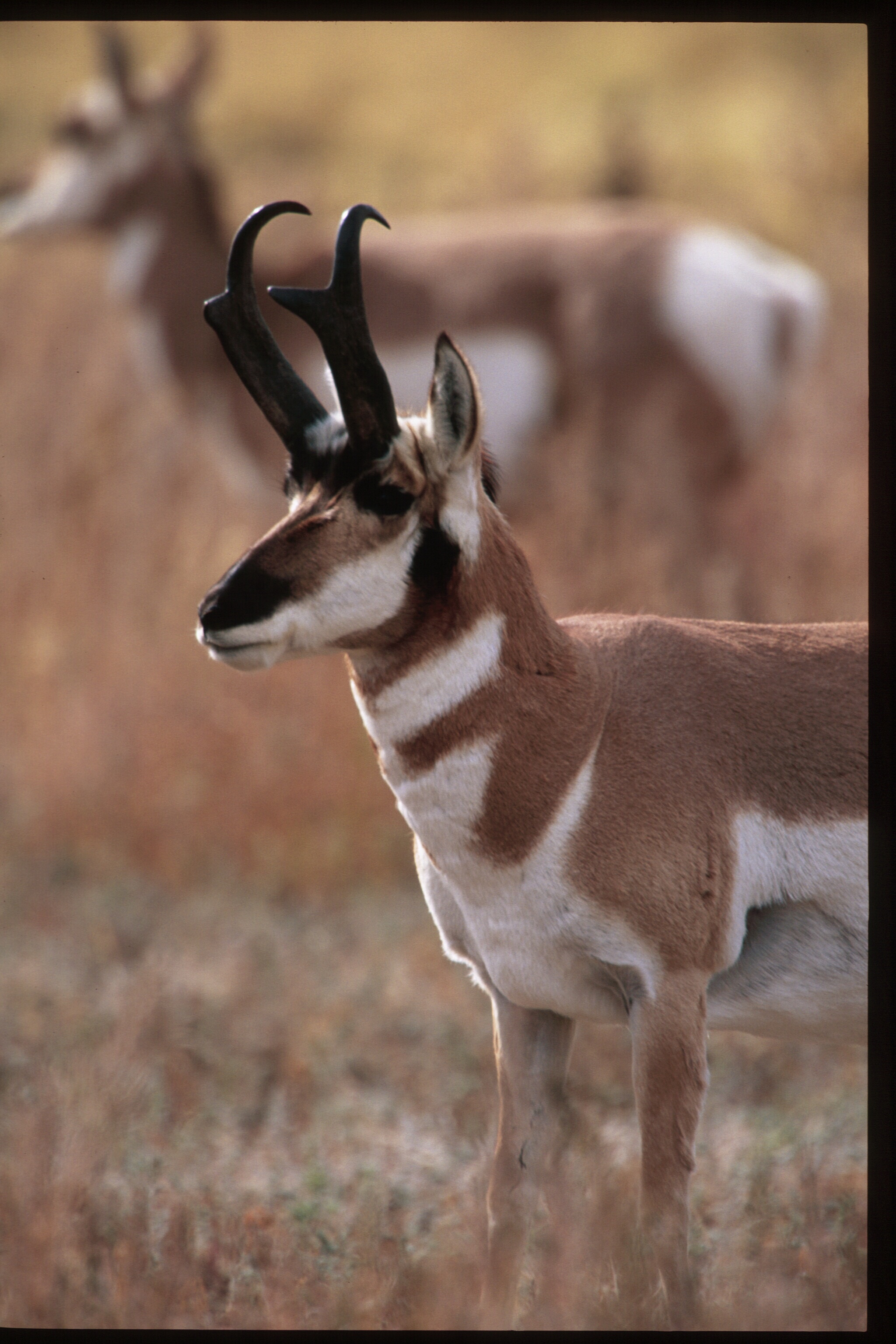
Meanwhile, a Spokane Spokesman Review article, “Idaho sets 2013 big-game hunting seasons, rules,” reports: permits for antlerless elk hunting will be increased statewide under the 2013 hunting seasons for deer, elk, pronghorn, black bear, mountain lion and gray wolf adopted today in Boise by the Fish and Game Commission. The new seasons also include an increase in pronghorn tags and expanded wolf hunting and trapping seasons. Wolf hunting on private lands in the Idaho Panhandle will be allowed year round.

Again, like in Wisconsin, Montana and so many other trigger-happy western states, populations of both wolves and deer or elk are slated for reduction. It seems the work of control freaks is never ending.

Since they don’t have any wolves to scapegoat, wildlife policy-makers in Utah are setting a $50.00 bounty on coyotes, presumably to keep in practice.
And in Oklahoma, spring youth turkey season will begins today for youth hunters ages 17 and younger. Turkeys won’t be safe in that state until sometime in May.

Also in Oklahoma hunting news, on Wednesday 1200 students and 64 teams from Oklahoma high schools, middle schools and elementary schools will convene at the OKC State Fairgrounds to compete in the state’s ninth archery championship tournament. Archery in the Schools has become the most popular educational program the Okla. Dept. of Wildlife “Conservation” has ever introduced. More than 400 schools and almost 50,000 students in Oklahoma are taking an eight week archery session taught indirectly by the Oklahoma Wildlife Department.

Now, I like to shoot arrows at straw bales as much as the next guy, but you know it doesn’t end there for most of these Okies. Sure enough, the success of their archery program has inspired the Oklahoma Wildlife Dept. to introduce other courses in schools such as hunter education, bow hunting and fishing. And this spring the Wildlife Dept. will introduce a scholastic shooting sports program in several pilot schools.…

I could go on, but trying to keep up with every state’s new anti-wildlife programs is really getting to be a nuisance.

 Text and Wildlife Photography ©Jim Robertson, 2013. All Rights Reserved


Text and Wildlife Photography ©Jim Robertson, 2013. All Rights Reserved