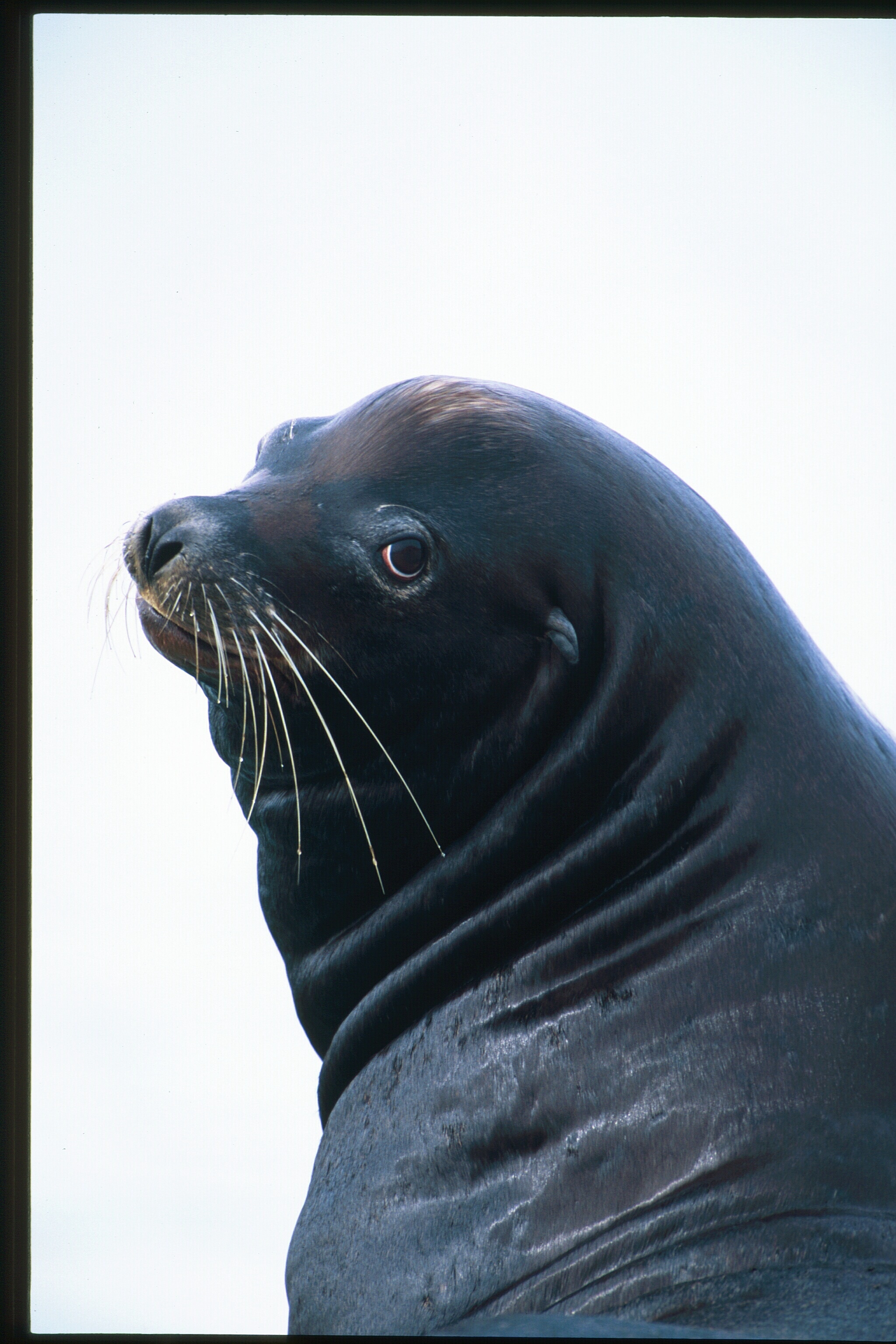
When Humans are Gone, Who’ll be Around to Brand the Sea Lions?

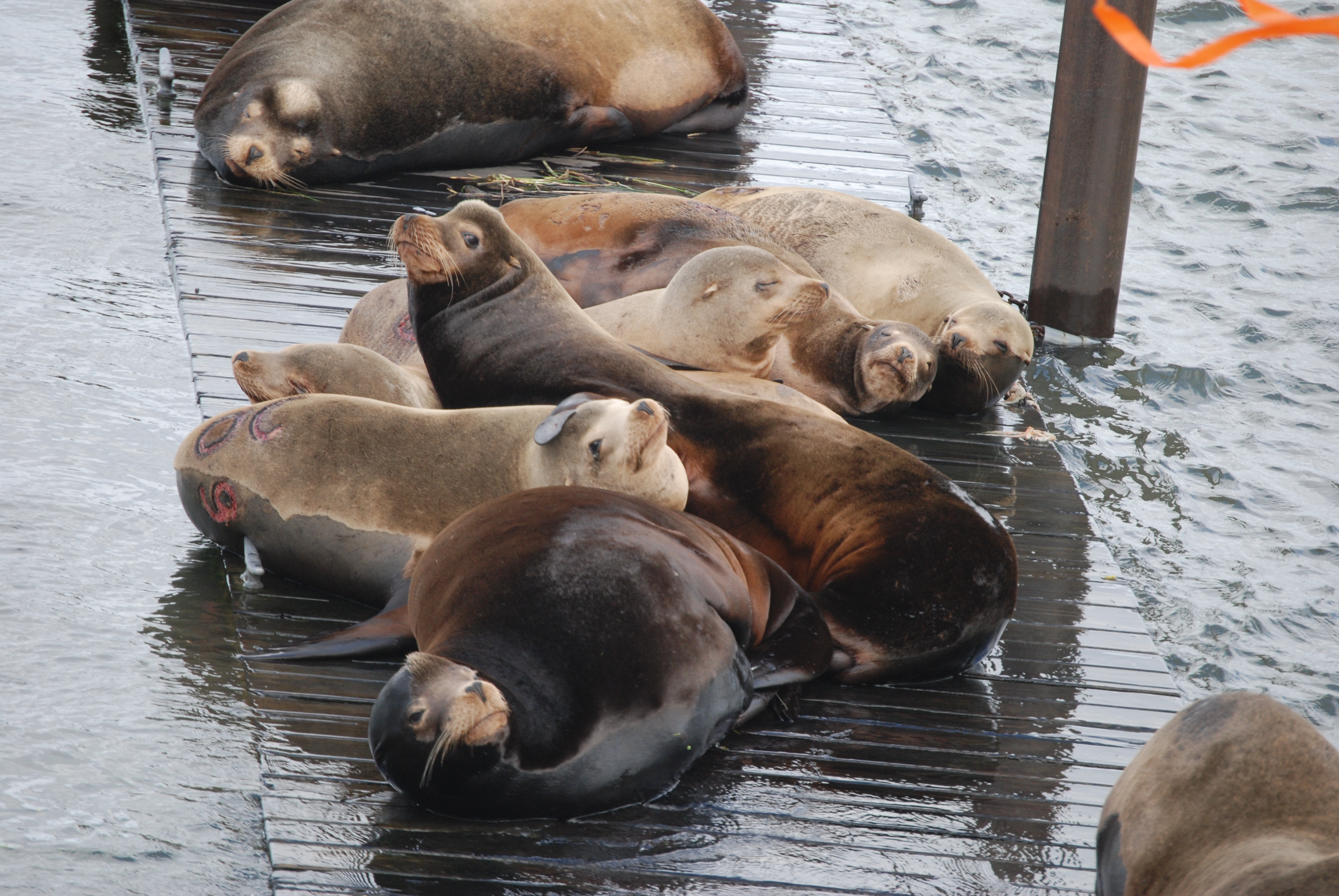
The hot iron is something right out of the Inquisition era. But while the Spanishlittleboyc09 Inquisition was a necessary evil to prevent heresy and extract confessions from witches, branding sea lions serves no real purpose. Oh sure, the modern day inquisitors will argue that the tortuous process helps them decide which individual sea lions are most responsible for the capital crime of eating salmon at the Bonneville dam upriver.

What you don’t hear them say is that sea lions have been eating fish for some 50 million years, ever since they left the land and evolved back into sea creatures. For the ensuing millennia, everyone got along just fine—until humans came by to fuck things up.

First, the humans strung nets and placed weirs out into the salmon’s migration path. Next they built canneries along the Columbia River; and while some people were busy killing off the salmon in droves, sealers murdered all the seals and sea lions and otters they could find, to fuel the booming, psychotic fur trade (for which the town of Astoria was first made famous). California sea lions were primarily rendered into oil by the equally-debased whaling industry.

The many dams built along the river were the coup de grace for any salmon still surviving the ever-advancing human onslaught. Not only do spawning salmon have to make it up past the massive new impediments, but warmer water behind the manmade reservoirs is hard on the young fish fry. And then there was the threat of the dam turbines…

Now, when a few sea lions are seen eating fish—as they’ve always done—they’re practically burned at the stake.

Text and Wildlife Photography© Jim Robertson

Text and Wildlife Photography© Jim Robertson

End the “Lethal Take” of Columbia River Sea Lions

Sea lion Defense Brigade reports that a lot of young animals were seen in Astoria’s east mooring basin this weekend with fresh brand burns, and bleeding scars on their backs. ODFW claims this hot branding does not hurt sea lions, but the burns on their backs and the pain in their eyes tell a different story.

Please contact NOAA :Donna Wieting, and ask her to end the “Lethal Take” of the Columbia River sea lions for eating fish. Director, Office of Protected Resources
NOAA
Phone 301 713-2332 begin_of_the_skype_highlighting 301 713-2332 FREE  end_of_the_skype_highlighting
Fax 301 427-2520
Email: donna.wieting@noaa.gov
1315 East-West Highway,
Silver Spring MD 20910
Thank you, for taking action for the Columbia River sea lions.


littleboyc09


Take the Pledge: Boycott Columbia River Salmon


10177328_858615524154229_3705218634339822816_n

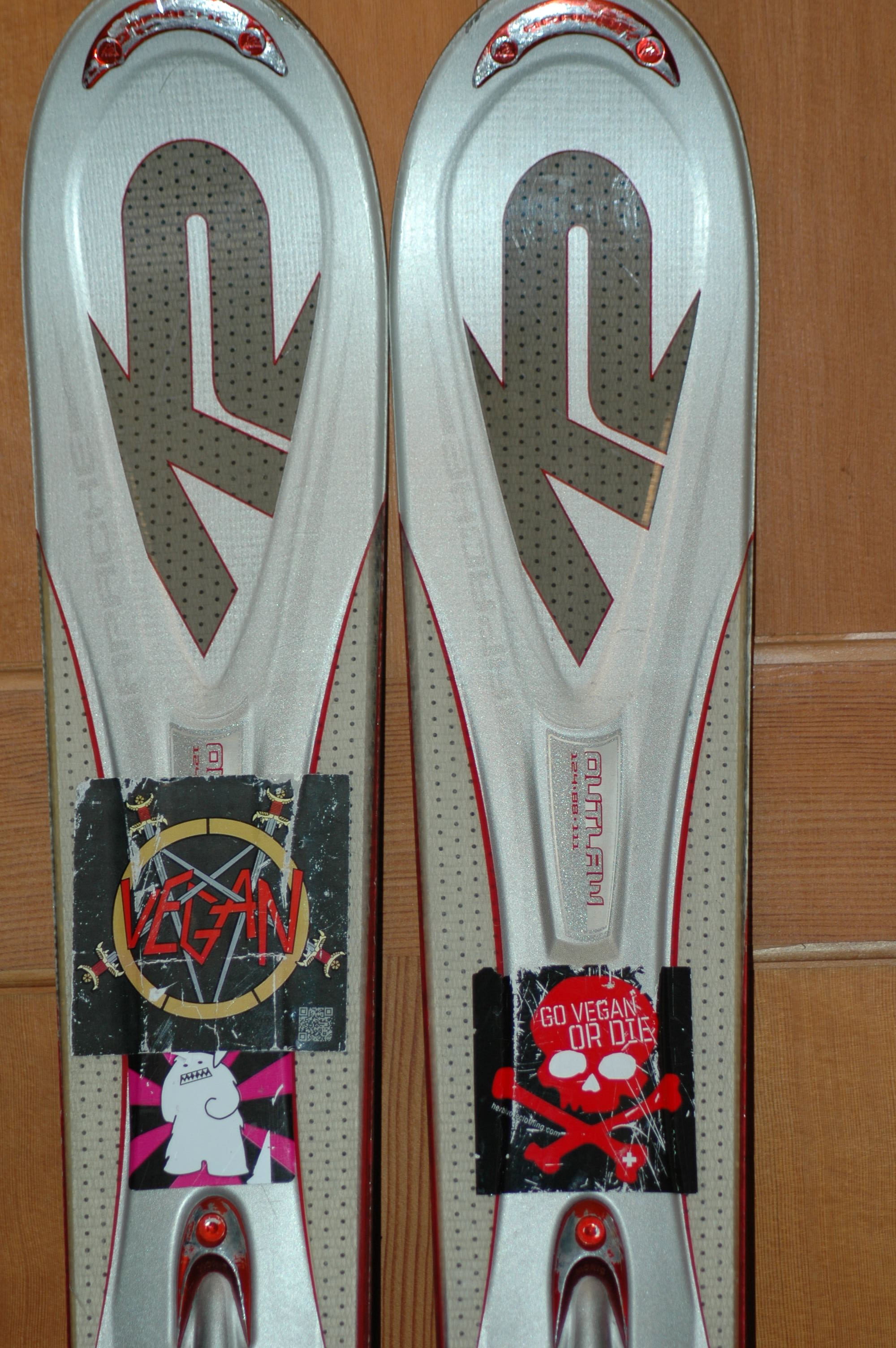
Meanwhile, this bumper sticker is a common sight on rigs owned by commercial salmon fishermen in the area:

DSC_0128

And shot sea lions are a common sight on beaches off the Oregon/Washington coast:

dsc_0224

_____________________

From Sea Lion Defense Brigade:

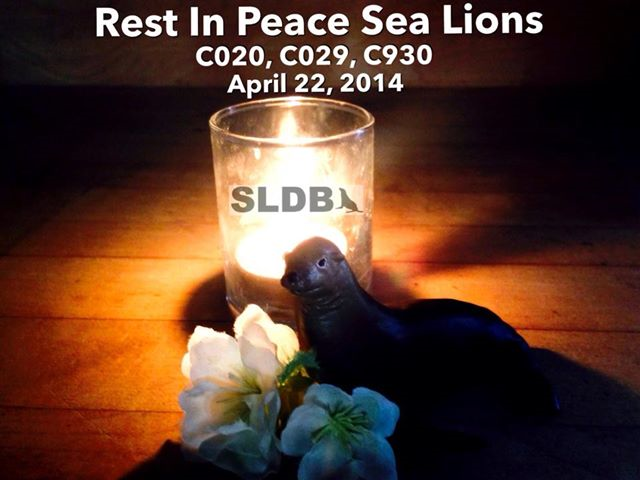
In loving memory of the 3 sea lions KILLED this week at Bonneville Dam by the Oregon Department of Fish and Wildlife.

These scapegoated sea lions had nothing to do with the decline of salmon and were taken from their friends and family way too soon.

Humans have many food options, sea lions do not.

Rest in Peace C020, C029 and C930.
We serve in your memory.SLDB

Wolf populations in Northern Rockies states Down 6%

April 5, 2014 by 

Associated Press

Gray wolf numbers in the Northern Rockies have declined about 6 percent from 2011, according to the U.S. Fish and Wildlife Service. Congress removed the wolves from the federal endangered species list in 2011. A state-by-state breakdown of year-end 2013 minimum wolf count and percentage change over two years:

–Idaho: 659 wolves; down 14 percent

–Montana: 627 wolves, down 4 percent

–Oregon: 61 wolves; up 110 percent(asterisk)

–Utah: 0 wolves; no change

–Washington: 38 wolves; up 46 percent(asterisk)

–Wyoming: 306 wolves, down 7 percent

–NORTHERN ROCKIES TOTAL: 1,691 wolves; down 6 percent

(asterisk)includes wolves only in eastern portion of state

Source

copyrighted wolf in river

Is Nowhere Safe? Oregon “Refuge” May Allow Elk Hunting

elk-000-home17300

March 08, 2014 12:45 am
By Bennett Hall, Corvallis Gazette-Times

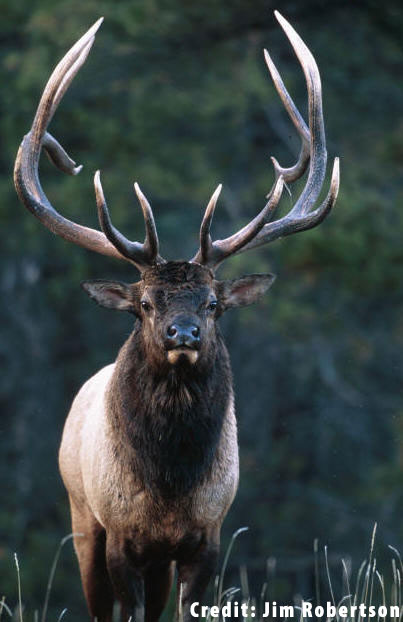
Half a century ago, when the William L. Finley National Wildlife Refuge south of Corvallis was established to protect migratory waterfowl, sightings of Roosevelt elk were a rare occurrence in the Willamette Valley.

In recent years, however, the majestic animals have made quite a comeback on the valley floor. In the last decade, the Oregon Department of Fish & Wildlife estimates, the population has mushroomed from 100 to at least 600 individuals.

The biggest herd in the region makes its home on the Finley Wildlife Refuge, where an estimated 200-plus elk have become a major draw for visitors — and a growing problem for neighboring landowners.

State and federal wildlife managers say the animals cause extensive damage when they periodically wander off the 6,000-acre refuge, eating or trampling crops and knocking down fences that stand in their way.

Now, to reduce the damage, ODFW and Finley biologists are floating a plan to reduce the herd by opening the refuge to elk hunting for the first time.

If approved by the U.S. Fish & Wildlife Service, the plan would allow a three-month hunting season for antlerless elk (cows and “spikes,” or yearling bulls) in the late summer and early fall.

Five permits would be issued to Willamette Valley elk tag holders each month from August through October for a total take of up to 15 elk, and only bowhunting would be allowed the first year.

“We have a goal to reduce the size of the elk herd by 20 percent over five years,” said Jock Beall, the refuge biologist at Finley.

The plan is being welcomed by most area farmers and duck-hunting clubs, which plant corn to attract waterfowl.

But the idea is not without controversy. A large number of Finley’s 100,000 annual visitors come to the refuge to watch or photograph wildlife. To them, the elk are rock stars.

“Elk are a charismatic species,” Beall acknowledged. “(Visitors) like them and they like the viewing, and they think (the hunt) will change the opportunity or decrease the opportunity to view them.”

You can count Ricardo Small among that group.

A retired Arizona real estate appraiser who now spends most of the year in the mid-valley, he’s a regular at Finley. From his perspective, any damage the elk may be doing on private property shouldn’t be the refuge’s problem.

“The elk are a major magnet for visitors, and there is no information I can find in any Fish & Wildlife report to indicate the elk are doing any damage to resources on the refuge,” Small pointed out.

“My position is there’s no reason to open up the refuge to elk hunting. Let them open up their land to hunting — but I guess that’s not palatable to the private landowners.”

As recently as 1989, there were only about 20 elk on the Finley National Wildlife Refuge. A decade later the tally had jumped to 100, and last year the Finley herd numbered 163 animals.

A second herd of 38 elk has taken up residence since then, according to Beall, and there’s another group of 10 to 15 bachelor bulls that hangs around the fringes of the two established herds.

There’s plenty of forage and tree cover on the refuge, and because hunting currently is not allowed at Finley, it provides a safe haven for the animals during the valley elk season, which runs from August through March.

It’s good habitat for Roosevelt elk, the largest North American subspecies, which can weigh in at half a ton and stand 5 feet tall at the shoulder. In fact, the biggest Roosevelt bull on record was taken just south of the refuge boundary in 2002. The taxidermied trophy is now on display at Cabela’s sporting goods store in Springfield.

Even though the refuge proposal would not allow hunting of mature bulls (which tend to be targeted by off-refuge hunters and are underrepresented in the Finley herd), some wildlife lovers fear any hunting would make Finley’s elk skittish.

“I oppose the plan mainly because of what it would do to the recreational aspect — viewing elk on the refuge,” said Phil Hays, another refuge regular, in an email to the Gazette-Times.

“The (environmental assessment) specifically states that hunting causes elk to remain hidden during the day, and they come out to feed at night,” he added. “The refuge is open dawn to dusk. Seems to me that hunting will make the already elusive herd less visible to visitors at the refuge.”

more: http://www.gazettetimes.com/news/local/refuge-may-allow-elk-hunting/article_c93d5bb6-a665-11e3-befe-0019bb2963f4.html

Why Wolves Need ESA Protection

1509686_1453770291507881_1955386015_n

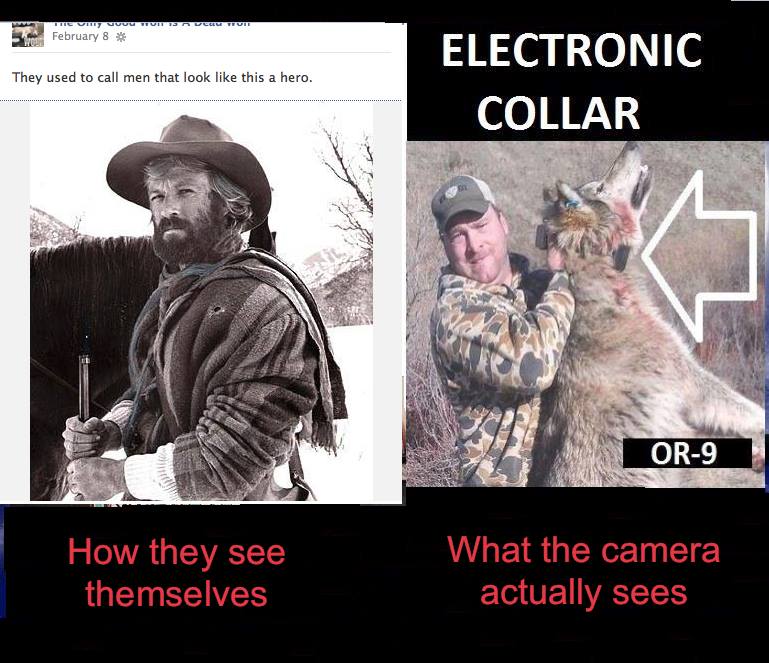
The sad story of OR9 is a prime example of why wolves need to remain on the federal Endangered Species list…

Sibling of famous OR-7 wolf killed by hunter in Idaho

Published: Friday, February 10, 2012

JOSEPH — A sibling of Oregon’s world-famous wolf OR-7 has been shot and killed in Idaho by a hunter whose wolf tag was no longer valid.

“What an amazing difference between how this wolf’s story evolved compared to his brother, OR-7, who is now in California and is an international celebrity,” said Suzanne Stone of Boise, spokeswoman for the 530,000-member Defenders of Wildlife environmental group.

The radio-collared male wolf identified as OR-9 was killed Feb. 2 near a cattle feedlot and winter calving area north of Emmett, between Boise and the Snake River, said Mike Keckler, spokesman for the Idaho Department of Fish and Game.

Like his famous brother, OR-9 was born into the Imnaha pack near the northeastern Oregon town of Joseph. He was collared Feb. 26, 2011, in the Grouse Creek area east of Joseph when he was about 1 1/2 years old and weighed 90 pounds then.

OR-9 departed Oregon in July two months before OR-7 began his epic 730-mile trek to Crater Lake and south into California earlier this winter. OR-9 headed east, swam the Snake River into Idaho at Brownlee Reservoir and traveled south toward Emmett.

His travel destination turned out to be dangerous. Unlike the Joseph area, where gray wolves are protected under Oregon’s Endangered Species Act, Idaho’s wolves are classified as big game animals and subject to regulated hunting rules.
More…http://www.oregonlive.com/pacific-northwest-news/index.ssf/2012/02/sibling_of_famous_or-7_wolf_ki.html

From Defenders of Wildlife:
You didn’t support it. We didn’t support it. Now it’s been shown that the best available science doesn’t support the plan to delist nearly all gray wolves in the Lower 48 either.

ACT NOW: Demand that Secretary Jewell abandon this reckless delisting proposal and allow for the full recovery of gray wolves!

An independent peer review board, commissioned to assess the quality and adequacy of the science underlying the U.S. Fish and Wildlife’s (FWS) delisting plan for gray wolves, just released their unanimous decision: that the proposal to strip gray wolves of Endangered Species Act Protection is not based on the best available science and contains numerous omissions and errors.

This is a major development in our efforts to stop this irresponsible proposal from going through.

Please speak out! Urge Secretary Jewell to direct the Fish and Wildlife Service to withdraw this proposal immediately!

Now that it’s been confirmed that this proposed delisting is clearly not based on the best available science, we are left wondering why FWS wants to turn its back on wolves.

In states like Idaho, we continue to see what happens when wolves are prematurely stripped of federal protection and left to be managed by states with deadly anti-wolf agenda’s – just recently they announced a proposal to kill off as many as 450 wolves statewide!

Wolves now serve as a scapegoat for anti-government extremists with a political agenda – and these groups will spare no expense to try and derail wolf conservation in America. We simply can’t allow politics and private interests to trump science – it’s irresponsible and unacceptable.

In Case You Haven’t Noticed Yet, Global Warming Is Real

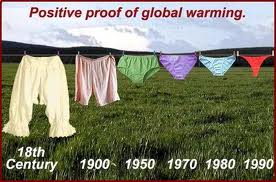
If you’re one of the lucky few who live somewhere as yet relatively unaffected by climateunderwear change, or you spend all your time indoors listening to Rush Limbaugh and watching Donald Trump on Fox News, I’m here to tell you, global warming is real.

It may be hard to accept that the Earth’s overall temperature is rapidly warming up if your state has just experienced a polar vortex, but if you live in California or the Pacific Northwest you know all too well the drastic effect climate change is having on winter weather—especially if you’re a skier like me.

As an avid powder skier I’ve been closely following the snow reports for the mountains in the western United States and I’m seeing a depressing trend toward shallower snow packs and away from our normal winter wonderland.

Why is this happening? As the San Jose Mercury News reported it, “Meteorologists have fixed their attention on the scientific phenomenon they say is to blame for the emerging drought: a vast zone of high pressure in the atmosphere off the West Coast, nearly four miles high and 2,000 miles long, so stubborn that one researcher [Swain] has dubbed it the ‘Ridiculously Resilient Ridge.’ Like a brick wall, the mass of high pressure air has been blocking Pacific winter storms from coming ashore in California, deflecting them up into Alaska and British Columbia, even delivering rain and cold weather to the East Coast.” Much to the dismay of skiers, this stubborn high pressure ridge is pushing the jet stream, and our winter moisture, along a much more northerly track.

Ok, but what does this, and the lack of winter storms (for us here in the West) have to do with global warming? In an article in ThinkProgress.org, “Leading Scientists Explain How Climate Change Is Worsening California’s Epic Drought,” we learn that “Beyond the expansion and drying of the subtropics predicted by climate models, some climatologists have found in their research evidence that the stunning decline in Arctic sea ice would also drive western drought — by shifting storm tracks…Scientists say this anomaly looks very much like what the models predicted as sea ice declined. The storm track response also looks very similar with correspondingly similar impacts on precipitation (reduced rainfall in CA, increased precipitation in SE Alaska).”

In addition to California’s record-breaking drought and water rationing, you probably heard on the national news about their destructive January brush fires. But even more shocking than those unseasonable fires are a recent pair of 300 acre wildfires on the normally soggy North Oregon Coast, which burned nearly to the beach. January fires in the Pacific Northwest rain forest are almost unheard of, as anyone who has tried to light a campfire in winter there will attest. In an article about the forest fires, The Daily Astorian (North Oregon Coast ’s local paper) reported that the National Weather Service in Portland issued a “red flag” warning in response to conditions (strong dry east winds and humidity as low as 25%) that can contribute to wildfires burning out of control. Instead of the 25% humidity, coastal Oregon humidity on a winter’s day should be more like 125%.

Whether you choose to “believe in” global warming or not, I urge any of you enjoying this mild, dry winter weather to please think snow!

DSC_0098

Stop Cruel Animal Traps in America by 2020!

525140_440817092654544_311118433_nhttps://www.causes.com/actions/1752223-stop-cruel-animal-traps-in-america-by-2020?conversion_request_id=2381843&ctag=09d44ab239cd00064c53385eb9814ef8af&ctoken=MLEjxS0ImRVakE02ScHkiK6eM07ignxPMzzi7vJUKqnWFjfXcN2DtRJEPzOCVXh84X8iuDGxXGYYhuoTR8oWdA%3D%3D&recruiter_id=46771178&uid=55991894&utm_campaign=activity_invitation_mailer%2Factivity_invitation&utm_medium=email&utm_source=causes

Sign the Petition to Jim Lane, Director of New Mexico Game & Fish Department, Fish and wildlife managers nationwide.

We ask that you and other Game & Fish Directors across America put a stop to the cruel, inhumane practice of animal trapping. We’re asking you to take a leadership role in this and let your fellow wildlife managers be aware:

1. Stop your own trapping Mr. Lane, you’re practicing animal cruelty. Your personal cessation of this activity will set an example for others to follow. You are unfit to manage wildlife so long as you torture animals.

2. We ask that you stop supporting the practice of trapping in the State Legislature of New Mexico when called to testify, and that your peers cease similar activity in their states.

3. Begin to phase out new trapping licenses. This practice will end.

4. Eliminate issuance of trapping licenses completely by 2015 in New Mexico. Ask your peers to follow your lead.

Signed,

Bold Visions Conservation

 https://www.causes.com/actions/1752223-stop-cruel-animal-traps-in-america-by-2020?conversion_request_id=2381843&ctag=09d44ab239cd00064c53385eb9814ef8af&ctoken=MLEjxS0ImRVakE02ScHkiK6eM07ignxPMzzi7vJUKqnWFjfXcN2DtRJEPzOCVXh84X8iuDGxXGYYhuoTR8oWdA%3D%3D&recruiter_id=46771178&uid=55991894&utm_campaign=activity_invitation_mailer%2Factivity_invitation&utm_medium=email&utm_source=causes

As you read this, hundreds of animals have their foot, shattered and mangled in a foothold trap, or are slowly choking to death in conibear traps.

Thousands of animals are suffering unthinkable pain and anguish, EVERY DAY. They’re frightened beyond hope, and in horrible pain. Their savior will show up in a day or two or three, to murder them, and finally end their anguish.The people whose job it is to manage wildlife for ALL PEOPLE use their position purely to help that very small population of trappers: it’s time they heard from the rest of us!

Please Sign the petition and visit the Bold Visions Conservation website:http://boldvisions.businesscatalyst.com/bold-visions-conservation—trapping.html

We need YOU and 250,000 other concerned people across the planet to take on this issue with us: wild creatures belong to the earth, not to the few deranged individuals that think animals are for killing, and for killing alone.

IT’S TIME TO QUIT LETTING THE BARBARIANS BE IN CHARGE!

Bold Visions Conservation is YOUR representative. We will fight these departments on your behalf, and we’ll fight with every resource available. We will start with the New Mexico Game and Fish Department, and use what we learn to work with groups across America to stop barbaric trapping, once and for all!

http://boldvisions.businesscatalyst.com/bold-visions-conservation—trapping.html


on the Upcoming Coyote Conest Kill in Crane OR

From Predator Defense.org:

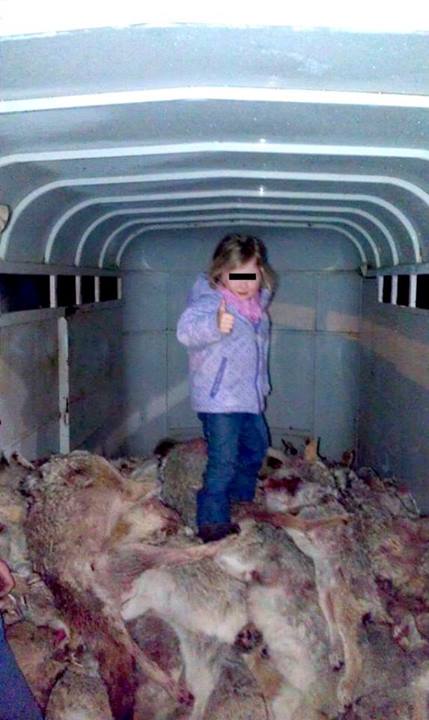
We’re always working to stop atrocities like the one pictured below. To that end we alerted the U.S. Forest Service and Bureau of Land Management to a coyote-killing contest in Crane, Oregon this coming weekend, Jan. 17-19, that was expected to take place on both private and public lands. We let them know that the event was happening, and that we believed that the organizers, JMK Coyote Hunt, did not have the special use permit required for hunting on public land. JMK refused to get a permit, so their killing spree is now restricted to private land. We decry contests like this. Rewarding killing for the “fun” of it teaches children cruelty and brutality. It also increases predation on livestock and exacerbates conflicts between wildlife, ranchers and farmers. Please support our work to stop wildlife atrocities by donating today at https://donatenow.networkforgood.org/1443481.

1530473_712789468755204_235715082_n

ACTION ALERT: Coyote Killing Contest ~ Jan. 18-19 Crane, OR


“A society that condones unlimited killing of wildlife for fun and prizes is morally bankrupt.”  ~ Dave Parsons, Project Coyote Science Advisory Board

Please join Project Coyote to take immediate action to stop a brutal coyote killing contest scheduled for January 18-19th in Crane, Oregon.  There is no place for a wildlife killing contest in our civilized society.
Contest participants, in teams of two, with no geographical restrictions will slaughter coyotes for thrills and compete for cheap prizes (including cash). Awards will be given for the most coyotes killed, the largest coyote, and other categories including a calcutta. This is not hunting but a gratuitous massacre that is legal in Oregon and across the country. Children under the age of 16 are encouraged to participate with free entry on Saturday.
Specific details:
What: Eighth Annual Coyote Killing Contest Where: Crane, Oregon                          When: Saturday, January 17th through Sunday January 19th, 2014

JMK_2014

Pl. share this image from the recent Salmon, ID coyote/wolf “derby” (95,360 views & 1,749 shares to date) & help spread the messageCoyote Wolf Holiday Killing Contest Salmon Idaho_copyright Project Coyote

“The non-specific, indiscriminate killing methods used in this commercial and unrestricted coyote killing contest are not about hunting or sound land management. These contests are about personal profit, animal cruelty…It is time to outlaw this highly destructive activity.” ~ Ray Powell, New Mexico Land Commissioner

Talking Points (please personalize your letter and if you recreate in Oregon please mention this):
1.  Wildlife killing contests are ethically indefensible events allowing participants to kill wildlife to win prizes. They are biologically and ecologically reckless, not only harming individual animals, but also altering predator-prey dynamics, disrupting the social dynamics of predatory species, and increasing threats to public safety, all for fun and prizes. They have no beneficial management purpose but, rather, promote gratuitous violence against wildlife. They demean the immense ecological and economic value of predators in an ecosystem while teaching children to hate and trivialize the lives of predators.
2.  Killing contests have nothing in common with fair chase, ethical hunting. Technology, baiting, and “calling” place wildlife at an even greater and unfair disadvantage. Killing predators, or any wild animal, as part of a ‘contest’ is ethically indefensible and ecologically reckless.    3.  Bloodsport contests are conducted for profit, entertainment, prizes and, simply, for the “fun” of killing. No evidence exists showing that predator killing contests control problem animals or serve any beneficial management function. Coyote populations that are not exploited (that is hunted, trapped, or controlled by other means), form stable “extended family” social structures that naturally limit overall coyote populations through defense of territory and the suppression of breeding by subordinate female members of the family group.
4. The importance of coyotes and other predators in maintaining order, stability, and productivity in ecosystems has been well documented in peer-reviewed scientific literature. Coyotes provide myriad ecosystem services that benefit humans including their control of smaller predators, rodents, and jack rabbits, which compete with domestic livestock for available forage.    5.  Wildlife killing contests perpetuate a culture of violence and send the message to children that life has little value and that an entire species of animals is disposable.   6.  Wildlife killing contests put non-target animals, companion animals, and people at risk. Domestic dogs are sometimes mistaken for coyotes and wolves.

Immediately contact the following to voice your firm but polite protest:

Oregon Department of Fish and Wildlife
4034 Fairview Industrial Drive SE
Salem, OR 97302
(503) 947-6000
odfw.comments@state.or.us

Oregon Governor John Kitzhaber
900 Court Street NE, 160, Salem, OR 97301
(503) 378-3111

Harney County Chamber of Commerce
Chelsea Harrison, Executive Director
484 North Broadway, Burns, OR 97720
(541) 573-2636
director@harneycounty.com

Please post polite comments on the Facebook pages of Travel Oregon and the Eastern Oregon Visitors Association:

Travel Oregon/Oregon Tourism Commission
Judiaann Woo, Director, Global Communications
1(800) 547-7842
info@traveloregon.com
https://www.facebook.com/TravelOregon

Eastern Oregon Visitors Association
Phone: 1 (800) 332-1843
eova@eoni.com
https://www.facebook.com/VisitEasternOregon