
Yesterday I asked the question, “Who is the creeping cancer?” The choice was between the bison—a species nearly hunted off the face of the Earth that is still extinct over practically all its former range—or humans.
The answer is so ridiculously obvious it’s hardly worth asking; while the human species increases by over one million infants a day (1,000 were born just in the past minute), almost every other life form is on its way out of existence.
Thus, when the Seattle Times recently ran a piece by one of their columnists, Sharon Pian Chan, titled “Why I am not having kids,” I felt it was my duty to share the link here. Chan brings up many good reasons not to breed, but the benefit to the environment was only mentioned once: “…not having a child is the most important thing I could do to reduce my carbon footprint, according to a 2009 study by Oregon State University statisticians. (Of course, like all parents, I believe my theoretical child would have grown up to become a brilliant physicist and saved the world from global warming, so this is a moot point.)”
Possibly…on the other hand it could have grown up to become the next Sarah Palin, Dick Cheney, Ted Bundy or terrible Ted Nugent.
Chan goes on to point out that by not having kids… “I will have a lot more attention and money to shower on real-life nieces, nephews, mentees and philanthropic causes.” Causes like educating the masses on just how many ways human overpopulation is ruining the planet, perhaps?
Those contemplating childbirth could always benefit from a bit of trivia, such as the fact that though it’s taken all of human history to until around the year 1800 for the world human population to reach one billion, the second billion was achieved in only 130 years (1930), the third billion in less than 30 years (1959), the fourth billion in 15 years (1974), and the fifth billion in only 13 years (1987). During the 20th century alone, the population in the world has grown from 1.65 billion to 6 billion.
The world population clock estimates that by 2025 the eight-billionth will be born and in 2045 the planet will be expected to feed and provide for nine billion hungry human beings. All the while the world will continue to see its biodiversity vanish.
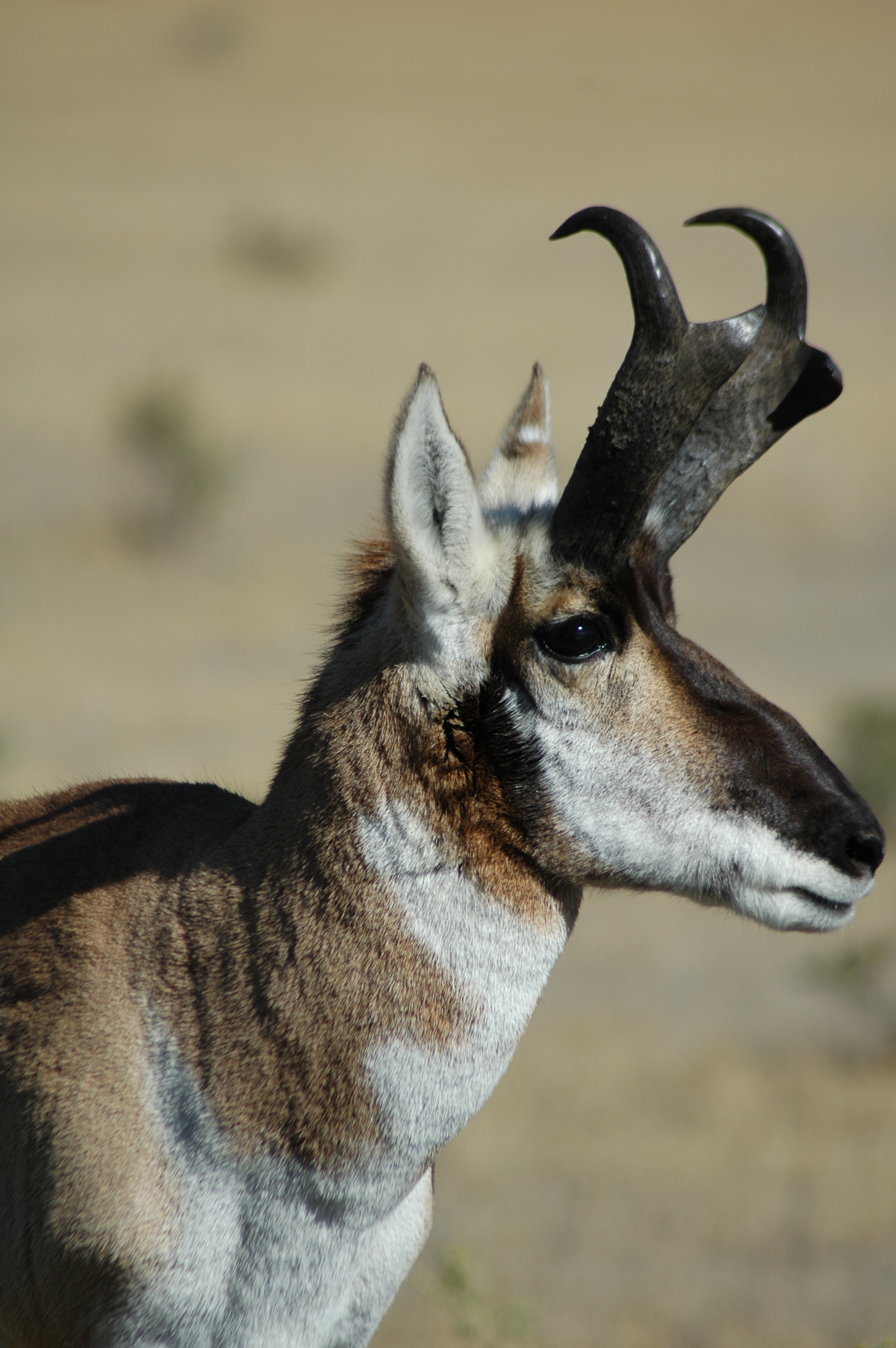
Paul R. Ehrlich, author of the 1960s bestseller, The Population Bomb, foresaw peril in the ongoing disappearance of all other life forms except ours: “It isn’t a question of people or animals–it’s got to be both of us or we’re finished. We can’t get along without them. They could get along without us.”

Text and Wildlife Photography ©Jim Robertson, 2013. All Rights Reserved


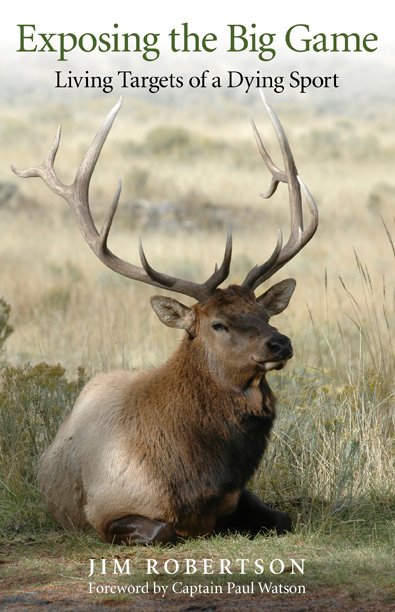


 Exposing the Big Game